Support our educational content for free when you purchase through links on our site. Learn more
🏛️ Why Are Perfume Brands Called “House”? The Secret Revealed (2026)

Ever walked into a department store, picked up a bottle, and wondered why some labels proudly declare themselves a “House” while others are just “Brands”? It’s not just a fancy marketing trick; it’s a centuries-old distinction that separates the creators from the resellers. Imagine walking into a restaurant where the chef claims to have invented the recipe versus one where the food was just heated up in a microwave—that’s the difference between a Perfume House and a standard Brand.
In this deep dive, we’ll peel back the layers of olfactory history to reveal why the term “House” (or Maison) is the ultimate badge of honor in the fragrance world. From the royal warrants of 18th-century France to the modern-day “Milli Vanilli” scandals of celebrity scents, we’ll uncover the 98% rule that might change how you shop forever. We’ll also introduce you to the 10 Legendary Houses that have defined scent for generations and show you exactly how to spot a fake legacy from a mile away.
Key Takeaways
- True vs. Fake: A Perfume House creates its own formulas with a dedicated “Nose,” while a Brand often resells mass-produced scents.
- Heritage Matters: The term “House” signifies a family legacy, royal lineage, and creative autonomy that dates back centuries.
- Spot the Difference: Look for transparency ingredients and a consistent olfactory DNA to identify a genuine House.
- Explore the Legends: Discover the unique stories behind iconic names like Guerlain, Cred, and Chanel.
Ready to smell the difference between a legacy and a label? Let’s dive into the archives.
Table of Contents
- ⚡️ Quick Tips and Facts
- 🏛️ The Grand History: Why We Call Them “Houses” Instead of Brands
- 👑 The Royal Lineage: How Aristocracy Shaped Perfumery Nomenclature
- 🧬 The House DNA: Understanding Signature Scents and Olfactory Families
- 🏢 House vs. Brand: Decoding the Hierarchy in the Fragrance World
- 🌍 A Global Tour of Iconic Perfume Houses by Country
- 🔍 Inside the Atelier: The Art of Creation Within a Perfume House
- 💎 Niche vs. Designer: Where Do Your Favorite Houses Fit?
- 🛍️ How to Identify a True House: Red Flags and Green Flags
- 📜 The Legacy of 10 Legendary Perfume Houses You Must Know
- 🧪 The Future of the House: Sustainability and Digital Transformation
- 🏁 Conclusion
- 🔗 Recommended Links
- ❓ FAQ: Your Burning Questions About Perfume Houses Answered
- 📚 Reference Links
⚡️ Quick Tips and Facts
Before we dive into the dusty archives and the glittering ateliers of the world’s most famous scents, let’s cut through the fog with some hard-hitting truths about the term “House.”
- The 98% Rule: Did you know that roughly 98% of companies selling perfume are actually just “brands,” not “houses”? A true Creative House designs and produces its own juice, while a brand often just buys finished formulas from a lab and slaps a label on it. 🏷️
- The “Nose” Factor: A House employs a dedicated perfumer (a “Nose”) who acts as the composer of the scent. A Brand is more like a record label that hires session musicians. 🎼
- Not All “Houses” Are Equal: Just because a label says “House” doesn’t mean they make the perfume. Some use the term purely for marketing prestige.
- The Marriott Connection: Even luxury hotel chains like Marriott have entered the fray, selling “signature scents” that mimic the atmosphere of their lobbies, proving that the concept of a “House” is expanding beyond traditional perfumery. 🏨
- Confusion Alert: If you’ve ever wondered what are perfume brands called when they aren’t houses, you’re not alone. It’s a common point of confusion that we’ll clear up in the next section. For a deeper dive into naming conventions, check out our guide on What are perfume brands called?.
🏛️ The Grand History: Why We Call Them “Houses” Instead of Brands

Let’s take a step back in time, shall we? 🕰️ The term “House” isn’t just a fancy marketing buzzword; it’s a linguistic relic from an era when craftsmanship was king and family legacies were the currency of the realm.
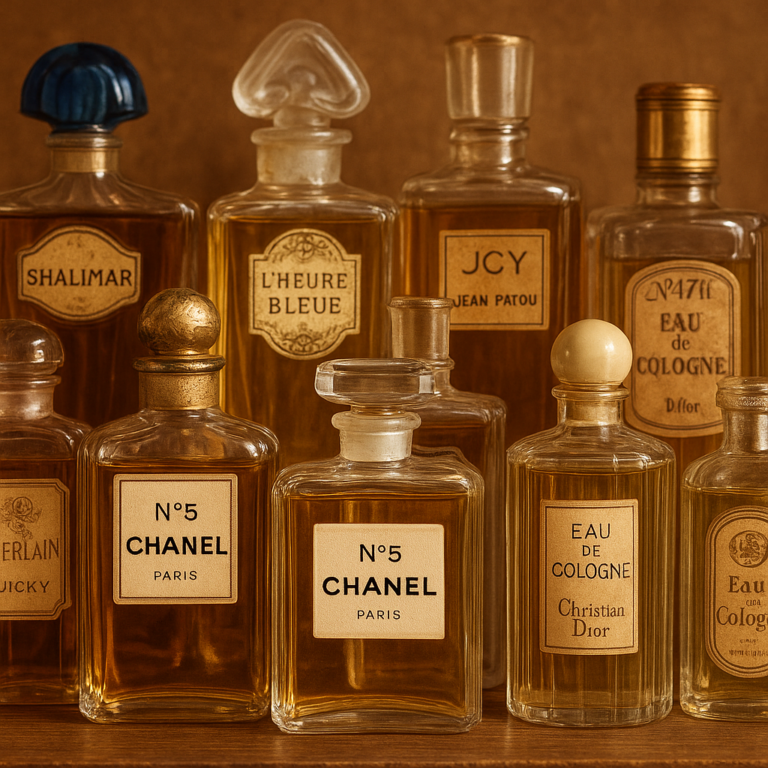
In the 18th and 19th centuries, the perfume industry wasn’t dominated by massive conglomerates. It was run by families. Think of the House of Guerlain, established in 1828, or the House of Creed, founded in 1760. These weren’t just companies; they were dynasties. The name “House” (or Maison in French) signified a family business that spaned generations, where the art of perfumery was passed down from father to son (or occasionally, a very talented daughter).
“The House of Creed is an authentic perfume house dedicated to the creation of highly original, artisan fragrances.” — Cred Fragrance
The distinction is crucial. When you say “Brand,” you think of a logo, a marketing campaign, and a shelf in a department store. When you say “House,” you think of an atmosphere, a heritage, and a philosophy. It implies that the entity has a physical location, a history, and a signature style that has evolved over decades.
But here’s the twist: Why did this term survive when most family businesses got bought out by giants like L’Oréal or Estée Lauder? It turns out, the term “House” became a badge of honor, a way to signal to the consumer that “we are the creators, not just the sellers.”
👑 The Royal Lineage: How Aristocracy Shaped Perfumery Nomenclature
You can’t talk about “Houses” without talking about Royalty. 🤴👸 In the days before mass production, perfume was the exclusive domain of the aristocracy. The “Houses” were the court perfumers, the ones trusted to create scents for kings, queens, and emperors.
- The Royal Warrant: Many Houses earned the title “Perfumer to the Royal Family.” This wasn’t just a sticker; it was a legal certification of quality.
- The House of Chanel: While Coco Chanel was a revolutionary, the “House” aspect was cemented when she created Chanel No. 5 in 1921, a scent that defied the floral norms of the time and became the scent of the modern woman.
- The House of Dior: Christian Dior, a fashion designer, leveraged his House status to launch his first perfume, Miss Dior, in 1947, naming it after his sister.
The term “House” in this context meant authority. It meant that the entity had the royal lineage to dictate what smelled “good.” If the House said it smelled like a rose garden, then by golly, it smelled like a rose garden.
But does this royal connection still matter today? Or is it just a ghost story we tell to justify high price tags? We’ll explore that in the next section.
🧬 The House DNA: Understanding Signature Scents and Olfactory Families
Every true Perfume House has a DNA. It’s an invisible thread that ties a scent from 1850 to a scent released yesterday. This is what we call the Olfactory Signature.
Imagine walking into a room. You don’t need to see the label to know it’s Guerlain. Why? Because of the Jicky accord, the use of vanilla, or the specific way they blend citrus and spices. This consistency is the hallmark of a House.
The “Nose” vs. The “Brand”
Let’s get technical for a moment. 🧪
- The House Nose: A perfumer who has spent decades mastering the art of blending. They know the molecular structure of a sandalwood oil better than they know their own birthday. They create the accord from scratch.
- The Brand “Perfumer”: Often, a brand hires a “nose” from a fragrance house (like Givaudan or Firmenich) to create a scent based on a brief. The brand then owns the formula, but the creative soul belongs to the supplier.
Analogy Time: Think of a House as a composer who writes a symphony from scratch. A Brand is a record label that hires a band to play a song they wrote in a spreadsheet.
This distinction explains why some scents feel “generic.” If 50 different brands buy formulas from the same three fragrance houses, you’re going to smell a lot of similar notes. But a true House creates its own raw materials and accords.
🏢 House vs. Brand: Decoding the Hierarchy in the Fragrance World
This is where things get messy. 🌪️ The industry is full of deception. As noted by industry insiders, 98% of brands are NOT houses. They are resellers.
| Feature | True Perfume House | Standard Brand |
|---|---|---|
| Creation | Designs and produces in-house | Buys finished formulas from labs |
| Perfumer | Dedicated “Nose” on staff | Outsourced or hired per project |
| Heritage | Often 50+ years of history | Can be created overnight |
| Transparency | High (knows the source of ingredients) | Low (often “proprietary blend”) |
| Consistency | Strong signature style | Variable, trend-driven |
| Example | Cred, Guerlain, Chanel | Many celebrity scents, fast-fashion fragrances |
The “Milli Vanilli” Scandal:
Remember the pop duo Milli Vanilli who lip-synced? In the perfume world, this is when a brand claims they created the scent, but they actually bought it from a lab. It’s a marketing deception. As one industry expert put it: “When done by the brand itself in a direct attempt to deceive the customer… it really stinks.”
Why does this matter to you?
Because if you buy a “House” scent, you are buying into a legacy. If you buy a “Brand” scent, you are buying a product. Both can smell amazing, but the story is different.
🌍 A Global Tour of Iconic Perfume Houses by Country
Let’s travel the world! 🌎 Different countries have different philosophies on what makes a “House.”
🇫🇷 France: The Cradle of the House
France is the undisputed capital of the Maison. Here, the term is sacred.
- Guerlain: The ultimate example of a family House.
- Hermès: Started as a harness maker, evolved into a House of scent.
- Diptyque: Started as a fabric shop, now a House of olfactory art.
🇬🇧 United Kingdom: The Art of the Blend
The British approach is often more eccentric and historical.
- Penhaligon’s: A true House with a royal warrant, known for storytelling.
- Floris: The oldest perfume House in London, serving royalty since 1730.
🇺🇸 United States: The New Wave
The US has fewer “traditional” Houses, but many Niche Brands that act like Houses.
- Le Labo: Started as a lab, now a global phenomenon.
- Byredo: Swedish-born but US-dominant, focusing on minimalist luxury.
🇮🇹 Italy: The Scent of Fashion
Italian Houses often blend fashion and fragrance.
- Acqua di Parma: A House dedicated to the Italian lifestyle.
- Santa Maria Novella: One of the oldest pharmacies in the world, now a House of scent.
🔍 Inside the Atelier: The Art of Creation Within a Perfume House
Ever wondered what happens behind the closed doors of a Perfume House? It’s not just mixing bottles in a garage. 🧪✨
- The Brief: The creative director or the “Nose” receives a concept. “Create a scent that smells like a rainy day in Paris.”
- The Selection: The Nose selects raw materials. A true House might source Bulgarian Rose or Madagascar Vanilla directly from farmers.
- The Accords: The Nose creates accords (blends of notes) that will form the heart of the scent. This can take months of trial and error.
- The Maturation: The juice is aged in stainless steel tanks or oak barrels to let the notes marry.
- The Bottling: Finally, the scent is bottled, often by hand in small batches.
The “Private Blend” Phenomenon:
Many Houses now have “Private Blend” lines (like Tom Ford Private Blend or Cred Aventus). These are scents that are exclusive, often using higher concentrations of oils and more expensive ingredients. They are the flagship of the House’s creativity.
💎 Niche vs. Designer: Where Do Your Favorite Houses Fit?
This is the eternal debate: Niche vs. Designer. 🥊
- Designer Houses: These are fashion houses (like Chanel, Dior, YSL) that sell perfume as part of a larger lifestyle. They have massive budgets and wide distribution.
- Niche Houses: These are companies that only sell perfume (or very few other products). They focus on quality over quantity.
The Video Perspective:
As discussed in the popular video on niche fragrances, the line is blurring. Designer brands are launching “exclusive” lines (like Armani Privé) to compete with niche Houses. And niche brands are expanding their distribution.
“Only ’cause it says niche, it doesn’t mean automatically that it’s better.” — Video Summary
The Verdict:
- Niche: Better for unique scents, higher quality ingredients, and creative freedom.
- Designer: Better for classic scents, affordability, and wide availability.
But remember, a Designer House like Chanel is still a House because they create their own scents. A Brand like a celebrity fragrance is often just a reseller.
🛍️ How to Identify a True House: Red Flags and Green Flags
How do you spot a fake House? Here’s your cheat sheet. 🕵️ ♀️
✅ Green Flags (It’s a True House)
- Transparency: They list the perfumer’s name and the origin of ingredients.
- History: They have a founding date and a story that spans generations.
- Consistency: Their scents have a signature style that is recognizable across different releases.
- Production: They mention small batch production or in-house creation.
❌ Red Flags (It’s Just a Brand)
- Vague Descriptions: “Created by our team” without naming a perfumer.
- Trend Chasing: Releasing 10 scents a year that all smell like the current trend (e.g., “Vanilla Oud”).
- Lack of Heritage: No history, no story, just a logo and a catchy name.
- The “Milli Vanilli” Effect: Claiming to be the creator when they are clearly a reseller.
Pro Tip: Check the back of the bottle. If it says “Made in [Country]” but the brand is from a different country, it might be a reseller. True Houses often manufacture in their country of origin (e.g., Guerlain in France).
📜 The Legacy of 10 Legendary Perfume Houses You Must Know
Let’s meet the titans. These are the 10 Houses that define the industry.
- Guerlain (France): The grandfather of all Houses. Known for Shalimar and Jicky.
- Cred (UK/France): The ultimate artisan House. Famous for Aventus.
- Chanel (France): The icon of modern perfumery. No. 5 is legendary.
- Dior (France): A House of elegance and innovation. Sauvage and J’adore are staples.
- Penhaligon’s (UK): The eccentric House with royal warrants. Blenheim Bouquet is a classic.
- Floris (UK): The oldest House in London. Jasmine & Sandalwood is a favorite.
- Hermès (France): The minimalist House. Tere d’Hermès is a masterpiece.
- Le Labo (USA/France): The modern House. Santal 3 is iconic.
- Byredo (Sweden): The scandinavian House. Gypsy Water is a hit.
- Acqua di Parma (Italy): The Mediterranean House. Colonia is timeless.
Why these 10?
Because they all have a House DNA. They didn’t just buy a formula; they created a legacy.
🧪 The Future of the House: Sustainability and Digital Transformation
The world is changing, and so are Perfume Houses. 🌱📱
- Sustainability: Houses are moving towards ethical sourcing, refillable bottles, and synthetic alternatives to endangered natural ingredients.
- Digital Transformation: With the rise of e-commerce, Houses are using AI to help customers find their perfect scent.
- The “Experience” Economy: Houses are creating immersive experiences (like Mariott’s signature scents) to bring the atmosphere of their brand into your home.
The Challenge:
Can a House maintain its heritage while adapting to the digital age? The answer lies in balance. The best Houses are those that respect their past but embrace the future.
Unresolved Question:
Will the term “House” eventually lose its meaning as more brands try to co-opt it? Or will the true Houses rise above the noise? We’ll find out in the conclusion.
🏁 Conclusion

So, there you have it! The mystery of the Perfume House is finally solved. 🎉
We started by asking why are perfume brands called House? The answer lies in history, heritage, and craftsmanship. A House is not just a brand; it’s a family, a legacy, and a creative force that has stood the test of time.
The Key Takeaways:
- True Houses create their own scents; Brands often resell them.
- The term “House” implies a legacy and a signature style.
- Transparency is the best way to identify a true House.
- Niche and Designer Houses both have their place, but the House DNA is what sets them apart.
Our Recommendation:
If you want a scent with a story, a legacy, and a unique character, look for a true House. Whether it’s the royal lineage of Cred, the artistic flair of Guerlain, or the modern edge of Le Labo, a House offers an experience that goes beyond the bottle.
Final Thought:
The next time you see a bottle, ask yourself: “Is this a House or just a Brand?” The answer might just change the way you smell the world. 🌍✨
🔗 Recommended Links
Ready to explore the world of Perfume Houses? Here are some top picks to get you started.
👉 Shop Iconic House Fragrances:
- Cred Aventus: Amazon | Cred Official
- Chanel No. 5: Amazon | Chanel Official
- Guerlain Shalimar: Amazon | Guerlain Official
- Penhaligon’s Blenheim Bouquet: Amazon | Penhaligon’s Official
- Le Labo Santal 3: Amazon | Le Labo Official
Books to Deepen Your Knowledge:
- Perfumes: The Guide by Luca Turin and Tania Sanchez: Amazon
- The Secret of Scent by Luca Turin: Amazon
Explore Hotel-Inspired Scents:
- Mariott Bonvoy Fragrance Collection: Shop Marriott Fragrance Collection
❓ FAQ: Your Burning Questions About Perfume Houses Answered

Why are some perfume houses considered luxury brands while others are more affordable?
Luxury Houses often use rare ingredients, handcrafted processes, and have a long heritage. Affordable brands may use synthetic alternatives and mass production techniques. However, price doesn’t always equal quality; some niche Houses offer incredible value.
What is the difference between a perfume house and a perfume brand?
A House creates and produces its own scents, often with a dedicated perfumer and a legacy. A Brand may simply resell scents created by others. The term “House” implies creative control and heritage.
Read more about “🇺🇸 How Many Perfume Brands Are There in the US? (2026)”
How do perfume houses create unique fragrances for their brand?
Houses employ Noses who blend raw materials to create accords. They often source unique ingredients and have a signature style that defines their scents. This process can take months or years.
Read more about “🕰️ 15 Iconic Old Perfume Brands Still Available Today (2026)”
What is the history behind perfume houses like Chanel and Dior?
Chanel was founded by Coco Chanel in 1910, with No. 5 launching in 1921. Dior was founded by Christian Dior in 1946, with Miss Dior launching in 1947. Both are fashion Houses that expanded into fragrance, creating legends.
Read more about “🌹 7 Epic Tales: The History of Famous Perfume Brands (2026)”
Why is the term “House” used in perfumery?
The term “House” (or Maison) comes from the family businesses of the 18th and 19th centuries. It signified a legacy, craftsmanship, and royal connections. It’s a term of respect and authority.
Read more about “🌍 How Many Perfumes Are There? The Shocking Truth (2026)”
What is the difference between a perfume brand and a perfume house?
See the answer to “What is the difference between a perfume house and a perfume brand?” above. The key is creation vs. reselling.
Read more about “What Do You Call Perfume Companies? Unveiling the Fragrance World 🌸 (2026)”
Do all luxury perfume brands use the word “House” in their name?
No. Many luxury brands (like Tom Ford or Byredo) don’t use the word “House” in their name, but they operate as Houses because they create their own scents. The term is more about function than naming.
What is the history behind calling perfume companies Houses?
As detailed in the Grand History section, the term comes from family dynasties that dominated the industry. It was a way to distinguish creators from resellers.
📚 Reference Links
- Cred Fragrance: The House of Creed
- Mariott Bonvoy: Shop Marriott Fragrance Collection
- Matriarch.biz: Fragrance House or Perfume Brand: How They Differ
- Perfume Brands™: What are perfume brands called?
- Perfume Brands™: Perfume Guides
- Perfume Brands™: Luxury Brands
- Perfume Brands™: Fragrance Reviews