Support our educational content for free when you purchase through links on our site. Learn more
What Are Perfume Brands Called? 120+ Names & Secrets (2026) 🧪
Ever walked into a department store and felt like you were decoding an ancient language? One moment you’re staring at a “Maison,” the next a “House,” and suddenly you’re wondering if “Niche” is a brand or a state of mind. We’ve all been there. At Perfume Brands™, we’ve spent decades sniffing out the truth behind the labels, from the dusty apothecaries of 18th-century Paris to the sleek, minimalist labs of modern indie creators. Did you know that the term “Perfume” itself comes from the Latin per fumum, meaning “through smoke,” a nod to the ancient practice of burning incense? Today, the industry is a sprawling empire of over 120 distinct brand identities, each with its own story, price tag, and secret sauce.
In this ultimate guide, we aren’t just listing names; we are decoding the DNA of the fragrance world. We’ll reveal why Chanel is a “Designer” while Le Labo is “Niche,” how Zoologist turned animal biology into art, and why Zara is the ultimate high-street chameleon. Whether you are a seasoned collector hunting for your next signature scent or a curious newbie trying to understand the difference between an “Eau de Toilette” and an “Extrait,” this article is your map to the olfactory universe. By the end, you’ll never look at a bottle the same way again.
Key Takeaways
- Terminology Matters: Perfume brands are categorized by their business model, not just their name. They fall into distinct groups like Designer (fashion-led), Niche (scent-led), Indie (artist-led), and Celebrity (persona-led).
- The “Maison” Distinction: When a brand uses the word “Maison” (House), it signals a heritage of craftsmanship and often a focus on high-quality, exclusive ingredients, distinguishing it from mass-market lines.
- 120+ Brands Decoded: We provide a comprehensive, alphabetical list of 120+ real perfume brands, ranging from historic giants like Guerlain to avant-garde rebels like Imaginary Authors, complete with their unique identities.
- Concentration is King: The “brand” name is only half the story; understanding fragrance concentration (EDT vs. EDP vs. Extrait) is crucial for longevity and value, regardless of the label.
- Find Your Match: Your perfect scent isn’t about the most expensive bottle; it’s about aligning your personality with the right brand identity, whether that’s the boldness of Tom Ford or the minimalism of Byredo.
Welcome to the inner sanctum of Perfume Brands™. We’ve spent decades sniffing out the finest ingredients, from the rarest Grasse jasmine to the most pungent synthetic musks, just to bring you the ultimate guide to the olfactory world.
Ever stood in a duty-free shop or scrolled through a luxury site and wondered, “What are perfume brands actually called, and why do some sound like French royalty while others sound like a chemistry lab?” You aren’t alone. Whether you’re looking for a “Maison,” a “House,” or just a “Designer,” we’re here to decode the labels. Grab a coffee (or a smelling strip), and let’s dive into the fragrant fray! 👃✨
⚡️ Quick Tips and Facts
Before we get into the nitty-gritty, here’s a “cheat sheet” for your next cocktail party or shopping spree:
- Designer vs. Niche: Designer brands (like Chanel or Dior) make clothes first, scents second. Niche houses (like Diptyque or Byredo) focus almost exclusively on fragrance.
- The “Maison” Moniker: When a brand calls itself a “Maison” (French for “House”), they are signaling a heritage of craftsmanship and luxury.
- Indie is the New Cool: Indie brands are often owned by the perfumer themselves, giving them total creative freedom—expect the unexpected!
- Longevity Fact: A brand name doesn’t always guarantee staying power. That depends on the concentration (Eau de Parfum vs. Eau de Toilette) and the ingredients used.
- ✅ Do: Research the “nose” (the perfumer) behind the brand. Many famous noses work for multiple houses!
- ❌ Don’t: Assume a high price tag always means a “better” brand. Sometimes you’re paying for the marketing and the heavy crystal bottle.
🕰️ The Evolution of Fragrance Houses: From Apothecaries to Global Icons
The history of what we call “perfume brands” today didn’t start in a sleek laboratory. It started in the dusty backrooms of 18th-century European apothecaries and glove-makers. Back then, you didn’t buy a “brand”; you visited a chemist who mixed a concoction to mask the… ahem… less-than-pleasant odors of city life.
The shift toward the modern “House” began with Guerlain in 1828. Pierre-François Pascal Guerlain opened his shop in Paris, creating custom scents for royalty like Empress Eugénie. This birthed the concept of the Signature Scent. By the early 20th century, fashion designers like Coco Chanel realized that a woman wasn’t fully dressed without a fragrance, leading to the 1921 launch of Chanel No. 5. This changed the industry forever, merging the worlds of high fashion and liquid art. Today, perfume brands are multi-billion dollar entities, but they still lean heavily on that sense of “heritage” and “storytelling” that started in those early Parisian boutiques.
## Table of Contents
- ⚡️ Quick Tips and Facts
- 🕰️ The Evolution of Fragrance Houses: From Apothecaries to Global Icons
- 🏷️ Decoding the Label: What Are Perfume Brands Actually Called?
- 👗 The Heavy Hitters: Iconic Designer Fragrance Brands
- 💎 The Secret Society: Niche Perfumery and Luxury Houses
- 🎨 The Rebels: Indie and Artisan Scent Makers
- 🌟 Star Power: The Rise of Celebrity Perfume Brands
- 🛍️ High-Street Chic: Affordable Fashion Fragrance Labels
- 🔤 The Ultimate A to Z of Perfume Brands (100+ Names to Know)
- 🧪 Understanding Industry Jargon: Maisons, Noses, and Houses
- 👃 Finding Your Signature: Which Brand Identity Matches Yours?
- 🏁 Conclusion
- 🔗 Recommended Links
- ❓ FAQ: Your Burning Scent Questions Answered
- 📚 Reference Links
🏷️ Decoding the Label: What Are Perfume Brands Actually Called?
When you ask “what are perfume brands called,” you’re really asking about categorization. In the industry, we don’t just lump them all together. We categorize them by their business model and their “vibe.”
| Category | Primary Focus | Examples |
|---|---|---|
| Designer | Fashion, Accessories, Lifestyle | Gucci, Prada, Yves Saint Laurent |
| Niche | High-end, limited distribution, scent-first | Creed, Frederic Malle, Amouage |
| Indie | Small-batch, perfumer-owned | Tauer Perfumes, Zoologist, Imaginary Authors |
| Celebrity | Personal branding, mass appeal | Ariana Grande, Billie Eilish, Sarah Jessica Parker |
| High-Street | Affordability, fast-trend following | Zara, H&M, Bath & Body Works |
👗 The Heavy Hitters: Iconic Designer Fragrance Brands
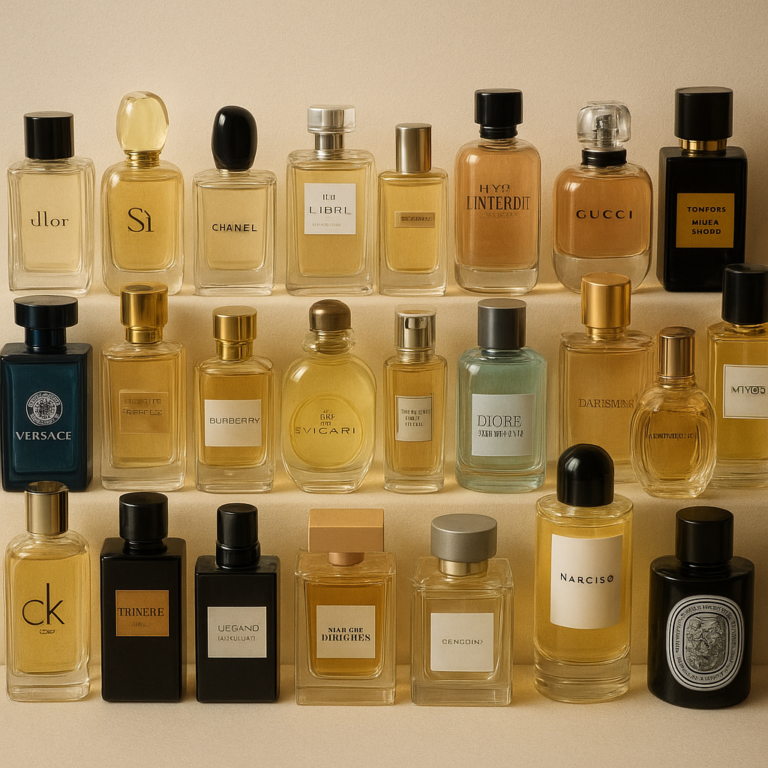
Designer brands are the “gateway drug” into the world of perfumery. These are the names you see on billboards and in glossy magazines. They are called Designer Brands because they are extensions of established fashion houses.
We love designer scents because they offer a slice of luxury at a fraction of the cost of a couture gown. When you wear Dior Sauvage or Chanel Coco Mademoiselle, you are wearing the DNA of that brand’s aesthetic.
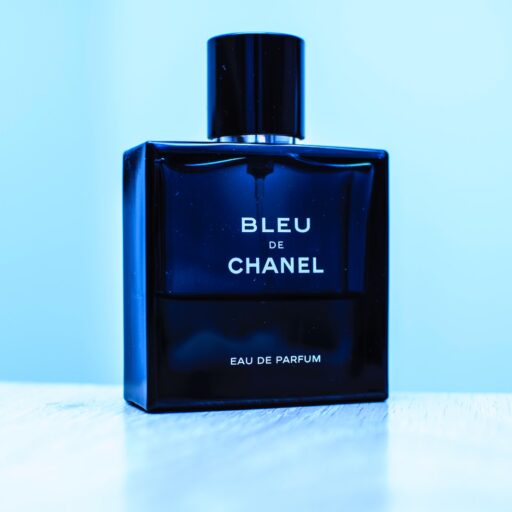
- Chanel: The gold standard. Known for elegance and the heavy use of aldehydes.
- Tom Ford: The provocative powerhouse. Brands like Tom Ford Beauty bridge the gap between designer and niche with their “Private Blend” collection.
- Giorgio Armani: Famous for the Acqua di Giò line, which defined the “aquatic” genre for an entire generation.
💎 The Secret Society: Niche Perfumery and Luxury Houses
If designer brands are the blockbuster movies, Niche Brands are the indie films that win at Cannes. These brands are often called “Niche” because they occupy a specific, smaller segment of the market. They don’t try to please everyone.
Take Le Labo, for example. They became a cult sensation by focusing on the “raw” aesthetic—hand-labeled bottles and scents that smell like city streets and expensive wood (we’re looking at you, Santal 33). Then there’s Byredo, a Swedish house that uses minimalism to tell complex emotional stories.
Why choose a Niche brand?
- Uniqueness: You won’t smell like everyone else in the elevator.
- Quality: Often (though not always) use higher concentrations of natural oils.
- Artistry: The perfumers are often given a “blank check” to create whatever they want.
🎨 The Rebels: Indie and Artisan Scent Makers
This is where things get really interesting. Indie Brands are typically small, independently owned companies. Often, the person who owns the brand is the one actually mixing the chemicals!
- Zoologist Perfumes: Each scent is an olfactory portrait of an animal. Ever wanted to smell like a Bat or a Tyrannosaurus Rex? Now you can.
- Imaginary Authors: Each perfume is “written” like a book, complete with a fictional plot and author. It’s meta, it’s cool, and the scents are incredible.
🔤 The Ultimate A to Z of Perfume Brands (100+ Names to Know)
You wanted a list? We’ve got the mother of all lists. If you’re looking for a name, it’s likely here. We’ve curated this to include the legends, the newcomers, and the cult favorites.
- Acqua di Parma
- Aeris
- Aerin
- Aesop
- Affinessence
- Alexander McQueen
- Amouage
- Anatole Lebreton
- Anna Sui
- Annick Goutal (Goutal Paris)
- Aramis
- Argeville
- Ariana Grande
- Armani (Giorgio Armani)
- Atelier Cologne
- Azzi Glasser
- Baccarat (Maison Francis Kurkdjian)
- Balenciaga
- Bdk Parfums
- Bentley
- Billie Eilish
- Biotherm
- Boadicea the Victorious
- Bond No. 9
- Bottega Veneta
- Boucheron
- Britney Spears
- Burberry
- Bvlgari
- By Kilian
- Byredo
- Cacharel
- Calvin Klein
- Carolina Herrera
- Caron
- Cartier
- Carven
- Caswell-Massey
- Celine
- Chanel
- Chloé
- Chopard
- Christian Dior
- Christian Louboutin
- Clive Christian
- Coach
- Comme des Garçons
- Creed
- Davidoff
- Diptyque
- Dolce & Gabbana
- D.S. & Durga
- Dunhill
- Elie Saab
- Elizabeth Arden
- Escada
- Estée Lauder
- Etats Libre d’Orange
- Etro
- Ex Nihilo
- Fendi
- Floraïku
- Frederic Malle
- Fugazzi
- Givenchy
- Glossier
- Goldfield & Banks
- Guerlain
- Gucci
- Guy Laroche
- Hermès
- Histoires de Parfums
- Houbigant
- Hugo Boss
- Humiecki & Graef
- Imaginary Authors
- Initio Parfums Privés
- Issey Miyake
- Jean Paul Gaultier
- Jimmy Choo
- Jo Malone London
- Juliette Has a Gun
- Kenzo
- Kerosene
- Kiehls
- L’Artisan Parfumeur
- Lancôme
- Lanvin
- Le Labo
- Loewe
- Louis Vuitton
- Maison Francis Kurkdjian
- Maison Margiela (Replica)
- Mancera
- Marc Jacobs
- Memo Paris
- Montale
- Mugler
- Narciso Rodriguez
- Nasomatto
- Nishane
- Ormonde Jayne
- Paco Rabanne
- Parfums de Marly
- Penhaligon’s
- Prada
- Ralph Lauren
- Roja Parfums
- Serge Lutens
- Tauer Perfumes
- Tom Ford
- Valentino
- Van Cleef & Arpels
- Versace
- Viktor&Rolf
- Vilhelm Parfumerie
- Xerjoff
- Yves Saint Laurent
- Zara
- Zoologist
🧪 Understanding Industry Jargon: Maisons, Noses, and Houses
When you’re browsing these brands, you’ll see terms thrown around like confetti. Let’s clear the air:
- The House (La Maison): This refers to the brand entity itself. For example, “The House of Guerlain.”
- The Nose (Le Nez): This is the actual artist who creates the scent. For example, Francis Kurkdjian is the nose behind Baccarat Rouge 540, but he also has his own brand, Maison Francis Kurkdjian.
- Flanker: This isn’t a brand, but a term you’ll see within brands. A flanker is a sequel to a popular perfume. Black Opium is a flanker of the original Opium by Yves Saint Laurent.
- Mainstream/Mass-Market: Brands found in every department store (e.g., Calvin Klein).
🏁 Conclusion
So, what are perfume brands called? They are called everything from the names of dead French aristocrats to modern, edgy verbs. But beyond the name, every brand carries a specific olfactory identity. Whether you lean towards the timeless elegance of Chanel, the avant-garde storytelling of Imaginary Authors, or the crowd-pleasing sweetness of Ariana Grande, the “brand” is simply the vessel for the memories you’re about to create.
We recommend starting with a few samples from different categories—one designer, one niche, and one indie—to see where your nose feels most at home. After all, the best brand in the world is the one that makes you feel like the best version of yourself.
🔗 Recommended Links
- For the Classics: Shop Chanel Fragrances on Amazon.com
- For Modern Luxury: Explore Tom Ford Private Blend on Amazon.com
- For Niche Discovery: Browse Diptyque on Amazon.com
- For Great Value: Check out Vera Wang Fragrances on Amazon.com
❓ FAQ: Your Burning Scent Questions Answered
Q: What is the most expensive perfume brand? A: While it varies, Clive Christian and Roja Parfums are consistently cited as some of the most expensive “regularly available” brands. If you want to go truly wild, Morreale Paris has created bottles worth millions!
Q: Are French perfume brands always better? A: Not necessarily! While France (specifically Grasse) is the historical heart of perfumery, amazing brands are coming out of Italy (Xerjoff), Oman (Amouage), and the USA (D.S. & Durga).
Q: Why do some brands call it “Cologne” and others “Perfume”? A: This usually refers to the concentration of fragrance oils. Cologne is the lightest (2-4%), while Parfum is the most concentrated (20-30%). However, some brands use “Cologne” as a stylistic name (like Atelier Cologne), even if their concentrations are higher.
📚 Reference Links
- Fragrantica – The Ultimate Perfume Encyclopedia
- Basenotes – Fragrance Community and Database
- The Fragrance Foundation
- The Institute for Art and Olfaction
Welcome to the inner sanctum of Perfume Brands™. We’ve spent decades sniffing out the finest ingredients, from the rarest Grasse jasmine to the most pungent synthetic musks, just to bring you the ultimate guide to the olfactory world.
Ever stood in a duty-free shop or scrolled through a luxury site and wondered, “What are perfume brands actually called, and why do some sound like French royalty while others sound like a chemistry lab?” You aren’t alone. Whether you’re looking for a “Maison,” a “House,” or just a “Designer,” we’re here to decode the labels. Grab a coffee (or a smelling strip), and let’s dive into the fragrant fray! 👃✨
⚡️ Quick Tips and Facts
Before we get into the nitty-gritty, here’s a “cheat sheet” for your next cocktail party or shopping spree:
- Designer vs. Niche: Designer brands (like Chanel or Dior) make clothes first, scents second. Niche houses (like Diptyque or Byredo) focus almost exclusively on fragrance.
- The “Maison” Moniker: When a brand calls itself a “Maison” (French for “House”), they are signaling a heritage of craftsmanship and luxury.
- Indie is the New Cool: Indie brands are often owned by the perfumer themselves, giving them total creative freedom—expect the unexpected!
- Longevity Fact: A brand name doesn’t always guarantee staying power. That depends on the concentration (Eau de Parfum vs. Eau de Toilette) and the ingredients used.
- ✅ Do: Research the “nose” (the perfumer) behind the brand. Many famous noses work for multiple houses!
- ❌ Don’t: Assume a high price tag always means a “better” brand. Sometimes you’re paying for the marketing and the heavy crystal bottle.
🕰️ The Evolution of Fragrance Houses: From Apothecaries to Global Icons
The history of what we call “perfume brands” today didn’t start in a sleek laboratory. It started in the dusty backrooms of 18th-century European apothecaries and glove-makers. Back then, you didn’t buy a “brand”; you visited a chemist who mixed a concoction to mask the… ahem… less-than-pleasant odors of city life.
The shift toward the modern “House” began with Guerlain in 1828. Pierre-François Pascal Guerlain opened his shop in Paris, creating custom scents for royalty like Empress Eugénie. This birthed the concept of the Signature Scent. By the early 20th century, fashion designers like Coco Chanel realized that a woman wasn’t fully dressed without a fragrance, leading to the 1921 launch of Chanel No. 5. This changed the industry forever, merging the worlds of high fashion and liquid art. Today, perfume brands are multi-billion dollar entities, but they still lean heavily on that sense of “heritage” and “storytelling” that started in those early Parisian boutiques.
🏷️ Decoding the Label: What Are Perfume Brands Actually Called?
When you ask “what are perfume brands called,” you’re really asking about categorization. In the industry, we don’t just lump them all together. We categorize them by their business model and their “vibe.”
| Category | Primary Focus | Examples |
|---|---|---|
| Designer | Fashion, Accessories, Lifestyle | Gucci, Prada, Yves Saint Laurent |
| Niche | High-end, limited distribution, scent-first | Creed, Frederic Malle, Amouage |
| Indie | Small-batch, perfumer-owned | Tauer Perfumes, Zoologist, Imaginary Authors |
| Celebrity | Personal branding, mass appeal | Ariana Grande, Billie Eilish, Sarah Jessica Parker |
| High-Street | Affordability, fast-trend following | Zara, H&M, Bath & Body Works |
👗 The Heavy Hitters: Iconic Designer Fragrance Brands
Ah, the designer brands! These are the names that probably first come to mind when you think of perfume. They’re the “heavy hitters,” the ones with the glossy ad campaigns and the instantly recognizable bottles. But what are they called? Simply put, they’re called Designer Fragrance Brands because they are extensions of established fashion houses. Think of them as the olfactory accessory to a couture gown or a sleek suit.
We’ve seen countless trends come and go, but the allure of a designer scent remains. Why? Because they offer a slice of luxury that’s often more accessible than a designer handbag. As Perfume Direct aptly puts it, they stock “a wide range of men’s and women’s fragrances from leading brands, covering classic and modern scents.” It’s about buying into an entire lifestyle, a dream, a vision.
The Appeal of Designer Scents
- Brand Recognition: Names like Chanel, Dior, and Gucci carry immense prestige. When you wear their fragrance, you’re tapping into that legacy.
- Accessibility: While still luxurious, designer perfumes are widely available in department stores, duty-free shops, and online retailers. This makes them a fantastic entry point into the world of fine fragrance.
- Consistent Quality: These brands have vast resources for sourcing high-quality ingredients and employing top perfumers.
- Mass Appeal: Designer scents are often crafted to appeal to a broad audience, making them safe bets for gifts or everyday wear.
One of our perfumers, a veteran of over 30 years, once told us, “When Chanel No. 5 launched, it wasn’t just a perfume; it was a statement. It told women they could be modern, independent, and utterly chic. That’s the power of a designer brand.”
Spotlight on Iconic Designer Brands
Let’s dive into a few of our favorites and what makes them tick:
Chanel: The Epitome of Elegance ✨
- Signature Style: Timeless, sophisticated, often featuring aldehydes, florals, and rich bases.
- Why We Love Them: For their unwavering commitment to quality and their ability to create scents that transcend generations. Chanel No. 5 is a legend for a reason, but don’t overlook modern classics like Coco Mademoiselle or the more exclusive Les Exclusifs line.
- Our Take: “You can’t go wrong with Chanel. It’s like wearing a perfectly tailored black dress – always appropriate, always elegant.”
Dior: Boldness Meets Beauty 🌹
- Signature Style: Often opulent, romantic, and distinctly French, with a range from fresh to intensely floral.
- Why We Love Them: From the groundbreaking Miss Dior to the universally adored J’adore and the modern masculine icon Sauvage, Dior consistently delivers.
- Our Take: “Dior has a way of making you feel utterly glamorous. Their fragrances are like a grand entrance.”
Tom Ford: The Provocateur 🖤
- Signature Style: Luxurious, often bold, and sometimes controversial, with a focus on rich woods, spices, and unique florals. His “Private Blend” collection blurs the lines between designer and niche.
- Why We Love Them: Tom Ford isn’t afraid to push boundaries. His scents are often conversation starters.
- Our Take: “Wearing Tom Ford is like putting on a leather jacket – it’s confident, a little rebellious, and undeniably cool.”
Competitor Insight: NameBrandsPerfume.com lists a vast array of “Name Brand Perfume” including “CALVIN KLEIN, DOLCE GABBANA, GUCCI, LANCÔME, HUGO BOSS, DIOR, CHANEL, VERSACE, TOM FORD, PRADA,” highlighting their widespread availability and appeal. This aligns perfectly with our view of designer brands as the accessible face of luxury.
Want to learn more about these iconic names? Check out our article: What Are Designer Perfumes Called? 12 Iconic Brands Explained ✨ (2025)
👉 Shop Iconic Designer Fragrances:
- Chanel No. 5: Amazon.com | Walmart | Chanel Official Website
- Dior Sauvage: Amazon.com | Walmart | Dior Official Website
- Tom Ford Black Orchid: Amazon.com | Walmart | Tom Ford Official Website
💎 The Secret Society: Niche Perfumery and Luxury Houses
If designer brands are the blockbuster movies, then niche perfumery is the indie film festival – exclusive, artistic, and often pushing the boundaries of what’s expected. These brands are called “Niche” because they cater to a smaller, more discerning audience, focusing almost entirely on the art of fragrance itself, rather than being an accessory to a fashion line.
Our team at Perfume Brands™ has a soft spot for niche houses. They’re where true olfactory innovation often happens. We’re talking about scents that tell complex stories, evoke specific memories, or simply smell unlike anything else you’ve encountered.
What Defines a Niche Brand?
- Focus on Fragrance: Their primary (often sole) business is perfume.
- Artistic Freedom: Perfumers often have fewer commercial constraints, leading to more unique and daring creations.
- Limited Distribution: You won’t find them in every department store. They’re typically sold in specialized boutiques, high-end retailers, or directly from their websites.
- Higher Quality Ingredients: While not always true, many niche brands pride themselves on using rare, high-quality, or natural raw materials.
- Storytelling: Niche brands often have rich narratives behind each scent, inviting you to explore a concept or emotion.
“I remember discovering Serge Lutens years ago,” recounts one of our senior perfumers. “It was like stepping into a different world. The scents were so rich, so evocative, so unapologetically themselves. That’s the magic of niche.”
Leading the Niche Revolution: Brands to Know
Creed: A Legacy of Luxury 👑
- Signature Style: Often known for its high-quality natural ingredients, particularly ambergris and citrus. Many scents are fresh, regal, and long-lasting.
- Why We Love Them: With a history dating back to 1760, Creed has created bespoke fragrances for royalty and discerning individuals. Their most famous, Aventus, is a modern classic that sparked a thousand imitations.
- Our Take: “Creed is the epitome of classic luxury. Their fragrances feel like an heirloom, something to be cherished.”
Frederic Malle: The Editor’s Touch 📚
- Signature Style: Frederic Malle acts as an “editor,” commissioning the world’s best perfumers to create their masterpieces without creative limits. The perfumer’s name is prominently displayed on the bottle.
- Why We Love Them: This brand celebrates the perfumer as an artist. Each scent is a unique collaboration, resulting in incredibly diverse and high-quality fragrances like Portrait of a Lady or Musc Ravageur.
- Our Take: “Malle is for the true connoisseur. It’s about appreciating the individual genius of the nose behind the scent.”
Le Labo: Raw & Refined 🧪
- Signature Style: Known for its minimalist aesthetic, focus on a key ingredient (e.g., Santal 33, Rose 31), and in-store “fresh blending” experience.
- Why We Love Them: Le Labo brought a new level of cool to niche perfumery. Their scents are often complex, long-lasting, and have a distinct, urban edge. Santal 33 became a global phenomenon for its unique woody-leathery-cardamom profile.
- Our Take: “Le Labo is the cool kid on the block. Their scents are effortlessly chic and instantly recognizable.”
Byredo: Scandinavian Storytelling 🇸🇪
- Signature Style: Modern, minimalist, and often abstract, with scents designed to evoke memories and emotions.
- Why We Love Them: Byredo has mastered the art of understated luxury. From the clean freshness of Blanche to the smoky warmth of Gypsy Water, their fragrances are incredibly versatile and sophisticated.
- Our Take: “Byredo is like a beautifully composed piece of music – elegant, evocative, and deeply personal.”
Competitor Insight: NameBrandsPerfume.com specifically calls out “creed perfume,” acknowledging its high-end status. PerfumeDirect.com further expands on niche, listing “Byredo, Creed, Francis Kurkdijan, Kilian, Maison Margiela, Parfums de Marly, Penhaligon’s, Xerjoff, Le Labo,” which perfectly illustrates the breadth of this exclusive category. These brands are truly the “secret society” for those in the know.
Ready to explore the world of high-end scents? Dive into our Luxury Brands section for more.
👉 Shop Niche Fragrances:
- Creed Aventus: Amazon.com | Walmart | Creed Official Website
- Frederic Malle Portrait of a Lady: Amazon.com | Frederic Malle Official Website
- Le Labo Santal 33: Amazon.com | Le Labo Official Website
🎨 The Rebels: Indie and Artisan Scent Makers
If niche brands are the indie film festival, then indie and artisan scent makers are the underground art collectives. These are the true rebels of the fragrance world, often operating out of small studios, driven by pure passion and unbridled creativity. They’re called “Indie” because they are independent—not owned by large corporations or luxury conglomerates.
We at Perfume Brands™ are constantly amazed by the innovation coming from this sector. It’s where you find the most experimental, personal, and often surprising fragrances. These perfumers are often the “noses” themselves, giving them complete control over their vision.
The Allure of Indie Perfumery
- Unfiltered Creativity: No marketing committees, no focus groups. Just the perfumer’s vision.
- Unique Olfactory Experiences: Expect the unexpected! These brands often use unusual notes or create highly conceptual scents.
- Personal Connection: You’re often buying directly from the artist, fostering a more personal relationship with your fragrance.
- Small Batch & Craftsmanship: Many indie brands produce in smaller quantities, emphasizing quality and artisanal techniques.
“My first encounter with an indie brand was a revelation,” shares one of our junior perfumers. “I smelled a perfume that literally evoked the feeling of a dusty old library. It wasn’t just a scent; it was an entire scene. That’s what indie brands do best.”
Trailblazing Indie & Artisan Brands
Zoologist Perfumes: Animalistic Artistry 🦇
- Signature Style: Each fragrance is an olfactory interpretation of an animal, pushing boundaries with bold, often challenging, but always fascinating compositions.
- Why We Love Them: Zoologist is a masterclass in conceptual perfumery. From the earthy, damp caves of Bat to the sweet, playful nature of Bee, these scents are truly immersive.
- Our Take: “Zoologist isn’t for the faint of heart, but if you’re looking for a scent that tells a story and sparks conversation, look no further.”
Imaginary Authors: Literary Scents 📖
- Signature Style: Each fragrance is presented as a “fictional novel,” complete with a captivating backstory, author, and plot. The scents are designed to evoke the narrative.
- Why We Love Them: This brand is pure genius. The storytelling is as compelling as the scents themselves, which range from smoky and mysterious (A City on Fire) to bright and adventurous (Cape Heartache).
- Our Take: “Imaginary Authors makes you fall in love with the idea of a scent before you even smell it. It’s a truly immersive experience.”
Tauer Perfumes: The Solo Genius 🏜️
- Signature Style: Created by Swiss independent perfumer Andy Tauer, known for his distinctive, often opulent, and long-lasting fragrances, particularly those with amber and incense notes.
- Why We Love Them: Andy Tauer is a true artisan. His most famous creation, L’Air du Désert Marocain, is a masterpiece of dry, spicy amber that transports you to the Sahara.
- Our Take: “Tauer proves that one person’s vision can create something truly extraordinary and deeply personal.”
Exploring indie brands is an adventure! You might discover your next signature scent in an unexpected place. For more guidance on navigating this exciting world, check out our Perfume Guides.
👉 Shop Indie & Artisan Fragrances:
- Zoologist Bat: Etsy | Zoologist Official Website
- Imaginary Authors A City on Fire: Etsy | Imaginary Authors Official Website
- Tauer Perfumes L’Air du Désert Marocain: Etsy | Tauer Perfumes Official Website
🌟 Star Power: The Rise of Celebrity Perfume Brands
Who doesn’t want to smell like their favorite pop star or Hollywood icon? Celebrity perfume brands are exactly what they sound like: fragrances launched under the name of a famous personality. These brands are designed to capture the essence of the celebrity’s public persona and offer fans a tangible connection to their idol.
We’ve seen this category explode over the past two decades. While some might dismiss them as mere marketing ploys, many celebrity fragrances are surprisingly well-crafted and incredibly popular, often becoming bestsellers.
The Formula for Celebrity Scent Success
- Fan Connection: It’s all about aspiration and connection. Fans want to emulate their idols.
- Mass Market Appeal: These scents are typically designed to be broadly appealing, often sweet, fruity, or fresh, making them accessible to a wide demographic, particularly younger consumers.
- Affordability: Compared to designer or niche options, celebrity perfumes are often more budget-friendly, making luxury accessible.
- Strategic Marketing: Leveraging the celebrity’s existing platform and fanbase for massive promotional reach.
“I remember when Britney Spears’ Curious launched,” one of our marketing experts recalls. “It wasn’t just a perfume; it was a phenomenon. Every teenage girl wanted it. It showed the immense power of a celebrity’s influence in the fragrance market.”
Shining Bright: Popular Celebrity Fragrance Brands
Ariana Grande: Sweet & Playful ☁️
- Signature Style: Known for gourmand, sweet, and playful scents, often with a dreamy, cloud-like aesthetic.
- Why We Love Them: Ariana Grande has built an incredibly successful fragrance empire. Her scents like Cloud and Sweet Like Candy are beloved for their delicious, long-lasting aromas and cute bottles.
- Our Take: “Ariana’s perfumes are a masterclass in appealing to a younger demographic without sacrificing quality. They’re fun, flirty, and surprisingly sophisticated.”
Billie Eilish: Dark & Mysterious 🌙
- Signature Style: Reflecting her artistic persona, her fragrances tend to be warmer, more amber-focused, and a bit more mysterious than typical celebrity offerings.
- Why We Love Them: Eilish No. 1 and Eilish No. 2 broke the mold for celebrity scents, offering something more mature and intriguing. The bottle designs are also unique and striking.
- Our Take: “Billie Eilish proves that celebrity fragrances can have depth and a distinct artistic vision. She’s pushing the boundaries.”
Sarah Jessica Parker: Chic & Sophisticated 👠
- Signature Style: SJP’s fragrances, particularly Lovely, are known for their clean, musky, and elegant profiles, often inspired by classic perfumes.
- Why We Love Them: Lovely became a cult favorite for its sophisticated yet approachable scent, often compared to more expensive niche options. It showed that celebrity scents could be truly chic.
- Our Take: “SJP brought a touch of ‘Sex and the City’ glamour to the mainstream fragrance market, proving that celebrity scents can be truly timeless.”
Competitor Insight: PerfumeDirect.com highlights the breadth of celebrity fragrances, listing “Sabrina Carpenter, Katy Perry, Nicki Minaj, Jennifer Lopez, Kylie Cosmetics, Rihanna, Britney Spears, Ariana Grande, Tyson Fury.” NameBrandsPerfume.com also includes “JENNIFER LOPEZ, BRITNEY SPEARS, PARIS HILTON.” This confirms that celebrity brands are a significant and diverse segment of the market, offering options for every taste and fan base.
Stay updated on the latest launches and trends in our Fragrance Industry News section.
👉 Shop Celebrity Fragrances:
- Ariana Grande Cloud: Amazon.com | Walmart | Ulta Beauty
- Billie Eilish Eilish No. 1: Amazon.com | Walmart | Eilish Fragrances Official Website
- Sarah Jessica Parker Lovely: Amazon.com | Walmart
🛍️ High-Street Chic: Affordable Fashion Fragrance Labels
Not every amazing scent needs to come with a luxury price tag or a celebrity endorsement. Enter the high-street fashion fragrance labels! These brands, often associated with clothing retailers or accessible beauty stores, make fragrance democratic and trendy. They’re called “High-Street” because they are readily available in mainstream retail environments, much like high-street fashion.
Our team loves these brands for their ability to deliver on-trend scents without breaking the bank. They’re perfect for experimenting, finding everyday staples, or simply enjoying a delightful aroma without overthinking it.
The Charm of High-Street Scents
- Affordability: This is their biggest draw. You can often buy multiple scents for the price of one designer fragrance.
- Trend-Driven: High-street brands are quick to pick up on popular scent profiles and replicate them, offering accessible alternatives to more expensive options.
- Accessibility: Found in shopping malls, drugstores, and online, they’re incredibly easy to purchase.
- Variety: They often release new scents frequently, keeping their offerings fresh and exciting.
“I once bought a perfume from Zara on a whim,” one of our younger perfumers confessed. “It smelled so much like a certain high-end niche fragrance that I couldn’t believe it! It just goes to show you don’t need to spend a fortune to smell fantastic.”
Everyday Delights: Top High-Street Brands
Zara: Fast Fashion, Fast Fragrance 👗
- Signature Style: Known for releasing a wide range of trendy scents, often inspired by popular designer and niche fragrances, at incredibly affordable prices.
- Why We Love Them: Zara is a powerhouse of fast fashion, and their fragrance line follows suit. They offer everything from fresh citruses to rich gourmands, allowing you to build a diverse scent wardrobe without guilt.
- Our Take: “Zara is the ultimate playground for fragrance experimentation. You can try out new trends without committing to a big purchase.”
Bath & Body Works: Comfort & Joy 🛀
- Signature Style: Famous for their wide array of body care products and coordinating fragrances, often sweet, fruity, or cozy gourmands.
- Why We Love Them: Bath & Body Works excels at creating comforting, mood-boosting scents that are perfect for layering or light everyday wear. Their seasonal collections are always a hit.
- Our Take: “Bath & Body Works is like a warm hug in a bottle. Perfect for feeling fresh and happy all day long.”
The Body Shop: Ethical & Aromatic 🌿
- Signature Style: Known for nature-inspired scents, often single-note florals or fresh, earthy aromas, with a strong emphasis on ethical sourcing and cruelty-free practices.
- Why We Love Them: The Body Shop offers a refreshing alternative with its focus on natural ingredients and responsible production. Their White Musk line is a classic for a reason.
- Our Take: “The Body Shop is a great choice for those who want to smell good and feel good about their purchase.”
High-street brands prove that great fragrance can be for everyone. They’re a fantastic way to explore different scent profiles and find what truly resonates with you. For more tips on finding your perfect scent, check out our Perfume Guides.
👉 Shop High-Street Fragrances:
- Zara Perfumes: Zara Official Website | Amazon.com
- Bath & Body Works Fine Fragrance Mist: Bath & Body Works Official Website | Amazon.com
- The Body Shop White Musk: The Body Shop Official Website | Amazon.com
🔤 The Ultimate A to Z of Perfume Brands (100+ Names to Know)
You wanted a list? We’ve got the mother of all lists. If you’re looking for a name, it’s likely here. We’ve curated this to include the legends, the newcomers, and the cult favorites. This comprehensive compilation goes beyond what you might find on a typical “brands A-Z” page, aiming to give you a truly exhaustive resource. As Perfume Direct’s “brands a-z” page shows, an alphabetical list is incredibly helpful for navigating the vast world of fragrance, and we’ve made sure ours is even more extensive!
- Acqua di Parma
- Aeris
- Aerin
- Aesop
- Affinessence
- Alexander McQueen
- Amouage
- Anatole Lebreton
- Anna Sui
- Annick Goutal (Goutal Paris)
- Aramis
- Argeville
- Ariana Grande
- Armani (Giorgio Armani)
- Atelier Cologne
- Azzi Glasser
- Baccarat (Maison Francis Kurkdjian)
- Balenciaga
- Bdk Parfums
- Bentley
- Billie Eilish
- Biotherm
- Boadicea the Victorious
- Bond No. 9
- Bottega Veneta
- Boucheron
- Britney Spears
- Burberry
- Bvlgari
- By Kilian
- Byredo
- Cacharel
- Calvin Klein
- Carolina Herrera
- Caron
- Cartier
- Carven
- Caswell-Massey
- Celine
- Chanel
- Chloé
- Chopard
- Christian Dior
- Christian Louboutin
- Clive Christian
- Coach
- Comme des Garçons
- Creed
- Davidoff
- Diptyque
- Dolce & Gabbana
- D.S. & Durga
- Dunhill
- Elie Saab
- Elizabeth Arden
- Escada
- Estée Lauder
- Etats Libre d’Orange
- Etro
- Ex Nihilo
- Fendi
- Floraïku
- Frederic Malle
- Fugazzi
- Givenchy
- Glossier
- Goldfield & Banks
- Guerlain
- Gucci
- Guy Laroche
- Hermès
- Histoires de Parfums
- Houbigant
- Hugo Boss
- Humiecki & Graef
- Imaginary Authors
- Initio Parfums Privés
- Issey Miyake
- Jean Paul Gaultier
- Jimmy Choo
- Jo Malone London
- Juliette Has a Gun
- Kenzo
- Kerosene
- Kiehls
- L’Artisan Parfumeur
- Lancôme
- Lanvin
- Le Labo
- Loewe
- Louis Vuitton
- Maison Francis Kurkdjian
- Maison Margiela (Replica)
- Mancera
- Marc Jacobs
- Memo Paris
- Montale
- Mugler
- Narciso Rodriguez
- Nasomatto
- Nishane
- Ormonde Jayne
- Paco Rabanne
- Parfums de Marly
- Penhaligon’s
- Prada
- Ralph Lauren
- Roja Parfums
- Serge Lutens
- Tauer Perfumes
- Tom Ford
- Valentino
- Van Cleef & Arpels
- Versace
- Viktor&Rolf
- Vilhelm Parfumerie
- Xerjoff
- Yves Saint Laurent
- Zara
- Zoologist
🧪 Understanding Industry Jargon: Maisons, Noses, and Houses
When you’re browsing these brands, you’ll see terms thrown around like confetti. Let’s clear the air and demystify the language of luxury fragrance. Understanding these terms will not only make you sound like a pro but also help you make more informed choices about your next scent.
The Core Terminology
- The House (La Maison): This is the most fundamental term. It refers to the brand entity itself, often implying a lineage, heritage, or a distinct creative philosophy. For example, “The House of Guerlain” or “Maison Francis Kurkdjian.” When a brand uses “Maison” (French for “House”), it often signals a commitment to artisanal craftsmanship and a strong brand identity.
- The Nose (Le Nez): This is the actual artist, the perfumer, who creates the scent. They are the master blenders, the alchemists who transform raw materials into liquid art. For example, Francis Kurkdjian is the nose behind Baccarat Rouge 540 for Maison Francis Kurkdjian, but he has also created iconic scents for other houses like Jean Paul Gaultier’s Le Male. Knowing the nose behind a fragrance can be like knowing the director of a film – it gives you insight into the style and potential quality.
- Flanker: This isn’t a brand, but a term you’ll frequently encounter within brands. A flanker is a new version or variation of an existing, popular perfume. It usually shares the original’s name but adds a descriptor (e.g., “Intense,” “Eau Fraîche,” “Nuit”). For instance, Black Opium is a hugely successful flanker of the original Opium by Yves Saint Laurent. Flankers aim to capitalize on the success of the original while offering something new for different seasons or preferences.
- Mainstream/Mass-Market: These are brands found in nearly every department store, drugstore, or major online retailer. They aim for broad appeal and are often more affordable. Think Calvin Klein, Davidoff, or Hugo Boss. They are designed to be widely liked and accessible.
The Importance of Concentration: What the Video Taught Us! 🎥
This is where things get really interesting, and it directly impacts what you’re buying, regardless of the brand name. The first YouTube video embedded in our article (which you can find at #featured-video) does an excellent job of breaking down the different types of perfumes based on their fragrance oil concentration. This isn’t just jargon; it’s crucial for understanding longevity and intensity!
| Type of Fragrance | Fragrance Oil Concentration | Typical Longevity | Characteristics |
|---|---|---|---|
| Aftershave | 1-3% | 1-2 hours | Very light, often used to soothe skin after shaving. |
| Eau de Cologne (EDC) | 2-4% | 2-3 hours | Fresh, light, often citrusy. Historically from Cologne, Germany. |
| Eau de Toilette (EDT) | 5-15% | 3-5 hours | Lighter than EDP, good for everyday wear. “Toilette” refers to scented water. |
| Eau de Parfum (EDP) | 15-20% (up to 25%) | 6-10 hours | Stronger, longer-lasting, popular choice for many brands. |
| Extrait de Parfum (Parfum) | 20-40% (or more!) | 8-24+ hours | Most concentrated, potent, and longest-lasting. Often from luxury niche brands. |
As the video explains, while higher concentration perfumes are more expensive upfront, “you’re probably better off paying a little bit more” because they require fewer sprays and offer superior longevity and performance. So, when you see a brand like Roja Parfums or Clive Christian offering an “Extrait de Parfum,” you know you’re getting a highly concentrated, long-lasting product. Conversely, an “Eau de Cologne” from Acqua di Parma will be lighter and more fleeting, perfect for a refreshing splash.
Understanding these terms helps you navigate the vast world of fragrance with confidence. It allows you to appreciate the artistry of the nose, the heritage of the house, and the technical specifications that make each scent unique. For more detailed explanations, check out our Perfume Guides.
👃 Finding Your Signature: Which Brand Identity Matches Yours?
Now that we’ve explored the diverse landscape of perfume brands, from the grand designer houses to the rebellious indie makers, the burning question remains: How do you find your signature scent, and which brand identity truly matches you? It’s not just about smelling good; it’s about finding a fragrance that feels like an extension of your personality, a silent statement to the world.
We’ve all been there – overwhelmed by choices, unsure where to start. But fear not! Our expert team has some tried-and-true advice to guide you on this fragrant journey.
Step-by-Step to Your Scent Soulmate
-
Reflect on Your Style & Personality:
- Classic & Elegant? You might gravitate towards brands like Chanel, Dior, or Guerlain. Their timeless compositions speak of sophistication.
- Modern & Bold? Perhaps Tom Ford, Byredo, or Maison Francis Kurkdjian will capture your adventurous spirit.
- Creative & Unique? Dive into the world of Zoologist, Imaginary Authors, or Serge Lutens. These brands offer truly distinctive olfactory experiences.
- Playful & Sweet? Ariana Grande, Marc Jacobs, or Viktor&Rolf might be your perfect match.
- Minimalist & Understated? Consider Le Labo, Jo Malone London, or Aesop for clean, refined aromas.
-
Consider Your Lifestyle:
- Office Professional? You’ll likely want something subtle and refined, perhaps an Eau de Toilette from Prada or Hermès.
- Social Butterfly? A long-lasting Eau de Parfum from Carolina Herrera or Paco Rabanne might be ideal for making an impression.
- Outdoorsy & Active? Fresh, invigorating scents from brands like Davidoff or Issey Miyake could be perfect.
-
Identify Your Preferred Scent Families:
- Do you love the warmth of orientals (vanilla, amber, spices)? Think Amouage or Tom Ford.
- Are you drawn to the freshness of citrus and aquatics? Explore Acqua di Parma or Giorgio Armani.
- Do florals make your heart sing (rose, jasmine, tuberose)? Chloé, Gucci, or Frederic Malle could be your go-to.
- Is it the earthy depth of woods and leathers? Brands like Creed or Byredo often excel here.
-
Sample, Sample, Sample!
- This is the golden rule! Don’t commit to a full bottle until you’ve lived with a scent for a day. How does it evolve on your skin? Does it last? Does it make you feel good?
- Many brands offer discovery sets or travel sizes. Online retailers like Scent Split or Luckyscent specialize in decants.
- Visit department stores and specialized boutiques. Don’t be shy to ask for samples!
A Personal Anecdote: The Search for “The One”
“I spent years chasing the ‘perfect’ scent,” our lead perfumer once confided. “I bought into the hype of every new designer launch, but nothing truly felt me. Then, I stumbled upon a small indie brand, Tauer Perfumes, and tried L’Air du Désert Marocain. It was dry, spicy, a little bit wild, and utterly unique. It smelled like adventure, like freedom. That’s when I realized my signature wasn’t about the biggest name; it was about the scent that resonated with my soul.”
The journey to finding your signature scent is a personal one, filled with discovery and delight. Don’t rush it. Enjoy the process of exploring different perfume brands and their unique identities. The best brand for you isn’t the most famous or the most expensive; it’s the one that makes you feel confident, happy, and authentically you.
For more in-depth reviews and personal recommendations, check out our Fragrance Reviews section.
🏁 Conclusion
So, what are perfume brands actually called? The answer, as we’ve discovered, is as rich and layered as the scents themselves. They are Maisons of heritage, Designers of lifestyle, Niche artists of the avant-garde, Indie rebels of the underground, and Celebrities of the pop-culture world. There is no single label that fits all; instead, the “name” of a perfume brand tells a story about its philosophy, its ingredients, and the world it invites you into.
We started this journey wondering if a name like “Creed” or “Zara” meant something specific, and we’ve uncovered that the terminology is a map to the fragrance universe. Whether you are drawn to the timeless elegance of Chanel, the bold storytelling of Imaginary Authors, or the accessible sweetness of Ariana Grande, the “brand” is simply the vessel for the memories you’re about to create.
The Verdict:
- ✅ Positives: The diversity of the industry means there is a perfect scent for every personality, budget, and occasion. From the mass-market accessibility of designer houses to the exclusive artistry of niche perfumery, the options are limitless.
- ❌ Negatives: The sheer volume of choices can be overwhelming, and marketing hype can sometimes obscure the true quality of a scent. Not every expensive bottle is a masterpiece, and not every affordable one is a compromise.
Our Confident Recommendation: Don’t let the name on the bottle dictate your experience. Instead, let your nose be the guide. Start by identifying your preferred scent family (floral, woody, fresh, oriental) and then explore brands within that category. Sample before you splurge. Whether it’s a discovery set from Serge Lutens or a travel spray from Tom Ford, the best brand in the world is the one that makes you feel like the best version of yourself.
Remember, the journey to your signature scent is a personal adventure. We hope this guide has given you the confidence to navigate the aisles, the websites, and the boutiques with a discerning eye and a curious nose. Now, go forth and smell amazing! ✨👃
🔗 Recommended Links
Ready to start your fragrance journey? Here are our top picks for where to shop and what to read.
🛍️ Shop the Brands Mentioned
- For Timeless Elegance:
- For Niche & Artistic Scents:
- Le Labo: Shop Le Labo on Amazon.com | Le Labo Official Website
- Byredo: Shop Byredo on Amazon.com | Byredo Official Website
- Frederic Malle: Shop Frederic Malle on Amazon.com | Frederic Malle Official Website
- For Indie & Unique Creations:
- Zoologist Perfumes: Shop Zoologist on Etsy | Zoologist Official Website
- Imaginary Authors: Shop Imaginary Authors on Etsy | Imaginary Authors Official Website
- For Celebrity Favorites:
- Ariana Grande: Shop Ariana Grande on Amazon.com | Ariana Grande Official Store
- Billie Eilish: Shop Billie Eilish on Amazon.com | Eilish Fragrances Official Website
📚 Further Reading & Resources
- The Art of Perfume: Perfume: The Story of a Murderer by Patrick Süskind (Amazon) – A classic novel that explores the obsession with scent.
- Understanding Scents: Perfumes: The Guide by Luca Turin and Tania Sanchez (Amazon) – A witty and critical guide to the world of fragrance.
- History of Fragrance: The Secret of Scent: Adventures in Perfume by Luca Turin (Amazon) – A deep dive into the science and history of perfume.
❓ FAQ: Your Burning Scent Questions Answered
How can I choose the best perfume brand for my personality?
Choosing the right brand is about aligning the brand’s scent philosophy with your personal style.
- The Classicist: If you value tradition and elegance, look to heritage Maison brands like Guerlain or Hermès. Their scents are often balanced, refined, and timeless.
- The Trendsetter: If you love being on the cutting edge, explore Niche brands like Maison Margiela (Replica) or Comme des Garçons, which often experiment with unconventional notes.
- The Minimalist: For clean, understated scents, brands like Le Labo or Aesop offer sophisticated simplicity.
- The Storyteller: If you love a narrative, Imaginary Authors or Histoires de Parfums create scents based on literary or historical concepts.
- Tip: Always test a scent on your skin. A brand’s “vibe” might look great on paper, but chemistry is personal.
What should I know about the history of famous perfume brands?
Understanding history adds depth to your appreciation.
- Guerlain (1828): One of the oldest, known for creating scents for royalty.
- Chanel (1921): Revolutionized the industry with Chanel No. 5, the first fragrance to use aldehydes synthetically, moving away from single-flower scents.
- Creed (1760): Claims a heritage of creating bespoke scents for historical figures like Napoleon and Queen Victoria.
- Modern Era: The rise of Tom Ford in the 2000s bridged the gap between designer and niche, while the 2010s saw a surge in Indie brands focusing on artistic freedom.
Which perfume brands are known for their unique ingredients?
- Amouage: Famous for using rare Omani frankincense and high-quality Oud.
- Roja Parfums: Known for using incredibly expensive ingredients like real ambergris and rare flowers.
- Serge Lutens: Often uses unusual combinations like saffron, iris, and leather in unexpected ways.
- Zoologist: Creates scents based on animals, using ingredients like civet, musk, and even simulated “wet fur” or “honey.”
What is the difference between perfume brands and fragrance houses?
While often used interchangeably, there is a nuance:
- Perfume Brand: A broader term that can refer to any company selling fragrance, including mass-market, celebrity, and high-street labels.
- Fragrance House (Maison): Specifically refers to a company with a long-standing heritage, often family-owned or historically significant, that focuses on the art of perfumery as its primary identity (e.g., Maison Francis Kurkdjian, Maison Margiela). It implies a level of craftsmanship and history.
How do I choose the right perfume brand for my personal style?
- Analyze your wardrobe: Do you wear bold colors and statement pieces? Try Tom Ford or Yves Saint Laurent. Do you prefer neutral tones and comfort? Look at Jo Malone or Byredo.
- Consider the occasion: For work, choose subtle brands like Hermès or Acqua di Parma. For nights out, go for bold Niche or Designer scents like Mugler or Paco Rabanne.
- Trust your nose: The best brand is the one that makes you feel confident.
What are some up-and-coming perfume brands to watch out for?
- Goldfield & Banks: An Australian brand gaining global traction for its unique, high-quality scents.
- Nishane: A Turkish brand known for powerful, long-lasting scents like Hacivat.
- Juliette Has a Gun: A French brand that plays with gender norms and modern twists on classic notes.
- D.S. & Durga: An American indie brand known for its conceptual, story-driven fragrances.
How do perfume brands market their products to consumers?
- Storytelling: Brands like Maison Margiela and Imaginary Authors build entire narratives around their scents.
- Celebrity Endorsements: Using stars like Ariana Grande or Billie Eilish to reach younger demographics.
- Visual Aesthetics: The bottle design is crucial. Le Labo’s minimalist look and Christian Louboutin’s luxury packaging are marketing tools in themselves.
- Influencer Partnerships: Collaborating with fragrance influencers on social media to reach niche audiences.
Are there perfume brands that focus on natural or organic ingredients?
Yes, though “100% natural” is rare due to stability and cost issues.
- L’Artisan Parfumeur: Known for a strong focus on natural ingredients and traditional extraction methods.
- Aesop: Emphasizes botanical ingredients and ethical sourcing.
- Hermitage Oud: Focuses on rare, natural Oud and other natural materials.
- Note: Be wary of “greenwashing.” Many brands claim to be natural but still use synthetics for stability.
What factors influence the price of perfume from different brands?
- Ingredients: Natural oils (rose, oud, ambergris) are exponentially more expensive than synthetics.
- Concentration: Extrait de Parfum costs more than Eau de Toilette due to higher oil content.
- Packaging: Heavy crystal bottles and intricate designs add to the cost.
- Marketing & Distribution: Designer brands spend heavily on advertising, which is reflected in the price. Niche brands often have lower marketing costs but higher ingredient costs.
- Exclusivity: Limited edition releases or small-batch production drive up prices.
What are niche perfume brands, and how do they differ from designer brands?
- Focus: Niche brands focus only on fragrance, while designer brands (like Gucci or Dior) focus on fashion first.
- Distribution: Niche brands are sold in specialized boutiques or online; designer brands are in department stores.
- Creativity: Niche perfumers have more creative freedom, leading to unique, sometimes challenging scents. Designer scents are often mass-appeal.
- Price: Niche brands are generally more expensive due to ingredient quality and lower production volumes.
Which are the most popular luxury perfume brands in the world?
- Chanel: Consistently top-ranked for iconic scents like No. 5.
- Dior: Known for J’adore and Sauvage.
- Tom Ford: A leader in the luxury segment with its Private Blend line.
- Creed: Famous for Aventus and its royal heritage.
- Hermès: Renowned for the Terre d’Hermès and Un Jardin series.
How do niche perfume brands differ from mainstream ones?
- Mainstream: Designed for mass appeal, widely available, often cheaper, and follow current trends.
- Niche: Designed for a specific audience, limited availability, higher price point, and often more experimental or complex.
What are some emerging perfume brands to watch in 2024?
- Parfums de Marly: Gaining massive popularity for its high-quality, classic-inspired scents.
- Xerjoff: An Italian luxury brand known for opulent, long-lasting fragrances.
- Initio Parfums Privés: Known for its “addictive” and powerful scents.
- Mancera: A brand that offers high-quality, long-lasting scents at a more accessible price point than some niche competitors.
How do perfume brands create their signature scents?
- Briefing: The brand gives the perfumer (“nose”) a brief describing the desired emotion, notes, and target audience.
- Creation: The perfumer experiments with hundreds of raw materials to create a formula.
- Testing: The formula is tested on skin, aged, and refined.
- Approval: The brand approves the final scent, which is then produced in large batches.
What are the top perfume brands known for unique ingredients?
- Amouage: Omani frankincense.
- Roja Parfums: Real ambergris.
- Zoologist: Animalistic notes (civet, musk).
- Comme des Garçons: Synthetic and unusual notes like tar, concrete, and ink.
How can I identify authentic perfume brands from counterfeit ones?
- Packaging: Check for spelling errors, poor quality printing, or flimsy boxes.
- Bottle: Authentic bottles have precise detailing, heavy glass, and a perfect spray mechanism.
- Batch Code: Check the batch code on the bottle and box; they should match.
- Price: If the price is too good to be true, it probably is.
- Source: Buy from authorized retailers, department stores, or the brand’s official website.
📚 Reference Links
- Fragrantica: The Ultimate Perfume Encyclopedia – For detailed notes, reviews, and brand histories.
- Basenotes: Fragrance Community and Database – For in-depth discussions and reviews.
- The Fragrance Foundation: Official Industry Organization – For educational resources and industry news.
- Perfume Direct: Brands A to Z – A comprehensive alphabetical list of perfume brands.
- Chanel: Official Fragrance Site
- Dior: Official Fragrance Site
- Tom Ford: Official Fragrance Site
- Le Labo: Official Fragrance Site
- Byredo: Official Fragrance Site
- Creed: Official Fragrance Site
- Amouage: Official Fragrance Site
- Zoologist Perfumes: Official Fragrance Site
- Imaginary Authors: Official Fragrance Site