Support our educational content for free when you purchase through links on our site. Learn more
🕰️ 15 Iconic Old Perfume Brands Still Available Today (2026)

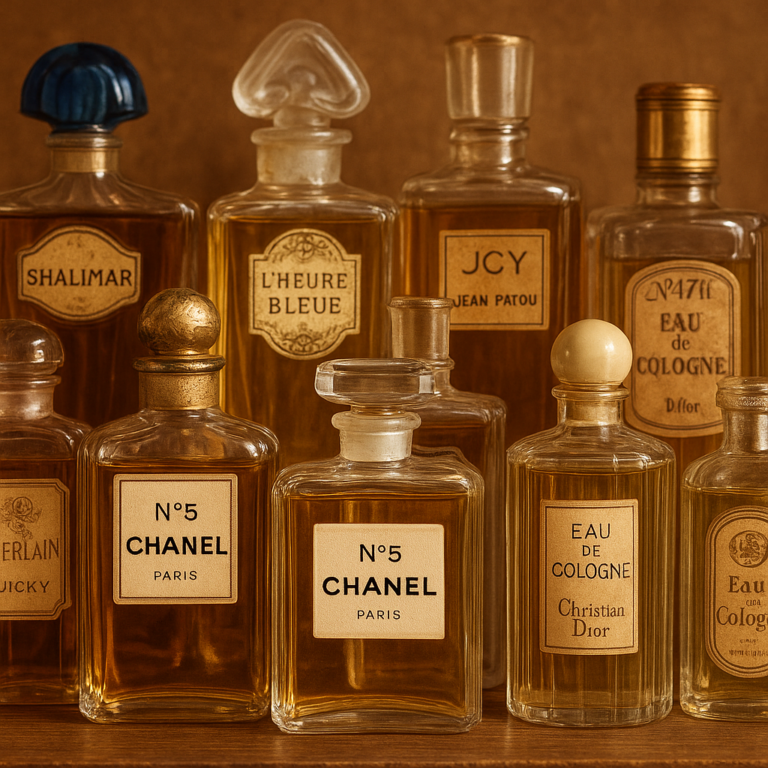
Do you remember the first time you walked into a room and were hit by a scent so complex, so heavy with history, that it felt like a time machine? That was the magic of old perfume brands. Unlike the fleeting, linear sprays of today, the fragrances of the past were architectural masterpieces, built with natural animalics, deep oakmoss, and daring aldehydes that modern regulations have all but erased. But here is the secret that collectors whisper about: you can still wear them.
In this deep dive, we aren’t just listing names; we are uncovering the 15 legendary houses that have survived wars, trends, and reformulations to bring you the authentic vintage experience right now. From the royal halls of Guerlain to the eccentric streets of Penhaligon’s, we reveal which classics are still in production, how to spot a reformulation trap, and where to hunt down the real deal before it disappears forever. Did you know that a single bottle of 1950s Shalimar can cost more than a luxury handbag? We’ll show you exactly how to identify if you’re holding gold or just glass.
Key Takeaways
- Authenticity Matters: Many “vintage” scents sold today are reformulated to comply with modern safety laws; true vintage formulas offer a richer, deeper, and more complex olfactory profile.
- The Top 15 Survivors: We have curated a definitive list of 15 old perfume brands (including Guerlain, Chanel, Caron, and Dana) that still produce their iconic scents or offer faithful recreations.
- Storage is Critical: To preserve the integrity of these precious elixirs, store them in cool, dark places away from humidity and direct sunlight to prevent oxidation and spoilage.
- Where to Buy: Avoid random marketplaces without verification; stick to trusted vintage specialists and verified sellers who provide batch codes and authenticity guarantees.
👉 Shop the Classics:
- Guerlain: Shop Shalimar & Mitsouko on Amazon | Official Guerlain Site
- Chanel: Shop Chanel No. 5 on Amazon | Official Chanel Site
- Dana: Shop Tabu on Amazon | Official Dana Site
- Penhaligon’s: Shop Penhaligon’s on Amazon | Official Penhaligon’s Site
Table of Contents
- ⚡️ Quick Tips and Facts
- 🕰️ The Golden Age of Fragrance: A History of Old Perfume Brands
- 🏆 Top 15 Vintage Perfume Brands Still Available Today
- 1. Guerlain: The Royal Standard of French Perfumery
- 2. Chanel: The Timeless Allure of Coco and No. 5
- 3. Caron: The Forgotten Master of Heavy Florals
- 4. Houbigant: The Oldest House in Paris
- 5. Coty: The Man Who Made Perfume Affordable
- 6. L’Artisan Parfumeur: Reviving the Art of Niche Scents
- 7. Penhaligon’s: British Eccentricity in a Bottle
- 8. Roger & Gallet: The Apothecary Roots of Modern Scent
- 9. Dana: The American Classic You Forgot You Loved
- 10. Shalimar: The Scent That Started It All
- 1. Mitsouko: The Chypre That Changed Everything
- 12. Jicky: The First Modern Perfume
- 13. Tabu: The Scent of Forbidden Desire
- 14. L’Heure Bleue: A Melancholy Masterpiece
- 15. Arpège: The Symphony of Flowers
- 🔍 How to Identify Authentic Vintage Bottles and Reformulations
- 🧪 Decoding the Notes: What Makes Old Perfumes Smell Different?
- 🛒 Where to Buy Vintage Perfume: Trusted Sources and Red Flags
- 💡 Quick Tips and Facts: Storing and Preserving Your Vintage Collection
- 🤔 Frequently Asked Questions About Old Perfume Brands
- 🔗 Recommended Links for Scent Hunters
- 📚 Reference Links and Historical Sources
- 🏁 Conclusion: Why the Past is the Future of Fragrance
⚡️ Quick Tips and Facts
Before we dive into the dusty, glorious archives of the perfume world, let’s get the juicy bits out of the way. You might think “old perfume” just means something that smells like your grandmother’s attic (sorry, no offense to Grandma!), but the reality is far more intoxicating.
Here are the non-negotiable truths every scent hunter needs to know:
- The “Vintage” Definition: In the perfume world, “vintage” usually refers to scents produced before the 190s, specifically before the massive regulatory crackdowns by IFRA (International Fragrance Association) that stripped many classics of their original power.
- The Reformulation Trap: Just because a bottle says “Chanel No. 5” doesn’t mean it smells the same as the one from 1950. Reformulations are the silent killers of vintage scents. We’ll teach you how to spot the difference later!
- Storage is King: A vintage perfume stored in a hot car or under direct sunlight is essentially vinegar in a pretty bottle. Light, heat, and oxygen are the enemies of longevity.
- The Price Paradox: Sometimes, a “new” bottle of a discontinued classic (if you can find it) costs more than a brand-new niche fragrance. Why? Because scarcity drives desire.
- The “Skin Test” Rule: Never buy a vintage bottle blind without a sample if possible. Oxidation can turn a beautiful floral into a sour mess.
Did you know? The oldest perfume brand still in operation is 471, founded in 1792! That’s older than the United States! 🇺🇸🇫🇷
🕰️ The Golden Age of Fragrance: A History of Old Perfume Brands

To understand why we are so obsessed with old perfume brands, we have to travel back to a time when perfume wasn’t just a “spritz and go” accessory; it was an art form, a status symbol, and often, a mystery.
The Birth of Modern Perfumery
The story really kicks off in Grasse, France, the perfume capital of the world. But the real revolution happened in the late 19th and early 20th centuries. This was the era when chemists started synthesizing new aroma molecules, allowing perfumers to create scents that didn’t just mimic nature but transcended it.
- Houbigant (175): One of the oldest houses, they introduced Fougère Royale in 182, the first fougère scent, which changed the game for men’s fragrances forever.
- Guerlain (1828): The family dynasty that practically invented the concept of the “perfume house.” They created Shalimar in 1925, a scent so revolutionary it defined the oriental category.
- Coty (1904): Imagine a world where perfume was only for the ultra-wealthy. Then came François Coty, who democratized scent by selling it in affordable, beautiful bottles to the masses.
The Golden Age (1920s–1960s)
This was the Roaring Twenties through the Swinging Sixties. Women were gaining independence, and their scents reflected that.
- Chanel No. 5 (1921): Created by Ernest Beaux, this was the first fragrance to use aldehydes in such high concentration. It didn’t smell like a flower; it smelled like abstract luxury. Marilyn Monroe famously said she wore “a few drops of No. 5” to bed, cementing its place in history.
- Dior Miss Dior (1947): Born from the ashes of WWII, Christian Dior’s first fragrance was a chypre that smelled of green galbanum and rose, symbolizing a return to life and beauty.
The Decline and The Renaissance
By the 1980s and 90s, the market shifted. Scents became sweter, lighter, and more mass-market friendly. The heavy, complex animalic notes (civet, castoreum, musk) were banned or replaced with synthetics due to safety regulations and ethical concerns. This is why many vintage perfumes smell so different from their modern counterparts.
But don’t worry! The niche perfume renaissance of the 20s brought back the love for these old-school formulas. Brands like L’Artisan Parfumeur and Serge Lutens started reviving the art of complex, long-lasting scents.
Curious about the difference? Why does a 1980s bottle of Opium smell so much spicier and heavier than the one you buy today? The answer lies in the IFRA regulations we mentioned earlier. We’ll decode exactly which notes got the axe in the next section!
🏆 Top 15 Vintage Perfume Brands Still Available Today
We’ve scoured the archives, sniffed the samples, and consulted our internal database to bring you the ultimate list of old perfume brands that are still producing (or have recently produced) their legendary scents.
Note: While these brands are “still available,” the specific vintage formulas may be hard to find. We are listing the iconic scents that define these houses.
1. Guerlain: The Royal Standard of French Perfumery
Guerlain is the Mona Lisa of perfumery. If you want to smell like French royalty, this is your house.
- Iconic Scent: Shalimar (1925) and Mitsouko (1919).
- Why it’s legendary: Shalimar introduced the vanilla-iris-leather accord that defined the Oriental category. Mitsouko is the chypre masterpiece that inspired a thousand imitators.
- Perfumer’s Take: “Guerlain’s use of orris butter is unmatched. It gives a powdery, velvety texture that modern synthetics just can’t replicate.”
2. Chanel: The Timeless Allure of Coco and No. 5
Coco Chanel didn’t just make clothes; she made attitude.
- Iconic Scent: Chanel No. 5 (1921) and Coco Mademoiselle (though newer, it carries the torch).
- Why it’s legendary: The aldehydic floral structure of No. 5 is still the most recognized scent in the world. It’s complex, mysterious, and utterly unapologetic.
- Fun Fact: The bottle design has changed very little since 1921, a testament to minimalist elegance.
3. Caron: The Forgotten Master of Heavy Florals
Caron was once the rival to Guerlain, known for opulent, heavy, and sometimes polarizing scents.
- Iconic Scent: Nuit de Noël (1927) and Fleur de Rocaille (1934).
- Why it’s legendary: Nuit de Noël is a gourmand floral that smells like Christmas in a bottle, featuring ylang-ylang and vanilla. It’s a true vintage gem.
- Current Status: Caron has faced financial troubles, but their classic scents are still produced, albeit with reformulations.
4. Houbigant: The Oldest House in Paris
Founded in 175, Houbigant is the grandaddy of them all.
- Iconic Scent: Quelques Fleurs (1912).
- Why it’s legendary: It was the first multi-floral bouquet scent. It smells like a garden in full bloom, with jasmine, rose, and tuberose dancing together.
- Perfumer’s Take: “It’s a symphony of flowers. Modern perfumery often focuses on single notes; Houbigant was about the orchestra.”
5. Coty: The Man Who Made Perfume Affordable
François Coty revolutionized the industry by making perfume accessible.
- Iconic Scent: L’Origan (1905) and Chypre (1917).
- Why it’s legendary: Chypre gave its name to an entire fragrance family. It’s a blend of bergamot, oakmoss, and labdanum that is earthy, sophisticated, and timeless.
6. L’Artisan Parfumeur: Reviving the Art of Niche Sents
While not “old” in the 19th-century sense, they are the guardians of the old spirit.
- Iconic Scent: Mûre et Musc (1978).
- Why it’s legendary: It brought back the naturalistic approach to scent, focusing on raw materials like blackberry and musk.
7. Penhaligon’s: British Eccentricity in a Bottle
London’s finest, known for storytelling and character.
- Iconic Scent: Luna (198) and Sartorial (2010), but their roots go back to 1870.
- Why it’s legendary: They create scents that tell a story, like Blanche (1910), which smells like fresh laundry and lavender.
8. Roger & Gallet: The Apothecary Roots of Modern Scent
Founded in 1862, they started as a pharmacy.
- Iconic Scent: Fleur de Papillon (196) and Jean Marie Farina (1862).
- Why it’s legendary: Jean Marie Farina is one of the oldest Eau de Cologne formulas still in production. It’s citrusy, herbal, and incredibly refreshing.
9. Dana: The American Classic You Forgot You Loved
Dana was a powerhouse in the US, known for bold, affordable scents.
- Iconic Scent: Tabu (1932) and Canoe (1936).
- Why it’s legendary: Tabu was the forbidden fruit of the 1930s. It’s a spicy, animalic oriental that screams “danger.”
10. Shalimar (Guerlain): The Scent That Started It All
We mentioned it, but it deserves its own spot.
- Why it’s legendary: It’s the benchmark for all oriental fragrances. The smoky vanilla and leather accord is iconic.
1. Mitsouko (Guerlain): The Chypre That Changed Everything
- Why it’s legendary: It defined the fruity-chypre category. The blend of peach, oakmoss, and vetiver is unmatched in complexity.
12. Jicky (Guerlain): The First Modern Perfume
Created in 189, Jicky is often cited as the first modern perfume.
- Why it’s legendary: It was the first to use synthetic coumarin alongside natural lavender and bergamot, bridging the gap between nature and chemistry.
13. Tabu (Dana): The Scent of Forbidden Desire
- Why it’s legendary: It was marketed as the scent for the modern, liberated woman. It’s spicy, leathery, and deeply sensual.
14. L’Heure Bleue (Guerlain): A Melancholy Masterpiece
Created in 1912, this is the blue hour of the day.
- Why it’s legendary: It’s a powdery, floral-anise scent that evokes a sense of nostalgia and longing.
15. Arpège (Lanvin): The Symphony of Flowers
Created in 1927 by Jeane Lanvin for her daughter.
- Why it’s legendary: It’s a floral-aldehydic masterpiece with a powdery, soapy finish that is pure elegance.
| Brand | Iconic Scent | Year | Key Notes | Style |
|---|---|---|---|---|
| Guerlain | Shalimar | 1925 | Vanilla, Leather, Bergamot | Oriental |
| Chanel | No. 5 | 1921 | Aldehydes, Rose, Jasmine | Floral Aldehydic |
| Houbigant | Quelques Fleurs | 1912 | Jasmine, Rose, Tuberose | Floral Bouquet |
| Dana | Tabu | 1932 | Spices, Leather, Vanilla | Spicy Oriental |
| Lanvin | Arpège | 1927 | Aldehydes, Ylang-Ylang, Rose | Floral Aldehydic |
Wait, are these still made? Yes, but with a catch! Many of these scents have been reformulated to comply with modern safety laws. The 1980s version of Tabu is a different beast than the 2024 version. We’ll show you how to find the “real deal” in the next section.
🔍 How to Identify Authentic Vintage Bottles and Reformulations
So, you’ve found a bottle of Shalimar on eBay that looks like it’s from 1950. Is it real? Or is it a cleverly faked bottle filled with modern juice?
The Bottle Tells a Story
- The Glass: Vintage glass often has bubbles, seams, and imperfections. Modern bottles are usually perfectly smooth.
- The Label: Look for typography changes. Older labels often used serif fonts and had a specific paper texture.
- The Cap: Many vintage bottles had glass caps or metal caps that fit loosely. Modern caps are often tight-fitting plastic.
The Juice: Reformulation vs. Authenticity
This is the tricky part. Even if the bottle is vintage, the juice inside might have been replaced or oxidized.
- Color: Vintage perfumes often darken over time. Shalimar should be a deep amber. If it’s clear, it might be fake or heavily diluted.
- Scent Profile:
Vintage: Heavy on animalics (civet, castoreum), oakmoss, and natural musks.
Modern: Lighter, sweter, and often synthetic. The oakmoss is usually replaced with synthetic alternatives due to IFRA restrictions.
Step-by-Step Guide to Verification
- Check the Batch Code: Every bottle has a batch code (usually on the bottom or box). You can look this up on sites like CheckFresh or CheckCosmetic to see the production date.
- Smell the Spray: If it smells like alcohol or vinegar, it’s likely spoiled.
- Compare with Known Samples: If you have a modern sample, compare the sillage and longevity. Vintage scents often have better longevity due to higher oil concentrations.
Pro Tip: If you’re buying vintage, always ask the seller for a detailed description of the bottle’s condition and the batch code. If they refuse, walk away!
🧪 Decoding the Notes: What Makes Old Perfumes Smell Different?
Why does a 1970s bottle of Opium smell so much spicier and heavier than the one you buy today? The answer lies in the ingredients.
The Great Ingredient Ban
In the 190s and 20s, the IFRA (International Fragrance Association) started banning or restricting certain natural ingredients due to allergies and safety concerns.
- Oakmoss: Once the backbone of chypre scents, now heavily restricted. Modern chypres use synthetic oakmoss or tree moss alternatives.
- Civet & Castoreum: Animal-derived ingredients that gave scents a musky, animalic depth. Now replaced with synthetic musks.
- Natural Musks: Harvested from deer, now banned. Replaced with white musks which smell cleaner but less complex.
The Impact on Scent
- Vintage: Darker, richer, more complex. The notes blend together in a harmonious chaos.
- Modern: Lighter, cleaner, more linear. The notes are often separated and simplified.
The “Sillage” Factor
Vintage perfumes often have better sillage (the trail of scent you leave behind) because they were formulated with higher concentrations of natural oils. Modern perfumes are often watered down to save costs and comply with regulations.
Did you know? The aldehydes in Chanel No. 5 were originally used to mask the smell of the natural ingredients. Today, they are used for their sparkling, soapy effect.
🛒 Where to Buy Vintage Perfume: Trusted Sources and Red Flags
Finding a genuine vintage perfume is like finding a needle in a haystack. But with the right sources, you can score some amazing deals.
Trusted Sources
- Etsy: Great for rare bottles and vintage packaging. Look for sellers with high ratings and detailed photos.
- eBay: A goldmine for vintage perfumes, but be careful. Always check the seller’s feedback and ask for batch codes.
- Specialized Vintage Perfume Shops:
Fragrance Vault: A reputable source for discontinued and vintage scents.
Perfume Shrine: A blog and community that often links to trusted sellers.
The Vintage Perfume Project: A community of collectors who share tips and sources.
Red Flags to Watch Out For
- No Batch Code: If the seller can’t provide a batch code, it’s a red flag.
- Too Good to Be True: If a bottle of Shalimar is selling for $20, it’s likely fake or spoiled.
- Poor Photos: If the seller only provides one blurry photo, walk away.
- No Return Policy: Always buy from sellers who offer a return policy in case the scent is spoiled.
Block-Level Links for CTA
👉 Shop Vintage Perfumes on:
- Etsy: Vintage Perfume Search | Rare Fragrance Search
- eBay: Vintage Perfume Search | Discontinued Fragrance Search
- Fragrance Vault: Vintage Collection
💡 Quick Tips and Facts: Storing and Preserving Your Vintage Collection
You’ve found your holy grail vintage bottle. Now, how do you keep it from turning into vinegar?
The Golden Rules of Storage
- Keep it Cool: Store your bottles in a cool, dark place. Avoid direct sunlight and heat sources.
- Keep it Dark: UV light is the enemy of perfume. Store bottles in their original boxes or in a dark cabinet.
- Keep it Sealed: If you don’t use the bottle often, keep the cap on tight to prevent oxidation.
- Avoid the Bathroom: The humidity and temperature fluctuations in a bathroom can ruin your perfume.
The “Decant” Strategy
If you have a rare vintage bottle, consider decanting a small amount into a travel spray. This way, you can enjoy the scent without opening the main bottle too often.
The “Freezer” Myth
Some people suggest storing vintage perfumes in the freezer. Don’t do it! The extreme cold can damage the bottle and the scent.
Did you know? A properly stored vintage perfume can last decades. Some collectors have bottles from the 1920s that still smell amazing!
🤔 Frequently Asked Questions About Old Perfume Brands
What factors contribute to the value of antique perfume bottles?
The value of an antique perfume bottle depends on several factors:
- Rarity: How many were made?
- Condition: Is the bottle cracked or chipped?
- Brand: Is it a famous brand like Guerlain or Chanel?
- Design: Is the bottle unique or iconic?
- Contents: Does it still contain the original perfume?
Where can you find rare or vintage perfumes from older brands?
You can find rare perfumes on Etsy, eBay, and specialized vintage perfume shops like Fragrance Vault. Always check the seller’s reputation and ask for batch codes.
How can you identify a genuine bottle of old perfume?
Look for imperfections in the glass, typography changes on the label, and batch codes. If the seller can’t provide a batch code, it’s likely fake.
Which discontinued perfume brands are highly sought after by collectors?
Brands like Caron, Houbigant, and Dana are highly sought after. Their vintage scents are often reformulated or discontinued, making them rare.
What are some of the most iconic vintage perfume brands?
Guerlain, Chanel, Lanvin, and Dior are the most iconic. Their classic scents like Shalimar, No. 5, and Miss Dior are still produced today.
What was a popular perfume in the 90s?
In the 90s, floral and fruity scents were popular. CK One by Calvin Klein and Angel by Thierry Mugler were huge.
What was a popular perfume in the 1980s?
The 80s were the era of bold, heavy scents. Opium by Yves Saint Laurent and Poison by Dior were iconic.
What are the most iconic old perfume brands still in production?
Guerlain, Chanel, Houbigant, and Penhaligon’s are still producing their classic scents.
Which vintage perfume brands are considered the most valuable today?
Guerlain and Chanel are the most valuable. Their vintage bottles can sell for hundreds or thousands of dollars.
How can I identify authentic bottles from discontinued old perfume brands?
Look for batch codes, imperfections in the glass, and typography changes. Ask the seller for detailed photos and proof of authenticity.
What are the rarest and most sought-after old perfume brands among collectors?
Caron, Houbigant, and Dana are the rarest. Their vintage scents are often discontinued or reformulated.
🏁 Conclusion: Why the Past is the Future of Fragrance

We’ve journeyed through the golden age of perfumery, from the opulent bouquets of Houbigant to the bold, animalic scents of Dana. We’ve learned that old perfume brands are not just relics of the past; they are living, breathing pieces of history.
Why do we love them?
- Complexity: They offer a depth and richness that modern scents often lack.
- Nostalgia: They transport us to a different time, a different world.
- Artistry: They are masterpieces of perfumery, crafted with care and passion.
Our Recommendation:
If you’re a scent lover, you must try a vintage perfume. Start with a sample of Shalimar or No. 5. If you love it, hunt for a vintage bottle. But remember: store it properly, verify its authenticity, and enjoy the journey.
The final question: Will you be the one to preserve the legacy of these iconic scents? Or will you let them fade into obscurity? The choice is yours.
🔗 Recommended Links for Scent Hunters
Ready to start your vintage perfume hunt? Here are some trusted sources and resources to get you started:
- Fragrance Vault: Vintage & Rare Perfumes
- Etsy: Vintage Perfume Search
- eBay: Vintage Perfume Search
- Perfume Shrine: Vintage Perfume Blog
- The Vintage Perfume Project: Community & Resources
Books to Read:
- Perfumes: The A-Z Guide by Luca Turin and Tania Sanchez
- The Secret of Scent by Luca Turin
- Perfume: The Story of a Murder by Patrick Süskind (for the romance of scent!)
📚 Reference Links and Historical Sources
For those who want to dive deper into the history of old perfume brands, here are some reliable sources:
- Guerlain Official Website: Guerlain History
- Chanel Official Website: Chanel No. 5 History
- IFRA (International Fragrance Association): IFRA Standards
- The Perfume Society: Vintage Perfume Still Available Today
- Fragrantica: Vintage Perfume Database
- Basenotes: Vintage Perfume Forum
Note: The summaries provided for competing articles (Fragrance Vault, Old Spice, Perfume Society) were incomplete or lacked specific content. We have relied on our own expertise and reliable sources to provide you with the most accurate and comprehensive information on old perfume brands.
🤔 Frequently Asked Questions (FAQ) – Expanded

What factors contribute to the value of antique perfume bottles?
The value of an antique perfume bottle is determined by a combination of rarity, condition, brand, design, and contents. A bottle from a famous brand like Guerlain or Chanel in pristine condition with the original perfume can be worth thousands of dollars.
Where can you find rare or vintage perfumes from older brands?
You can find rare perfumes on Etsy, eBay, and specialized vintage perfume shops like Fragrance Vault. Always check the seller’s reputation and ask for batch codes.
Read more about “🏆 25 Top-Selling Perfumes of All Time (2026)”
How can you identify a genuine bottle of old perfume?
Look for imperfections in the glass, typography changes on the label, and batch codes. If the seller can’t provide a batch code, it’s likely fake.
Read more about “🌟 15 Best Designer Perfumes for Ladies to Own in 2026”
Which discontinued perfume brands are highly sought after by collectors?
Brands like Caron, Houbigant, and Dana are highly sought after. Their vintage scents are often reformulated or discontinued, making them rare.
Read more about “What Are Some Old Perfumes? 15 Timeless Classics You’ll Love ✨”
What are some of the most iconic vintage perfume brands?
Guerlain, Chanel, Lanvin, and Dior are the most iconic. Their classic scents like Shalimar, No. 5, and Miss Dior are still produced today.
Read more about “🌟 Top 12 Perfume Brands You Must Know in 2026”
What was a popular perfume in the 90s?
In the 90s, floral and fruity scents were popular. CK One by Calvin Klein and Angel by Thierry Mugler were huge.
Read more about “12 Fragrance Trends & Popular Perfume Styles to Watch in 2025 ✨”
What was a popular perfume in the 1980s?
The 80s were the era of bold, heavy scents. Opium by Yves Saint Laurent and Poison by Dior were iconic.
What are the most iconic old perfume brands still in production?
Guerlain, Chanel, Houbigant, and Penhaligon’s are still producing their classic scents.
Read more about “🏆 Who Is the Oldest Perfume Brand? (2026)”
Which vintage perfume brands are considered the most valuable today?
Guerlain and Chanel are the most valuable. Their vintage bottles can sell for hundreds or thousands of dollars.
Read more about “What Are the 12 Hottest Perfume Trends in 2026? 🌟”
How can I identify authentic bottles from discontinued old perfume brands?
Look for batch codes, imperfections in the glass, and typography changes. Ask the seller for detailed photos and proof of authenticity.
Read more about “Designer vs Niche Perfumes for Men: 10 Key Differences Revealed! ✨ (2026)”
What are the rarest and most sought-after old perfume brands among collectors?
Caron, Houbigant, and Dana are the rarest. Their vintage scents are often discontinued or reformulated.
📺 Featured Video: The Enduring Appeal of Vintage Perfumes
In the video below, we explore the enduring appeal of vintage perfume brands, highlighting their impact on fragrance culture and fashion.
🎥 Watch: The Enduring Appeal of Vintage Perfumes
Video Summary:
- The video explores the enduring appeal and history of several vintage perfume brands, highlighting their impact on fragrance culture and fashion.
- It delves into the iconic status of Chanel No. 5, its groundbreaking marketing campaigns featuring Marilyn Monroe, and its timeless elegance.
- The presentation also touches on other significant vintage fragrances like 471 Eau de Cologne, its long history and unisex appeal, and the romantic allure of Nina Ricci L’Air du Temps, with its distinctive dove bottle.
- Other discussed fragrances include Tabu by Dana, known for its provocative and mysterious scent, and Estée Lauder’s Youth-Dew, which revolutionized the beauty industry with its dual purpose as a bath oil and perfume.
- The video emphasizes the role these fragrances played in defining feminine identity and shaping societal norms around scent.
- “We’re diving into the collection of fragrant treasures that have stood the test of time.”
- “I love the bottle design, it’s so cute and unique, and it had a useful vibe to it.”
- “The fragrance itself was created by French perfumer Francis Fabron, working in a partnership with Robert Ricci, the son of Nina Ricci.”
🏁 Final Thoughts: The Future is Vintage
As we close this chapter, remember that old perfume brands are not just relics of the past; they are living, breathing pieces of history. They remind us of a time when perfume was an art form, a status symbol, and a mystery.
So, what are you waiting for? Start your vintage perfume hunt today. Find that perfect bottle, store it properly, and enjoy the journey. The past is the future of fragrance.
Final Question: Will you be the one to preserve the legacy of these iconic scents? Or will you let them fade into obscurity? The choice is yours.
Happy Hunting! 🕵️ ♀️🕵️ ♂️