Support our educational content for free when you purchase through links on our site. Learn more
🌟 What Is a Brand of Perfume? 15 Top Houses Revealed (2026)

Have you ever walked into a department store, surrounded by a sea of glittering bottles, and wondered: What exactly makes one scent a “brand” while another is just a liquid in a bottle? Is it the name on the label, the history behind the house, or the secret alchemy inside? At Perfume Brands™, we’ve spent decades sniffing our way through the world’s most exclusive and accessible fragrances, and we can tell you this: a perfume brand is far more than a marketing label—it’s a living, breathing identity that tells a story, evokes a memory, and defines a personality.
From the ancient temples of Egypt where the first incense rituals began, to the modern, minimalist labs of Le Labo and the royal courts of Guerlain, the evolution of perfume brands is a journey of human desire and artistry. But here’s a little secret we’ll reveal later in this guide: the most expensive bottle isn’t always the one that smells the best on your skin. In fact, we’ll be breaking down the 15 most iconic perfume brands of 2026, analyzing everything from their Brand DNA to their ingredient quality, so you can stop guessing and start smelling like the best version of yourself.
Key Takeaways
- A perfume brand is defined by its unique olfactory identity, combining heritage, storytelling, and a consistent scent profile that distinguishes it from competitors.
- Not all brands are created equal: We categorize them into Designer, Niche, Luxury/Heritage, and Celebrity houses, each offering distinct value propositions.
- Price does not guarantee quality: While niche brands often use rarer ingredients, many designer scents offer incredible longevity and complexity at a fraction of the cost.
- Skin chemistry is king: The same brand can smell completely different on different people; always test before you commit to a full bottle.
- Avoid counterfeits: Learn the critical signs of fake perfumes and where to buy authentic brands safely.
Ready to find your signature scent?
- 👉 Shop Designer Favorites: Chanel | Dior | YSL
- Explore Niche Artistry: Le Labo | Byredo | Maison Francis Kurkdjian
- Discover Heritage Classics: Guerlain | Cred | Hermès
Table of Contents
- ⚡️ Quick Tips and Facts
- 🕰️ The Scented History: How Perfume Brands Evolved from Ancient Rituals to Modern Icons
- 🧐 What Exactly Is a Brand of Perfume? Defining the Essence of Fragrance Identity
- 🏢 The Big Players: A Deep Dive into Luxury, Niche, and Designer Perfume Houses
- 🔍 How to Identify a Genuine Perfume Brand vs. Counterfeit Scams
- 📊 Top 15 Most Iconic Perfume Brands You Need to Know in 2024
- 1. Chanel: The Timeless Standard of Elegance
- 2. Dior: Where Haute Couture Mets Olfactory Art
- 3. Guerlain: The Royal Family of French Perfumery
- 4. Tom Ford: Redefining Modern Sensuality
- 5. Creed: The Heritage of Royal Scents
- 6. Jo Malone London: The Art of Layering
- 7. Byredo: The Minimalist’s Choice
- 8. Le Labo: The Alchemist’s Workshop
- 9. Maison Francis Kurkdjian: Parisian Sophistication
- 10. Yves Saint Laurent: Bold and Unapologetic
- 1. Hermès: The Scent of Quiet Luxury
- 12. Acqua di Parma: Italian Sun and Citrus
- 13. Serge Lutens: The Darker Side of Beauty
- 14. Penhaligon’s: British Eccentricity Perfected
- 15. Frederic Malle: Publishing the Perfumer’s Masterpiece
- 🧪 Decoding the Label: Understanding Notes, Concentrations, and Brand DNA
- 💰 Is Expensive Always Better? Analyzing the Value of Designer vs. Niche Brands
- 🛒 Where to Buy Authentic Perfume Brands: Avoiding Fakes and Finding Deals
- 🌿 Sustainable and Ethical Perfume Brands: The Future of Fragrance
- 🧠 The Psychology of Scent: Why We Trust Certain Perfume Brands
- 💡 Quick Tips and Facts: 10 Secrets Perfume Brands Don’t Tell You
- 🏁 Conclusion: Finding Your Signature Scent Brand
- 🔗 Recommended Links
- ❓ FAQ: Your Burning Questions About Perfume Brands Answered
- 📚 Reference Links
⚡️ Quick Tips and Facts
Before we dive into the deep end of the olfactory ocean, let’s get the basics straight with some perfume pro tips that will save you from sniffing your way through a minefield of bad decisions.
- The “Spray and Wait” Rule: Never rub your wrists together after spraying! 🙅 ♀️ This crushes the top notes and alters the chemical structure, making the scent fade faster. Just let it dry naturally.
- Skin is a Canvas: A perfume that smells divine on your best friend might smell like wet dog on you. This is due to skin chemistry (pH levels, diet, and hormones). Always test on your skin, not just the paper strip.
- Concentration Matters: Not all “perfumes” are created equal. Eau de Parfum (EDP) generally lasts longer than Eau de Toilete (EDT) because it has a higher oil concentration (15-20% vs. 5-15%).
- Storage 101: Keep your bottles away from direct sunlight and heat. The bathroom is actually the worst place to store them due to humidity fluctuations. A cool, dark drawer is your scent’s best friend.
- The “Nose Blindness” Phenomenon: If you stop smelling your perfume after 20 minutes, don’t panic! Your brain has likely filtered it out. This is called olfactory fatigue. Ask a friend for a second opinion.
For a deeper dive into the terminology we use in this industry, check out our article on What are perfume brands called? to understand the difference between a “House,” a “Label,” and a “Brand.”
🕰️ The Scented History: How Perfume Brands Evolved from Ancient Rituals to Modern Icons

You might think perfume brands are a modern invention, a byproduct of 20th-century capitalism. But oh, how wrong you’d be! The story of perfume brands is as old as civilization itself.
From Temple Smoke to French Courts
Long before Chanel or Dior were even a twinkle in a fashion designer’s eye, ancient Egyptians were burning kyphi, a complex incense blend, to honor their gods. They didn’t have “brands” in the commercial sense, but they had formulas guarded as fiercely as state secrets.
Fast forward to the 14th century, and we see the first glimmers of what we recognize today. Hungary Water, often cited as the first modern perfume, was created for Queen Elizabeth of Hungary. It wasn’t just a scent; it was a status symbol. But the real game-changer? Johann Maria Farina. In 1709, he launched Eau de Cologne in Germany. Suddenly, scent wasn’t just for the gods or the dead; it was for the living, the wealthy, and the fashionable.
The Birth of the “House”
The 19th century is where the concept of the Perfume House truly crystallized. Enter Guerlain in 1828. They didn’t just sell scents; they sold a legacy. By the time they launched Jicky in 189, they were blending synthetic and natural ingredients in ways that baffled and delighted the world.
Then came the 20th century, and the Fashion Houses entered the chat. Coty revolutionized the industry by making perfume accessible to the masses with La Rose Jacqueminot. But it was Coco Chanel in 1921 who changed the rules forever. She didn’t want a scent that smelled like a flower; she wanted a scent that smelled like a woman. Chanel No. 5 was the first aldehyde-heavy fragrance, a complex, abstract scent that defined modern luxury.
“A perfume brand is not just a scent; it is a memory trigger and a form of non-verbal communication.” — Industry Insight
Today, we have a spectrum ranging from the mass-market Celebrity Brands (like Britney Spears or Ariana Grande) to the exclusive, artistic Niche Houses like Le Labo and Byredo. The history of perfume brands is a history of human desire, art, and chemistry intertwined.
🧐 What Exactly Is a Brand of Perfume? Defining the Essence of Fragrance Identity
So, you’re standing in a department store, staring at a wall of bottles. What makes Tom Ford different from Zara? Why does Cred cost a fortune while Coty is affordable?
At its core, a perfume brand is a commercial entity that curates, formulates, and markets fragrances under a specific name, reflecting a distinct Olfactory Identity. But it’s so much more than that.
The DNA of a Brand
Every successful perfume brand has a Brand DNA. This is the invisible thread that ties all their scents together.
- Chanel: Timeless, abstract, aldehydic, and sophisticated.
- Jo Malone London: Simple, transparent, and designed for layering.
- Serge Lutens: Dark, mysterious, and often challenging.
The Three Pillars of a Brand
- The Story (Narrative): Does the brand sell a fantasy? Dior sells the dream of the “New Look” and French elegance. Tom Ford sells transgressive, unapologetic luxury.
- The Quality (Ingredients): Niche brands often pride themselves on using rare, natural ingredients (like real oud or rare orchids), whereas Designer brands might rely more on high-quality synthetics to ensure consistency and longevity.
- The Aesthetic (Packaging): The bottle is the first thing you see. The heavy glass of Maison Francis Kurkdjian screams luxury, while the minimalist white bottle of Byredo whispers modern art.
Key Insight: A brand owns the intelectual property of its scent formulas. When you buy a bottle of Shalimar, you aren’t just buying liquid; you’re buying a piece of the Guerlain legacy, a formula that has been refined for nearly a century.
🏢 The Big Players: A Deep Dive into Luxury, Niche, and Designer Perfume Houses
Not all perfume brands are created equal. In fact, the industry is divided into distinct “tribes,” each with its own rules, price points, and target audiences. Let’s break them down.
1. Designer Brands (The Fashion Giants)
These are the brands you see in department stores like Macy’s or Sephora. They are extensions of fashion houses.
- Examples: Chanel, Dior, Yves Saint Laurent (YSL), Gucci, Prada.
- Pros: Widely available, consistent quality, recognizable scents, often great for everyday wear.
- Cons: Can be mass-produced, sometimes lack complexity, heavy marketing budgets can inflate prices.
- Vibe: “I want to smell good and fit in with the crowd.”
2. Niche Brands (The Artisans)
These brands focus solely on fragrance. They are often run by perfumers (noses) rather than fashion designers.
- Examples: Le Labo, Byredo, Maison Francis Kurkdjian, Serge Lutens, Frederic Malle.
- Pros: Unique, high-quality ingredients, artistic freedom, less likely to smell like everyone else.
- Cons: Expensive, harder to find, scents can be polarizing or “weird.”
- Vibe: “I want to smell unique and express my individuality.”
3. Luxury/Heritage Houses (The Old Money)
These are the brands with centuries of history, often supplying royalty.
- Examples: Guerlain, Cred, Penhaligon’s, Hermès, Floris of London.
- Pros: Unmatched heritage, exceptional quality, timeless scents.
- Cons: Very expensive, sometimes conservative in their scent profiles.
- Vibe: “I appreciate history and the finest things in life.”
4. Celebrity Brands (The Star Power)
Launched by famous faces.
- Examples: Ariana Grande, Rihanna (Fenty), Taylor Swift.
- Pros: Affordable, often sweet and approachable, great for younger demographics.
- Cons: Often mass-produced with lower-quality ingredients, can smell generic.
- Vibe: “I want to smell like my idol.”
🔍 How to Identify a Genuine Perfume Brand vs. Counterfeit Scams
Ah, the dark underbely of the perfume world: Counterfeits. With the rise of online shopping, fake perfumes are everywhere. A bottle of Baccarat Rouge 540 for $30? Spoiler alert: It’s fake.
The Red Flags 🚩
- Price: If it’s too good to be true, it is. Authentic Cred or Tom Ford scents rarely drop below a certain threshold.
- Packaging: Look for typos, blurry logos, or flimsy boxes. Genuine brands have crisp printing and high-quality materials.
- Batch Codes: Every authentic bottle has a batch code stamped on the bottom of the bottle and the box. These should match. You can check these codes on sites like CheckFresh or CheckCoser.
- The Spray: Fake bottles often have cheap sprayers that drip or mist unevenly. Real brands have precision atomizers.
Where to Buy Safely
Stick to authorized retailers. If you’re buying online, ensure the site is an authorized dealer. Avoid sketchy marketplaces unless the seller has a proven track record.
📊 Top 15 Most Iconic Perfume Brands You Need to Know in 2024
We’ve narrowed down the vast ocean of fragrance to the 15 most iconic perfume brands that define the industry today. From the historic to the avant-garde, these are the names you need to know.
1. Chanel: The Timeless Standard of Elegance
Founded by Coco Chanel, this brand revolutionized fragrance with Chanel No. 5. It’s the epitome of French sophistication.
- Signature Scent: Chanel No. 5 (Aldehydic Floral)
- Best For: The woman who wants to feel timeless and elegant.
- Why We Love It: It never goes out of style.
2. Dior: Where Haute Couture Mets Olfactory Art
Dior merges fashion and fragrance seamlessly. From the floral Miss Dior to the wody Sauvage, they cover all bases.
- Signature Scent: Sauvage (Fresh Woody)
- Best For: Versatility and mass appeal.
3. Guerlain: The Royal Family of French Perfumery
Established in 1828, Guerlain is the oldest perfume house still in operation. Their “Guerlinade” accord (vanilla, iris, tonka) is legendary.
- Signature Scent: Shalimar (Oriental Vanilla)
- Best For: Lovers of classic, complex, and warm scents.
4. Tom Ford: Redefining Modern Sensuality
Tom Ford entered the scene in 206 with a bang. His Private Blend collection is the gold standard for luxury niche perfumes.
- Signature Scent: Black Orchid (Floral Oriental) or Tobacco Vanille
- Best For: Those who want to make a bold, sexy statement.
5. Creed: The Heritage of Royal Scents
Cred claims to have served royalty for generations. Their scents are known for incredible longevity and projection.
- Signature Scent: Aventus (Fruity Woody)
- Best For: The confident leader who wants to be noticed.
6. Jo Malone London: The Art of Layering
Jo Malone changed the game by encouraging customers to mix and match scents. Their fragrances are light, fresh, and incredibly wearable.
- Signature Scent: Lime Basil & Mandarin (Citrus Herbal)
- Best For: Daily wear and creating your own signature scent.
7. Byredo: The Minimalist’s Choice
Founded by Ben Gorham, Byredo focuses on memory and emotion. The packaging is stark and beautiful, and the scents are unique.
- Signature Scent: Bal d’Afrique (Citrus Floral) or Gypsy Water
- Best For: The modern, artistic soul.
8. Le Labo: The Alchemist’s Workshop
Le Labo is famous for its “made-to-order” concept. Your bottle is mixed and labeled right in front of you. The scents are often raw and industrial.
- Signature Scent: Santal 3 (Wody Leather)
- Best For: The hipster or the person who loves a unisex, edgy scent.
9. Maison Francis Kurkdjian: Parisian Sophistication
Created by the legendary perfumer Francis Kurkdjian, this house offers scents that are both modern and timeless.
- Signature Scent: Baccarat Rouge 540 (Amber Woody)
- Best For: Those who want a scent that lingers for days.
10. Yves Saint Laurent: Bold and Unapologetic
YSL is known for pushing boundaries. From the smoky Opium to the fresh Libre, they aren’t afraid to be loud.
- Signature Scent: Libre (Floral Lavender)
- Best For: The bold, confident woman.
1. Hermès: The Scent of Quiet Luxury
Hermès doesn’t shout; it whispers. Their fragrances are refined, natural, and incredibly sophisticated.
- Signature Scent: Tere d’Hermès (Wody Citrus)
- Best For: The person who appreciates understated elegance.
12. Acqua di Parma: Italian Sun and Citrus
Bottled Italian elegance since 1916. Acqua di Parma is all about the fresh, sunny scents of the Amalfi Coast.
- Signature Scent: Colonia (Citrus Aromatic)
- Best For: Summer days and warm weather.
13. Serge Lutens: The Darker Side of Beauty
Serge Lutens creates scents that are often dark, mysterious, and challenging. It’s perfume as art.
- Signature Scent: Chergui (Spicy Oriental)
- Best For: The adventurous nose seeker.
14. Penhaligon’s: British Eccentricity Perfected
A British house with a quirky, Victorian vibe. Their scents are often whimsical and storytelling-driven.
- Signature Scent: Blenheim Bouquet (Citrus Woody)
- Best For: Those who love a touch of British eccentricity.
15. Frederic Malle: Publishing the Perfumer’s Masterpiece
Frederic Malle treats perfumers like authors, giving them total creative freedom. The result is some of the most complex scents in the world.
- Signature Scent: Portrait of a Lady (Rose Patchouli)
- Best For: The conoisseur who wants the best of the best.
🧪 Decoding the Label: Understanding Notes, Concentrations, and Brand DNA
Ever looked at a perfume bottle and felt like you needed a degree in chemistry to understand it? Don’t worry, we’ve got you covered. Let’s decode the language of perfume brands.
The Fragrance Pyramid
Every perfume is built on a pyramid of notes:
- Top Notes: The first thing you smell. They are light and evaporate quickly (15-30 mins). Think citrus, herbs, light fruits.
- Heart Notes (Middle Notes): The core of the fragrance. They emerge after the top notes fade and last for a few hours. Think florals, spices, green notes.
- Base Notes: The foundation. They are heavy and linger for hours or even days. Think woods, musk, vanilla, amber.
Concentration Levels: What Do They Mean?
| Concentration | Oil Percentage | Longevity | Best For |
|---|---|---|---|
| Parfum / Extrait | 20-40% | 8+ hours | Special occasions, cold weather |
| Eau de Parfum (EDP) | 15-20% | 6-8 hours | Everyday luxury, evening wear |
| Eau de Toilete (EDT) | 5-15% | 3-5 hours | Office, daytime, summer |
| Eau de Cologne (EDC) | 2-4% | 2-3 hours | Refreshing spritz, post-shower |
| Eau Fraiche | 1-3% | 1-2 hours | Light, subtle scent |
Pro Tip: A brand might release the same scent in different concentrations. Chanel No. 5 comes in Parfum, EDP, and EDT, each offering a slightly different experience.
💰 Is Expensive Always Better? Analyzing the Value of Designer vs. Niche Brands
This is the million-dollar question (literally). Does spending $30 on a bottle of Le Labo guarantee a better scent than a $60 bottle of Calvin Klein?
The Case for Designer Brands
- Consistency: You know exactly what you’re getting.
- Accessibility: Easy to find and test.
- Value: Often better price-per-ml for daily wear.
- The Verdict: Great for everyday wear and office settings.
The Case for Niche Brands
- Uniqueness: You’re less likely to smell like everyone else.
- Ingredients: Often use higher quality, rare, or natural ingredients.
- Complexity: Scents are often more layered and evolve more over time.
- The Verdict: Worth the investment for special occasions or if you are a scent enthusiast.
The Truth: Price doesn’t always equal quality. Some niche brands overcharge for the “hype,” and some designer brands create absolute masterpieces. It’s about personal preference and skin chemistry.
🛒 Where to Buy Authentic Perfume Brands: Avoiding Fakes and Finding Deals
Ready to buy? Here’s where to look and what to avoid.
Trusted Retailers
- Department Stores: Sephora, Ulta, Nordstrom, Macy’s.
- Specialty Online Retailers: FragranceX, FragranceNet, Luckyscent, Luckyscent (for niche).
- Brand Official Sites: Always the safest bet for the latest releases.
How to Spot a Deal (and a Scam)
- Check the URL: Ensure you are on the official site or a well-known retailer.
- Read Reviews: Look for reviews on third-party sites, not just the seller’s site.
- Avoid “Too Good to Be True”: If Cred Aventus is $50, run.
👉 CHECK PRICE on:
- Chanel No. 5: Amazon | Sephora | Chanel Official
- Tom Ford Black Orchid: Amazon | Nordstrom | Tom Ford Official
- Le Labo Santal 3: Amazon | Sephora | Le Labo Official
🌿 Sustainable and Ethical Perfume Brands: The Future of Fragrance
The perfume industry is waking up to its environmental impact. From cruelty-free testing to sustainable sourcing of ingredients, consumers are demanding more.
What to Look For
- Cruelty-Free: No animal testing.
- Vegan: No animal-derived ingredients (like musk or ambergris, though synthetic alternatives exist).
- Sustainable Packaging: Recyclable glass, refillable bottles.
- Ethical Sourcing: Fair trade ingredients.
Brands Leading the Way
- Lush: Known for fresh, handmade, and ethical products.
- Byredo: Increasingly focused on sustainability.
- Maison Francis Kurkdjian: Offers refillable options.
- Guerlain: Comitted to sustainable beekeeping for their honey ingredients.
🧠 The Psychology of Scent: Why We Trust Certain Perfume Brands
Why do we trust Chanel? Why does Dior feel “safe”? It’s all about psychology.
The Power of Branding
- Trust: A brand with a long history (like Guerlain) feels safer than a new, unknown brand.
- Identity: We buy scents that align with our self-image. If you see yourself as “edgy,” you’ll gravitate towards Le Labo.
- Memory: Scents are strongly linked to memory. A brand that evokes a positive memory (like a childhood summer) will have a loyal following.
Did you know? Studies show that scent can influence our mood and even our perception of a person’s attractiveness. That’s why a good perfume brand is an investment in your confidence.
💡 Quick Tips and Facts: 10 Secrets Perfume Brands Don’t Tell You
We’ve saved the best for last. Here are 10 insider secrets that the big brands hope you never find out.
- The “Tester” Trick: Testers are the exact same liquid as the retail bottle, just without the fancy box. They are often cheaper!
- Seasonal Rotations: Brands often rotate scents in and out of production. If you love a scent, buy a backup before it disappears.
- The “Decant” Market: Many niche brands don’t sell small sizes, but third-party decanters do. It’s a great way to try before you buy.
- Batch Variation: Even within the same brand, different batches can smell slightly different due to natural ingredient variations.
- The “Blind Buy” Risk: Never buy a full bottle without smelling it first. Your nose is unique.
- Storage Matters: Heat and light degrade perfume. Keep it in a cool, dark place.
- Layering is Key: Don’t be afraid to mix scents from the same brand (or even different ones) to create your own signature.
- The “Skin Test” Rule: Always test on your skin, not just a paper strip. The scent changes with your body chemistry.
- Expiration Dates: Perfume doesn’t last forever. Most last 3-5 years, but citrus scents fade faster.
- The “Sample” Strategy: Always ask for samples before committing to a full bottle. It’s the smartest way to shop.
🏁 Conclusion: Finding Your Signature Scent Brand

So, we’ve journeyed from the ancient temples of Egypt to the modern boutiques of Paris. We’ve explored the history, the science, the psychology, and the sheer artistry of perfume brands.
But here’s the thing: There is no “best” brand. There is only the brand that speaks to you.
Whether you’re drawn to the timeless elegance of Chanel, the artistic rebellion of Le Labo, or the sunny warmth of Acqua di Parma, the right perfume brand is the one that makes you feel like the best version of yourself.
Final Recommendation:
- For the Classicist: Go with Guerlain or Chanel.
- For the Trendsetter: Try Tom Ford or Byredo.
- For the Everyday Warrior: Jo Malone or Dior are your friends.
- For the Conoisseur: Dive into Frederic Malle or Serge Lutens.
Don’t be afraid to experiment. Your signature scent is a journey, not a destination. And remember, the most important ingredient in any perfume is you.
🔗 Recommended Links
Ready to start your journey? Here are some curated links to help you find your perfect match.
👉 Shop Top Brands:
- Chanel: Shop Chanel Perfumes on Amazon | Chanel Official Site
- Dior: Shop Dior Fragrances on Amazon | Dior Official Site
- Tom Ford: Shop Tom Ford on Amazon | Tom Ford Official Site
- Le Labo: Shop Le Labo on Amazon | Le Labo Official Site
- Byredo: Shop Byredo on Amazon | Byredo Official Site
Recommended Reading:
- Perfumes: The Guide by Luca Turin and Tania Sanchez – Buy on Amazon
- The Secret of Scent by Luca Turin – Buy on Amazon
❓ FAQ: Your Burning Questions About Perfume Brands Answered

Are there any perfume brands that offer customized or bespoke fragrances?
Yes! Several brands specialize in bespoke or custom fragrances.
- Maison Francis Kurkdjian: Offers a “Bespoke” service where you work with a perfumer to create your unique scent.
- Le Labo: While not fully bespoke, they offer “Personalized” labels and can mix scents for you in-store.
- Serge Lutens: Has a “Parfumerie” service for custom creations.
- Cred: Known for their “House of Creed” bespoke service for royalty and VIPs.
Read more about “What Are Perfume Brands Called? 120+ Names & Secrets (2026) 🧪”
What are the differences between luxury and affordable perfume brands?
The main differences lie in ingredients, complexity, and brand heritage.
- Luxury Brands: Often use rare, natural ingredients, have more complex scent profiles, and invest heavily in packaging and marketing.
- Affordable Brands: Rely more on high-quality synthetics, have simpler scent structures, and focus on mass appeal.
- Note: Price doesn’t always equal quality. Some affordable brands create excellent scents, and some luxury brands are overpriced.
Read more about “🇺🇸 How Many Perfume Brands Are There in the US? (2026)”
What are the top luxury perfume brands?
The top luxury brands include Chanel, Dior, Guerlain, Tom Ford, Cred, Hermès, and Maison Francis Kurkdjian. These brands are known for their heritage, quality, and exclusivity.
Read more about “🌟 15 Most Popular Women’s Perfume Brands (2026)”
Which perfume brand is best for everyday wear?
For everyday wear, you want something versatile and not too overpowering.
- Jo Malone London: Great for layering and light, fresh scents.
- Dior: Eau Sauvage or J’Adore are versatile classics.
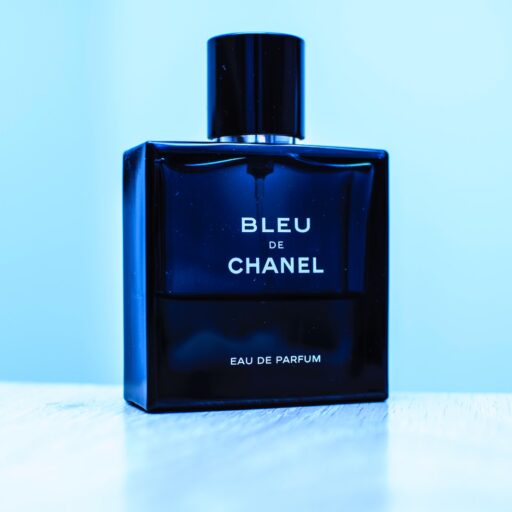
- Chanel: Coco Mademoiselle or Bleu de Chanel are perfect for daily use.
- Acqua di Parma: Colonia is a timeless, fresh choice.
Read more about “👑 12 Royal Perfume Names You Must Know (2026)”
How do I choose a perfume brand for my skin type?
- Dry Skin: Opt for Eau de Parfum or Parfum concentrations, as they last longer. Look for brands with rich base notes like vanilla or musk.
- Oily Skin: Eau de Toilete or Eau de Cologne might work better, as they are lighter.
- Sensitive Skin: Look for hypoallergenic or natural brands like Lush or Byredo. Always patch test first.
Read more about “🏆 Top 5 Selling Perfumes for Men (2026): The Ultimate List”
What are the most popular niche perfume brands?
The most popular niche brands include Le Labo, Byredo, Maison Francis Kurkdjian, Serge Lutens, Frederic Malle, and Cred. These brands are loved for their unique, artistic, and high-quality scents.
Read more about “🇺🇸 How Many Perfume Brands Are in the USA? (2026 Count)”
📚 Reference Links
- Wikipedia – List of perfumes: List of perfumes
- Fragrantica: Fragrantica Database
- Perfume Society: The Perfume Society
- Chanel Official: Chanel Fragrance
- Dior Official: Dior Fragrance
- Guerlain Official: Guerlain Fragrance
- Tom Ford Official: Tom Ford Fragrance
- Le Labo Official: Le Labo Fragrance
- Byredo Official: Byredo Fragrance
- Maison Francis Kurkdjian Official: MFK Fragrance
- Serge Lutens Official: Serge Lutens Fragrance
- Frederic Malle Official: Frederic Malle Fragrance
- Cred Official: Cred Fragrance
- Hermès Official: Hermès Fragrance
- Penhaligon’s Official: Penhaligon’s Fragrance
- Acqua di Parma Official: Acqua di Parma Fragrance
- Jo Malone London Official: Jo Malone London Fragrance
- Yves Saint Laurent Official: YSL Fragrance