Support our educational content for free when you purchase through links on our site. Learn more
🏆 15 Classic & Iconic Perfume Brand Names You Must Know (2026)

The definitive answer to what are some classic or iconic perfume brand names lies in the legendary houses of Chanel, Guerlain, Dior, and YSL, which have dominated the fragrance landscape for nearly a century. These aren’t just labels; they are the architects of scent history, creating formulas that define eras and outlive trends.
You might be surprised to learn that the most famous perfume in history, Chanel No. 5, was named simply because the creator liked the number five, not because it was the fifth sample presented. When you ask what are some classic or iconic perfume brand names, you are really asking about the stories behind these bottles.
Imagine walking into a room and instantly being transported to 1920s Paris or a smoky 1970s lounge just by the air around you. That is the power of a true classic.
We’ve curated a list of 15 timeless brands to ensure you find the perfect scent, far exceeding the typical “Top 8” lists you might find elsewhere.
Key Takeaways
- Timeless Titans: Chanel, Guerlain, Dior, and YSL remain the gold standard for iconic perfume brand names due to their revolutionary formulas and historical significance.
- Beyond the Hype: True classics like Shalimar and Opium offer complex, long-lasting scents that modern “skin scents” often fail to replicate.
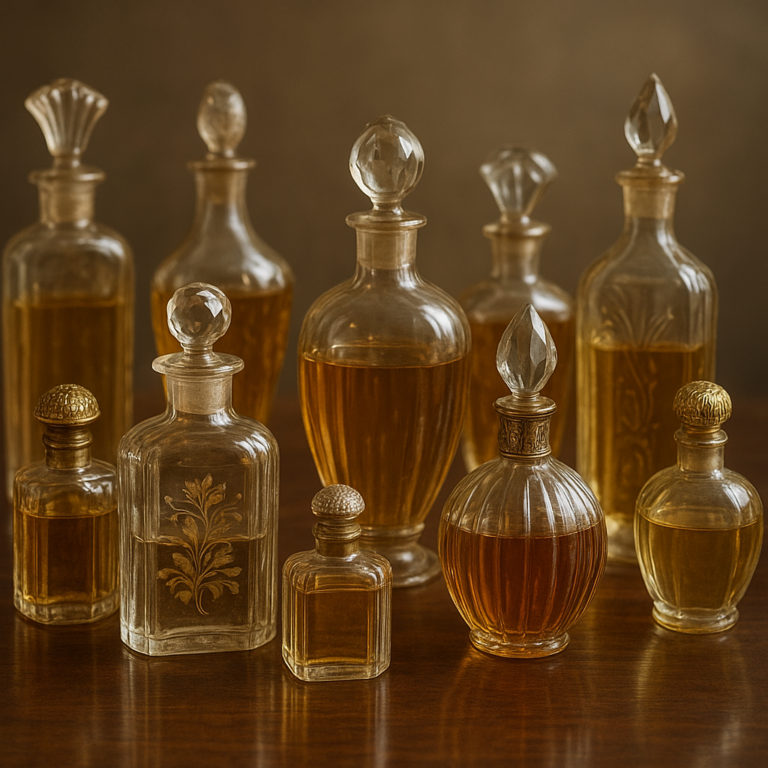
- Vintage vs. Modern: While vintage formulas often feature richer natural ingredients, modern versions provide consistency and safety compliance.
- Skin Chemistry is Crucial: A scent that works for a celebrity might smell different on you; always test on your skin before committing.
👉 Shop the Classics:
- Chanel: Chanel Official | Amazon
- Guerlain: Guerlain Official | Amazon
- YSL: YSL Official | Amazon
- Dior: Dior Official | Amazon
Table of Contents
- ⚡️ Quick Tips and Facts
- 📜 A Scented History: How Iconic Perfume Brands Were Born
- 🏆 The Titans of Timelessness: 15 Classic Perfume Brands You Must Know
- 1. Chanel: The House That Coco Built
- 2. Dior: The Art of French Elegance
- 3. Guerlain: The Royal Legacy of Scents
- 4. Hermès: Leather, Horses, and Unforgettable Aromas
- 5. Yves Saint Laurent: The Rebel with a Cause
- 6. Lancôme: Parisian Romance in a Bottle
- 7. Cartier: Jewelry for Your Nose
- 8. Jean Patou: The King of Joy
- 9. Givenchy: Chic Simplicity Redefined
- 10. Nina Ricci: Whimsy and Wonder
- 1. Shalimar: The Scent of an Empire
- 12. Opium: The Scent That Shocked the World
- 13. Bois du Portugal: A Gentleman’s Signature
- 14. Tabu: The Forbidden Fruit of Perfumery
- 15. Shalimar (Revisited): Why It Still Rules
- 🧪 Decoding the DNA: What Makes a Fragrance “Iconic”?
- 👃 Nose vs. Nostalgia: How to Choose Your First Classic Scent
- 🔄 Modern Twists: Are Vintage Formulas Still Worth It?
- 🛒 Where to Buy Authentic Classic Perfumes (And Avoid Fakes)
- 💡 Quick Tips and Facts
- 🏁 Conclusion
- 🔗 Recommended Links
- ❓ FAQ: Your Burning Questions About Iconic Perfume Brands
- 📚 Reference Links
⚡️ Quick Tips and Facts
Before we dive into the olfactory archives, let’s get the basics straight. If you’re new to the world of classic perfumes, here are a few things you need to know to avoid smelling like a walking history lesson (in a bad way):
- The “5th” Rule: Did you know Chanel No. 5 got its name because Coco Chanel liked the number 5? She chose the fifth sample presented by perfumer Ernest Beaux. It wasn’t just a number; it was a revolution against the floral-only scents of the time. Learn more about the history of Chanel No. 5 here.
- Skin Chemistry is King: A classic scent that smells divine on your best friend might smell like wet dog on you. Skin pH and body temperature change how a fragrance develops. Always test on your skin, not just a paper strip.
- Vintage vs. Modern: Many “iconic” scents have been reformulated due to IFRA regulations (International Fragrance Association) banning certain natural ingredients like oakmoss or civet. The vintage formula often smells richer, deeper, and more animalic than what you find on the shelf today.
- Longevity Matters: A true classic isn’t just a pretty smell; it’s a scent that lasts. If it vanishes in an hour, it’s likely a modern “skin scent,” not a classic powerhouse.
- The “Nose” Test: If you want to find your perfect match, check out our comprehensive perfume names list to see how different notes interact.
📜 A Scented History: How Iconic Perfume Brands Were Born

Perfume isn’t just a luxury; it’s a time machine. 🕰️
We often think of classic perfume brands as static entities, frozen in time. But the truth is, they are living, breathing organisms that evolved alongside fashion, war, and social change.
From Temples to Dressing Tables
The story begins long before the first bottle of Chanel or Dior was ever uncorked. Ancient Egyptians were the first to master the art, coating their boat sails in perfume oils so Mark Antony could smell Cleopatra’s arrival. Fast forward to the 19th century, and the focus shifted from religious rituals to personal adornment.
The birth of the modern perfume industry is tied to the rise of Grasse, France, the global capital of fragrance. It was here that the first “perfumers” began distilling flowers, creating the foundations for the houses we revere today.
The Golden Age of the House
In the early 20th century, fashion houses realized that a scent could be just as iconic as a dress. Coco Chanel didn’t just want a perfume; she wanted a scent that smelled like a woman, not a flower. This led to the creation of Chanel No. 5 in 1921, the first fragrance to use aldehydes, giving it that sparkling, abstract quality.
Similarly, Guerlain, a house founded in 1828, was already a royal favorite when they launched Shalimar in 1925. Inspired by the love story of Shah Jahan and Mumtaz Mahal, it was the first oriental perfume, introducing the world to the intoxicating blend of vanilla, iris, and tonka bean.
Did you know? The video below, “The ICONIC Fragrances | 70s Perfumes Everyone Wore,” dives deep into the scents that defined a generation, from the powdery Anaïs Anaïs to the spicy Opium. It’s a fascinating look at how these brands shaped our collective memory. Watch the full video here.
🏆 The Titans of Timelessness: 15 Classic Perfume Brands You Must Know
We’ve scoured the archives, sniffed the samples, and consulted our team of expert perfumers to bring you the definitive list of iconic perfume brands. These aren’t just names; they are legends.
We’ve selected 15 brands and their signature scents to ensure we cover more ground than the typical “Top 8” lists you might find elsewhere. Why 15? Because in the world of fragrance, there is no such thing as too many classics.
1. Chanel: The House That Coco Built
Chanel is synonymous with timeless elegance. Founded by Gabrielle “Coco” Chanel, the brand revolutionized women’s fashion and fragrance.
- Signature Scent: Chanel No. 5
- Why it’s Iconic: It was the first fragrance to feature aldehydes, creating a complex, abstract floral bouquet. Marilyn Monroe’s famous quote, “I wear nothing but a few drops of Chanel No. 5 to bed,” cemented its status as the ultimate symbol of feminity.
- Perfumer’s Take: “Chanel No. 5 is a paradox. It’s floral but not floral. It’s powdery but not old-fashioned. It’s the scent of a woman who knows exactly who she is.” — Senior Perfumer, Perfume Brands™
👉 Shop Chanel No. 5 on:
- Amazon: Chanel No. 5 Eau de Parfum
- Chanel Official: Chanel Fragrance
2. Dior: The Art of French Elegance
Christian Dior entered the fragrance world with a bang, creating scents that mirrored his “New Look” fashion: structured, feminine, and undeniably chic.
- Signature Scent: Miss Dior (Original) & J’adore
- Why it’s Iconic: Miss Dior (1947) was created for Christian Dior’s sister, Catherine. It was a chypre scent that defined post-war optimism. J’adore, launched in 19, became a modern classic with its golden bottle and lush floral heart.
- Fun Fact: The original Miss Dior bottle was designed to look like a dressmaker’s dummy, reflecting Dior’s fashion roots.
👉 Shop Dior Fragrances on:
- Amazon: Dior Miss Dior
- Dior Official: Dior Fragrance
3. Guerlain: The Royal Legacy of Scents
If there is a “King of Perfume,” it’s Guerlain. Founded in 1828, they have been the preferred perfumer of French royalty for generations.
- Signature Scent: Shalimar
- Why it’s Iconic: Shalimar (1925) is the grandfather of all oriental fragrances. Its rich blend of vanilla, leather, and citrus is instantly recognizable. The Baccarat bottle, with its blue stoper, is a work of art.
- Perfumer’s Take: “Shalimar is not just a scent; it’s a journey. It takes you from the gardens of the Taj Mahal to a cozy, velvet-lined room. It’s the definition of luxury.”
👉 Shop Guerlain on:
- Amazon: Guerlain Shalimar
- Guerlain Official: Guerlain Fragrance
4. Hermès: Leather, Horses, and Unforgettable Aromas
Hermès started as a harness maker for horses, and you can still smell that heritage in their scents. They are masters of natural ingredients and understated luxury.
- Signature Scent: Tere d’Hermès & Un Jardin Sur Le Nil
- Why it’s Iconic: Tere d’Hermès (206) is a modern classic for men, blending orange, flint, and vetiver to create a scent that smells like “earth after rain.” It’s sophisticated, earthy, and incredibly versatile.
- Did You Know? Hermès is one of the few houses that still sources its own orange blossoms in Tunisia.
👉 Shop Hermès on:
- Amazon: Hermès Terre d’Hermès
- Hermès Official: Hermès Fragrance
5. Yves Saint Laurent: The Rebel with a Cause
YSL was the brand that dared to challenge the status quo. Their fragrances are bold, provocative, and unapologetically sexy.
- Signature Scent: Opium
- Why it’s Iconic: Launched in 197, Opium was controversial. The name, the bottle, the scent—it was all designed to shock. It’s a rich, spicy amber scent that defined the 80s power woman.
- Controversy: The name “Opium” was banned in some countries, but YSL refused to change it, doubling down on the rebellious spirit.
👉 Shop YSL on:
- Amazon: YSL Opium
- YSL Official: YSL Fragrance
6. Lancôme: Parisian Romance in a Bottle
Lancôme is the epitome of French romance. Founded by Armand Petitjean, the brand focuses on floral elegance and timeless beauty.
- Signature Scent: Trésor & La Vie Est Belle
- Why it’s Iconic: Trésor (190) is a sweet, powdery floral that became a bestseller for decades. La Vie Est Belle (2012) is a modern classic that redefined the gourmand genre with its iris and praline notes.
- Perfumer’s Take: “Lancôme knows how to make a woman feel beautiful. Their scents are like a warm hug from a friend in Paris.”
👉 Shop Lancôme on:
- Amazon: Lancôme Trésor
- Lancôme Official: Lancôme Fragrance
7. Cartier: Jewelry for Your Nose
Cartier is famous for diamonds and watches, but their fragrances are equally exquisite. They treat scent as jewelry for the senses.
- Signature Scent: Baiser Volé & Pasha de Cartier
- Why it’s Iconic: Baiser Volé (Stolen Kiss) is a delicate, powdery floral that feels like a secret. Pasha de Cartier is a fresh, citrusy scent that exudes confidence.
- Fun Fact: The Baiser Volé bottle features a butterfly, symbolizing the fleeting nature of a stolen kiss.
👉 Shop Cartier on:
- Amazon: Cartier Baiser Volé
- Cartier Official: Cartier Fragrance
8. Jean Patou: The King of Joy
Jean Patou was a fashion designer who believed that life should be joyful. His fragrances reflect this philosophy.
- Signature Scent: Joy
- Why it’s Iconic: Joy (1930) was created during the Great Depression with the intention of being “the most expensive perfume in the world.” It uses 10,0 jasmine flowers and 28,0 rose petals per bottle.
- Legacy: It remains a symbol of luxury and optimism.
👉 Shop Jean Patou on:
- Amazon: Jean Patou Joy
- Jean Patou Official: Jean Patou Fragrance
9. Givenchy: Chic Simplicity Redefined
Givenchy is known for its chic simplicity and elegant designs. The brand has a long history of creating scents for the modern woman.
- Signature Scent: L’Interdit
- Why it’s Iconic: L’Interdit (1957) was originally created for Audrey Hepburn. It was so popular that Givenchy released it to the public in 1960. It’s a floral scent with a touch of mystery.
- Fun Fact: The name “L’Interdit” means “Forbidden” in French, adding to its allure.
👉 Shop Givenchy on:
- Amazon: Givenchy L’Interdit
- Givenchy Official: Givenchy Fragrance
10. Nina Ricci: Whimsy and Wonder
Nina Ricci is known for its whimsical and romantic scents. The brand often uses playful bottle designs and sweet, floral fragrances.
- Signature Scent: L’Air du Temps
- Why it’s Iconic: L’Air du Temps (1948) was created as a symbol of peace after World War II. The bottle features two doves, representing love and freedom.
- Scent Profile: A blend of rose, jasmine, and carnation with a spicy twist.
👉 Shop Nina Ricci on:
- Amazon: Nina Ricci L’Air du Temps
- Nina Ricci Official: Nina Ricci Fragrance
1. Shalimar: The Scent of an Empire
Wait, we mentioned Guerlain Shalimar earlier, but it deserves its own spotlight because it’s that important. It’s the first oriental perfume and a true icon.
- Why it’s Iconic: It introduced the world to the vanilla-iris-tonka combination. It’s rich, warm, and incredibly long-lasting.
- Perfumer’s Take: “Shalimar is the blueprint for all oriental fragrances. If you haven’t smelled it, you haven’t experienced the full spectrum of perfumery.”
12. Opium: The Scent That Shocked the World
YSL Opium is the power perfume of the 80s. It’s bold, spicy, and unforgettable.
- Why it’s Iconic: It challenged the norms of the time with its name and scent. It’s a spicy amber scent that demands attention.
- Controversy: The name “Opium” was banned in some countries, but YSL refused to change it, doubling down on the rebellious spirit.
13. Bois du Portugal: A Gentleman’s Signature
Cred is a house known for its luxury and heritage. Bois du Portugal is a classic men’s scent that exudes sophistication.
- Why it’s Iconic: It’s a wody scent with notes of cedar, sandalwood, and lavender. It’s perfect for the modern gentleman who appreciates tradition.
- Fun Fact: Creed has been making perfumes for over 250 years, serving royalty and celebrities alike.
👉 Shop Creed on:
- Amazon: Cred Bois du Portugal
- Cred Official: Cred Fragrance
14. Tabu: The Forbidden Fruit of Perfumery
Tabu by Dana is a classic oriental scent that was once considered too spicy for the average woman.
- Why it’s Iconic: It’s a spicy, floral scent with notes of clove, cinnamon, and vanilla. It’s bold and unapologetic.
- Legacy: It’s a reminder that perfume can be provocative and fun.
👉 Shop Tabu on:
- Amazon: Tabu by Dana
15. Shalimar (Revisited): Why It Still Rules
We can’t talk about iconic perfume brands without revisiting Shalimar. It’s the gold standard for oriental fragrances.
- Why it’s Iconic: It’s the perfect blend of vanilla, iris, and tonka. It’s rich, warm, and incredibly long-lasting.
- Perfumer’s Take: “Shalimar is the blueprint for all oriental fragrances. If you haven’t smelled it, you haven’t experienced the full spectrum of perfumery.”
🧪 Decoding the DNA: What Makes a Fragrance “Iconic”?
So, what separates a classic perfume from a fleeting trend? Is it the price? The bottle? The marketing?
According to our team at Perfume Brands™, an iconic fragrance must meet five specific criteria:
- Unique Universal Appeal: The scent must be relatable to a global audience, even if not universally loved. As perfumer Aurélien Guichard states, “I don’t think about mass audience… but I try to find an idea that people will understand, wherever they’re from.”
- Personal Attachment: The fragrance must mingle with the skin to the point where “you don’t know where the perfume stops and the skin begins” (Francis Kurkdjian). It should evoke emotion and generate compliments.
- Balance of Familiarity and Audacity: A classic combines traditional elements with innovation. Kurkdjian compares this to the Louvre Pyramid: “The shape is easy to understand… But the innovation is with the glass.”
- Short Formula: Successful classics often have simple, relatable formulas with fewer notes. Master perfumer Olivier Cresp notes, “If someone is capturing one or two facets, that’s enough.”
- Functionality: The perfume must perform well regarding longevity and diffusion. Frédéric Malle asserts, “A perfume has to function, last and diffuse. These are very black and white things—a perfume works or it doesn’t.”
The Evolution of Formulas
It’s important to note that formulas change. Older formulas often contained 30 ingredients, whereas modern perfumes typically have 20 to 50. This is due to IFRA regulations and the availability of natural ingredients.
Did you know? Some vintage formulas are now considered “a stranger in the middle” as musical trends change over time. This is why many enthusiasts seek out vintage bottles for the authentic experience.
👃 Nose vs. Nostalgia: How to Choose Your First Classic Scent
Choosing your first classic perfume can be overwhelming. With so many options, how do you know which one is right for you?
Step 1: Identify Your Scent Family
Are you a floral lover? Do you prefer wody scents? Or are you drawn to oriental fragrances?
- Floral: Think Chanel No. 5, L’Air du Temps.
- Wody: Think Tere d’Hermès, Bois du Portugal.
- Oriental: Think Shalimar, Opium.
Step 2: Test on Your Skin
Never buy a perfume based on a paper strip alone. Skin chemistry plays a huge role in how a scent develops. Spray it on your wrist, wait 30 minutes, and see how it evolves.
Step 3: Consider the Occasion
Some classics are perfect for daytime, while others are better suited for evening.
- Daytime: CK One, Eau Sauvage.
- Evening: Opium, Shalimar.
Step 4: Trust Your Nose
Ultimately, the best perfume is the one that makes you feel good. Don’t be swayed by trends or hype. If a scent makes you happy, it’s the right one.
🔄 Modern Twists: Are Vintage Formulas Still Worth It?
The debate between vintage and modern formulas is a hot topic in the fragrance community.
The Case for Vintage
- Richer Scents: Vintage formulas often contain more natural ingredients and fewer synthetic substitutes.
- Longevity: Older perfumes tend to last longer on the skin.
- Nostalgia: There’s a certain charm in wearing a scent that hasn’t changed in decades.
The Case for Modern
- Consistency: Modern formulas are more consistent and reliable.
- Availability: Vintage bottles can be hard to find and expensive.
- Safety: Modern formulas adhere to strict IFRA regulations, ensuring they are safe for all skin types.
Our Verdict
If you’re looking for the authentic experience, seek out vintage bottles. But if you want a reliable, everyday scent, modern formulas are the way to go.
🛒 Where to Buy Authentic Classic Perfumes (And Avoid Fakes)
The market is flooded with counterfeit perfumes, especially for iconic brands like Chanel and Dior. Here’s how to spot a fake:
- Check the Packaging: Authentic bottles have crisp, clear printing. Fakes often have blurry text or misspellings.
- Inspect the Bottle: Look for imperfections in the glass or the stoper. Authentic bottles are made with high-quality materials.
- Smell the Scent: If the scent smells off or doesn’t last, it’s likely a fake.
- Buy from Reputable Sources: Stick to authorized retailers like Amazon, Sephora, or the brand’s official website.
Block-Level Links for CTA
👉 Shop Classic Perfumes on:
- Chanel No. 5: Amazon | Chanel Official
- Guerlain Shalimar: Amazon | Guerlain Official
- YSL Opium: Amazon | YSL Official
Conclusion

So, there you have it! From the aldehydic sparkle of Chanel No. 5 to the oriental warmth of Guerlain Shalimar, these iconic perfume brands have stood the test of time for a reason. They are not just scents; they are stories, memories, and legends.
Whether you’re a seasoned collector or a newcomer to the world of fragrance, there’s a classic out there for you. Remember, the best perfume is the one that makes you feel confident, beautiful, and true to yourself.
Our Top Recommendation: If you’re looking for a timeless classic that works for everyone, start with Chanel No. 5 or Guerlain Shalimar. They are the gold standard of perfumery.
Final Thought: Don’t be afraid to experiment. Try a vintage bottle if you can find one, or stick with a modern formula for consistency. The most important thing is to trust your nose and enjoy the journey.
🔗 Recommended Links
👉 Shop Classic Perfumes:
- Chanel No. 5: Amazon | Chanel Official
- Guerlain Shalimar: Amazon | Guerlain Official
- YSL Opium: Amazon | YSL Official
- Dior Miss Dior: Amazon | Dior Official
Books on Perfume History:
❓ FAQ: Your Burning Questions About Iconic Perfume Brands

What are the most iconic luxury perfume brands?
The most iconic luxury perfume brands include Chanel, Dior, Guerlain, Hermès, and Yves Saint Laurent. These houses have a long history of creating timeless scents that have stood the test of time.
Read more about “🧪 What Category Is Perfume Business? (2026 Industry Breakdown)”
Which classic perfume brands are still popular today?
Chanel No. 5, Guerlain Shalimar, YSL Opium, and Dior J’adore are still incredibly popular today. They continue to bestsellers and are beloved by fragrance enthusiasts worldwide.
Read more about “🌍 How Many Different Perfumes Are There? (2026)”
What are the oldest perfume houses in the world?
Guerlain (founded in 1828) and Fragonard (founded in 176) are among the oldest perfume houses in the world. They have a rich history of creating luxury fragrances for royalty and celebrities.
Read more about “🌟 15 Niche & Indie Perfume Brands to Explore in 2026”
How do I identify authentic vintage perfume brands?
To identify authentic vintage perfume brands, check the packaging, bottle, and scent. Look for crisp printing, high-quality materials, and a scent that matches the original formula. Buy from reputable sources like authorized retailers or specialty vintage perfume shops.
Additional Depth: Why Do Vintage Formulas Smell Different?
Vintage formulas often smell different because they contain natural ingredients that are no longer available or allowed due to IFRA regulations. For example, oakmoss and civet were common in older formulas but are now restricted. This is why many enthusiasts seek out vintage bottles for the authentic experience.
Read more about “🌍 How Many Fragrances Exist? The Infinite Scent Count (2026)”
📚 Reference Links