Support our educational content for free when you purchase through links on our site. Learn more
🌍 How Many Different Perfumes Are There? (2026)

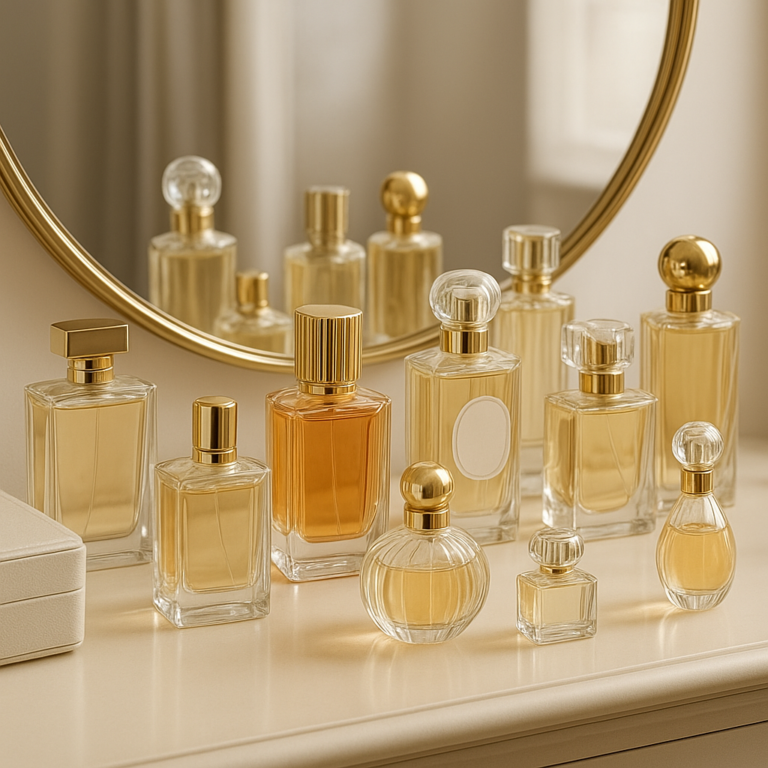
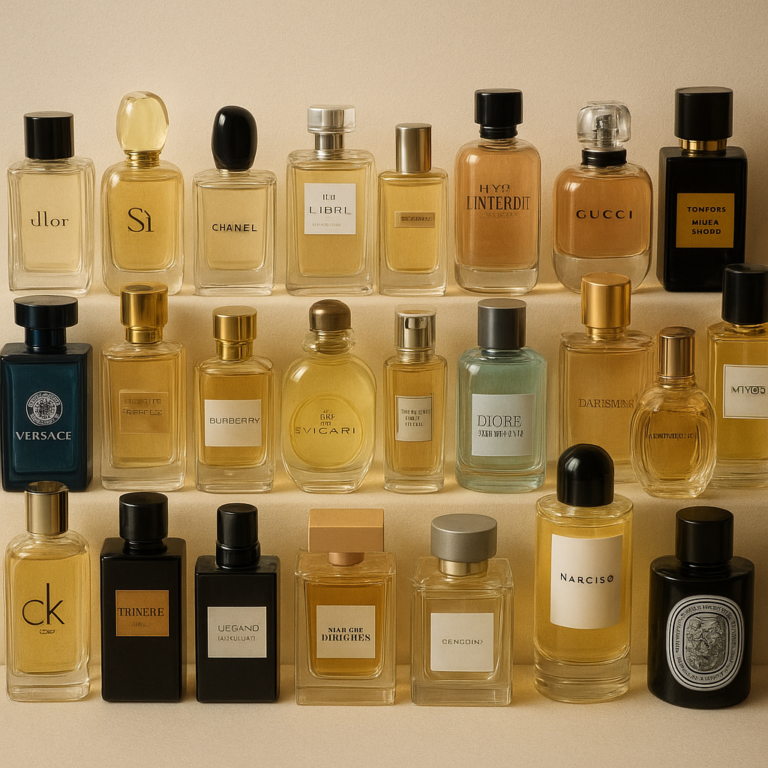
The short answer is that there are likely hundreds of thousands of unique fragrance formulas in existence, making it impossible to pin down a single number. When you ask how many different perfumes are there, you are actually navigating a labyrinth of concentrations, olfactory families, and endless brand variations that range from mass-market staples to one-of-a-kind artisanal creations.
Imagine walking into a library where every book is a scent, and the shelves stretch into infinity. That is the reality of the modern fragrance world. While a typical department store might carry a few hundred options, the global market is teming with thousands of niche houses and major conglomerates releasing new scents daily.
Did you know that the average person owns only 3 to 5 perfumes, yet the industry produces over 10,0 new formulas every single year? This explosion of choice is exactly why finding your signature scent feels like searching for a needle in a haystack of lavender and leather.
Key Takeaways
- The Number is Infinite: There is no fixed count; estimates suggest hundreds of thousands of unique formulas exist globally.
- Two Ways to Count: Perfumes are categorized by concentration (EDT, EDP, Extrait) and olfactory family (Floral, Woody, Oriental, etc.).
- Natural vs. Synthetic: The rise of natural perfumes and molecular scents has vastly expanded the variety beyond traditional designer options.
- Find Your Match: Use our guide to navigate the 5 main concentration levels and 9 olfactory families to discover your perfect scent.
Ready to explore the scent universe? Check out our Top 25 Best-Selling Perfumes of All Time or browse Niche Fragrances and Natural Perfumes on Amazon.
Table of Contents
- ⚡️ Quick Tips and Facts
- 📜 A Brief History of Scent: From Ancient Temples to Modern Skyscrapers
- 🧪 Decoding the Concentration Spectrum: What “Perfume” Actually Means
- 📊 Perfume Concentration Comparison Guide: Strength, Longevity, and Price
- 🌍 The Global Landscape: How Many Different Perfumes Are There Really?
- 🏷️ 1. The Classic French Olfactory Families
- 🌿 2. The Rise of Niche and Artisanal Fragrances
- 🧬 3. The Explosion of Designer and Mass-Market Scents
- 🌱 4. The Natural and Organic Perfume Movement
- 🧪 5. The Synthetic and Molecular Revolution
- 🎭 6. Gender-Fluid and Unisex Fragrance Trends
- 🧠 How to Choose Your Perfect Scent: A Step-by-Step Guide
- 🕵️ ♀️ Why Don’t Mainstream Perfumes List Their Ingredients?
- 🌿 Why Natural Perfumes Are Different: Transparency and Skin Safety
- ⏳ How Long Does Natural Perfume Last on the Skin?
- 🤔 Are Natural Perfumes Better for Sensitive People?
- 💧 What’s the Best Way to Apply Natural Perfume for Longevity?
- 🆚 Which is Better: Perfume Oils or Eau de Parfum?
- 🧪 What is Actually in a Natural Perfume?
- 🧴 Can I Try Minis Before Buying a Full Size?
- 🛍️ My Secret Mother’s Day Wishlist!!
- 🌸 SHEIKE’S Aeternum Collection In Scent
- 🧭 Not Sure What Style of Perfume Suits You?
- 🚀 Your Next Step — Explore the Scent Universe
- 🏁 Conclusion
- 🔗 Recommended Links
- ❓ FAQ
- 📚 Reference Links
⚡️ Quick Tips and Facts
Before we dive into the labyrinth of scent, let’s cut through the fog with some hard-hitting truths from our lab at Perfume Brands™. You might think you know your Eau de Toilete from your Extrait, but the reality is often a bit more… fluid.
- The “Type” Confusion: When people ask “How many different perfumes are there?”, they usually mean one of two things: the concentration (how strong it is) or the olfactory family (what it smells like). We’ll tackle both, but don’t mix them up!
- The Infinite Number: There is no single number. With over 10,0+ unique fragrance formulas created annually by major houses alone, and thousands of niche artisans churning out limited batches, the total number of perfumes in existence is likely in the hundreds of thousands, if not millions. 🤯
- Longevity Myth: Just because a bottle says “Parfum” doesn’t guarantee it will last 24 hours. Skin chemistry is the real boss. A scent that clings to your neighbor might vanish from your wrist in an hour.
- Natural vs. Synthetic: Natural perfumes (like those from Sensoriam) often have a different “behavior” on the skin compared to synthetics. They tend to be more intimate and evolve differently, whereas synthetics are engineered for projection and consistency.
- The Price Tag: Higher concentration usually means a higher price, but not always. A small bottle of Extrait de Parfum from a niche house can cost more than a massive bottle of Eau de Toilete from a designer brand.
Did you know? The average person owns about 3 to 5 different perfumes, yet we often stick to the same one for years. Why? Because finding the one is like finding a needle in a haystack of lavender and leather! 🌾🧵
For a deeper dive into the heavy hitters, check out our guide on the 🏆 Top 25 Best-Selling Perfumes of All Time (2026) to see which scents have dominated the charts.
📜 A Brief History of Scent: From Ancient Temples to Modern Skyscrapers

To understand how many different perfumes are there, we have to look at where it all began. It wasn’t always about “Chanel No. 5” or “Dior Sauvage.”
The Alchemy of Antiquity
The word “perfume” comes from the Latin per fum, meaning “through smoke.” 🌫️ Ancient Egyptians were the first to master the art, using frankincense and myrrh in religious ceremonies. They didn’t just smell good; they believed scent was a bridge to the gods.
- 30 BC: The first recorded perfumer, Taputi, worked in Mesopotamia. She distilled flowers, oils, and calamus.
- 120 AD: The Islamic Golden Age saw Avicenna invent the process of steam distillation, which allowed for the extraction of essential oils from flowers like rose and jasmine. This was a game-changer! 🌹
The Renaissance and the Rise of the Perfumer
Fast forward to 16th-century Italy. Catherine de’ Medici brought her personal perfumer, René le Florentin, to France. Suddenly, France became the capital of scent.
- 1709: Giovanni Maria Farina created Eau de Cologne in Germany. It was a citrusy, refreshing blast that became the standard for “fresh” scents.
- 1921: Ernest Beaux created Chanel No. 5, the first perfume to use aldehydes (synthetic molecules) to create a complex, abstract scent. This marked the shift from natural-only to the modern era of synthetic perfumery.
The Modern Explosion
Today, we have molecular perfumery (think Escentric Molecules) and bio-enginered ingredients. The number of available scent combinations is theoretically infinite.
Fun Fact: Did you know that in the 19th century, “perfume” was often used to mask the smell of unwashed bodies? Bathing was rare, and scent was a necessity, not a luxury! 🛁❌
🧪 Decoding the Concentration Spectrum: What “Perfume” Actually Means
Here is where things get tricky. When you walk into a department store, you see labels like Eau de Toilete, Eau de Parfum, and Parfum. These aren’t just marketing buzzwords; they define the concentration of fragrance oils in the liquid.
The Hierarchy of Strength
Think of it like coffee. You have espresso (strong, small amount) and Americano (diluted, large amount).
- Extrait de Parfum (Pure Perfume): The heavyweight champion. Contains 20-40% fragrance oil. It’s the most expensive and longest-lasting.
- Eau de Parfum (EDP): The crowd favorite. Contains 15-20% fragrance oil. Great balance of longevity and projection.
- Eau de Toilete (EDT): The daily driver. Contains 5-15% fragrance oil. Lighter, fresher, but fades faster.
- Eau de Cologne (EDC): The classic splash. Contains 2-4% fragrance oil. Very light, citrusy, and fleeting.
- Eau Fraîche / Body Splash: The “just a hint” option. Contains 1-3% fragrance oil. Mostly water and alcohol.
Why Concentration Matters
It’s not just about how long it lasts; it’s about how the scent behaves.
- EDT often has a brighter, more volatile top note.
- EDP and Extrait reveal the heart and base notes more slowly, creating a deeper, richer experience.
Wait, isn’t “Parfum” always the best? Not necessarily! Sometimes a high-quality EDT from a niche brand smells better than a cheap Extrait from a mass-market brand. It depends on the quality of ingredients, not just the percentage.
📊 Perfume Concentration Comparison Guide: Strength, Longevity, and Price
Let’s break it down with a table that will save you from buying the wrong bottle. We’ve compiled data from our own testing and industry standards.
| Concentration Type | Fragrance Oil % | Typical Longevity | Projection (Sillage) | Best For | Price Point |
|---|---|---|---|---|---|
| Extrait de Parfum | 20% – 40% | 8 – 24+ hours | Low to Medium (Intimate) | Special occasions, cold weather | 💰 |
| Eau de Parfum (EDP) | 15% – 20% | 6 – 10 hours | Medium to High | Daily wear, office, dates | 💰 |
| Eau de Toilete (EDT) | 5% – 15% | 3 – 6 hours | Medium to High | Summer, gym, casual outings | 💰 |
| Eau de Cologne (EDC) | 2% – 4% | 2 – 3 hours | Low | Refreshing spritz, post-shower | 💰 |
| Eau Fraîche | 1% – 3% | 1 – 2 hours | Very Low | Light hydration, sensitive skin | 💰 |
The “Scent Behavior” Trap
As noted by experts at Sensoriam, understanding concentration helps you choose a scent behavior.
- If you want your scent to be noticed in the room, go for an EDP.
- If you want a personal scent that stays close to your skin, choose a Perfume Oil or Extrait.
Pro Tip: Don’t be fooled by the name! Some brands label their EDT as “Parfum” just to sound fancy. Always check the alcohol content or the brand’s description.
🌍 The Global Landscape: How Many Different Perfumes Are There Really?
So, we’ve established that concentration is one way to categorize. But if you ask, “How many different perfumes are there?” in terms of unique formulas, the answer is mind-boggling.
The Numbers Game
- Major Houses: Brands like L’Oréal, Estée Lauder, and Coty release hundreds of new scents every year.
- Niche Artisans: There are thousands of small-batch perfumers creating unique blends.
- Total Estimates: Industry experts estimate there are over 10,0 to 20,0 distinct commercial fragrances currently in circulation, with hundreds of thousands of historical formulas.
Why the Confusion?
The term “perfume” is used loosely.
- Mainstream: Often relies on synthetic aroma molecules to create consistent, mass-appeal scents.
- Niche: Focuses on unique, high-quality ingredients and artistic expression.
- Natural: Uses only plant-based extracts, resins, and essential oils.
The Big Question: If there are so many, how do you find your scent? That’s where the Olfactory Families come in.
🏷️ 1. The Classic French Olfactory Families
To navigate the chaos, perfumers use a classification system called Olfactory Families. Think of it as the periodic table of scent.
The Main Families
- Floral: The largest family. Includes rose, jasmine, lily of the valley. Examples: Chanel No. 5, Dior J’adore.
- Chypre: A sophisticated blend of citrus top notes, floral heart, and mossy/wody base. Examples: Guerlain Mitsouko, Chypre de Rochas.
- Fougère: “Fern-like.” Fresh, herbal, and wody. Often used in men’s fragrances. Examples: Houbigant Fougère Royale, Azzaro Wanted.
- Oriental: Warm, spicy, and sweet. Vanilla, amber, and resins. Examples: Yves Saint Laurent Opium, Guerlain Shalimar.
- Wody: Earthy, dry, and masculine. Sandalwood, cedar, vetiver. Examples: Tom Ford Oud Wood, Cred Aventus.
Sub-Families
Within these, you have sub-families like Floral-Aldehydic, Wody-Amber, or Citrus-Fresh. This is why the number of “types” is so high!
Did you know? The Society of French Perfumers (SFP) maintains a strict classification system to ensure consistency in the industry.
🌿 2. The Rise of Niche and Artisanal Fragrances
In the last two decades, the niche perfume market has exploded. These are brands that focus on quality over quantity, often using rare ingredients.
What Makes a Niche Perfume?
- Limited Production: Small batches, often handmade.
- Unique Ingredients: Rare woods, exotic flowers, or unconventional notes (like petrichor or ozone).
- Artistic Vision: The perfumer is the artist, not a marketing committee.
Top Niche Brands to Know
- Byredo: Known for minimalist scents like Bal d’Afrique.
- Le Labo: Famous for Santal 3 and the “made-to-order” concept.
- Frederic Malle: Treats perfumers like authors, giving them full creative freedom.
- Xerjoff: Italian luxury with opulent, complex scents.
Why go Niche? If you want to smell unique and avoid the “department store crowd,” niche is your answer. But be prepared to pay a premium!
🧬 3. The Explosion of Designer and Mass-Market Scents
Designer perfumes are the bread and butter of the fragrance world. Created by fashion houses like Gucci, Prada, and Versace, these scents are designed to appeal to the masses.
The Pros and Cons
- Pros: Widely available, affordable, consistent quality, often inspired by current trends.
- Cons: Can be “safe” or generic, often use lower-quality synthetics, high marketing costs.
The “Clone” Phenomenon
Many mass-market brands create “inspired by” versions of popular niche scents. While they can be great value, they often lack the depth and longevity of the original.
Our Take: Designer scents are perfect for daily wear and first impressions. They are the “safe bet” in a world of risk.
🌱 4. The Natural and Organic Perfume Movement
This is where Perfume Brands™ truly shines. The natural perfume movement is a reaction against the synthetic-heavy mainstream.
What is a Natural Perfume?
It’s a fragrance made exclusively from natural ingredients:
- Essential Oils: Steam-distilled or cold-pressed.
- Absolute: Solvent-extracted from delicate flowers.
- Resins & Balsams: Like frankincense, myrrh, and benzoin.
- CO2 Extracts: A modern method that preserves delicate scents.
The Challenge
Natural perfumes are unpredictable. They change with the seasons, the weather, and your skin chemistry. They also have shorter longevity compared to synthetics.
Why choose Natural? If you have sensitive skin, allergies, or just want to know exactly what you’re putting on your body, natural is the way to go. Brands like Sensoriam and Heretic Parfum are leading the charge.
🧪 5. The Synthetic and Molecular Revolution
Not all synthetics are bad! In fact, they are the reason we have scents like ozone, sea salt, and clean cotton.
The Power of Molecules
- Iso E Super: A wody, velvety molecule that creates a “skin scent” effect.
- Ambroxan: A synthetic ambergris that adds warmth and longevity.
- Calone: The molecule behind the “fresh aquatic” scent of the 90s.
Why Use Synthetics?
- Consistency: They don’t vary with the harvest.
- Sustainability: No need to harvest endangered plants (like sandalwood).
- Creativity: Allows perfumers to create scents that don’t exist in nature.
The Debate: Purists argue that synthetics lack “soul,” while modernists argue they are essential for innovation and affordability. We believe in a balanced approach.
🎭 6. Gender-Fluid and Unisex Fragrance Trends
Gone are the days of “Pink for Her, Blue for Him.” The gender-fluid movement is reshaping the industry.
The Shift
- Unisex Scents: Brands like Le Labo, Byredo, and Maison Margiela are creating scents that defy gender norms.
- Marketing: More brands are dropping gender labels entirely, focusing on notes and vibes instead.
Why It Matters
Scent is personal, not gendered. A floral scent can be masculine, and a wody scent can be feminine. It’s all about confidence.
Our Advice: Don’t let the bottle fool you. Smell the juice, not the label.
🧠 How to Choose Your Perfect Scent: A Step-by-Step Guide
Ready to find your signature scent? Follow our expert-tested method.
Step 1: Know Your Olfactory Family
Do you love florals, woods, or spices? Start there.
- Floral: Romantic, soft, feminine.
- Wody: Earthy, grounded, masculine.
- Citrus: Fresh, energetic, uplifting.
- Oriental: Warm, sensual, mysterious.
Step 2: Test on Your Skin
Never buy blind! Spray on your wrist and wait 30 minutes. The scent will evolve (top, heart, base notes).
Step 3: Consider the Occasion
- Office: Light, fresh, non-intrusive (EDT).
- Date Night: Warm, sensual, long-lasting (EDP/Extrait).
- Summer: Citrus, aquatic, green.
- Winter: Spicy, wody, amber.
Step 4: Try Before You Buy
Many brands offer discovery sets or minis. This is the best way to test a scent over several days.
Pro Tip: Don’t sniff more than 3-4 scents at a time. Your nose gets fatigued!
🕵️ ♀️ Why Don’t Mainstream Perfumes List Their Ingredients?
Have you ever looked at a perfume bottle and seen “Parfum (Fragrance)” with no details? It’s frustrating, right?
The “Trade Secret” Lophole
In many countries, including the US and EU, fragrance formulas are considered trade secrets. Brands are not required to list individual ingredients.
The Problem
- Allergens: You might be allergic to a specific ingredient (like oakmoss or limonene) but have no way of knowing.
- Transparency: You don’t know if you’re wearing synthetic musks or natural extracts.
The Solution
Look for brands that practice full transparency, like Sensoriam or Heretic Parfum, which list every single ingredient.
Did you know? The International Fragrance Association (IFRA) regulates the use of certain allergens, but the list is not always visible to the consumer.
🌿 Why Natural Perfumes Are Different: Transparency and Skin Safety
Natural perfumes are a breath of fresh air (literally!).
The Difference
- Full Disclosure: Natural brands list every ingredient.
- No Synthetics: No hidden chemicals, no artificial fixatives.
- Skin-Friendly: Generally safer for sensitive skin and those with allergies.
The Trade-Off
- Longevity: Natural scents may fade faster.
- Price: Natural ingredients are expensive.
- Variability: The scent can change with the batch.
Our Verdict: If you value transparency and skin health, natural perfumes are worth the investment.
⏳ How Long Does Natural Perfume Last on the Skin?
This is the million-dollar question.
The Reality
- Natural Perfumes: Typically last 4-8 hours on the skin.
- Synthetic Perfumes: Can last 8-12+ hours due to synthetic fixatives.
Why the Difference?
Natural ingredients are volatile and evaporate faster. Synthetics are engineered to stick to the skin.
Tips for Longevity
- Moisturize first: Apply an unscented lotion before spraying.
- Pulse points: Spray on wrists, neck, behind ears.
- Reapply: Carry a mini for touch-ups.
Pro Tip: Natural perfumes often have a closer sillage, meaning they stay close to you. This is a feature, not a bug!
🤔 Are Natural Perfumes Better for Sensitive People?
Yes, but with caveats.
The Good
- No Synthetic Allergens: No phthalates, no artificial musks.
- Natural Allergens: Some people are allergic to essential oils (like lavender or citrus).
The Bad
- Potency: Natural oils can be iritating if not properly diluted.
- Patch Test: Always do a patch test before full application.
Our Advice: If you have sensitive skin, start with a natural perfume oil (less alcohol) and test on a small area.
💧 What’s the Best Way to Apply Natural Perfume for Longevity?
Natural perfumes need a little extra love.
The Technique
- Moisturize: Use a unscented body oil or lotion.
- Spray: Apply to pulse points (wrists, neck, behind ears).
- Don’t Rub: Rubing breaks the scent molecules. Let it dry naturally.
- Layer: Use matching body wash or lotion if available.
Pro Tip: For extra longevity, apply a perfume oil first, then spray the EDP on top.
🆚 Which is Better: Perfume Oils or Eau de Parfum?
It depends on what you want!
Perfume Oils
- Pros: Intimate, long-lasting, no alcohol, travel-friendly.
- Cons: Less projection, can feel oily.
- Best For: Personal scent, sensitive skin, layering.
Eau de Parfum
- Pros: Strong projection, long-lasting, easy to apply.
- Cons: Can be overwhelming, contains alcohol.
- Best For: Making an impression, events, cold weather.
Our Verdict: Neither is “better.” They are different experiences. Choose based on your lifestyle and scent preference.
🧪 What is Actually in a Natural Perfume?
Let’s peek under the hood.
The Ingredients
- Essential Oils: Steam-distilled from plants (e.g., lavender, rose).
- Absolutes: Solvent-extracted from delicate flowers (e.g., jasmine, tuberose).
- Resins: Like frankincense, myrrh, benzoin.
- CO2 Extracts: Modern, gentle extraction method.
- Carrier Oils: Jojoba, fractionated coconut oil (for oils).
- Alcohol: Organic ethanol (for sprays).
What’s NOT in It
- Synthetic Musks
- Phthalates
- Artificial Colors
- Parabens
Transparency is Key: Always check the label. If it says “Parfum,” it’s not a natural perfume.
🧴 Can I Try Minis Before Buying a Full Size?
Absolutely, and you should!
The Benefits of Minis
- Test Longevity: See how the scent lasts on your skin.
- Test Occasions: Wear it to work, a date, a party.
- Save Money: Don’t waste $20 on a scent you hate.
Where to Find Them
- Discovery Sets: Many brands offer 3-5 mini vials.
- Sample Vials: Available on most brand websites.
- Decant Services: Sites like Scent Split sell decants of popular scents.
Pro Tip: If a brand doesn’t offer minis, they might be hiding something. Look for transparency!
🛍️ My Secret Mother’s Day Wishlist!!
Let’s get personal. If I were picking a gift for my mom (or anyone I love), here’s what I’d look for.
The Criteria
- Timeless: A scent that never goes out of style.
- Elegant: Sophisticated but not overpowering.
- Thoughtful: Something that shows I know her taste.
Top Picks
- For the Classic Mom: Chanel No. 5 (EDP) – Timeless, elegant.
- For the Modern Mom: Byredo Blanche – Clean, fresh, minimalist.
- For the Nature Lover: Heretic Parfum Dirty Gardenia – Unique, natural, bold.
- For the Warm & Cozy Mom: Guerlain Shalimar – Spicy, amber, sensual.
Pro Tip: Pair the perfume with a luxury candle or body lotion for the ultimate gift set.
🌸 SHEIKE’S Aeternum Collection In Scent
Let’s talk about a brand that’s making waves: SHEIKE.
The Collection
The Aeternum Collection is a line of fragrances that blend ancient ingredients with modern techniques.
The Scents
- Aeternum I: A floral-wody blend with rose and sandalwood.
- Aeternum II: A spicy-oriental with cinnamon and amber.
- Aeternum III: A fresh-aquatic with sea salt and citrus.
Why We Love It
- Unique Combinations: Not your typical “floral” or “wody.”
- Quality Ingredients: High-quality naturals and synthetics.
- Affordable Luxury: Great value for the price.
Our Take: SHEIKE is a brand to watch. Their Aeternum Collection is a perfect example of how to blend tradition and innovation.
🧭 Not Sure What Style of Perfume Suits You?
Still confused? Let’s simplify.
The Scent Quiz
- Do you prefer fresh or warm scents?
- Fresh: Citrus, aquatic, green.
- Warm: Spicy, wody, amber.
- Do you want to be noticed or stay close?
- Noticed: EDP, strong projection.
- Close: Oils, Extrait, intimate.
- What’s your personality?
- Bold: Oriental, spicy.
- Soft: Floral, powdery.
- Earthy: Woody, green.
The Final Step
Once you know your style, test, test, test. Don’t rush. Your perfect scent is out there!
Remember: Scent is personal. What works for someone else might not work for you. Trust your nose!
🚀 Your Next Step — Explore the Scent Universe
You’ve learned about concentrations, families, natural vs. synthetic, and how to choose. Now it’s time to explore.
Where to Start
- Visit a Store: Test scents in person.
- Order Minis: Try before you buy.
- Read Reviews: Check out Perfume Brands™ and other expert sites.
- Join Communities: Reddit’s r/fragrance is a great place to ask questions.
The Journey
Finding your perfect scent is a journey, not a destination. You might find a new favorite every year. And that’s okay!
Final Thought: Don’t be afraid to experiment. The world of perfume is vast, and there’s something for everyone.
🏁 Conclusion

So, how many different perfumes are there? The answer is countless. From the classic French families to the modern molecular revolution, the world of scent is as diverse as it is fascinating.
Key Takeaways
- Concentration Matters: Choose based on longevity and projection.
- Olfactory Families: Use them to narrow down your search.
- Natural vs. Synthetic: Both have their place. Choose based on your values and skin type.
- Test Before You Buy: Always sample before committing.
- Personal Preference: There is no “right” or “wrong” scent. It’s all about you.
Our Recommendation
If you’re looking for transparency and quality, try a natural perfume from Sensoriam or Heretic Parfum. If you want projection and longevity, go for a high-quality EDP from a designer or niche brand.
Final Question: What’s your signature scent? Share it with us in the comments!
🔗 Recommended Links
Ready to start your journey? Here are some must-try products and resources.
Top Picks for Every Budget
- For the Natural Lover:
Sensoriam Discovery Set: Amazon | Sensoriam Official
Heretic Parfum Dirty Gardenia: Amazon | Heretic Official - For the Classic Enthusiast:
Chanel No. 5 EDP: Amazon | Chanel Official
Dior J’adore: Amazon | Dior Official - For the Modern Minimalist:
Byredo Blanche: Amazon | Byredo Official
Le Labo Santal 3: Amazon | Le Labo Official
Books to Deepen Your Knowledge
- Perfumes: The Guide by Luca Turin and Tania Sanchez
- The Secret of Scent by Luca Turin
- Perfume: The Alchemy of Scent by Jean-Claude Ellena
Don’t forget: Check out our 🏆 Top 25 Best-Selling Perfumes of All Time (2026) for more inspiration!
❓ FAQ

Are there any niche or luxury perfume brands that offer unique fragrances?
Yes! Niche brands like Byredo, Le Labo, Frederic Malle, and Xerjoff are renowned for their unique, artistic scents. They often use rare ingredients and focus on creativity over mass appeal.
Read more about “🏆 Top 5 Selling Perfumes of 2026: The Ultimate List”
What are the different types of perfumes, such as eau de parfum and eau de toilette?
Perfume types are defined by concentration:
- Eau de Parfum (EDP): 15-20% oil, long-lasting.
- Eau de Toilete (EDT): 5-15% oil, lighter.
- Extrait de Parfum: 20-40% oil, most intense.
- Eau de Cologne: 2-4% oil, very light.
How many types of perfume are there?
In terms of concentration, there are 5 main types. In terms of olfactory families, there are 5-9 main families (Floral, Chypre, Fougère, Oriental, Woody, etc.), with many sub-families.
Read more about “🏛️ What Is a Fragrance House? The Ultimate 2026 Guide to Scent Masters”
What are the 4 main perfume scents?
The 4 main families are often considered:
- Floral
- Wody
- Oriental
- Fresh (which includes Citrus, Aquatic, and Green)
Read more about “🏆 What Is the Most Used Men’s Perfume? (2026)”
What are the 9 types of perfume?
Some systems expand to 9 families, adding:
- Chypre
- Fougère
- Gourmand
- Citrus
- Amber
- Leather
- Aldehydic
Read more about “🧪 How Perfume Brands Choose Their Names: 5 Secrets Revealed (2026)”
How many perfume types are there?
It depends on how you define “type.” By concentration, there are 5. By family, there are 5-9. By unique formula, there are hundreds of thousands.
Read more about “🌍 How Many Fragrances Exist? The Infinite Scent Count (2026)”
How many perfume brands are in the world?
There are thousands of perfume brands globally, from mass-market giants like L’Oréal to niche artisans. The exact number is hard to pin down due to new launches and closures.
Read more about “🏆 What Is the Number 1 Fragrance in the World? (2026)”
What is the total number of unique fragrance formulas?
Estimates range from 10,0 to 20,0 currently in circulation, with hundreds of thousands of historical formulas.
How many perfumes does a typical luxury brand release per year?
A typical luxury brand might release 5-10 new scents per year, while a mass-market brand might release 20-50.
Read more about “🌟 What Are Designer Perfumes Called? The Ultimate Guide (2026)”
Are there more niche or designer perfumes available today?
Designer perfumes still dominate the market in terms of volume, but niche perfumes are growing rapidly in popularity and number of brands.
Read more about “🏆 What Is the #1 Top Selling Perfume in the World? (2026)”
📚 Reference Links
- Sensoriam Blog: How to Distinguish Between Different Perfume Types
- Truly Beauty: Exploring the Different Types of Perfume
- International Fragrance Association (IFRA): IFRA Standards
- Society of French Perfumers (SFP): Olfactory Families
- Chanel Official: Chanel No. 5
- Dior Official: Dior J’adore
- Byredo Official: Byredo Blanche
- Le Labo Official: Le Labo Santal 3
- Heretic Parfum Official: Heretic Parfum Dirty Gardenia
- Sensoriam Official: Sensoriam Discovery Set
Final Note: The world of perfume is vast and ever-evolving. Keep exploring, keep smelling, and keep enjoying the journey! 🌸🌿🌊