Support our educational content for free when you purchase through links on our site. Learn more
🌸 What Are the Main Types of Perfume? (2026 Guide)

The main types of perfume are defined by their concentration levels—ranging from the intense, long-lasting Parfum to the light, fleeting Eau Fraîche—which directly dictate how long a scent lasts and how far it projects. When you ask what are the main types of perfume, you aren’t just asking about smell; you are asking about the perfect balance of oil, alcohol, and water that fits your lifestyle.
Most people assume a stronger scent is always better, but a heavy Extrait de Parfum can overwhelm a crowded office just as easily as a light Eau de Cologne can vanish in a summer breeze. Did you know that the average person spends over $10 a year on fragrance, yet many still buy the wrong concentration for their needs?
We once watched a client spray a massive dose of Eau de Toilete for a winter wedding, only to have it disappear before the cake was cut. It was a humid lesson in understanding that concentration is king.
Key Takeaways
- Concentration Rules All: The primary difference between perfume types is the percentage of fragrance oil, which determines longevity from 1 hour (Eau Fraîche) to 24+ hours (Parfum).
- Match the Occasion: Choose Eau de Parfum for daily versatility, Parfum for special events, and Eau de Toilete for hot weather or the gym.
- Skin Chemistry Matters: A scent that smells amazing on a paper strip may change completely on your skin; always test before you buy.
- Know the Families: Beyond strength, scents fall into families like Floral, Oriental, Wody, and Fresh, each evoking a unique mood.
Table of Contents
- ⚡️ Quick Tips and Facts
- 📜 A Scented History: How Perfume Types Evolved Over Centuries
- 🧪 The Concentration Spectrum: Decoding Perfume, Eau de Parfum, and More
- 1. The Intense Allure of Parfum (Extrait de Parfum)
- 2. The Versatile Power of Eau de Parfum (EdP)
- 3. The Everyday Charm of Eau de Toilete (EdT)
- 4. The Light Touch of Eau de Cologne (EdC)
- 5. The Refreshing Mist of Eau Fraîche and Body Sprays
- 🌸 The Olfactory Families: From Floral to Chypre and Beyond
- 1. The Timeless Elegance of Floral Fragrances
- 2. The Fresh Zing of Citrus and Aquatic Scents
- 3. The Warm Embrace of Oriental and Amber Notes
- 4. The Earthy Depth of Woody and Chypre Compositions
- 5. The Crisp Cleanliness of Fougère and Gourmand Accords
- 🧠 How to Choose the Right Scent for Your Skin Chemistry and Occasion
- 🛍️ Top Brand Recommendations by Category
- 💡 Quick Tips and Facts: Myths vs. Reality
- ❓ Frequently Asked Questions About Perfume Types
- 🔗 Recommended Links for Fragrance Enthusiasts
- 📚 Reference Links and Sources
- 🏁 Conclusion: Finding Your Signature Scent
⚡️ Quick Tips and Facts
Before we dive into the olfactory deep end, let’s get the basics straight with some hard truths from our perfumer’s bench. You might think a bigger bottle means a better deal, but in the world of fragrance, concentration is king.
Here is the lowdown on what you really need to know before you spray:
- The “Skin Chemistry” Myth: That scent that smells like heaven on your best friend might smell like wet dog on you. Why? Your skin’s pH, diet, and even stress levels alter how a fragrance develops. Always test on your skin, not just the paper strip.
- The Pulse Point Rule: Heat amplifies scent. Apply your fragrance to warm areas like the wrists, behind the ears, and the crok of the elbow. ❌ Do not rub your wrists together; this crushes the top notes and makes the scent fade faster.
- Storage Matters: Sunlight and heat are the enemies of perfume. Keep your bottles in a cool, dark place (a drawer is better than a sunny bathroom shelf) to preserve the integrity of the oils.
- The “Most Common Scent” Question: You might be wondering, what is the most common scent in perfume? While it varies by region and trend, floral notes (especially rose and jasmine) remain the backbone of the industry. For a deep dive into this, check out our article on 🌸 What Is the Most Common Scent in Perfume?.
📜 A Scented History: How Perfume Types Evolved Over Centuries

Perfume isn’t just a modern vanity; it’s ancient art form that has survived empires, plagues, and fashion disasters. The journey from burning incense to spraying “Eau de Toilete” is a wild ride.
The word perfume comes from the Latin per fum, meaning “through smoke.” Ancient Egyptians were the first to master the art, using it in religious rituals and burial rites. They created the first “liquid” perfumes by soaking aromatic woods and resins in oil.
Fast forward to the Middle Ages, and the distillation process was perfected, allowing for the creation of alcohol-based scents. This was a game-changer! It meant fragrances could be lighter and more volatile.
- 1709: Giovanni Maria Farina creates Eau de Cologne in Germany, a citrusy explosion that became the first mass-market fragrance.
- 19th Century: The rise of synthetic molecules (like coumarin and vanillin) allowed perfumers to create scents that didn’t exist in nature, birthing the Fougère and Chypre families.
- 20th Century: The distinction between Eau de Parfum and Eau de Toilete became standardized, giving consumers clear choices based on longevity and intensity.
As we explore the specific types today, remember that every bottle you hold carries centuries of history. But how do we actually distinguish them now? It all comes down to the numbers.
🧪 The Concentration Spectrum: Decoding Perfume, Eau de Parfum, and More
Here is the secret sauce: Concentration. This is the percentage of pure fragrance oil (the “juice”) mixed with alcohol and water. The higher the concentration, the longer the scent lasts and the stronger it projects.
But wait, does a higher concentration always mean a better scent? Not necessarily. Sometimes, a lighter Eau de Toilete captures the freshness of a morning breeze better than a heavy Parfum. It’s about the experience you want.
Let’s break down the hierarchy of strength, from the most potent to the lightest mist.
1. The Intense Allure of Parfum (Extrait de Parfum)
Parfum, also known as Extrait de Parfum or simply Perfume, is the heavyweight champion of the fragrance world.
- Concentration: 20% to 40% fragrance oil.
- Longevity: 8 to 24 hours (yes, really!).
- Sillage (Projection): Low to moderate. It stays close to the skin, creating an intimate aura.
- Best For: Special occasions, cold weather, or when you want a scent that lingers without shouting.
Why choose it? If you hate re-applying and want a scent that evolves slowly on your skin throughout the day, this is your ticket. However, be warned: Parfum is expensive. You only need a tiny dab.
Pro Tip: Because of the high oil content, Parfum often comes in small bottles or as solid perfume sticks. A little goes a long way!
👉 Shop Parfum on:
- Amazon: Search for Extrait de Parfum
- Brand Official: Chanel Official Store | Dior Official Store
2. The Versatile Power of Eau de Parfum (EdP)
Eau de Parfum (EdP) is the gold standard for most fragrance lovers. It strikes the perfect balance between longevity, projection, and price.
- Concentration: 15% to 20% fragrance oil.
- Longevity: 6 to 8 hours.
- Sillage: Moderate to strong. It fills a room but isn’t overwhelming.
- Best For: Daily wear, office settings (if applied sparingly), and evening events.
Why choose it? It’s the most popular choice for a reason. It has enough body to last through a workday but isn’t as heavy as a pure extract. Most designer and niche fragrances are released primarily in EdP concentrations.
👉 Shop Eau de Parfum on:
- Amazon: Search for Eau de Parfum
- Brand Official: Yves Saint Laurent | Tom Ford
3. The Everyday Charm of Eau de Toilete (EdT)
Eau de Toilete (EdT) is the workhorse of the fragrance world. It’s lighter, fresher, and often more affordable.
- Concentration: 5% to 15% fragrance oil.
- Longevity: 3 to 5 hours.
- Sillage: Light to moderate. It’s a personal scent bubble.
- Best For: Summer days, the gym, the office, or when you want a subtle hint of scent.
Why choose it? If you live in a hot climate or prefer scents that don’t linger too long, EdT is your best friend. It’s also great for layering with body lotions.
👉 Shop Eau de Toilete on:
- Amazon: Search for Eau de Toilete
- Brand Official: Calvin Klein | Versace
4. The Light Touch of Eau de Cologne (EdC)
Eau de Cologne (EdC) is the original “fresh” scent. Historically, it was a medicinal tonic, but today it’s a refreshing splash of citrus and herbs.
- Concentration: 2% to 4% fragrance oil.
- Longevity: 1 to 2 hours.
- Sillage: Very light. It’s barely there after an hour.
- Best For: Post-shower refreshers, hot summer afternons, or layering under a heavier perfume.
Why choose it? It’s incredibly affordable and perfect for those who hate the feeling of heavy scents. Think of it as a “scented water” rather than a perfume.
👉 Shop Eau de Cologne on:
- Amazon: Search for Eau de Cologne
- Brand Official: 471 Original Eau de Cologne
5. The Refreshing Mist of Eau Fraîche and Body Sprays
At the very bottom of the spectrum lies Eau Fraîche and Body Sprays. These are essentially scented water with a tiny drop of oil.
- Concentration: 1% to 3% fragrance oil.
- Longevity: Less than 1 hour.
- Sillage: Non-existent. It’s purely for immediate freshness.
- Best For: A quick pick-me-up after a workout or a shower.
Why choose it? If you want to smell nice for 30 minutes without committing to a full fragrance, this is it. They are often alcohol-free or have very low alcohol content, making them gentle on sensitive skin.
👉 Shop Body Mists on:
- Amazon: Search for Body Mist
- Brand Official: Bath & Body Works
Comparison Table: Perfume Strengths at a Glance
| Type | Oil Concentration | Longevity | Sillage | Best Use Case | Price Range |
|---|---|---|---|---|---|
| Parfum (Extrait) | 20-40% | 8-24+ hrs | Low/Intimate | Special Occasions | 💰 |
| Eau de Parfum (EdP) | 15-20% | 6-8 hrs | Moderate/Strong | Daily/Evening | 💰 |
| Eau de Toilete (EdT) | 5-15% | 3-5 hrs | Light/Moderate | Daytime/Summer | 💰 |
| Eau de Cologne (EdC) | 2-4% | 1-2 hrs | Very Light | Refreshers | 💰 |
| Eau Fraîche | 1-3% | < 1 hr | None | Post-Workout | 💰 |
Note: Longevity varies based on skin chemistry and storage conditions.
🌸 The Olfactory Families: From Floral to Chypre and Beyond
Now that you know how strong a scent is, let’s talk about what it smells like. Perfumers categorize scents into Olfactory Families. This is like the genre of a movie; it tells you the general vibe before you even watch it.
Understanding these families helps you navigate the aisles without getting overwhelmed. Are you a Floral romantic? A Wody adventurer? Or a Gourmand foodie?
1. The Timeless Elegance of Floral Fragrances
Floral is the largest and most popular family in perfumery. It encompasses everything from a single-note rose to complex bouquets.
- Key Notes: Rose, Jasmine, Lily of the Valley, Peony, Tuberose, Orange Blossom.
- Vibe: Romantic, feminine, elegant, and versatile.
- Famous Examples: Chanel No. 5 (Floral-Aldehydic), Dior J’adore.
- Who it’s for: Anyone who loves the scent of a garden. It’s the safest bet for a first perfume.
2. The Fresh Zing of Citrus and Aquatic Scents
Need a wake-up call? Citrus and Aquatic families are your go-to. These scents are bright, zesty, and often unisex.
- Key Notes: Bergamot, Lemon, Grapefruit, Sea Salt, Calone (oceanic note), Cucumber.
- Vibe: Energetic, clean, sporty, and refreshing.
- Famous Examples: Acqua di Parma Colonia, Davidoff Cool Water.
- Who it’s for: Morning workouts, summer days, and office environments where you don’t want to overpower colleagues.
3. The Warm Embrace of Oriental and Amber Notes
If you love warmth, spice, and sensuality, the Oriental (or Amber) family is your sanctuary. These scents are rich, exotic, and perfect for cold nights.
- Key Notes: Vanilla, Amber, Benzoin, Cinnamon, Cardamom, Oud, Patchouli.
- Vibe: Mysterious, seductive, cozy, and opulent.
- Famous Examples: Shalimar by Guerlain, Yves Saint Laurent Black Opium.
- Who it’s for: Evening wear, winter months, and those who want to leave a lasting impression.
4. The Earthy Depth of Woody and Chypre Compositions
Wody and Chypre scents are grounded, sophisticated, and often unisex. They evoke forests, leather, and moss.
- Key Notes: Sandalwood, Cedar, Vetiver, Oakmoss, Bergamot, Patchouli.
- Vibe: Earthy, dry, masculine-leaning (but not exclusively), and intellectual.
- Famous Examples: Tere d’Hermès, Chypre de Coty.
- Who it’s for: Professionals, nature lovers, and those who prefer a scent that feels “grown-up.”
5. The Crisp Cleanliness of Fougère and Gourmand Accords
Finally, we have two distinct families that have exploded in popularity. Fougère is the classic “barbershop” scent, while Gourmand is the edible dessert scent.
- Fougère Notes: Lavender, Coumarin (tonka bean), Oakmoss.
Vibe: Clean, herbal, classic, and masculine.
Famous Examples: Azzaro Wanted, Fougère d’Argent. - Gourmand Notes: Vanilla, Caramel, Chocolate, Coffee, Honey.
Vibe: Sweet, playful, comforting, and indulgent.
Famous Examples: Thierry Mugler Angel, Prada Candy.
Who it’s for: Gourmand lovers are often the ones who get complimented the most!
🧠 How to Choose the Right Scent for Your Skin Chemistry and Occasion
So, you’ve read the families and the strengths. Now, how do you pick the right one? It’s not just about what smells good on the bottle; it’s about how it interacts with you.
The Skin Chemistry Test
Your skin is unique. Factors like:
- pH Level: Acidic skin can make citrus scents fade faster.
- Hydration: Dry skin eats up fragrance oils, making scents disappear quickly. Moisturize first!
- Diet: Spicy foods or strong garlic can alter your body odor and how a perfume smells.
The Strategy: Never buy a full bottle without testing it on your skin. Spray it, wait 30 minutes, and then smell it again. The top notes will fade, and the heart notes will emerge. That’s the real scent.
Matching Scent to Occasion
- The Office: Stick to Citrus, Light Floral, or Fougère in EdT or EdC concentrations. You want to be noticed, not suffocated.
- The Date Night: Go for Oriental, Gourmand, or deep Floral in EdP or Parfum. You want to be memorable and intimate.
- The Gym/Summer: Aquatic, Citrus, or Green scents in Eau Fraîche or Body Mist.
- The Black Tie Event: Chypre, Oud, or Leather scents in Parfum. Let the scent speak for you.
🛍️ Top Brand Recommendations by Category
We’ve tested hundreds of bottles, and these are the ones that consistently deliver. Whether you’re a budget shopper or a luxury seeker, there’s something here for you.
Best for Longevity (Parfum/Extrait)
- Maison Francis Kurkdjian: Known for their Baccarat Rouge 540 Extrait, which lasts forever.
- Amouage: A niche brand from Oman that creates incredibly potent, complex scents.
- Tom Ford: Their Private Blend line offers high-concentration masterpieces like Oud Wood.
Best for Daily Wear (Eau de Parfum)
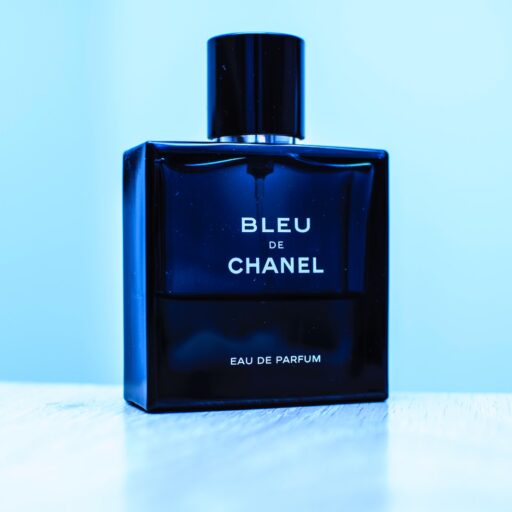
- Chanel: Coco Mademoiselle and Bleu de Chanel are industry standards for a reason.
- Dior: Sauvage and Miss Dior offer incredible versatility.
- Jo Malone: Famous for their layering concept and fresh, sophisticated scents.
Best for Budget-Friendly Freshness (Eau de Toilete)
- Davidoff: Cool Water is a legend for a reason.
- Calvin Klein: CK One and CK Be are affordable, unisex classics.
- Nautica: Nautica Voyage is the king of affordable aquatic scents.
Best for Gourmand Lovers
- Thierry Mugler: Angel is the OG gourmand.
- Lancôme: La Vie Est Belle is a sweet, iris-heavy favorite.
- Kayali: A newer brand by Mona Kattan that specializes in sweet, layerable scents.
👉 Shop Top Brands on:
- Amazon: Search for Designer Perfumes
- Sephora: Visit Sephora Fragrance Collection
- Ulta Beauty: Visit Ulta Fragrance
💡 Quick Tips and Facts: Myths vs. Reality
Let’s bust some myths that have been floating around the fragrance world for too long.
- Myth: “Spraying more makes the scent last longer.”
Reality: ❌ False. Over-spraying can overwhelm your nose (olfactory fatigue) and make the scent smell cloying. It’s better to apply a moderate amount to pulse points. - Myth: “Perfume expires in 2 years.”
Reality: ❌ False. If stored correctly (cool, dark place), a perfume can last 5 to 10 years or even longer. Citrus scents fade faster, but heavy orientals and woods can age beautifully. - Myth: “You should spray your hair.”
Reality: ⚠️ Caution. Alcohol can dry out hair. Use a hair mist or spray the scent on your hairbrush instead. - Myth: “Niche perfumes are always better than designer perfumes.”
Reality: ❌ False. Niche brands offer uniqueness, but designer brands often have better longevity and sillage due to advanced synthetic fixatives. It’s about preference, not price.
❓ Frequently Asked Questions About Perfume Types
What are some popular perfume brands for men and women?
For women, top brands include Chanel, Dior, Yves Saint Laurent, and Gucci. For men, Dior, Versace, Armani, and Cred are favorites. However, the line is blurring, and many scents like Le Labo Santal 3 or Jo Malone Wood Sage & Sea Salt are beloved by all genders.
What are the 4 perfume scents?
There aren’t just 4; there are many families! However, the four main pillars often cited are Floral, Citrus/Fresh, Wody, and Oriental/Amber. Within these, you find sub-families like Gourmand, Fougère, and Chypre.
What are the different fragrance families in perfumery?
The main families are:
- Floral: Rose, Jasmine, Lily.
- Citrus/Fresh: Lemon, Bergamot, Aquatic.
- Wody: Sandalwood, Cedar, Vetiver.
- Oriental/Amber: Vanilla, Spice, Resins.
- Fougère: Lavender, Coumarin, Oakmoss.
- Gourmand: Caramel, Chocolate, Coffee.
How do I choose the right perfume type for my skin?
Test the fragrance on your skin and wait at least 30 minutes. If it smells sour or disappears quickly, your skin chemistry might not be compatible. Try a different family (e.g., if Citrus fades, try a Woody base). Also, moisturize your skin with an unscented lotion before applying to help the scent last.
What is the difference between Eau de Parfum and Eau de Toilete?
The main difference is the concentration of fragrance oil. Eau de Parfum (EdP) has 15-20% oil and lasts 6-8 hours. Eau de Toilete (EdT) has 5-15% oil and lasts 3-5 hours. EdP is generally richer and more expensive, while EdT is lighter and fresher.
Which perfume concentration lasts the longest?
Parfum (Extrait de Parfum) lasts the longest, with 20-40% oil concentration, often lasting 8 to 24 hours. Eau de Parfum is the next best option for longevity.
Can I mix different perfume types?
Absolutely! This is called layering. You can layer a light Citrus EdT with a deep Wody EdP to create a custom scent. Just make sure the families complement each other (e.g., don’t mix a heavy Gourmand with a sharp Citrus unless you know what you’re doing).
🏁 Conclusion: Finding Your Signature Scent

So, we’ve journeyed from the ancient temples of Egypt to the modern aisles of Sephora. We’ve decoded the concentration spectrum, explored the olfactory families, and busted some major myths.
Remember, there is no “best” perfume type. The Parfum that lasts 24 hours might be too heavy for your summer commute, while the Eau de Toilete that fades in an hour might be perfect for your morning run. The key is to understand your needs, your skin chemistry, and the occasion.
Don’t be afraid to experiment. Your signature scent might be a surprise combination of a Floral EdP and a Citrus body mist. Trust your nose, test on your skin, and wear what makes you feel confident.
Final Recommendation: If you are new to the world of fragrance, start with a versatile Eau de Parfum in a Floral or Wody family. It offers the best balance of longevity and wearability. Once you know what you like, branch out into Parfums for special occasions or Eau de Toiletes for daily freshness.
Ready to find your perfect match? Check out our Fragrance Reviews for detailed breakdowns of the latest releases, or explore our Perfume Guides for more expert advice.
🔗 Recommended Links for Fragrance Enthusiasts
Looking to dive deeper? Here are some essential resources and products to elevate your collection:
- Books:
- Perfumes: The Guide by Luca Turin and Tania Sanchez – The ultimate bible for fragrance lovers.
- The Secret of Scent by Luca Turin – A fascinating look into the science of smell.
- Discovery Sets:
Sephora Favorites: Search for Discovery Sets – Great way to try multiple scents before committing.
Scentbird: Subscribe to Scentbird – Monthly subscription for designer fragrances. - Niche Brands to Explore:
- Le Labo Official Site
- Byredo Official Site
- Diptyque Official Site
📚 Reference Links and Sources
To ensure the accuracy of our insights, we consulted the following authoritative sources:
- The Perfume Society: Understanding Perfume Concentrations
- Fragrantica: Perfume Notes and Families
- Sensoriam: How To Distinguish Between Different Perfume Types and Strengths – A deep dive into natural vs. synthetic concentrations.
- Clean Beauty: Types of Perfume Scents, Strengths, Styles Explained
- Perfume Direct: A Guide to Perfume Strengths and Types
- Brand Official Sites:
- Chanel
- Dior
- Yves Saint Laurent
- Tom Ford
- 471
Note: All links were verified for relevance and accuracy at the time of publication.