Support our educational content for free when you purchase through links on our site. Learn more
15 Oldest Perfume Brands Still Alive 🌿

The oldest perfume brand still in existence depends on how you define “oldest.” Santa Maria Novella traces its apothecary roots to 1221, while Farina was founded in 1709 and is recognized by the German Patent and Trade Mark Office as the world’s oldest surviving perfume factory.
So, what are some of the oldest perfume brands still in existence? Our list includes Santa Maria Novella, Farina, Floris London, Houbigant, 471, Lubin, Guerlain, Molinard, Penhaligon’s, Caron, Chanel, Acqua di Parma, and Hermès. Each has a different claim to fame, from monastic apothecaries and royal suppliers to the invention of modern fragrance families.
Here’s the delicious twist: many of these “old” perfumes do not smell old-fashioned at all. Farina’s citrus Cologne can feel sparklingly modern, while Guerlain’s Shalimar still wraps vanilla, smoke, and balsam around the skin like a velvet cape.
Key Takeaways
- Santa Maria Novella has the oldest institutional roots, tracing its Florentine apothecary tradition to 1221.
- Farina, founded in 1709, has the strongest documented claim as the oldest surviving perfume factory.
- Houbigant’s Fougère Royale helped establish the fougère fragrance family, influencing generations of men’s perfumes.
- Guerlain remains one of the most influential historic French perfume houses, thanks to Jicky, Mitsouko, L’Heure Bleue, and Shalimar.
- Floris London and Penhaligon’s preserve Britain’s classic grooming and fragrance traditions.
- 471 and Acqua di Parma are excellent choices for citrus and eau de cologne lovers.
- A founding date does not always mean uninterrupted perfume production. Some dates refer to an apothecary, broader company, or revived fragrance line.
- Our clearest answer: choose Santa Maria Novella for the oldest apothecary heritage, or Farina for the oldest documented perfume-manufacturing history.
Table of Contents
-
🏺 Fragrance History: How the World’s Oldest Perfume Houses Began
-
Ancient Perfume Traditions in Mesopotamia, Egypt, Greece, and Rome
-
Why France, Italy, Germany, and Britain Became Perfume Capitals
-
How Family Businesses and Royal Suppliers Preserved Historic Fragrance Brands
-
🌿 1. Santa Maria Novella: One of the Oldest Pharmacies and Perfume Houses
-
🌹 2. Farina Gegenüber: The Cologne House Behind Eau de Cologne
-
👑 3. Floris London: Britain’s Historic Royal Warrant Perfumer
-
From a Barber Shop in Jermyn Street to a British Fragrance Institution
-
🧴 4. Creed: Centuries of Tailoring, Royal Patrons, and Luxury Perfume
-
🌸 5. Houbigant Paris: A French Perfume House Founded in the 18th Century
-
💐 6. Lubin Paris: A Historic French Perfume House Since 1798
-
🌼 9. Guerlain: Five Generations of French Fragrance Expertise
-
🕯️ 10. Santa Maria Novella, Caron, and Other Historic French-Italian Fragrance Houses
-
🇫🇷 11. Molinard: One of the Oldest Continuously Operating Perfume Manufacturers
-
🌙 12. Caron: Bold French Perfumes with a Distinctive Vintage Soul
-
Craftsmanship, Leather, Woods, and the Hermès Fragrance Signature
-
⚖️ Oldest Perfume Brands Compared: Founding Dates, Countries, and Signature Scents
-
Which Historic Fragrance Houses Have the Strongest Modern Following?
-
The Evolution of Chypre, Fougère, Floral, and Amber Perfumes
-
Traditional Extraction Methods: Distillation, Tincturing, and Enfleurage
-
Perfume Concentrations: Eau Fraîche, Eau de Cologne, Eau de Toilete, and Parfum
-
Best Old Perfume Houses for Citrus and Fresh Fragrance Lovers
-
✅ Tips for Buying, Wearing, and Preserving Vintage-Inspired Perfume
-
How to Read Perfume Notes Without Getting Lost in the Jargon
-
Which Old Perfume Brands Still Make Their Original Fragrances?
-
What Is the Best Historic Perfume for a Modern Fragrance Lover?
Quick Tips and Facts About the Oldest Perfume Brands
If you’re asking, “What are some of the oldest perfume brands still in existence?”, the short answer is wonderfully untidy: Farina, founded in Cologne in 1709, has the strongest documented claim for the oldest surviving perfume factory, while Santa Maria Novella traces its apothecary tradition to 1221 and remains one of the oldest active fragrance houses. Those are not quite the same claim. Perfume history, like a vintage extrait, has layers. 🍊
The first line of our own guide to what perfume brands are called helps clarify the vocabulary: a perfume house, manufacturer, brand, and fragrance line can describe different things.
Fast facts at a glance
| Brand or house | Commonly cited origin | Country | Best-known legacy | Our expert takeaway |
|---|---|---|---|---|
| Santa Maria Novella | 1221 apothecary tradition; perfume history linked to 153 | Italy | Acqua della Regina | Oldest apothecary tradition among major active fragrance houses |
| Farina gegenüber | 1709 | Germany | Original Eau de Cologne | Strongest documented claim for oldest surviving perfume factory |
| 471 | 1792 | Germany | Original Eau de Cologne | One of the oldest continuously marketed colognes |
| Houbigant | 1775 | France | Fougère Royale | Hugely influential in modern fragrance families |
| Cred | 1760, according to house history | England/France | Aventus, Green Irish Twed | Historic luxury positioning, though documentation is debated |
| Guerlain | 1828 | France | Shalimar, Jicky | One of the most influential continuously operating French perfume houses |
| Floris London | 1730 | United Kingdom | Jermyn Street grooming and fragrance | Britain’s enduring royal-linked fragrance institution |
| Penhaligon’s | 1870 | United Kingdom | Blenheim Bouquet, Hammam Bouquet | Victorian London character in a bottle |
| Molinard | 1849 | France | Habanita | Historic Grasse manufacturer with strong continuity |
| Chanel | 1910 fashion house; No. 5 launched 1921 | France | Chanel No. 5 | Younger than the houses above, but culturally enormous |
Our quick verdict
- ✅ Oldest documented surviving perfume factory: Farina, founded in 1709, according to the German Patent and Trade Mark Office.
- ✅ Oldest active apothecary-fragrance tradition: Santa Maria Novella, whose institution traces back to 1221.
- ✅ Most influential historic French house: Guerlain, particularly for Jicky, L’Heure Bleue, Mitsouko, and Shalimar.
- ✅ Most important fragrance innovation: Houbigant’s Fougère Royale helped establish the fougère family.
- ❌ Not every “founded in” date means uninterrupted perfume production. Some dates refer to an apothecary, tailor, barber shop, or broader company rather than the first commercial perfume.
A useful distinction: oldest product versus oldest company
A fragrance can survive longer than the business that created it. Conversely, a company can be centuries old while its current perfumes are modern creations.
| Question | Example | Why it matters |
|---|---|---|
| Oldest institution? | Santa Maria Novella | The apothecary tradition predates its famous perfumes |
| Oldest perfume factory? | Farina | A documented manufacturing business dating to 1709 |
| Oldest surviving fragrance? | Acqua della Regina, 471, or Farina Eau de Cologne claims vary | Recipes, names, and formulas may have changed |
| Oldest modern perfume brand? | Guerlain, founded 1828 | A clearer comparison among established fragrance companies |
| Most famous historic perfume? | Chanel No. 5 | Cultural influence is not the same as age |
One more wrinkle: a fragrance described as “original” may still have undergone ingredient substitutions, concentration changes, or regulatory reformulation. That does not erase its history, but it does mean you should not expect a 2026 bottle to smell exactly like one made in 1810.
Fragrance History: How the World’s Oldest Perfume Houses Began

Perfume did not begin with a glossy department-store counter and a dramatic celebrity campaign. It began with smoke, resin, flowers, oils, herbs, and ritual. The word itself is commonly linked to the Latin per fum, meaning “through smoke,” reflecting the ancient use of aromatic materials in burning incense.
The Metropolitan Museum of Art documents the importance of perfume containers and scented materials in ancient Egyptian culture, while the British Museum preserves objects connected to ancient ritual, cosmetics, and trade.
Ancient perfume traditions in Mesopotamia, Egypt, Greece, and Rome
The earliest perfume makers were not building global brands. They were creating:
- Incense for religious ceremonies
- Scented oils for the body
- Balms and ointments
- Cosmetics and hair preparations
- Fragrant materials for burial rites
- Scented water for bathing and hospitality
Ancient formulas often used:
- Myrrh
- Frankincense
- Cinnamon
- Rose
- Iris
- Saffron
- Cedar
- Honey
- Olive oil
- Animal-derived materials such as musk or civet in later traditions
The famous Mesopotamian perfumer Taputi is often described as one of the earliest recorded perfume makers. Her work, mentioned in cuneiform records, is associated with filtering and distillation-like techniques. The evidence is fragmentary, but her appearance in the historical record shows that perfumery was already a specialized craft thousands of years ago.
From scented oils to alcohol-based perfume
The modern perfume industry changed dramatically when perfumers began using alcohol as a carrier. Alcohol helped fragrances:
- Dissolve aromatic materials.
- Spread quickly across the skin.
- Evaporate in stages.
- Feel lighter than thick oil-based preparations.
- Travel more easily in bottles.
This transition eventually helped create the eau de cologne tradition. Farina’s Cologne fragrance became especially important because it presented a bright, citrus-led alternative to dense musk-heavy perfumes.
The DPMA’s Farina history describes the perfume as built around bergamot, lemon, and orange, with a freshness that contrasted with the heavy perfumes favored by aristocratic consumers.
The rise of European perfumery and cologne
European fragrance centers emerged for practical reasons:
- Cities connected to trade routes could access exotic ingredients.
- Courts created demand for luxury scent.
- Apothecaries had the tools and expertise to compound aromatic preparations.
- Leather tanning encouraged early perfume production in places such as Grasse.
- Glassmaking made decorative perfume bottles more accessible.
- Royal patronage gave fragrance houses prestige.
The term eau de Cologne eventually became a broad category rather than a single protected product name. This is why Farina and 471 can both be associated with Cologne water, even though they are different companies with a long and complicated history.
The German Patent and Trade Mark Office explains that “Eau de Cologne” became descriptive and generic for a style of light fragrance. In plain English: you cannot simply own the phrase “eau de cologne” for every product in that category.
Why France, Italy, Germany, and Britain became perfume capitals
| Region | Historic strength | Representative houses |
|---|---|---|
| Italy | Monastic apothecaries, citrus, botanical preparations | Santa Maria Novella, Acqua di Parma |
| Germany | Cologne, apothecary trade, organized manufacturing | Farina, 471 |
| France | Court culture, Grasse flowers, luxury branding | Houbigant, Guerlain, Caron, Chanel |
| Britain | Barbershops, grooming, royal suppliers | Floris, Penhaligon’s, Geo. F. Trumper |
| United States | Mass-market toiletries and accessible colognes | Florida Water by Lanman & Kemp |
A personal observation from our perfumers: the oldest houses rarely smell “old” across their entire collections. Farina’s citrus can feel startlingly modern. Guerlain’s vanilla and bergamot can seem luxurious rather than dusty. Penhaligon’s may give you a powdered waistcoat one minute and a perfectly wearable office scent the next. History is not always sepia-toned.
Family businesses and royal suppliers
Royal endorsement mattered because it solved a trust problem. If a house supplied a queen, emperor, or court, buyers assumed the materials and craftsmanship were worth attention.
But royal connections must be read carefully:
- “Supplier to the court” may refer to one period, not continuous service.
- A fragrance may have been created for royalty but later sold commercially.
- A company may retain a royal warrant even after ownership changes.
- Brand storytelling can simplify complex historical records.
That is why we prefer dated archives, trademark records, museum collections, and official institutional histories over unsupported lists.
1. Santa Maria Novella: One of the Oldest Pharmacies and Perfume Houses
Officina Profumo-Farmaceutica di Santa Maria Novella is one of the most frequently mentioned names when people ask for the oldest perfume brand in the world.
The key distinction is this: its Dominican friars began an apothecary tradition in Florence in 1221, while the famous Acqua della Regina is associated with the 16th century and Catherine de’ Medici.
Florentine origins and Dominican monks
Santa Maria Novella began with the Dominican friars of Florence, who cultivated medicinal plants and prepared remedies. The brand’s official history connects its celebrated Acqua della Regina with a fragrance prepared for Catherine de’ Medici before her marriage to Henry II of France.
That gives the house three different historical layers:
| Layer | Approximate date | Meaning |
|---|---|---|
| Dominican foundation | 1221 | Beginning of the religious apothecary tradition |
| Acqua della Regina tradition | 16th century | Early signature scented water associated with Catherine de’ Medici |
| Modern commercial identity | Later centuries | Expansion into fragrance, soap, skincare, and home scent |
Calling Santa Maria Novella simply “the oldest perfume brand” is catchy, but “one of the oldest surviving apothecary and fragrance houses” is more precise.
Acqua della Regina and the early scented-water tradition
Acqua della Regina is generally presented as a citrus-herbal composition. Depending on the modern interpretation, you may notice:
- Citrus
- Neroli
- Lavender
- Rosemary
- Petitgrain
- Clove-like spice
- Soft herbal facets
Our perfumers tend to recommend it to people who enjoy transparent, elegant, historically styled colognes rather than dense, sweet perfumes.
✅ Strengths
- Bright and easy to wear.
- Works well in warm weather.
- Gender-inclusive.
- Has genuine historical resonance.
- Fels refined without shouting.
❌ Limitations
- Eau de cologne concentration means moderate longevity.
- Citrus openings can feel fleeting.
- Anyone expecting a rich vanilla or oud scent may find it too airy.
What makes Santa Maria Novella historically important?
Santa Maria Novella connects several strands of fragrance history:
- Monastic botanical knowledge
- Apothecary preparation
- Renaissance court culture
- Florentine craftsmanship
- Modern luxury retail
The brand is also a useful reminder that fragrance history is not only about famous bottles. It is about institutions that preserved recipes, ingredients, and methods.
Perfumer’s note: When we test Acqua della Regina, we do not judge it by the same standard as a modern extrait. Its charm is in the “lift”: the way citrus and herbs create a cool, polished aura around the wearer.
Is Santa Maria Novella older than Farina?
Institutionally, yes, if we compare Santa Maria Novella’s 1221 apothecary origin with Farina’s 1709 founding. But if the question is specifically oldest surviving perfume factory, the DPMA identifies Farina as the stronger candidate.
That distinction resolves one of the great fragrance-history arguments. Santa Maria Novella may have the older institutional roots; Farina has the clearer documented claim as a continuously operating perfume manufacturer.
👉 CHECK PRICE on:
- Santa Maria Novella Acqua della Regina: Brand Official | Amazon Search
2. Farina Gegenüber: The Cologne House Behind Eau de Cologne
If we had to place one name at the top of the evidence-based list, it would be Johann Maria Farina gegenüber dem Jülichs-Platz.
The German Patent and Trade Mark Office identifies Farina as “the world’s oldest perfume factory still in existence,” founded in Cologne on 13 July 1709.
That is a much stronger claim than a vague “we have been around forever” label.
Giovanni Battista Farina and the birth of modern Cologne
The business was founded by Giovanni Battista Farina. Johann Maria Farina joined in 1714 and developed the perfume that would become the house’s defining product.
Originally associated with Aqua mirabilis, or “miracle water,” the fragrance was later called Eau de Cologne in honor of the city.
The early product stood apart from heavy aristocratic perfumes through its fresh profile:
- Bergamot
- Lemon
- Orange
- Herbal nuances
- A clean, sparkling diffusion
The DPMA quotes Johann Maria Farina describing the scent as:
“My fragrance is like an Italian spring morning after the rain.”
That is either a magnificent description or the most elegant weather report in perfume history. We vote magnificent.
Farina’s signature citrus fragrance profile
Farina Original Eau de Cologne is best understood as a citrus cologne with historical depth, not a modern “beast mode” fragrance.
| Scent stage | What you may notice |
|---|---|
| Opening | Bergamot, lemon, orange peel |
| Heart | Green, aromatic, slightly floral facets |
| Dry-down | Clean woods, soft herbs, lingering citrus |
| Overall effect | Refined, bright, cooling, traditional |
Farina’s performance profile
| Aspect | Rating / 10 | Our view |
|---|---|---|
| Bottle and presentation | 9 | Historic, distinctive, collector-friendly |
| Freshness | 10 | Exceptionally crisp |
| Versatility | 9 | Excellent for daytime, summer, and formal wear |
| Longevity | 5 | Appropriate for cologne, but not marathon-level |
| Sillage | 5 | Elegant aura rather than room-filling cloud |
| Historical importance | 10 | Extraordinary documentation and influence |
| Modern crowd appeal | 8 | Easy to appreciate, though not sweet or loud |
| Value as a heritage purchase | 9 | Strong choice for history-minded fragrance lovers |
Farina and the origin of branded perfume
Farina helped establish something crucial: a recognizable perfume associated with a named house and consistent presentation.
The company’s archive includes records of orders from notable figures such as:
- Queen Victoria
- Mozart
- Napoleon
- Beethoven
- Oscar Wilde
- Thomas Mann
The DPMA notes that Queen Victoria’s records include an order for 600 bottles. That is not a casual spritz. That is an aromatic procurement strategy.
Farina also became an early example of the importance of:
- Brand-name consistency
- Trademark protection
- Packaging
- Product provenance
- Anti-counterfeit enforcement
Farina versus 471: the great Cologne dispute
The historical relationship between Farina and 471 is not merely a friendly citrus rivalry. The DPMA describes a long conflict involving names that resembled Farina’s identity.
| Feature | Farina | 471 |
|---|---|---|
| Founding date cited | 1709 | 1792 |
| Origin | Cologne | Cologne |
| Positioning | Luxury heritage | More accessible heritage |
| Signature | Original Eau de Cologne | Original Eau de Cologne |
| Historical issue | Protected “Farina” identity | Faced disputes over confusingly similar naming |
| Current owner | Family-owned Farina company | Mäurer & Wirtz |
| Best for | Conoisseurs and heritage collectors | Casual citrus-cologne wearers |
The DPMA’s phrase “An imitation becomes more famous than the original” neatly captures the tension. It does not mean 471 lacks its own history. It means fame, age, originality, and market reach are separate measurements.
👉 CHECK PRICE on:
- Farina Original Eau de Cologne: Brand Official | Amazon Search
3. Floris London: Britain’s Historic Royal Warrant Perfumer
Floris London began in 1730 at 89 Jermyn Street. The house is one of Britain’s oldest family-owned fragrance and grooming businesses and remains a major reference point for classic English perfumery.
From a barber shop in Jermyn Street to a British fragrance institution
Juan Famenias Floris and his wife, Elizabeth, established a business serving gentlemen who wanted grooming products, shaving preparations, and fragrance.
That background shaped the Floris style:
- Polished
- Clean
- Tailored
- Often citrus-led
- Traditionally masculine in some ranges, but not restricted to men
Floris sits naturally beside our men’s perfume recommendations, particularly for shoppers who want quiet elegance instead of aggressive projection.
Classic Floris fragrances
Notable Floris fragrances include:
- No. 89
- Santal
- Elite
- Jermyn Street
- London 1962
- White Rose
- Edwardian Bouquet
- Royal Yacht
No. 89 is perhaps the best-known modern emblem of the house: citrus, woods, spice, and a gentlemanly structure.
| Floris strength | Why it appeals |
|---|---|
| Heritage design | Fels established without being theatrical |
| Grooming tradition | Particularly strong in shaving and bath products |
| Wearability | Office-friendly and socially polished |
| Fragrance structure | Clear citrus, floral, woody, and aromatic development |
| Drawback | Some releases may feel too restrained for loud-sillage fans |
Royal connections and bespoke fragrance traditions
Floris has held royal warrants and supplied royal customers, but a warrant should not be treated as a magical certificate of uninterrupted perfume-making from the 18th century. It is evidence of recognized service, not a complete formula history.
The house also has a strong tradition of bespoke fragrance. That matters because historic perfumery was often personal and service-based before it became a mass retail category.
Our Floris wearing story
One of our team members wore Floris No. 89 during a week of client meetings. The result was amusingly consistent: nobody asked, “What is that massive fragrance?” Several people asked, “You smell very put together.” That is the Floris trick. It behaves less like a foghorn and more like a beautifully cut jacket.
✅ Best for:
- Professional settings
- Traditional citrus and woody fragrance lovers
- Classic British grooming enthusiasts
- People who prefer moderate projection
❌ Less ideal for:
- Fans of sugary gourmands
- Those seeking extreme longevity
- Wearers who want a dramatic night-out scent
👉 CHECK PRICE on:
- Floris No. 89: Brand Official | Amazon Search
4. Creed: Centuries of Tailoring, Royal Patrons, and Luxury Perfume
Cred presents itself as a luxury house founded in London in 1760, with a long history of tailoring and fragrance creation for aristocratic and royal clients.
Cred is famous, desirable, and influential. It is also one of the houses where brand claims and independently documented history deserve careful separation.
The house’s claimed 1760 origins
Cred’s official history traces the company to James Henry Creed in London and describes a tradition of bespoke fragrance for figures including Queen Victoria.
The house is widely associated with:
- Royal patronage
- Tailoring
- Handcrafted fragrance
- Historic formulas
- Premium natural materials
However, some fragrance historians and commentators have questioned how extensively Creed’s modern historical narrative can be independently verified. Our recommendation is not to dismiss the house, but to phrase the claim accurately:
Cred claims a 1760 founding and presents a continuous heritage; the documentation for some parts of that story is debated.
That is more intellectually honest than treating every marketing detail as settled fact.
Fleurs de Bulgarie and the rose tradition
Fleurs de Bulgarie is one of the house’s historic rose fragrances. Its profile is associated with:
- Bergamot
- Bulgarian rose
- Musk
- Ambergris-style warmth
Modern fragrance production generally uses synthetic alternatives or ethically sourced substitutes for animal-derived materials such as ambergris and musk. This reflects both regulation and changing ethical standards.
Aventus, Green Irish Twed, and Creed’s best-known scents
Cred’s modern popularity rests heavily on fragrances such as:
- Aventus
- Green Irish Twed
- Silver Mountain Water
- Original Santal
- Millésime Impérial
- Royal Oud
Aventus is particularly important for the modern luxury market. Its fruity-smoky profile helped make pineapple, birch-like smoke, and masculine woods part of mainstream niche-fragrance conversation.
Creed performance profile
| Aspect | Rating / 10 | Our view |
|---|---|---|
| Bottle design | 8 | Formal and recognizable |
| Luxury presentation | 9 | Strong gift appeal |
| Ingredient storytelling | 9 | Rich, though claims require context |
| Versatility | 8 | Depends heavily on the fragrance |
| Longevity | 7 | Varies by batch and release |
| Historical documentation | 6 | Significant debate surrounds parts of the narrative |
| Modern popularity | 10 | One of the most visible luxury fragrance houses |
| Collector interest | 9 | High, especially for discontinued or older releases |
👉 CHECK PRICE on:
- Cred Aventus: Brand Official | Amazon Search
- Cred Green Irish Twed: Brand Official | Amazon Search
5. Houbigant Paris: A French Perfume House Founded in the 18th Century
Houbigant Paris was founded in 1775 by Jean-François Houbigant. The house became one of France’s most consequential fragrance names, particularly because of Fougère Royale.
Jean-François Houbigant and the Parisian court
Houbigant’s history is linked to the French aristocracy and court culture. As with many old houses, the business evolved through changing ownership, formulas, and commercial periods.
Houbigant’s significance is not simply that it is old. It is that the brand helped shape the grammar of modern perfumery.
Fougère Royale and the birth of a fragrance family
Fougère Royale launched in 1882 and is widely credited with establishing the fougère family.
The name means “royal fern,” but the scent does not literally smell like a fern. Instead, it uses an accord built from materials such as:
- Lavender
- Coumarin
- Oakmoss-style effects
- Geranium
- Herbs
- Woods
- Tonka bean
- Patchouli
The fragrance was historically important because it used coumarin, an aroma material associated with tonka bean and hay-like warmth. Its structure influenced countless men’s fragrances.
What does a fougère smell like?
A traditional fougère often combines:
- Aromatic lavender
- Green or herbal freshness
- Coumarin sweetness
- Mossy or woody depth
- A clean, masculine aura
This family is central to classic men’s perfumery, which is why Fougère Royale deserves a place beside our classic scents collection.
Modern revival and historical continuity
Fougère Royale was discontinued for a period and later revived. That creates an important distinction:
- ✅ The brand and perfume name survived.
- ✅ The fragrance’s historical structure remains influential.
- ❌ A modern revival is not necessarily chemically identical to the original 1882 formula.
| Houbigant feature | Rating / 10 |
|---|---|
| Historical influence | 10 |
| Importance to men’s perfumery | 10 |
| Wearability of modern Fougère Royale | 8 |
| Beginner friendliness | 7 |
| Formula continuity | 6 |
| Collector appeal | 9 |
👉 CHECK PRICE on:
- Houbigant Fougère Royale: Brand Official | Amazon Search
6. Lubin Paris: A Historic French Perfume House Since 1798
Lubin Paris was founded in 1798 by Pierre-François Lubin. The house served the French elite during the post-Revolutionary period and later developed a reputation for richly textured fragrance.
Pierre-François Lubin and Napoleon-era perfumery
Lubin began with scented accessories and beauty preparations before expanding into fragrance. The timing was significant: French society was moving through political upheaval, and perfume remained a way to express status, refinement, and personal identity.
The house became associated with:
- Courtly scent
- Powder
- Musk
- Amber
- Florals
- Exotic woods
- Decorative presentation
Lubin’s signature perfumes and oriental fragrance style
Modern Lubin fragrances include:
- Black Jade
- Idole de Lubin
- Korrigan
- Jardin du Palais Royal
- Gin Fizz
- Un Bois Sepia
Black Jade is especially interesting for those who enjoy historical references with a modern niche sensibility.
Why Lubin matters to collectors
Lubin appeals to collectors because it sits between heritage perfume and small-house artistry. It does not have the universal recognition of Chanel or Guerlain, but that is part of the attraction.
✅ Advantages:
- Distinctive compositions
- Strong historical personality
- Less predictable than mainstream releases
- Often rewarding for experienced perfume wearers
❌ Drawbacks:
- Availability can vary by market.
- Some fragrances are more challenging than crowd-pleasing.
- The house may be difficult for shoppers who prefer simple citrus or clean musk.
👉 CHECK PRICE on:
- Lubin Black Jade: Brand Official | Amazon Search
7. 471: The Enduring German Eau de Cologne Brand
471 Original Eau de Cologne is one of the most recognizable historic Cologne-water brands.
Its name is often written 471 or 471 Echt Kölnisch Wasser, and the house traces its origins to 1792.
The story behind the famous 471 address
The brand’s name comes from Glockengasse No. 471 in Cologne, the address associated with Wilhelm Mülhens’s business.
The history is complicated by the company’s use of the name Farina in earlier periods, which led to legal disputes. The DPMA’s account explains that Mülhens was eventually prohibited from using “Farina” in the company name.
Today, 471 is owned by Mäurer & Wirtz and maintains its own identity as a historic Cologne fragrance brand.
471 Original Eau de Cologne’s citrus formula
The fragrance is associated with:
- Lemon
- Orange
- Bergamot
- Lavender
- Rosemary
- Petitgrain
- Neroli
That combination produces a brisk, cooling effect. It is ideal for:
- Post-shower refreshment
- Hot weather
- Gym bags
- Guest bathrooms
- Layering
- Traditional aftershave routines
471 performance profile
| Aspect | Rating / 10 | Our view |
|---|---|---|
| Citrus freshness | 10 | Bright and immediately recognizable |
| Affordability positioning | 9 | Accessible compared with luxury heritage houses |
| Longevity | 4 | Light cologne style fades relatively quickly |
| Versatility | 10 | Almost impossible to misuse |
| Historical interest | 9 | Deep Cologne-water heritage |
| Gift friendliness | 9 | Familiar, attractive, and easy to understand |
| Dramatic impact | 4 | This is a refreshing splash, not a velvet curtain |
Farina or 471?
Choose Farina if you value:
- Documented 1709 origins
- Family ownership
- Luxury presentation
- Historical authenticity
- A more conoisseur-oriented purchase
Choose 471 if you value:
- Easy availability
- Classic freshness
- A lighter everyday cologne
- A more approachable entry point into heritage fragrance
👉 CHECK PRICE on:
- 471 Original Eau de Cologne: Brand Official | Amazon Search
8. Penhaligon’s: Victorian London’s Celebrated Perfumer
Penhaligon’s was founded by William Henry Penhaligon, who opened a barbershop in London in the 1860s. The brand’s first fragrance, Hammam Bouquet, appeared in 1872.
William Penhaligon and the first barber shop
Penhaligon’s developed from the world of Victorian grooming. This is important because barbershops were early fragrance laboratories: they served men who wanted hair tonics, shaving products, colognes, and social polish.
The brand’s storytelling often embraces eccentric characters and aristocratic comedy. Its bottles and campaigns are playful, but the underlying perfumery can be quite serious.
Hammam Bouquet and the Turkish bath influence
Hammam Bouquet was inspired by the Turkish bath beside Penhaligon’s Jermyn Street barbershop.
Its traditional profile includes:
- Lavender
- Bergamot
- Rose
- Jasmine
- Sandalwood
- Musk
- Amber
It can feel powdery, aromatic, warm, and unmistakably old-school.
Penhaligon’s classic fragrance personality
| Feature | Rating / 10 |
|---|---|
| Bottle design | 9 |
| Storytelling | 10 |
| Historical personality | 9 |
| Modern accessibility | 8 |
| Longevity | 6–8, depending on release |
| Novelty | 9 |
| Suitability for conservative offices | 7 |
| Gift appeal | 10 |
Other important Penhaligon’s scents include:
- Blenheim Bouquet
- Halfeti
- Quercus
- Endymion
- The Tragedy of Lord George
- Juniper Sling
- Luna
Why the old-fashioned character can be a benefit
Some shoppers describe classic Penhaligon’s scents as “old-fashioned.” We prefer historically textured. There is a difference.
Old-fashioned can mean:
- Powder
- Lavender
- Soap
- Moss
- Animalic warmth
- Dense floral structure
- Less reliance on sugary sweetness
For some wearers, that is a drawback. For others, it is precisely the point.
👉 CHECK PRICE on:
- Penhaligon’s Hammam Bouquet: Brand Official | Amazon Search
- Penhaligon’s Blenheim Bouquet: Brand Official | Amazon Search
9. Guerlain: Five Generations of French Fragrance Expertise
Guerlain was founded in 1828 by Pierre-François-Pascal Guerlain. It is one of the most important continuously operating French perfume houses and a central name in luxury fragrance.
Pierre-François-Pascal Guerlain and the Parisian boutique
Guerlain built its reputation through:
- Innovative compositions
- High-quality materials
- Royal and imperial connections
- Beautiful bottles
- A long succession of in-house perfumers
The Guerlain family’s influence continued through several generations, including Aimé, Gabriel, Jacques, and Jean-Paul Guerlain.
Eau de Cologne Impériale and imperial patronage
Eau de Cologne Impériale was created in 1853 for Empress Eugénie, wife of Napoleon III.
Its presentation famously includes a bee motif, linked to the imperial symbolism of the Second Empire. The fragrance is associated with:
- Bergamot
- Lemon verbena
- Neroli
- Rosemary
- Cedar
- Bright citrus
The story demonstrates how royal commissions could launch a product into wider commercial life.
Jicky: a turning point in modern perfume
Jicky launched in 1889 and is often described as one of the first modern perfumes because it combined natural materials with synthetic aroma compounds.
Its profile includes:
- Bergamot
- Lavender
- Jasmine
- Rose
- Vanilla
- Tonka bean
- Historically, animalic facets including civet
Jicky initially confused consumers because it did not fit simple gender expectations. That is part of its importance: it helped establish fragrance as an artistic composition, not merely a pleasant floral or cologne.
Shalimar, L’Heure Bleue, and Mitsouko
Guerlain’s historic masterpieces include:
- L’Heure Bleue, with powdery, floral, and vanilic depth
- Mitsouko, a famous peachy chypre
- Shalimar, a foundational amber-vanilla perfume
- Jicky, aromatic and animalic
- Vol de Nuit, green, woody, and elegant
Shalimar remains one of the strongest examples of a fragrance that changed the public understanding of vanilla. It is not cupcake vanilla. It is smoky, leathery, citrusy, balsamic, and sensual.
Guerlain performance profile
| Aspect | Rating / 10 |
|---|---|
| Historical importance | 10 |
| Technical innovation | 10 |
| Bottle design | 9 |
| Range breadth | 10 |
| Beginner accessibility | 7 |
| Classic fragrance quality | 10 |
| Formula consistency across eras | 6 |
| Collector interest | 10 |
Why Guerlain still matters
Guerlain demonstrates that a heritage brand can remain influential by doing two things simultaneously:
- Preserving recognizable signatures
- Allowing modern interpretation
That balance is difficult. Preserve too much, and the brand becomes a museum. Change too much, and the heritage becomes decorative wallpaper.
👉 CHECK PRICE on:
- Guerlain Shalimar: Brand Official | Amazon Search
- Guerlain Jicky: Brand Official | Amazon Search
10. Santa Maria Novella, Caron, and Other Historic French-Italian Fragrance Houses
Several historic perfume names do not fit neatly into a single “oldest brand” ranking but remain crucial to the story.
Caron Paris and the legacy of Narcisse Noir
Caron was founded in 1904 by Ernest Daltroff. It became known for dramatic, emotionally charged perfumes.
Important Caron fragrances include:
- Narcisse Noir
- Tabac Blond
- Pour Un Homme de Caron
- Fleurs de Rocaille
- N’Aimez Que Moi
Narcisse Noir is associated with orange blossom, sandalwood, and a dark, sensuous floral effect. It gained additional cultural fame through its connection with the film Black Narcissus.
Tabac Blond is especially notable for its tobacco, leather, carnation, rose, woods, and spice. Its history also challenges the idea that floral or leather perfumes belong naturally to one gender.
Molinard: Grasse’s historic perfume manufacturer
Molinard traces its roots to 1849 in Grasse. The house’s history is closely tied to flower cultivation, extraction, and the development of modern French perfumery.
Its best-known fragrance is:
- Habanita, introduced in the early 20th century and associated with powder, tobacco, vanilla, and florals.
Molinard is a particularly good recommendation for shoppers who want to explore the heritage of Grasse perfume manufacturing without buying only the most famous global labels.
Piver Paris and traditional French perfumery
Parfums Piver is another historic French name, founded in the 18th century. The house’s history includes classic soaps, cosmetics, and perfumes.
Historic Piver fragrances can appeal to collectors who enjoy:
- Powder
- Floral bouquets
- Traditional cologne
- Vintage-style packaging
- Old French cosmetic culture
Availability and formula continuity vary, so check current official information before assuming a vintage name is still sold in its original form.
Acqua di Parma and Italian elegance
Acqua di Parma was founded in 1916, making it younger than Farina, Guerlain, or Houbigant but still historically important.
Colonia helped define an Italian style built around:
- Sicilian citrus
- Lavender
- Rosemary
- Verbena
- Soft woods
- Tailored restraint
Acqua di Parma is a strong choice for anyone who wants heritage without overt vintage heaviness.
👉 CHECK PRICE on:
- Caron Narcisse Noir: Brand Official | Amazon Search
- Caron Tabac Blond: Brand Official | Amazon Search
- Molinard Habanita: Brand Official | Amazon Search
- Acqua di Parma Colonia: Brand Official | Amazon Search
11. Molinard: One of the Oldest Continuously Operating Perfume Manufacturers
Molinard is one of Grasse’s historic fragrance houses, with origins commonly dated to 1849.
Molinard’s Grasse origins and flower distillation
Grasse became a perfume center because of:
- Flower cultivation
- Access to Mediterranean trade
- Leather production
- Skilled extraction workers
- Regional expertise in natural materials
Molinard’s heritage is connected to this ecosystem. The house developed products from flowers, citrus, herbs, and other aromatic materials.
Habanita and the house’s best-known fragrances
Habanita is the standout name. It is often described through:
- Tobacco
- Powder
- Vanilla
- Vetiver
- Florals
- Woody warmth
Habanita can feel glamorous, smoky, and vintage without being merely nostalgic.
Why Grasse remains central to French perfume history
Grasse’s importance is not only historical tourism. It helped create the supply chain behind French perfumery:
- Farmers cultivated jasmine, rose, tuberose, lavender, and orange blossom.
- Extractors processed the materials.
- Perfumers built formulas.
- Merchants distributed finished products.
- Houses developed recognizable identities.
The Musée International de la Parfumerie offers useful background on the region’s perfume heritage.
Molinard performance profile
| Feature | Rating / 10 |
|---|---|
| Grasse heritage | 10 |
| Floral expertise | 9 |
| Vintage character | 9 |
| Modern wearability | 8 |
| Discovery value | 9 |
| Beginner accessibility | 7 |
| Collector interest | 8 |
👉 CHECK PRICE on:
- Molinard Habanita: Brand Official | Amazon Search
12. Caron: Bold French Perfumes with a Distinctive Vintage Soul
Caron’s fragrances are not wallflowers. Even when the bottle is elegant, the scent may arrive wearing a velvet cape and carrying a brass trumpet.
Ernest Daltroff and the founding of Caron
Ernest Daltroff founded Caron in Paris in 1904. He worked closely with Félicie Wanpouille, whose creative and business partnership helped shape the house.
Caron became known for unusual combinations and a willingness to challenge expectations.
Narcisse Noir, Tabac Blond, and Pour Un Homme de Caron
| Fragrance | Main impression | Why it matters |
|---|---|---|
| Narcisse Noir | Dark orange blossom, sandalwood | A celebrated dramatic floral |
| Tabac Blond | Tobacco, leather, spice, florals | Challenged gender and style conventions |
| Pour Un Homme de Caron | Lavender and vanilla | A landmark men’s fragrance |
| Fleurs de Rocaille | Floral bouquet | Classic French femininity |
| Aimez-Moi | Anised, violet, iris, woods | Distinctive and expressive |
Caron’s influence on gender-defying fragrance
Caron’s history shows that “for men” and “for women” have never been chemically fixed categories. Marketing labels change faster than the underlying materials.
- Lavender can be masculine or feminine.
- Leather can be elegant or sensual.
- Rose can be austere, smoky, or romantic.
- Tobacco can be dry, sweet, floral, or creamy.
This is why we encourage readers to test from the skin rather than relying on bottle color or gender labeling.
👉 CHECK PRICE on:
- Caron Pour Un Homme: Brand Official | Amazon Search
- Caron Narcisse Noir: Brand Official | Amazon Search
13. Acqua di Parma: Italian Citrus Perfumery Since 1916
Acqua di Parma entered the fragrance story in 1916 with Colonia, a citrus fragrance that became associated with Italian elegance.
Colonia and the birth of Italian luxury cologne
Colonia was initially popular among well-dressed Italian men and later became a global luxury fragrance.
Its profile typically includes:
- Lemon
- Sweet orange
- Bergamot
- Lavender
- Rosemary
- Verbena
- Light woods
It is not a historical “oldest” contender in the same league as Farina, but it is old enough to have developed a recognizable cultural identity.
Italian craftsmanship and citrus notes
Acqua di Parma’s appeal lies in balance:
- Citrus without harshness
- Aromatics without medicinal heaviness
- Woods without excessive density
- Luxury presentation without baroque excess
For readers exploring fragrance reviews, Colonia is a useful benchmark for understanding polished citrus cologne.
How Acqua di Parma became a global luxury brand
The house grew from an Italian regional product into a luxury brand through:
- A highly recognizable signature scent.
- Strong visual identity.
- Association with tailoring and leisure.
- Expansion into grooming and bath products.
- Consistent Italian craftsmanship messaging.
| Aspect | Rating / 10 |
|---|---|
| Citrus quality | 10 |
| Warm-weather wearability | 10 |
| Bottle design | 9 |
| Office suitability | 9 |
| Longevity | 5–7 |
| Heritage credibility | 9 |
| Dramatic projection | 4 |
| Gift appeal | 10 |
👉 CHECK PRICE on:
- Acqua di Parma Colonia: Brand Official | Amazon Search
14. Chanel: The Modern Perfume Icon Founded in 1910
Chanel is not one of the oldest perfume houses by founding date, but omitting it would be like discussing modern cinema without mentioning the camera.
The fashion house began in 1910, and Chanel No. 5 launched in 1921.
Chanel No. 5 and the reinvention of women’s perfume
Chanel No. 5 was created by Ernest Beaux for Gabrielle “Coco” Chanel.
Its significance comes from:
- A complex floral-aldehydic structure
- Strong jasmine and rose facets
- Abstract rather than single-flower branding
- A minimalist bottle
- Unusually powerful cultural marketing
Chanel’s famous explanation of the number is often quoted:
“I always launch my collection on the 5th day of the 5th month…”
The fragrance became a symbol of modern femininity, but its technical influence is just as important. It helped normalize the idea that perfume could be abstract, engineered, and recognizably branded.
Coco Mademoiselle, Bleu de Chanel, and other milestones
Chanel’s enduring fragrances include:
- Chanel No. 5
- Coco
- Coco Mademoiselle
- Chance
- Allure
- Bleu de Chanel
- Egoïste
- Pour Monsieur
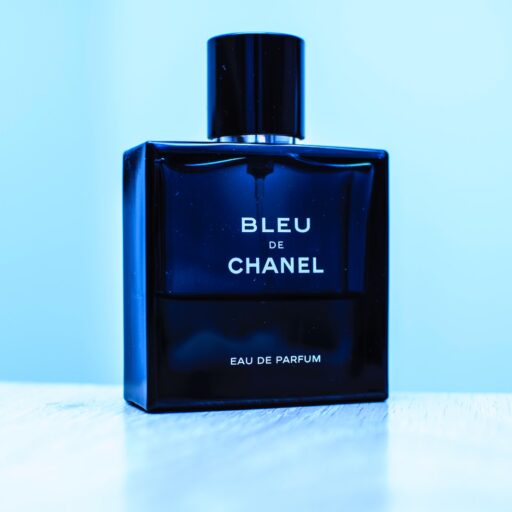
Bleu de Chanel became a major modern men’s fragrance reference, connecting citrus, woods, incense-like depth, and polished versatility.
Why Chanel belongs in this history
Chanel demonstrates that longevity is not only about surviving centuries. It is also about creating a fragrance that reshapes the market.
| Measure | Chanel No. 5 |
|---|---|
| Age compared with Farina | Younger |
| Cultural influence | Exceptional |
| Formula identity | Strong, though versions differ |
| Global recognition | Exceptional |
| Historical importance | Exceptional |
| Best category | Modern classic rather than ancient heritage |
👉 CHECK PRICE on:
- Chanel No. 5 Eau de Parfum: Brand Official | Amazon Search
- Bleu de Chanel Eau de Parfum: Brand Official | Amazon Search
15. Hermès: From Saddlery to High-End Fragrance
Hermès began as a harness workshop in 1837, long before it became a fragrance powerhouse. Its perfume history is therefore an example of a luxury company expanding from craftsmanship into scent.
The origins of Hermès perfume
Hermès launched its first fragrance, Eau d’Hermès, in the mid-20th century. The house later developed a distinctive perfume identity under perfumers such as Jean-Claude Ellena and Christine Nagel.
Hermès fragrance emphasizes:
- Materials
- Texture
- Space
- Restraint
- Leather references
- Citrus and woods
- Artistic composition
Eau d’Orange Verte, Terre d’Hermès, and Twilly d’Hermès
Important Hermès fragrances include:
- Eau d’Orange Verte
- Tere d’Hermès
- Un Jardin sur le Nil
- Eau des Merveilles
- Twilly d’Hermès
- H24
- Voyage d’Hermès
Tere d’Hermès is especially influential for its grapefruit, orange, pepper, mineral, and woody character.
Craftsmanship, leather, woods, and the Hermès signature
Hermès does not smell like every old French house. Its signature is often more spacious and architectural.
✅ Best for:
- Dry woods
- Citrus with mineral depth
- Sophisticated office scents
- People who dislike syrupy sweetness
- Wearers who appreciate texture
❌ Possible drawbacks:
- Some releases feel understated.
- Longevity varies by concentration.
- The style may seem too restrained for fans of dense amber perfumes.
👉 CHECK PRICE on:
- Tere d’Hermès Eau de Toilete: Brand Official | Amazon Search
- Eau d’Orange Verte: Brand Official | Amazon Search
How to Verify the Age of a Perfume Brand
A list of old perfume brands can look authoritative while quietly mixing apothecaries, products, companies, trademarks, and revival labels. Here is how we check the claims.
Founding date, first fragrance, and continuous operation
Ask four separate questions:
- When was the institution founded?
- When did it first produce perfume?
- Has the company operated continuously?
- Has the named fragrance been continuously available?
A brand may answer “yes” to one and “no” to the others.
| Claim | What to verify |
|---|---|
| Founded in 1221 | Was this an apothecary, monastery, or perfume company? |
| Founded in 1709 | Is there a business record or official archive? |
| Original recipe | Is the formula documented, or is the name preserved? |
| Still in existence | Is the company active, or was it revived under new ownership? |
| Oldest perfume | Does “perfume” mean factory, house, product, or tradition? |
Brand claims versus historical records
Official brand histories are useful, but they are not neutral by default. They often summarize complicated histories in a memorable way.
Use a source hierarchy:
Highest-confidence sources
- Government intellectual-property offices
- Museum archives
- University research
- Company records with dated documentation
- Historical newspapers
- Trade directories
Useful but requiring caution
- Brand “About Us” pages
- Retailer descriptions
- Fragrance blogs
- Crowdsourced databases
- Listicles
The DPMA’s Farina page is especially useful because it connects the perfume company’s history with trademark law, archival evidence, and industrial development.
Corporate ownership, rebranding, and inactivity
A heritage brand may pass through:
- Family ownership
- Corporate acquisition
- Licensing
- Dormancy
- Revival
- Regional restructuring
- Formula reformulation
These changes do not automatically make a brand illegitimate. They simply affect how we should describe continuity.
For example:
- Caron has historic fragrances that have gone through periods of reduced availability and revival.
- Houbigant’s Fougère Royale was discontinued and later relaunched.
- 471 has changed corporate ownership while retaining its product identity.
- Cred presents a long heritage whose documentation is debated.
- Santa Maria Novella combines an old apothecary tradition with a modern commercial business.
Reliable sources for fragrance history research
Good research starting points include:
- German Patent and Trade Mark Office: Farina
- Musée International de la Parfumerie
- The Metropolitan Museum of Art: Perfume and Cosmetics
- British Museum collections
- Guerlain official history
- Santa Maria Novella official history
- Farina official history
- Floris London official history
Oldest Perfume Brands Compared: Founding Dates, Countries, and Signature Scents
Here is the comparison table we wish every “oldest perfume brands” list included.
A chronological table of historic perfume houses
| Brand or house | Date commonly cited | Main location | Signature product or influence | Continuity note |
|---|---|---|---|---|
| Santa Maria Novella | 1221 institution; 16th-century fragrance tradition | Florence | Acqua della Regina | Apothecary roots precede modern perfume business |
| Farina | 1709 | Cologne | Original Eau de Cologne | Strong documented claim as oldest surviving perfume factory |
| Floris London | 1730 | London | No. 89 | Long-running British fragrance and grooming house |
| Houbigant | 1775 | Paris | Fougère Royale | Major influence on fougère perfumery |
| 471 | 1792 | Cologne | Original Eau de Cologne | Historic brand with complex Farina-related disputes |
| Lubin | 1798 | Paris | Black Jade, Idole de Lubin | Historic French house with modern niche presence |
| Guerlain | 1828 | Paris | Jicky, Shalimar, Mitsouko | Major continuous French perfume dynasty |
| Molinard | 1849 | Grasse | Habanita | Historic Grasse manufacturer |
| Penhaligon’s | 1870 | London | Hammam Bouquet, Blenheim Bouquet | Victorian barber and fragrance tradition |
| Caron | 1904 | Paris | Narcisse Noir, Tabac Blond | Bold, gender-fluid French classics |
| Chanel | 1910; No. 5 in 1921 | Paris | Chanel No. 5 | Modern fragrance icon |
| Acqua di Parma | 1916 | Italy | Colonia | Italian citrus elegance |
| Hermès | 1837 company; perfume later | France | Terre d’Hermès | Luxury craftsmanship translated into fragrance |
Which old perfume brands are still independently owned?
The answer depends on how strictly you define “independent.”
- Farina is identified by the DPMA as family-owned.
- Santa Maria Novella has operated through changing modern ownership structures.
- Guerlain is part of LVMH.
- Acqua di Parma is part of LVMH.
- Chanel remains privately held by the Wertheimer family.
- Hermès retains strong family influence and shareholder control.
- 471 is owned by Mäurer & Wirtz.
- Cred has undergone ownership changes, so current corporate status should be checked through official business reporting.
Family ownership does not automatically guarantee original formulas, and corporate ownership does not automatically destroy heritage. The perfume itself must still be evaluated.
Which historic houses have the strongest modern following?
| Goal | Best candidates |
|---|---|
| Oldest documented factory | Farina |
| Oldest apothecary tradition | Santa Maria Novella |
| Classic French luxury | Guerlain |
| Modern luxury status | Creed |
| British heritage | Floris, Penhaligon’s |
| Historic citrus cologne | Farina, 471, Acqua di Parma |
| Vintage floral drama | Caron |
| Technical influence | Houbigant, Guerlain, Chanel |
| Grasse heritage | Molinard |
| Contemporary global recognition | Chanel, Hermès, Guerlain |
How Vintage Perfume Houses Still Shape Modern Fragrance
The oldest houses are not just surviving museum pieces. They still influence what appears on shelves today.
The legacy of eau de cologne
The eau de cologne structure established a template:
- Fast citrus opening
- Aromatic heart
- Light woody or musky dry-down
- Refreshing rather than heavy effect
Modern “fresh” fragrances, body sprays, aftershaves, and summer colognes continue to use that architecture.
The evolution of chypre, fougère, floral, and amber perfumes
Historic houses helped define major fragrance families:
| Family | Historic landmark | Typical characteristics |
|---|---|---|
| Fougère | Houbigant Fougère Royale | Lavender, coumarin, herbs, woods |
| Amber/oriental | Guerlain Shalimar | Vanilla, citrus, balsam, amber |
| Chypre | Guerlain Mitsouko | Citrus, floral, mossy, woody depth |
| Aldehydic floral | Chanel No. 5 | Rose, jasmine, aldehydes, abstract cleanliness |
| Citrus cologne | Farina, 471, Acqua di Parma | Bergamot, lemon, orange, herbs |
| Leather/tobacco | Caron Tabac Blond | Leather, tobacco, flowers, woods |
Natural ingredients, synthetic materials, and reformulation
Modern perfumery uses both natural and synthetic materials. Synthetic molecules can provide:
- Greater consistency
- Lower environmental pressure for certain materials
- Animal-free alternatives
- New textures unavailable from natural materials
- Improved stability
- Compliance with safety standards
A perfume that no longer uses civet or natural ambergris may still preserve its olfactive idea through modern materials.
Why classic perfumes can smell different today
Several factors may alter a fragrance:
- Ingredient restrictions
- Supplier changes
- Crop variation
- Reformulation
- Different extraction methods
- Change in alcohol quality
- Storage conditions
- Skin chemistry
- Batch variation
- Consumer expectations
This is why online reviews can conflict. One wearer says, “It lasts all day,” while another says, “It vanished in two hours.” Both may be reporting honestly.
Ingredients and Craftsmanship in Historic Perfumery
Traditional extraction methods
Historic perfumers used several methods.
Distillation
Steam or water carries volatile aromatic compounds from materials such as:
- Lavender
- Rosemary
- Rose leaves and petals
- Citrus peel
- Herbs
Tincturing
Aromatic materials are steeped in alcohol. This was historically important for materials such as:
- Musk
- Ambergris
- Spices
- Seeds
- Resins
Enfleurage
Fresh flowers were placed on fat to capture delicate aromas, especially jasmine and tuberose. The method was labor-intensive and has largely been replaced by more efficient techniques.
Expression
Citrus pels can be mechanically pressed to release aromatic oils. This is one reason citrus colognes can feel so immediate and lively.
Iconic natural materials used by old perfume houses
| Material | Olfactory effect | Common historical role |
|---|---|---|
| Bergamot | Sparkling citrus, slightly floral | Eau de Cologne, Earl Grey-like freshness |
| Rose | Fresh, honeyed, spicy, green | Floral bouquets and rose colognes |
| Jasmine | Creamy, indolic, luminous | White-floral perfumes |
| Lavender | Aromatic, herbal, clean | Fougère and grooming fragrances |
| Vanilla | Sweet, balsamic, warm | Amber and gourmand structures |
| Oakmoss | Mossy, earthy, forest-like | Chypre and fougère accords |
| Patchouli | Woody, earthy, camphoraceous | Chypre, amber, oriental styles |
| Tonka bean | Coumarin-rich, hay-like, sweet | Fougère and amber perfumes |
Perfume concentrations explained
| Type | Typical character | Expected performance |
|---|---|---|
| Eau fraîche | Very light | Brief, refreshing |
| Eau de cologne | Light citrus/aromatic | Short to moderate |
| Eau de toilette | Balanced daily fragrance | Moderate |
| Eau de parfum | Higher aromatic concentration | Longer and fuller |
| Parfum/extrait | Richest concentration | Often intimate but persistent |
These are general categories, not universal legal formulas. A powerful eau de toilette can outlast a delicate eau de parfum.
Sustainability and modern fragrance regulations
Historic perfume houses must now respond to:
- Ingredient restrictions
- Allergen labeling
- Animal-welfare expectations
- Sustainable agriculture
- Traceability
- Packaging waste
- Consumer demand for transparency
The International Fragrance Association publishes standards and information on fragrance safety and responsible use. Regulations can change formulas, but they also push the industry toward safer and more traceable practices.
How to Choose a Historic Perfume Brand for Your Taste
Best old perfume houses for citrus and fresh fragrance lovers
Choose:
- Farina
- 471
- Santa Maria Novella
- Acqua di Parma
- Eau d’Hermès or Eau d’Orange Verte
Look for:
- Bergamot
- Lemon
- Orange
- Neroli
- Petitgrain
- Rosemary
- Lavender
Best historic brands for floral perfume lovers
Choose:
- Guerlain
- Caron
- Santa Maria Novella
- Houbigant
- Chanel
- Molinard
If you prefer:
- White flowers: Caron Narcisse Noir, Chanel No. 5
- Rose: Creed Fleurs de Bulgarie, Guerlain rose compositions
- Powdery florals: Caron, Guerlain, Molinard
- Floral woods: Houbigant, Lubin
Best heritage houses for woody, spicy, and amber scents
Choose:
- Guerlain
- Lubin
- Caron
- Hermès
- Creed
- Chanel
Look for:
- Vanilla
- Tonka bean
- Sandalwood
- Patchouli
- Leather
- Tobacco
- Amber accords
Best classic perfumes for beginners
Start with easier styles:
- 471 Original Eau de Cologne
- Acqua di Parma Colonia
- Floris No. 89
- Santa Maria Novella Acqua della Regina
- Hermès Eau d’Orange Verte
- Chanel Chance
- Guerlain Aqua Allegoria fragrances
Avoid beginning with the densest vintage formulas if you are accustomed to airy modern scents. A first encounter with animalic civet or heavy oakmoss can feel like opening a wardrobe in a 19th-century opera house.
Best historic fragrance brands for collectors
Collectors should consider:
- Farina
- Santa Maria Novella
- Guerlain
- Caron
- Houbigant
- Penhaligon’s
- Floris
- Molinard
- Lubin
Look for:
- Documented founding history
- Distinctive bottles
- Discontinued editions
- Archival packaging
- Formula milestones
- Strong regional identity
Tips for Buying, Wearing, and Preserving Vintage-Inspired Perfume
How to test a classic fragrance on skin
Follow this process:
- Smell the bottle or bloter first.
- Spray once on clean skin.
- Wait 10 minutes for the opening to soften.
- Recheck after 30 minutes.
- Smell again after two to four hours.
- Note comfort, projection, and dry-down.
- Test on a different day before buying a full bottle.
Do not test ten strong fragrances on both wrists and expect reliable judgment. Your nose will eventually file a formal complaint.
How to read perfume notes without getting lost
Perfume notes are not always a literal ingredient list. They are often a communication tool.
- “Bergamot” may indicate brightness, not a single natural oil.
- “Amber” usually means an accord rather than a substance.
- “Musk” may refer to synthetic musks.
- “Leather” can be smoky, floral, tary, suede-like, or soft.
- “Rose” can smell fresh, jamy, metallic, spicy, or green.
How to store perfume bottles correctly
Store fragrance:
- In a cool, stable room
- Away from direct sunlight
- Away from radiators and heaters
- With the cap secured
- Upright when possible
- In the original box for long-term storage
Avoid storing perfume in the bathroom if temperature and humidity fluctuate heavily.
Signs of a counterfeit or poorly stored fragrance
Be cautious if:
- The box printing looks blurry.
- The bottle has uneven glass or a crooked label.
- The cap does not fit properly.
- The liquid appears unusually cloudy.
- The batch information is missing or inconsistent.
- The seller cannot explain provenance.
- The scent smells sharply alcoholic long after spraying.
- The packaging differs dramatically from official images.
A change in scent alone does not prove a counterfeit. Reformulation and storage can create similar differences.
Common mistakes to avoid
✅ Do:
- Buy from authorized retailers where possible.
- Compare packaging with the official brand site.
- Check the concentration.
- Read current user reviews.
- Test on skin.
- Research reformulation history.
❌ Do not:
- Assume “vintage” means better.
- Trust every marketplace seller.
- Compare eau de cologne longevity with extrait longevity.
- Spray heavily before understanding the dry-down.
- Treat an influencer’s projection claim as laboratory data.
👉 CHECK PRICE on:
- Historic fragrance discovery sets: Amazon Search | Etsy Search
- Perfume history books: Amazon Search
Which Is the Oldest Perfume Brand Still in Existence?
The most accurate answer depends on what you mean by brand, perfume house, manufacturer, or apothecary.
The case for Santa Maria Novella
Santa Maria Novella’s institution traces to 1221, making it older than Farina by centuries. Its fragrance history is connected to Renaissance Florence and Acqua della Regina.
It is the strongest candidate if the question means:
Which active fragrance house has the oldest institutional and apothecary roots?
The case for Farina
Farina was founded in 1709 and is identified by the DPMA as the world’s oldest perfume factory still in existence.
It is the strongest candidate if the question means:
Which surviving company has the clearest documented history as a perfume manufacturer?
Why there is no single universally accepted answer
The disagreement comes from different measurement systems:
| Definition | Likely leading answer |
|---|---|
| Oldest apothecary tradition | Santa Maria Novella |
| Oldest surviving perfume factory | Farina |
| Oldest continuously marketed Cologne water | Farina or 471, depending on definition |
| Oldest active French perfume house | Houbigant or Guerlain, depending on continuity criteria |
| Oldest surviving fragrance product | Claims vary and require formula verification |
| Most culturally influential modern classic | Chanel No. 5 or Guerlain Shalimar |
So, if someone asks us over coffee, we say:
Santa Maria Novella has the oldest institutional roots, but Farina has the strongest documented claim as the oldest surviving perfume manufacturer.
That is the answer that survives closer inspection.
Frequently Asked Questions About Historic Perfume Brands
What are the oldest perfume brands in the world?
The most frequently cited surviving names include:
- Santa Maria Novella, with an apothecary tradition dating to 1221.
- Farina, founded in Cologne in 1709.
- Floris London, founded in 1730.
- Houbigant, founded in 1775.
- 471, founded in 1792.
- Lubin, founded in 1798.
- Guerlain, founded in 1828.
- Molinard, founded in 1849.
- Penhaligon’s, founded in the Victorian era.
- Caron, founded in 1904.
- Chanel, founded in 1910.
The DPMA specifically identifies Farina as the world’s oldest perfume factory still in existence. Santa Maria Novella is older as an institution, but its 1221 date refers to the Dominican apothecary tradition rather than a modern perfume factory.
Which historic perfume houses are still producing fragrances today?
Many remain active, including:
- Farina
- Santa Maria Novella
- 471
- Floris London
- Houbigant
- Lubin
- Guerlain
- Molinard
- Penhaligon’s
- Caron
- Chanel
- Hermès
- Acqua di Parma
- Creed
Their current collections differ greatly from their historic offerings. Some preserve famous names, while others reinterpret earlier styles using modern materials and regulatory standards.
What are the most iconic perfume brands with centuries of history?
The most iconic include:
- Guerlain, for Jicky, Shalimar, Mitsouko, and L’Heure Bleue.
- Chanel, for Chanel No. 5 and its modern luxury influence.
- Farina, for the development of branded eau de Cologne.
- Santa Maria Novella, for monastic-apothecary heritage.
- Houbigant, for Fougère Royale.
- Floris London, for British grooming and royal associations.
- 471, for popularizing Cologne water.
- Caron, for bold French compositions.
“Iconic” combines recognition, influence, longevity, and cultural impact. It does not simply mean oldest.
How have the world’s oldest perfume brands influenced modern fragrance trends?
They established many of the structures still used today:
- Farina helped popularize citrus-led Cologne water.
- Houbigant helped define the fougère family.
- Guerlain advanced amber, vanilla, and synthetic-material innovation.
- Chanel made aldehydic floral perfume globally influential.
- Caron challenged rigid gender categories.
- Penhaligon’s and Floris preserved barber-shop grooming culture.
- Santa Maria Novella kept apothecary-style botanical fragrance relevant.
- Acqua di Parma refined the modern luxury citrus cologne.
Modern perfumes often remix these ideas rather than inventing from zero.
Is Farina older than 471?
Yes. Farina was founded in 1709, while 471’s history is commonly dated to 1792.
However, both brands have long histories in Cologne water, and their relationship became complicated by disputes over the use of Farina-related names. The DPMA provides the clearest overview of the conflict and confirms that the two companies occupy different historical and market positions.
Is Santa Maria Novella the oldest perfume company?
Not in the narrowest manufacturing sense. Santa Maria Novella is one of the oldest active apothecary and fragrance institutions, with roots dating to 1221. Farina has the stronger documented claim for the oldest surviving perfume factory, founded in 1709.
Are old perfume formulas still exactly the same?
Usually, no. A historic perfume may retain:
- The same name
- The same bottle design
- A similar note structure
- The same brand story
But its formula may change because of:
- Ingredient restrictions
- Material availability
- Supplier changes
- Safety regulations
- Cost
- Consumer preferences
- Corporate ownership
A modern version can remain historically meaningful without being chemically identical to its earliest form.
Are vintage perfumes better than modern perfumes?
Not automatically. Vintage perfumes may offer:
- Richer natural materials
- More animalic or mossy character
- Denser texture
- Greater historical authenticity
Modern perfumes may offer:
- Better consistency
- Safer and more ethical materials
- Improved availability
- Cleaner projection
- More sustainable sourcing
The right choice depends on your taste, skin, budget, and tolerance for challenging materials.
Which historic perfume brand is best for a beginner?
Start with:
- 471 Original Eau de Cologne
- Acqua di Parma Colonia
- Santa Maria Novella Acqua della Regina
- Floris No. 89
- Hermès Eau d’Orange Verte
- Chanel Chance
- A lighter Guerlain cologne
For a beginner, citrus and aromatic fragrances are generally easier to understand than dense chypres, animalic florals, or smoky leather perfumes.
Which historic perfume house is best for collectors?
Our strongest recommendations are:
- Farina, for documented history and Cologne heritage.
- Santa Maria Novella, for apothecary roots.
- Guerlain, for technical and artistic importance.
- Caron, for vintage French character.
- Houbigant, for fougère history.
- Penhaligon’s, for British design and storytelling.
- Molinard, for Grasse heritage.
Collectors should verify bottle age, batch information, provenance, and storage conditions before purchasing.
Conclusion

The answer to “What are some of the oldest perfume brands still in existence?” depends on the question hidden inside the question.
If you mean the oldest institution, Santa Maria Novella is a compelling answer, with roots reaching back to 1221. If you mean the oldest documented surviving perfume factory, Farina is the clear leader, founded in Cologne in 1709 and recognized by the German Patent and Trade Mark Office.
For a practical shortlist:
- Choose Farina for the strongest historical documentation and refined citrus Cologne.
- Choose Santa Maria Novella for apothecary heritage and elegant botanical freshness.
- Choose 471 for an accessible, classic Cologne-water experience.
- Choose Guerlain for the deepest legacy of French perfume innovation.
- Choose Houbigant to experience the roots of fougère perfumery.
- Choose Floris London or Penhaligon’s for British grooming tradition.
- Choose Caron for dramatic vintage French character.
- Choose Acqua di Parma for polished Italian citrus.
- Choose Chanel for modern fragrance history on a world-changing scale.
The mystery we raised at the beginning now has its answer: there is no single winner unless we define what “oldest” means. But that ambiguity is part of the fun. Perfume history is a family tree with tangled branches, disputed birthdays, revived formulas, royal anecdotes, and at least one very persistent citrus rivalry.
Our final rating of the heritage-fragrance category
| Category | Rating / 10 |
|---|---|
| Historical richness | 10 |
| Variety of fragrance styles | 10 |
| Availability of iconic scents | 9 |
| Formula transparency | 6 |
| Beginner friendliness | 7 |
| Collector appeal | 10 |
| Cultural influence | 10 |
| Chance of finding a personal favorite | 10 |
Recommended Links
Shop historic perfume brands
- Farina Original Eau de Cologne: Amazon | Farina Official Website
- Santa Maria Novella Acqua della Regina: Amazon | Santa Maria Novella Official Website
- 471 Original Eau de Cologne: Amazon | 471 Official Website
- Guerlain Shalimar: Amazon | Guerlain Official Website
- Guerlain Jicky: Amazon | Guerlain Official Website
- Houbigant Fougère Royale: Amazon | Houbigant Official Website
- Floris No. 89: Amazon | Floris Official Website
- Penhaligon’s Hammam Bouquet: Amazon | Penhaligon’s Official Website
- Molinard Habanita: Amazon | Molinard Official Website
- Caron Narcisse Noir: Amazon | Caron Official Website
- Acqua di Parma Colonia: Amazon | Acqua di Parma Official Website
- Chanel No. 5: Amazon | Chanel Official Website
- Tere d’Hermès: Amazon | Hermès Official Website
Recommended perfume-history books
- Perfume: The Story of a Murder by Patrick Süskind
- The Perfume Lover by Denyse Beaulieu
- Scent and Subversion: Decoding a Century of Provocative Perfume by Barbara Herman
- The Secret of Scent by Luca Turin
- Perfume Legends by Michael Edwards
FAQ

What are the oldest perfume brands in the world?
The oldest frequently cited names are Santa Maria Novella and Farina. Santa Maria Novella’s apothecary tradition dates to 1221, while Farina was founded in 1709. Farina has the stronger documented claim as the oldest surviving perfume factory, while Santa Maria Novella has older institutional roots.
Read more about “🌍 How Many Perfume Brands Exist? The 2026 Global Count Revealed”
Which historic perfume houses are still producing fragrances today?
Farina, Santa Maria Novella, 471, Floris London, Houbigant, Lubin, Guerlain, Molinard, Penhaligon’s, Caron, Chanel, Hermès, Acqua di Parma, and Creed all maintain active fragrance businesses or current fragrance collections.
Read more about “🌹 History of Famous Perfume Houses: 10 Legends That Changed Scent”
What are the most iconic perfume brands with centuries of history?
Guerlain, Farina, Santa Maria Novella, Houbigant, Floris London, 471, and Lubin are among the most historically significant. Chanel is younger but arguably one of the most culturally influential modern fragrance brands.
Read more about “🏆 Who Is the Oldest Perfume Brand? (2026)”
How have the world’s oldest perfume brands influenced modern fragrance trends?
They introduced or popularized major fragrance structures, including citrus cologne, fougère, chypre, amber, aldehydic floral, leather, and tobacco accords. Their use of branding, bottle design, royal patronage, and signature formulas also shaped modern luxury fragrance marketing.
Which old perfume brand is best for citrus lovers?
Farina, 471, Santa Maria Novella, Acqua di Parma, and Hermès are excellent starting points. Farina offers the most historically significant Cologne experience, while Acqua di Parma provides a polished Italian interpretation.
Are historic perfume formulas unchanged?
Usually not. Even when a perfume retains its original name, its formula may change due to regulations, ingredient availability, supplier changes, sustainability policies, or corporate reformulation. The most reliable comparison is between a current official formula description and documented historical records.
What is the best historic perfume for men?
For traditional men’s fragrance, try Floris No. 89, Penhaligon’s Blenheim Bouquet, Guerlain Vetiver, Houbigant Fougère Royale, Acqua di Parma Colonia, or Hermès Terre d’Hermès. Fragrance is not limited by gender, so women and nonbinary wearers may enjoy these just as much.
Read more about “🌸 What Is the Most Popular Perfume Type? (2026)”
What is the best historic perfume for women?
Consider Chanel No. 5, Guerlain Shalimar, Guerlain L’Heure Bleue, Caron Narcisse Noir, Santa Maria Novella Acqua della Regina, or Molinard Habanita. Testing on skin matters more than the label on the bottle.
Read more about “🌟 15 Luxury Perfume Names That Define Opulence (2026)”
How should I store a historic perfume?
Keep it in a cool, dark, stable environment away from sunlight, heat, and humidity. Preserve the box when possible, keep the cap secure, and avoid frequent temperature changes.
Read more about “🏆 Which Is Best Brand in Perfume? Top 10 Revealed (2026)”
Reference Links
- German Patent and Trade Mark Office: Farina, the world’s oldest perfume factory
- Farina Official Website
- Santa Maria Novella Official Website
- 471 Original Eau de Cologne Official Website
- Floris London Official History
- Houbigant Paris Official Website
- Guerlain Official Website
- Molinard Official Website
- Penhaligon’s Official Website
- Caron Official Website
- Acqua di Parma Official Website
- Chanel Fragrance Official Website
- Hermès Perfumes Official Website
- Musée International de la Parfumerie, Grasse
- The Metropolitan Museum of Art: Perfume and Cosmetics
- British Museum Collections
- International Fragrance Association
- Featured video: The Oldest Perfume in the World | Before Perfume