Support our educational content for free when you purchase through links on our site. Learn more
🌍 How Many Perfume Brands Exist? The 2026 Global Count Revealed


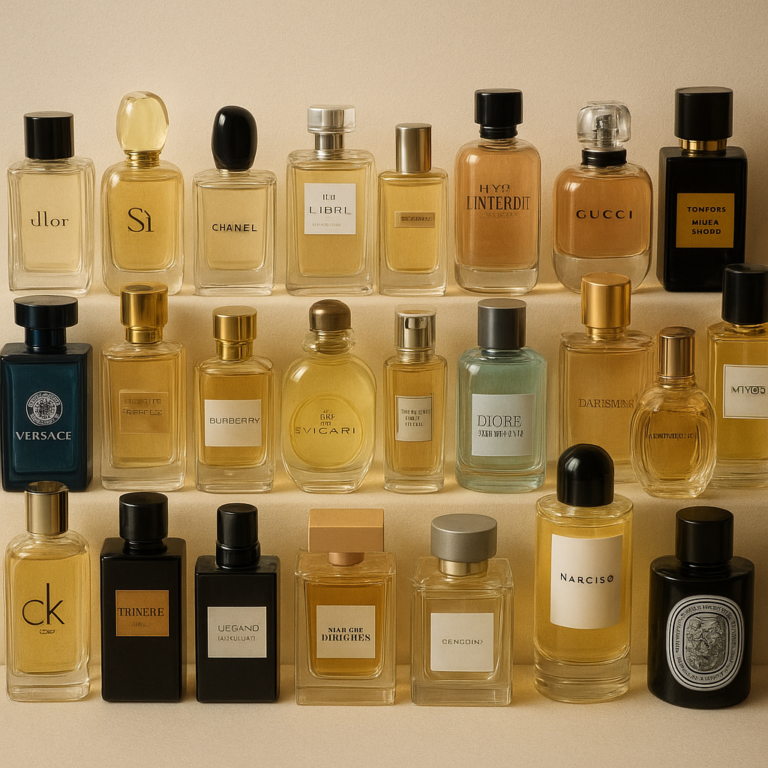
There are likely over 10,0 active perfume brands worldwide, ranging from massive conglomerates to tiny artisanal labs, though only a few hundred dominate the global market. When you ask how many brands of perfume are there, the answer isn’t a single number but a spectrum of influence, with the “Big Three” controlling most revenue while thousands of niche players chase uniqueness.
I once met a perfumer in Grasse who told me he’d spent twenty years trying to find a scent that smelled like “rain on hot asphalt,” only to realize his neighbor had bottled it as a limited edition indie release. That’s the beauty of this industry: while Chanel and Dior hold the crown, the real magic often hides in the thousands of smaller, forgotten, or emerging labels.
The sheer volume of options can be overwhelming, but understanding the hierarchy helps you navigate the chaos. Whether you are hunting for a designer classic or a rare niche gem, knowing where these brands fit is the first step to finding your signature scent.
Key Takeaways
- The Global Count: While exact numbers fluctuate, there are over 10,0 active perfume brands globally, with the majority being small, regional, or niche players.
- Market Consolidation: Despite the high number of brands, roughly 75% of the market is controlled by just three major conglomerates: LVMH, Estée Lauder, and L’Oréal.
- Brand Tiers: The industry is split into Designer (fashion houses), Niche (specialized fragrance houses), and Artisanal (small-batch) categories, each offering distinct value and price points.
- Authenticity Alert: With so many brands, counterfeit scents are rampant; always verify batch codes and buy from authorized retailers to ensure quality.
- Finding Your Match: Success lies in identifying your preferred scent family and budget, then testing samples from brands that specialize in that style.
Table of Contents
- ⚡️ Quick Tips and Facts
- 🕰️ The Historical Evolution of Fragrance Houses and Niche Makers
- 🌍 How Many Brands of Perfume Are There? The Global Count
- 🏢 The Big Three: Decoding the Major Fragrance Conglomerates
- 🧪 Understanding the Hierarchy: Designer, Niche, and Artisanal Scents
- 📊 A Comprehensive List of Top Perfume Brands by Category
- 1. Iconic Designer Fragrance Houses You Know and Love
- 2. The Elite Tier of Niche Perfumery Brands
- 3. Rising Stars in the Artisanal and Indie Scent Scene
- 4. Luxury Heritage Brands with Centuries of History
- 5. Affordable Drugstore Gems and Mass-Market Favorites
- 🔍 How to Identify Authentic Brands vs. Counterfeit Scents
- 💡 Navigating the Market: Tips for Choosing the Right Scent Brand
- 🛒 Where to Buy: Trusted Retailers and Online Boutiques
- ❓ Frequently Asked Questions About Perfume Brands
- 🔗 Recommended Links for Scent Enthusiasts
- 📚 Reference Links and Industry Sources
- 🏁 Conclusion
⚡️ Quick Tips and Facts
Before we dive into the labyrinth of scents that is the global perfume industry, let’s get the basics straight with some hard-hitting truths that every fragrance lover should know.
- The “Big Three” Rule: While there are thousands of brands, roughly 75% of the global revenue is controlled by just a handful of massive conglomerates like LVMH, The Estée Lauder Companies, and L’Oréal. Source: Yahoo Finance
- Concentration Matters: Not all “perfume” is created equal. An Eau de Parfum (EDP) typically contains 15–20% oil, while an Eau de Toilete (EDT) hovers around 5–15%. The higher the oil, the longer it lasts, but the specific molecules matter just as much! Source: YouTube Video Summary
- The Niche Explosion: In the last decade, the number of niche and artisanal brands has skyrocketed, offering scents you won’t find at the mall.
- Longevity Myth: A higher concentration doesn’t always mean better performance. Some molecules are so potent they project wildly at low concentrations, while others fade fast even at high percentages.
Curious about which specific brand reigns supreme in your personal scent journey? We’ll reveal the top contenders and how to pick the perfect one later in this guide.
🕰️ The Historical Evolution of Fragrance Houses and Niche Makers
To understand how many brands of perfume are there, you have to look back at where it all began. It wasn’t always about the glossy bottles on the shelf at Sephora.
From Ancient Rituals to Modern Conglomerates
The story starts thousands of years ago in Egypt and Mesopotamia, where incense and oils were used for religious rituals. Fast forward to the Renaissance, and Catherine de’ Medici brought her personal perfumer, René le Florentin, to France, effectively launching the modern perfume industry in Grasse.
For centuries, perfumery was the domain of apothecaries and royal families. It wasn’t until the 19th century that designer houses like Guerlain (founded in 1828) and Coty began mass-producing scents for the public.
- The Golden Age (1920s-1950s): This era saw the rise of iconic houses like Chanel (Chanel No. 5, 1921) and Dior. These weren’t just scents; they were statements of identity.
- The Designer Boom (1980s-190s): Fashion houses like Versace, Armani, and Calvin Klein entered the fray, turning fragrance into a global fashion accessory.
- The Niche Renaissance (20s-Present): As consumers grew tired of “smelling like everyone else,” independent niche perfumers like Byredo, Le Labo, and Frederic Malle emerged, focusing on high-quality ingredients and artistic expression over mass appeal.
Did you know? The oldest continuously operating perfume brand is Fragonard, founded in 174, though Guerlain holds the title for the oldest family-owned perfume house still in operation.
🌍 How Many Brands of Perfume Are There? The Global Count
Here is the million-dollar question: Exactly how many perfume brands exist?
The short answer? It’s impossible to give a single, definitive number.
Why? Because the definition of a “brand” is fluid.
- Active vs. Dormant: Are we counting brands that existed in 1920 but closed in 1950?
- Regional vs. Global: Does a small local brand in a village in India count if it’s not sold internationally?
- Private Label: How do we count the thousands of “white label” scents sold by department stores under their own names?
The Numbers Game
- Active Major Brands: There are likely fewer than 50 major, globally recognized perfume brands that generate significant revenue.
- Niche & Indie Brands: Estimates suggest there are over 2,0 active niche and artisanal brands worldwide.
- Total Including Micro-Brands: If you include every small-batch maker, private label, and regional player, the number could easily exceed 10,0.
The “Security Check” Mystery: You might have tried searching for a master list on sites like FragranceX and hit a “security verification” wall. This happens because the sheer volume of data and the need to prevent bot scraping make it difficult to display a real-time, exhaustive list of every single brand. As one security page noted, “This website uses a security service to protect against malicious bots,” effectively hiding the full catalog from automated scrapers.
🏢 The Big Three: Decoding the Major Fragrance Conglomerates
If you think the perfume world is a chaotic free-for-all, think again. It’s a highly consolidated oligopoly. To truly grasp the market, you need to know the Big Three (and a few runners-up) that own the majority of the brands you see on the shelf.
1. LVMH (Moët Henessy Louis Vuiton)
The luxury giant owns some of the most prestigious names in the game.
- Key Brands: Dior, Givenchy, Guerlain, Kenzo, Acqua di Parma, Fenty Beauty.
- Strategy: They balance mass-market appeal with ultra-luxury niche lines.
2. The Estée Lauder Companies
A powerhouse in both prestige beauty and niche fragrance.
- Key Brands: Tom Ford, Jo Malone London, Le Labo, Aerin, By Kilian, Maison Francis Kurkdjian.
- Strategy: They acquired many of the hottest niche brands of the 21st century, bringing them to a wider audience while maintaining their “exclusive” image.
3. L’Oréal Luxe Division
The world’s largest beauty company, dominating the mass and prestige sectors.
- Key Brands: Yves Saint Laurent (YSL), Lancôme, Armani Beauty, Kiehl’s, Viktor&Rolf.
- Strategy: Heavy investment in marketing and celebrity endorsements.
Other Notable Conglomerates
- Puig: Owns Paco Rabanne, Carolina Herrera, Jean Paul Gaultier, and Dries Van Noten.
- Coty: Owns Chloé, Marc Jacobs, Burberry, and Davidoff.
Insider Tip: When you buy a “niche” brand like Le Labo, you are often buying from a conglomerate (Estée Lauder). This doesn’t necessarily mean the scent is worse, but it does mean the brand is part of a larger corporate machine. For more on Luxury Brands, check out our deep dive here.
🧪 Understanding the Hierarchy: Designer, Niche, and Artisanal Scents
Not all perfume brands are created equal. The industry is stratified into three main tiers, each with its own philosophy, price point, and target audience.
1. Designer Fragrances
These are scents created by fashion houses (e.g., Chanel, Gucci, Prada).
- Goal: To complement the brand’s clothing line and appeal to the widest possible audience.
- Characteristics: Safe, crowd-pleasing, heavily marketed, widely available.
- Pros: Easy to find, generally affordable, consistent quality.
- Cons: Can smell “generic” or like “everyone else.”
2. Niche Perfumery
Brands dedicated solely to fragrance, often with a focus on high-quality ingredients and artistic vision.
- Goal: To create unique, complex, and often polarizing scents.
- Characteristics: Higher concentration of oils, unique notes, limited distribution.
- Pros: Distinctive, high-quality ingredients, often unisex.
- Cons: Expensive, harder to find, can be challenging to wear.
3. Artisanal / Indie
Small-batch, often owner-operated brands.
- Goal: To experiment with rare ingredients and unconventional combinations.
- Characteristics: Very limited runs, often sold directly to consumers or in small boutiques.
- Pros: Highly unique, personal connection to the perfumer.
- Cons: Inconsistent availability, variable quality control, very expensive.
Wait, is “Niche” just a marketing term? Sometimes! But true niche brands like Serge Lutens or Amouage offer a depth of scent that designer houses rarely attempt. For a full breakdown of Classic Scents that defined these categories, visit our Classic Scents category.
📊 A Comprehensive List of Top Perfume Brands by Category
We’ve broken down the vast ocean of perfume brands into manageable categories. Here are the heavy hitters you need to know.
1. Iconic Designer Fragrance Houses You Know and Love
These are the brands you see in every department store. They are the pillars of the industry.
| Brand | Signature Scent | Vibe | Best For |
|---|---|---|---|
| Chanel | Chanel No. 5 | Timeless, Elegant | Formal events, Classics |
| Dior | Sauvage / J’adore | Bold, Modern | Daily wear, Date nights |
| Yves Saint Laurent | Black Opium / Libre | Edgy, Romantic | Night outs, Winter |
| Gucci | Bloom / Guilty | Floral, Playful | Spring, Casual |
| Versace | Bright Crystal / Eros | Fresh, Sexy | Summer, Parties |
👉 Shop these brands on:
- Chanel: Amazon | Official Site
- Dior: Amazon | Official Site
- YSL: Amazon | Official Site
2. The Elite Tier of Niche Perfumery Brands
For those who want to smell unique and sophisticated.
| Brand | Signature Scent | Vibe | Best For |
|---|---|---|---|
| Le Labo | Santal 3 | Woody, Unisex | Minimalists, Urbanites |
| Byredo | Blanche | Clean, Ethereal | Office, Subtle wear |
| Maison Francis Kurkdjian | Baccarat Rouge 540 | Sweet, Luxurious | Special occasions |
| Tom Ford | Tobacco Vanille | Rich, Spicy | Winter, Evening |
| Cred | Aventus | Fruity, Masculine | Power dressing |
👉 Shop these brands on:
- Le Labo: Amazon | Official Site
- Byredo: Amazon | Official Site
- Maison Francis Kurkdjian: Amazon | Official Site
3. Rising Stars in the Artisanal and Indie Scent Scene
These are the brands making waves with experimental scents.
- Escentric Molecules: Known for single-note scents like Molecule 01.
- Juliette Has A Gun: Playful, modern scents like Not A Perfume.
- Nasomatto: Intense, avant-garde scents like Black Afgano.
- Xerjoff: Italian luxury with opulent ingredients.
4. Luxury Heritage Brands with Centuries of History
Brands that have survived wars, trends, and economic crashes.
- Guerlain: The oldest family-owned perfumer.
- Hermès: Known for the Tere d’Hermès and Un Jardin series.
- Penhaligon’s: British heritage with quirky storytelling.
- Caron: One of the oldest independent houses, famous for Narcisse.
5. Affordable Drugstore Gems and Mass-Market Favorites
You don’t need to break the bank to smell good.
- Davidoff: Cool Water is a legend.
- Lancôme: La Vie Est Belle (often found at discounters).
- Elizabeth Arden: Green Tea (a classic fresh scent).
- Britney Spears: Fantasy (the best-selling celebrity scent).
Looking for the absolute best? We’ve ranked the top contenders in our article 🏆 Which Is Best Brand in Perfume? Top 10 Revealed (2026).
🔍 How to Identify Authentic Brands vs. Counterfeit Scents
With so many brands and so much demand, the market is flooded with counterfeit perfumes. Here’s how to spot a fake before you buy.
The “Smell Test” (Literally)
- Authentic: Opens with a burst of top notes, evolves into heart notes, and settles into a base. The scent is complex.
- Fake: Smells like alcohol or cheap chemicals. It might smell “flat” or disappear within an hour.
Packaging Clues
- Cellophane: Authentic brands use tight, clear cellophane with no wrinkles. Fakes often have loose, bubbly wrapping.
- Batch Codes: Check the batch code on the box and the bottle. They must match. You can verify these on sites like CheckFresh.
- Font and Spelling: Look for typos or blurry fonts on the label. Luxury brands have impeccable printing standards.
Where to Buy
- ✅ Trusted: Official brand websites, authorized department stores (Sephora, Nordstrom), and reputable online retailers like FragranceX or Notino.
- ❌ Risky: Street markets, unknown eBay sellers, or social media ads with “too good to be true” prices.
Pro Tip: If a bottle of Tom Ford costs $40 when it usually retails for $150, it’s a fake. Period.
💡 Navigating the Market: Tips for Choosing the Right Scent Brand
Choosing a perfume brand is like choosing a partner—it’s personal. Here’s our step-by-step guide to finding your match.
Step 1: Define Your Budget
- Under $50: Stick to drugstore brands like Davidoff or Elizabeth Arden.
- $50 – $150: The sweet spot for Designer brands like Dior or YSL.
- $150+: Enter the world of Niche and Luxury brands like Cred or Le Labo.
Step 2: Identify Your Scent Family
Do you prefer:
- Floral? Look at Chloé or Gucci Bloom.
- Wody? Try Tom Ford or Le Labo.
- Fresh/Citrus? Acqua di Parma or Hermès are your friends.
- Oriental/Spicy? Maison Francis Kurkdjian or Nasomatto.
Step 3: Test Before You Commit
Never buy a full bottle blind.
- Sample First: Order discovery sets from brands like Sephora or Luckyscent.
- Wear It: Spray it on your skin and wear it for a full day. Scents react differently to your body chemistry.
Still unsure? Check out our Fragrance Reviews for detailed breakdowns of specific scents.
🛒 Where to Buy: Trusted Retailers and Online Boutiques
Now that you know what to buy, where should you buy it?
Top Online Retailers
- Sephora: Great for testing and samples. Caries most major designer and niche brands.
- Nordstrom: Excellent return policy and often has exclusive sets.
- FragranceX: A massive selection of discounted designer scents.
- Notino: Huge European retailer with great prices on niche brands.
- Luckyscent: The go-to for hard-to-find niche and indie scents.
Physical Stores
- Department Stores: Macy’s, Blomingdale’s, Selfridges.
- Specialty Boutiques: Look for local perfume shops that carry niche brands.
Warning: Avoid buying from random Instagram ads or unverified third-party sellers on Amazon. Stick to the big names to ensure authenticity.
❓ Frequently Asked Questions About Perfume Brands
What factors influence the number of perfume brands in the market?
The number of brands is influenced by low barriers to entry (anyone can start a small batch brand), consumer demand for uniqueness, and globalization which allows niche brands to reach international audiences. However, consolidation by big conglomerates also reduces the number of independent players.
How do luxury perfume brands create their signature scents?
Luxury brands often employ Master Perfumers (or “Noses”) who spend years crafting a scent. They use high-quality, rare ingredients (like real oud, ambergris, or rare flowers) and focus on complex layering of notes to create a unique olfactory signature.
What are some emerging perfume brands to watch?
Keep an eye on Kayali (by Huda Beauty), Maison Margiela (for their “Replica” line), and Escentric Molecules for their innovative single-note approach.
How can I choose the best perfume brand for my style?
Identify your lifestyle and personality. If you’re bold, go for Tom Ford. If you’re subtle, try Byredo. If you love nature, Hermès is a great choice.
Which countries produce the most perfume brands?
France is the historic home of perfumery (Grasse). USA and UK have a booming niche scene. Italy and Spain are also major producers.
Are there any niche or luxury perfume brands worth exploring?
Absolutely! Le Labo, Byredo, Maison Francis Kurkdjian, Cred, and Amouage are all worth exploring for their unique and high-quality scents.
What are the different types of perfume brands available in the market?
The main types are Designer (fashion houses), Niche (specialized fragrance houses), Artisanal/Indie (small-batch), and Mass-Market (drugstore).
How do I choose the best perfume brand for my taste?
Start by identifying your preferred scent family (floral, wody, etc.) and budget. Then, test samples from brands known for that style.
How many fragrances exist?
While there are thousands of brands, the number of individual fragrance SKUs (Stock Keeping Units) is likely in the hundreds of thousands.
How many perfume companies are there in the world?
There are likely over 10,0 companies producing perfume globally, but only a few hundred are significant players.
How many perfumes are there?
Similar to the number of fragrances, the count is in the hundreds of thousands, including discontinued and limited editions.
Which is the No 1 perfume brand in the world?
In terms of revenue, Chanel and Dior often vie for the top spot. In terms of niche popularity, Le Labo and Byredo are leaders.
How many types of perfume are there in the world?
In terms of concentration, there are 4 main types: Eau de Cologne, Eau de Toilete, Eau de Parfum, and Parfum. In terms of scent families, there are 7 main categories (Floral, Fresh, Fougère, Chypre, Woody, Oriental, Leather).
How many perfume brands are there in the US?
The US has a booming market with thousands of brands, ranging from major conglomerates to hundreds of indie makers.
What is the oldest perfume brand?
Fragonard (founded 174) and Guerlain (founded 1828) are among the oldest continuously operating brands.
What’s the biggest perfume brand?
Chanel is often cited as the largest single brand in terms of revenue, while L’Oréal is the largest company.
How many perfumes exist?
See “How many fragrances exist?” above. The number is vast and constantly growing.
🏁 Conclusion

So, how many brands of perfume are there? The answer is a fluid number, ranging from a few hundred major players to over 10,0 if you count every small-batch artisan. The world of fragrance is a vast, evolving landscape where history meets innovation, and conglomerates coexist with indie dreamers.
Whether you prefer the safe, crowd-pleasing scents of Dior and Chanel, or the bold, artistic creations of Le Labo and Byredo, there is a brand out there for you. The key is to explore, test, and trust your nose.
Our Recommendation:
- For Beginners: Start with a Designer brand like YSL or Dior to find your scent family.
- For Conoisseurs: Dive into Niche brands like Maison Francis Kurkdjian or Cred for unique experiences.
- For the Adventurous: Try Artisanal brands like Escentric Molecules or Juliette Has A Gun.
Don’t be afraid to experiment! Your perfect scent is out there waiting for you.
🔗 Recommended Links for Scent Enthusiasts
Ready to start your journey? Here are some top picks to get you started.
👉 Shop Top Brands on Amazon:
- Chanel No. 5: Amazon | Official Site
- Le Labo Santal 3: Amazon | Official Site
- Dior Sauvage: Amazon | Official Site
- Byredo Blanche: Amazon | Official Site
- Tom Ford Tobacco Vanille: Amazon | Official Site
Books to Deepen Your Knowledge:
- Perfumes: The Guide by Luca Turin and Tania Sanchez
- The Secret of Scent by Luca Turin
- Perfumes: The A-Z Guide by Chandler Burr
📚 Reference Links and Industry Sources
- Yahoo Finance: Top 50 Perfume Brands in the World
- Perfume Direct: A to Z Perfume – Perfume Brands A to Z
- FragranceX: All Brands (Security Check)
- LVMH: Corporate Website
- Estée Lauder Companies: Corporate Website
- L’Oréal: Corporate Website
- CheckFresh: Batch Code Checker
Featured Video: For a visual guide on concentration levels and how they affect performance, check out our Featured Video embedded earlier in this article. It breaks down the science behind Eau de Cologne, Eau de Toilete, Eau de Parfum, and Parfum.