Support our educational content for free when you purchase through links on our site. Learn more
25 Luxury Perfume Brands Worth Knowing 💎

The best luxury perfume brands aren’t simply the most expensive—they’re the ones whose fragrances, craftsmanship, and character make you want to wear them. From heritage icons like Chanel and Guerlain to expressive niche houses like Amouage and Maison Francis Kurkdjian, the right choice starts with your nose, not a price tag.
We’ve seen a shopper fall for a perfume’s sparkling first spray, only to choose a different favorite after the drydown. That’s why our perfumers recommend sampling on skin before buying: a fragrance unfolds over time, and the first impression is only the opening chapter.
Key Takeaways
- Explore by scent family and style: Try floral, woody, fresh, amber, or gourmand fragrances—not just the most famous bottles.
- Know the difference: Designer, niche, and ultra-luxury describe different approaches, but none guarantees that you’ll love the scent.
- Test before committing: Wear a sample on skin and give it time to develop before choosing a full bottle.
- Buy from trusted sellers: Brand boutiques and authorized retailers offer greater confidence in authenticity.
- Choose what fits your life: The most worthwhile luxury perfume is one you enjoy wearing, at the intensity and occasions that suit you.
- 👉 Shop the houses: Chanel | Dior | Guerlain | Hermès | Maison Francis Kurkdjian | Amouage
Table of Contents
- ⚡️ Quick Tips and Facts: Luxury Perfume Brands at a Glance
- 🏛️ The History and Heritage Behind Luxury Perfume Houses
- 💎 What Makes a Perfume Brand Truly Luxury?
- Ingredients, Craftsmanship, and Perfume Concentrations
- Designer, Niche, and Haute Parfumerie: What’s the Difference?
- 🌍 25 Luxury Perfume Brands Worth Knowing
- Heritage Houses: Chanel, Dior, Guerlain, and Hermès
- Niche Icons: Creed, Maison Francis Kurkdjian, and Byredo
- Artistic Perfume Houses: Amouage, Serge Lutens, and Frederic Malle
- Luxury Fragrance Houses from Italy, the Middle East, and Beyond
- 🌸 Best Luxury Perfumes by Scent Family and Occasion
- Floral, Rose, and White-Flower Perfumes
- Wody, Oud, and Amber Fragrances
- Fresh, Citrus, and Clean-Smelling Scents
- Gourmand, Vanilla, and Sweet Perfumes
- Office, Evening, Wedding, and Everyday Fragrances
- 🧭 How to Choose a Luxury Perfume That Fels Like You
- Match Fragrance Notes to Your Taste
- Choose by Season, Climate, and Occasion
- Test Perfume on Skin and Understand Its Drydown
- 🛍️ Where to Buy Authentic Luxury Perfume
- Brand Boutiques, Department Stores, and Authorized Retailers
- Online Shopping, Samples, and Discovery Sets
- How to Spot Counterfeit Perfume
- 💰 Luxury Perfume Value: Bottles, Refills, and Cost per Wear
- 🌱 Sustainability, Ingredient Sourcing, and Cruelty-Free Claims
- ✨ How to Apply and Make Luxury Perfume Last Longer
- 📦 How to Store Perfume and Protect Its Scent
- 🎁 Luxury Perfume Gift Ideas and Fragrance Wardrobes
- 🏆 Our Top Luxury Perfume Brand Picks by Category
- Conclusion
- Recommended Links
- FAQ
- What are the most prestigious luxury perfume brands?
- Which luxury perfume brands last the longest?
- Are niche perfumes better than designer fragrances?
- What is the difference between eau de parfum and parfum?
- How can I tell if a luxury perfume is authentic?
- Is luxury perfume worth the investment?
- Reference Links
⚡️ Quick Tips and Facts: Luxury Perfume Brands at a Glance
The best luxury perfume isn’t automatically the rarest, priciest, or most talked-about. It’s the one that suits your skin, taste, and life. Our perfumers at Perfume Brands™ have spent years smelling everything from airy citrus colognes to oud-rich statement scents—and we’ve learned that a beautiful fragrance should delight the wearer before it impresses anyone else.
If you’re shopping specifically for him, start with our guide to 🏆 12 Best Luxury Perfume Brands for Men (2026). For more picks across the category, browse our luxury fragrance brands and fragrance reviews.
Quick facts
| What you’re wondering | The short answer |
|---|---|
| What makes a fragrance “luxury”? | A mix of creative direction, formula, materials, craftsmanship, presentation, and brand positioning—not simply a high price. |
| Which houses are good starting points? | Chanel, Dior, Guerlain, Hermès, and Yves Saint Laurent offer a broad range of familiar styles; Cred, Maison Francis Kurkdjian, Byredo, Amouage, and Frederic Malle lean more niche or collection-driven. |
| Is niche always better than designer? | No. “Niche” describes a business and creative approach, not a guaranteed quality score or a scent you’ll love. |
| How should you test a costly fragrance? | Try it on skin, wear it for several hours, and sample before committing to a full bottle. Fragrance can shift as it develops. |
| Does a higher concentration always last longer? | Not reliably. Concentration is one factor; the formula, ingredients, skin, application, and environment matter too. |
| What’s the safest way to buy? | Buy from a brand boutique or authorized retailer; check the seller’s return and authenticity policies. |
Perfume is a personal choice, but shopping for it doesn’t have to feel like guessing in a cloud of bloter strips. Here’s the quick method we use: choose a scent family, test on skin, give it time, then decide. The twist? The first spray is rarely the whole story.
🏛️ The History and Heritage Behind Luxury Perfume Houses
Luxury perfumery didn’t begin with a glossy campaign or a sculptural bottle. It grew out of centuries of scent-making, trade, fashion, and changing ideas about personal grooming. Some modern luxury houses build on long histories; others earn their place through contemporary design and a distinctive creative vision.
From perfumer’s craft to fashion-house signature
France became an influential center of European perfumery, with Grasse developing a reputation for fragrance ingredients and expertise. The region’s history is closely connected with the perfume industry, though modern fragrance production and ingredient sourcing are international. UNESCO recognizes the knowledge and practices associated with the perfume-making town of Grasse as intangible cultural heritage. UNESCO: The skills related to perfume in Pays de Grasse
Fashion houses helped turn perfume into a recognizable part of a brand’s identity. Chanel N°5, launched in 1921, is one of the best-known examples of a fashion house creating a fragrance that became a cultural icon. Guerlain, meanwhile, has a long history as a dedicated perfume house, while Hermès and Dior have built fragrance collections that reflect their wider creative worlds.
Heritage is a clue, not a guarantee
A long history can bring deep archives, experienced perfumers, and a recognizable house style. It does not guarantee that every current release will suit your taste—or that a newer brand can’t make an exceptional fragrance.
We’ve seen shoppers reach for a heritage name because it feels reassuring, then fall for a modern scent from a much younger house. That’s not disloyalty to tradition. It’s just your nose voting.
| Heritage signals | What they may mean | What they do not prove |
|---|---|---|
| Established house or archive | The brand may have a distinctive style and history | Every fragrance is timeless or universally appealing |
| Recognizable signature scent | A fragrance has strong cultural or commercial recognition | It will smell unique on you |
| Long-running ingredient expertise | The house may have deep technical knowledge | The formula uses only rare or natural ingredients |
| High-end presentation | Packaging and service may support a premium experience | The juice inside is automatically superior |
💎 What Makes a Perfume Brand Truly Luxury?
“Luxury” can describe several things at once: an ambitious fragrance composition, quality control, a notable perfumer, careful presentation, attentive service, or a sense of exclusivity. No single feature is a universal luxury test. A heavy glass bottle may feel wonderful in the hand, but it doesn’t tell you whether the scent itself is your kind of beautiful.
One competitor describes luxury through “quality ingredients, layered compositions, craftsmanship, presentation, and a distinctive brand identity.” That’s a useful framework—but we’d add one practical test: does the perfume give you an experience you genuinely want to wear? A brand’s own descriptions tell you how it wants a fragrance to be understood; your skin and nose get the final vote.
Ingredients, Craftsmanship, and Perfume Concentrations
Perfumes combine aromatic materials in a formula designed to create a particular scent and development. Ingredients may be natural, synthetic, or both. Synthetic doesn’t mean inferior or unsafe by definition; natural doesn’t mean automatically safer or better. The material, its use, and the finished formula matter.
The International Fragrance Association publishes standards and information about fragrance ingredients and safe use. For ingredient and safety context, see IFRA’s standards and the European Commission’s fragrance allergens information.
Common perfume formats
These labels are useful, but they don’t promise identical strength or wear time across every brand. Formulas differ.
| Label | General meaning | What it may feel like |
|---|---|---|
| Eau de Cologne | Often a lighter fragrance format | Bright, brisk, and easy to reapply |
| Eau de Toilete (EDT) | Typically lighter than an eau de parfum from the same line | Airier or more transparent |
| Eau de Parfum (EDP) | A common format for a fuller fragrance profile | More rounded or concentrated, depending on the formula |
| Parfum / Extrait | Often used for a more concentrated format | Can feel dense, smooth, or close to the skin |
Don’t buy on concentration alone. A sparkling citrus EDT may suit you better than a heavy extrait, and a well-made fragrance in a lighter format can outlast a more concentrated one on some skin. Test the specific formula rather than trusting the label as a stopwatch.
What craftsmanship can involve
- Composition: how top, heart, and base facets work together.
- Materials: the quality, sourcing, and treatment of aromatic ingredients.
- Balance: whether the fragrance feels harmonious, intentionally stark, or artfully challenging.
- Bottle and presentation: packaging that supports the brand’s design language.
- Service and access: discovery sets, consultations, refills, personalization, or bespoke work.
Designer, Niche, and Haute Parfumerie: What’s the Difference?
These labels overlap, and brands don’t always use them consistently. Think of them as shopping signposts, not independent quality certifications.
| Category | Typical approach | Examples | Possible drawback |
|---|---|---|---|
| Designer fragrance | Fragrances from fashion or beauty brands, often with broad distribution | Chanel, Dior, Gucci, Yves Saint Laurent | Popular releases may be widely recognized |
| Niche fragrance | Often emphasizes fragrance as the central creative focus, with distinctive collections | Byredo, Amouage, Serge Lutens | Artistic styles can be polarizing |
| Luxury or prestige fragrance | A broad retail and brand-positioning term | Hermès, Tom Ford, Jo Malone London | “Luxury” can mean very different things from one brand to another |
| Haute or ultra-luxury perfumery | May involve rare materials, exceptional presentation, limited access, or bespoke service | Henry Jacques, JAR Parfums, Roja Parfums | High exclusivity doesn’t guarantee a better everyday scent |
| Private collection | A more elevated or experimental line within a larger house | Dior La Collection Privée, Chanel Les Exclusifs | The style and availability vary by release |
We sometimes hear shoppers assume niche means “better.” It can mean less mass-market, more independent, or more experimental. It does not mean every scent is more complex, longer-lasting, or more lovable. Your nose remains an inconveniently excellent fact-checker.
🌍 25 Luxury Perfume Brands Worth Knowing
This list isn’t a universal ranking. It’s a useful map of heritage houses, designer labels, and niche perfumers with distinct identities. The right starting point depends on whether you want a graceful floral, a bright everyday scent, an incense-heavy statement, or something that smells like no one else in the lift.
A competitor’s shopping guide highlights familiar names such as Chanel, Dior, Tom Ford, Creed, Maison Francis Kurkdjian, Jo Malone London, Byredo, Yves Saint Laurent, and Guerlain. We agree they’re worth exploring, but brand popularity is only one lens. A retailer’s best-seller list can reveal what customers buy; it can’t tell you what will suit your skin.
Heritage Houses: Chanel, Dior, Guerlain, and Hermès
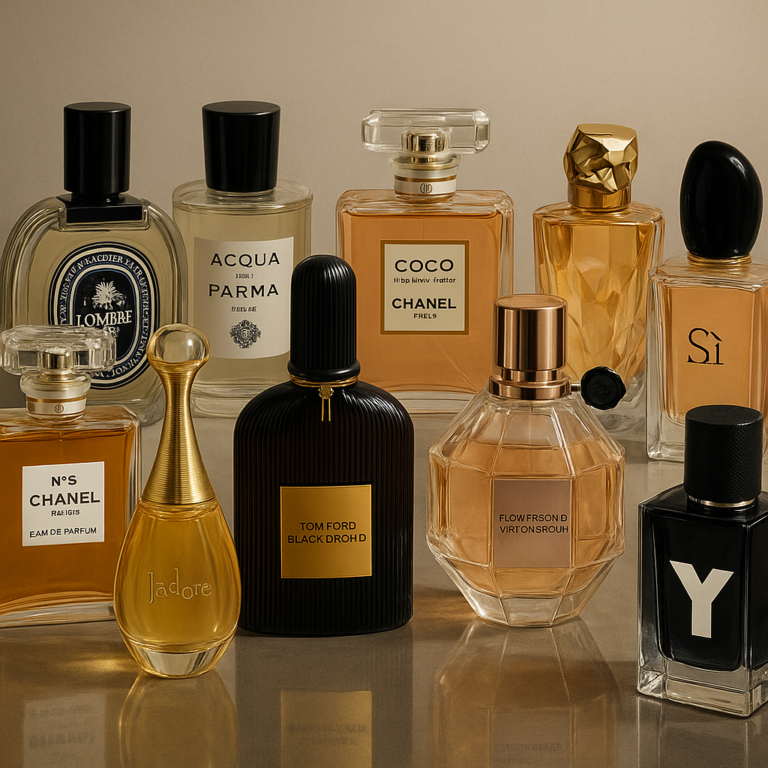
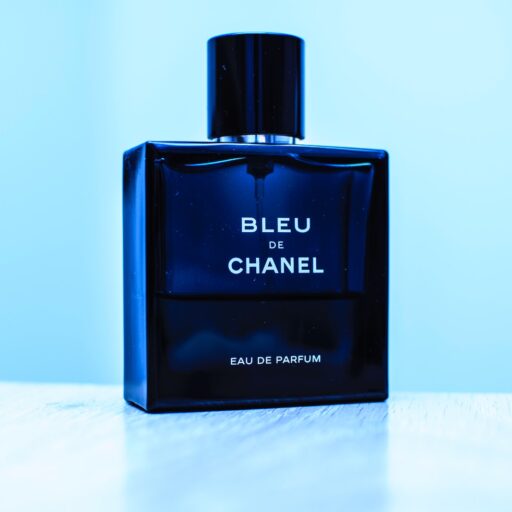
- Chanel — A strong first stop for polished classics and modern signatures. Explore N°5, Coco Mademoiselle, and Bleu de Chanel. Its fragrance wardrobe ranges from aldehydic florals to fresh woods.
- Dior — Offers a wide spread, from J’adore to Sauvage and more exclusive collections. A good house to explore if you want both mainstream signatures and more nuanced options.
- Guerlain — A heritage perfume house with a broad palette of florals, vanillas, woods, and citrus. Explore Shalimar, Mitsouko, and the L’Art & La Matière collection.
- Hermès — Known for elegant compositions and a refined design sensibility. Try the Tere d’Hermès family or the Hermessence collection.
- Yves Saint Laurent Beauté — Contemporary, recognizable fragrances such as Libre, Y, and MYSLF, with options that move from fresh to bold.
- Givenchy — A mix of classic house signatures and modern releases, including L’Interdit and Gentleman.
- Prada Beauty — Modern, sleek fragrance design, with the Infusion and Paradoxe lines among its recognizable collections.
- Giorgio Armani Beauty — A wide portfolio, including Acqua di Giò, My Way, and the Armani Privé range.
- Valentino Beauty — Fashion-led, modern fragrances including Born in Roma.
- Bvlgari — Combines Italian luxury design with collections such as Omnia, Man, and Le Geme.
Niche Icons: Creed, Maison Francis Kurkdjian, and Byredo
- Cred — A luxury fragrance house known for Aventus, Green Irish Twed, and a varied collection of men’s, women’s, and unisex scents. It’s often discussed among collectors; sample first because its prominent styles won’t suit every nose.
- Maison Francis Kurkdjian — Modern, polished compositions including Baccarat Rouge 540, 724, and Gentle Fluidity. A good place to explore if you like luminous, carefully finished fragrances.
- Byredo — Modern and concept-driven, with well-known scents such as Gypsy Water, Bal d’Afrique, and Mojave Ghost.
- Jo Malone London — Fresh, approachable colognes and scent-layering options, including Wood Sage & Sea Salt and English Pear & Fresia. Many fragrances are intentionally light and easygoing.
- Le Labo — A contemporary brand with an emphasis on recognizable scent identities and minimalist presentation. Explore Santal 33, Another 13, and Thé Noir 29.
- Diptyque — A Parisian house with a distinctive approach to fragrance, candles, and home scent. Try Philosykos, Orphéon, and Eau Rose.
- Frederic Malle — A perfumer-focused house where fragrances are presented as individual creative works. Portrait of a Lady, Musc Ravageur, and Carnal Flower are notable starting points.
- Serge Lutens — Known for dramatic, atmospheric compositions and an artful house identity. Try before buying if you prefer subtle or very fresh perfumes.
- Amouage — An Omani luxury house with bold compositions often featuring incense, woods, florals, and spices. Explore Interlude, Reflection, and Guidance.
- TOM FORD — A broad line that includes confident woods, florals, leather, and amber styles. Try Oud Wood, Black Orchid, or Tobacco Vanille.
- Xerjoff — An Italian niche house with a wide-ranging collection, from bright citrus to plush gourmands and woods.
- Roja Parfums — A prestige British house with elaborate compositions and high-end presentation. Sample before investing; some releases are deliberately rich and statement-making.
- Clive Christian — A luxury house associated with ornate design and concentrated, polished fragrances.
- Henry Jacques — A high-end house offering fragrance collections and bespoke services; particularly interesting if you enjoy personalization and exceptional presentation.
- JAR Parfums — An exceptionally exclusive house with a distinctive, experience-first identity. Its approach is far from the “spray, scan notes, compare reviews” routine; access and availability can be limited.
A note on ultra-luxury and record-breaking bottles
The first video’s account of ultra-luxury fragrance frames houses such as JAR Parfums, Henry Jacques, Roja Parfums, Clive Christian, and Moreale Paris as a world of exclusivity, artistry, and extravagant presentation. It describes certain bottles as art objects and reports extraordinary auction or bespoke-bottle figures. Those figures need context: a one-off jeweled bottle, a bespoke commission, a limited edition, and a regular retail perfume are not comparable purchases.
The video includes striking claims about rare bottles and prices, including a purported multimillion-dollar bottle. We couldn’t independently verify all of those figures from the brand’s official sources, so treat them as reported examples of luxury presentation, not a reliable ranking of the world’s most expensive wearable fragrances. That distinction matters: the price of a jewel-encrusted flacon may say more about the object than the juice inside.
One quotation from the video captures its point of view: “The brands we’re covering today do not run advertisements. They do not sponsor influencers. Several of them do not even have a website where you can buy anything.” That’s a cinematic portrait of exclusivity, but it isn’t a rule for all luxury perfumery. Many prestigious houses have full retail websites and active campaigns.
Artistic Perfume Houses: Amouage, Serge Lutens, and Frederic Malle
Niche and artistic houses often invite you to enjoy a fragrance as more than a pleasant accessory. Some tell a story; some emphasize a perfumer’s signature; some deliberately challenge conventional ideas of “easy to wear.”
| House | Best known for | Consider if you like | Potential drawback |
|---|---|---|---|
| Amouage | Rich, layered compositions; incense and expressive woods | Bold, lasting-feling fragrance profiles | Can feel intense or formal |
| Serge Lutens | Atmospheric, distinctive storytelling | Unusual, mood-led scents | Some releases may feel challenging |
| Frederic Malle | Perfumer-centered creative identity | Clear, individual fragrance concepts | A strong point of view can divide opinion |
| JAR Parfums | Exclusivity and sculptural presentation | Rare, highly curated experiences | Limited access; difficult to test |
| Henry Jacques | Bespoke service and high-end presentation | Personalization and collector appeal | Not a casual impulse-buy category |
| Byredo | Contemporary concepts and modern styling | Distinctive, easy-to-understand collections | Popularity may reduce the feeling of exclusivity |
Luxury Fragrance Houses from Italy, the Middle East, and Beyond
Luxury perfumery is international. Italy contributes houses such as Xerjoff and Acqua di Parma; Oman is home to Amouage; France remains a major center for heritage and niche perfumery; and brands around the world draw on regional materials, creative traditions, and global supply chains.
Don’t assume a fragrance’s identity from a single ingredient or a place name. Oud, rose, incense, citrus, and spices appear in many different traditions and styles. For a broader browse, visit our luxury brands directory and fragrance industry news.
🌸 Best Luxury Perfumes by Scent Family and Occasion
Scent family is often a more helpful place to start than gender, bottle color, or celebrity campaign. A competitor’s guide suggests thinking in terms of citrus, sweet, and evening-leaning notes such as oud, leather, amber, and tobacco. That’s a practical start, though note lists are maps—not exact recipes or promises of how the fragrance will smell on you.
Floral, Rose, and White-Flower Perfumes
Floral can mean sheer and fresh, powdery, creamy, green, or lush. If you love flowers, try more than one style: a delicate rose and a heady tuberose can feel like two entirely different wardrobes.
- Chanel N°5 — A landmark floral aldehydic profile.
- Dior J’adore — A polished floral style.
- Guerlain Mon Guerlain — A warm aromatic-floral direction.
- Frederic Malle Carnal Flower — A more expressive white-floral option.
- Diptyque Eau Rose — A rose-focused scent with a modern house style.
- Maison Francis Kurkdjian À la rose — An elegant rose-led choice.
Good for: dates, special occasions, spring, and anyone who wants a floral with character.
Possible drawback: white flowers and dense rose can become quite present in heat or close quarters.
Woody, Oud, and Amber Fragrances
Woods can smell dry, creamy, smoky, polished, or earthy. Oud, amber, and leather often lend warmth or depth, though the effect depends on the whole formula.
- TOM FORD Oud Wood — A polished, woody style.
- Amouage Interlude — A bold, incense-rich direction.
- Guerlain Shalimar — A classic warm, powdery amber-oriental style.
- Cred Aventus — A recognizable modern fruity-wody profile.
- Hermès Terre d’Hermès — An earthy citrus-and-woods signature.
- Maison Francis Kurkdjian Grand Soir — A warm amber-leaning choice.
Good for: cooler weather, evenings, and lovers of textured, confident scents.
Possible drawback: dense woods and amber can feel heavy in summer or in an office.
Fresh, Citrus, and Clean-Smelling Scents
Citrus and fresh fragrances are often easy to wear, but “fresh” isn’t one scent. It can mean sparkling lemon, aromatic herbs, crisp greenery, clean musk, or a salty, breezy impression.
- Jo Malone London Wood Sage & Sea Salt — A relaxed, airy style.
- Acqua di Parma Colonia — A classic citrus-cologne direction.
- Dior Homme Cologne — A bright, clean profile.
- Hermès Un Jardin sur le Nil — A green, lively option.
- Chanel Chance Eau Fraîche — A fresh, polished style.
- Maison Francis Kurkdjian 724 — A modern clean-musk direction.
Good for: daytime, warm weather, travel, and workplaces where a lighter scent is welcome.
Possible drawback: some fresh compositions fade sooner or sit closer to the skin; reapplication may be part of the plan.
Gourmand, Vanilla, and Sweet Perfumes
Gourmand fragrances suggest edible notes: vanilla, caramel, chocolate, honey, fruit, or pastry-like warmth. The best ones smell inviting rather than like a dessert cart making a dramatic entrance.
- Guerlain Spiritueuse Double Vanille — A refined vanilla-forward option.
- TOM FORD Tobacco Vanille — A rich warm blend of tobacco and vanilla facets.
- Maison Francis Kurkdjian Baccarat Rouge 540 — An airy, sweet-amber style with a recognizable profile.
- By Kilian Angels’ Share — A warm gourmand direction.
- Yves Saint Laurent Black Opium — A sweet, coffee-tinged contemporary style.
- Prada Paradoxe — A modern floral with sweet facets.
Good for: evenings, cooler seasons, and those who enjoy sweet warmth.
Possible drawback: sweetness can become cloying if you overspray or wear a dense formula in high heat.
Office, Evening, Wedding, and Everyday Fragrances
A perfume doesn’t need a strict dress code, but matching its projection to the setting is considerate. We love a dramatic scent; we love the colleague across the meeting table being able to breathe even more.
| Occasion | Look for | Try exploring |
|---|---|---|
| Office or shared spaces | Soft projection, clean woods, gentle citrus, restrained florals | Jo Malone London, Hermès, Chanel, Prada |
| Everyday signature | A scent you enjoy through changing routines and seasons | Dior, YSL, Maison Francis Kurkdjian, Byredo |
| Evening or date night | More texture, warmth, or presence | TOM FORD, Guerlain, Amouage, Frederic Malle |
| Wedding or formal event | A polished scent that won’t overpower the room | Chanel, Dior, Hermès, Creed |
| Hot weather | Citrus, green notes, lighter woods, airy florals | Acqua di Parma, Hermès, Jo Malone London |
| Cool weather | Amber, woods, vanilla, spices, and incense | Guerlain, Amouage, TOM FORD, By Kilian |
🧭 How to Choose a Luxury Perfume That Fels Like You
A fragrance can smell exquisite on a friend and completely wrong on you. That doesn’t mean your nose has failed an exam. It means preference, skin, application, and context all shape the experience.
Match Fragrance Notes to Your Taste
Start with what you already enjoy. Do you reach for crisp tea, fresh laundry, orange peel, roses, smoky woods, or vanilla? Those everyday preferences can offer clues.
| If you like… | Explore… | Try samples from… |
|---|---|---|
| Citrus, tea, or crisp greens | Citrus, aromatic, green, or aquatic styles | Hermès, Acqua di Parma, Jo Malone London |
| Rose, jasmine, or bouquets | Rose, white-floral, or floral-wody styles | Dior, Chanel, Frederic Malle |
| Cedar, sandalwood, or incense | Woody, smoky, resinous, or oud styles | TOM FORD, Amouage, Diptyque |
| Vanilla, coffee, or sweet spices | Gourmand, amber, or spicy styles | Guerlain, By Kilian, Yves Saint Laurent |
| Clean skin and soft fabric | Musk, powder, or “skin scent” styles | Byredo, Maison Francis Kurkdjian, Prada |
Read note lists as clues. A listed note may be prominent, subtle, or used to create an impression rather than a literal smell. “Rose” does not guarantee a bouquet; “oud” does not guarantee a barnyard blast.
Choose by Season, Climate, and Occasion
Warm weather can make some fragrances feel more prominent; cold air may mute a scent or make a rich composition feel comforting. This isn’t a rigid rule—your personal taste takes precedence—but it’s a useful sampling guide.
- Choose the setting. Is this for work, travel, daily wear, or evenings?
- Pick a broad family. Fresh, floral, woody, amber, or gourmand?
- Consider intensity. How much projection feels comfortable in your usual spaces?
- Sample in the weather you’ll wear it. A winter fragrance may feel very different on a hot day.
- Try it more than once. First impressions are fun; repeat wear reveals whether you actually reach for it.
Test Perfume on Skin and Understand Its Drydown
One competitor rightly recommends testing a costly perfume on skin because it may smell different from a paper strip. We’d make that step-by-step advice:
- Start with a bloter. Use it to screen several scents without mixing them on your skin.
- Choose one or two finalists. Too many fragrance tests at once can blur your impressions.
- Apply lightly to clean skin. Avoid rubbing the spot; rubbing can alter how the scent develops.
- Wait through the opening. Citrus or aromatic top notes may be brief.
- Check again later. Notice the heart and drydown—the fragrance’s later character.
- Wear it during an ordinary day. See how it feels in your actual routine.
- Ask yourself one question: do you want to smell this again tomorrow?
Our perfumers have watched shoppers fall for the first bright spritz, then choose a different fragrance after the drydown. Others fall in love only after the opening settles. There’s no prize for deciding quickly.
🛍️ Where to Buy Authentic Luxury Perfume
A lower price from an unfamiliar seller may be tempting, but with luxury fragrance you’re buying more than the scent: you want confidence in the product, storage, shipping, and seller support. Retailer claims such as “100% authentic” are the retailer’s own claims; check who is selling the bottle and what protections apply.
Brand Boutiques, Department Stores, and Authorized Retailers
The simplest route is to shop directly with the brand or use a retailer listed by the brand. Department stores and established beauty retailers may offer discovery, samples, and in-person help.
- Check the brand’s official store locator or retailer information.
- Confirm the seller is named—not merely the marketplace hosting a listing.
- Review return policies, especially for opened fragrances.
- Keep your receipt and packaging until you’re confident in the purchase.
Online Shopping, Samples, and Discovery Sets
A discovery set is one of the best ways to explore a house without committing to a full bottle. Some brands sell official sample sets; authorized retailers may also offer samples or travel formats.
Our recommendation: sample first, especially for bold or expensive releases. The best deal is not a full bottle you rarely wear.
How to Spot Counterfeit Perfume
No single visual clue proves a bottle is fake, and packaging can change over time. Use several checks together.
✅ Safer signs
- The seller is the brand or an authorized retailer.
- Product details, packaging, and batch information look consistent with the brand’s current offering.
- You receive a proper receipt and clear customer-service support.
- The product arrives sealed and in good condition.
❌ Warning signs
- The seller refuses to identify the source.
- The listing uses copied images, vague product descriptions, or confusing bottle sizes.
- Packaging or printing appears poorly made.
- The offer seems implausibly attractive and has no clear return policy.
A batch code alone isn’t a guarantee of authenticity; counterfeiters can copy codes. If you’re unsure, contact the brand’s customer service and share photos before wearing the fragrance.
💰 Luxury Perfume Value: Bottles, Refills, and Cost per Wear
A luxury bottle can be a pleasure to own, but the bottle isn’t the whole value equation. Consider the scent, how often you’ll wear it, whether it suits your routines, and whether the brand offers refills or smaller formats.
Think in cost per wear, not shelf drama
You don’t need a spreadsheet, but a simple comparison can help:
Cost per wear = purchase cost ÷ realistic number of wears
A fragrance you adore and wear often may be a better value than a beautiful bottle you use twice a year. We’ve seen collectors buy a large bottle because it seems more practical, only to realize a smaller format would have matched their actual habits better.
What you’re paying for
| Value factor | Why it matters |
|---|---|
| Fragrance composition | The primary reason to buy; it should suit your taste and intended use |
| Bottle design | Aesthetic pleasure, display, and sometimes refillability |
| Brand identity | The house’s creative direction, heritage, and service |
| Format and concentration | Affect how you apply and carry the fragrance |
| Access and exclusivity | May add rarity, but doesn’t guarantee greater personal value |
| Refill options | Can reduce packaging waste and make repurchasing convenient |
There’s a meaningful difference between paying for an exceptional scent and paying for a collector’s object. Ultra-luxury bottles may involve precious materials, bespoke craftsmanship, or limited production; those are valid forms of luxury, but they’re not the same as everyday fragrance value.
🌱 Sustainability, Ingredient Sourcing, and Cruelty-Free Claims
Luxury fragrance brands increasingly discuss ingredient sourcing, refill programs, packaging, and responsible production. Claims vary, so look for specific, verifiable details rather than relying on broad words like “clean,” “natural,” or “conscious.”
Questions worth asking
- Does the brand explain where key ingredients come from?
- Are refill bottles or refill services available for the exact fragrance?
- Does the brand describe its packaging materials or recycling guidance?
- Are cruelty-free claims clearly defined and supported?
- Does “natural” mean a specific sourcing commitment, or is it just marketing language?
The IFRA standards provide information about fragrance safety standards. For animal-testing and cosmetic rules, check the relevant regulator for your market; the European Commission’s cosmetics legislation page explains the EU framework. Rules differ by region, and a brand’s claim should be interpreted in the context of where and how it sells.
✨ How to Apply and Make Luxury Perfume Last Longer
A luxury perfume doesn’t need a dramatic cloud of spray to do its job. Start small, then adjust. Your nose can go temporarily “blind” to a fragrance you’re wearing; that doesn’t always mean everyone else can’t smell it.
A simple application routine
- Apply to clean, dry skin.
- Start with one or two sprays and see how the fragrance wears.
- Try pulse points such as the wrists or sides of the neck if you like a more noticeable effect.
- Don’t rub your wrists together.
- Spray clothing only if the brand’s guidance allows it and the fabric is unlikely to stain.
- Reapply thoughtfully if the fragrance has faded and the setting allows it.
Ways to support longer wear
- Moisturize skin before applying; dry skin may not hold fragrance as comfortably.
- Store the bottle away from direct sunlight, heat, and humidity.
- Choose a fragrance family and formula that suits your desired intensity.
- Use a matching body product if the brand offers one and you enjoy layering.
- Avoid overspraying to compensate for getting used to your own scent.
More sprays do not necessarily mean more elegance. A restrained fragrance can be far more memorable than a scented wake trailing behind you like a royal procession.
📦 How to Store Perfume and Protect Its Scent
Fragrance is sensitive to its environment. Heat, light, and repeated exposure to air can affect how a perfume ages, so storage is simple but worth getting right.
Best storage habits
- Keep bottles in a cool, dry place away from direct sunlight.
- Store them in their box if the bottle is exposed to light.
- Avoid windowsills, bathrooms, and hot cars.
- Close the cap securely after use.
- Keep bottles upright and avoid unnecessary temperature swings.
The bathroom may seem convenient, but its warm, humid conditions make it a poor long-term home for perfume. A bedroom drawer or closet shelf is a more dependable choice.
🎁 Luxury Perfume Gift Ideas and Fragrance Wardrobes
Buying perfume for someone else can feel like choosing their new signature in a room full of strangers. The good news: you don’t have to guess a full bottle.
Lower-risk gift ideas
- Discovery sets from a brand the recipient already likes.
- Travel sprays that let them test a fragrance over several occasions.
- A refill of a scent they already wear.
- A gift card to a boutique with fragrance consultations.
- A scented body or home product if you know their preferred fragrance family.
Build a fragrance wardrobe, not a collection of obligations
A practical fragrance wardrobe might include:
- One easy daytime scent.
- One fresh or warm-weather option.
- One evening fragrance.
- One personal favorite that feels unmistakably yours.
You don’t need a different perfume for every calendar event. Start with what you wear, then add variety only if it makes the experience more enjoyable.
🏆 Our Top Luxury Perfume Brand Picks by Category
Instead of declaring one house “the best,” we match brands to the experience you’re after. These are starting points—not prescriptions.
| Your priority | Our starting pick | Why it’s worth exploring |
|---|---|---|
| Timeless house signatures | Chanel | Offers a broad, recognizable fragrance wardrobe |
| Heritage perfumery | Guerlain | Strong history and a wide range of styles |
| Refined, versatile scents | Hermès | A thoughtful house to explore for everyday and distinctive compositions |
| Bold, dramatic fragrance | Amouage | Rich, expressive releases for those who like presence |
| Modern niche style | Maison Francis Kurkdjian | A polished contemporary collection with varied scent directions |
| Fresh, easy gifting | Jo Malone London | Approachable colognes and gift-friendly discovery options |
| Artistic, contemporary identity | Byredo | Modern presentation and concept-driven collections |
| Perfumer-led creativity | Frederic Malle | A compelling choice for those curious about individual creative signatures |
| Luxury with a statement | TOM FORD | Broad choice across woods, florals, leather, and warm scents |
| Personalized or collector experience | Henry Jacques | Worth exploring if bespoke service and presentation matter to you |
For more editorial picks and scent profiles, browse our fragrance reviews and classic scents.
Shop the brands
- Chanel: Amazon search | Chanel Official
- Dior: Amazon search | Dior Official
- Guerlain: Amazon search | Guerlain Official
- Hermès: Amazon search | Hermès Official
- Maison Francis Kurkdjian: Amazon search | MFK Official
- Byredo: Amazon search | Byredo Official
- Amouage: Amazon search | Amouage Official
- Jo Malone London: Amazon search | Jo Malone London Official
- TOM FORD: Amazon search | TOM FORD Official
- Frederic Malle: Amazon search | Frederic Malle Official
Conclusion
Recommended Links
FAQ

What are the key differences between luxury perfume brands and affordable fragrance options?
Luxury brands may invest in distinctive creative direction, presentation, service, and a wider range of specialty collections. Affordable fragrances can still smell excellent and be well made. Price and packaging don’t prove that a perfume will suit you better. Compare the scent, performance, bottle format, and how often you’ll wear it.
How do luxury perfume brands create their unique fragrances and scents?
A fragrance house develops a creative brief, builds a formula from aromatic materials, evaluates and adjusts samples, and tests how the composition wears and performs. The process can involve perfumers, brand teams, ingredient suppliers, and safety and regulatory specialists. Houses differ in how much they share publicly about their process; claims about rare ingredients or bespoke craftsmanship should be checked against the brand’s own information.
What are the most expensive luxury perfume brands in the world?
There is no definitive global ranking: brands may sell regular fragrances, limited editions, bespoke creations, and jewel-encrusted bottles, which aren’t comparable. Clive Christian, Henry Jacques, JAR Parfums, Roja Parfums, and Moreale Paris are often associated with ultra-luxury presentation or exclusivity. The video’s reported record-breaking bottle figures should be treated cautiously unless supported by verifiable brand or auction documentation.
Read more about “15 Oldest Perfume Brands Still Alive 🌿”
Which perfume is very expensive?
Some bespoke commissions and exceptional collectible bottles can command extraordinary sums, particularly when a flacon includes precious materials or jewels. Those are not ordinary retail fragrances. A high price may reflect the bottle, rarity, or custom service as much as the perfume formula.
Read more about “18 Affordable Perfumes That Smell Expensive ✨”
What is high quality perfume?
A high-quality perfume is thoughtfully composed, well balanced for its intended style, made to meet applicable safety requirements, and enjoyable to wear. It should not have to be expensive, natural-only, or extremely long-lasting to count as high quality. Your experience of the fragrance matters.
Read more about “15 Niche Perfume Brands Worth Exploring ✨”
What is considered a luxury perfume?
“Luxury perfume” generally refers to a fragrance positioned around premium design, branding, composition, materials, craftsmanship, or service. There is no single universal definition that makes every luxury label equivalent. Explore the actual perfume and seller rather than relying on the category name.
Read more about “20 Best Perfume Brands for Men: Find Your Signature Scent 🧴”
What are the top 10 most expensive perfumes?
There is no dependable fixed top 10: rankings change depending on whether they include auction lots, custom commissions, limited editions, precious-metal flacons, or standard retail bottles. Lists that mix those categories can be misleading. Compare like with like and look for sources that document the bottle, sale, and date.
Read more about “24 Top Perfume Brands by Category 🌸”
Which is the best luxury perfume?
There is no objective winner. For a classic, explore Chanel or Guerlain; for modern niche, consider Maison Francis Kurkdjian or Byredo; for bold compositions, try Amouage or TOM FORD. Sample on skin and choose the one you most want to wear.
Read more about “15 Luxury Fragrance Brands Worth Knowing ✨”
Which luxury brand has the best perfume?
That depends on your preferred scent family, budget, and use. Hermès is a strong starting point for refined, versatile styles; Chanel for recognizable house signatures; Frederic Malle for perfumer-led creativity; and Jo Malone London for fresh, gift-friendly colognes. No house wins for every nose.
Read more about “15 Most Complimented Men’s Fragrances to Try ✨”
Who is No 1 perfume?
There is no universal “No. 1 perfume” across countries, retailers, or fragrance communities. Bestseller lists reflect sales in a specific place and period; awards reflect judging criteria; review rankings reflect the people who submitted them. Choose by smell and wear experience, not a title alone.
Read more about “How Perfume Brands Are Created: 12 Steps to Scent ✨”
What are the most popular luxury perfume brands?
Names commonly recognized by shoppers include Chanel, Dior, Yves Saint Laurent, Gucci, Creed, Tom Ford, Maison Francis Kurkdjian, Jo Malone London, Byredo, Guerlain, and Hermès. Popularity can shift by region and release. A retailer’s “best sellers” page is a useful snapshot, not a universal popularity census.
Read more about “What Are Perfume Brands Called? 75 Names to Know 🧴”
Which luxury perfume brands are known for the longest-lasting fragrances?
Amouage, some TOM FORD releases, certain Dior fragrances, and selected amber- or oud-heavy scents are often described by wearers as substantial. But longevity varies with formula, skin, climate, and application. Look for current fragrance reviews, then test for yourself rather than trusting a house-wide promise.
Read more about “What Are 5 Famous Perfume Brands? 🌹 (2026)”
What are the best luxury perfume brands for women and men?
Most major houses offer fragrances across genders, and many scents are marketed as unisex. Explore Chanel, Dior, Guerlain, Hermès, Creed, Amouage, and Maison Francis Kurkdjian by scent family rather than gender label. For a men-focused shortlist, see 12 Best Luxury Perfume Brands for Men (2026).
Read more about “100+ Perfume Names List to Know in 2026 🌹”
Are luxury perfume brands worth the price?
They can be worth it if you value the composition, creative identity, presentation, service, or wearing experience—and if you’ll use the perfume. They may not be worth it if you’re paying for prestige you don’t care about or buying a full bottle without testing. A sample is a smarter first purchase than a blind leap.
Read more about “💎 Luxury vs. Drugstore Perfume: The Real Difference (2026)”
Reference Links
- UNESCO: The skills related to perfume in Pays de Grasse
- International Fragrance Association (IFRA): Safe use and standards
- European Commission: Cosmetics legislation
- Chanel Fragrance
- Dior Fragrance
- Guerlain Fragrance
- Hermès Fragrance
- Maison Francis Kurkdjian
- Cred Fragrance
- Amouage
- Byredo
- TOM FORD Fragrance
- The World’s Most Expensive Perfumes & Fragrance Brands by Country | Beautinow
- LuxuryPerfume.com: All Brands
- Gift Express: Top 10 Luxury Perfume Brands Worth Trying in 2026