Support our educational content for free when you purchase through links on our site. Learn more
15 Classic Perfume Brands That Still Captivate 🌹


The best classic perfume brands pair a distinctive style with fragrances that still feel compelling today. Start with Chanel for polished florals, Guerlain for layered heritage, or Acqua di Parma for crisp Italian citrus—but sample first, because a legend’s reputation can’t tell you how it will smell on your skin.
Some classics are instant favorites; others take a few hours to reveal their charms. The first time we tested Guerlain’s Mitsouko, its unusual fruit-and-moss character kept us guessing. By the drydown, that puzzling opening had turned into the reason we wanted to smell it again.
Key Takeaways
- Explore 15 influential fragrance houses, including Chanel, Guerlain, Dior, Hermès, Caron, Floris London, and Acqua di Parma.
- Choose by scent family and personal taste, not by reputation or gender labels. Try florals, chypres, citrus colognes, ambers, and fougères on skin.
- Sample before buying: fragrance concentration alone doesn’t guarantee longevity, projection, or a perfect match.
- Remember that formulas can change. Vintage bottles may offer historical interest, but storage and authenticity need careful consideration.
- 👉 Shop official brand collections: Chanel, Guerlain, Dior, Hermès, and Acqua di Parma.
Table of Contents
- ⚡ Quick Tips and Facts About Classic Perfume Brands
- 🌹 What Makes a Perfume Brand a Classic?
- 📜 The History of Iconic Perfume Houses
- 🧴 15 Classic Perfume Brands Worth Knowing
- 1. Chanel
- 2. Guerlain
- 3. Dior
- 4. Hermès
- 5. Jean Patou
- 6. Lancôme
- 7. Estée Lauder
- 8. Givenchy
- 9. Yves Saint Laurent
- 10. Caron
- 11. Acqua di Parma
- 12. Floris London
- 13. Penhaligon’s
- 14. Creed
- 15. Elizabeth Arden
- 🏆 The Most Influential Classic Perfumes and Their Signature Scents
- 🌸 Classic Perfume Families: Chypre, Floral, Fougere, and More
- How to Recognize a Chypre Perfume
- How to Recognize an Aldehydic Floral
- Classic Men’s Fragrance Families
- 🧭 How to Choose a Classic Perfume for Your Taste
- Choosing a Classic Perfume by Note
- Choosing a Vintage-Inspired Scent by Occasion
- Classic Perfumes for Women, Men, and All Genders
- 🧪 Eau de Toilete vs. Eau de Parfum: What to Know
- ⏳ How to Test Classic Perfumes for Longevity and Sillage
- 🛍️ Where to Buy Authentic Classic Perfumes
- Buying Vintage Perfume Safely
- How to Spot Counterfeit Fragrance
- 🧊 How to Store Perfume and Preserve Its Quality
- 🔄 Reformulations, Discontinued Scents, and Vintage Bottles
- 💡 Quick Tips for Wearing Classic Perfume
- 🛒 Recommended Links
- ❓ FAQ About Classic Perfume Brands
- 📚 Reference Links
- Conclusion
⚡️ Quick Tips and Facts About Classic Perfume Brands
A classic perfume isn’t simply an old bottle with a fancy label. It’s a fragrance with lasting influence, recognizable character, and a life beyond its original launch era. Some classics still smell close to their early formulas; others have been adjusted over time.
If you’ve ever wondered what perfume brands are called, the short answer is fragrance houses or perfume houses—though “brand” is perfectly understood, too.
| Quick fact | What it means for you |
|---|---|
| A launch date doesn’t guarantee classic status | Influence, distinctive composition, and continued cultural recognition matter just as much. |
| A classic can be challenging | Guerlain Mitsouko, Chanel No. 5, and Robert Piguet Fracas reward sampling; none needs to be your first blind buy. |
| Formulas can change | Regulations, ingredient availability, and creative decisions may alter a fragrance over time. The International Fragrance Association (IFRA) publishes standards for fragrance ingredients. |
| Concentration doesn’t guarantee longevity | An Eau de Parfum isn’t automatically stronger or longer-lasting than every Eau de Toilete. Skin, formula, and application all matter. |
| Try before committing | Test on skin, then give the fragrance several hours. A bloter shows the opening; your skin reveals the plot twist. |
Our quick recommendations:
- Want a famous floral aldehyde? Start with Chanel No. 5.
- Curious about a rich amber-vanilla classic? Sample Guerlain Shalimar.
- Prefer something crisp and polished? Try Acqua di Parma Colonia.
- Love woods and aromatic freshness? Explore our men’s perfume recommendations, while remembering that fragrance labels are suggestions, not laws. 🌿
🌹 What Makes a Perfume Brand a Classic?
A heritage label may have a beautiful archive, but a classic perfume brand earns its reputation through enduring creations. At Perfume Brands™, we look for more than a famous logo: we ask whether the house shaped perfumery, built a recognizable style, and still gives wearers something worth smelling today.
| Measure | What we look for | Example |
|---|---|---|
| Historical influence | Did the house introduce or popularize a notable style? | Chanel No. 5 helped make aldehydic florals central to modern perfumery. |
| Distinctive house identity | Can you recognize a recurring aesthetic or approach? | Guerlain is associated with richly layered compositions and its signature Guerlinade accord. |
| Cultural staying power | Do people continue to discuss, wear, collect, or reinterpret the fragrance? | Diorissimo remains a reference point for lily-of-the-valey perfumes. |
| Craft and quality | Does the composition feel considered, balanced, and well made? | This is subjective, but a good scent reveals more than a loud opening. |
| Present-day relevance | Is the fragrance still available, or does its legacy influence current releases? | Some classics remain in production; others survive through reformulations, vintage bottles, or successors. |
Classic brand versus classic perfume
A classic perfume house may have a long history, while a classic perfume is a particular scent with a lasting reputation. One doesn’t automatically guarantee the other. A famous house can release a fragrance that disappears quickly from public memory; a single standout perfume can define a younger brand.
We also separate heritage from wearability. A scent can be historically important yet feel too powdery, intense, or formal for your taste. That doesn’t make it a bad perfume. It means your nose gets the final vote. Explore more heritage labels in our guide to luxury perfume brands.
What does “timeless” actually mean?
“Timeless” is not a scientific category. It’s shorthand for a fragrance that remains meaningful across generations. Some classics have an easy, adaptable profile; others endure because they’re unusual. Being recognizable and being universally loved are very different achievements.
📜 The History of Iconic Perfume Houses

Perfume history is a long relay race: ingredients, trade routes, technology, fashion, and famous noses all pass the baton. The Metropolitan Museum of Art traces perfume’s ancient uses and changing role, while modern perfumery emerged through advances in chemistry and commercial production.
| Era | What changed | Fragrance legacy |
|---|---|---|
| Ancient civilizations | Aromatic materials were used in rituals, medicine, cosmetics, and daily life. | Perfume’s story begins long before modern fragrance houses. |
| 18th–19th centuries | European perfumery developed alongside luxury crafts and growing commercial trade. | Houses such as Floris London built reputations around fragrance and grooming traditions. |
| Early 20th century | Modern chemistry expanded perfumers’ palettes, while fashion houses connected scent with identity. | Chanel No. 5, Guerlain Shalimar, and Jean Patou Joy became landmark creations. |
| Postwar decades | New fashion movements and global consumer markets broadened perfume styles. | Dior, Lancôme, Estée Lauder, and Givenchy grew into international fragrance names. |
| Late 20th century | Bigger signatures, bold florals, woods, and gourmand styles gained visibility. | Opium, Angel, and Hypnotic Poison challenged the idea that perfume should politely whisper. |
| Today | Heritage houses share space with niche brands, celebrity launches, and online fragrance communities. | Classics are rediscovered, reviewed, sampled, and compared across generations. |
A timeline of influential classic releases
Dates below refer to original launches; availability and formulas can differ today.
| Perfume | House | Launch | Why it matters |
|---|---|---|---|
| Mitsouko | Guerlain | 1919 | A landmark fruity chypre, balancing peach-like facets with mossy depth. |
| Chanel No. 5 | Chanel | 1921 | A defining aldehydic floral and one of perfumery’s most recognizable names. |
| Shalimar | Guerlain | 1925 | A landmark amber style built around citrus, vanilla, and resinous warmth. |
| Joy | Jean Patou | 1930 | A famed floral built around an abundant bouquet of jasmine and rose. |
| Diorissimo | Dior | 1956 | A celebrated interpretation of springlike lily-of-the-valey. |
| Opium | Yves Saint Laurent | 197 | A bold spicy-amber perfume that helped define a more dramatic era. |
| Angel | Mugler | 1992 | A landmark in modern gourmand perfumery, famous for its sweet patchouli character. |
Why do some old perfumes smell different now? Formulas may change because of ingredient restrictions, sourcing, cost, or creative direction. The IFRA Standards are one part of the current safety and compliance landscape, but a reformulation can’t always be attributed to one single cause. Vintage comparisons also depend on bottle age, storage, and batch—so treat sweeping claims about “the original” with a healthy pinch of skepticism.
🧴 15 Classic Perfume Brands Worth Knowing
Here are 15 houses that help explain the evolution of classic fragrance. This isn’t a ranking of quality; it’s a guided tour through different styles, histories, and signature scents. For firsthand impressions and more bottle-by-bottle analysis, browse our fragrance reviews.
1. Chanel
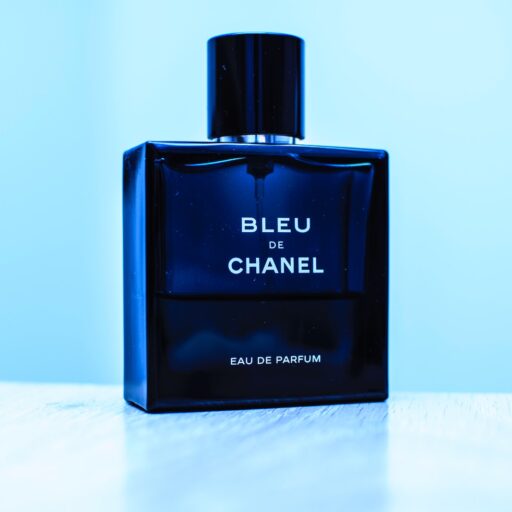
Founded by Gabrielle “Coco” Chanel, the house made scent part of fashion’s modern language. Chanel No. 5 is the obvious landmark, but Coco offers a spicier, more opulent alternative, while Coco Mademoiselle feels brighter and more contemporary.
Try Chanel if: you enjoy polished compositions, aldehydes, florals, woods, or a strong sense of style.
Consider first: No. 5 can seem soapy, powdery, or formal to noses raised on sweet modern scents. Start with a sample rather than letting a legendary name make the decision for you.
2. Guerlain
Founded in Paris in 1828, Guerlain is one of fragrance’s great heritage houses. Its range moves from citrus cologne to rich amber, with landmark perfumes including Shalimar, Mitsouko, and L’Heure Bleue.
Try Guerlain if: you like evolution—bright openings that gradually reveal woods, spice, powder, or amber.
Consider first: Some older compositions use structures that can feel unfamiliar. On our bloters, Mitsouko is the one most likely to prompt “Wait, what am I smelling?” before the answer arrives.
3. Dior
Dior pairs couture glamour with a broad fragrance archive. Alongside modern bestsellers such as J’adore and Sauvage, classics include Diorissimo, the warm, almond-leaning Hypnotic Poison, and the streamlined Eau Sauvage.
Try Dior if: you want a classic with a clear point of view, from green florals to aromatic citrus.
Consider first: A classic name doesn’t mean every version smells exactly like its launch-era predecessor. Check the current product details and sample if you’re chasing a particular vintage profile.
4. Hermès
Known for leather goods, silk, and equestrian roots, Hermès also has a distinguished fragrance legacy. Eau d’Orange Verte is a sparkling citrus classic, while Terre d’Hermès brings earthy woods and mineral facets to modern men’s fragrance.
Try Hermès if: you prefer elegance without excessive sweetness, especially citrus, woods, and green notes.
Consider first: Fresh colognes often feel less persistent than dense amber perfumes. That’s part of their airy charm, not necessarily a flaw.
5. Jean Patou
Jean Patou’s Joy, launched in 1930, became famous as a lavish floral centered on jasmine and rose. The house’s historic legacy is substantial, but product availability and ownership can change; check current listings carefully before purchasing.
Try Joy if: you want to understand the grand floral tradition rather than simply find an easy everyday scent.
Consider first: Vintage perfume is a special category with storage and authenticity risks. A recent bottle, when available through a reliable seller, is usually the safer starting point.
6. Lancôme
Lancôme combines French beauty-house heritage with accessible, widely known fragrances. Its archive includes Trésor, a soft, romantic floral-amber scent, and Magie Noire, a more dramatic vintage-style chypre.
Try Lancôme if: you like elegant florals with a warm, approachable side.
Consider first: Older Lancôme releases may be harder to find or may have changed. Verify seller reputation and the product’s current status.
7. Estée Lauder
Estée Lauder built a global beauty business with fragrances ranging from polished florals to bold statements. Youth-Dew began as a bath oil in 1953 and became a powerful spicy-amber perfume; Beautiful offers a more romantic floral bouquet.
Try Estée Lauder if: you want recognizable, full-bodied compositions with a strong heritage.
Consider first: Youth-Dew is concentrated in personality as well as scent. Apply lightly, especially in warm weather or close quarters.
8. Givenchy
Givenchy moves between refined and dramatic. Its classic L’Interdit dates to 1957, while Givenchy Gentleman belongs to the house’s men’s fragrance legacy.
Try Givenchy if: you like elegant florals, aromatic woods, or a perfume that feels dressed up without being stiff.
Consider first: L’Interdit has been reinterpreted over time. The current release is its own fragrance, not a guaranteed replica of the original.
9. Yves Saint Laurent
Yves Saint Laurent Beauty is known for high-impact fragrances. Opium is a landmark spicy-amber scent; Paris offers a romantic rose-led profile, while modern classics such as Libre bring lavender and orange blossom to the foreground.
Try YSL if: you enjoy bold florals, spice, or scents with a confident evening presence.
Consider first: Opium can feel intense and resinous. Try it on skin, then let the opening settle before making your call.
10. Caron
The Parisian house Caron has a long history of distinctive fragrances. Pour Un Homme de Caron pairs lavender with vanilla, a combination that feels both barbershop-familiar and warmly unusual.
Try Caron if: you enjoy classic grooming styles, lavender, and understated complexity.
Consider first: Some Caron scents are less familiar in mainstream shops, so sampling or buying from an authorized source may take a little research.
11. Acqua di Parma
Acqua di Parma is synonymous with Italian citrus elegance. Colonia is its signature cologne style: bright citrus, aromatic herbs, and clean woods.
Try Acqua di Parma if: you want a refined warm-weather fragrance that smells crisp rather than sugary.
Consider first: Traditional citrus colognes can fade sooner than heavier perfumes. Their charm is often in the fresh, easy reapplication.
12. Floris London
Family-owned Floris London has served customers since 1730 and remains closely tied to British perfumery. No. 89 is a classic aromatic citrus fragrance, while Jermyn Street offers a modern barbershop interpretation.
Try Floris if: you like traditional cologne, citrus, herbs, and a polished grooming feel.
Consider first: “Classic” here often means understated rather than room-filling. If you want a loud trail, try something else.
13. Penhaligon’s
Penhaligon’s began in London in 1870 and blends British heritage with playful storytelling. Blenheim Bouquet is a crisp citrus-aromatic classic; the house’s broader collection includes more theatrical modern scents.
Try Penhaligon’s if: you enjoy old-world grooming references and fragrance with a strong sense of character.
Consider first: The house spans many styles, so don’t assume every release is a quiet, traditional cologne. Sample the specific scent.
14. Creed
Cred is a luxury fragrance house known for polished, high-profile releases such as Green Irish Twed and Aventus. The company describes a long heritage; claims about exact historical origins and production practices have drawn scrutiny, so we recommend treating brand storytelling separately from independently verifiable history.
Try Creed if: you’re interested in refined citrus, green, woody, or aromatic profiles.
Consider first: Reputation is not a substitute for skin testing. Compare a sample with similar styles from houses such as Hermès, Chanel, or Acqua di Parma.
15. Elizabeth Arden
Elizabeth Arden brought fragrance into a broader beauty and lifestyle world. Blue Grass is a classic aromatic floral, while Red Door is a more opulent floral statement.
Try Elizabeth Arden if: you’re curious about traditional American perfumery, green notes, and full floral bouquets.
Consider first: Some classic releases have changed in availability or presentation. Check the exact product name and seller before buying.
🏆 The Most Influential Classic Perfumes and Their Signature Scents
A perfume can become influential by defining a style, making an unusual note combination famous, or simply refusing to disappear from conversation. Here’s a practical sampling map—not a claim that one scent suits everyone.
| Perfume | House | Style | What to expect | Best first test |
|---|---|---|---|---|
| Chanel No. 5 | Chanel | Floral aldehyde | Bright, polished, powdery, and unmistakably classic | One spray on skin; wait through the drydown |
| Shalimar | Guerlain | Amber vanilla | Citrus up top, then warm vanilla, resin, and powdery facets | Sample in cool weather |
| Mitsouko | Guerlain | Fruity chypre | Peach-like fruit over mossy, woody depth | Smell on skin over several hours |
| Joy | Jean Patou | Grand floral | A lush bouquet led by rose and jasmine | Compare with a modern white floral |
| Diorissimo | Dior | Green floral | Fresh, springlike lily-of-the-valey effect | Try in daylight and mild weather |
| Youth-Dew | Estée Lauder | Spicy amber | Warm, rich, and assertive | Start with a single small application |
| Opium | Yves Saint Laurent | Spicy amber | Citrus, spice, florals, and resins | Let the first 30 minutes pass before judging |
| Angel | Mugler | Gourmand patchouli | Sweet, fruity, earthy, and highly recognizable | Apply lightly; this one does not need a megaphone |
| Fracas | Robert Piguet | Tuberose floral | Creamy white flowers with a dramatic edge | Test away from other strong fragrances |
| Pour Un Homme de Caron | Caron | Lavender vanilla | Aromatic lavender softened by warm vanilla | Try as a daytime or evening alternative to barbershop scents |
Three good places to start
- Want a famous, polished floral? Sample Chanel No. 5.
- Want warmth and depth? Start with Shalimar or Youth-Dew.
- Want a green or citrus classic? Try Diorissimo, Colonia, or Eau d’Orange Verte.
The Scent Grail guide to classic women’s perfumes presents its selections as personal recommendations, and its author aptly writes that “it is up to you to choose which perfume suits your taste the best.” We agree. Individual lists are useful starting points, not universal verdicts. Their guide also calls Chanel No. 5 “a timeless classic of elegance in a bottle”—an evocative opinion, not an objective measure of best-selling status or personal fit.
If you’re exploring fragrance history through men’s classics, the featured video, “I Tried 100 Years Of Men’s Fragrances” by Triple B, offers a decade-by-decade perspective. It can be a helpful companion to our men’s perfume guides, especially if you’re comparing old-school colognes with current releases.
🌸 Classic Perfume Families: Chypre, Floral, Fougere, and More
Perfume families are a useful map, not a strict filing cabinet. Fragrances can overlap, and different authorities may classify the same perfume differently. The Fragrance Foundation’s fragrance family guide is a helpful starting point for understanding common categories.
| Family | Typical impression | Classic example | You may enjoy it if… |
|---|---|---|---|
| Floral aldehyde | Bouquet-like florals with sparkling, soapy, or powdery effects | Chanel No. 5 | You like polished, luminous scents |
| Chypre | Citrus or fruit above mossy, woody, and sometimes floral facets | Guerlain Mitsouko | You want earthy depth and contrast |
| Amber | Warm, resinous, spicy, sweet, or balsamic | Guerlain Shalimar | You like cozy, enveloping fragrances |
| Fougère | Aromatic herbs, lavender, woods, and traditionally mossy facets | Caron Pour Un Homme | You enjoy classic barbershop or aromatic styles |
| Citrus cologne | Lemon, bergamot, orange, and herbs | Acqua di Parma Colonia | You want freshness and easy daytime wear |
| Gourmand | Edible-leaning notes such as vanilla, chocolate, or caramel | Mugler Angel | You enjoy sweetness balanced by woods or patchouli |
| White floral | Tuberose, jasmine, gardenia, orange blossom | Robert Piguet Fracas | You love bold, creamy florals |
How to Recognize a Chypre Perfume
A traditional chypre structure often contrasts bright citrus with a deeper base of woods, mossy effects, and patchouli. The name comes from the French word for Cyprus and became associated with a major family of fragrances after François Coty’s Chypre. Osmothèque documents perfume history and historic compositions.
Try: Guerlain Mitsouko, Chanel Pour Monsieur, or a modern chypre-inspired scent.
Expect: A more textured, earthy drydown than a simple fresh citrus perfume. If you’re accustomed to sweet fruity scents, give it time.
How to Recognize an Aldehydic Floral
Aldehydes are a broad group of aromatic materials. In perfumery, they can create effects described as sparkling, waxy, soapy, metallic, or airy. They aren’t one single smell, and different aldehydic fragrances can feel very different.
Try: Chanel No. 5 or Estée Lauder White Linen.
Expect: A lifted, sometimes abstract opening rather than a straightforward flower-shop bouquet. The opening can feel brisk; the drydown may become softer and more skin-like.
Classic Men’s Fragrance Families
Many classic men’s colognes draw from citrus, aromatic, fougère, leather, and woody styles. Those labels describe scent traditions, not rules about who can wear them.
| Style | Typical notes | Examples |
|---|---|---|
| Citrus aromatic | Bergamot, lemon, herbs, woods | Acqua di Parma Colonia, Eau Sauvage |
| Fougère | Lavender, aromatic herbs, woods | Caron Pour Un Homme |
| Green woody | Green leaves, woods, sometimes mossy facets | Creed Green Irish Twed |
| Leather | Suede or leather effects, woods, spice | Hermès Bel Ami |
| Amber spice | Warm resins, spices, woods | Yves Saint Laurent La Nuit de L’Homme draws on modern amber-spice styling |
For more scent-by-scent ideas, browse our men’s perfumes and niche perfumes.
🧭 How to Choose a Classic Perfume for Your Taste
A heritage perfume can be fascinating and still not be your perfume. We suggest choosing by scent family, setting, and your tolerance for projection, not by age or gender labels.
Choosing a Classic Perfume by Note
Use this short process to narrow the field without turning fragrance shopping into a dissertation:
- Choose a direction. Decide whether you lean fresh, floral, woody, spicy, powdery, or sweet.
- Pick two contrasting samples. Try one familiar scent and one that stretches your taste. For example, compare Chanel No. 5 with Acqua di Parma Colonia.
- Test on separate skin areas. Avoid layering multiple unfamiliar scents on the same wrist.
- Wait for the drydown. Smell again after roughly 30 minutes and later in the day. The opening is only act one.
- Notice your comfort level. Do you want to smell the perfume constantly, or do you prefer a quieter scent? Both are valid.
- Check how it behaves in your real setting. An office, a warm commute, and a cool evening ask different things of a fragrance.
- Buy only after repeat testing. If you still enjoy it on more than one occasion, consider a full bottle.
Perfumer tip: Smell from a distance first. Pressing your nose directly to a bloter can overwhelm you, particularly with aldehydes, dense amber, or strong florals.
Choosing a Vintage-Inspired Scent by Occasion
| Occasion | Styles to consider | Examples |
|---|---|---|
| Office or close quarters | Light citrus, restrained woods, soft florals | Eau d’Orange Verte, Floris No. 89 |
| Daytime and warm weather | Citrus cologne, green floral, fresh aromatic | Colonia, Diorissimo |
| Cool weather | Amber, spice, woods, warm vanilla | Shalimar, Youth-Dew |
| Evening statement | Tuberose, intense amber, rich florals | Fracas, Opium |
| Everyday signature | A scent you enjoy at modest application, regardless of its marketing category | Sample Chanel, Hermès, Caron, or Guerlain |
Classic Perfumes for Women, Men, and All Genders
Traditional marketing often divided fragrance into “for women” and “for men,” but notes do not have a gender. A lavender fougère can be worn by anyone; so can a rose, leather, citrus, or vanilla perfume.
The Scent Grail article notes that “no one else can choose for you,” a point we’d put at the top of every fragrance-shopping guide. Its reported U.S. statistic about women being more likely than men to let mood influence fragrance choice is interesting, but without a linked original study in the supplied article, we wouldn’t treat the percentage as established fact. The useful takeaway is simpler: mood, context, and personal taste all shape what you reach for.
🧪 Eau de Toilete vs. Eau de Parfum: What to Know
Eau de Toilete and Eau de Parfum describe fragrance concentrations, but there is no universal rule that one will always perform better. Formulas vary, and labeling conventions can differ between brands. The Fragrance Foundation explains common fragrance terminology; the brand’s own product page is the best place to verify the concentration of a particular bottle.
| Label | Common shorthand | General impression | What not to assume |
|---|---|---|---|
| Eau de Cologne | EDC | Often fresh and lighter in style | It will always disappear quickly |
| Eau de Toilete | EDT | Often airy or bright | It is automatically weak |
| Eau de Parfum | EDP | Often fuller or more concentrated | It is always stronger or longer-lasting |
| Parfum / Extrait | — | Often a more concentrated format | It always projects farther |
How to choose: If you prefer a lighter impression or want to reapply, an EDT may suit you. If you want a richer presentation, test the EDP. When comparing versions, sample both on skin if possible—Chanel No. 5 EDT and EDP, for example, may not smell identical.
⏳ How to Test Classic Perfumes for Longevity and Sillage
Two words come up constantly in fragrance reviews:
- Longevity: how long you can smell the perfume.
- Sillage: the scent trail it leaves as you move.
- Projection: how far the fragrance radiates from you.
These are not standardized performance ratings. Skin, weather, application, nose fatigue, and the perfume itself all affect what you perceive. That’s why a review claiming “24 hours” shouldn’t be treated as a promise for your wrist.
A step-by-step wear test
- Start with clean skin. Avoid scented lotion or soap that could muddy the result.
- Apply one measured spray. Use the same amount when comparing perfumes.
- Record your first impression. Note brightness, sweetness, spice, and any immediate discomfort.
- Check at intervals. Revisit after 30 minutes, two hours, and later in the day.
- Ask someone you trust for a discreet check. A friend can sometimes notice a scent trail after your nose has adapted.
- Repeat on another day. One test can be skewed by temperature, stress, or a congested nose.
What changes performance?
- Skin and application: Dry skin may seem to hold scent differently from moisturized skin.
- Weather: Heat can amplify the impression of a strong perfume; cold can make some scents seem quieter.
- Concentration and formula: These interact, but neither predicts performance alone.
- Nose fatigue: You may stop noticing a perfume even while people nearby can still smell it.
Our team’s practical rule: wear a classic at home before wearing it to a crowded room. It’s a simple way to discover whether “powerful” means pleasingly present or “I have become the room.”
🛍️ Where to Buy Authentic Classic Perfumes
Start with a brand’s official site, an authorized retailer, or a reputable department store. This is especially wise for high-demand fragrances and discontinued bottles. For context, read the U.S. Federal Trade Commission’s advice on avoiding counterfeit products.
- ✅ Check the seller name, not only the marketplace listing.
- ✅ Look for clear return and authenticity policies.
- ✅ Compare packaging and product details with the brand’s official page.
- ✅ Keep receipts and product photos, especially for vintage purchases.
- ❌ Don’t assume an unusually low listing price proves a bargain.
- ❌ Don’t rely on a batch code alone. Codes may be copied or difficult to verify, and they don’t establish authenticity by themselves.
Buying Vintage Perfume Safely
Vintage fragrance can reveal how a scent used to smell, but an old bottle is not a time machine. Heat, sunlight, air, and storage conditions may affect the liquid. A bottle may also have been opened, decanted, refilled, or stored badly.
Before buying:
- Ask for clear photos of the box, bottle, atomizer, and liquid.
- Ask whether the bottle is sealed, partly used, or tested.
- Check the seller’s history and return policy.
- Request details on storage when available.
- Compare with current authorized releases if your goal is simply to wear the scent.
Collector perspective: A vintage bottle can be valuable for historical interest.
Wearer perspective: A current, authentic release is usually easier to assess and less risky.
How to Spot Counterfeit Fragrance
No single packaging clue proves a fragrance is fake, but warning signs can include inconsistent printing, poor-quality packaging, unfamiliar seller details, missing product information, or a scent and spray mechanism that differ sharply from an authenticated bottle.
The National Intellectual Property Rights Coordination Center and the FTC offer consumer guidance on counterfeit goods. If you suspect a fake, stop using it and contact the seller or platform. Don’t put an unknown liquid on your skin to “see if it’s close.”
🧊 How to Store Perfume and Preserve Its Quality
Perfume prefers a calm life: cool, dark, and stable. Keep bottles away from direct sunlight, radiators, steamy bathrooms, and repeated temperature swings. A drawer or shaded shelf in a climate-stable room is generally a better choice than a sunny windowsill.
| Do | Avoid |
|---|---|
| Keep the bottle in its box if convenient | Displaying it in direct sun |
| Store it upright with the cap secure | Leaving it beside heat or steam |
| Buy a size you expect to use | Stockpiling more bottles than you can wear |
| Note changes in color and smell over time | Assuming color change alone proves a perfume has spoiled |
Perfume may change over time, but there isn’t one dependable expiry date for every bottle. If the scent becomes sharply sour, unusually harsh, or plainly unlike what you remember, stop wearing it and contact the brand or retailer if appropriate.
🔄 Reformulations, Discontinued Scents, and Vintage Bottles
One of the biggest arguments in fragrance communities is whether a current classic is “the same” as an old bottle. The honest answer: it depends on the perfume, the reformulation, the batch, and the person comparing them.
A formula may change because of regulation, ingredient supply, manufacturing decisions, or a deliberate update. The IFRA’s Standards Library documents restrictions and guidance for fragrance ingredients, but it doesn’t tell you exactly how any particular perfume was changed.
| If you’re asking… | Practical answer |
|---|---|
| Is the modern version identical to the original? | Don’t assume so. Some changes may be subtle; others are noticeable. |
| Should I buy vintage to get the “real” scent? | Only if you understand the storage, condition, and authenticity risks. |
| Can online reviews prove reformulation? | They can show a pattern of consumer experience, but reviews often compare different bottles and storage histories. |
| What’s the safest way to compare? | Test a verified current bottle alongside a well-stored vintage sample from a reputable source. |
Scent Grail’s guide makes the effort to distinguish current versions from vintage impressions and describes some present-day scents as retaining recognizable character. That is useful personal evaluation, not a laboratory finding. When sources disagree, trust official product information for what’s currently sold, independent historical sources for release dates, and multiple carefully documented wear tests for sensory comparisons.
For industry updates and changes to fragrance lines, see our fragrance industry news.
💡 Quick Tips for Wearing Classic Perfume
- Start with one spray. You can always add more later; you can’t un-spray a crowded elevator.
- Apply to clean skin, and avoid rubbing the area after application.
- Try a bloter first if you’re testing several perfumes in a store.
- Wait for the drydown before deciding you dislike a bold opening.
- Choose the setting thoughtfully. Dense amber and tuberose may feel dramatic in a small office.
- Spray on clothing only when appropriate. Some formulas may stain delicate fabrics; test an inconspicuous area first.
- Don’t use fragrance to cover irritation or an allergic reaction. Stop using any product that causes a reaction and seek appropriate medical advice.
- Follow the product label. For general fragrance ingredient and safe-use context, consult IFRA’s consumer information.
Want a broader comparison before choosing? Browse our fragrance reviews and niche perfume guides.