Support our educational content for free when you purchase through links on our site. Learn more
15 Luxury Fragrance Brands Worth Knowing ✨

The best luxury fragrance brands aren’t simply the ones with the grandest bottles or boldest reputations—they’re the houses whose scents you genuinely love wearing. Our perfumers’ shortlist spans classic designer icons, creative niche houses, and opulent Arabian perfumery, with practical advice to help you choose confidently.
We’ve seen a familiar counter-side plot twist: someone arrives certain they want a powerful, long-lasting fragrance, then falls for a softer scent after wearing it for a few hours. That’s why our strongest recommendation is simple: sample on your skin before committing to a full bottle. Concentration labels and online praise can guide you, but your own nose gets the final vote.
Key Takeaways
- Luxury is more than a label: Composition, craft, brand identity, presentation, and your personal experience all matter.
- Niche, designer, and Arabian fragrances each offer something different. None is automatically better; choose by scent and setting.
- Explore 15 notable houses, including Chanel, Dior, Guerlain, Creed, Amouage, Tom Ford, Maison Francis Kurkdjian, Le Labo, and Xerjoff.
- Don’t judge by concentration alone. Longevity and projection vary with the formula, wearer, weather, and application.
- Sample first, buy thoughtfully, and store perfume away from heat and sunlight. A discovery set can be a smarter first purchase than a blind-buy bottle.
- Start exploring: Luxury fragrance brands | Fragrance reviews | Men’s perfumes
Table of Contents
- ⚡️ Quick Tips and Facts About Luxury Fragrance Brands
- 🏛️ The Heritage and Evolution of Luxury Perfume Houses
- From Historic Grasse to Modern Perfume Capitals
- How Luxury Fragrance Trends Have Changed
- ✨ What Makes a Fragrance Brand Truly Luxurious?
- Rare and High-Quality Perfume Ingredients
- Master Perfumers and Signature Scent Creation
- Heritage, Craftsmanship, and Brand Identity
- Luxury Perfume Bottles, Packaging, and Presentation
- Concentration, Longevity, and Sillage
- Sustainability, Transparency, and Responsible Sourcing
- 🧭 Designer, Niche, and Arabian Luxury Fragrances Compared
- Designer Perfume Houses: Polished, Versatile Icons
- Niche Perfume Brands: Independent Ideas and Bold Blends
- Arabian Perfume Houses: Oud, Attar, and Opulent Blends
- Luxury, Private Collection, and Bespoke Perfumes
- Niche vs. Designer vs. Arabian Perfume: Key Differences
- 🏆 15 Luxury Fragrance Brands Worth Knowing
- 1. Creed: A Heritage House with Modern Appeal
- 2. Parfums de Marly: Equestrian-Inspired Opulence
- 3. Tom Ford: Bold, Polished, and Provocative
- 4. Amouage: Oman’s Art of High Perfumery
- 5. Maison Francis Kurkdjian: Contemporary French Refinement
- 6. Chanel: Timeless French Perfume Craft
- 7. Dior: Couture Heritage and Fragrance Innovation
- 8. Guerlain: Generations of Perfume Expertise
- 9. Byredo: Modern Minimalism and Distinctive Scents
- 10. Le Labo: Artisanal Fragrance with Urban Character
- 11. Xerjoff: Italian Luxury and Exquisite Blends
- 12. Frederic Malle: Perfumer-Led Fragrance Editions
- 13. Roja Parfums: Extravagant British Perfumery
- 14. Maison Crivelli: Unexpected Notes and Sensory Stories
- 15. Floraïku: Japanese-Inspired Fragrance and Ritual
- 🛍️ New and Trending Luxury Perfumes
- How to Judge a Fragrance Trend Beyond the Hype
- Extraits, Intense Releases, and Limited Editions
- Popular Luxury Fragrance Notes Right Now
- 🌿 Luxury Perfume Families, Notes, and Concentrations
- Floral, Woody, Amber, Fresh, and Gourmand Scents
- Understanding Top, Heart, and Base Notes
- Eau de Cologne, Eau de Toilete, Eau de Parfum, and Extrait
- Oud, Musk, Iris, Rose, Vanilla, and Other Signature Notes
- 👃 How to Find Your Signature Luxury Fragrance
- Choose a Scent Family That Fels Like You
- Match Perfume to Season, Occasion, and Setting
- Test Fragrances on Paper and Skin
- Give a Perfume Time to Develop
- Build a Luxury Fragrance Wardrobe
- Try Samples and Discovery Sets Before Comitting
- 💡 How to Buy Luxury Perfume Wisely
- Compare Bottle Sizes, Concentrations, and Cost per Milliliter
- Find Authorized Retailers and Verify Authenticity
- Spot Counterfeit Perfumes and Misleading Listings
- Check Return Policies Before Buying Online
- Choose Between a Full Bottle, Travel Spray, or Sample
- Make the Most of Discovery Sets, Refills, and Gift Services
- 💸 Luxury Perfume Value: What Are You Paying For?
- Why Do Luxury Fragrances Cost More?
- Does a Higher Price Mean Better Performance?
- When a Luxury Perfume Is Worth the Investment
- How to Shop Luxury Fragrance Without Overspending
- ⏳ Make Your Luxury Fragrance Last Longer
- Apply Perfume to Skin, Hair, and Clothing Safely
- Moisturizing, Layering, and Fragrance Pairing
- Store Perfume to Protect Its Quality
- Why Your Fragrance Smells Different on Your Skin
- 🎁 Luxury Fragrance Gifts and Special Occasions
- How to Choose Perfume as a Gift
- Best Luxury Fragrance Gift Sets and Discovery Kits
- Personalization, Engraving, and Bespoke Fragrance
- ❓ Luxury Fragrance Brands: Frequently Asked Questions
- Which Luxury Perfume Brands Are Most Popular?
- What Is the Difference Between Niche and Designer Perfume?
- Are Luxury Perfumes Better Than Designer Fragrances?
- How Can I Make Luxury Perfume Last Longer?
- Is It Safe to Buy Luxury Perfume Online?
- How Can I Tell If a Luxury Fragrance Is Authentic?
- What Is the Best Luxury Perfume for Everyday Wear?
- Are Luxury Perfumes Suitable for Sensitive Skin?
- 🔗 Recommended Links
- 📚 Reference Links
- 🏁 Conclusion
⚡️ Quick Tips and Facts About Luxury Fragrance Brands
Luxury perfume is less a price bracket than a combination of creative direction, formula, craft, presentation, and the experience around the scent. A beautifully made bottle can be part of the pleasure, but the perfume still has to smell good on you.
If you’ve ever wondered what terms like designer house, niche perfumery, and fragrance house actually mean, start with our guide to what perfume brands are called. For more houses and recommendations, browse Perfume Brands™ Luxury Brands and our fragrance reviews.
Quick facts
| Question | Perfumer’s short answer |
|---|---|
| What makes a perfume luxurious? | A compelling scent, skilled composition, thoughtful materials and presentation, and a consistent brand point of view. |
| Is niche always better than designer? | No. Niche describes a brand’s positioning, not a guarantee of quality or performance. |
| Does a higher concentration always last longer? | No. Formula, ingredients, skin, weather, and application all affect wear. |
| What is the safest way to choose a bottle? | Test on skin, live with the fragrance for several hours, and buy from an authorized or reputable retailer. |
| What is a smart first purchase? | A sample or discovery set. Your nose deserves a trial period before your wallet commits. |
Our quick recommendations by mood
- Classic and polished: Chanel or Guerlain
- Modern and expressive: Maison Francis Kurkdjian or Tom Ford
- Bold and richly layered: Amouage or Parfums de Marly
- Personal and artisanal: Le Labo or Frederic Malle
- A strong scent wardrobe for men: Explore our men’s perfumes guide. Many luxury scents are marketed by gender, but fragrance has no dress code.
One practical rule: don’t buy a luxury fragrance because somebody else says it lasts all day. Test it on your skin first. We’ll explain why some celebrated perfumes bloom beautifully one person and disappear—or turn into a completely different story—on another.
🏛️ The Heritage and Evolution of Luxury Perfume Houses
Luxury perfume grew from a meeting of materials, skilled makers, commerce, fashion, and changing ideas about personal style. Historic French perfumery is a major part of the story, but it isn’t the whole story: Italian, British, Middle Eastern, Japanese, and Latin American fragrance houses have all shaped what luxury smells like today.
From historic Grasse to modern perfume capitals
The French town of Grasse became closely associated with perfume production, particularly through its cultivation and processing of aromatic plants. The UNESCO description of the Grasse perfume-making traditions highlights the knowledge involved in growing, harvesting, and transforming fragrant plants—not just the finished bottle.
Today, luxury fragrance is created and sold across a much wider map. Guerlain carries a long French heritage; Amouage draws on Omani identity and materials; Xerjoff brings an Italian perspective; and Mexico’s XINÚ builds fragrance around regional inspiration, design, and storytelling.
This variety matters. “Luxury” is not synonymous with “French,” even though France remains an important center of fragrance craft.
How luxury fragrance trends have changed
Luxury perfume once leaned heavily on a house’s established codes: a signature floral, a recognizable bottle, or a scent linked to a designer’s fashion identity. The current landscape offers more routes into prestige:
- Perfumer-led collections, where the perfumer’s creative voice is prominent.
- Niche and independent houses, often built around a distinct artistic point of view.
- Personalization, from custom labels to in-store consultations.
- Discovery formats, which help shoppers explore before buying a full bottle.
- Regional storytelling, linking fragrance to place, materials, and cultural references.
- Refillable designs and sustainability claims, which require shoppers to look beyond attractive packaging and check what the brand actually supports.
One recent signal of the industry’s interest in new voices: The Estée Lauder Companies announced a strategic minority investment in XINÚ, describing it as its first investment in a Latin American brand. The announcement presents XINÚ as a fragrance house connecting culture, design, and craftsmanship. That is the company’s stated rationale; it should be read as an investor’s strategic perspective, not an independent quality rating.
✨ What Makes a Fragrance Brand Truly Luxurious?
A prestige name and a heavyweight cap can create a strong first impression. But the question we ask as perfumers is simpler: Does the whole experience justify the reputation?
Here’s how we assess a luxury fragrance brand beyond the logo.
| Luxury signal | What it can mean | What to check |
|---|---|---|
| Distinctive composition | A recognizable creative identity or memorable structure | Does the scent develop in an interesting way on your skin? |
| Ingredient quality | Careful sourcing and well-handled materials | Does the brand share credible information, or rely on vague “rare ingredient” language? |
| Perfumery expertise | A skilled perfumer or coherent creative team | Is the fragrance thoughtfully composed, not merely loud? |
| Craft and consistency | Attention to formula, filling, packaging, and quality control | Is the product consistent across official or trusted retailers? |
| Presentation | A bottle and packaging designed to support the experience | Is it elegant and functional, or mostly decoration? |
| Transparency | Clear product, safety, sourcing, and refill information | Are claims specific and verifiable? |
Rare and high-quality perfume ingredients
Luxury brands often highlight materials such as rose, iris, sandalwood, amber accords, and oud. But an expensive-sounding ingredient name is not proof that a formula is better. The skill lies in selection, treatment, balance, and blending.
Some perfume materials are natural extracts; others are aroma molecules created or reproduced through modern chemistry. Both can have a place in fine fragrance. The International Fragrance Association (IFRA) explains that fragrance ingredients are subject to standards and safety assessments. Natural does not automatically mean safer, and synthetic does not automatically mean inferior.
When a brand says “rare,” ask what that means:
- Is it describing a real material, a particular grade, or a limited harvest?
- Does the fragrance use the material itself, an accord that suggests it, or both?
- Is the claim supported by specific sourcing information?
- Does the finished perfume smell balanced to you?
A well-made rose perfume doesn’t need to shout, “I contain the world’s fanciest rose.” It should make you want to smell your wrist again.
Master perfumers and signature scent creation
A perfumer turns a creative brief into a working formula. That process involves evaluating raw materials, balancing accords, revising the composition, and testing how the fragrance behaves over time.
Some brands make the perfumer central to their identity. Editions de Parfums Frédéric Malle is known for presenting fragrances as perfumer-led editions. Other houses emphasize a broader creative team, heritage, or fashion-house vision. Neither model automatically wins; they tell you where the brand places its creative emphasis.
What does “crafted” or “hand-blended” tell you?
It may describe a real production practice, but the phrase alone does not establish quality. The featured Le Labo video describes the brand’s story of slow perfumery, customization, and an immersive retail experience. Those details help explain the brand’s positioning, but they are not a substitute for trying the perfume itself.
Heritage, craftsmanship, and brand identity
Heritage can be meaningful when it reflects a real tradition of perfumery, design, or material knowledge. It can also be used as a marketing shortcut. We recommend looking for specific, consistent details, such as a brand’s history, named collaborators, manufacturing information, or documented sourcing practices.
For example, Guerlain builds its identity around a long history of fragrance creation, while XINÚ describes a contemporary approach rooted in American-continent inspiration, design, and cultural storytelling. These are different expressions of luxury—not a contest with one universal winner.
Luxury perfume bottles, packaging, and presentation
The bottle is part of the ritual. A sturdy sprayer, a cap that fits securely, and a package that protects the juice are useful features; a sculptural bottle may also bring genuine delight. Still, beautiful packaging cannot rescue a fragrance you don’t enjoy wearing.
Before purchasing, consider:
- Can you travel with the bottle safely?
- Is there a refill option, and is it genuinely available where you live?
- Does the sprayer apply a fine, even mist?
- Is the packaging recyclable or reusable in practice?
- Will the bottle fit your storage space?
Concentration, longevity, and sillage
Concentration labels such as eau de toilette, eau de parfum, and extrait generally indicate a product’s fragrance concentration category, but they do not create a universal performance ranking. Formulas differ, and a higher-concentration perfume can still wear close to the skin.
| Term | General shopper’s guide | What not to assume |
|---|---|---|
| Eau de Cologne | Often associated with a lighter, refreshing style | That it must disappear quickly |
| Eau de Toilete | Commonly used for lighter-to-moderate formats | That it is always weaker in perceived impact |
| Eau de Parfum | Often positioned as richer or more concentrated | That it lasts longer on every person |
| Extrait / Parfum | Often indicates a more concentrated format | That it will project farther or suit every climate |
Longevity is how long you can detect the fragrance; sillage is the scent trail it leaves; projection describes how far it radiates. They are related, but not interchangeable. For definitions and safety context, the IFRA introduction to fragrance is a useful starting point.
Sustainability, transparency, and responsible sourcing
Sustainability in fragrance can refer to ingredients, agriculture, packaging, manufacturing, transport, or refill systems. A single “eco-friendly” label rarely tells the whole story.
Look for specifics:
- Named refill formats and instructions for using them.
- Clear sourcing or material information, rather than broad environmental promises.
- Packaging details that explain recycled content or recyclability.
- Safety and ingredient guidance that is accessible to consumers.
For ingredient safety, consult IFRA’s guidance. For a broader sustainability lens, brands’ claims should be weighed against their publicly available reporting and product-specific details—not just campaign language.
🧭 Designer, Niche, and Arabian Luxury Fragrances Compared
The categories overlap. A designer house can make a highly artistic perfume, and a niche label can produce a crowd-pleasing scent. Arabian fragrance traditions also contain enormous variety, from concentrated oils to modern sprays. Use these labels as orientation, not a quality scorecard.
| Category | Typical strength | Possible drawback | Good starting point |
|---|---|---|---|
| Designer | Broad choice, polished presentation, recognizable house identity | Some releases may feel familiar or widely worn | Chanel, Dior |
| Niche | Distinctive concepts and a narrower brand identity | More challenging compositions; “niche” does not guarantee originality | Le Labo, Xerjoff |
| Arabian-inspired or Middle Eastern houses | Rich use of oud, woods, spices, rose, incense, and oils | Dense profiles may feel intense in warm weather or close settings | Amouage |
| Bespoke and private collections | Greater emphasis on individuality and service | Selection can be intimidating; access and availability vary | Explore house-specific consultations |
Designer perfume houses: polished, versatile icons
Designer brands often translate a fashion house’s visual identity into fragrance. This can be a good route if you want a familiar retail experience, a wide selection, or a scent that feels easy to wear. Chanel and Dior offer broad fragrance portfolios, from classics to contemporary releases.
Best for: shoppers seeking polished, versatile options and a straightforward way to sample.
Potential drawback: a famous label can make a fragrance feel more distinctive in advertising than it does on your skin. Test before buying.
Niche perfume brands: independent ideas and bold blends
Niche houses often put a stronger spotlight on a particular creative vision, perfumer, or unusual scent concept. Le Labo emphasizes a crafted, personalized retail identity; Frederic Malle presents perfumer-led creations; Byredo offers a modern design-focused approach.
Niche doesn’t mean obscure, independently owned, or made in small batches in every case. Brands can grow, join larger groups, or expand production while retaining a recognizable style. The Le Labo video frames this tension through the brand’s emphasis on craft and experience alongside its growth after acquisition. That account describes the brand story; your own test is still the best evidence of whether a scent suits you.
Best for: scent enthusiasts who enjoy exploring distinctive compositions.
Potential drawback: a fragrance designed to be unusual may be less versatile—and that is not a flaw if you enjoy it.
Arabian perfume houses: oud, attar, and opulent blends
Many Middle Eastern fragrance houses are known for expressive use of woods, rose, spices, incense, musk accords, and oud. Amouage is a prominent luxury example with an Omani identity and a broad international audience.
Don’t assume every Arabian perfume is heavy, sweet, or oud-dominant. Collections vary. Sample on skin and consider where you’ll wear the scent: a rich, expansive perfume can be wonderful outdoors or in cool weather and overwhelming in a small meeting room.
Best for: people drawn to depth, warmth, and bold scent trails.
Potential drawback: some styles require careful application, especially in heat or close quarters.
Luxury, private collection, and bespoke perfumes
“Private collection” often signals a brand’s more exclusive or elevated line, but it is not a standardized technical category. Bespoke generally points toward personalization or a made-for-you service, though the exact process differs by house.
Ask the retailer:
- Is the scent made specifically for you, or selected from an existing collection?
- Can you sample the composition before committing?
- Are future refills or repeat orders possible?
- What does the consultation include?
A personal consultation can be a pleasure. It should not feel like an elegant hostage situation with a bloter strip.
🏆 15 Luxury Fragrance Brands Worth Knowing
There is no objective “best luxury perfume brand” for every nose. This list is a curated starting point, balancing heritage, creative character, and variety. Availability and formulations can change, so check each house’s current official collection.
| Brand | Broad style | Worth exploring if you like… |
|---|---|---|
| Creed | Heritage-led, polished fragrances | Classic and contemporary signatures |
| Parfums de Marly | Rich, expressive compositions | Equestrian-inspired luxury and statement scents |
| Tom Ford | Bold, sensual, fashion-forward | Dramatic woods, florals, and amber styles |
| Amouage | Complex, opulent perfumery | Incense, woods, spice, and layered blends |
| Maison Francis Kurkdjian | Refined modern perfumery | Clean structure and elegant composition |
| Chanel | Iconic French house | Timeless classics and polished modern scents |
| Dior | Fashion-house breadth | Widely varied fragrance families |
| Guerlain | Heritage and perfumery craft | Classic elegance and rich materials |
| Byredo | Modern, minimalist identity | Contemporary, easy-to-explore collections |
| Le Labo | Craft-oriented, urban character | Distinctive scents and personalized retail |
| Xerjoff | Italian luxury | Elaborate presentation and expressive blends |
| Frederic Malle | Perfumer-forward creations | Fragrance as an individual creative work |
| Roja Parfums | Extravagant, dressed-up style | High-impact luxury presentation |
| Maison Crivelli | Unexpected sensory contrasts | Unusual materials and imaginative concepts |
| Floraïku | Japanese-inspired visual storytelling | Ritual, design, and poetic fragrance concepts |
1. Creed: a heritage house with modern appeal
Cred is one of the most recognizable luxury fragrance names, with a portfolio spanning fresh, woody, aromatic, and floral styles. The brand’s heritage is central to its identity; as with any long-running house, shoppers should evaluate each perfume on its own merits rather than buying the story alone.
Strengths: recognizable house profile, broad selection, polished presentation.
Consider: sample carefully, especially if you are choosing a fragrance mainly for its reputation.
2. Parfums de Marly: equestrian-inspired opulence
Parfums de Marly builds much of its visual and brand identity around the world of horses and French courtly history. Its fragrances often make a confident impression, though the collection is varied enough that testing matters.
Strengths: expressive profiles and a strong visual identity.
Consider: some scents can feel too rich for hot weather or understated settings.
3. Tom Ford: bold, polished, and provocative
Tom Ford Beauty is a natural stop for shoppers who like fragrance with a dramatic edge. The range includes different scent families, so don’t assume the house has only intense or evening-focused options.
Strengths: distinctive branding and statement-making options.
Consider: test on skin before choosing an especially bold profile for everyday wear.
4. Amouage: Oman’s art of high perfumery
Amouage draws on Omani identity and is known internationally for complex, richly composed fragrances. It is a compelling house for those who enjoy depth and development rather than a simple, quick-to-read scent.
Strengths: memorable compositions and a distinctive house character.
Consider: sample with time; a few minutes at a counter may not reveal the full evolution.
5. Maison Francis Kurkdjian: contemporary French refinement
Maison Francis Kurkdjian offers a wide range of styles, from airy to more substantial. The house’s modern presentation makes it approachable, but the best choice still depends on the specific fragrance and your preferred intensity.
Strengths: polished options across several scent directions.
Consider: explore the collection rather than assuming one popular release represents the entire house.
6. Chanel: timeless French perfume craft
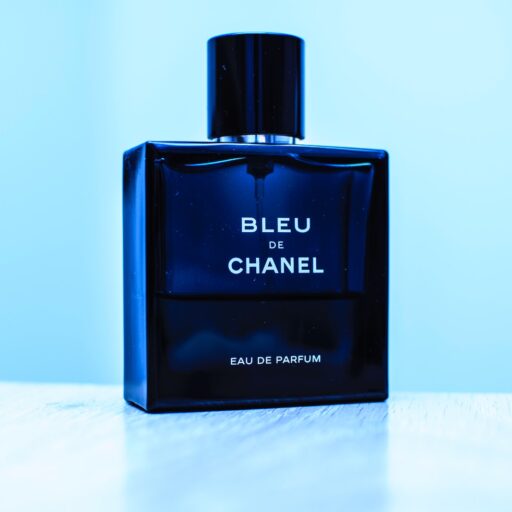
Chanel Fragrance is a major reference point in designer perfumery, with a range that spans iconic classics and newer creations.
Strengths: recognizable heritage and a broad portfolio.
Consider: classics can smell very different from contemporary releases; test the actual perfume you plan to wear.
7. Dior: couture heritage and fragrance innovation
Dior Fragrance offers everything from fresh, easy-to-wear profiles to more intense compositions. That breadth makes it useful for shoppers comparing styles within one well-known house.
Strengths: broad choice and strong retail availability.
Consider: popularity can mean you encounter a scent frequently, if uniqueness is your priority.
8. Guerlain: generations of perfume expertise
Guerlain is known for a long history in French perfumery and a varied fragrance portfolio.
Strengths: heritage, variety, and a strong connection to perfume craft.
Consider: investigate both classic and current collections; the house’s style is not limited to one scent family.
9. Byredo: modern minimalism and distinctive scents
Byredo pairs a contemporary visual identity with a broad fragrance portfolio. It can appeal to people who want a modern, design-conscious brand experience.
Strengths: modern presentation and easy-to-explore collections.
Consider: minimal packaging does not tell you how a fragrance will perform; sample it.
10. Le Labo: artisanal fragrance with urban character
Le Labo has built a following around its retail experience, personalization, and recognizable collection. The featured video describes its “slow perfumery” positioning, custom labels, and rustic, locally informed store design.
Strengths: distinctive retail experience, personalization, and a clear brand aesthetic.
Consider: storytelling and service are part of the appeal, but the scent should still earn its place on your shelf. The video’s account of the brand’s philosophy is useful context—not independent proof that every fragrance is superior.
11. Xerjoff: Italian luxury and expressive blends
Xerjoff is an Italian house with a high-luxury visual identity and varied fragrance collections.
Strengths: imaginative presentation and a wide range of profiles.
Consider: the house’s rich styling can tempt a blind buy; start with samples if you’re new to it.
12. Frederic Malle: perfumer-led fragrance editions
Editions de Parfums Frédéric Malle puts perfumers and their creative work at the center of its identity.
Strengths: a useful house to explore if you care about authorship and composition.
Consider: perfumer-led does not mean every release will suit your taste; test by fragrance, not by résumé.
13. Roja Parfums: extravagant British perfumery
Roja Parfums is associated with luxurious presentation and expressive compositions.
Strengths: strong sense of occasion and a polished luxury identity.
Consider: an extravagant presentation is not a shortcut to choosing the right scent; sample first.
14. Maison Crivelli: unexpected notes and sensory stories
Maison Crivelli is a strong choice for curious shoppers drawn to contrasts and less predictable scent concepts.
Strengths: imaginative ideas and distinctive storytelling.
Consider: unusual concepts can be exciting—or not your cup of tea. Test on skin before committing.
15. Floraïku: Japanese-inspired fragrance and ritual
Floraïku brings a poetic, design-led approach to fragrance, with visual and cultural references that form part of the experience.
Strengths: distinctive presentation and a clear creative point of view.
Consider: explore the scent itself independently of the story and bottle.
🛍️ New and Trending Luxury Perfumes
Trends are useful for discovering new styles, but a trending perfume is not automatically a good match for you. The fragrance industry is shaped by launches, retail availability, celebrity attention, social media, and shifting consumer preferences. We track broader developments in Perfume Brands™ fragrance industry news.
How to judge a fragrance trend beyond the hype
Use this quick filter before adding a new release to your wish list:
- Identify the scent family. Is it floral, woody, amber, fresh, gourmand, or a blend?
- Check the official notes as a guide, not a promise. Notes describe an idea; they do not fully predict how a perfume smells.
- Find multiple wear impressions. Retail reviews may help reveal patterns, but individual skin and expectations differ.
- Test it yourself. Wear it for several hours in conditions similar to your intended use.
- Decide whether you like the fragrance or the story. Ideally, both—but the fragrance has to do the heavy lifting.
Consumer reviews are most helpful when you read for repeated observations—for example, several reviewers describing a scent as very sweet or close-wearing. A single comment like “lasts forever” is subjective, not a lab result.
Extraits, intense releases, and limited editions
A word such as intense, elixir, or extrait can indicate a different formulation or positioning, but brand naming is not standardized across every house. Compare the official description and test both versions if possible.
Limited editions can be exciting, but their scarcity can also create buying pressure. Ask yourself:
- Would I want this if it were not limited?
- Have I tested it on skin?
- Does the brand offer a sample or smaller format?
- Am I buying the scent, the bottle, or the thrill of the countdown?
Popular luxury fragrance notes right now
Trends move, but these families remain useful to explore:
- Vanilla and gourmand accords: warm, sweet, dessert-like or softly creamy.
- Woods and amber accords: often warm, dry, resinous, or enveloping.
- Rose and other florals: can be fresh, powdery, green, spicy, or dark.
- Fresh citrus and aromatic notes: a common choice for daytime and warmer weather.
- Oud and incense styles: often rich and dramatic, but formulas vary widely.
For the clearest read, compare one fragrance from a familiar house with one from a newer or less familiar brand. Your nose may surprise you; the bottle you expected to love may be the one you leave behind.
🌿 Luxury Perfume Families, Notes, and Concentrations
Fragrance descriptions can sound like a menu written by an unusually poetic botanist. Learning a few basic terms makes shopping easier, but remember: notes are a map, not the territory.
Floral, woody, amber, fresh, and gourmand scents
| Family | Common impression | You may enjoy it if… |
|---|---|---|
| Floral | Petals, bouquets, green stems, or creamy flowers | You like rose, jasmine, orange blossom, or a softer powdery style |
| Woody | Dry, creamy, smoky, earthy, or polished woods | You prefer grounded, warm, or elegant scents |
| Amber | Warm, resinous, spicy, sweet, or balsamic effects | You want richness and a noticeable presence |
| Fresh | Citrus, aromatic herbs, aquatic effects, or clean woods | You want an easygoing daytime style |
| Gourmand | Sweet, edible, creamy, or dessert-like accords | You enjoy vanilla, tonka, cocoa, or sugary facets |
| Chypre-inspired | A structured contrast of fresh, floral, and mossy or woody effects | You enjoy a more tailored, classical style |
| Leather | Smooth, smoky, suede-like, or rugged impressions | You want a distinctive and often more assertive profile |
These are broad families, not strict boxes. A fragrance can start with citrus, move into rose, and finish with woods.
Understanding top, heart, and base notes
Perfume descriptions often divide a fragrance into three stages:
- Top notes: the first impression after application.
- Heart or middle notes: the central character as the fragrance develops.
- Base notes: the longer-lasting foundation or drydown.
This framework is useful, but real fragrances don’t change in perfectly separate chapters. Ingredients overlap, evaporate at different rates, and interact with skin and surroundings.
Our testing tip: smell the fragrance at application, again after about half an hour, and later in the day. The opening may charm you; the drydown is the roommate you actually live with.
Eau de Cologne, eau de toilette, eau de parfum, and extrait
These labels help distinguish product formats, but concentration alone does not predict quality, projection, or lasting power.
- Eau de Cologne: often used for lighter, refreshing compositions.
- Eau de Toilete: often a lighter or more diffusive format, depending on the formula.
- Eau de Parfum: often positioned as richer or more concentrated.
- Extrait or Parfum: typically presented as a more concentrated format.
Always compare the specific brand’s description and your own wear test. A luminous eau de toilette can outlast a heavy extrait one person; fragrance is annoyingly good at refusing to behave like a simple spreadsheet.
Oud, musk, iris, rose, vanilla, and other signature notes
- Oud: can smell woody, smoky, leathery, sweet, or resinous. No single profile represents every oud fragrance.
- Musk: a broad family of effects, often soft, clean, warm, or skin-like.
- Iris: may feel powdery, cool, earthy, or elegant.
- Rose: can range from fresh and dewy to spicy, jamy, or dark.
- Vanilla: may be creamy and soft, smoky, dry, or sugary.
- Incense: often brings smoky, resinous, or meditative qualities.
- Citrus: creates a bright opening, though the full perfume may become woody or floral afterward.
For ingredient and safety context, refer to IFRA’s consumer introduction to fragrance. Don’t assume an ingredient is safe or unsafe based only on whether it is natural.
👃 How to Find Your Signature Luxury Fragrance
The best luxury perfume is not the one that wins the loudest online debate. It is the one you reach for, enjoy wearing, and feel comfortable sharing space with.
Choose a scent family that feels like you
Start by thinking about what you already enjoy:
- Do you like fresh laundry, herbs, woods, or flowers?
- Do you prefer a subtle scent or a noticeable trail?
- Are sweet perfumes comforting—or exhausting after an hour?
- Do you gravitate toward classic, minimal, playful, or dramatic style?
Pick three scent families to explore rather than sampling an entire department store in one afternoon. Your nose can become fatigued, and the final bloter may start smelling like “everything, plus a department-store escalator.”
Match perfume to season, occasion, and setting
A fragrance does not need a strict seasonal assignment, but context helps:
- Office or close quarters: consider restrained application and less projecting styles.
- Warm weather: fresh, citrus, aromatic, or lighter-feling profiles may be comfortable.
- Cool weather: woods, amber, spices, and richer florals may feel especially satisfying.
- Evening or special occasions: choose a scent that makes you happy, not one that simply announces itself.
The American Academy of Dermatology’s fragrance guidance is worth reviewing if you have sensitive skin or are concerned about fragrance irritation.
Test fragrances on paper and skin
Here’s our step-by-step method:
- Spray a bloter strip and write the brand and fragrance name on it.
- Wait briefly, then smell from a little distance rather than pressing the strip against your nose.
- Choose no more than a few candidates to test on skin.
- Apply one fragrance per testing area so you can tell them apart.
- Let the scent develop before judging the opening.
- Check it later in the day, including after your skin has warmed.
- Ask yourself how you feel wearing it, not just whether it smells impressive in the air.
If you are sensitive to fragrance, avoid applying it to irritated or broken skin. Stop using a product if it causes a reaction and seek medical advice if symptoms persist.
Give a perfume time to develop
A counter test can be misleading because the fragrance has not had time to unfold. Wear a sample during a normal day. Notice:
- How the opening changes.
- Whether the fragrance stays comfortable.
- Whether you can still detect it later.
- Whether it attracts compliments—or, more importantly, whether you enjoy it.
- Whether it works in your climate and daily routine.
One of our perfumers once fell in love with a lush rose scent on paper, then found its warm, honeyed drydown too sweet after a few hours. The lesson? A fragrance’s best first five minutes are not the same as its best full-day performance.
Build a luxury fragrance wardrobe
You don’t need a shelf that looks like a fragrance museum. A useful small wardrobe might include:
- A daytime scent: easy and comfortable.
- A colder-weather scent: warmer or more enveloping.
- A special-occasion scent: expressive and memorable.
- A personal favorite: the one you wear simply because you love it.
You can also mix styles across price tiers and brand categories. Our Classic Scents collection can help you explore enduring profiles alongside newer releases.
Try samples and discovery sets before committing
Discovery sets reduce the risk of a blind buy and let you compare a house’s style. Check whether the brand offers:
- A credit toward a full bottle after sampling.
- A mix of scent families, not just near-identical variants.
- Clear vial sizes and storage instructions.
- Shipping or return terms that make sense for your location.
A sample is not a failure to commit. It is a very small insurance policy against owning a bottle you only admire from across the room.
💡 How to Buy Luxury Perfume Wisely
Luxury fragrance is widely available through brand boutiques, department stores, authorized online retailers, and resale marketplaces. They do not all offer the same reassurance, service, or return policies.
Compare bottle sizes, concentrations, and cost per milliliter
Before comparing formats, check:
- The bottle volume.
- The concentration or product type.
- Whether the listing is for a full-size bottle, travel spray, or refill.
- Whether the set includes the fragrance you want or related products.
- The product’s return and exchange terms.
A larger bottle is not better value if you dislike the scent halfway through it. Start with the format you can comfortably finish.
Find authorized retailers and verify authenticity
For the simplest route to authentic product, buy directly from the brand or a retailer listed by the brand. If using another seller, review the retailer’s reputation, contact details, sourcing claims, and return policy.
Some retailers, including LuxuryPerfume.com, describe their selection as authentic and emphasize breadth across designer and niche collections. That is a retailer’s own claim; it is not independent verification. Compare it with the brand’s authorized-retailer information and the seller’s terms before buying.
Spot counterfeit perfumes and misleading listings
No single clue proves a fragrance is counterfeit, but warning signs include:
- An unusually low price with no clear explanation.
- A listing that uses stock photos but avoids showing the actual item.
- Misspeled brand names or inconsistent packaging details.
- A seller with little history or no clear return process.
- Claims such as “tester,” “unboxed,” or “factory direct” without credible details.
- A fragrance that smells substantially different from a sample or known authentic bottle.
Batch codes can be copied, so they are not a complete authenticity test. When uncertain, contact the brand or buy through a trusted retailer.
Check return policies before buying online
Fragrance return rules can vary because products contain alcohol and retailers may restrict returns once opened. Read the policy before checking out:
- Can opened perfume be returned?
- Is return shipping covered?
- Does the retailer accept returns from your location?
- Are discovery sets or gift sets final sale?
- What proof of purchase is required?
Online reviews can flag service problems, but read them in context. A cluster of recent, specific complaints about delivery or authenticity deserves more attention than one vague review written years ago.
Choose between a full bottle, travel spray, or sample
| Format | Advantages | Trade-offs |
|---|---|---|
| Sample | Low-commitment wear testing | Small quantity; availability may be limited |
| Travel spray | Portable and useful for regular wear | May cost more per unit of fragrance |
| Full bottle | Convenient if it becomes a favorite | More commitment and storage responsibility |
| Discovery set | Lets you compare several scents | Not every included fragrance may suit you |
| Refill | Can reduce packaging waste when supported | Must match the specific bottle and refill system |
Make the most of discovery sets, refills, and gift services
A well-designed discovery set should help you explore, not merely provide miniature decorations. Check the number of scents, variety, volume, and whether the set’s value can be applied toward a later purchase.
Refill systems vary. Confirm that the exact fragrance and bottle format are refillable in your market. For gifting, ask whether the recipient can exchange the scent and whether the package includes a gift receipt.
💸 Luxury Perfume Value: What Are You Paying For?
Luxury perfume costs can reflect many things: formula development, ingredients, bottle design, marketing, retail, distribution, brand heritage, and the experience of buying. A high price does not prove that a perfume is better for your nose.
Why do luxury fragrances cost more?
Common cost drivers include:
- Development and evaluation: many revisions may go into a finished formula.
- Materials and sourcing: ingredients can vary in cost and availability.
- Packaging: heavy glass, custom caps, and decorative boxes add expense.
- Brand and retail investment: campaigns, boutiques, service, and distribution all matter.
- Exclusivity and positioning: a brand may charge for its identity as well as the liquid.
Retail claims also need context. For example, LuxuryPerfume.com’s brand page promotes a broad catalogue and makes claims about authenticity and savings. Those are the retailer’s own statements, not a neutral comparison of product quality or value.
Does a higher price mean better performance?
No. A luxury fragrance can beautifully composed but quiet; a less expensive perfume can project strongly. Performance depends on the formula, individual perception, environment, application, and sometimes simple nose fatigue.
Use your wear test as the deciding evidence. If you stop noticing a fragrance, someone nearby may still detect it. Smell from a short distance or ask a trusted person rather than repeatedly spraying more.
When a luxury perfume is worth the investment
A perfume may be worth buying when:
- You have worn it across several hours and still love it.
- It suits your routine and climate.
- You value its composition, service, or presentation.
- You expect to use the bottle regularly.
- You can afford it without turning fragrance into a financial stressor.
How to shop luxury fragrance without overspending
- Test samples before buying full bottles.
- Compare smaller formats and travel sprays.
- Look for discovery sets from the brand.
- Check refill availability if you plan to repurchase.
- Buy from reputable retailers with clear return policies.
- Avoid urgency-driven purchases based only on limited-edition messaging.
A good fragrance should add pleasure, not a new monthly budget meeting.
⏳ Make Your Luxury Fragrance Last Longer
A fragrance’s wear depends on more than the bottle’s label. Hydration, climate, skin chemistry, application, and the scent’s structure all play a role.
Apply perfume to skin, hair, and clothing safely
For skin application:
- Apply to clean, dry skin.
- Try pulse points, such as the wrists or neck, if comfortable.
- Avoid rubbing the skin together; it can change how the fragrance develops.
- Start with a small amount and add only if needed.
For clothing, test on an inconspicuous area first. Fragrance may stain delicate fabrics, and some materials can hold scent for a long time. Be cautious with hair: alcohol-based fragrance can be drying, so avoid frequent direct application. A product designed for hair is a better choice.
The American Academy of Dermatology offers useful advice about fragrance and skin sensitivity.
Moisturizing, layering, and fragrance pairing
Moisturized skin may help make a fragrance feel more noticeable for some people, but results vary. Try an unscented moisturizer before perfume, then assess the difference.
Layering works best when you keep the combination simple:
- Pair fragrance with an unscented body lotion.
- Use the brand’s matching body product if you already know you enjoy it.
- Combine compatible scent families—such as citrus with woods—when experimenting.
- Test combinations separately before wearing them out.
Avoid stacking several strong scents on top of each other. That can turn a graceful trail into a full orchestra warming up in the same hallway.
Store perfume to protect its quality
Store fragrance:
- Away from direct sunlight.
- In a cool, stable environment.
- Away from heat and humidity.
- With the cap secured.
- In its original box if you prefer extra protection.
Bathrooms are convenient but often fluctuate in temperature and humidity. A bedroom drawer or closet is generally a steadier choice.
Why your fragrance smells different on your skin
Fragrance perception can shift with skin, temperature, humidity, other products, and personal sensitivity. Skin is only part of the story: your surroundings and your own sense of smell also influence what you notice.
If a scent smells different from a bloter:
- Give it time to develop.
- Test it on another day.
- Avoid comparing several fragrances at once.
- Check whether you applied lotion or another scented product.
- Consider asking someone else to smell it from a respectful distance.
🎁 Luxury Fragrance Gifts and Special Occasions
Perfume is a personal gift, which makes it lovely—and slightly risky. If you don’t know the recipient’s taste, a discovery set or exchangeable gift is often kinder than guessing their signature scent.
How to choose perfume as a gift
Use the recipient’s existing preferences:
- What fragrances do they already wear?
- Do they prefer fresh, floral, woody, sweet, or warm scents?
- Do they like bold projection or a subtle scent?
- Are there known sensitivities or ingredient concerns?
- Would they appreciate a classic, a discovery set, or a niche surprise?
When in doubt, choose a discovery kit from a house they already enjoy, or give a gift card for an in-person consultation.
Best luxury fragrance gift sets and discovery kits
Look for sets with:
- Several genuinely different scent profiles.
- Clear descriptions and sizes.
- A practical pouch or travel spray.
- A transparent exchange or redemption policy.
- Packaging the recipient can reuse.
A set from Maison Francis Kurkdjian, Le Labo, or another house the recipient already likes can be a thoughtful way to make exploration part of the gift.
Personalization, engraving, and bespoke fragrance
Personalized labels and engraving make gifts feel special, but they are not the same as a bespoke perfume. Confirm spelling, turnaround time, and whether personalization changes the return policy.
For bespoke services, ask what the consultation includes and whether the recipient can test the proposed composition before it is finalized. A custom scent is most successful when the process includes the wearer’s preferences—not just a dramatic reveal.
❓ Luxury Fragrance Brands: Frequently Asked Questions
What are the most popular luxury fragrance brands?
Well-known luxury fragrance names include Chanel, Dior, Guerlain, Cred, Tom Ford, Maison Francis Kurkdjian, Le Labo, and Amouage. “Popular” varies by market, retailer, release, and shopper; it is not a quality ranking. For a useful shortlist, choose by scent family and sample before buying.
Which luxury perfume brands are known for long-lasting scents?
People often explore richer styles from houses such as Amouage, Parfums de Marly, Tom Ford, and Cred when seeking a noticeable fragrance. But no brand guarantees the same longevity for every wearer. A fragrance’s specific formula, skin, climate, and application matter more than the logo. Test the exact perfume for a full day before deciding.
What is the best luxury fragrance brand for everyday wear?
There is no single best choice. For polished everyday options, explore the range at Chanel, Dior, Maison Francis Kurkdjian, and Byredo. Choose based on comfort, setting, and how much projection you want. For work or close quarters, a softer application may matter more than selecting a specific “office perfume.”
Are niche fragrance brands better than designer perfume brands?
No. Niche brands may offer a more focused creative identity or less familiar scent concepts, while designer houses often provide broad collections and easy access. Neither label guarantees better ingredients, originality, performance, or value. Compare the individual fragrance, not the category. A designer perfume you love is a better choice than a niche one you merely find interesting.
How should I test a luxury perfume before buying it?
Try it on a bloter first, then apply one or two finalists to skin. Smell the opening and revisit it later in the day. A discovery set is ideal if you want to compare several scents at home. Avoid judging a fragrance only from the first few minutes or after smelling dozens of samples at once.
Is buying luxury perfume online safe?
It can be, especially when buying directly from a brand or a retailer the brand recognizes. Check seller history, product details, customer service, shipping, and return policies. Be cautious of listings that offer an unexplained bargain, use unclear product photos, or make authenticity claims without evidence. A batch code alone cannot prove a bottle is authentic.
Does an extrait always last longer than eau de parfum?
No. Extrait often refers to a higher-concentration format, but performance depends on the formula and wearer. A denser perfume may wear closer to the skin rather than project farther, and a lighter style may last longer than expected. Test both versions if a house offers them.
Can luxury fragrance irritate sensitive skin?
Yes. A luxury label does not rule out irritation or sensitivity. If you have a history of reactions, test cautiously on a small area, avoid applying fragrance to irritated skin, and stop use if a reaction occurs. The American Academy of Dermatology’s fragrance guidance offers practical advice; consult a healthcare professional if symptoms are severe or persistent.
How should I store an expensive perfume?
Keep it in a cool, dry place away from direct sunlight and temperature swings. Secure the cap and avoid storing it in a steamy bathroom. You can use the original box for added protection. Good storage helps preserve the fragrance, though it cannot make a bottle last forever.
What is the best luxury perfume gift if I don’t know their taste?
Choose a discovery set, a gift card for a fragrance consultation, or a set from a brand the person already wears. If you select a full bottle, check the exchange policy and avoid guessing based only on age, gender, or a popular list. Fragrance preference is personal; that is part of its charm and the reason a sample set is such a good gift.
🔗 Recommended Links
Explore official collections, then sample before choosing a full bottle. Retail stock and authorized sellers vary by location.
- Cred: Cred Official Website | Amazon search
- Parfums de Marly: Parfums de Marly Official Website | Amazon search
- Tom Ford: Tom Ford Beauty Official Website | Amazon search
- Amouage: Amouage Official Website | Amazon search
- Maison Francis Kurkdjian: Official Website | Amazon search
- Chanel: Chanel Official Website | Amazon search
- Dior: Dior Official Website | Amazon search
- Guerlain: Guerlain Official Website | Amazon search
- Byredo: Byredo Official Website | Amazon search
- Le Labo: Le Labo Official Website | Amazon search
- Xerjoff: Xerjoff Official Website | Amazon search
- Frederic Malle: Official Website | Amazon search
- Roja Parfums: Official Website | Amazon search
- Maison Crivelli: Official Website | Amazon search
- Floraïku: Official Website | Amazon search
- XINÚ: XINÚ Official Website | Amazon search
For more brand coverage, visit Luxury Brands, Fragrance Reviews, Men’s Perfumes, Classic Scents, and Fragrance Industry News.
Further reading
- The Perfect Scent: A Year Inside the Perfume Industry by Chandler Burr
- Perfume: The Alchemy of Scent by Jean-Claude Ellena
- The Secret of Scent by Luca Turin
📚 Reference Links
- International Fragrance Association (IFRA): Safe Use and Introduction to Fragrance — fragrance safety context and consumer information.
- American Academy of Dermatology: Fragrance and Skin Care — practical guidance for people concerned about fragrance and skin sensitivity.
- UNESCO: Knowledge and Practices Related to the Perfume Plant in Grasse — cultural heritage and perfume-related knowledge in Grasse.
- The Estée Lauder Companies: Strategic Minority Investment in XINÚ — company announcement about its investment and its stated rationale.
- XINÚ Official Website — the brand’s own presentation of its fragrances, design, and identity.
- The Estée Lauder Companies: Brand Portfolio — company information on its fragrance and beauty brands.
- Le Labo Official Website — current products and brand information.
- Perfume Brands™: What Are Perfume Brands Called? — an introduction to fragrance-house terminology.
- LuxuryPerfume.com: All Brands — retailer catalogue and retailer-authored claims about its selection.
- Fragrance Lord: Top Luxury Perfume Brands — retailer-led product listings; useful for seeing how shopping pages present fragrance, but not a detailed independent brand comparison.