Support our educational content for free when you purchase through links on our site. Learn more
25 Popular Perfume Houses That Shape Fragrance 🌸

The popular perfume houses worth knowing range from storied designers like Chanel and Dior to niche favorites such as Diptyque, Le Labo, and Amouage. Our advice: start with the scent style you love, then sample a few houses—because a famous bottle is no match for a fragrance that feels like you.
We’ve watched plenty of shoppers arrive with one bestseller in mind and leave captivated by an unexpected sample. That’s the fun of perfume: the right house might be a household name, or the one whose dry-down makes you stop mid-sentence and sniff your wrist again.
Key Takeaways
- Explore beyond the bestsellers: Designer, niche, heritage, and indie perfume houses offer very different styles.
- Choose by scent, not status: Start with notes and fragrance families you enjoy; popularity alone doesn’t predict a personal favorite.
- Sample before buying: Test on skin and give the fragrance time to develop.
- Compare thoughtfully: Concentration, longevity, and projection vary by scent and wearer—there are no guarantees based on labels alone.
- Treat reviews as perspectives: Brand sites verify product details; individual reviews help you discover how a fragrance might wear.
Table of Contents
- ⚡️ Quick Tips and Facts
- 🏛️ What Makes a Perfume House Popular?
- 📜 A Brief History of the World’s Most Influential Perfume Houses
- 🌟 25 Popular Perfume Houses Worth Knowing
- 1. Chanel
- 2. Dior
- 3. Guerlain
- 4. Hermès
- 5. Yves Saint Laurent
- 6. Giorgio Armani
- 7. Prada
- 8. Gucci
- 9. Jean Paul Gaultier
- 10. Givenchy
- 11. Lancôme
- 12. Estée Lauder
- 13. Tom Ford
- 14. Jo Malone London
- 15. Maison Francis Kurkdjian
- 16. Byredo
- 17. Le Labo
- 18. Diptyque
- 19. Creed
- 20. Amouage
- 21. Maison Margiela Fragrances
- 22. Viktor&Rolf
- 23. Mugler
- 24. Marc Jacobs
- 25. Dolce&Gabbana
- 🧭 Designer, Niche, Luxury, and Celebrity Perfume Brands Compared
- 🌸 Signature Scents and Bestselling Fragrances by House
- 🪵 How Perfume Houses Develop a Distinctive Fragrance Style
- Popular fragrance families and scent notes
- Perfumer, ingredients, and bottle design
- 🛍️ How to Choose a Perfume House That Suits You
- Find your preferred scent family
- Match a fragrance to the occasion and season
- Understand concentration, longevity, and projection
- 🧪 How to Sample Perfume Before You Buy
- 🔎 How to Research Perfume Brands and Fragrance Reviews
- ✅ Quick Tips for Buying Perfume from Popular Houses
- ❓ Frequently Asked Questions About Popular Perfume Houses
- 🏁 Conclusion
- 🔗 Recommended Links
- ❔ FAQ
- 📚 Reference Links
⚡️ Quick Tips and Facts
Perfume houses are fragrance brands or fragrance divisions with their own identity, creative direction, and scent collections. If you’ve ever wondered what perfume brands are called, “perfume house” is one common term—though it can describe everything from a heritage fashion label to an independent perfumer-led studio.
| At a glance | What to know |
|---|---|
| Popular doesn’t mean universally loved | Familiarity, availability, marketing, and a recognizable signature all contribute to a house’s popularity. |
| Designer houses | Often offer widely distributed fragrances alongside fashion and beauty, as with Chanel and Dior. |
| Niche houses | Tend to focus more specifically on perfumery and a distinctive creative identity. The line between niche and designer can be blurry. |
| Try before committing | Fragrance changes on skin over time. Test a sample, then give the opening, heart, and dry-down a chance to show up. |
| A famous scent isn’t automatically your scent | A bestseller is a useful place to start, not a commandment from the fragrance gods. |
| Start with notes you already enjoy | Citrus, woods, florals, spices, and gourmand notes are useful clues when choosing a house or perfume. |
Our practical rule: sample the fragrance, not the reputation. That advice gets especially useful when a house has a scent famous enough to walk into a room before you do.
🏛️ What Makes a Perfume House Popular?
A popular perfume house is more than a logo on a bottle. It has a recognizable point of view, fragrances people can find and talk about, and usually at least one scent that becomes shorthand for the brand.
Popularity can come from several places:
- A memorable signature: Chanel No. 5, Guerlain Shalimar, and Dior Sauvage each occupy a distinct place in fragrance culture.
- A strong fragrance portfolio: Some houses have a few famous pillars; others invite you to explore a large range of scent styles.
- A consistent identity: Bottle design, storytelling, ingredients, perfumer collaborations, and retail experience all contribute.
- Accessibility and distribution: A scent that is stocked broadly is easier to sample and recognize than one available only through a small boutique.
- Word of mouth: Reviews, collector communities, and personal recommendations can help niche houses reach new audiences.
The labels designer, niche, luxury, and indie are useful, but they aren’t rigid scientific categories. A fashion house can create a highly artistic fragrance, while a niche brand can make an easy-to-wear crowd-pleaser. If you’re comparing the different corners of the market, browse our guides to luxury fragrance brands and fragrance reviews.
📜 A Brief History of the World’s Most Influential Perfume Houses
Perfume houses have grown alongside fashion, trade, chemistry, and changing ideas about personal style. Historic French houses such as Guerlain helped establish a lasting tradition of perfumery, while later fashion brands made fragrance a familiar way for people to engage with a designer’s aesthetic.
In the 20th century, iconic releases helped turn certain houses into household names. Chanel introduced Chanel No. 5 in 1921, and Dior launched Miss Dior in 1947. Their influence is not just about longevity: both fragrances became linked with the broader identities of their fashion houses. Chanel’s official No. 5 history and Dior’s Miss Dior collection offer brand perspectives on those enduring names.
Later, fragrance culture broadened. Specialist and niche houses—including Diptyque, Le Labo, and Maison Francis Kurkdjian—built followings around a more focused perfumery identity. Independent brands expanded the landscape further, often with small batches, unconventional scent concepts, or direct relationships with customers.
That history is still unfolding. The result is a fragrance market where heritage, fashion, niche perfumery, and independent creativity sit side by side—and where the best discovery might come from a century-old classic or a tiny studio you haven’t heard of yet.
🌟 25 Popular Perfume Houses Worth Knowing
The houses below are a starting map, not a universal ranking. We’ve included heritage names, designer labels, luxury specialists, and niche houses because “popular” can mean bestselling, culturally influential, widely available, or beloved by fragrance enthusiasts.
1. Chanel
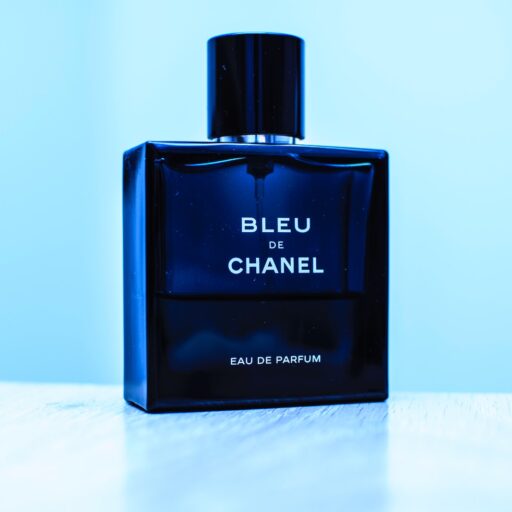
A fashion house with an influential fragrance legacy, Chanel ranges from polished aldehydic florals to modern woods and fresh compositions. Chanel No. 5 is the landmark; Coco Mademoiselle and Bleu de Chanel show how the house speaks to different moods and audiences.
Good starting points: Chanel No. 5 for a historic floral-aldehydic profile; Coco Mademoiselle for a bright, polished modern style; Bleu de Chanel for a versatile woody aromatic.
Consider: Chanel’s most famous fragrances can feel formal or familiar to some noses. Test them on skin before deciding which side of that coin you’re on.
2. Dior
Dior spans couture-inspired florals, warm ambers, fresh masculines, and statement-making releases. Miss Dior, J’adore, and Sauvage are among its best-known fragrance names.
Good starting points: J’adore for a luminous floral impression; Miss Dior for a romantic, modern direction; Dior Homme or Sauvage for contrasting masculine-leaning styles. Explore more options in our men’s perfume guides.
Consider: The house’s range is broad, so don’t assume every Dior fragrance shares the same character.
3. Guerlain
One of perfumery’s historic houses, Guerlain is associated with both landmark classics and contemporary collections. Shalimar is a signature name, while Mitsouko and L’Heure Bleue attract enthusiasts who enjoy expressive, layered fragrances.
Good starting points: Shalimar for a richly textured classic; Aqua Allegoria for a lighter, nature-inspired direction.
Consider: Some heritage fragrances have a more traditional style than today’s minimalist releases. That’s part of their charm—and sometimes part of the learning curve.
4. Hermès
Hermès brings a refined, often nature-focused perspective to fragrance. Tere d’Hermès is a celebrated earthy, mineral-tinged woody scent; Un Jardin sur le Nil offers a greener, brighter garden impression.
Good starting points: Terre d’Hermès for dry woods and citrus; the Un Jardin collection for airy, place-inspired compositions.
Consider: Hermès often favors elegant restraint over sugar-heavy sweetness. If you like a scent that stays composed rather than shouting across the room, it’s worth sampling.
5. Yves Saint Laurent
Yves Saint Laurent Beauté is known for bold, contemporary fragrances with confident styling. Black Opium, Libre, and Y are popular entry points across different scent profiles.
Good starting points: Libre for aromatic florals; Black Opium for a warm, sweet direction; Y for a fresh woody style.
Consider: Some releases are strong and sweet. Try a measured application first, especially if you prefer subtle projection.
6. Giorgio Armani
Giorgio Armani offers accessible modern fragrances and more premium collections. Acqua di Giò is a long-running fresh-fragrance name, while My Way and Sì lean into polished florals and warm fruit.
Good starting points: Acqua di Giò for a fresh aquatic style; My Way for a bright floral; Armani Privé for a more elevated fragrance wardrobe.
Consider: The broad lineup includes both easy daily options and more distinctive scents, so look beyond the best-known bottle.
7. Prada
Prada often pairs familiar fragrance structures with an unexpected twist. Infusion d’Iris is a notable iris-centered release, while Paradoxe offers a more contemporary floral profile.
Good starting points: Infusion d’Iris for a clean, powdery elegance; Luna Rossa for fresh aromatic styles; Paradoxe for a modern floral.
Consider: Prada’s appeal often lies in subtle details rather than a huge, instantly obvious effect. Give the dry-down time to speak.
8. Gucci
Gucci has explored both bold, expressive scents and sleek modern releases. Bloom is a recognizable white-floral collection, while Gucci Guilty and Gucci Flora offer distinct interpretations of the house’s style.
Good starting points: Bloom for a floral-forward profile; Gucci Guilty for a confident, contemporary direction.
Consider: Collections can vary noticeably in mood, so sample individual fragrances instead of buying based on the house name alone.
9. Jean Paul Gaultier
Jean Paul Gaultier is known for theatrical presentation and fragrances with strong personalities. Le Male and Classique are established signatures, while Scandal brings a sweeter, more modern style.
Good starting points: Le Male for aromatic warmth; Classique for a bold floral-oriental direction; Scandal for a sweeter statement scent.
Consider: The striking bottles are part of the fun, but the fragrance itself may be equally attention-grabbing. Sample before wearing it into a small meeting room.
10. Givenchy
Givenchy balances fashion-house polish with a varied fragrance catalog. L’Interdit, Gentleman, and Iresistible are among its recognizable lines.
Good starting points: L’Interdit for a floral with darker facets; Gentleman for warm, tailored styles; Iresistible for a bright, fruity-floral impression.
Consider: Its collections offer markedly different personalities, making Givenchy a good house to explore by scent family rather than by gender label.
11. Lancôme
Lancôme is associated with elegant, approachable fragrances. La Vie Est Belle is a familiar gourmand-leaning bestseller, while Idôle presents a brighter, modern floral style.
Good starting points: Idôle for a streamlined floral profile; Trésor for a romantic classic; La Vie Est Belle for warm sweetness.
Consider: If you’re sensitive to sweet fragrances, try La Vie Est Belle lightly and wear it for a few hours before deciding.
12. Estée Lauder
Estée Lauder offers contemporary releases alongside influential classics. Beautiful, Pleasures, and Knowing illustrate different chapters in the house’s fragrance story.
Good starting points: Pleasures for a bright floral; Beautiful for a fuller bouquet; modern collections for a lighter everyday option.
Consider: Older classics may read differently from current mainstream trends. That makes them especially interesting to sample, even if they aren’t instant loves.
13. Tom Ford
Tom Ford Beauty is associated with bold, polished fragrances and a glamorous visual identity. Black Orchid, Oud Wood, and Tobacco Vanille are popular references in the collection.
Good starting points: Black Orchid for dark florals; Oud Wood for smooth woods; Neroli Portofino for a brighter citrus-aromatic style.
Consider: Many Tom Ford scents are distinctive enough to divide opinion. That’s a reason to sample—not a reason to dismiss them.
14. Jo Malone London
Jo Malone London is known for clearly presented fragrance notes, a gift-friendly identity, and scent-pairing suggestions. English Pear & Fresia, Wood Sage & Sea Salt, and Blackberry & Bay are familiar favorites.
One niche-fragrance guide describes Jo Malone as a welcoming crossover house, highlighting its wearable style and ingredient-led naming. It also singles out Mimosa & Cardamom and Blackberry & Bay as personal favorites. That’s a useful perspective, though personal taste is not a sales chart.
Good starting points: English Pear & Fresia for fruity florals; Wood Sage & Sea Salt for a breezy, mineral-wody profile; Blackberry & Bay for tart fruit and greenery.
Consider: Wear time can vary by fragrance and skin. The house’s layering approach gives you room to experiment, but don’t layer just because a product card says you can.
15. Maison Francis Kurkdjian
Maison Francis Kurkdjian is a luxury fragrance house founded by perfumer Francis Kurkdjian and Marc Chaya. Baccarat Rouge 540, Aqua Universalis, and Gentle Fluidity are among its best-known releases.
Good starting points: Aqua Universalis for a luminous, fresh style; Gentle Fluidity for an elegant wardrobe option; sample Baccarat Rouge 540 to see how its distinctive character works on your skin.
Consider: A fragrance’s popularity can make it seem familiar before you try it. Focus on your own response, not the volume of online conversation.
16. Byredo
Swedish house Byredo is known for a modern visual identity and fragrances that often feel personal, abstract, or unexpected. Gypsy Water, Blanche, Bal d’Afrique, and Mojave Ghost are common starting points.
A fragrance writer’s personal take in Life in a Cold Climate praises the house’s occasional brilliance while questioning whether every release justifies its reputation. The article highlights Pulp, Flowerhead, and Gypsy Water. That candid view is a good reminder that brand admiration and individual value judgments are not the same thing.
Good starting points: Bal d’Afrique for a bright, warm style; Blanche for clean musks; sample Pulp if you enjoy unusual fruit.
Consider: Byredo’s pared-back presentation may appeal to you—or feel more minimalist than you want. Let the fragrance decide.
17. Le Labo
Le Labo pairs a laboratory-inspired visual style with fragrances named after prominent notes and formulas. Santal 33, Another 13, and Rose 31 are among the house’s best-known scents.
The Life in a Cold Climate guide describes the branding and in-store blending ritual as divisive, while still recommending the fragrances themselves. Its writer calls Patchouli 24 a smoky, edgy leather scent despite its name. That mismatch between label and smell is precisely why skin testing matters.
Good starting points: Santal 33 for dry woods; Rose 31 for a spicy rose; Another 13 for a musky, modern style.
Consider: A well-known scent may be recognizable on other people. If you want something less familiar, sample less-discussed releases from the collection.
18. Diptyque
Parisian house Diptyque creates perfumes, candles, and home-fragrance products with a strong visual and creative identity. Philosykos, Tam Dao, and L’Ombre dans l’Eau are frequent favorites.
The niche-house guide describes Philosykos as a standout fig scent and Tam Dao as a notable sandalwood. Its author also praises the vivid green impression of L’Ombre dans l’Eau. These are personal evaluations rather than formal awards, but they offer useful scent directions to sample.
Good starting points: Philosykos for green fig; Tam Dao for serene woods; Eau Rose for a fresh take on rose.
Consider: Diptyque’s name recognition extends to candles, but a scent that works beautifully in a room may feel different on skin.
19. Creed
Cred is a luxury fragrance house associated with classic styling and a broad collection. Aventus, Green Irish Twed, and Silver Mountain Water are among its widely recognized releases.
Good starting points: Green Irish Twed for a green aromatic style; Silver Mountain Water for a crisp, cool impression; sample Aventus if you want to understand one of the house’s most discussed fragrances.
Consider: Online fragrance communities can produce strong opinions about Creed’s performance and value. Experiences differ by skin, batch, and expectations, so test a current sample and rely on what you smell.
20. Amouage
Omani house Amouage is known for richly composed fragrances and an expressive luxury identity. Interlude, Reflection, Jubilation, and Guidance are often explored by enthusiasts seeking complex, high-character scents.
Good starting points: Reflection for a smoother floral-wody direction; Interlude for a bold, resinous style; sample generously before choosing a full bottle.
Consider: Amouage can reward patient exploration, but some releases may feel too dense or assertive for everyday wear. Start with a small sample and a light hand.
21. Maison Margiela Fragrances
Maison Margiela Replica builds fragrances around evocative settings and memories, such as a coffee shop, a beach, or a fireplace. By the Fireplace, Lazy Sunday Morning, and Jazz Club are among the best-known releases.
Good starting points: Lazy Sunday Morning for a soft, clean impression; Jazz Club for warm woods and tobacco-like facets; By the Fireplace for smoky sweetness.
Consider: The memory-based concept is a great conversation starter, but your interpretation may differ from the brand’s story. The best “replica” is the one that sparks your own memory.
22. Viktor&Rolf
Viktor&Rolf is known for dramatic fashion and high-impact fragrance design. Flowerbomb is a major floral gourmand name; Spicebomb delivers a warmer, spicier direction.
Good starting points: Flowerbomb for lush sweetness; Spicebomb for spicy woods; sample flankers carefully because small formula changes can create a noticeably different mood.
Consider: These fragrances can make a strong entrance. If you prefer a quieter scent trail, try one spray first.
23. Mugler
Mugler has a reputation for bold, distinctive perfumes. Angel helped popularize a striking gourmand style, while Alien is known for an expressive floral-amber character.
Good starting points: Alien for a powerful jasmine-centered profile; Angel for a complex gourmand direction.
Consider: Mugler fragrances often inspire devoted fans and equally strong “not for me” reactions. That split is part of their identity; don’t blind-buy based on their cult status.
24. Marc Jacobs
Marc Jacobs Fragrances offers playful styling and approachable fragrance collections. Daisy is the house’s best-known name, with variations that explore different floral, fruity, and fresh moods.
Good starting points: Daisy for a bright, youthful floral; test flankers individually because each one changes the balance.
Consider: The packaging is charming, but it should not have the final vote. Smell the juice, not just the bottle.
25. Dolce&Gabbana
Dolce&Gabbana spans Mediterranean-inspired freshness, sensual florals, and popular masculine fragrances. Light Blue, The One, and K by Dolce&Gabbana are useful entry points.
Good starting points: Light Blue for a breezy citrus style; The One for a warmer, evening-ready mood; K for a contemporary aromatic direction.
Consider: The Light Blue name covers multiple releases and flankers. Check the exact version before you sample or buy.
🧭 Designer, Niche, Luxury, and Celebrity Perfume Brands Compared
These terms describe different aspects of a fragrance business, and they can overlap. A “luxury” fragrance may be designer or niche; a niche house may become widely recognized; and celebrity fragrances can be made with major fragrance companies and professional perfumers.
| Fragrance category | Typical focus | Examples | Best for |
|---|---|---|---|
| Designer | Fragrance connected to a fashion or beauty label, often with broad distribution | Chanel, Dior, Prada, Gucci | Easy sampling and a wide range of styles |
| Niche | A more specialized fragrance identity, often with perfumery as the central focus | Diptyque, Le Labo, Byredo, Amouage | Exploring distinctive concepts or less conventional profiles |
| Luxury | Premium positioning, materials, presentation, or retail experience; overlaps with other categories | Creed, Tom Ford, Maison Francis Kurkdjian | Those seeking elevated presentation and a more curated experience |
| Indie | Independent ownership or creative operation; scale and style vary widely | Solstice Scents, Black Phoenix Alchemy Lab | Small-batch creativity and unusual themes |
| Celebrity | Fragrance associated with a celebrity or public figure | Varies by licensing and release | Familiar branding and accessible discovery |
A useful caveat: “Niche” is often used loosely. One perfume writer defines niche in practical terms as brands not commonly found in an average department store, while also explaining that the list is meant as a starting point—not an official ranking. That’s a helpful shopping lens, but availability changes by country and retailer.
For a wider look at brand positioning, see our luxury brands section and fragrance industry coverage.
🌸 Signature Scents and Bestselling Fragrances by House
A signature scent is a fragrance people strongly associate with a house. It may be a bestseller, a cultural landmark, or simply an enthusiast favorite. These examples are starting points, not a definitive sales ranking.
| Perfume house | Familiar fragrance to sample | Broad scent direction |
|---|---|---|
| Chanel | Chanel No. 5 | Aldehydic floral |
| Dior | Sauvage | Fresh aromatic |
| Guerlain | Shalimar | Warm, richly textured classic |
| Hermès | Terre d’Hermès | Citrus, mineral, and woods |
| Yves Saint Laurent | Libre | Aromatic floral |
| Jo Malone London | English Pear & Fresia | Fruity floral |
| Maison Francis Kurkdjian | Baccarat Rouge 540 | Amber-wody |
| Byredo | Gypsy Water | Woody, aromatic, and soft |
| Le Labo | Santal 33 | Dry woods |
| Diptyque | Philosykos | Green fig |
| Maison Margiela Replica | By the Fireplace | Smoky, sweet woods |
| Mugler | Angel | Gourmand |
How to use this list
- Choose a scent direction, not just a famous name.
- Read the official note description from the brand, then treat it as a guide rather than a guarantee.
- Sample on skin and check it again after a few hours.
- Compare similar styles across houses. For example, a crisp citrus from Hermès may feel very different from a bright fresh fragrance by Jo Malone London.
- Check the exact version. Flankers and reformulations can smell noticeably different from the original release.
Our first impression is often the opening. Our lasting opinion usually comes after the dry-down—when the fragrance has had time to stop making introductions and start telling its story.
🪵 How Perfume Houses Develop a Distinctive Fragrance Style
A house style can come from recurring ingredients, the perfumer’s approach, the brand’s creative direction, or even the moods its bottles and campaigns evoke. It isn’t always one recognizable note. Sometimes it’s a preference for clean lines; sometimes it’s a fondness for dense, dramatic compositions.
Popular fragrance families and scent notes
| Fragrance family | Common impressions | Houses or fragrances to explore |
|---|---|---|
| Citrus | Bright, sparkling, refreshing | Hermès Eau d’Orange Verte; Jo Malone London citrus styles |
| Floral | Petal-like, powdery, lush, or green | Dior J’adore; Diptyque Eau Rose |
| Wody | Dry, creamy, earthy, or smoky | Le Labo Santal 33; Hermès Terre d’Hermès |
| Amber and resinous | Warm, rich, balsamic, or enveloping | Guerlain Shalimar; Amouage Interlude |
| Gourmand | Vanilla, sweet woods, dessert-like accords | Mugler Angel; Maison Margiela By the Fireplace |
| Green and aromatic | Leaves, herbs, stems, or cool freshness | Chanel No. 19; Diptyque L’Ombre dans l’Eau |
| Aquatic and fresh | Breezy, clean, watery, or mineral | Giorgio Armani Acqua di Giò; Maison Francis Kurkdjian Aqua Universalis |
Perfume terminology can be poetic, and note lists don’t always capture the whole experience. An accord may smell different from the sum of its named ingredients, while skin, application, and context influence how you experience a fragrance.
Perfumer, ingredients, and bottle design
The finished perfume reflects many creative decisions: the brief, the perfumer’s composition, ingredient choices, concentration, maturation, bottle design, and the way the brand presents the scent. The bottle can set expectations, but it can’t tell you whether the fragrance will suit your skin.
A useful way to compare houses:
- Look for recurring styles: Are the fragrances mostly airy, bold, floral, woody, or experimental?
- Check who created the perfume: Some brands foreground the perfumer; others keep the spotlight on the house.
- Compare the official descriptions with reviews: Brand copy tells you the intended story; reviewers can describe what they personally experience.
- Don’t treat ingredient lists as a promise: “Rose” can mean fresh petals, jamy rose, green rose, or a darker, spiced interpretation.
The most helpful review, in our experience, explains both what a scent smells like and who might not enjoy it. That second part saves noses—and sometimes a perfectly good return trip.
🛍️ How to Choose a Perfume House That Suits You
Begin with your preferences, not the prestige ladder. A familiar designer house might be exactly right for you; so might a small indie brand. A perfume’s popularity doesn’t make it more compatible with your skin or your day.
Find your preferred scent family
Ask yourself:
- Do you reach for citrus and clean scents, or warm vanilla and woods?
- Do you love fresh flowers, or do florals usually feel too sweet?
- Are you drawn to green, herbal, smoky, or spicy notes?
- Do you want a fragrance to feel familiar, or are you hoping for something unusual?
If you already enjoy a scented candle, shampoo, or aftershave, use that as a clue—but not a guarantee. Skin fragrance has a different rhythm from a room scent.
Match a fragrance to the occasion and season
You don’t need separate perfumes for every season, but context can help. A breezy citrus may feel particularly refreshing on a warm day; a dense amber or smoky wood might feel especially cozy in cooler weather. These are preferences, not rules etched into a perfume bottle.
For work, close settings, or public transport, consider a lighter application. For evenings or outdoor gatherings, you may enjoy something more expressive. If you’re shopping for a gift, a discovery set can be a safer bet than trying to guess someone’s signature scent.
Understand concentration, longevity, and projection
Fragrance concentration is one factor in a scent’s strength and wear, but it does not guarantee a specific number of hours. Formula, application, skin, weather, and your own perception all play a role.
| Term | What it generally describes |
|---|---|
| Eau de Cologne | A lighter fragrance category; use and naming can vary by product |
| Eau de Toilete | Often a lighter or more transparent style than a brand’s corresponding parfum, though not always |
| Eau de Parfum | A common concentration category; not automatically stronger-smelling than every EDT |
| Parfum / Extrait | Often more concentrated, but performance and projection still depend on the formula |
| Longevity | How long you can detect a fragrance on skin or clothing |
| Projection | How far the fragrance radiates from the wearer |
| Sillage | The scented trail left as someone moves |
Practical tip: Test a fragrance in the format you actually plan to wear. Don’t assume that “higher concentration” means “better,” or that more projection is always a benefit.
🧪 How to Sample Perfume Before You Buy
A good sample routine helps you avoid the classic mistake: buying after the opening smells lovely, then realizing the dry-down has a completely different personality.
A step-by-step sampling method
- Start with bloters. Test several scents on paper to narrow the field. Write the brand and name on each strip; perfume bloters are excellent at becoming anonymous very quickly.
- Choose no more than a few skin tests at once. Too many competing fragrances can blur your impressions.
- Apply to clean skin. Avoid testing over strongly scented lotion or another perfume.
- Wait between stages. Smell the opening, then revisit later to notice how the scent develops.
- Test on a normal day. Wear it while doing your usual activities, not only while standing beside the fragrance counter.
- Use a small amount. You can always apply more another time; you can’t easily un-spray a crowded elevator.
- Record your reaction. Note what you like, what bothers you, how it wears, and whether you still enjoy it later.
- Try a sample or discovery set before a bottle. This is especially useful for niche and luxury fragrances.
If several sprays leave your nose tired, step away for a while and get some fresh air. Coffee beans are not a magical reset button; a quiet break is often more useful.
For more testing advice and wearer perspectives, explore our fragrance reviews and classic scents.
🔎 How to Research Perfume Brands and Fragrance Reviews
Research is most useful when you distinguish verifiable information from opinion. Brand sites are strong sources for collections, product names, and official brand stories. Reviews can help you understand how a perfume is experienced—but individual impressions aren’t universal facts.
A balanced research checklist
- Verify the exact fragrance and concentration on the brand’s website.
- Read multiple reviews, including opinions that don’t match your own.
- Look for specific descriptions, not just “amazing” or “terrible.”
- Check the review date, especially for changing collections and discontinued releases.
- Separate longevity reports from scent descriptions. Wear time varies substantially between people.
- Use community sites as conversation starters, not final authorities.
One supplied competitor source, a Fragrantica board link, returns a security-verification screen rather than a readable discussion. Because no discussion or recommendations are available there, it would be misleading to quote it or attribute views to its users. By contrast, Life in a Cold Climate provides personal recommendations, but those should be understood as that writer’s taste—not as a consensus poll.
A second perspective comes from the first featured YouTube video, which celebrates indie perfume houses such as Solstice Scents, Black Phoenix Alchemy Lab, Sugarworks Beauty Lab, Alpha Musk, and Espero. The creator praises Solstice Scents for “gorgeous, natural smelling” perfumes and singles out BPAL’s Black Cat and Triple Vanilla Bourbon. The video also notes that indie fragrances can be pricey, while emphasizing the appeal of their unusual creativity. That’s an enthusiast’s experience rather than independent testing, but it points to a useful distinction: indie discovery is often about character and variety, not simply broad availability.
When exploring independent brands, check current collections and sample policies directly with each house. Small-batch catalogs can change, and a fragrance available last season may have moved on.
✅ Quick Tips for Buying Perfume from Popular Houses
- ✅ Test on skin before you commit. Paper is a screening tool, not a crystal ball.
- ✅ Explore discovery sets and travel sprays. They’re useful for sampling a house’s range over time.
- ✅ Compare the exact flanker. “Light Blue,” “Libre,” or “Daisy” may refer to multiple related fragrances.
- ✅ 👉 Shop authorized brand and retailer sites when authenticity matters.
- ✅ Check current product details on the official site, especially for availability and fragrance descriptions.
- ❌ Don’t buy solely because a scent is famous. Fame doesn’t guarantee a personal connection.
- ❌ Don’t assume price, concentration, or bottle design predicts performance.
- ❌ Don’t judge a fragrance by one quick sniff. Let it develop and revisit your first impression.
- ❌ Don’t treat online longevity claims as promises. Wear conditions and individual perception vary.
Our strongest recommendation: choose two or three houses whose fragrance styles genuinely interest you, then sample their scents side by side. A short, thoughtful test will teach you more than an endless scroll of bottle photos.