Support our educational content for free when you purchase through links on our site. Learn more
15 Types of Perfume Brands You’ll Want to Know 🌸

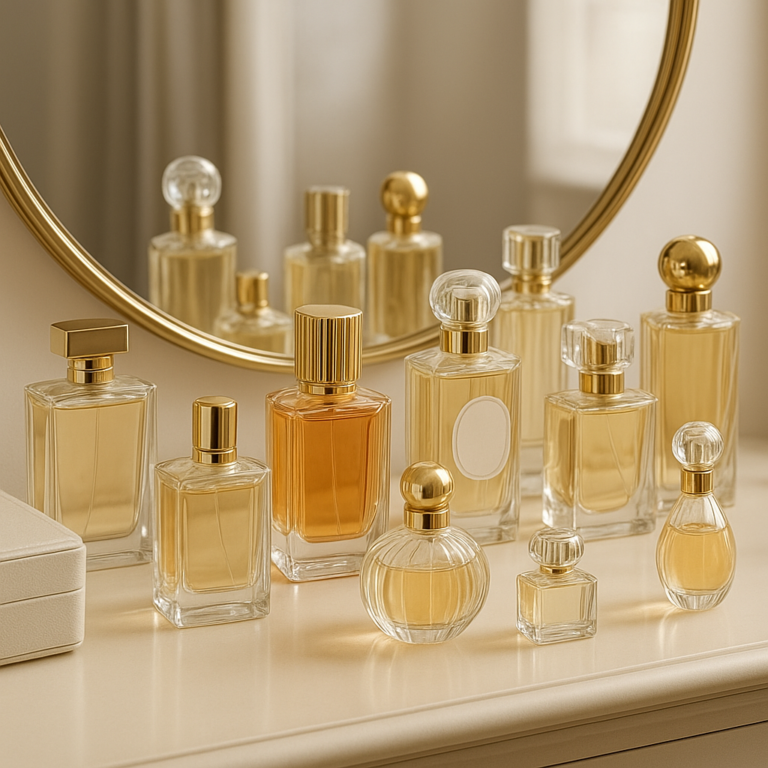
What are the different types of perfume brands available in the market? The main categories are designer, luxury, niche, indie, celebrity, natural, clean-conscious, vegan, sustainable, mass-market, private-label, and Arabian or attar perfume houses. They overlap, but each offers a different balance of creativity, accessibility, performance, heritage, and price positioning.
At Perfume Brands™, our perfumers recommend choosing by scent personality and wearing habits first, then considering brand prestige. A beautifully made Chanel classic, an experimental Imaginary Authors composition, and a rich Amouage oud can all be excellent, yet they suit very different noses and occasions.
The perfume market is wonderfully unruly. One shopper may want a dependable office scent from Dior; another may chase an unusual botanical creation from Abel; someone else may prefer a concentrated attar from Ajmal. We once tested three fragrances described as “fresh,” only to find lemon cologne, crisp green tea, and salty marine air—proof that one label can hide three entirely different adventures.
Key Takeaways
- Designer perfume brands such as Chanel, Dior, Prada, and Versace offer broad availability and versatile everyday fragrances.
- Luxury and niche houses focus more heavily on heritage, exclusivity, unusual materials, craftsmanship, or perfumer-led creativity.
- Indie and artisan brands are ideal for experimental scents, distinctive storytelling, and small-batch releases.
- Celebrity, drugstore, and mass-market brands can provide approachable, enjoyable fragrances without luxury positioning.
- Natural, botanical, vegan, clean-conscious, and sustainable brands appeal to shoppers prioritizing ingredients, ethics, or packaging.
- Arabian and attar brands are especially notable for oud, rose, amber, musk, incense, spices, and concentrated perfume oils.
- No category guarantees quality. A fragrance should be judged by its composition, comfort, performance, transparency, and how often you genuinely want to wear it.
- Sampling is the smartest strategy: test on skin, wait through the drydown, and compare longevity before buying a full bottle.
Table of Contents
- ⚡️ Quick Tips and Facts About Perfume Brands
- 🌸 What Are the Different Types of Perfume Brands Available in the Market?
- Designer vs. Niche vs. Indie Fragrance Houses
- Perfume Brands, Fragrance Houses, and Beauty Conglomerates Explained
- 🕰️ The History and Evolution of Perfume Brands
- From Ancient Fragrance Traditions to Modern Perfumery
- How Celebrity, Luxury, and Digital-First Brands Changed Perfume
- 🏷️ 15 Major Types of Perfume Brands on the Market
- 1. Designer Perfume Brands
- 2. Luxury and Couture Fragrance Houses
- 3. Niche Perfume Brands
- 4. Indie and Artisan Perfume Brands
- 5. Celebrity Fragrance Brands
- 6. Heritage and Classic Perfume Houses
- 7. Fragrance-Only and Perfumer-Led Brands
- 8. Natural, Botanical, and Organic Perfume Brands
- 9. Clean, Non-Toxic, and Conscious Fragrance Brands
- 10. Vegan and Cruelty-Free Perfume Brands
- 11. Sustainable and Eco-Friendly Fragrance Brands
- 12. Gender-Neutral and Unisex Perfume Brands
- 13. Affordable, Drugstore, and Mass-Market Fragrance Brands
- 14. Private-Label and Custom Perfume Brands
- 15. Arabian, Middle Eastern, and Attar Perfume Brands
- 🧭 Designer, Niche, Indie, and Luxury Perfume Brands Compared
- Key Differences in Price, Quality, Exclusivity, and Sillage
- Which Fragrance Brand Category Is Best for You?
- 🧪 Understanding Fragrance Concentrations and Perfume Formats
- Parfum, Extrait de Parfum, Eau de Parfum, and Eau de Toilete
- Eau de Cologne, Eau Fraîche, Body Mist, and Hair Perfume
- Solid Perfume, Perfume Oil, Attar, and Discovery Sets
- 🌿 Natural Versus Synthetic Fragrance Ingredients
- Essential Oils, Absolutes, Resins, and Botanical Extracts
- Why Synthetic Molecules Matter in Modern Perfumery
- Allergens, IFRA Standards, and Fragrance Safety
- 🌹 Popular Perfume Families and Scent Profiles
- Floral, Fruity, and Gourmand Fragrances
- Wody, Amber, Oriental, and Spicy Perfumes
- Citrus, Fresh, Aquatic, Green, and Aromatic Scents
- Musk, Leather, Chypre, and Fougere Fragrance Families
- 🌍 Best Perfume Brands by Region and Fragrance Tradition
- French Perfume Houses and Parisian Luxury Brands
- Italian, Spanish, and European Fragrance Brands
- British and American Perfume Brands
- Japanese and East Asian Fragrance Brands
- Middle Eastern and Arabian Perfume Brands
- 💎 Iconic Perfume Brands Worth Knowing
- Chanel, Dior, Guerlain, and Yves Saint Laurent
- Tom Ford, Jo Malone London, and Le Labo
- Cred, Maison Francis Kurkdjian, and Byredo
- Diptyque, Frederic Malle, and Serge Lutens
- Ariana Grande, Billie Eilish, and Other Celebrity Fragrance Brands
- 🧴 How Perfume Brands Create, Market, and Price Fragrances
- The Role of the Perfumer, Fragrance Laboratory, and Creative Director
- Why Packaging, Licensing, and Marketing Affect Cost
- Reformulations, Flankers, Limited Editions, and Discontinued Scents
- ✅ How to Choose the Right Perfume Brand
- Match the Brand Style to Your Personality and Lifestyle
- Choose a Fragrance for Work, Dates, Travel, or Special Events
- Consider Longevity, Projection, Sillage, and Seasonal Wear
- Set a Fragrance Budget Without Sacrificing Quality
- 👃 How to Test Perfume Like a Fragrance Expert
- Perfume Notes, Accords, and the Fragrance Pyramid
- Top Notes, Heart Notes, and Base Notes Explained
- Bloter Strips Versus Skin Testing
- How Long to Wait Before Judging a Fragrance
- Why the Same Perfume Smells Different on Everyone
- 🛍️ Where to Buy Authentic Perfume Brands
- Brand Boutiques, Department Stores, and Authorized Retailers
- Online Fragrance Retailers and Official Brand Websites
- How to Avoid Counterfeit Perfume and Gray-Market Risks
- Decanting, Sampling, and Buying Fragrance Discovery Sets
- 📦 Perfume Storage, Shelf Life, and Authenticity Tips
- How to Store Fragrance Correctly
- Does Perfume Expire or Go Bad?
- Batch Codes, Bottles, Labels, and Packaging Clues
- 🌱 Sustainable and Ethical Perfume Shopping
- Refillable Bottles and Low-Waste Fragrance Packaging
- Vegan, Cruelty-Free, and Responsibly Sourced Ingredients
- Carbon Claims, Transparency, and Greenwashing
- 🎁 Perfume Brands for Every Occasion and Recipient
- Best Perfume Brand Types for Gifts
- Romantic, Office-Friendly, Everyday, and Evening Fragrances
- Perfume Brands for Beginners, Collectors, and Enthusiasts
- ❌ Common Perfume-Buying Mistakes to Avoid
- 💡 Quick Tips for Building a Fragrance Wardrobe
- Conclusion
- Recommended Links
- FAQ
- What are the main types of perfume brands?
- What is the difference between designer and niche perfume brands?
- Are expensive perfume brands better than affordable brands?
- What perfume brands have the best longevity and sillage?
- Are natural and organic perfume brands safer?
- What are the best vegan and cruelty-free perfume brands?
- How can I tell if a perfume brand is authentic?
- Which perfume brand is best for beginners?
- Can men and women wear the same perfume brands?
- Reference Links
Welcome to Explore the World of Perfume Brands, where we separate genuine fragrance personality from expensive-looking marketing and bottles that resemble tiny museum sculptures. At Perfume Brands™, our perfumers assess a house by more than hype: creative identity, formula quality, wearability, transparency, performance, and value.
If you have ever wondered how many brands of perfume there are, the honest answer is that no single worldwide registry captures every designer, niche, indie, celebrity, regional, artisan, and private-label house. Large retailer directories offer useful snapshots, but they should not be mistaken for a definitive census.
Quick ratings: what should you judge in a perfume brand?
| Evaluation area | What we examine | Why it matters |
|---|---|---|
| Creative identity | Recognizable style, signature accords, consistency | Helps you predict whether future releases will suit you |
| Formula quality | Balance, smooth transitions, ingredient blending | A fragrance should smell composed, not like a committee meeting |
| Wearability | Office, casual, formal, seasonal, and social use | Great perfume still needs the right occasion |
| Longevity | How long the scent remains detectable on skin | Varies with concentration, skin, climate, and formula |
| Projection and sillage | How far the fragrance radiates and trails | Essential for avoiding accidental room domination |
| Bottle design | Materials, usability, atomizer, portability | Pretty is lovely; functional is better |
| Transparency | Ingredient disclosure, sustainability claims, sourcing | Helps shoppers make informed decisions |
| Sampling access | Discovery sets, travel sprays, authorized testers | Reduces costly blind-buy disappointment |
| Value | Experience relative to positioning and performance | “Luxury” does not automatically mean “better” |
| Brand trust | Authentication, customer service, consistency | Protects you from counterfeit or stale stock |
Our 1–10 brand-category scorecard
These scores describe typical category strengths, not every individual fragrance.
| Brand type | Identity | Innovation | Accessibility | Performance potential | Transparency potential | Best for |
|---|---|---|---|---|---|---|
| Designer | 8 | 7 | 9 | 8 | 6 | Versatile everyday wear |
| Luxury couture | 9 | 8 | 7 | 8 | 6 | Polished signatures and gifting |
| Niche | 9 | 9 | 6 | 8 | 7 | Distinctive scent discovery |
| Indie artisan | 9 | 9 | 5 | 7 | 8 | Experimental and personal perfumes |
| Celebrity | 7 | 6 | 9 | 7 | 5 | Accessible, trend-led fragrance |
| Natural botanical | 8 | 8 | 6 | 6 | 8 | Plant-focused scent profiles |
| Clean-conscious | 7 | 7 | 7 | 6 | 8 | Ingredient-conscious shoppers |
| Arabian and attar | 9 | 8 | 7 | 9 | 6 | Rich woods, amber, musk, and oils |
| Mass-market | 6 | 6 | 10 | 6 | 5 | Affordable daily rotation |
The quick answer: there is no single “best” type of perfume brand. A Chanel classic, a Maison Francis Kurkdjian extrait, an indie botanical oil, and an affordable celebrity fragrance solve different fragrance problems.
Fast facts worth remembering
- Eau de parfum is not automatically better than eau de toilette. It generally contains a higher fragrance concentration, but performance depends on the entire formula.
- Natural does not mean allergen-free. Essential oils and botanical extracts can contain sensitizing fragrance constituents. The European Commission’s fragrance allergen guidance explains why labeling matters.
- Synthetic materials are not inherently inferior. Modern perfumery relies on aroma molecules for stability, safety, consistency, and effects that nature alone cannot always provide.
- Longevity is not the same as quality. A quiet iris or transparent citrus can beautifully made even if it does not last twelve hours.
- Skin testing beats bottle testing. Paper reveals structure; skin reveals the real plot.
- A luxury logo does not guarantee originality. Some designer fragrances are more distinctive than expensive niche releases.
- Perfume categories overlap. A brand may be designer and sustainable, niche and vegan, luxury and refillable, or celebrity-led and expertly composed.
- Brand reputation is useful, but your nose gets the final vote. We have rejected hyped releases that smelled wrong on our skin and adored modestly marketed scents that became daily favorites.
The perfume market is best understood through business model, creative positioning, distribution, ingredients, audience, and regional tradition. These categories are not locked boxes. They are more like overlapping scent circles.
For example, Diesel is a fashion and lifestyle brand with fragrances connected to a bold identity of individuality and freedom of expression. It fits the designer or lifestyle fragrance category, while also appearing within a major beauty group’s luxury portfolio. Meanwhile, Le Labo is commonly perceived as niche because of its perfumer-led, composition-focused presentation, although its global retail presence is substantial.
Designer vs. niche vs. indie fragrance houses
Designer perfume brands
Designer houses extend a fashion or beauty identity into fragrance. Examples include:
Strengths:
- Broad availability
- Reliable quality control
- Many versatile releases
- Easy access to testers and travel sizes
- Strong options for office, dates, and everyday wear
Drawbacks:
- Greater commercial pressure can encourage familiar formulas
- Popular scents may be widely recognized
- Reformulations and flankers can confuse shoppers
- Brand marketing may cost as much as the juice
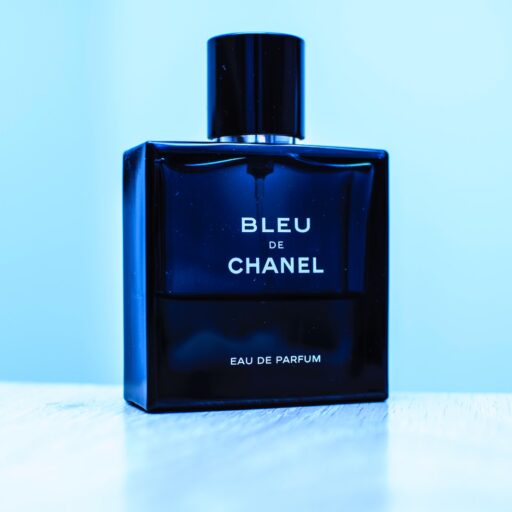
Designer does not mean dull. The first featured video’s perspective is useful here: it presents Dior Homme Intense as an iris-centered, creamy, elegant standout; Bleu de Chanel Eau de Parfum as an exceptionally functional citrus-woods option; and Acqua di Giò Parfum as a balanced aquatic scent with deeper incense. The reviewer’s enthusiastic line, “This stuff is perfect,” reflects personal wear experience rather than laboratory testing, so we treat it as informed opinion, not universal proof.
Niche perfume brands
Niche houses generally place fragrance at the center of their identity rather than treating it as an accessory to fashion. Examples include:
Niche does not automatically mean obscure, natural, artisanal, or better. It usually signals a more focused distribution strategy, unusual creative direction, or fragrance-first storytelling.
Indie and artisan perfume houses
Indie brands are often founder-led, small-batch, experimental, or direct-to-consumer. Examples include:
What makes them appealing?
- Strong storytelling
- Unusual accords
- Small-batch releases
- More personal customer relationships
- Opportunities to explore perfume beyond mainstream conventions
Potential limitations:
- Inconsistent availability
- Smaller production capacity
- Fewer physical testers
- Batch variation
- Less predictable longevity
We once tested an indie fragrance described as “rain on old library wood.” It did not smell like a wet book, thankfully. It did, however, create a compelling mineral-wood effect that no mainstream blue fragrance in our cabinet could imitate. That is the indie advantage: a willingness to pursue an odd idea until it becomes wearable.
Perfume brands, fragrance houses, and beauty conglomerates explained
A perfume brand may belong to:
- A founder or independent company
- A fashion group
- A cosmetics corporation
- A licensing company
- A celebrity or entertainment partnership
- A fragrance manufacturer or private-label operator
The distinction matters because ownership can influence distribution, marketing, sourcing, and product development. L’Oréal describes its business as a portfolio of “diverse and complementary brands,” designed to serve varied consumer needs and aspirations. That broad portfolio model explains why one corporate group can include mass, professional, luxury, and lifestyle brands.
| Business structure | Example | Typical advantage | Possible trade-off |
|---|---|---|---|
| Independent fragrance house | Frederic Malle | Strong artistic direction | Smaller availability |
| Fashion-led brand | Dior | Powerful design and global reach | Commercial consistency |
| Beauty conglomerate portfolio | L’Oréal-owned brands | Scale and distribution | Corporate strategy may shape launches |
| Licensed fragrance | Many fashion and celebrity lines | Access to recognizable names | Formula decisions may involve license terms |
| Founder-led indie | Imaginary Authors | Distinctive creative voice | Production can fluctuate |
| Private label | Boutique house or retailer line | Custom positioning | Transparency varies widely |
Perfume brands did not begin with department-store counters and glossy campaigns. Fragrance evolved from ritual, medicine, personal adornment, trade, religious practice, and status.
From ancient fragrance traditions to modern perfumery
Ancient civilizations used aromatic materials such as resins, herbs, woods, flowers, and spices. The Metropolitan Museum of Art documents the importance of scented materials in ancient Egyptian culture, while the British Museum provides broader context for ancient ritual and material culture.
Over time:
- Distillation improved the extraction of aromatic materials.
- Trade routes expanded access to spices, resins, and precious woods.
- European courts helped turn perfume into a marker of refinement.
- Industrial chemistry introduced stable aroma molecules.
- Modern branding transformed fragrance from a personal formula into a repeatable commercial identity.
The birth of the modern perfume house
The modern perfume house combines:
- A recognizable signature
- A named perfumer or creative director
- A controlled formula
- Packaging and visual language
- Distribution and customer experience
- A story that makes the scent memorable
Guerlain, founded in 1828, is one of the enduring examples of a house that connects heritage, perfumery craft, and luxury presentation. Guerlain’s official history illustrates how a house can evolve while retaining a recognizable identity.
How celebrity, luxury, and digital-first brands changed perfume
The modern fragrance market broadened dramatically through:
- Celebrity endorsements
- Influencer discovery
- Online sampling
- Subscription services
- Direct-to-consumer launches
- Gender-neutral marketing
- Refillable and lower-waste packaging
- Transparent ingredient conversations
Celebrity fragrance did not invent accessible perfume, but it made celebrity identity a major part of the purchase decision. Meanwhile, digital-first brands use online storytelling, reviews, sampling programs, and social communities instead of relying solely on department-store counters.
1. Designer perfume brands
Designer perfume brands connect fragrance to clothing, accessories, or a broad fashion identity.
| Brand | Representative fragrance style | Typical audience |
|---|---|---|
| Chanel | Polished citrus, aldehydic florals, woods | Classic and contemporary fragrance lovers |
| Dior | Iris, woods, amber, florals, fresh aromatics | Broad luxury audience |
| Prada | Clean musks, iris, amber, minimalist structures | Modern, understated wearers |
| Versace | Bright citrus, aromatic, sweet, bold styles | Social and statement wear |
| Rabanne | Sweet, fruity, amber, attention-grabbing profiles | Trend-conscious shoppers |
| Giorgio Armani | Aquatic freshness, woods, soft florals | Versatile everyday wear |
| YSL | Fresh-sweet, floral, aromatic, sensual styles | Modern, expressive users |
Advantages: dependable availability, large scent wardrobes, strong seasonal variety.
Disadvantages: popular releases may feel familiar, and flankers can blur differences between one launch and the next.
2. Luxury and couture fragrance houses
Luxury houses emphasize materials, craftsmanship, presentation, heritage, or exclusivity. Examples include:
Luxury may involve:
- Concentrated formulas
- Elaborate packaging
- Rare or costly materials
- Boutique-only collections
- Historic prestige
- Personalized service
A caution from our team: luxury packaging can be magnificent, but do not confuse a heavy bottle with an exceptional composition. Smell first. Admire the bottle after.
3. Niche perfume brands
Niche houses often prioritize originality and a narrower creative point of view. Some focus one material, one perfumer, a specific cultural tradition, or an unusual storytelling concept.
Look for niche brands if you want:
- Less conventional scent structures
- Smaller distribution
- Artistic experimentation
- More distinctive signatures
- Fragrances that invite conversation
Watch for: niche marketing can exaggerate rarity. A brand sold globally through major retailers may still be niche in positioning, but it is not necessarily difficult to find.
4. Indie and artisan perfume brands
Indie perfumery may include hand-batched oils, small-run eau de parfums, experimental compositions, and founder-developed collections.
What to check before buying indie perfume
- Is the ingredient list available?
- Are samples offered?
- Does the brand explain storage and batch variation?
- Are shipping restrictions clear for alcohol-based products?
- Is the return policy suitable for opened fragrance?
- Does the brand identify its perfumer or production partner?
5. Celebrity fragrance brands
Celebrity fragrances use a public figure’s image, music, acting career, or lifestyle as a central part of the brand story.
Examples include:
- Ariana Grande Fragrances
- Billie Eilish Fragrances
- JLo Beauty
- David Beckham Fragrances
- Jennifer Aniston Fragrance
Benefits:
- Accessible introductions to fragrance
- Often approachable sweet, fruity, floral, or amber profiles
- Strong gifting appeal
- Broad retail availability
Drawbacks:
- Marketing can overpower formula information
- Releases may vary significantly
- Packaging and celebrity association may influence expectations
A celebrity name does not tell you whether a scent will perform. Notes, concentration, skin chemistry, and your personal response still matter.
6. Heritage and classic perfume houses
Heritage houses use historical credibility, archives, classic formulas, and recognizable traditions.
Examples include:
- Chanel
- Guerlain
- Hermès
- Nina Rici
- Carven
- Penhaligon’s
These brands are especially useful for people building a classic scent wardrobe. Explore our Classic Scents category for more heritage-focused fragrance guidance.
7. Fragrance-only and perfumer-led brands
Some houses put the perfumer, formula, or creative process at center stage.
Examples:
- Maison Francis Kurkdjian
- Frederic Malle
- Juliette Has a Gun
- The Different Company
- Etat Libre d’Orange
These brands may appeal to experienced wearers who want to understand the composition rather than simply recognize the logo.
8. Natural, botanical, and organic perfume brands
Natural fragrance brands may use essential oils, absolutes, plant extracts, resins, tinctures, and natural isolates.
Examples include:
Benefits of botanical perfume
- Rich, evolving natural texture
- Connection to plant materials
- Often compelling green, resinous, herbal, or floral effects
- May align with ingredient-conscious shopping
Limitations
- Natural materials can vary between harvests
- Citrus and delicate botanical notes may fade quickly
- Essential oils can trigger sensitivity
- “Organic” certification standards vary by product and region
The COSMOS standard offers a useful reference for organic and natural cosmetic certification. Certification is more meaningful than vague language such as “earth-inspired” or “clean botanical blend.”
9. Clean, non-toxic, and conscious fragrance brands
“Clean fragrance” is not a single globally standardized category. Brands may use the term to describe:
- A restricted ingredient list
- Greater ingredient disclosure
- Vegan formulas
- Sustainability goals
- No phthalates or certain preservatives
- A preference for perceived simplicity
The U.S. Food and Drug Administration explains that fragrance formulas may be listed collectively as “fragrance” or “parfum” on cosmetic labels in the United States. That makes brand transparency especially valuable.
Our recommendation: ask what a brand means by “clean,” then check the actual ingredient policy. A claim is only useful when it is specific.
10. Vegan and cruelty-free perfume brands
Vegan perfume excludes animal-derived ingredients such as certain musks, beeswax, or animalic materials. Cruelty-free usually concerns animal testing, but definitions and certification systems differ.
Useful certification references include:
Examples of brands with vegan or cruelty-free offerings include:
Always verify the brand’s current policy because ownership, suppliers, and product lines can change.
11. Sustainable and eco-friendly perfume brands
Sustainability can involve:
- Refillable bottles
- Recycled glass
- Paper-based packaging
- Responsible natural-material sourcing
- Reduced shipping weight
- Renewable alcohol
- Supplier traceability
- Lower-waste sampling
No brand is impact-free. Glass production, alcohol manufacturing, transport, packaging, and returns all have environmental costs. Look for specific claims, measurable targets, and reporting, not just green-colored boxes.
12. Gender-neutral and unisex perfume brands
Unisex fragrance challenges the old habit of assigning citrus and woods to men while reserving flowers and sweetness for women. Many houses now market scents through mood, texture, and atmosphere instead.
Popular gender-neutral examples include:
- Byredo Gypsy Water
- Le Labo Santal 33
- CK One by Calvin Klein
- Maison Margiela Replica
- Jo Malone London
Explore our Men’s Perfumes category for masculine-marketed fragrances, while remembering that marketing language is not a rulebook for your skin.
13. Affordable, drugstore, and mass-market fragrance brands
Mass-market brands offer broad access through drugstores, supermarkets, department stores, and online retailers.
Examples include:
Affordable does not mean unpleasant. Some mass-market releases offer excellent balance, especially for casual wear, gym bags, travel, and experimentation.
14. Private-label and custom perfume brands
Private-label brands commission a manufacturer or fragrance laboratory to create products under their own name. Custom perfumery may involve a perfumer developing a bespoke composition for an individual.
Questions to ask a private-label fragrance company
- Who owns the formula?
- Are ingredients and allergens disclosed?
- What testing has been completed?
- What are the minimum production quantities?
- Can the formula be reproduced consistently?
- Who handles regulatory compliance?
- Is the scent exclusive or available to other clients?
15. Arabian, Middle Eastern, and attar perfume brands
Middle Eastern fragrance traditions include rich use of:
- Oud
- Rose
- Saffron
- Amber
- Musk
- Incense
- Sandalwood
- Spices
- Concentrated perfume oils
Notable brands include:
Attars and perfume oils sit close to the skin and may evolve differently from alcohol-based sprays. They can offer strong persistence, though projection varies by formula and application.
Key differences in price, quality, exclusivity, and sillage
| Factor | Designer | Luxury | Niche | Indie |
|---|---|---|---|---|
| Main identity | Fashion or beauty house | Prestige and craftsmanship | Fragrance-centered concept | Founder-led experimentation |
| Availability | Broad | Selective to broad | Selective | Often online or boutique |
| Style range | Broad and commercially balanced | Refined, heritage, elevated | Distinctive and focused | Unusual and personal |
| Performance | Usually predictable | Often strong, not guaranteed | Highly variable | Batch and formula dependent |
| Sampling | Common | Common in boutiques | Often good | Frequently sample-focused online |
| Best purchase method | Test in store or buy samples | Boutique consultation | Discovery set | Sample before full bottle |
Which category suits which wearer?
- Choose designer if you want versatility and easy access.
- Choose luxury if presentation, heritage, and service matter.
- Choose niche if you want a recognizable signature outside the mainstream.
- Choose indie if you enjoy risk, storytelling, and unusual materials.
- Choose mass-market if you want practical daily rotation.
- Choose Arabian or attar houses if you enjoy dense amber, oud, rose, musk, and oil-based wear.
Quality is not a straight ladder
A common assumption is:
mass-market < designer < niche < luxury
That is a useful marketing staircase, but a poor quality test. Quality includes balance, comfort, originality, stability, materials, and suitability for the wearer. A beautifully constructed designer citrus can be more useful and technically elegant than an aggressively expensive niche oud you never wear.
Parfum, extrait de parfum, eau de parfum, and eau de toilette
Concentration labels describe the approximate proportion of aromatic materials in a product, but there is no universal performance guarantee attached to each term.
| Format | Typical character | Common use |
|---|---|---|
| Extrait de parfum | Rich, concentrated, often closer to skin | Evening, special occasions, collectors |
| Parfum | Dense and smooth, potentially long-lasting | Signature wear and formal settings |
| Eau de parfum | Balanced strength and versatility | Everyday, work, dates |
| Eau de toilette | Lighter, brighter, often more diffusive at first | Daytime, warm weather, casual wear |
| Eau de cologne | Fresh and brisk | Refreshment and hot weather |
| Eau fraîche | Very light aromatic presence | Casual spritzing |
| Body mist | Soft and easy to reapply | Layering and relaxed wear |
The International Fragrance Association provides industry standards and safety guidance, but concentration terminology remains a brand and market convention rather than a universal guarantee.
Eau de cologne, eau fraîche, body mist, and hair perfume
Lighter formats are not automatically inferior. They can better for:
- Shared offices
- Warm climates
- Post-shower refreshment
- Layering
- Frequent reapplication
- People who dislike dense projection
Hair perfumes are formulated with the hair experience in mind, though you should follow the brand’s directions and avoid assuming a regular alcohol perfume is suitable for extensive hair application.
Solid perfume, perfume oil, attar, and discovery sets
Solid perfume
Portable, discreet, and usually close-wearing. The downside is limited projection and possible texture changes in heat.
Perfume oil and attar
Oils often create a soft, intimate aura and can be convenient for travel. Their longevity may be impressive, but sillage is not always loud.
Discovery sets
For most people, a discovery set is the smartest first purchase. It lets you compare:
- Initial opening
- Drydown
- Longevity
- Comfort
- Seasonal fit
- Emotional response
Essential oils, absolutes, resins, and botanical extracts
Natural materials offer complexity shaped by plant variety, soil, climate, extraction, and harvest. Common materials include:
- Rose absolute
- Jasmine absolute
- Bergamot oil
- Patchouli oil
- Vetiver oil
- Frankincense resin
- Vanilla absolute
- Orris butter
- Sandalwood oil
Their character can beautifully irregular. That irregularity is part of the charm, but it also means that natural formulas may vary more than highly standardized synthetic compositions.
Why synthetic molecules matter in modern perfumery
Synthetic materials can:
- Improve stability
- Replace restricted or endangered materials
- Create airy, metallic, mineral, ozonic, or abstract effects
- Improve consistency between batches
- Reduce pressure on slow-growing natural resources
- Support allergen-management strategies
The Research Institute for Fragrance Materials and IFRA provide scientific and safety-related resources used across the industry. “Synthetic” describes origin, not automatically quality or danger.
Allergens, IFRA standards, and fragrance safety
Fragrance sensitivity is personal. You may experience irritation, headache, snezing, or contact allergy from a material that another person tolerates easily.
Safer fragrance habits
- Test a small amount before extended wear.
- Do not apply to broken or irritated skin.
- Avoid spraying directly near eyes.
- Follow product instructions.
- Stop use if irritation develops.
- Seek medical advice for persistent symptoms.
- Do not assume “natural” means hypoallergenic.
Floral, fruity, and gourmand fragrances
Floral
Rose, jasmine, tuberose, iris, violet, orange blossom, and peony can range from airy to dramatic.
Fruity
Bergamot, pear, peach, plum, apple, berries, and tropical fruits add brightness or juicy sweetness.
Gourmand
Vanilla, caramel, praline, cocoa, coffee, honey, and hazelnut create edible, cozy effects. The featured video highlights Rabanne fragrances for sweet notes such as vanilla, plum, and hazelnut, while describing Valentino Uomo Born in Roma Intense as a compelling lavender-and-vanilla combination.
Wody, amber, oriental, and spicy perfumes
The term “oriental” is increasingly replaced by amber in many fragrance discussions because it can carry outdated cultural associations. Amber compositions often combine:
- Labdanum
- Vanilla
- Benzoin
- Resins
- Spices
- Woods
- Musk
Wody fragrances may feature cedar, vetiver, sandalwood, oud, guaiac wood, or patchouli.
Citrus, fresh, aquatic, green, and aromatic scents
These profiles are often associated with:
- Lemon
- Grapefruit
- Orange
- Bergamot
- Mint
- Basil
- Lavender
- Marine notes
- Green leaves
- Tea
Fresh scents can be excellent for work and warm weather, but their lighter materials may require reapplication.
Musk, leather, chypre, and fougere fragrance families
- Musk: clean, skin-like, powdery, animalic, or cotton-soft
- Leather: smoky, suede-like, tary, polished, or sweet
- Chypre: traditionally structured around citrus, floral elements, mossy effects, and patchouli
- Fougère: commonly aromatic, lavender-led, woody, and mossy
The featured video describes Prada as a leader in “clean” scent territory and highlights Prada L’Homme Intense for its soapy iris and leather character. That is a useful example of how a brand’s recognizable DNA can guide shoppers before they smell a new release.
French perfume houses and Parisian luxury brands
France is strongly associated with modern Western perfumery through houses such as:
- Chanel
- Dior
- Guerlain
- Hermès
- Jean Patou
- Caron
- Maison Francis Kurkdjian
- Serge Lutens
French fragrance culture often emphasizes structured composition, couture storytelling, and refined finishing.
Italian, Spanish, and European fragrance brands
Italian houses such as Acqua di Parma often excel at citrus, cologne, and Mediterranean freshness. Spanish brands such as Loewe combine fashion, botanical themes, and contemporary design.
Other European houses worth exploring include:
British and American perfume brands
British perfumery includes heritage houses such as:
American fragrance culture ranges from classic mass-market names to modern niche and clean-conscious brands:
Japanese and East Asian fragrance brands
Japanese fragrance often explores restraint, atmosphere, texture, and nature.
Examples include:
- Shiseido
- Isey Miyake
- Comme des Garçons Parfums
- J-Scent
- [Floris?]
Japanese-inspired fragrance is not always minimalist, but it often rewards close attention to subtle transitions rather than immediate volume.
Middle Eastern and Arabian perfume brands
The Middle Eastern fragrance market offers exceptional variety, from affordable modern releases to highly sophisticated oud, incense, rose, and amber compositions.
Try these brands if you enjoy:
- Strong longevity
- Oil-based perfume
- Dense amber
- Spiced rose
- Smoky oud
- Resinous incense
- Layering traditions
Chanel, Dior, Guerlain, and Yves Saint Laurent
These houses are influential because they combine recognizable signatures with large, evolving collections.
- Chanel: aldehydic florals, polished woods, citrus, patchouli, and modern masculines
- Dior: iris, amber, fresh aromatics, florals, and couture-inspired compositions
- Guerlain: vanilla, amber, powder, citrus, rose, and historic craftsmanship
- Yves Saint Laurent: bold florals, fresh-sweet masculines, amber, and sensual evening profiles
Tom Ford, Jo Malone London, and Le Labo
- Tom Ford: polished, dramatic, often high-impact woods, amber, florals, and leather
- Jo Malone London: elegant cologne-style layering and approachable botanical brightness
- Le Labo: minimalist branding, strong material focus, and modern urban signatures
Cred, Maison Francis Kurkdjian, and Byredo
- Cred: heritage storytelling and polished citrus, woods, and musk
- Maison Francis Kurkdjian: refined modern compositions with strong technical balance
- Byredo: atmospheric, minimalist, emotionally evocative fragrance design
Diptyque, Frederic Malle, and Serge Lutens
These houses are useful for shoppers who want more conceptual, artistic, or material-driven perfumery.
- Diptyque: botanical, woody, incense, and atmospheric compositions
- Frederic Malle: perfumer-centered creation and high-concept compositions
- Serge Lutens: dramatic woods, spices, ambers, and distinctive storytelling
Ariana Grande, Billie Eilish, and other celebrity fragrance brands
Celebrity brands are strongest when the scent and the identity work together. Ariana Grande’s collection is known for approachable sweet and fruity styles, while Billie Eilish’s fragrance identity leans into warm amber and gourmand territory.
The key test is simple: Would you enjoy the fragrance if the celebrity name disappeared from the bottle? If yes, you have found a real match.
The role of the perfumer, fragrance laboratory, and creative director
A fragrance launch may involve:
- Brand brief
- Creative concept
- Market research
- Perfumer submissions
- Evaluation and modifications
- Stability and safety testing
- Bottle and packaging development
- Regulatory review
- Production
- Distribution and marketing
The perfumer creates the formula, but the final product reflects collaboration among the brand, evaluator, creative director, bottle designer, regulatory specialists, and manufacturer.
Why packaging, licensing, and marketing affect cost
Your purchase supports more than ingredients. Costs can include:
- Bottle and cap manufacturing
- Outer packaging
- Transport and warehousing
- Retail placement
- Advertising campaigns
- Celebrity or fashion licensing
- Sampling
- Regulatory compliance
- Customer service
- Boutique operations
That does not mean a heavily marketed perfume is poor. It means price reflects the entire commercial ecosystem, not just the liquid.
Reformulations, flankers, limited editions, and discontinued scents
Reformulations
Brands may adjust formulas because of:
- Ingredient restrictions
- Supplier changes
- Cost or availability
- Sustainability initiatives
- Regulatory requirements
Flankers
A flanker shares a name or identity with an original release but changes concentration, notes, or performance. Examples include eau de parfum, intense, parfum, elixir, and night editions.
Limited editions
Limited editions create urgency, but availability claims can vary. Save the batch information and purchase from authorized sellers if you are collecting.
Match the brand style to your personality and lifestyle
Ask yourself:
- Do I prefer subtle or dramatic fragrance?
- Do I want compliments or personal comfort?
- Do I enjoy classic, modern, unusual, or nostalgic scents?
- Do I like one signature fragrance or a rotating wardrobe?
- Do I care about natural, vegan, refillable, or ingredient-specific policies?
- How much access do I have to samples?
A practical matching table
| Your preference | Start with |
|---|---|
| Clean and understated | Prada, Maison Margiela Replica, Jo Malone London |
| Classic and polished | Chanel, Guerlain, Hermès |
| Sweet and expressive | Rabanne, Ariana Grande, Jean Paul Gaultier |
| Dark and luxurious | Tom Ford, Amouage, Serge Lutens |
| Unusual and artistic | Frederic Malle, Etat Libre d’Orange, Imaginary Authors |
| Fresh and versatile | Acqua di Parma, Giorgio Armani, Chanel |
| Rich and long-lasting | Amouage, Parfums de Marly, Arabian houses |
| Botanical and conscious | Abel, Floral Street, Heretic |
Choose a fragrance for work, dates, travel, or special events
- Work: citrus, soft woods, tea, clean musk, restrained florals
- Date: skin musk, vanilla, amber, rose, soft woods
- Travel: solid perfume, oil, travel spray, light eau de toilette
- Formal event: polished florals, iris, incense, refined amber, elegant woods
- Summer: citrus, aquatic, green, aromatic, light floral
- Winter: vanilla, resin, spice, leather, dense woods
Consider longevity, projection, sillage, and seasonal wear
These terms describe different experiences:
- Longevity: how long the fragrance remains detectable
- Projection: how far it radiates from your skin
- Sillage: the scented trail left as you move
- Drydown: the later stage after the opening fades
A fragrance can last all day while staying close to the skin. Another can project loudly for two hours and then disappear. Do not confuse volume with stamina.
Set a fragrance budget without sacrificing quality
Since fragrance prices vary by market and size, focus on strategy rather than a number:
- Buy samples first.
- Compare cost per milliliter only after you love the scent.
- Consider travel sprays.
- Avoid blind-buying limited editions.
- Check authorized retailers.
- Buy the concentration you actually enjoy.
- Remember that a frequently worn fragrance offers better practical value than an impressive bottle left untouched.
Perfume notes, accords, and the fragrance pyramid
A note is a recognizable scent impression, such as rose or vanilla. An accord is a blend that creates a combined effect, such as an amber accord or a marine accord.
The familiar pyramid divides a fragrance into:
- Top notes
- Heart notes
- Base notes
It is a helpful teaching tool, but real formulas evaporate continuously rather than changing in three neat theatrical acts.
Top notes, heart notes, and base notes explained
| Stage | Common materials | Typical impression |
|---|---|---|
| Top | Citrus, herbs, light fruits | Immediate brightness |
| Heart | Florals, spices, aromatic notes | Main personality |
| Base | Woods, musk, amber, vanilla | Depth and persistence |
Bloter strips versus skin testing
Use bloters to compare several fragrances quickly. Use skin to determine:
- Drydown
- Irritation
- Longevity
- Projection
- Interaction with your body chemistry
Do not test ten perfumes one wrist unless you enjoy olfactory chaos. We recommend three or four at a time, labeled clearly.
How long to wait before judging a fragrance
Test in stages:
- Smell immediately.
- Revisit after 15 minutes.
- Revisit after one hour.
- Check again after four to six hours.
- Decide the next day whether you want to wear it again.
That final question is surprisingly powerful: Do you miss the scent when it is gone?
Why the same perfume smells different on everyone
Diferences may come from:
- Skin moisture
- Body temperature
- Sebum
- Climate
- Soap and skincare products
- Application area
- Perception and memory
- Fragrance batch
Moisturized skin often helps fragrance remain detectable, but unscented lotion is preferable if you want to avoid changing the composition.
Brand boutiques, department stores, and authorized retailers
These channels generally offer:
- Testers
- Product education
- Official packaging
- Return policies
- Better authentication confidence
For luxury and niche products, boutique consultation can be particularly useful. You may discover that the fragrance you expected to love is not the one your skin chooses.
Online fragrance retailers and official brand websites
Official websites offer the clearest product information and current collections. Established retailers may offer better discovery sets or shipping options, but verify seller identity carefully on marketplace platforms.
How to avoid counterfeit perfume and gray-market risks
Check:
- Seller history
- Product photos
- Batch or lot information
- Packaging quality
- Spelling and label alignment
- Atomizer construction
- Return policy
- Whether the seller is authorized
A low offer is not proof of counterfeit, but a combination of damaged packaging, vague seller information, and unusual bottle details deserves caution.
Decanting, sampling, and buying fragrance discovery sets
Sampling is especially valuable for:
- Niche fragrances
- Strong oud or amber
- High-concentration extrait
- Large blind-buy temptation
- Fragrances with unusual notes
- Online-only brands
Useful sampling sequence
- Choose a discovery set with varied scent families.
- Test one fragrance per day.
- Record opening, drydown, longevity, and mood.
- Retest your top two in different weather.
- Buy the full bottle only after repeated enjoyment.
How to store fragrance correctly
Store perfume:
- Away from direct sunlight
- At a stable temperature
- Away from bathrooms with frequent humidity swings
- With the cap secure
- Upright when practical
- In its original box for long-term storage
Heat, light, oxygen, and temperature fluctuations can accelerate change.
Does perfume expire or go bad?
Perfume does not always become unsafe immediately after a date passes, but its aroma can change. Signs include:
- Sour or stale opening
- Flattened top notes
- Darkened liquid
- Harsh alcohol impression
- Unusual sediment
- Weak or distorted drydown
Use your senses and follow the brand’s storage guidance. If the product smells wrong or causes irritation, stop using it.
Batch codes, bottles, labels, and packaging clues
Batch-code websites can be helpful but are not perfect authentication tools. Codes may be reused, reformatted, or absent from certain packaging.
The strongest verification comes from:
- Buying through an authorized seller.
- Comparing the bottle with official brand photography.
- Checking packaging print quality.
- Confirming the atomizer and cap.
- Contacting the brand when authenticity is uncertain.
Refillable bottles and low-waste fragrance packaging
Refill systems can reduce packaging waste, but they work best when:
- Refills are genuinely available
- The bottle is durable
- The refill format uses less material
- Shipping does not erase the benefit
- Consumers actually reuse the bottle
Brands such as Le Labo, Guerlain, and Jo Malone London offer various refill or refill-related programs across selected products and markets. Availability changes, so verify the specific fragrance.
Vegan, cruelty-free, and responsibly sourced ingredients
Look for:
- Certification
- Clear policy language
- Supplier information
- Ingredient restrictions
- Evidence of responsible sourcing
- Distinction between finished-product testing and ingredient testing
Carbon claims, transparency, and greenwashing
Be skeptical of vague claims such as:
- Eco-luxury
- Planet-positive
- Clean beauty
- Conscious fragrance
- Natural-inspired
Ask what the claim measures. Does it cover the bottle, ingredients, factory, transport, or only one campaign?
Best perfume brand types for gifts
For gifting, choose:
- A discovery set
- A recognizable classic
- A travel spray
- A light cologne
- A giftable body and fragrance pairing
- A refillable bottle with clear scent information
Avoid buying a huge bottle of a highly polarizing oud, animalic musk, or experimental leather unless you know the recipient’s taste.
Romantic, office-friendly, everyday, and evening fragrances
| Occasion | Suitable fragrance direction |
|---|---|
| Office | Soft musk, citrus, tea, light woods |
| Date | Vanilla, amber, rose, suede, skin musk |
| Everyday | Versatile woods, fresh aromatics, clean florals |
| Evening | Incense, leather, dark rose, rich amber |
| Wedding or formal event | Elegant floral, iris, polished woods |
| Vacation | Citrus, cologne, tropical floral, aquatic |
Perfume brands for beginners, collectors, and enthusiasts
Beginners
Start with a discovery set from Chanel, Dior, Jo Malone London, Maison Margiela Replica, or a trusted retailer.
Collectors
Explore flankers, vintage formulations, discontinued classics, and limited editions, but document batch information and storage.
Enthusiasts
Consider perfumer-led houses, attars, independent labels, raw-material education, and regional fragrance traditions.
- Blind-buying because a fragrance is viral
- Assuming “niche” means better
- Testing only on paper
- Judging a scent within the first 30 seconds
- Confusing projection with longevity
- Applying too much in a shared space
- Ignoring ingredient sensitivity
- Buying from an unverified seller
- Treating note lists as exact recipes
- Assuming a higher concentration will smell identical to a lighter version
- Chasing compliments instead of comfort
- Storing perfume in a sunny bathroom
- Buying a giant bottle before finishing a sample
Build around functions, not hype:
- A fresh daytime scent
- An office-safe fragrance
- A warm-weather citrus or floral
- A cool-weather amber or wood
- A date-night option
- A formal or elegant signature
- A playful or experimental scent
- A travel-friendly oil, solid, or spray
Keep a simple fragrance journal with:
- Brand and fragrance
- Concentration
- Date tested
- Weather
- Longevity
- Projection
- Compliment or comfort score
- “Would I wear this again?” answer
The question we left hanging at the beginning was whether one perfume category truly dominates the rest. After comparing designer, niche, indie, luxury, botanical, celebrity, mass-market, and regional houses, the answer is clear: the best perfume brand is the one whose creative style, performance, values, and practical use match your life. A magnificent bottle cannot rescue a scent you never want to wear, but the right fragrance can make an ordinary Tuesday feel suspiciously well edited.