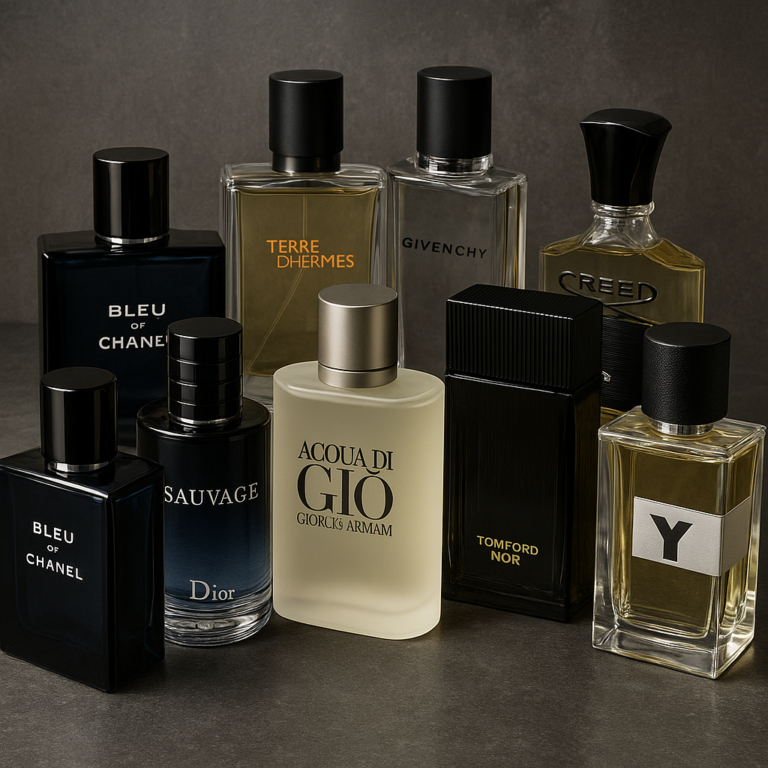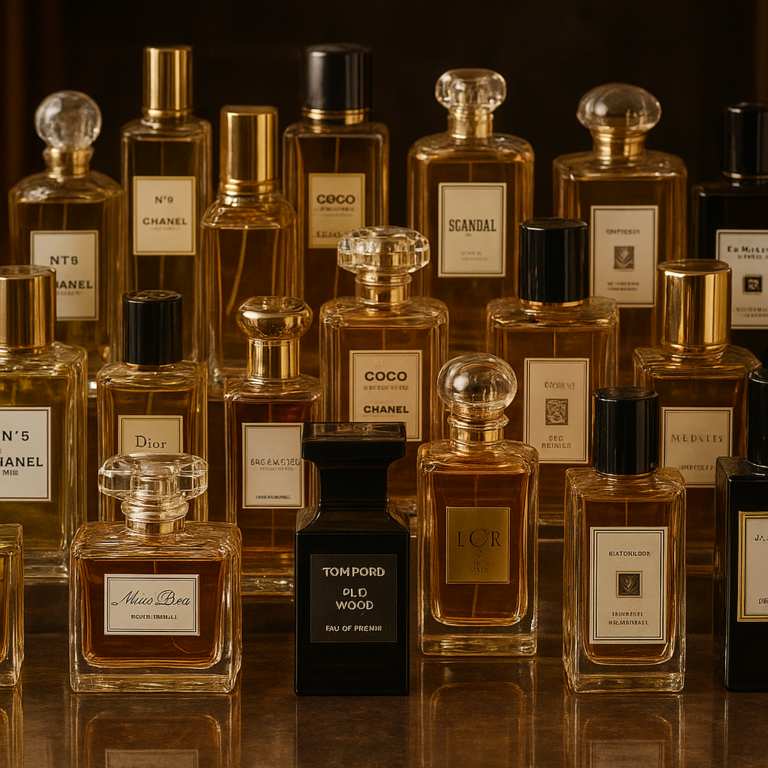
Support our educational content for free when you purchase through links on our site. Learn more
🌸 The Art of Perfumery: A Modern Masterclass (2026)


Ever wonder why a single spritz of a certain scent can instantly transport you back to a childhood summer or a first love? That is the magic of the art of perfumery, a discipline that blends ancient alchemy with cutting-edge chemistry to capture the invisible. While G.W. Septimus Piese laid the foundational bricks in 1857 with his seminal work, The Art of Perfumery, the modern olfactory landscape has exploded into a universe of synthetic marvels, sustainable sourcing, and hyper-personalized creations. In this comprehensive guide, we peel back the layers of the scent pyramid, revealing how the world’s greatest “noses” construct fragrances that last, project, and tell a story.
From the labor-intensive process of enfleurage that yields mere drops of jasmine absolute to the molecular precision of Iso E Super, we explore every facet of this aromatic journey. You’ll discover why your skin chemistry turns a vanilla dream into a burnt rubber nightmare, how to train your nose to detect the subtlest nuances, and which 12 pillars separate a fleeting spray from a masterpiece. Whether you are a curious novice or a seasoned conoisseur looking to decode the secrets of niche houses like Le Labo and Frederic Malle, this article is your ultimate roadmap to understanding, creating, and curating the perfect scent.
Key Takeaways
- Master the Scent Pyramid: Understand how top, heart, and base notes evolve on your skin to create a lasting olfactory experience.
- Nature vs. Science: Learn the critical differences between natural extracts and synthetic molecules, and why the best perfumes often blend both.
- The 12 Pillars of Creation: Discover the specific criteria—from longevity to emotional impact—that define a truly masterful fragrance.
- Skin Chemistry Matters: Realize why a perfume smells different on everyone and how to apply it for maximum projection and longevity.
- History Mets Innovation: Trace the evolution from Piese’s 19th-century techniques today’s green chemistry and ethical sourcing trends.
Table of Contents
- ⚡️ Quick Tips and Facts
- 📜 A Scented Odyssey: The History and Evolution of Perfumery
- 🧪 The Alchemist’s Lab: Understanding Olfactory Families and Notes
- 🌿 From Petal to Bottle: The Art of Sourcing Natural Ingredients
- 🧬 Synthetic Marvels: How Modern Chemistry Revolutionized Fragrance
- 👃 The Nose Knows: Developing Your Olfactory Memory and Palette
- 🎨 The Perfumer’s Palette: Mastering Accords and Composition
- 🧪 The Science of Scent: Extraction Methods and Formulation Techniques
- 📖 Decoding the Classics: A Modern Look at Piese’s “The Art of Perfumery”
- 🏆 The 12 Pillars of Masterful Fragrance Creation
- 🛍️ Navigating the Market: Niche vs. Designer and How to Choose
- 🧴 Application Mastery: Skin Chemistry, Longevity, and Projection Hacks
- 🌍 The Future of Scent: Sustainability, Ethics, and Emerging Trends
- 💡 Quick Tips and Facts
- 🏁 Conclusion
- 🔗 Recommended Links
- ❓ FAQ
- 📚 Reference Links
⚡️ Quick Tips and Facts
Before we dive into the deep end of the olfactory ocean, let’s get our feet wet with some essential truths that every aspiring conoisseur or curious nose should know. We’ve distilled years of trial, error, and a few spilled vials of precious attar into these bite-sized nugets of wisdom.
- The “Nose” is a Muscle: Just like a bicep, your olfactory memory needs training. You can’t just smell a rose once and remember it forever. Olfactory fatigue is real; if you smell too many scents in a row, your brain hits the “mute” button. Pro Tip: Smell coffee beans or your own skin to reset your palette between tests.
- Concentration Matters: Not all “perfumes” are created equal. Eau de Parfum (EDP) typically contains 15-20% aromatic compounds, while Eau de Toilete (EDT) hovers around 5-15%. The higher the concentration, the longer it lasts, but not necessarily the stronger it projects immediately.
- Skin is a Canvas: Your body chemistry is unique. A scent that smells like vanilla and rain on your best friend might smell like burnt rubber and wet dog on you. Skin pH, diet, and even hormones change how a fragrance evolves.
- The Golden Rule of Application: Never rub your wrists together! This crushes the top notes and heats up the molecules, altering the scent pyramid. Instead, dab and let dry.
- Storage is Key: Heat, light, and humidity are the arch-nemes of fragrance. Keep your bottles in a cool, dark place (a drawer is better than a sunny bathroom shelf) to preserve their integrity.
For a deeper dive into the giants of the industry, check out our guide on What are 5 famous perfume brands? to see how history shaped the modern market.
📜 A Scented Odyssey: The History and Evolution of Perfumery

How did we get from burning frankincense in ancient temples to spraying synthetic musk in a subway station? The story of perfume is the story of humanity itself.
From Sacred Smoke to Royal Obsession
The word “perfume” comes from the Latin per fum, meaning “through smoke.” It began as a bridge to the divine. In ancient Egypt, Kyphi, a complex blend of honey, wine, raisins, and resins, was burned to honor the gods. As the first YouTube video in our research notes, the Egyptians were pioneers, using scents like myrrh and lotus not just for worship, but for embalming and daily hygiene.
Fast forward to Greece and Rome, where perfume became a status symbol. The Romans were notorious for their excess, scenting their hair, clothes, and even their horses. But as the Roman Empire fell, so did the art of perfumery in Europe, until the Middle Ages, where it was often used to mask the stench of poor sanitation.
The Grasse Revolution
The true renaissance of perfumery happened in Grasse, France. Originally a center for leather tanning (which smelled… let’s say “earthy”), the town pivoted to scenting gloves. By the 17th century, Catherine de’ Medici brought her personal perfumer to France, and the court of Louis XIV became obsessed. He famously declared, “The King smells of perfume,” and the era of floral bouquets was born.
Did you know? In the 18th century, it was considered vulgar to wear the same scent twice. The aristocracy would change their perfume with every outfit change!
The Modern Era
The 19th century brought chemistry into the mix. G.W. Septimus Piese, a British chemist and perfumer, published The Art of Perfumery in 1857. He was the first to map scents to musical notes, creating the “olfactory scale.” His work laid the groundwork for modern perfumery, introducing the concept of synthetic molecules which allowed perfumers to create scents that didn’t exist in nature, like the first aldehydic fragrance, Chanel No. 5.
Today, the industry is a global powerhouse, balancing the ancient art of natural extraction with cutting-edge green chemistry.
🧪 The Alchemist’s Lab: Understanding Olfactory Families and Notes
If perfume is a language, then olfactory families are its grammar. Without understanding these categories, you’re just guessing in the dark.
The Scent Pyramid
Every fragrance is built on a pyramid of three layers, each evaporating at a different rate:
- Top Notes (The Head): The first impression. These are light, volatile molecules that hit you immediately but vanish in 15-30 minutes. Think citrus, herbs, and light fruits.
- Middle Notes (The Heart): The core character of the perfume. These emerge as the top notes fade and last for several hours. This is where you find florals, spices, and fruits.
- Base Notes (The Soul): The foundation. These are heavy, rich molecules that linger for hours or even days. They provide depth and longevity. Think woods, musk, amber, and vanilla.
The Major Olfactory Families
While there are many sub-categories, most scents fall into these main families:
| Family | Key Characteristics | Classic Examples |
|---|---|---|
| Floral | The largest family. Ranges from single-note rose to complex bouquets. | Chloé, Dior J’adore |
| Oriental | Warm, spicy, and sensual. Often features vanilla, amber, and resins. | Shalimar, Opium |
| Wody | Earthy, dry, and sophisticated. Dominated by sandalwood, cedar, and patchouli. | Tere d’Hermès, Santal 3 |
| Fresh | Crisp, clean, and energetic. Includes citrus, aquatic, and green notes. | Acqua di Gio, Eau de Cologne |
| Fougère | A classic masculine structure: lavender, coumarin, and oakmoss. | Habanita, Fougère Royale |
| Chypre | A sophisticated blend of citrus top, floral heart, and mossy/wody base. | Miss Dior, Chypre |
For more detailed breakdowns, explore our Perfume Guides to find your perfect match.
🌿 From Petal to Bottle: The Art of Sourcing Natural Ingredients
Nature is the original chemist, but extracting its secrets is no small feat. As Piese noted in his 1857 treatise, the yield of some flowers is so low that a single drop of oil can cost a fortune.
The Four Sacred Methods
How do we get the scent out of a flower without destroying it?
-
Expression (Cold Pressing):
Used for: Citrus pels (lemon, orange, bergamot).
The Process: Mechanical pressure bursts the oil sacs in the rind. No heat is used, preserving the fresh, zesty character.
Fun Fact: Bergamot oil is the star of Earl Grey tea and classic Eau de Cologne. -
Distillation:
Used for: Hardier plants like lavender, rosemary, and woods.
The Process: Steam passes through the plant material, carrying the volatile oils. The mixture condenses, and the oil separates from the water (hydrosol).
The Catch: Heat can alter delicate scents. As Piese warned, direct fire can give a “burnt smell.” -
Maceration:
Used for: Delicate flowers that can’t handle steam, like jasmine or tuberose.
The Process: Flowers are steeped in warm fat (mutton suet or olive oil) for days. The fat absorbs the scent, creating a pomade. -
Enfleurage (The Lost Art):
Used for: The most fragile blossoms.
The Process: Glass frames coated in fat are layered with fresh flowers. The fat absorbs the scent over 24-72 hours. The flowers are replaced daily until the fat is saturated.
Why it’s rare: It’s incredibly labor-intensive and expensive. Today, it’s mostly replaced by solvent extraction, but true enfleurage absolutes are still prized by niche houses.
The Yield Reality
The numbers are staggering. To produce just one ounce of Rose Otto, you need approximately 2,0 to 3,0 rose petals (or about 60,0 blooms!). This is why natural rose oil is often called “liquid gold.”
Insider Secret: Many “natural” perfumes on the market are actually blends of naturals and synthetics. Pure natural perfumes can be unstable and have poor longevity. The best perfumers know when to let nature lead and when to bring in the chemists.
🧬 Synthetic Marvels: How Modern Chemistry Revolutionized Fragrance
If naturals are the soul of perfumery, synthetics are its superpower. Without chemistry, we wouldn’t have the scents of the sea, the smell of rain on hot asphalt, or the iconic aldehydic sparkle of Chanel No. 5.
Breaking the Chains of Nature
Before the 19th century, if a flower didn’t grow, you couldn’t smell it. Synthetic molecules changed everything.
- Coumarin: Discovered in tonka beans, it smells like sweet hay and vanilla. It’s the heart of the Fougère family.
- Aldehydes: Synthetic fatty acids that create a waxy, soapy, or metallic sparkle. They allow perfumes to “lift” off the skin.
- Iso E Super: A modern woodsy molecule that smells like cedar and velvet. It’s a “skin scent” that many people can’t smell on themselves but others find incredibly attractive.
The Ethical Shift
Historically, perfumery relied on animal products:
- Musk: From the musk deer (now banned in most places).
- Civet: From the civet cat.
- Ambergris: From sperm whales (rarely harvested today, mostly found washed up on beaches).
Today, synthetic alternatives like Ambroxan (a substitute for ambergris) and Ethyl Maltol (a substitute for vanilla) allow us to recreate these scents without harming a single animal. This is a massive win for sustainability and ethics.
Myth Buster: “Natural is always better.” Not true! Some natural ingredients are highly allergenic (like oakmoss) or unstable. Synthetics are often purer, safer, and more consistent.
👃 The Nose Knows: Developing Your Olfactory Memory and Palette
You don’t need to be a “nose” (a professional perfumer) to appreciate scent, but training your nose will transform your shopping experience.
The “Blind” Test
Stop looking at the bottle. The name, the color, and the price tag all bias your brain.
- Smell the strip: Get the first impression.
- Wait 10 minutes: Let the top notes fade.
- Smell again: What’s the heart?
- Wait an hour: What’s left? This is the base.
Building Your Scent Library
Create a “scent journal.” Write down:
- The name of the perfume.
- The notes you smell (even if you can’t name them, describe them: “smells like wet dirt,” “smells like candy”).
- How it makes you feel.
- How long it lasted.
The “Coffee Bean” Reset
If you’re testing too many scents, your nose will go numb. Smell coffee beans or your own sleeve to reset. But be careful—coffee beans don’t actually “neutralize” scent; they just provide a strong, neutral aroma to distract your brain.
For more on how to navigate the market, check out our Fragrance Reviews section.
🎨 The Perfumer’s Palette: Mastering Accords and Composition
A perfume isn’t just a list of ingredients; it’s a composition. The magic lies in the accord—a blend of notes that creates a new, unified scent.
The Art of Balance
- Contrast: Pairing sweet vanilla with bitter patchouli creates depth.
- Harmony: Blending rose and jasmine creates a classic floral heart.
- Surprise: Adding a drop of citrus to a heavy oriental scent can make it “pop.”
The Role of Fixatives
Why does some perfume vanish in an hour while others last all day? Fixatives. These are heavy molecules (like musk, amber, or resins) that slow down the evaporation of lighter notes.
- Natural Fixatives: Benzoin, Tolu, Labdanum, Oakmoss.
- Synthetic Fixatives: Iso E Super, Ambroxan, Galaxolide.
Pro Tip: A common mistake in DIY perfumery is using too much fixative. It can make the scent “muddy” and flat. Balance is key!
🧪 The Science of Scent: Extraction Methods and Formulation Techniques
Let’s get technical. How do we actually mix a perfume?
The Formula
A typical perfume formula consists of:
- Concentrate (The Juice): 15-30% of the total volume. This is the blend of essential oils, absolutes, and synthetics.
- Solvent: Usually Ethanol (perfumer’s alcohol). It dilutes the concentrate and helps the scent project.
- Water: A small amount of deionized water to soften the alcohol bite.
The Maceration Process
Once mixed, the perfume isn’t ready to sell. It needs to macerate.
- Time: 2 weeks to 6 months.
- Process: The bottle is stored in a cool, dark place. The alcohol and oils interact, smoothing out rough edges and blending the notes.
- Filtration: After maceration, the perfume is filtered to remove any sediment or waxes.
Quality Control
Professional perfumers use GC-MS (Gas Chromatography-Mass Spectrometry) to analyze the chemical composition of a scent. This ensures consistency and detects adulteration.
📖 Decoding the Classics: A Modern Look at Piese’s “The Art of Perfumery”
G.W. Septimus Piese’s 1857 book, The Art of Perfumery, is the “Bible” of the trade. But is it still relevant?
What Piese Got Right
- The Importance of Purity: Piese was obsessed with detecting adulteration. He warned about fake lavender oil mixed with turpentine and almond oil mixed with popy oil. Today, this is still a major issue in the industry.
- The Olfactory Scale: His musical scale of scents (from the high notes of citrus to the low notes of musk) is still used by perfumers to understand scent relationships.
- The Four Processes: His detailed descriptions of expression, distillation, maceration, and enfleurage are still the foundation of extraction today.
What Has Changed
- Synthetics: Piese knew of some synthetics, but the explosion of aroma chemicals in the 20th century has expanded the palette beyond his wildest dreams.
- Safety: Piese’s recipes often included toxic ingredients like nitrobenzol (artificial almond) and orpiment (arsenic sulfide) for depilatories. We now have strict safety regulations (IFRA) to protect consumers.
- Animal Welfare: Piese’s recipes for civet and musk are now obsolete due to ethical concerns.
Quote to Remember: “The patrons of perfumery have always been considered the most civilized and refined people of the earth.” – Piese. A sentiment that still holds true today!
🏆 The 12 Pillars of Masterful Fragrance Creation
Inspired by Piese’s “12 sections” and modern industry standards, here are the 12 Pillars that separate a good scent from a masterpiece:
- Concept: The story or emotion you want to evoke.
- Structure: A balanced pyramid of top, heart, and base.
- Originality: A unique twist on a classic theme.
- Longevity: The ability to last on the skin for 6+ hours.
- Projection: The “sillage” or trail left behind.
- Evolution: How the scent changes over time.
- Harmony: All notes blending seamlessly.
- Quality of Ingredients: Using the best naturals and synthetics.
- Stability: The scent doesn’t change color or smell off over time.
- Safety: Compliant with IFRA regulations.
- Market Fit: Does it appeal to the target audience?
- Emotional Impact: Does it make you feel something?
🛍️ Navigating the Market: Niche vs. Designer and How to Choose
Are you a niche purist or a designer devote? Let’s break it down.
Designer Fragrances
- Who: Big fashion houses (Chanel, Dior, Gucci).
- Goal: Mass appeal, safe scents, huge marketing budgets.
- Pros: Widely available, consistent quality, often great value.
- Cons: Can be generic, heavy on synthetics, limited creativity.
Niche Fragrances
- Who: Independent houses (Le Labo, Byredo, Frederic Malle).
- Goal: Artistic expression, unique ingredients, storytelling.
- Pros: Unique scents, higher concentration, often better naturals.
- Cons: Expensive, harder to find, can be polarizing.
How to Choose?
- For Daily Wear: Designer scents are often safer and more versatile.
- For Special Occasions: Niche scents offer more drama and uniqueness.
- For the Conoisseur: Try both! Don’t be afraid to mix and match.
Check out our Luxury Brands category for deep dives into the top houses.
🧴 Application Mastery: Skin Chemistry, Longevity, and Projection Hacks
You bought the perfume. Now, how do you make it last?
The Pulse Points
Apply to areas where blood vessels are close to the skin:
- Wrists
- Neck (behind the ears)
- Inner elbows
- Behind the knees
The Layering Technique
- Moisturize First: Apply an unscented lotion or a matching body oil before spraying. Dry skin eats perfume; hydrated skin holds it.
- Hair is a Magnet: Spray a little on your hairbrush (not directly on hair, as alcohol can dry it out).
- Clothing: A light spritz on clothes can make the scent last longer, but be careful of stains on silk or light fabrics.
The “Mist” Method
Instead of rubbing, spray the perfume in front of you and walk through the mist. This distributes the scent evenly and prevents crushing the top notes.
🌍 The Future of Scent: Sustainability, Ethics, and Emerging Trends
Where is perfumery going?
Green Chemistry
The future is bio-synthetic. Scientists are using yeast and bacteria to ferment scents, creating molecules that are identical to naturals but without the environmental footprint of farming acres of flowers.
Transparency
Consumers are demanding to know what is in their bottle. Brands are moving away from “parfum” on the label to listing specific ingredients.
The Return of the “Scent of Place”
There’s a growing trend in teroir perfumery—scents that capture the specific soil, climate, and culture of a region. Think “Rain in Kyoto” or “Desert in Morocco.”
Ethical Sourcing
More brands are committing to fair trade for ingredients like vanilla and sandalwood, ensuring that the farmers are paid fairly and the environment is protected.
💡 Quick Tips and Facts (Recap)
- Reset your nose with coffee beans or your own skin.
- Never rub your wrists together.
- Store your perfumes in a cool, dark place.
- Layer with unscented lotion for longevity.
- Test on skin, not just paper strips.
🏁 Conclusion

The art of perfumery is a journey that spans thousands of years, from the sacred fires of ancient Egypt to the high-tech labs of modern Grasse. It is a delicate dance between nature and science, tradition and innovation.
We started by asking: How do we capture the essence of a flower? The answer lies in the hands of the perfumer, the “nose,” who balances the volatile top notes with the enduring base, creating a symphony of scent that speaks to the soul.
Whether you are drawn to the classic elegance of a Chypre, the modern edge of a wody aromatic, or the nostalgic comfort of a floral bouquet, the world of perfume offers something for everyone. Remember, the best perfume is the one that makes you feel confident, beautiful, and alive.
So, the next time you spritz your favorite scent, take a moment to appreciate the centuries of history, the chemistry, and the artistry in that tiny bottle. It’s not just a fragrance; it’s a memory, a mood, and a masterpiece.
Ready to find your signature scent? Explore our Fragrance Reviews or dive into our Men’s Perfumes section to start your journey.
🔗 Recommended Links
Must-Have Perfumes for Beginners
- Chanel Coco Mademoiselle: Search on Amazon | Chanel Official
- Dior Sauvage: Search on Amazon | Dior Official
- Le Labo Santal 3: Search on Amazon | Le Labo Official
- Byredo Blanche: Search on Amazon | Byredo Official
Books on Perfumery
- The Art of Perfumery by G.W. Septimus Piese: Buy on Amazon
- Perfumes: The Guide by Luca Turin: Buy on Amazon
- The Secret of Scent by Luca Turin: Buy on Amazon
❓ FAQ

What are the key ingredients used in modern perfumery?
Modern perfumery relies on a blend of natural extracts (essential oils, absolutes, resins) and synthetic molecules. Naturals provide depth and complexity, while synthetics offer stability, consistency, and scents that don’t exist in nature (like oceanic or metallic notes). Key ingredients include vanilla, sandalwood, bergamot, jasmine, and ambroxan.
Read more about “🌹 History of Famous Perfume Houses: 10 Legends That Changed Scent”
How do niche perfume brands differ from designer fragrances?
Designer fragrances are created by fashion houses (like Gucci or Dior) and are designed for mass appeal, often featuring safe, versatile scents with large marketing budgets. Niche brands (like Le Labo or Frederic Malle) focus on artistic expression, using higher concentrations of rare ingredients and creating unique, often polarizing scents. Niche perfumes are typically more expensive and less widely available.
Read more about “🌍 How Many Fragrances Exist? The Infinite Scent Count (2026)”
What is the history of the art of perfumery?
Perfumery dates back to ancient Egypt, where scents were used in religious rituals and embalming. The Greeks and Romans popularized personal fragrance, but it was in Grasse, France, during the 17th and 18th centuries that perfumery became an art form. The 19th century introduced synthetic chemistry, revolutionizing the industry. Today, it’s a global blend of tradition and innovation.
Read more about “🏛️ Why Are Perfume Brands Called “House”? The Secret Revealed (2026)”
How can I learn to create my own custom perfume?
Start by learning the scent pyramid (top, heart, base notes). Purchase a perfumer’s kit with essential oils and absolutes. Experiment with small amounts, keeping a scent journal to track your blends. Study books like The Art of Perfumery by Piese or Perfumes: The Guide by Turin. Join online communities to share your creations and get feedback.
Read more about “🌟 What Is a Brand of Perfume? 15 Top Houses Revealed (2026)”
Why does perfume smell different on me than on others?
Your skin chemistry (pH, diet, hormones) interacts with the fragrance molecules, altering how they smell. Additionally, body temperature and hydration levels affect how the scent evaporates and projects. This is why a perfume can smell different on everyone.
Read more about “Which Perfume Is Best for Men Attractive? Top 15 Picks (2025) 🔥”
📚 Reference Links
- G.W. Septimus Piese – The Art of Perfumery: Natural Niche Perfume Article
- Gutenberg – The Art of Perfumery (Full Text): Project Gutenberg
- IFRA (International Fragrance Association): IFRA Official Site
- Perfumer’s World: Perfumer’s World
- Le Labo Official Website: Le Labo
- Chanel Official Website: Chanel Parfums
- Dior Official Website: Dior Fragrances