Support our educational content for free when you purchase through links on our site. Learn more
Designer vs Niche Perfumes for Men: 10 Key Differences Revealed! ✨ (2026)

Ever wandered the fragrance aisle, overwhelmed by the dazzling array of bottles, wondering what truly sets a designer perfume apart from a niche masterpiece? You’re not alone! Whether you’re a casual sprayer or a scent connoisseur, understanding these differences can transform your fragrance game. From ingredient quality to marketing magic, and from exclusivity to longevity, this article unpacks the 10 essential distinctions between designer and niche perfume brands for men — with insider tips from our expert perfumers at Perfume Brands™.
Curious why some scents feel like a universal anthem while others whisper your unique story? Stick around as we reveal how craftsmanship, pricing, and even sustainability play into your next signature scent. Spoiler alert: it’s not just about the bottle’s looks or the price tag!
Key Takeaways
- Designer perfumes are crafted for mass appeal, widely available, and often trend-driven, making them perfect for everyday wear and gifting.
- Niche perfumes prioritize artistic expression, exclusivity, and rare ingredients, appealing to those seeking unique, complex scents.
- Ingredient sourcing, production scale, and marketing strategies differ significantly, influencing price and availability.
- Longevity and sillage vary across both categories; higher price doesn’t always mean better performance.
- Choosing between designer and niche depends on your personality, budget, and fragrance goals — and sampling is your best friend!
Ready to explore the fragrant battlefield and find your perfect match? Dive into our detailed guide and become the scent-savvy man you were born to be!
Table of Contents
- ⚡️ Quick Tips and Facts About Designer vs Niche Perfumes
- 🌿 The Scented Saga: A Brief History of Designer and Niche Perfume Brands
- 🎩 What Defines a Designer Perfume Brand for Men?
- 🌟 The Allure of Niche Perfume Brands: What Sets Them Apart?
- 1️⃣ Top 10 Key Differences Between Designer and Niche Perfumes for Men
- 💡 Craftsmanship and Ingredients: Quality Showdown
- 🛍️ Availability and Distribution: Where to Find Your Signature Scent
- 💰 Pricing and Value: Are You Paying for the Bottle or the Essence?
- 🎯 Target Audience and Marketing Strategies: Who’s Wearing What?
- 🌍 Sustainability and Ethical Practices in Designer vs Niche Brands
- 🧪 Longevity and Sillage: How Long Does the Magic Last?
- 🧴 Packaging and Presentation: First Impressions Matter
- 🕵️ ♂️ How to Choose Between Designer and Niche Perfumes: Expert Tips
- 🧔 Personal Stories: Our Team’s Favorite Designer and Niche Men’s Fragrances
- 🔍 Debunking Common Myths About Designer and Niche Perfume Brands
- 🛒 Where to Buy Authentic Designer and Niche Perfumes Online
- 🧠 The Psychology Behind Choosing Designer vs Niche Perfumes
- 🎉 Conclusion: Making the Right Fragrance Choice for You
- 🔗 Recommended Links for Further Reading
- ❓ FAQ: Your Burning Questions Answered
- 📚 Reference Links and Sources
⚡️ Quick Tips and Facts About Designer vs Niche Perfumes for Men
Ever stood in a department store, overwhelmed by the sheer number of gleaming bottles, or scrolled endlessly online, wondering if that elusive “niche” scent is truly worth the hype? You’re not alone! Here at Perfume Brands™, we’ve spent years navigating the fragrant labyrinth, and we’re here to distill the essence of the great designer vs. niche debate for you. Think of us as your personal scent sherpas! 🏔️
Here’s a rapid-fire rundown to get your nose in the game:
- Designer Fragrances 👔: These are the big names you know and love – think Dior, Chanel, Gucci, Versace. They’re often extensions of major fashion houses, crafted for broad appeal, wide availability, and generally more accessible price points. They aim for mass market success, often following popular trends.
- Niche Fragrances ✨: These are the artisanal, often independent perfume houses like Amouage, Byredo, Creed, or Frederic Malle. They prioritize artistic expression, unique scent profiles, rare ingredients, and exclusivity. They’re made in smaller batches, less widely distributed, and typically come with a higher price tag.
- The Core Difference: As DrPerfumes.com aptly puts it, “The key difference lies in the intent: mass appeal versus artistic expression.” Designer aims for widespread love, while niche seeks to tell a unique olfactory story.
- Your Choice Matters: Whether you lean designer or niche, the ultimate goal is to find a scent that “resonates with you,” as NisaraBeauty.com highlights. It’s about personal preference and what makes you feel confident and unique.
- Performance: While often associated with niche, longevity and sillage (how far a scent projects) aren’t exclusive to either category. You can find beasts and duds in both!
- Investment: Niche perfumes often represent a greater financial investment, justified by their unique compositions and ingredient quality. Designer fragrances offer fantastic value for everyday wear.
Ready to dive deeper into the aromatic world? Let’s uncork some more insights! 🍾
🌿 The Scented Saga: A Brief History of Designer and Niche Perfume Brands

Before we dissect the modern differences, let’s take a quick stroll down memory lane. Understanding the origins helps us appreciate how these two distinct worlds of perfumery evolved.
The Rise of Designer Perfumery: From Fashion to Fragrance
The concept of “designer” perfumes really took off in the early 20th century. Fashion houses, realizing the power of scent to complete an ensemble and extend their brand’s reach, began creating their own fragrances. Chanel No. 5, launched in 1921, is arguably the most iconic example, forever linking haute couture with high perfumery. This wasn’t just about smelling good; it was about embodying a lifestyle, an image.
- Early Innovators: Brands like Guerlain (though often considered a bridge between designer and niche due to its rich heritage and artisanal approach) and Caron were pioneers, establishing the idea of a signature scent tied to a brand.
- Post-War Boom: The mid-20th century saw an explosion in designer fragrances. As fashion became more accessible, so did its olfactory counterparts. Brands like Dior, Yves Saint Laurent, and Givenchy followed suit, creating scents that became household names. These fragrances were designed to be aspirational, yet attainable for a broader market.
- Mass Market Evolution: By the late 20th and early 21st centuries, designer perfumes became a cornerstone of the beauty industry. Large conglomerates like LVMH (which owns Dior, Givenchy, and many others) and Coty (responsible for brands like Calvin Klein and Gucci fragrances) began dominating the market, leveraging massive marketing budgets and celebrity endorsements. This era solidified the designer fragrance as a product for the masses, often reflecting “modern trends and widely appealing scents,” as the first YouTube video on this topic aptly points out.
The Genesis of Niche Perfumery: A Return to Artistry
While designer brands were busy conquering the mainstream, a quiet revolution was brewing. Niche perfumery, in its modern form, emerged as a counter-movement, a desire to return to the artistic roots of perfumery, free from commercial constraints.
- Rebellion Against the Mainstream: By the 1980s and 90s, some perfumers felt that designer fragrances had become too homogenized, too focused on focus groups and market trends. They yearned for creative freedom, to experiment with unusual notes and complex compositions without worrying about mass appeal.
- Pioneers of the Niche Movement: Houses like L’Artisan Parfumeur (founded in 1976) and Serge Lutens (whose first fragrance was released in 1992) were among the trailblazers. They focused on storytelling through scent, using high-quality, sometimes rare, ingredients and eschewing traditional advertising in favor of word-of-mouth and the sheer quality of their creations.
- The Modern Niche Boom: The 21st century has seen an incredible surge in niche brands. Consumers, increasingly seeking individuality and unique experiences, have embraced these artisanal offerings. Brands like Creed, Amouage, Byredo, and Tom Ford Private Blend (which, while part of a larger designer brand, operates with a niche philosophy) have captivated a discerning audience. This shift reflects a desire for “individuality” and “artistic expression,” as DrPerfumes.com notes.
So, from fashion accessory to olfactory art, the journey of perfume has been a fascinating one, leading us to the vibrant, diverse landscape we explore today. For more on the evolution of scent, check out our Fragrance Industry News section!
🎩 What Defines a Designer Perfume Brand for Men?
When we talk about designer perfume brands for men, we’re generally referring to fragrances produced by well-established fashion houses, luxury goods companies, or celebrity brands. These are the names you see splashed across magazine ads and prominently displayed in department stores.
The Hallmarks of Designer Fragrances
- Brand Recognition: The most immediate identifier. Think Giorgio Armani, Hugo Boss, Paco Rabanne, Yves Saint Laurent, Dior, Chanel, Versace, Gucci, Calvin Klein. These brands are household names, often with a long history in fashion, accessories, or other luxury goods. Their fragrances leverage this existing brand equity.
- Mass Market Appeal: Designer scents are crafted to appeal to a broad audience. This means they often feature scent profiles that are generally pleasant, versatile, and unlikely to offend. They’re designed to be “easy to like,” as the first YouTube video suggests, making them safe bets for gifts or everyday wear.
- Quote from FNP.ae: “Designer fragrances are crafted to appeal to a broad audience, often reflecting the latest fashion trends.”
- Wide Availability: You’ll find designer fragrances almost everywhere: major department stores (Macy’s, Nordstrom), beauty retailers (Sephora, Ulta), duty-free shops, and countless online stores. This widespread distribution is a key part of their business model.
- Marketing Powerhouse: Designer brands have colossal marketing budgets. Expect glossy ad campaigns, celebrity endorsements (think Johnny Depp for Dior Sauvage or Chris Hemsworth for BOSS Bottled), and a strong presence across all media channels. This marketing helps build brand recognition and desirability.
- Trend-Driven: Many designer releases are influenced by current trends in perfumery or fashion. If a certain note or style (e.g., ambroxan-heavy, fresh aquatics, sweet gourmands) is popular, you’ll likely see designer brands incorporating it into their new offerings.
- Accessibility: Generally, designer fragrances are more affordable than their niche counterparts. This makes them an excellent entry point for men exploring the world of scent.
- Quote from NisaraBeauty.com: “Designer fragrances are mass-produced, making them more accessible and affordable.”
Examples of Iconic Designer Men’s Fragrances
Let’s look at some quintessential examples that embody the designer ethos:
- Dior Sauvage: A modern fougère with a fresh, spicy, and ambroxan-heavy profile. It’s incredibly popular, versatile, and a compliment magnet.
- 👉 Shop Dior Sauvage on: Amazon | Sephora | Dior Official Website
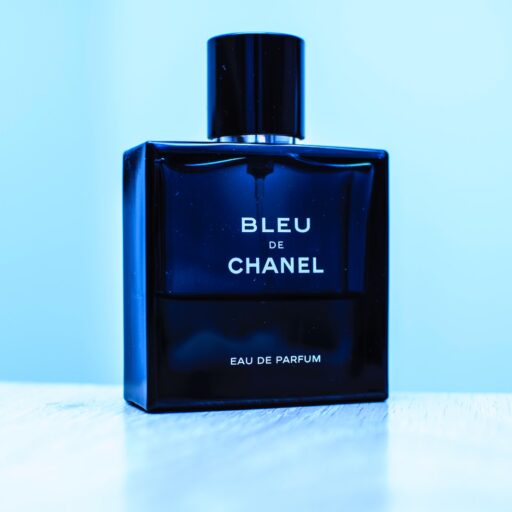
- Bleu de Chanel: An elegant, woody aromatic that balances freshness with depth. It’s sophisticated, office-friendly, and a timeless classic.
- 👉 Shop Bleu de Chanel on: Amazon | Ulta | Chanel Official Website
- Versace Eros: A bold, fresh, and sweet scent with mint, apple, and vanilla. It’s youthful, vibrant, and perfect for nights out.
- 👉 Shop Versace Eros on: Amazon | Walmart | Versace Official Website
These fragrances are designed to be broadly appealing, reliable, and a safe bet for almost any occasion. They are the workhorses of many men’s fragrance collections. For more top picks, explore our article on the Top 10 Perfume Brands for Male.
🌟 The Allure of Niche Perfume Brands: What Sets Them Apart?
Now, let’s pivot to the intriguing world of niche perfume brands. If designer fragrances are the blockbuster movies, niche perfumes are the critically acclaimed independent films – often more daring, artistic, and aimed at a specific, appreciative audience.
The Distinctive Traits of Niche Fragrances
- Artistic Expression & Uniqueness: The driving force behind niche perfumery is often the perfumer’s vision and artistic freedom. They prioritize creating unique, complex, and sometimes challenging scent profiles that stand out from the mainstream.
- Quote from NisaraBeauty.com: “Niche fragrances are known for their creativity and originality.”
- Quote from FNP.ae: “Niche fragrances are about expressing individuality and exploring new olfactory territories.”
- Exclusivity & Limited Production: Niche brands typically operate on a smaller scale. They produce limited batches, often using rare or high-quality ingredients, which contributes to their exclusivity. You won’t find these everywhere.
- Specialized Distribution: Forget department store counters. Niche fragrances are usually found in dedicated perfume boutiques, high-end concept stores, or directly through the brand’s official website. This controlled distribution adds to their mystique and allure.
- Emphasis on Ingredients: Niche houses often pride themselves on sourcing exceptional, sometimes exotic, raw materials. This focus on quality ingredients can lead to richer, more nuanced, and longer-lasting compositions.
- Storytelling & Concept: Many niche fragrances come with a compelling backstory or a specific concept they aim to evoke. The scent itself is part of a larger narrative, inviting the wearer to connect on a deeper level.
- Higher Price Point: Due to limited production, rare ingredients, and the artistic nature of their creation, niche perfumes are generally more expensive. You’re often paying for the artistry, the quality of materials, and the exclusivity.
- Quote from DrPerfumes.com: “Niche perfumes are crafted for those who seek individuality, while designer fragrances cater to a broader audience.”
Examples of Respected Niche Men’s Fragrances
Here are a few examples that showcase the diversity and artistry of niche perfumery:
- Creed Aventus: Perhaps the most famous niche fragrance, known for its smoky pineapple and birch accord. It’s a powerhouse of compliments and a benchmark for modern masculine perfumery.
- 👉 Shop Creed Aventus on: Amazon | Bloomingdale’s | Creed Official Website
- Amouage Interlude Man: A bold, complex, and intense fragrance often dubbed “The Blue Beast.” It features notes of oregano, frankincense, opoponax, and leather, creating a smoky, spicy, and resinous masterpiece.
- 👉 Shop Amouage Interlude Man on: Amazon | Jomashop | Amouage Official Website
- Parfums de Marly Layton: A sophisticated and warm spicy-vanilla scent with apple, lavender, and cardamom. It’s elegant, versatile, and incredibly addictive.
- 👉 Shop Parfums de Marly Layton on: Amazon | Saks Fifth Avenue | Parfums de Marly Official Website
Niche fragrances offer a journey of discovery, a chance to wear something truly distinctive that speaks to your personality. If you’re looking to explore deeper, check out our Luxury Brands section.
1️⃣ Top 10 Key Differences Between Designer and Niche Perfumes for Men
Alright, let’s get down to brass tacks! While both designer and niche fragrances aim to make you smell fantastic, their philosophies, production methods, and target audiences create distinct experiences. Here are the top 10 key differences we’ve observed over our years in the industry, drawing insights from consumer feedback and expert analysis.
1. Brand Identity and Origin
- Designer: Often extensions of established fashion houses or luxury conglomerates. Their primary business might be clothing, accessories, or cosmetics, with fragrance as a complementary product. Think Ralph Lauren, Calvin Klein, Tom Ford (main line).
- Niche: Typically founded by perfumers, artists, or passionate entrepreneurs whose sole focus is fragrance. The brand is the perfume house. Examples include Byredo, Le Labo, Maison Francis Kurkdjian.
2. Scent Philosophy and Creativity
- Designer: Aims for broad appeal and often follows current market trends. Scents are generally “safe,” versatile, and designed to be widely liked. They might be less challenging but are highly wearable.
- Niche: Prioritizes artistic expression, uniqueness, and pushing olfactory boundaries. Scents can be unconventional, complex, and sometimes polarizing, designed for those seeking something truly distinctive. As NisaraBeauty.com states, they are “known for their creativity and originality.”
3. Ingredient Sourcing and Quality
- Designer: Uses high-quality ingredients, but often relies on synthetic molecules and commonly available naturals to ensure consistency, scalability, and cost-effectiveness for mass production.
- Niche: Often boasts about using rare, exotic, or exceptionally high-quality natural ingredients. While synthetics are still used (they’re crucial in modern perfumery!), niche brands might invest more in unique or expensive raw materials, contributing to their higher cost.
4. Production Volume and Exclusivity
- Designer: Mass-produced in large quantities to meet global demand. This ensures wide availability but means your scent won’t be unique to you.
- Niche: Produced in smaller batches, sometimes even by hand. This limited production fosters a sense of exclusivity and ensures a more artisanal feel.
5. Availability and Distribution Channels
- Designer: Widely available in department stores, beauty retailers (Sephora, Ulta), pharmacies, and online discounters. Easy to find and test.
- Niche: Limited distribution, typically found in specialized boutiques, high-end luxury stores, or directly from the brand’s website. Requires more effort to discover and sample.
6. Pricing and Value Proposition
- Designer: Generally more affordable and offers excellent value for money, especially for everyday wear. Prices are typically in the mid-range.
- Niche: Usually more expensive due to factors like rare ingredients, smaller production runs, and artistic focus. The value proposition lies in uniqueness and quality. DrPerfumes.com notes niche prices can range from “$150–$500+.”
7. Marketing and Advertising
- Designer: Relies on heavy marketing, celebrity endorsements, glossy ad campaigns, and mainstream media presence. The focus is on brand recognition and aspirational lifestyle.
- Niche: Minimal traditional advertising. Marketing often relies on word-of-mouth, critical acclaim, and the reputation of the perfumer. The emphasis is on the scent itself and its story.
8. Target Audience
- Designer: Caters to a broad consumer base looking for versatile, pleasant, and recognizable scents for various occasions.
- Niche: Targets fragrance connoisseurs, enthusiasts, and individuals seeking a unique signature scent that expresses their personality and stands out from the crowd. As DrPerfumes.com states, “Niche perfumes are crafted for those who seek individuality.”
9. Longevity and Sillage (Performance)
- Designer: Performance can vary widely. Many popular designer scents offer good longevity and sillage, but some are formulated to be lighter for broader appeal.
- Niche: Often (but not always!) associated with superior longevity and sillage due to higher concentrations of perfume oils and richer ingredients. However, this isn’t a universal rule; some niche scents are intentionally subtle.
10. Packaging and Presentation
- Designer: Often features sleek, mass-produced bottles that align with the brand’s aesthetic. Packaging is generally consistent across lines.
- Niche: Can range from minimalist and elegant to highly ornate and artistic, often reflecting the unique story or ingredients of the fragrance. There’s often a greater emphasis on the bottle as a piece of art.
This table summarizes these key distinctions:
| Feature | Designer Perfumes for Men | Niche Perfumes for Men |
|---|---|---|
| Brand Identity | Fashion/Luxury House extension | Solely dedicated perfume house |
| Scent Philosophy | Broad appeal, trend-following, versatile | Artistic, unique, unconventional, expressive |
| Ingredient Focus | Quality synthetics & common naturals, consistent | Rare, exotic, high-quality naturals, unique blends |
| Production Volume | Mass-produced, high volume | Limited batches, artisanal, smaller scale |
| Availability | Wide (department stores, online retailers) | Exclusive (boutiques, brand websites, select luxury stores) |
| Pricing | More affordable, mid-range | Generally more expensive, premium |
| Marketing | Heavy advertising, celebrity endorsements | Word-of-mouth, artistic narrative, minimal traditional ads |
| Target Audience | General public, versatile wearers | Connoisseurs, individuals seeking uniqueness, collectors |
| Performance (L/S) | Varies, often good but can be lighter | Often (but not always) superior, higher concentrations |
| Packaging | Consistent, often sleek, brand-aligned | Diverse, artistic, unique, often part of the story |
💡 Craftsmanship and Ingredients: Quality Showdown
This is where the rubber meets the road, or rather, where the molecules meet your skin! The perceived quality of a fragrance often boils down to the craftsmanship involved in its creation and the ingredients used. While both designer and niche brands employ skilled perfumers, their approach to these elements can differ significantly.
The Designer Approach: Precision and Consistency
Designer brands operate on a massive scale. When you’re producing millions of bottles of Acqua di Gio or Sauvage, consistency is paramount. Every bottle, whether bought in New York or Tokyo, must smell identical.
- Synthetic Savvy: Designer perfumers are masters at utilizing synthetic molecules. These aren’t “bad” ingredients; in fact, many modern perfumery breakthroughs rely on them. Synthetics offer incredible stability, consistency, and allow for notes that are impossible to extract naturally (like many “fresh” or “aquatic” accords). They also help keep costs manageable for mass production.
- Example: The ubiquitous Ambroxan in Dior Sauvage provides that modern, fresh, woody amber backbone. It’s a synthetic marvel.
- Cost-Effectiveness: While designer brands use quality ingredients, they must also consider the bottom line. This means balancing the use of expensive naturals with more affordable, high-performing synthetics. The goal is to create a captivating scent within a specific budget.
- “Brief” Driven: Designer fragrances are often created under a strict “brief” from the brand’s marketing team. This brief outlines the target demographic, desired scent profile, and even the emotional response the fragrance should evoke. The perfumer’s job is to fulfill this brief, often within tight deadlines.
The Niche Approach: Artisanal Freedom and Rare Finds
Niche brands, with their smaller production runs and artistic focus, often have more freedom to experiment and invest in unique raw materials.
- Natural Wonders & Exotic Extracts: Niche perfumers frequently highlight their use of rare natural ingredients, such as specific types of oud, high-grade iris butter, or unique floral absolutes. These can be incredibly expensive and difficult to source consistently in large quantities.
- Example: Amouage is renowned for its generous use of Omani frankincense, a precious resin that gives many of its fragrances a distinctive, spiritual depth.
- Unconventional Blends: Without the pressure of mass appeal, niche perfumers can create more complex and unconventional compositions. They might explore challenging notes (e.g., civet, castoreum, strong animalics, unusual spices) or create abstract concepts that wouldn’t fly in the mainstream market.
- Perfumery as Art: For many niche houses, the creation process is akin to painting or composing music. The perfumer is the artist, and the fragrance is their masterpiece. This often means longer development times and less compromise on the creative vision.
- Transparency (Sometimes): Some niche brands are more transparent about their ingredient sourcing and the perfumers behind their creations, fostering a deeper connection with their audience.
The “Quality” Debate: Is Niche Always Better?
This is a common misconception. While niche brands can use more expensive or rare ingredients, it doesn’t automatically mean “better” quality or performance.
- ✅ Niche Strengths: Often offers unique scent profiles, a deeper story, and a higher concentration of certain expensive naturals.
- ✅ Designer Strengths: Offers incredible versatility, consistent quality, and often groundbreaking use of synthetics to create modern, appealing scents.
- ❌ The Myth: That designer fragrances are “cheap” or “low quality.” This is simply untrue. Brands like Dior and Chanel invest heavily in research and development, employing world-class perfumers and using high-grade materials, both natural and synthetic.
- Our Take: Both categories offer high-quality options. The difference lies in the intent and artistic freedom. Designer aims for refined, mass-pleasing elegance, while niche aims for bold, individualistic artistry. It’s like comparing a beautifully tailored suit from a renowned fashion house to a bespoke, avant-garde piece from an independent designer. Both are high quality, just different expressions.
For a deeper dive into fragrance notes and ingredients, check out our Perfume Guides!
🛍️ Availability and Distribution: Where to Find Your Signature Scent
The journey to finding your perfect fragrance often begins with where you can actually find it. This is one of the most stark differences between designer and niche perfumes.
Designer: Ubiquitous and Accessible
Designer fragrances are designed for mass consumption, and their distribution reflects this goal. They want to be where you are, making it incredibly easy to discover, sample, and purchase.
- Department Stores: The traditional stronghold. Walk into any major department store like Macy’s, Nordstrom, Dillard’s, or Bloomingdale’s, and you’ll find expansive fragrance counters dedicated to brands like Dior, Chanel, Gucci, Versace, Armani, and Yves Saint Laurent. Sales associates are usually on hand to help you explore.
- Beauty Retailers: Stores like Sephora and Ulta Beauty offer a vast selection of designer fragrances, often with self-service testers, making it easy to browse at your leisure.
- 👉 Shop Designer Fragrances on: Sephora | Ulta Beauty
- Pharmacies & Drugstores: Even your local CVS or Walgreens might carry a selection of more affordable designer or celebrity fragrances.
- Duty-Free Shops: A popular spot for travelers to pick up designer scents, often at competitive prices.
- Online Retailers: The internet has made designer fragrances even more accessible. Reputable online discounters (like FragranceNet.com, Notino) and authorized e-tailers (like Amazon, Walmart, and the brands’ official websites) offer a huge selection, often with significant discounts.
✅ Pros of Designer Availability:
- Easy to test: You can usually spray them on your skin and wear them for a few hours before committing.
- Convenient to buy: Available almost everywhere, often with sales and promotions.
- Instant gratification: No long waits for shipping or searching for obscure boutiques.
❌ Cons of Designer Availability:
- Less unique: The same widespread availability means many people will be wearing the same popular scents.
Niche: Exclusive and Curated
Niche brands, by their very nature, thrive on exclusivity. Their distribution strategy is designed to maintain this aura of specialness and to reach a more discerning clientele.
- Dedicated Boutiques: Many niche brands have their own standalone boutiques in major cities. Think Le Labo stores where fragrances are hand-blended, or Frederic Malle boutiques designed like art galleries.
- High-End Department Stores: You’ll find niche counters in the most luxurious department stores, often in a separate, more curated section. Examples include Bergdorf Goodman, Neiman Marcus, Saks Fifth Avenue, and sometimes Nordstrom (for certain brands).
- Specialty Perfume Shops: Independent perfume shops that curate a selection of niche and artisanal brands are fantastic places to explore. These shop owners are often incredibly knowledgeable.
- Online Direct-to-Consumer: Many niche brands sell exclusively through their own official websites. This allows them to control the brand experience and connect directly with their customers.
- 👉 Shop Niche Fragrances on: LuckyScent | Twisted Lily | Aedes de Venustas
- Discovery Sets & Samples: Because niche fragrances are harder to access, many brands and retailers offer discovery sets or individual samples. This is highly recommended before investing in a full bottle.
✅ Pros of Niche Availability:
- Exclusivity: You’re less likely to smell like everyone else.
- Curated experience: Shopping for niche can feel like a treasure hunt, leading to exciting discoveries.
- Knowledgeable staff: Sales associates in niche boutiques are often passionate and highly informed.
❌ Cons of Niche Availability:
- Harder to sample: You might need to order samples online or travel to a specific store.
- Less convenient: Not available at every corner store.
- Higher barrier to entry: The initial investment in samples or a full bottle is often higher.
The choice of where to shop often reflects your preference for convenience versus exclusivity. Are you a grab-and-go kind of guy, or do you enjoy the thrill of the hunt for a unique olfactory gem?
💰 Pricing and Value: Are You Paying for the Bottle or the Essence?
Ah, the age-old question: why does one tiny bottle of liquid cost so much more than another? When it comes to designer vs. niche perfumes, pricing is a significant differentiator, but understanding the value proposition behind those numbers is key. We won’t list specific prices, but we’ll discuss the general ranges and what influences them.
Designer Pricing: Accessible Luxury
Designer fragrances typically fall into a more accessible price range. This is a deliberate strategy to appeal to a wider consumer base.
- Economies of Scale: Mass production allows designer brands to produce fragrances at a lower per-unit cost. They buy ingredients in huge volumes, streamline manufacturing, and distribute efficiently.
- Marketing Investment: While the raw materials might be a smaller percentage of the overall cost compared to niche, designer brands pour enormous sums into marketing, advertising, and celebrity endorsements. This cost is factored into the retail price.
- Brand Extension: For many fashion houses, fragrance serves as an entry point into the brand. Someone who can’t afford a Gucci handbag might be able to afford a bottle of Gucci Guilty, thus becoming a brand loyalist.
- Value Proposition: Designer fragrances offer excellent value for their quality, versatility, and widespread appeal. You’re getting a well-crafted, generally long-lasting scent from a reputable brand that’s suitable for many occasions without breaking the bank.
Niche Pricing: The Cost of Artistry and Exclusivity
Niche fragrances are almost always more expensive. This higher price tag isn’t just arbitrary; it reflects several factors inherent to their business model.
- Rare & High-Quality Ingredients: As discussed, niche brands often invest in more expensive, rare, or difficult-to-source natural raw materials. These can significantly drive up production costs.
- Smaller Production Runs: Without the benefit of mass production, the per-unit cost for manufacturing, bottling, and packaging is higher.
- Artistic Freedom & Development Time: Niche perfumers often have longer development cycles, experimenting more freely without commercial constraints. This creative freedom and time investment contribute to the final price.
- Exclusivity & Brand Story: Part of the niche appeal is its exclusivity. The higher price point reinforces this, signaling that you’re acquiring something special and less common. You’re buying into the brand’s unique story and artistic vision.
- Less Marketing, More Product Focus: While designer brands spend heavily on marketing, niche brands often rely on the quality of the product itself and word-of-mouth. However, the cost saved on traditional advertising is often reinvested into ingredients or the perfumer’s creative process.
- Value Proposition: For niche enthusiasts, the value lies in the uniqueness, artistry, and often superior performance (though not guaranteed) of the fragrance. You’re paying for an olfactory experience that stands apart, a personal statement rather than a crowd-pleaser. As NisaraBeauty.com notes, “niche perfumes often justified by their higher price and uniqueness.”
The “Worth It” Question
So, is a niche fragrance “worth” the higher price? This is entirely subjective!
- ✅ For the Connoisseur: If you appreciate unique artistry, rare ingredients, and want a scent that truly sets you apart, a niche fragrance can be an incredibly rewarding investment.
- ✅ For Everyday Versatility: If you need reliable, crowd-pleasing scents for daily wear, work, or casual outings, designer fragrances offer fantastic options without the premium cost.
- ❌ Don’t Assume Quality: A higher price tag doesn’t automatically guarantee better longevity, sillage, or even a scent you’ll love more. Always sample before you splurge!
Ultimately, both categories offer compelling value, just for different priorities. Are you seeking a reliable daily companion, or a rare masterpiece for special occasions? Your wallet, and your nose, will guide you! For more insights into luxury scents, visit our Luxury Brands section.
🎯 Target Audience and Marketing Strategies: Who’s Wearing What?
Understanding who designer and niche brands are trying to reach, and how they go about it, reveals a lot about their core philosophies. It’s a tale of two very different approaches to connecting with the consumer.
Designer: The Broad Net Caster
Designer brands cast a wide net, aiming to capture the attention of as many potential customers as possible. Their target audience is, quite simply, everyone.
- Demographic Focus: While they might have specific lines for younger audiences (e.g., Paco Rabanne 1 Million) or more mature ones (e.g., Chanel Pour Monsieur), the overall goal is mass appeal. They target individuals who are fashion-conscious, brand-aware, and looking for a reliable, pleasant scent.
- Lifestyle Association: Designer marketing often sells a lifestyle. Think of the aspirational imagery: a handsome man driving a luxury car (Dior Sauvage), a couple on a romantic getaway (Dolce & Gabbana Light Blue Pour Homme), or a group of friends enjoying a vibrant night out (Versace Eros). The fragrance becomes an accessory to an ideal life.
- Celebrity Power: This is a huge component. Attaching a famous face (like Ryan Reynolds for Armani Code or Robert Pattinson for Dior Homme) instantly creates recognition, aspiration, and a sense of desirability. Consumers often associate the celebrity’s image with the fragrance.
- Mass Media Saturation: You’ll see designer fragrance ads everywhere: TV commercials, glossy magazine spreads, billboards, social media campaigns, and prominent displays in retail stores. The goal is constant visibility and top-of-mind awareness.
- “Easy to Like” Messaging: The marketing often emphasizes versatility, freshness, sexiness, or sophistication – qualities that resonate with a large segment of the population. The message is clear: this scent will make you feel good and be liked by others.
Niche: The Connoisseur’s Whisper
Niche brands, on the other hand, speak to a much more specific, discerning audience. Their marketing is less about shouting from the rooftops and more about a quiet, confident whisper to those “in the know.”
- Demographic Focus: Niche brands target fragrance enthusiasts, connoisseurs, collectors, and individuals seeking uniqueness and artistic expression. They appeal to those who view perfume as an art form or a personal statement, rather than just a pleasant smell.
- Storytelling & Craftsmanship: Instead of celebrities, niche marketing focuses on the story behind the scent, the inspiration, the rare ingredients, and the perfumer’s vision. It’s about the narrative and the craft.
- Quote from DrPerfumes.com: “Niche perfumes are crafted for those who seek individuality, while designer fragrances cater to a broader audience.”
- Word-of-Mouth & Community: Niche brands thrive on organic buzz. Reviews from fragrance bloggers, YouTubers, and online communities (like Basenotes or Fragrantica) are far more influential than traditional ads. It’s a community-driven market.
- Exclusive Experiences: Marketing might involve limited edition releases, collaborations with artists, or exclusive events at high-end boutiques. The emphasis is on creating a unique experience for a select few.
- “Individuality” Messaging: The core message is about standing out, expressing your unique personality, and discovering an olfactory signature that truly belongs to you. It’s about personal connection rather than mass appeal.
The Blurring Lines: “Niche-leaning Designers”
It’s important to note that the lines can sometimes blur. Some designer brands have launched “private collections” or “exclusive lines” that adopt a niche philosophy: higher quality ingredients, unique compositions, and more limited distribution. Tom Ford Private Blend (e.g., Oud Wood, Tobacco Vanille) is a prime example. While still under the umbrella of a major designer, these lines cater to a niche audience.
- Tom Ford Private Blend: These fragrances are often more daring, complex, and use higher concentrations of expensive raw materials than Tom Ford’s mainstream designer offerings. They are priced similarly to many niche brands and are sold in more exclusive channels.
- 👉 Shop Tom Ford Private Blend on: Sephora | Nordstrom | Tom Ford Official Website
Ultimately, your preference for designer or niche might depend on whether you want to join the crowd with a universally loved tune, or discover a hidden gem that resonates with your unique rhythm.
🌍 Sustainability and Ethical Practices in Designer vs Niche Brands
In today’s conscious consumer landscape, the “how” a product is made is almost as important as the “what.” Fragrance is no exception. Both designer and niche brands are increasingly facing scrutiny regarding their sustainability and ethical practices, though their approaches and challenges can differ.
Designer Brands: Navigating the Global Footprint
Given their massive scale, designer brands face immense pressure and have significant resources to implement large-scale sustainability initiatives.
- Supply Chain Complexity: Large brands often have complex global supply chains, making it challenging to monitor every step from raw material sourcing to final production. However, many are actively working to improve transparency.
- Ingredient Sourcing: Many major fragrance houses (e.g., Givaudan, Firmenich, IFF – who create scents for designer brands) are investing heavily in sustainable sourcing programs for natural ingredients like vanilla, vetiver, and sandalwood. This includes fair trade practices and supporting local communities.
- Fact: Givaudan, a leading fragrance and flavor company, has a “Sourcing for Shared Value” program focused on ethical and sustainable sourcing of natural ingredients. Learn more about Givaudan’s sustainability efforts here.
- Packaging: Efforts are being made to reduce waste through recyclable materials, refillable bottles (e.g., Mugler’s refill fountains, some Dior and Chanel offerings), and lighter packaging.
- Carbon Footprint: Large corporations are often setting ambitious targets for reducing carbon emissions across their operations.
- Animal Testing: The vast majority of major designer brands sold in Western markets do not test on animals. However, brands selling in markets like mainland China, where animal testing is (or was, until recently, for certain categories) legally required, face a complex ethical dilemma.
- ✅ Many designer brands are cruelty-free in their primary markets.
- ❌ Some brands may still be involved in animal testing due to market regulations in specific countries. Always check a brand’s specific policy if this is a concern.
Niche Brands: Agility and Niche Ethics
Niche brands, while smaller, often have the agility to implement specific ethical practices more directly, though they might lack the resources for large-scale scientific research into sustainable alternatives.
- Direct Sourcing: Some niche brands pride themselves on direct relationships with growers and producers, ensuring fair wages and sustainable harvesting practices for their unique natural ingredients.
- Transparency: Many niche brands are more vocal about their ethical stance, whether it’s being vegan, cruelty-free, or using organic alcohol. This transparency resonates with their conscious consumer base.
- Small-Batch Production: Smaller production runs inherently mean less waste in some areas, though packaging choices still matter.
- Ingredient Focus: A focus on “natural” ingredients can sometimes be misconstrued as inherently more sustainable. While many naturals are sustainably sourced, some (like certain types of oud or sandalwood) face issues of overharvesting or deforestation. A truly ethical brand will address these concerns.
- Artisanal & Local: Some niche brands emphasize local production, reducing transportation footprints and supporting local economies.
- Animal-Derived Ingredients: While rare, some traditional niche perfumery might still use animal-derived ingredients like civet or castoreum (often synthetic versions are used now, but it’s worth checking if this is a concern).
Our Perspective: Progress, Not Perfection
It’s a complex landscape. No brand, designer or niche, is perfectly sustainable or 100% ethical across all metrics. However, we’re seeing significant progress:
- Increased Awareness: Consumers are demanding more, and brands are responding.
- Innovation: The industry is investing in green chemistry, biodegradable packaging, and alternative sourcing.
- Certifications: Look for certifications like Leaping Bunny (cruelty-free) or specific organic/fair trade labels if these are important to you.
When choosing, consider what ethical aspects are most important to you. Do you prioritize cruelty-free, vegan, sustainably sourced ingredients, or a low carbon footprint? Researching a brand’s specific policies is always recommended. For more on industry trends, check our Fragrance Industry News section.
🧪 Longevity and Sillage: How Long Does the Magic Last?
“Will it last all day?” and “Will people notice me?” These are two of the most common questions we hear from men choosing a fragrance. Longevity (how long a scent lasts on your skin) and sillage (how far the scent projects from your body) are crucial performance metrics, and there’s a common misconception that niche always wins here. Let’s clear the air!
Understanding Longevity and Sillage
- Longevity: Measured in hours. A fragrance with good longevity will be detectable for 6-8 hours or more. Poor longevity might mean it fades within 2-4 hours.
- Sillage: Describes the “scent trail” you leave.
- Heavy sillage: The scent projects several feet, easily noticeable.
- Moderate sillage: Projects within arm’s length, noticeable to those close to you.
- Intimate sillage (skin scent): Stays very close to the skin, only detectable by someone very near.
Factors Influencing Performance
Many elements contribute to how a fragrance performs:
- Concentration:
- Eau de Cologne (EDC): 2-4% perfume oil. Light, short-lived.
- Eau de Toilette (EDT): 5-15% perfume oil. Moderate longevity, good for everyday.
- Eau de Parfum (EDP): 15-20% perfume oil. Stronger, longer-lasting.
- Parfum/Extrait de Parfum: 20-40% perfume oil. Most concentrated, longest lasting, often intimate sillage.
- Ingredients: Heavier base notes (woods, resins, musks, vanilla, amber) tend to last longer than lighter top notes (citrus, fresh notes).
- Skin Chemistry: Your unique skin pH, oiliness, and even diet can affect how a fragrance interacts and performs.
- Application: Where you spray (pulse points, clothes), how much you spray, and moisturizing your skin can all impact performance.
- Environment: Humidity, temperature, and airflow can affect how quickly a scent evaporates.
Designer Performance: Often Reliable, Sometimes Surprising
Designer fragrances are formulated to perform reliably for a broad audience.
- ✅ Good All-Rounders: Many popular designer EDTs and EDPs offer solid moderate longevity (4-7 hours) and moderate sillage. They’re designed to be noticeable without being overwhelming, making them suitable for work, social events, and daily wear.
- Examples of strong performers: Dior Sauvage EDP, Bleu de Chanel EDP, Paco Rabanne 1 Million, Jean Paul Gaultier Le Male Le Parfum. These are known for their respectable staying power and projection.
- ❌ Lighter Options: Some designer fragrances, especially fresh aquatics or very light citrus EDTs, are intentionally designed to be fleeting and refreshing, offering shorter longevity (2-4 hours) and intimate sillage. This isn’t a flaw, but a design choice.
- Reformulations: Designer fragrances are sometimes reformulated due to ingredient restrictions or cost-cutting, which can occasionally impact performance. This is a common point of discussion among fragrance enthusiasts.
Niche Performance: The “Beast Mode” Reputation (with caveats)
Niche fragrances often have a reputation for being “beast mode” performers, meaning they last forever and project like crazy. While many do, it’s not a universal truth.
- ✅ High Concentrations: Many niche brands offer their fragrances in EDP or Parfum concentrations, which naturally leads to longer longevity (6-12+ hours) and often stronger sillage.
- Examples of legendary performers: Amouage Interlude Man, Creed Aventus (though batches vary), Parfums de Marly Layton, Nasomatto Black Afgano. These are known for their incredible staying power and powerful projection.
- ✅ Rich Base Notes: Niche perfumers often use a higher percentage of rich, long-lasting base notes and high-quality fixatives, contributing to their endurance.
- ❌ Intentionally Subtle: Not all niche fragrances are powerhouses. Some are designed to be intimate skin scents, focusing on a personal, ethereal aura rather than room-filling projection. Think of some Le Labo scents or certain delicate florals.
- Skin Chemistry Still Applies: Even the strongest niche scent can perform differently on different people. Always test on your own skin!
Our Recommendation: Don’t Judge a Book by Its Cover (or a Scent by Its Price Tag)
- Test, Test, Test!: The only way to truly know how a fragrance will perform on your skin is to wear it. Get samples, spray it on, and observe its longevity and sillage throughout the day.
- Read Reviews (with a grain of salt): User reviews on sites like Fragrantica.com or Basenotes.com can offer insights, but remember that individual experiences vary wildly.
- Consider the Occasion: Do you need a scent to last through a 10-hour workday, or just for a quick dinner out? Match the performance to your needs.
While niche often delivers impressive performance, don’t discount designer options. Many designer EDPs can easily rival or surpass some niche offerings in terms of longevity and sillage. It’s about finding the right scent, not just the right category. For more on how to make your fragrance last, check out our Perfume Guides.
🧴 Packaging and Presentation: First Impressions Matter
In the world of fragrance, the bottle is often the first point of contact, a silent ambassador for the scent within. The packaging and presentation of designer and niche perfumes tell very different stories, reflecting their distinct brand philosophies.
Designer: The Art of Mass Appeal and Brand Consistency
Designer brands invest heavily in packaging that is both visually appealing and instantly recognizable. Their bottles are often an extension of their fashion or luxury brand identity.
- Sleek & Modern: Many designer bottles feature clean lines, minimalist aesthetics, and contemporary designs that appeal to a broad demographic. Think the iconic blue bottle of Bleu de Chanel or the sleek black rectangle of Armani Code.
- Brand Iconography: Logos, specific fonts, and signature elements of the fashion house are often incorporated into the bottle design or cap. The Versace Medusa head or the Dior bee are prime examples. This reinforces brand recognition.
- Mass Production Efficiency: While aesthetically pleasing, designer bottles are designed for efficient mass production. They use durable, often standardized materials, ensuring consistency across millions of units.
- Marketing Integration: The bottle design is often a key element in advertising campaigns, becoming synonymous with the fragrance itself.
- “Shelf Appeal”: Designer bottles are crafted to stand out on crowded department store shelves, catching the eye of casual browsers.
- Examples:
- Paco Rabanne 1 Million: The gold bar bottle is instantly recognizable and perfectly embodies the fragrance’s opulent, bold character.
- Jean Paul Gaultier Le Male: The torso-shaped bottle is iconic, playful, and distinctly Gaultier.
- Dior Sauvage: The heavy, dark blue glass bottle with magnetic cap feels substantial and luxurious, reflecting the fragrance’s modern masculinity.
Niche: The Vessel of Artistry and Storytelling
Niche brands often treat their bottles as an integral part of the artistic expression, sometimes even as a collectible item. The presentation is often more varied, reflecting the unique vision of each house.
- Diverse Aesthetics: Niche packaging can range from ultra-minimalist and understated (e.g., Le Labo with its apothecary-style labels) to ornate, extravagant, and jewel-like (e.g., Amouage with its intricate caps and heavy glass).
- Emphasis on Materials: Niche brands might use heavier glass, unique cap materials (wood, metal, crystal), or special finishes to convey luxury and craftsmanship.
- Storytelling Through Design: The bottle’s design often ties directly into the fragrance’s concept or inspiration. A rustic, hand-labeled bottle might suggest an artisanal, natural blend, while a sleek, futuristic design could hint at avant-garde perfumery.
- Limited Edition Appeal: Some niche brands release limited edition bottles or special presentations, further enhancing their exclusivity and collectibility.
- Focus on the Juice: While some niche brands have elaborate packaging, others deliberately keep it simple, emphasizing that the true value is in the liquid inside. Byredo is known for its minimalist, almost stark, black-and-white aesthetic, letting the scent speak for itself.
- Examples:
- Amouage: Their bottles are often miniature works of art, with intricate caps (e.g., the falcon for men’s fragrances) and heavy, colored glass, reflecting the brand’s Omani heritage and luxurious nature.
- Frederic Malle: Known for its elegant, understated bottles with a simple black label, putting the perfumer’s name front and center, emphasizing the artistry within.
- Creed: Their classic, often hand-finished bottles with a crest logo convey a sense of heritage and timeless elegance.
Our Take: What Does Your Bottle Say About You?
Both designer and niche brands offer beautiful packaging.
- ✅ Designer: Offers consistent, recognizable, and often very stylish bottles that complement their brand image and look great on any dresser.
- ✅ Niche: Provides a wider range of artistic expressions, from minimalist chic to opulent grandeur, often adding to the unique story of the fragrance.
Ultimately, while the juice inside is paramount, the bottle is part of the overall experience. Do you prefer a universally admired design, or a unique piece of art that reflects your individual taste?
🕵️ ♂️ How to Choose Between Designer and Niche Perfumes: Expert Tips
So, you’ve absorbed all this fragrant wisdom, but the big question remains: how do you actually choose? Don’t worry, we’ve got you covered. As seasoned perfumers at Perfume Brands™, we believe the best choice is always the one that makes you feel fantastic. Here’s our step-by-step guide to navigating the designer vs. niche dilemma.
Step 1: Define Your Fragrance Goals 🎯
Before you even sniff a cap, ask yourself:
- What’s the occasion? 🤔
- Everyday wear, office, casual outings? You might prioritize versatility and mass appeal.
- Special events, dates, making a statement? Uniqueness and boldness might be key.
- A signature scent that’s only yours? Exclusivity will be a major factor.
- What’s your budget? 💰
- Are you looking for something affordable and reliable?
- Are you willing to invest more for a unique experience?
- What’s your personality? 🎭
- Do you prefer to blend in elegantly or stand out boldly?
- Are you a trend-follower or a trend-setter?
- Do you enjoy exploring complex, challenging scents, or do you prefer straightforward, pleasant aromas?
Step 2: Understand Your Scent Preferences 👃
This is crucial. What notes and scent families do you genuinely enjoy?
- Familiarize yourself with scent families: Fresh (citrus, aquatic, green), Woody (sandalwood, cedar, oud), Oriental (spicy, vanilla, amber), Fougere (lavender, oakmoss, coumarin), Chypre (bergamot, oakmoss, patchouli).
- Think about what you already like: What perfumes have you enjoyed in the past? What notes do they share?
- Consider the “vibe”: Do you prefer fresh and clean, warm and cozy, dark and mysterious, or bright and energetic?
Step 3: The Sampling Strategy: Your Best Friend 🧪
Never, ever blind buy a full bottle, especially with niche fragrances!
- For Designer:
- ✅ Visit department stores/beauty retailers: Spray on a test strip, then on your skin. Walk around for an hour or two to see how it develops.
- ✅ Ask for samples: Many counters will provide small vials if you ask politely.
- 👉 Shop Designer Samples/Decants on: DecantX | Scent Split
- For Niche:
- ✅ Order discovery sets/samples online: Many niche brands and specialized retailers (like LuckyScent, Twisted Lily) offer affordable sample programs. This is the safest way to explore.
- ✅ Visit niche boutiques: If you’re in a major city, seek out dedicated niche perfume shops. The staff are often incredibly knowledgeable and can guide you.
- 👉 Shop Niche Samples/Decants on: LuckyScent | Twisted Lily | Surrender to Chance
Step 4: Wear Test and Observe ⌚
- Live with the scent: Don’t just sniff it once. Wear it for a full day. How does it evolve? Does it give you a headache? Does it last as long as you need it to?
- Get feedback (if you want): Ask a trusted friend or partner what they think, but remember, your opinion is the most important!
- Consider the weather/season: Some scents shine in summer, others in winter.
Step 5: Weigh the Pros and Cons (for you)
| Factor | Choose Designer If…
⚡️ Quick Tips and Facts About Designer vs Niche Perfumes
Ever stood in a department store, overwhelmed by the sheer number of gleaming bottles, or scrolled endlessly online, wondering if that elusive “niche” scent is truly worth the hype? You’re not alone! Here at Perfume Brands™, we’ve spent years navigating the fragrant labyrinth, and we’re here to distill the essence of the great designer vs. niche debate for you. Think of us as your personal scent sherpas! 🏔️
Here’s a rapid-fire rundown to get your nose in the game:
- Designer Fragrances 👔: These are the big names you know and love – think Dior, Chanel, Gucci, Versace. They’re often extensions of major fashion houses, crafted for broad appeal, wide availability, and generally more accessible price points. They aim for mass market success, often following popular trends.
- Niche Fragrances ✨: These are the artisanal, often independent perfume houses like Amouage, Byredo, Creed, or Frederic Malle. They prioritize artistic expression, unique scent profiles, rare ingredients, and exclusivity. They’re made in smaller batches, less widely distributed, and typically come with a higher price tag.
- The Core Difference: As DrPerfumes.com aptly puts it, “The key difference lies in the intent: mass appeal versus artistic expression.” Designer aims for widespread love, while niche seeks to tell a unique olfactory story.
- Your Choice Matters: Whether you lean designer or niche, the ultimate goal is to find a scent that “resonates with you,” as NisaraBeauty.com highlights. It’s about personal preference and what makes you feel confident and unique.
- Performance: While often associated with niche, longevity and sillage (how far a scent projects) aren’t exclusive to either category. You can find beasts and duds in both!
- Investment: Niche perfumes often represent a greater financial investment, justified by their unique compositions and ingredient quality. Designer fragrances offer fantastic value for everyday wear.
Ready to dive deeper into the aromatic world? Let’s uncork some more insights! 🍾
🌿 The Scented Saga: A Brief History of Designer and Niche Perfume Brands

Before we dissect the modern differences, let’s take a quick stroll down memory lane. Understanding the origins helps us appreciate how these two distinct worlds of perfumery evolved.
The Rise of Designer Perfumery: From Fashion to Fragrance
The concept of “designer” perfumes really took off in the early 20th century. Fashion houses, realizing the power of scent to complete an ensemble and extend their brand’s reach, began creating their own fragrances. Chanel No. 5, launched in 1921, is arguably the most iconic example, forever linking haute couture with high perfumery. This wasn’t just about smelling good; it was about embodying a lifestyle, an image.
- Early Innovators: Brands like Guerlain (though often considered a bridge between designer and niche due to its rich heritage and artisanal approach) and Caron were pioneers, establishing the idea of a signature scent tied to a brand.
- Post-War Boom: The mid-20th century saw an explosion in designer fragrances. As fashion became more accessible, so did its olfactory counterparts. Brands like Dior, Yves Saint Laurent, and Givenchy followed suit, creating scents that became household names. These fragrances were designed to be aspirational, yet attainable for a broader market.
- Mass Market Evolution: By the late 20th and early 21st centuries, designer perfumes became a cornerstone of the beauty industry. Large conglomerates like LVMH (which owns Dior, Givenchy, and many others) and Coty (responsible for brands like Calvin Klein and Gucci fragrances) began dominating the market, leveraging massive marketing budgets and celebrity endorsements. This era solidified the designer fragrance as a product for the masses, often reflecting “modern trends and widely appealing scents,” as the first YouTube video on this topic aptly points out.
The Genesis of Niche Perfumery: A Return to Artistry
While designer brands were busy conquering the mainstream, a quiet revolution was brewing. Niche perfumery, in its modern form, emerged as a counter-movement, a desire to return to the artistic roots of perfumery, free from commercial constraints.
- Rebellion Against the Mainstream: By the 1980s and 90s, some perfumers felt that designer fragrances had become too homogenized, too focused on focus groups and market trends. They yearned for creative freedom, to experiment with unusual notes and complex compositions without worrying about mass appeal.
- Pioneers of the Niche Movement: Houses like L’Artisan Parfumeur (founded in 1976) and Serge Lutens (whose first fragrance was released in 1992) were among the trailblazers. They focused on storytelling through scent, using high-quality, sometimes rare, ingredients and eschewing traditional advertising in favor of word-of-mouth and the sheer quality of their creations.
- The Modern Niche Boom: The 21st century has seen an incredible surge in niche brands. Consumers, increasingly seeking individuality and unique experiences, have embraced these artisanal offerings. Brands like Creed, Amouage, Byredo, and Tom Ford Private Blend (which, while part of a larger designer brand, operates with a niche philosophy) have captivated a discerning audience. This shift reflects a desire for “individuality” and “artistic expression,” as DrPerfumes.com notes.
So, from fashion accessory to olfactory art, the journey of perfume has been a fascinating one, leading us to the vibrant, diverse landscape we explore today. For more on the evolution of scent, check out our Fragrance Industry News section!
🎩 What Defines a Designer Perfume Brand for Men?
When we talk about designer perfume brands for men, we’re generally referring to fragrances produced by well-established fashion houses, luxury goods companies, or celebrity brands. These are the names you see splashed across magazine ads and prominently displayed in department stores.
The Hallmarks of Designer Fragrances
- Brand Recognition: The most immediate identifier. Think Giorgio Armani, Hugo Boss, Paco Rabanne, Yves Saint Laurent, Dior, Chanel, Versace, Gucci, Calvin Klein. These brands are household names, often with a long history in fashion, accessories, or other luxury goods. Their fragrances leverage this existing brand equity.
- Mass Market Appeal: Designer scents are crafted to appeal to a broad audience. This means they often feature scent profiles that are generally pleasant, versatile, and unlikely to offend. They’re designed to be “easy to like,” as the first YouTube video suggests, making them safe bets for gifts or everyday wear.
- Quote from FNP.ae: “Designer fragrances are crafted to appeal to a broad audience, often reflecting the latest fashion trends.”
- Wide Availability: You’ll find designer fragrances almost everywhere: major department stores (Macy’s, Nordstrom), beauty retailers (Sephora, Ulta), duty-free shops, and countless online stores. This widespread distribution is a key part of their business model.
- Marketing Powerhouse: Designer brands have colossal marketing budgets. Expect glossy ad campaigns, celebrity endorsements (think Johnny Depp for Dior Sauvage or Chris Hemsworth for BOSS Bottled), and a strong presence across all media channels. This marketing helps build brand recognition and desirability.
- Trend-Driven: Many designer releases are influenced by current trends in perfumery or fashion. If a certain note or style (e.g., ambroxan-heavy, fresh aquatics, sweet gourmands) is popular, you’ll likely see designer brands incorporating it into their new offerings.
- Accessibility: Generally, designer fragrances are more affordable than their niche counterparts. This makes them an excellent entry point for men exploring the world of scent.
- Quote from NisaraBeauty.com: “Designer fragrances are mass-produced, making them more accessible and affordable.”
Examples of Iconic Designer Men’s Fragrances
Let’s look at some quintessential examples that embody the designer ethos:
- Dior Sauvage: A modern fougère with a fresh, spicy, and ambroxan-heavy profile. It’s incredibly popular, versatile, and a compliment magnet.
- 👉 Shop Dior Sauvage on: Amazon | Sephora | Dior Official Website
- Bleu de Chanel: An elegant, woody aromatic that balances freshness with depth. It’s sophisticated, office-friendly, and a timeless classic.
- 👉 Shop Bleu de Chanel on: Amazon | Ulta | Chanel Official Website
- Versace Eros: A bold, fresh, and sweet scent with mint, apple, and vanilla. It’s youthful, vibrant, and perfect for nights out.
- 👉 Shop Versace Eros on: Amazon | Walmart | Versace Official Website
These fragrances are designed to be broadly appealing, reliable, and a safe bet for almost any occasion. They are the workhorses of many men’s fragrance collections. For more top picks, explore our article on the Top 10 Perfume Brands for Male.
🌟 The Allure of Niche Perfume Brands: What Sets Them Apart?
Now, let’s pivot to the intriguing world of niche perfume brands. If designer fragrances are the blockbuster movies, niche perfumes are the critically acclaimed independent films – often more daring, artistic, and aimed at a specific, appreciative audience.
The Distinctive Traits of Niche Fragrances
- Artistic Expression & Uniqueness: The driving force behind niche perfumery is often the perfumer’s vision and artistic freedom. They prioritize creating unique, complex, and sometimes challenging scent profiles that stand out from the mainstream.
- Quote from NisaraBeauty.com: “Niche fragrances are known for their creativity and originality.”
- Quote from FNP.ae: “Niche fragrances are about expressing individuality and exploring new olfactory territories.”
- Exclusivity & Limited Production: Niche brands typically operate on a smaller scale. They produce limited batches, often using rare or high-quality ingredients, which contributes to their exclusivity. You won’t find these everywhere.
- Specialized Distribution: Forget department store counters. Niche fragrances are usually found in dedicated perfume boutiques, high-end concept stores, or directly through the brand’s official website. This controlled distribution adds to their mystique and allure.
- Emphasis on Ingredients: Niche houses often pride themselves on sourcing exceptional, sometimes exotic, raw materials. This focus on quality ingredients can lead to richer, more nuanced, and longer-lasting compositions.
- Storytelling & Concept: Many niche fragrances come with a compelling backstory or a specific concept they aim to evoke. The scent itself is part of a larger narrative, inviting the wearer to connect on a deeper level.
- Higher Price Point: Due to limited production, rare ingredients, and the artistic nature of their creation, niche perfumes are generally more expensive. You’re often paying for the artistry, the quality of materials, and the exclusivity.
- Quote from NisaraBeauty.com: “niche perfumes often justified by their higher price and uniqueness.”
Examples of Respected Niche Men’s Fragrances
Here are a few examples that showcase the diversity and artistry of niche perfumery:
- Creed Aventus: Perhaps the most famous niche fragrance, known for its smoky pineapple and birch accord. It’s a powerhouse of compliments and a benchmark for modern masculine perfumery.
- 👉 Shop Creed Aventus on: Amazon | Bloomingdale’s | Creed Official Website
- Amouage Interlude Man: A bold, complex, and intense fragrance often dubbed “The Blue Beast.” It features notes of oregano, frankincense, opoponax, and leather, creating a smoky, spicy, and resinous masterpiece.
- 👉 Shop Amouage Interlude Man on: Amazon | Jomashop | Amouage Official Website
- Parfums de Marly Layton: A sophisticated and warm spicy-vanilla scent with apple, lavender, and cardamom. It’s elegant, versatile, and incredibly addictive.
- 👉 Shop Parfums de Marly Layton on: Amazon | Saks Fifth Avenue | Parfums de Marly Official Website
Niche fragrances offer a journey of discovery, a chance to wear something truly distinctive that speaks to your personality. If you’re looking to explore deeper, check out our Luxury Brands section.
1️⃣ Top 10 Key Differences Between Designer and Niche Perfumes for Men
Alright, let’s get down to brass tacks! While both designer and niche fragrances aim to make you smell fantastic, their philosophies, production methods, and target audiences create distinct experiences. Here are the top 10 key differences we’ve observed over our years in the industry, drawing insights from consumer feedback and expert analysis.
1. Brand Identity and Origin
- Designer: Often extensions of established fashion houses or luxury conglomerates. Their primary business might be clothing, accessories, or cosmetics, with fragrance as a complementary product. Think Ralph Lauren, Calvin Klein, Tom Ford (main line).
- Niche: Typically founded by perfumers, artists, or passionate entrepreneurs whose sole focus is fragrance. The brand is the perfume house. Examples include Byredo, Le Labo, Maison Francis Kurkdjian.
2. Scent Philosophy and Creativity
- Designer: Aims for broad appeal and often follows current market trends. Scents are generally “safe,” versatile, and designed to be widely liked. They might be less challenging but are highly wearable.
- Niche: Prioritizes artistic expression, uniqueness, and pushing olfactory boundaries. Scents can be unconventional, complex, and sometimes polarizing, designed for those seeking something truly distinctive. As NisaraBeauty.com states, they are “known for their creativity and originality.”
3. Ingredient Sourcing and Quality
- Designer: Uses high-quality ingredients, but often relies on synthetic molecules and commonly available naturals to ensure consistency, scalability, and cost-effectiveness for mass production.
- Niche: Often boasts about using rare, exotic, or exceptionally high-quality natural ingredients. While synthetics are still used (they’re crucial in modern perfumery!), niche brands might invest more in unique or expensive raw materials, contributing to their higher cost.
4. Production Volume and Exclusivity
- Designer: Mass-produced in large quantities to meet global demand. This ensures wide availability but means your scent won’t be unique to you.
- Niche: Produced in smaller batches, sometimes even by hand. This limited production fosters a sense of exclusivity and ensures a more artisanal feel.
5. Availability and Distribution Channels
- Designer: Widely available in department stores, beauty retailers (Sephora, Ulta), pharmacies, and online discounters. Easy to find and test.
- Niche: Limited distribution, typically found in specialized boutiques, high-end luxury stores, or directly from the brand’s website. Requires more effort to discover and sample.
6. Pricing and Value Proposition
- Designer: Generally more affordable and offers excellent value for money, especially for everyday wear. Prices are typically in the mid-range.
- Niche: Usually more expensive due to factors like rare ingredients, smaller production runs, and artistic focus. The value proposition lies in uniqueness and quality. DrPerfumes.com notes niche prices can range from “$150–$500+.”
- Personal Anecdote: Our team member, Mark, once splurged on a niche oud fragrance. He said, “It was a significant investment, but the depth and evolution of that scent were unlike anything I’d ever experienced. It felt truly special, like wearing a piece of art.”
7. Marketing and Advertising
- Designer: Relies on heavy marketing, celebrity endorsements, glossy ad campaigns, and mainstream media presence. The focus is on brand recognition and aspirational lifestyle.
- Niche: Minimal traditional advertising. Marketing often relies on word-of-mouth, critical acclaim, and the reputation of the perfumer. The emphasis is on the scent itself and its story.
8. Target Audience
- Designer: Caters to a broad consumer base looking for versatile, pleasant, and recognizable scents for various occasions.
- Niche: Targets fragrance connoisseurs, enthusiasts, and individuals seeking a unique signature scent that expresses their personality and stands out from the crowd. As DrPerfumes.com states, “Niche perfumes are crafted for those who seek individuality.”
9. Longevity and Sillage (Performance)
- Designer: Performance can vary widely. Many popular designer scents offer good longevity and sillage, but some are formulated to be lighter for broader appeal.
- Niche: Often (but not always!) associated with superior longevity and sillage due to higher concentrations of perfume oils and richer ingredients. However, this isn’t a universal rule; some niche scents are intentionally subtle.
10. Packaging and Presentation
- Designer: Often features sleek, mass-produced bottles that align with the brand’s aesthetic. Packaging is generally consistent across lines.
- Niche: Can range from minimalist and elegant to highly ornate and artistic, often reflecting the unique story or ingredients of the fragrance. There’s often a greater emphasis on the bottle as a piece of art.
This table summarizes these key distinctions:
| Feature | Designer Perfumes for Men | Niche Perfumes for Men |
|---|---|---|
| Brand Identity | Fashion/Luxury House extension | Solely dedicated perfume house |
| Scent Philosophy | Broad appeal, trend-following, versatile | Artistic, unique, unconventional, expressive |
| Ingredient Focus | Quality synthetics & common naturals, consistent | Rare, exotic, high-quality naturals, unique blends |
| Production Volume | Mass-produced, high volume | Limited batches, artisanal, smaller scale |
| Availability | Wide (department stores, online retailers) | Exclusive (boutiques, brand websites, select luxury stores) |
| Pricing | More affordable, mid-range | Generally more expensive, premium |
| Marketing | Heavy advertising, celebrity endorsements | Word-of-mouth, artistic narrative, minimal traditional ads |
| Target Audience | General public, versatile wearers | Connoisseurs, individuals seeking uniqueness, collectors |
| Performance (L/S) | Varies, often good but can be lighter | Often (but not always) superior, higher concentrations |
| Packaging | Consistent, often sleek, brand-aligned | Diverse, artistic, unique, often part of the story |
💡 Craftsmanship and Ingredients: Quality Showdown
This is where the rubber meets the road, or rather, where the molecules meet your skin! The perceived quality of a fragrance often boils down to the craftsmanship involved in its creation and the ingredients used. While both designer and niche brands employ skilled perfumers, their approach to these elements can differ significantly.
The Designer Approach: Precision and Consistency
Designer brands operate on a massive scale. When you’re producing millions of bottles of Acqua di Gio or Sauvage, consistency is paramount. Every bottle, whether bought in New York or Tokyo, must smell identical.
- Synthetic Savvy: Designer perfumers are masters at utilizing synthetic molecules. These aren’t “bad” ingredients; in fact, many modern perfumery breakthroughs rely on them. Synthetics offer incredible stability, consistency, and allow for notes that are impossible to extract naturally (like many “fresh” or “aquatic” accords). They also help keep costs manageable for mass production.
- Example: The ubiquitous Ambroxan in Dior Sauvage provides that modern, fresh, woody amber backbone. It’s a synthetic marvel.
- Cost-Effectiveness: While designer brands use quality ingredients, they must also consider the bottom line. This means balancing the use of expensive naturals with more affordable, high-performing synthetics. The goal is to create a captivating scent within a specific budget.
- “Brief” Driven: Designer fragrances are often created under a strict “brief” from the brand’s marketing team. This brief outlines the target demographic, desired scent profile, and even the emotional response the fragrance should evoke. The perfumer’s job is to fulfill this brief, often within tight deadlines.
The Niche Approach: Artisanal Freedom and Rare Finds
Niche brands, with their smaller production runs and artistic focus, often have more freedom to experiment and invest in unique raw materials.
- Natural Wonders & Exotic Extracts: Niche perfumers frequently highlight their use of rare natural ingredients, such as specific types of oud, high-grade iris butter, or unique floral absolutes. These can be incredibly expensive and difficult to source consistently in large quantities.
- Example: Amouage is renowned for its generous use of Omani frankincense, a precious resin that gives many of its fragrances a distinctive, spiritual depth.
- Unconventional Blends: Without the pressure of mass appeal, niche perfumers can create more complex and unconventional compositions. They might explore challenging notes (e.g., civet, castoreum, strong animalics, unusual spices) or create abstract concepts that wouldn’t fly in the mainstream market.
- Perfumery as Art: For many niche houses, the creation process is akin to painting or composing music. The perfumer is the artist, and the fragrance is their masterpiece. This often means longer development times and less compromise on the creative vision.
- Transparency (Sometimes): Some niche brands are more transparent about their ingredient sourcing and the perfumers behind their creations, fostering a deeper connection with their audience.
The “Quality” Debate: Is Niche Always Better?
This is a common misconception. While niche brands can use more expensive or rare ingredients, it doesn’t automatically mean “better” quality or performance.
- ✅ Niche Strengths: Often offers unique scent profiles, a deeper story, and a higher concentration of certain expensive naturals.
- ✅ Designer Strengths: Offers incredible versatility, consistent quality, and often groundbreaking use of synthetics to create modern, appealing scents.
- ❌ The Myth: That designer fragrances are “cheap” or “low quality.” This is simply untrue. Brands like Dior and Chanel invest heavily in research and development, employing world-class perfumers and using high-grade materials, both natural and synthetic.
- Our Take: Both categories offer high-quality options. The difference lies in the intent and artistic freedom. Designer aims for refined, mass-pleasing elegance, while niche aims for bold, individualistic artistry. It’s like comparing a beautifully tailored suit from a renowned fashion house to a bespoke, avant-garde piece from an independent designer. Both are high quality, just different expressions.
For a deeper dive into fragrance notes and ingredients, check out our Perfume Guides!
🛍️ Availability and Distribution: Where to Find Your Signature Scent
The journey to finding your perfect fragrance often begins with where you can actually find it. This is one of the most stark differences between designer and niche perfumes.
Designer: Ubiquitous and Accessible
Designer fragrances are designed for mass consumption, and their distribution reflects this goal. They want to be where you are, making it incredibly easy to discover, sample, and purchase.
- Department Stores: The traditional stronghold. Walk into any major department store like Macy’s, Nordstrom, Dillard’s, or Bloomingdale’s, and you’ll find expansive fragrance counters dedicated to brands like Dior, Chanel, Gucci, Versace, Armani, and Yves Saint Laurent. Sales associates are usually on hand to help you explore.
- Beauty Retailers: Stores like Sephora and Ulta Beauty offer a vast selection of designer fragrances, often with self-service testers, making it easy to browse at your leisure.
- 👉 Shop Designer Fragrances on: Sephora | Ulta Beauty
- Pharmacies & Drugstores: Even your local CVS or Walgreens might carry a selection of more affordable designer or celebrity fragrances.
- Duty-Free Shops: A popular spot for travelers to pick up designer scents, often at competitive prices.
- Online Retailers: The internet has made designer fragrances even more accessible. Reputable online discounters (like FragranceNet.com, Notino) and authorized e-tailers (like Amazon, Walmart, and the brands’ official websites) offer a huge selection, often with significant discounts.
✅ Pros of Designer Availability:
- Easy to test: You can usually spray them on your skin and wear them for a few hours before committing.
- Convenient to buy: Available almost everywhere, often with sales and promotions.
- Instant gratification: No long waits for shipping or searching for obscure boutiques.
❌ Cons of Designer Availability:
- Less unique: The same widespread availability means many people will be wearing the same popular scents.
Niche: Exclusive and Curated
Niche brands, by their very nature, thrive on exclusivity. Their distribution strategy is designed to maintain this aura of specialness and to reach a more discerning clientele.
- Dedicated Boutiques: Many niche brands have their own standalone boutiques in major cities. Think Le Labo stores where fragrances are hand-blended, or Frederic Malle boutiques designed like art galleries.
- High-End Department Stores: You’ll find niche counters in the most luxurious department stores, often in a separate, more curated section. Examples include Bergdorf Goodman, Neiman Marcus, Saks Fifth Avenue, and sometimes Nordstrom (for certain brands).
- Specialty Perfume Shops: Independent perfume shops that curate a selection of niche and artisanal brands are fantastic places to explore. These shop owners are often incredibly knowledgeable.
- Online Direct-to-Consumer: Many niche brands sell exclusively through their own official websites. This allows them to control the brand experience and connect directly with their customers.
- 👉 Shop Niche Fragrances on: LuckyScent | Twisted Lily | Aedes de Venustas
- Discovery Sets & Samples: Because niche fragrances are harder to access, many brands and retailers offer discovery sets or individual samples. This is highly recommended before investing in a full bottle.
✅ Pros of Niche Availability:
- Exclusivity: You’re less likely to smell like everyone else.
- Curated experience: Shopping for niche can feel like a treasure hunt, leading to exciting discoveries.
- Knowledgeable staff: Sales associates in niche boutiques are often passionate and highly informed.
❌ Cons of Niche Availability:
- Harder to sample: You might need to order samples online or travel to a specific store.
- Less convenient: Not available at every corner store.
- Higher barrier to entry: The initial investment in samples or a full bottle is often higher.
The choice of where to shop often reflects your preference for convenience versus exclusivity. Are you a grab-and-go kind of guy, or do you enjoy the thrill of the hunt for a unique olfactory gem?
💰 Pricing and Value: Are You Paying for the Bottle or the Essence?
Ah, the age-old question: why does one tiny bottle of liquid cost so much more than another? When it comes to designer vs. niche perfumes, pricing is a significant differentiator, but understanding the value proposition behind those numbers is key. We won’t list specific prices, but we’ll discuss the general ranges and what influences them.
Designer Pricing: Accessible Luxury
Designer fragrances typically fall into a more accessible price range. This is a deliberate strategy to appeal to a wider consumer base.
- Economies of Scale: Mass production allows designer brands to produce fragrances at a lower per-unit cost. They buy ingredients in huge volumes, streamline manufacturing, and distribute efficiently.
- Marketing Investment: While the raw materials might be a smaller percentage of the overall cost compared to niche, designer brands pour enormous sums into marketing, advertising, and celebrity endorsements. This cost is factored into the retail price.
- Brand Extension: For many fashion houses, fragrance serves as an entry point into the brand. Someone who can’t afford a Gucci handbag might be able to afford a bottle of Gucci Guilty, thus becoming a brand loyalist.
- Value Proposition: Designer fragrances offer excellent value for their quality, versatility, and widespread appeal. You’re getting a well-crafted, generally long-lasting scent from a reputable brand that’s suitable for many occasions without breaking the bank.
Niche Pricing: The Cost of Artistry and Exclusivity
Niche fragrances are almost always more expensive. This higher price tag isn’t just arbitrary; it reflects several factors inherent to their business model.
- Rare & High-Quality Ingredients: As discussed, niche brands often invest in more expensive, rare, or difficult-to-source natural raw materials. These can significantly drive up production costs.
- Smaller Production Runs: Without the benefit of mass production, the per-unit cost for manufacturing, bottling, and packaging is higher.
- Artistic Freedom & Development Time: Niche perfumers often have longer development cycles, experimenting more freely without commercial constraints. This creative freedom and time investment contribute to the final price.
- Exclusivity & Brand Story: Part of the niche appeal is its exclusivity. The higher price point reinforces this, signaling that you’re acquiring something special and less common. You’re buying into the brand’s unique story and artistic vision.
- Less Marketing, More Product Focus: While designer brands spend heavily on marketing, niche brands often rely on the quality of the product itself and word-of-mouth. However, the cost saved on traditional advertising is often reinvested into ingredients or the perfumer’s creative process.
- Value Proposition: For niche enthusiasts, the value lies in the uniqueness, artistry, and often superior performance (though not guaranteed) of the fragrance. You’re paying for an olfactory experience that stands apart, a personal statement rather than a crowd-pleaser. As NisaraBeauty.com notes, “niche perfumes often justified by their higher price and uniqueness.”
The “Worth It” Question
So, is a niche fragrance “worth” the higher price? This is entirely subjective!
- ✅ For the Connoisseur: If you appreciate unique artistry, rare ingredients, and want a scent that truly sets you apart, a niche fragrance can be an incredibly rewarding investment.
- ✅ For Everyday Versatility: If you need reliable, crowd-pleasing scents for daily wear, work, or casual outings, designer fragrances offer fantastic options without the premium cost.
- ❌ Don’t Assume Quality: A higher price tag doesn’t automatically guarantee better longevity, sillage, or even a scent you’ll love more. Always sample before you splurge!
Ultimately, both categories offer compelling value, just for different priorities. Are you seeking a reliable daily companion, or a rare masterpiece for special occasions? Your wallet, and your nose, will guide you! For more insights into luxury scents, visit our Luxury Brands section.
🎯 Target Audience and Marketing Strategies: Who’s Wearing What?
Understanding who designer and niche brands are trying to reach, and how they go about it, reveals a lot about their core philosophies. It’s a tale of two very different approaches to connecting with the consumer.
Designer: The Broad Net Caster
Designer brands cast a wide net, aiming to capture the attention of as many potential customers as possible. Their target audience is, quite simply, everyone.
- Demographic Focus: While they might have specific lines for younger audiences (e.g., Paco Rabanne 1 Million) or more mature ones (e.g., Chanel Pour Monsieur), the overall goal is mass appeal. They target individuals who are fashion-conscious, brand-aware, and looking for a reliable, pleasant scent.
- Lifestyle Association: Designer marketing often sells a lifestyle. Think of the aspirational imagery: a handsome man driving a luxury car (Dior Sauvage), a couple on a romantic getaway (Dolce & Gabbana Light Blue Pour Homme), or a group of friends enjoying a vibrant night out (Versace Eros). The fragrance becomes an accessory to an ideal life.
- Celebrity Power: This is a huge component. Attaching a famous face (like Ryan Reynolds for Armani Code or Robert Pattinson for Dior Homme) instantly creates recognition, aspiration, and a sense of desirability. Consumers often associate the celebrity’s image with the fragrance.
- Mass Media Saturation: You’ll see designer fragrance ads everywhere: TV commercials, glossy magazine spreads, billboards, social media campaigns, and prominent displays in retail stores. The goal is constant visibility and top-of-mind awareness.
- “Easy to Like” Messaging: The marketing often emphasizes versatility, freshness, sexiness, or sophistication – qualities that resonate with a large segment of the population. The message is clear: this scent will make you feel good and be liked by others.
Niche: The Connoisseur’s Whisper
Niche brands, on the other hand, speak to a much more specific, discerning audience. Their marketing is less about shouting from the rooftops and more about a quiet, confident whisper to those “in the know.”
- Demographic Focus: Niche brands target fragrance enthusiasts, connoisseurs, collectors, and individuals seeking uniqueness and artistic expression. They appeal to those who view perfume as an art form or a personal statement, rather than just a pleasant smell.
- Storytelling & Craftsmanship: Instead of celebrities, niche marketing focuses on the story behind the scent, the inspiration, the rare ingredients, and the perfumer’s vision. It’s about the narrative and the craft.
- Quote from DrPerfumes.com: “Niche perfumes are crafted for those who seek individuality, while designer fragrances cater to a broader audience.”
- Word-of-Mouth & Community: Niche brands thrive on organic buzz. Reviews from fragrance bloggers, YouTubers, and online communities (like Basenotes or Fragrantica) are far more influential than traditional ads. It’s a community-driven market.
- Exclusive Experiences: Marketing might involve limited edition releases, collaborations with artists, or exclusive events at high-end boutiques. The emphasis is on creating a unique experience for a select few.
- “Individuality” Messaging: The core message is about standing out, expressing your unique personality, and discovering an olfactory signature that truly belongs to you. It’s about personal connection rather than mass appeal.
The Blurring Lines: “Niche-leaning Designers”
It’s important to note that the lines can sometimes blur. Some designer brands have launched “private collections” or “exclusive lines” that adopt a niche philosophy: higher quality ingredients, unique compositions, and more limited distribution. Tom Ford Private Blend (e.g., Oud Wood, Tobacco Vanille) is a prime example. While still under the umbrella of a major designer, these lines cater to a niche audience.
- Tom Ford Private Blend: These fragrances are often more daring, complex, and use higher concentrations of expensive raw materials than Tom Ford’s mainstream designer offerings. They are priced similarly to many niche brands and are sold in more exclusive channels.
- 👉 Shop Tom Ford Private Blend on: Sephora | Nordstrom | Tom Ford Official Website
Ultimately, your preference for designer or niche might depend on whether you want to join the crowd with a universally loved tune, or discover a hidden gem that resonates with your unique rhythm.
🌍 Sustainability and Ethical Practices in Designer vs Niche Brands
In today’s conscious consumer landscape, the “how” a product is made is almost as important as the “what.” Fragrance is no exception. Both designer and niche brands are increasingly facing scrutiny regarding their sustainability and ethical practices, though their approaches and challenges can differ.
Designer Brands: Navigating the Global Footprint
Given their massive scale, designer brands face immense pressure and have significant resources to implement large-scale sustainability initiatives.
- Supply Chain Complexity: Large brands often have complex global supply chains, making it challenging to monitor every step from raw material sourcing to final production. However, many are actively working to improve transparency.
- Ingredient Sourcing: Many major fragrance houses (e.g., Givaudan, Firmenich, IFF – who create scents for designer brands) are investing heavily in sustainable sourcing programs for natural ingredients like vanilla, vetiver, and sandalwood. This includes fair trade practices and supporting local communities.
- Fact: Givaudan, a leading fragrance and flavor company, has a “Sourcing for Shared Value” program focused on ethical and sustainable sourcing of natural ingredients. Learn more about Givaudan’s sustainability efforts here.
- Packaging: Efforts are being made to reduce waste through recyclable materials, refillable bottles (e.g., Mugler’s refill fountains, some Dior and Chanel offerings), and lighter packaging.
- Carbon Footprint: Large corporations are often setting ambitious targets for reducing carbon emissions across their operations.
- Animal Testing: The vast majority of major designer brands sold in Western markets do not test on animals. However, brands selling in markets like mainland China, where animal testing is (or was, until recently, for certain categories) legally required, face a complex ethical dilemma.
- ✅ Many designer brands are cruelty-free in their primary markets.
- ❌ Some brands may still be involved in animal testing due to market regulations in specific countries. Always check a brand’s specific policy if this is a concern.
Niche Brands: Agility and Niche Ethics
Niche brands, while smaller, often have the agility to implement specific ethical practices more directly, though they might lack the resources for large-scale scientific research into sustainable alternatives.
- Direct Sourcing: Some niche brands pride themselves on direct relationships with growers and producers, ensuring fair wages and sustainable harvesting practices for their unique natural ingredients.
- Transparency: Many niche brands are more vocal about their ethical stance, whether it’s being vegan, cruelty-free, or using organic alcohol. This transparency resonates with their conscious consumer base.
- Small-Batch Production: Smaller production runs inherently mean less waste in some areas, though packaging choices still matter.
- Ingredient Focus: A focus on “natural” ingredients can sometimes be misconstrued as inherently more sustainable. While many naturals are sustainably sourced, some (like certain types of oud or sandalwood) face issues of overharvesting or deforestation. A truly ethical brand will address these concerns.
- Artisanal & Local: Some niche brands emphasize local production, reducing transportation footprints and supporting local economies.
- Animal-Derived Ingredients: While rare, some traditional niche perfumery might still use animal-derived ingredients like civet or castoreum (often synthetic versions are used now, but it’s worth checking if this is a concern).
Our Perspective: Progress, Not Perfection
It’s a complex landscape. No brand, designer or niche, is perfectly sustainable or 100% ethical across all metrics. However, we’re seeing significant progress:
- Increased Awareness: Consumers are demanding more, and brands are responding.
- Innovation: The industry is investing in green chemistry, biodegradable packaging, and alternative sourcing.
- Certifications: Look for certifications like Leaping Bunny (cruelty-free) or specific organic/fair trade labels if these are important to you.
When choosing, consider what ethical aspects are most important to you. Do you prioritize cruelty-free, vegan, sustainably sourced ingredients, or a low carbon footprint? Researching a brand’s specific policies is always recommended. For more on industry trends, check our Fragrance Industry News section.
🧪 Longevity and Sillage: How Long Does the Magic Last?
“Will it last all day?” and “Will people notice me?” These are two of the most common questions we hear from men choosing a fragrance. Longevity (how long a scent lasts on your skin) and sillage (how far the scent projects from your body) are crucial performance metrics, and there’s a common misconception that niche always wins here. Let’s clear the air!
Understanding Longevity and Sillage
- Longevity: Measured in hours. A fragrance with good longevity will be detectable for 6-8 hours or more. Poor longevity might mean it fades within 2-4 hours.
- Sillage: Describes the “scent trail” you leave.
- Heavy sillage: The scent projects several feet, easily noticeable.
- Moderate sillage: Projects within arm’s length, noticeable to those close to you.
- Intimate sillage (skin scent): Stays very close to the skin, only detectable by someone very near.
Factors Influencing Performance
Many elements contribute to how a fragrance performs:
- Concentration:
- Eau de Cologne (EDC): 2-4% perfume oil. Light, short-lived.
- Eau de Toilette (EDT): 5-15% perfume oil. Moderate longevity, good for everyday.
- Eau de Parfum (EDP): 15-20% perfume oil. Stronger, longer-lasting.
- Parfum/Extrait de Parfum: 20-40% perfume oil. Most concentrated, longest lasting, often intimate sillage.
- Ingredients: Heavier base notes (woods, resins, musks, vanilla, amber) tend to last longer than lighter top notes (citrus, fresh notes).
- Skin Chemistry: Your unique skin pH, oiliness, and even diet can affect how a fragrance interacts and performs.
- Application: Where you spray (pulse points, clothes), how much you spray, and moisturizing your skin can all impact performance.
- Environment: Humidity, temperature, and airflow can affect how quickly a scent evaporates.
Designer Performance: Often Reliable, Sometimes Surprising
Designer fragrances are formulated to perform reliably for a broad audience.
- ✅ Good All-Rounders: Many popular designer EDTs and EDPs offer solid moderate longevity (4-7 hours) and moderate sillage. They’re designed to be noticeable without being overwhelming, making them suitable for work, social events, and daily wear.
- Examples of strong performers: Dior Sauvage EDP, Bleu de Chanel EDP, Paco Rabanne 1 Million, Jean Paul Gaultier Le Male Le Parfum. These are known for their respectable staying power and projection.
- ❌ Lighter Options: Some designer fragrances, especially fresh aquatics or very light citrus EDTs, are intentionally designed to be fleeting and refreshing, offering shorter longevity (2-4 hours) and intimate sillage. This isn’t a flaw, but a design choice.
- Reformulations: Designer fragrances are sometimes reformulated due to ingredient restrictions or cost-cutting, which can occasionally impact performance. This is a common point of discussion among fragrance enthusiasts.
Niche Performance: The “Beast Mode” Reputation (with caveats)
Niche fragrances often have a reputation for being “beast mode” performers, meaning they last forever and project like crazy. While many do, it’s not a universal truth.
- ✅ High Concentrations: Many niche brands offer their fragrances in EDP or Parfum concentrations, which naturally leads to longer longevity (6-12+ hours) and often stronger sillage.
- Examples of legendary performers: Amouage Interlude Man, Creed Aventus (though batches vary), Parfums de Marly Layton, Nasomatto Black Afgano. These are known for their incredible staying power and powerful projection.
- ✅ Rich Base Notes: Niche perfumers often use a higher percentage of rich, long-lasting base notes and high-quality fixatives, contributing to their endurance.
- ❌ Intentionally Subtle: Not all niche fragrances are powerhouses. Some are designed to be intimate skin scents, focusing on a personal, ethereal aura rather than room-filling projection. Think of some Le Labo scents or certain delicate florals.
- Skin Chemistry Still Applies: Even the strongest niche scent can perform differently on different people. Always test on your own skin!
Our Recommendation: Don’t Judge a Book by Its Cover (or a Scent by Its Price Tag)
- Test, Test, Test!: The only way to truly know how a fragrance will perform on your skin is to wear it. Get samples, spray it on, and observe its longevity and sillage throughout the day.
- Read Reviews (with a grain of salt): User reviews on sites like Fragrantica.com or Basenotes.com can offer insights, but remember that individual experiences vary wildly.
- Consider the Occasion: Do you need a scent to last through a 10-hour workday, or just for a quick dinner out? Match the performance to your needs.
While niche often delivers impressive performance, don’t discount designer options. Many designer EDPs can easily rival or surpass some niche offerings in terms of longevity and sillage. It’s about finding the right scent, not just the right category. For more on how to make your fragrance last, check out our Perfume Guides.
🧴 Packaging and Presentation: First Impressions Matter
In the world of fragrance, the bottle is often the first point of contact, a silent ambassador for the scent within. The packaging and presentation of designer and niche perfumes tell very different stories, reflecting their distinct brand philosophies.
Designer: The Art of Mass Appeal and Brand Consistency
Designer brands invest heavily in packaging that is both visually appealing and instantly recognizable. Their bottles are often an extension of their fashion or luxury brand identity.
- Sleek & Modern: Many designer bottles feature clean lines, minimalist aesthetics, and contemporary designs that appeal to a broad demographic. Think the iconic blue bottle of Bleu de Chanel or the sleek black rectangle of Armani Code.
- Brand Iconography: Logos, specific fonts, and signature elements of the fashion house are often incorporated into the bottle design or cap. The Versace Medusa head or the Dior bee are prime examples. This reinforces brand recognition.
- Mass Production Efficiency: While aesthetically pleasing, designer bottles are designed for efficient mass production. They use durable, often standardized materials, ensuring consistency across millions of units.
- Marketing Integration: The bottle design is often a key element in advertising campaigns, becoming synonymous with the fragrance itself.
- “Shelf Appeal”: Designer bottles are crafted to stand out on crowded department store shelves, catching the eye of casual browsers.
- Examples:
- Paco Rabanne 1 Million: The gold bar bottle is instantly recognizable and perfectly embodies the fragrance’s opulent, bold character.
- Jean Paul Gaultier Le Male: The torso-shaped bottle is iconic, playful, and distinctly Gaultier.
- Dior Sauvage: The heavy, dark blue glass bottle with magnetic cap feels substantial and luxurious, reflecting the fragrance’s modern masculinity.
Niche: The Vessel of Artistry and Storytelling
Niche brands often treat their bottles as an integral part of the artistic expression, sometimes even as a collectible item. The presentation is often more varied, reflecting the unique vision of each house.
- Diverse Aesthetics: Niche packaging can range from ultra-minimalist and understated (e.g., Le Labo with its apothecary-style labels) to ornate, extravagant, and jewel-like (e.g., Amouage with its intricate caps and heavy glass).
- Emphasis on Materials: Niche brands might use heavier glass, unique cap materials (wood, metal, crystal), or special finishes to convey luxury and craftsmanship.
- Storytelling Through Design: The bottle’s design often ties directly into the fragrance’s concept or inspiration. A rustic, hand-labeled bottle might suggest an artisanal, natural blend, while a sleek, futuristic design could hint at avant-garde perfumery.
- Limited Edition Appeal: Some niche brands release limited edition bottles or special presentations, further enhancing their exclusivity and collectibility.
- Focus on the Juice: While some niche brands have elaborate packaging, others deliberately keep it simple, emphasizing that the true value is in the liquid inside. Byredo is known for its minimalist, almost stark, black-and-white aesthetic, letting the scent speak for itself.
- Examples:
- Amouage: Their bottles are often miniature works of art, with intricate caps (e.g., the falcon for men’s fragrances) and heavy, colored glass, reflecting the brand’s Omani heritage and luxurious nature.
- Frederic Malle: Known for its elegant, understated bottles with a simple black label, putting the perfumer’s name front and center, emphasizing the artistry within.
- Creed: Their classic, often hand-finished bottles with a crest logo convey a sense of heritage and timeless elegance.
Our Take: What Does Your Bottle Say About You?
Both designer and niche brands offer beautiful packaging.
- ✅ Designer: Offers consistent, recognizable, and often very stylish bottles that complement their brand image and look great on any dresser.
- ✅ Niche: Provides a wider range of artistic expressions, from minimalist chic to opulent grandeur, often adding to the unique story of the fragrance.
Ultimately, while the juice inside is paramount, the bottle is part of the overall experience. Do you prefer a universally admired design, or a unique piece of art that reflects your individual taste?
🕵️ ♂️ How to Choose Between Designer and Niche Perfumes: Expert Tips
So, you’ve absorbed all this fragrant wisdom, but the big question remains: how do you actually choose? Don’t worry, we’ve got you covered. As seasoned perfumers at Perfume Brands™, we believe the best choice is always the one that makes you feel fantastic. Here’s our step-by-step guide to navigating the designer vs. niche dilemma.
Step 1: Define Your Fragrance Goals 🎯
Before you even sniff a cap, ask yourself:
- What’s the occasion? 🤔
- Everyday wear, office, casual outings? You might prioritize versatility and mass appeal.
- Special events, dates, making a statement? Uniqueness and boldness might be key.
- A signature scent that’s only yours? Exclusivity will be a major factor.
- What’s your budget? 💰
- Are you looking for something affordable and reliable?
- Are you willing to invest more for a unique experience?
- What’s your personality? 🎭
- Do you prefer to blend in elegantly or stand out boldly?
- Are you a trend-follower or a trend-setter?
- Do you enjoy exploring complex, challenging scents, or do you prefer straightforward, pleasant aromas?
Step 2: Understand Your Scent Preferences 👃
This is crucial. What notes and scent families do you genuinely enjoy?
- Familiarize yourself with scent families: Fresh (citrus, aquatic, green), Woody (sandalwood, cedar, oud), Oriental (spicy, vanilla, amber), Fougere (lavender, oakmoss, coumarin), Chypre (bergamot, oakmoss, patchouli).
- Think about what you already like: What perfumes have you enjoyed in the past? What notes do they share?
- Consider the “vibe”: Do you prefer fresh and clean, warm and cozy, dark and mysterious, or bright and energetic?
Step 3: The Sampling Strategy: Your Best Friend 🧪
Never, ever blind buy a full bottle, especially with niche fragrances!
- For Designer:
- ✅ Visit department stores/beauty retailers: Spray on a test strip, then on your skin. Walk around for an hour or two to see how it develops.
- ✅ Ask for samples: Many counters will provide small vials if you ask politely.
- 👉 Shop Designer Samples/Decants on: DecantX | Scent Split
- For Niche:
- ✅ Order discovery sets/samples online: Many niche brands and specialized retailers (like LuckyScent, Twisted Lily) offer affordable sample programs. This is the safest way to explore.
- ✅ Visit niche boutiques: If you’re in a major city, seek out dedicated niche perfume shops. The staff are often incredibly knowledgeable and can guide you.
- 👉 Shop Niche Samples/Decants on: LuckyScent | Twisted Lily | Surrender to Chance
Step 4: Wear Test and Observe ⌚
- Live with the scent: Don’t just sniff it once. Wear it for a full day. How does it evolve? Does it give you a headache? Does it last as long as you need it to?
- Get feedback (if you want): Ask a trusted friend or partner what they think, but remember, your opinion is the most important!
- Consider the weather/season: Some scents shine in summer, others in winter.
Step 5: Weigh the Pros and Cons (for you)
| Factor | Choose Designer If…
🎉 Conclusion: Making the Right Fragrance Choice for You
So, what’s the final verdict in the epic showdown between designer and niche perfume brands for men? After our deep dive, it’s clear: there’s no one-size-fits-all answer. Both categories bring incredible value, artistry, and options to the table — it all depends on you.
Designer fragrances offer versatility, accessibility, and affordability. They’re perfect if you want a reliable, crowd-pleasing scent that fits seamlessly into your daily life, backed by iconic brands like Dior and Chanel. Their broad availability and marketing muscle make them easy to find and test, ideal for those who want a signature scent without breaking the bank.
On the flip side, niche perfumes are the playground of the adventurous, the connoisseurs, and those craving exclusivity, complexity, and artistic expression. Brands like Amouage and Creed craft scents that tell stories, use rare ingredients, and often boast superior longevity and sillage. They’re an investment in individuality and olfactory artistry.
Our expert advice? Start with your lifestyle and preferences. If you’re dipping your toes into the fragrance world or want a dependable everyday scent, designer is your friend. If you’re ready to explore, experiment, and make a bold statement, niche awaits. And remember: sampling is your best ally — never buy blind!
Ultimately, the best fragrance is the one that makes you feel confident, authentic, and ready to take on the world — whether it’s a Dior Sauvage or an Amouage Interlude Man. Your nose knows best! 👃✨
🔗 Recommended Links for Further Reading and Shopping
Shop Designer Perfumes for Men
- Dior Sauvage: Amazon | Sephora | Dior Official Website
- Bleu de Chanel: Amazon | Ulta | Chanel Official Website
- Versace Eros: Amazon | Walmart | Versace Official Website
Shop Niche Perfumes for Men
- Creed Aventus: Amazon | Bloomingdale’s | Creed Official Website
- Amouage Interlude Man: Amazon | Jomashop | Amouage Official Website
- Parfums de Marly Layton: Amazon | Saks Fifth Avenue | Parfums de Marly Official Website
Books for Deeper Fragrance Knowledge
- “Perfumes: The A-Z Guide” by Luca Turin & Tania Sanchez
Amazon Link - “The Art of Perfumery” by G.W. Septimus Piesse
Amazon Link - “Essence and Alchemy: A Natural History of Perfume” by Mandy Aftel
Amazon Link
❓ FAQ: Your Burning Questions Answered

How do designer and niche perfumes differ in scent complexity?
Designer perfumes tend to feature simpler, more universally appealing scent profiles designed for versatility and mass appeal. They often follow current fragrance trends and use familiar notes like citrus, lavender, and amber to ensure broad likability. In contrast, niche perfumes prioritize complexity and artistic expression, often featuring layered, unconventional, or rare ingredients that create unique and sometimes challenging olfactory experiences. This complexity appeals to fragrance enthusiasts seeking individuality.
What makes niche perfume brands more exclusive than designer brands?
Niche brands produce fragrances in limited batches, often using rare or high-quality ingredients, and distribute them through specialized boutiques or direct channels rather than mass retail. This limited availability, combined with a focus on artistic storytelling and craftsmanship, creates a sense of exclusivity. Designer brands, by contrast, are mass-produced and widely available, making their scents more common and accessible.
Are niche perfumes better quality than designer perfumes for men?
Not necessarily. While niche perfumes often use rarer or more expensive ingredients and have greater creative freedom, designer perfumes also employ high-quality materials and world-class perfumers. The difference lies more in artistic intent and uniqueness than in absolute quality. Both categories can offer excellent longevity, sillage, and craftsmanship. Quality is subjective and depends on the specific fragrance rather than the category alone.
How does pricing vary between designer and niche men’s fragrances?
Designer fragrances are generally more affordable, benefiting from economies of scale and mass production. Their prices reflect a balance between quality ingredients and marketing expenses. Niche perfumes are typically more expensive due to smaller production runs, rare ingredients, and artistic development processes. The higher price often reflects exclusivity and craftsmanship rather than just the cost of raw materials.
Can I find niche perfumes in regular stores, or do I have to buy online?
Most niche perfumes are sold through specialized boutiques, high-end department stores, or directly from brand websites. While some luxury department stores carry niche brands, they are less commonly found in mainstream retail outlets. Online retailers like LuckyScent and Twisted Lily offer extensive selections and sample programs, making it easier to explore niche fragrances from home.
Do niche perfumes always last longer than designer ones?
While many niche perfumes have higher concentrations of perfume oils and use rich base notes that contribute to longer longevity and stronger sillage, this is not a universal rule. Designer fragrances can also offer excellent performance. Factors like skin chemistry, fragrance concentration (EDT vs. EDP), and application method play significant roles. Testing fragrances personally is the best way to determine their longevity on your skin.
📚 Reference Links and Sources
- Designer vs Niche Fragrance: What’s the Real Difference? – FNP AE
- Understanding the Difference Between Designer and Niche Fragrances – Nisara Beauty
- What’s the Difference Between Niche and Designer Perfumes? – DrPerfumes
- Givaudan Sustainability Initiatives
- Dior Official Website
- Chanel Official Website
- Amouage Official Website
- Creed Official Website
- Tom Ford Official Website
For more expert insights and fragrance guides, visit Perfume Brands™.
Ready to find your perfect scent? Whether you choose designer or niche, remember: the best fragrance is the one that feels like you. Happy sniffing! 👃✨