Support our educational content for free when you purchase through links on our site. Learn more
🌟 Top 12 Perfume Brands You Must Know in 2026


Ever walked into a room and felt the air shift, not because of a storm, but because of a single, perfect scent? That’s the magic we’re chasing. At Perfume Brands™, we’ve spent years sniffing out the good, the bad, and the utterly legendary to bring you the definitive list of top perfume brands. From the timeless elegance of Chanel to the avant-garde artistry of Le Labo, this isn’t just a list; it’s your roadmap to finding your signature scent.
Did you know the global perfume market is projected to hit $80 billion by 2030? Yet, with thousands of options, finding the right one can feel like searching for a needle in a haystack of rose petals. We’ve tested hundreds of bottles, analyzed batch variations, and even debated the merits of Aventus vs. Sauvage until our noses went numb. In this guide, we break down the top 12 brands that define the industry, revealing which ones offer beast-mode longevity, which are worth the luxury price tag, and which might just be a marketing gimmick.
Ready to stop guessing and start smelling like a million bucks? Keep reading to discover our expert rankings, hidden gems, and the one brand that might just change your life forever.
Key Takeaways
- Diversity is Key: The top perfume brands range from mass-market designer houses like Dior and YSL to exclusive niche houses like Cred and Maison Francis Kurkdjian, each offering unique olfactory experiences.
- Quality vs. Hype: While designer fragrances often win on longevity and sillage due to advanced synthetics, niche brands excel in unique compositions and high-quality natural ingredients.
- The “Dry Down” Matters: Never judge a perfume by its top notes alone; the true character of a scent reveals itself hours later in the base notes.
- Avoid Fakes: Always purchase from authorized retailers to ensure authenticity, as counterfeit perfumes can contain harmful chemicals.
👉 Shop the Top Brands:
Table of Contents
- ⚡️ Quick Tips and Facts
- 🕰️ A Scented History: The Evolution of Top Perfume Brands
- 🏆 The Ultimate List of Top Perfume Brands by Category
- 1. Chanel: The Timeless Icons of French Elegance
- 2. Dior: Where Haute Couture Mets Olfactory Art
- 3. Guerlain: The Royal Legacy of Parisian Perfumery
- 4. YSL (Yves Saint Laurent): Bold, Sexy, and Unapologetic
- 5. Tom Ford: The King of Modern Luxury and Niche Crossover
- 6. Jo Malone London: The Art of Layering and Subtlety
- 7. Creed: The House That Built the Aventus Empire
- 8. Maison Francis Kurkdjian: The New Standard for Niche Excellence
- 9. Le Labo: The Alchemy of Industrial Chic and Freshness
- 10. Byredo: Minimalist Scents with Maximum Impact
- 1. Creed vs. Tom Ford vs. Dior: The Battle of the Heavyweights
- 12. Niche vs. Designer: Which Top Perfume Brand is Right for You?
- 🧪 Decoding the Notes: How to Choose Your Signature Scent
- 💰 Understanding Price Points: Designer vs. Niche vs. Luxury
- 🧴 Longevity and Sillage: Do Top Brands Actually Last Longer?
- 🛍️ Where to Buy Authentic Fragrances: Avoiding the Fakes
- ❓ Frequently Asked Questions About Top Perfume Brands
- 🔗 Recommended Links for Fragrance Enthusiasts
- 📚 Reference Links and Sources
- 🏁 Conclusion: Finding Your Perfect Scent Match
⚡️ Quick Tips and Facts
Before we dive into the olfactory deep end, let’s get the basics straight. As perfumers at Perfume Brands™, we’ve sniffed our way through thousands of bottles, and here are the golden rules you need to know before you buy:
- Concentration Matters: An Eau de Parfum (EdP) isn’t just a fancy name; it usually contains 15–20% perfume oil, lasting significantly longer than an Eau de Toilete (EdT) which hovers around 5–15%.
- Skin is a Canvas: A scent that smells divine on a tester strip might smell completely different on your skin due to your unique pH balance and body chemistry. Never buy blind without testing!
- The “Dry Down” is King: The top notes (what you smell first) evaporate in 15 minutes. The heart and base notes are what people actually smell on you hours later. Patience is a virtue in perfumery.
- Storage Secrets: Heat, light, and humidity are the enemy of fragrance. Keep your bottles in a cool, dark place (not the bathroom!) to preserve their integrity.
- Niche vs. Designer: While designer brands (like Chanel, Dior) focus on mass appeal and marketing, niche houses (like Creed, Le Labo) often prioritize unique, high-quality ingredients and artistic expression.
Pro Tip: If you’re new to the world of high-end scents, check out our comprehensive guide on 🌟 Top 30 Niche Perfume Brands List to Discover in 2026 to see where the industry is heading!
🕰️ A Scented History: The Evolution of Top Perfume Brands

The story of perfume isn’t just about smelling good; it’s a chronicle of human civilization. From the incense burners of ancient Egypt to the glass flacons of modern Paris, the journey of fragrance is as intoxicating as the scents themselves.
The Ancient Roots
Did you know the word “perfume” comes from the Latin per fum, meaning “through smoke”? In ancient times, fragrance was sacred, used in religious rituals to communicate with the gods. The Egyptians were the first to master distillation, creating oils for mummification and temple rites.
The Renaissance of France
Fast forward to the 16th century, and Catherine de’ Medici brought her personal perfumer, René le Florentin, to France. This sparked a love affair between the French court and scent. By the 17th century, Grasse, a small town in the south of France, had become the perfume capital of the world, thanks to its ideal climate for growing flowers like jasmine and rose.
The Modern Era: From House to Brand
The 19th and 20th centuries saw the birth of the modern perfume house. Guerlain (founded in 1828) and Chanel (founded in 1910) revolutionized the industry. Chanel No. 5, launched in 1921, was the first fragrance to use aldehydes, creating a complex, abstract scent that defied the single-flower norms of the time.
Today, the industry is a multi-billion dollar juggernaut. According to Yahoo Finance, the top 50 companies in the perfume and cosmetics industry earn about 75% of the industry’s total revenue, with the global market projected to reach $80.16 billion by 2030.
🏆 The Ultimate List of Top Perfume Brands by Category
We’ve curated the definitive list of the top perfume brands that define the industry. Whether you’re a fan of classic elegance, bold modernity, or obscure artistry, these houses have something for you.
1. Chanel: The Timeless Icons of French Elegance
Chanel is the epitome of sophistication. Founded by Coco Chanel, the brand revolutionized women’s fashion and fragrance. Their scents are known for their complexity and longevity.
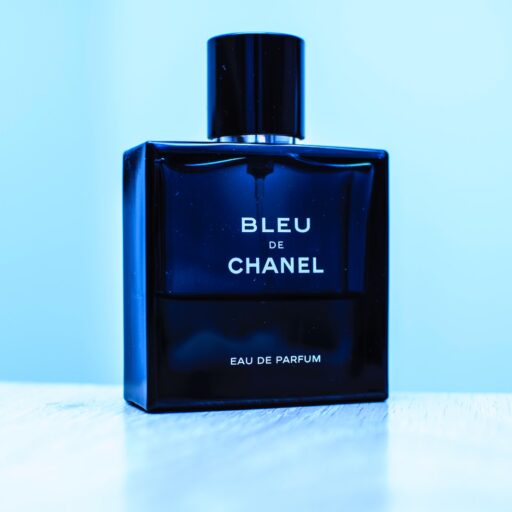
- Signature Scent: Chanel No. 5 (Floral-Aldehydic) and Bleu de Chanel (Wody-Aromatic).
- Why We Love It: It’s the safe bet that never fails. Whether you’re wearing a tuxedo or a little black dress, Chanel fits.
- Drawback: Can be overwhelming for those who prefer subtle scents, and the price point is steep.
👉 Shop Chanel on:
2. Dior: Where Haute Couture Mets Olfactory Art
Dior brings luxury and drama to the forefront. Their fragrances are often bold, sexy, and impossible to ignore.
- Signature Scent: Sauvage (Fresh-Spicy) and J’adore (Floral-Fruity).
- Why We Love It: Sauvage is arguably the best-selling men’s fragrance of the last decade. It’s fresh, versatile, and commands attention.
- Drawback: Sauvage is so popular you might smell it on everyone at the club.
👉 Shop Dior on:
3. Guerlain: The Royal Legacy of Parisian Perfumery
If there’s a king of perfumery, it’s Guerlain. With a history spanning nearly two centuries, they supply the French royal family and have created some of the most iconic scents in history.
- Signature Scent: Shalimar (Oriental-Vanilla) and L’Homme Idéal (Wody-Fresh).
- Why We Love It: Their use of natural ingredients and vintage-inspired formulas is unmatched. Shalimar is a masterpiece of the oriental genre.
- Drawback: Some of their modern releases feel a bit conservative compared to their vintage counterparts.
👉 Shop Guerlain on:
4. YSL (Yves Saint Laurent): Bold, Sexy, and Unapologetic
YSL is for the risk-takers. Their scents are often provocative, dark, and undeniably sexy.
- Signature Scent: Black Opium (Gourmand-Coffee) and La Nuit de L’Homme (Spicy-Wody).
- Why We Love It: Black Opium defined the gourmand trend for women, while La Nuit de L’Homme is a legendary date night scent.
- Drawback: Longevity on La Nuit de L’Homme can be hit or miss depending on the batch.
👉 Shop YSL on:
5. Tom Ford: The King of Modern Luxury and Niche Crossover
Tom Ford bridged the gap between designer and niche. His Private Blend collection is legendary for its richness and uniqueness.
- Signature Scent: Oud Wood (Wody-Spicy) and Black Orchid (Floral-Oriental).
- Why We Love It: Oud Wood is the gateway drug to oud scents. It’s smooth, sophisticated, and smells incredibly expensive.
- Drawback: The price tag is astronomical, and some scents are very polarizing.
👉 Shop Tom Ford on:
6. Jo Malone London: The Art of Layering and Subtlety
Jo Malone changed the game by introducing the concept of fragrance layering. Their scents are light, fresh, and perfect for those who hate heavy perfumes.
- Signature Scent: Wood Sage & Sea Salt (Wody-Mineral) and Nectarine Blossom & Honey (Fruital-Floral).
- Why We Love It: It’s the ultimate office-safe scent. You can layer two or three to create a custom signature.
- Drawback: Longevity is weak. You’ll need to reapply frequently, which can get expensive.
👉 Shop Jo Malone on:
7. Creed: The House That Built the Aventus Empire
Cred is the holy grail of niche perfumery. Founded in 1760, they claim to have dressed royalty and celebrities for centuries.
- Signature Scent: Aventus (Fruity-Wody) and Green Irish Twed (Fresh-Wody).
- Why We Love It: Aventus is the most copied fragrance in history. It smells like success and confidence.
- Drawback: Quality control issues are common (batch variation), and the price is very high.
👉 Shop Creed on:
8. Maison Francis Kurkdjian: The New Standard for Niche Excellence
Founded by the legendary perfumer Francis Kurkdjian (creator of Acqua di Gio and Baccarat Rouge 540), this house is all about elegance and wearability.
- Signature Scent: Baccarat Rouge 540 (Amber-Saffron) and Grand Soir (Vanilla-Balsamic).
- Why We Love It: Baccarat Rouge 540 is a scent phenomenon. It’s sweet, airy, and has incredible projection.
- Drawback: It’s everywhere now, and the price is step.
👉 Shop MFK on:
9. Le Labo: The Alchemy of Industrial Chic and Freshness
Le Labo brought industrial chic to the fragrance world. Their bottles are labeled in-store, and their scents are often minimalist yet complex.
- Signature Scent: Santal 3 (Wody-Leathery) and Another 13 (Musky-Absinthe).
- Why We Love It: Santal 3 is the urban uniform of the creative class. It smells like leather, wood, and a hint of pickle (in a good way!).
- Drawback: Santal 3 is polarizing; you either love it or hate it.
👉 Shop Le Labo on:
10. Byredo: Minimalist Scents with Maximum Impact
Byredo is the cool kid of the niche world. Founded by Ben Gorham, their scents are abstract, modern, and often unisex.
- Signature Scent: Bal d’Afrique (Citrus-Wody) and Gypsy Water (Wody-Vanilla).
- Why We Love It: They smell clean and sophisticated without being generic. Bal d’Afrique is a summer masterpiece.
- Drawback: Like Jo Malone, longevity can be an issue for some scents.
👉 Shop Byredo on:
1. Creed vs. Tom Ford vs. Dior: The Battle of the Heavyweights
We often get asked: Who wins the crown?
- For Status: Creed Aventus still holds the title of the most prestigious scent.
- For Versatility: Tom Ford Oud Wood or Dior Bleu de Chanel are the safest bets for any occasion.
- For Mass Appeal: Dior Sauvage is the sales king.
It really depends on what you value: exclusivity (Cred), luxury (Tom Ford), or popularity (Dior).
12. Niche vs. Designer: Which Top Perfume Brand is Right for You?
This is the great debate.
- Designer Brands (Chanel, Dior, YSL):
- ✅ Pros: Widely available, tested for mass appeal, often better longevity due to synthetic stabilizers, easier to find decants.
- ❌ Cons: Can smell generic, heavy marketing costs inflate prices.
- Niche Brands (Cred, Le Labo, Byredo):
- ✅ Pros: Unique scents, higher quality natural ingredients, artistic freedom, exclusivity.
- ❌ Cons: Expensive, harder to find, sometimes weird or polarizing, inconsistent longevity.
Verdict: If you want to smell unique, go niche. If you want to smell safe and sexy, go designer.
🧪 Decoding the Notes: How to Choose Your Signature Scent
Choosing a perfume is like choosing a partner; you need to understand the chemistry. Here’s how to navigate the fragrance pyramid:
- Top Notes: The first impression. These are light, volatile scents like citrus, herbs, or light fruits. They last 15-30 minutes.
- Heart (Middle) Notes: The core of the fragrance. These emerge after the top notes fade and last 2-4 hours. Think florals, spices, and fruits.
- Base Notes: The foundation. These are the heavy, lingering scents like woods, musk, vanilla, and amber. They can last 6+ hours or even days.
Step-by-Step Guide to Finding Your Scent:
- Step 1: Identify your preference. Do you like fresh, sweet, spicy, or wody?
- Step 2: Test on skin, not paper. Spray and wait 30 minutes.
- Step 3: Wear it for a full day. Scents evolve.
- Step 4: Consider the season. Citrus and aquatic scents work best in summer; heavy orientals and woods shine in winter.
For more detailed guides on specific scent families, check out our Perfume Guides section.
💰 Understanding Price Points: Designer vs. Niche vs. Luxury
Why does a 50ml bottle of Baccarat Rouge 540 cost $30+, while a similar-sized Dior Sauvage costs $10?
- Designer ($80 – $150): Mass-produced, heavy on marketing, often use synthetic ingredients to ensure consistency and longevity.
- Niche ($150 – $30): Smaller batches, higher concentration of natural ingredients, unique compositions, less marketing spend.
- Luxury/Extrait ($30+): Ultra-premium ingredients (like real oud, saffron, ambergris), often sold in extrait de parfum concentrations (20-40% oil).
Is it worth it?
If you care about uniqueness and ingredient quality, yes. If you just want to smell good, a well-crafted designer scent is often just as good for a fraction of the price.
🧴 Longevity and Sillage: Do Top Brands Actually Last Longer?
Longevity (how long it lasts) and Sillage (the scent trail) are the two most important factors for many buyers.
| Brand Category | Average Longevity | Sillage Level | Notes |
|---|---|---|---|
| Designer (EdP) | 6-8 Hours | Moderate to Strong | Consistent performance due to synthetics. |
| Niche (EdP) | 8-12 Hours | Variable | Can be weak (Byredo) or beast mode (Cred). |
| Luxury (Extrait) | 12+ Hours | Massive | Often requires only 1-2 sprays. |
Myth Buster: Not all niche perfumes last longer. Some, like Jo Malone, are famous for fading quickly. Conversely, some designer scents like Dior Sauvage are beast modes that last all day.
🛍️ Where to Buy Authentic Fragrances: Avoiding the Fakes
The fragrance market is rife with counterfeits. Here’s how to stay safe:
- Buy from Authorized Retailers: Stick to department stores (Sephora, Nordstrom), brand websites, or reputable online sellers like FragranceX or Maxaroma (mentioned in our featured video).
- Check the Batch Code: Every bottle has a code on the bottom. Use a site like CheckFresh to verify the production date.
- Price Check: If it’s too good to be true (e.g., $30 for a $10 bottle), it’s a fake.
- Packaging: Look for spelling errors, poor quality boxes, or mismatched fonts.
Featured Video Insight:
In our featured video about the top 30 best-selling men’s fragrances, the host highlights Maxaroma as a trusted source for both designer and niche scents, offering 10ml samples to test before committing to a full bottle. This is a pro tip we highly recommend!
🏁 Conclusion: Finding Your Perfect Scent Match

So, who is the ultimate winner in the world of top perfume brands? The truth is, there is no single “best” brand. It depends entirely on your personality, your budget, and your occasion.
- If you want classic elegance, reach for Chanel or Guerlain.
- If you want modern sex appeal, Dior and YSL are your go-tos.
- If you want unique artistry, dive into Tom Ford, Le Labo, or Byredo.
- If you want status and exclusivity, Cred is the king.
Our Final Recommendation: Don’t be afraid to experiment. Buy a sample set first. Smell the dry down. Trust your nose, not the hype. Whether you’re wearing a $50 designer scent or a $30 niche masterpiece, the best fragrance is the one that makes you feel confident and alive.
🔗 Recommended Links for Fragrance Enthusiasts
Ready to start your journey? Here are some must-have resources and products:
- Best for Samples: Maxaroma (Great for testing niche scents)
- Best for Designer Deals: FragranceX
- Best for Luxury: Sephora | Nordstrom
- Must-Read Book: Perfumes: The Guide by Luca Turin and Tania Sanchez (Available on Amazon)
- Explore More: Check out our Luxury Brands and Fragrance Reviews categories for deep dives.
❓ Frequently Asked Questions About Top Perfume Brands
How do I know if a perfume brand is authentic or a counterfeit, and what are the risks of buying fake perfumes?
Authenticity is crucial. Counterfeit perfumes often contain harmful chemicals like methanol or industrial solvents that can cause skin irritation, allergic reactions, or even respiratory issues. To verify:
- Check the batch code on the box and bottle.
- Examine the packaging quality (spelling, font, box texture).
- Buy only from authorized retailers.
- If the price is suspiciously low, it’s likely a fake.
Can I find vegan and cruelty-free perfume brands, and what are some popular options?
Yes! The industry is shifting towards ethical perfumery.
- Popular Vegan Brands: Le Labo, Byredo, Maison Francis Kurkdjian, and Jo Malone (most are vegan, but check specific lines).
- Cruelty-Free: Many of these brands are also Leaping Bunny certified. Always check the brand’s official policy, as some may use animal-derived ingredients like civet or ambergris (though synthetics are now common).
What are the best perfume brands for men, and what are their most popular fragrances?
- Dior: Sauvage (The global best-seller).
- Chanel: Bleu de Chanel (The versatile classic).
- Cred: Aventus (The status symbol).
- Tom Ford: Oud Wood (The sophisticated choice).
- YSL: La Nuit de L’Homme (The date night king).
- Hermès: Tere d’Hermès (The earthy masterpiece).
How do perfume brands create their unique scents and fragrances?
Perfumers (or “noses”) use a complex formula of natural extracts (flowers, woods, spices) and synthetic molecules. They blend these in a specific order (top, heart, base) to create a harmonious scent. The process involves trial and error, often taking months or years to perfect a single fragrance.
What are some affordable perfume brands that smell like high-end fragrances?
- Zara: Often creates inspired versions of popular scents (e.g., Zara Vibrant Leather is similar to Cred Aventus).
- Armaf: Known for Club de Nuit Intense Man, a famous Aventus clone.
- Lattafa: Offers high-quality, affordable Middle Eastern scents that rival niche brands.
- Dua Brand: Specializes in dupes of expensive fragrances.
What are the differences between niche and designer perfume brands?
- Designer: Owned by fashion houses (e.g., Gucci, Prada), focused on mass appeal, heavy marketing, widely available.
- Niche: Independent or specialized houses (e.g., Creed, Byredo), focused on artistic expression, unique ingredients, limited distribution, often more expensive.
What are the top luxury perfume brands in the world?
- Clive Christian (Often cited as the most expensive).
- Cred (Royal heritage).
- Maison Francis Kurkdjian (Modern luxury).
- Amouage (Omani luxury, rich ingredients).
- Roja Parfums (Ultra-luxury, high concentration).
Which brand is best perfume?
There is no single “best.” It depends on your taste.
- For longevity: Dior Sauvage or Cred Aventus.
- For uniqueness: Le Labo Santal 3.
- For elegance: Chanel No. 5.
- For versatility: Bleu de Chanel.
What are the most popular luxury perfume brands in 2024?
- Tom Ford (Private Blend collection).
- Maison Francis Kurkdjian (Baccarat Rouge 540).
- Byredo (Bal d’Afrique).
- Cred (Aventus).
- Le Labo (Santal 3).
Which niche perfume brands are trending right now?
- Xerjoff (Italian luxury).
- Nasomatto (Bold, avant-garde).
- Parfums de Marly (Historical, masculine).
- Kilian (Edgy, conceptual).
- Frederic Malle (Perfumer-driven).
What are the best affordable perfume brands with high quality?
- Zara (Great dupes).
- Lattafa (Middle Eastern gems).
- Armaf (Clones).
- Coty (Classic, budget-friendly).
- Davidoff (Cool Water, affordable classic).
How do I choose a top perfume brand for my skin type?
- Dry Skin: Opt for oil-based or extrait concentrations, as they last longer. Look for vanilla or musk base notes.
- Oily Skin: You can handle lighter concentrations (EdT) and citrus or aquatic notes.
- Sensitive Skin: Avoid alcohol-heavy sprays and look for hypoallergenic or natural brands. Always patch test.
📚 Reference Links and Sources
- Yahoo Finance: Top 50 Perfume Brands
- Chez Pierre: Meet The Most Famous Perfume Brands In The World
- Chanel Official Website
- Dior Official Website
- Guerlain Official Website
- Tom Ford Official Website
- Cred Official Website
- Maison Francis Kurkdjian Official Website
- Le Labo Official Website
- Byredo Official Website
- Jo Malone London Official Website
- FragranceX
- CheckFresh (Batch Code Checker)