Support our educational content for free when you purchase through links on our site. Learn more
20 International Perfume Brands Worth Knowing 🌍

The best international perfume brands aren’t all from one country or one style: explore French classics, Italian citrus, British colognes, Japanese minimalism, and Middle Eastern oud to find the scent that suits you. Start with the notes you enjoy, then sample fragrances on your skin before choosing a bottle.
We’ve seen how a quick sniff can lead you astray: a perfume that seems bright and breezy on a test strip may turn warm and sweet after an hour on your wrist. Give each scent time to unfold, and judge it by how you feel wearing it—not just by its reputation or country of origin.
From Chanel and Dior to Amouage and Ajmal, these 20 perfume houses offer a world of distinctive styles to explore. Here’s the useful bit: you don’t need to know every fragrance note to begin. A preference for citrus, florals, woods, or amber is already a good map. 👃
Key Takeaways
- Explore beyond the famous French houses. Italian, British, Middle Eastern, and Japanese perfume brands each bring distinct histories and styles.
- Choose by scent profile, not prestige alone. A brand’s reputation can guide your search, but the fragrance itself should win the wearing test.
- Sample on skin and give perfume time to develop. The opening, dry-down, longevity, and projection can all change your impression.
- Concentration isn’t a guarantee of performance. Formula, climate, application, and your skin all influence how a fragrance wears.
- Buy from official stores or trusted retailers. Check seller details carefully when shopping online to reduce the risk of counterfeit products.
Table of Contents
- ⚡ Quick Tips and Facts About International Perfume Brands
- 🌍 How International Perfume Brands Became Global Icons
- A brief history of perfume across cultures
- How fragrance houses build a worldwide reputation
- ✨ 20 International Perfume Brands Worth Knowing
- 1. Chanel: French refinement and enduring classics
- 2. Dior: couture style in a bottle
- 3. Guerlain: heritage, artistry, and rich compositions
- 4. Hermès: polished scents with a distinctive point of view
- 5. Yves Saint Laurent: bold, modern French perfumery
- 6. Lancôme: elegant fragrances with broad appeal
- 7. Maison Francis Kurkdjian: contemporary French luxury
- 8. Creed: British heritage and luxury perfumery
- 9. Jo Malone London: fresh, versatile colognes
- 10. Penhaligon’s: characterful British fragrance stories
- 11. Burberry: British style and modern signature scents
- 12. Acqua di Parma: Italian citrus and la dolce vita
- 13. Bvlgari: Italian design meets fine fragrance
- 14. Giorgio Armani: understated, polished Italian perfumery
- 15. Dolce & Gabbana: expressive Italian fragrance
- 16. Amouage: opulent fragrances from Oman
- 17. Ajmal: Arabian perfumery and oud expertise
- 18. Latafa: accessible Middle Eastern fragrance
- 19. Shiseido: Japanese beauty heritage and modern scents
- 20. Isey Miyake: minimalist Japanese-inspired fragrances
- 🗺️ International Perfume Brands by Country and Fragrance Tradition
- French perfume brands
- Italian perfume brands
- British perfume brands
- Middle Eastern perfume brands
- Japanese and other Asian perfume brands
- 🌸 Popular Fragrance Notes and Styles Around the World
- Floral, citrus, and fresh fragrances
- Wody, amber, oud, and spicy fragrances
- Gourmand, musky, and aquatic scents
- 🧪 Designer, Niche, Indie, and Luxury Perfume Brands
- What makes a perfume brand niche?
- Designer fragrances versus niche perfumes
- How to choose between luxury and affordable brands
- 👃 How to Choose an International Perfume Brand
- Find fragrance families that suit your taste
- Choose a scent for your lifestyle and occasion
- Understand concentration, longevity, and projection
- Test perfume on skin before you buy
- 🛍️ Where to Buy International Perfumes Safely
- Official brand stores and authorized retailers
- How to spot counterfeit perfume
- Buying fragrance online and checking seller details
- 🌱 Sustainability, Ingredients, and Ethical Sourcing
- Natural ingredients and synthetic fragrance materials
- Refillable bottles and responsible packaging
- Cruelty-free claims and ingredient transparency
- 🧳 Wearing and Caring for Your Perfume
- How to apply fragrance for better performance
- How to store perfume and protect its quality
- Traveling internationally with perfume
- 🔎 Recommended Links
- ❓ FAQ: International Perfume Brands
- What are the most popular international perfume brands?
- Which country is best known for perfume?
- What is the difference between designer and niche perfume brands?
- Are international perfume brands worth the investment?
- How can you tell if an international perfume is authentic?
- Which international perfume brands make long-lasting fragrances?
- Can you wear perfume in hot or humid weather?
- 📚 Reference Links
⚡ Quick Tips and Facts About International Perfume Brands
International perfume brands are more than famous labels on a bottle. They’re fragrance houses shaped by local materials, culture, design, and decades—or sometimes centuries—of perfumery. If you’ve ever wondered what perfume brands are called, terms such as fragrance house, perfume house, and brand are all used, though they don’t always mean exactly the same thing.
| Quick fact | What it means for you |
|---|---|
| Brand origin is not the whole story | A French, Italian, British, Japanese, or Omani label may work with perfumers and suppliers from around the world. |
| Country can hint at style, not guarantee it | French houses are often associated with structured perfumery; Italian brands with citrus and bright freshness; Middle Eastern houses with oud and rich amber. These are useful tendencies, not rules. |
| Concentration doesn’t promise performance | Eau de parfum often has more fragrance concentrate than eau de toilette, but composition, skin, climate, and application all affect wear. |
| Try before committing | Test on skin and give the fragrance time to develop. The first spray is only the opening scene. |
| Check who sells it | Buy from the brand or a retailer you trust. A suspiciously low price and vague seller information deserve a raised eyebrow. |
| Know your preferred scent family | Floral, citrus, woody, amber, aromatic, gourmand, and aquatic styles make it easier to narrow a huge international selection. |
Our perfumer’s shortcut: Start with the fragrance style you enjoy, then explore brands from different countries. A citrus-loving person doesn’t have to buy Italian, and an oud fan isn’t required to shop only in the Gulf. Your nose has no passport. 🌍
For further browsing, explore our guides to luxury perfume brands, men’s perfumes, classic scents, and fragrance reviews.
🌍 How International Perfume Brands Became Global Icons
A brief history of perfume across cultures
Perfumery developed through many cultures, not a single European origin story. Ancient societies used aromatic materials in rituals, medicine, grooming, and daily life; trade then carried ingredients and techniques across regions. The Smithsonian’s overview of perfume history provides a helpful introduction to how fragrance evolved over time.
France became particularly associated with modern fine perfumery, especially through Grasse and the wider fragrance industry. But international perfume history also includes the Middle East’s long traditions of aromatic oils and incense, Italy’s citrus heritage, and Japan’s distinctive approach to subtle scent and presentation. To see country-by-country fragrance culture brought to life, watch “Most Famous PERFUME Brands from Different Countries 🌍✨”. It’s a brisk four-minute tour—just enough to make your fragrance wishlist suspiciously international.
How fragrance houses build a worldwide reputation
A recognizable perfume brand usually combines several ingredients beyond the juice itself:
- A coherent point of view: Chanel, Hermès, Amouage, and Isey Miyake each present a different idea of elegance.
- A memorable flagship fragrance: A well-known scent can introduce shoppers to a whole house.
- Creative collaboration: Perfumers, designers, brand teams, and ingredient specialists shape the final experience.
- Distribution and storytelling: Packaging, stores, advertising, and reliable availability help a fragrance travel.
- Trust over time: Consistent quality and clear product information matter as much as a glamorous campaign.
Industry rankings can offer useful business context, but they don’t settle which perfume smells best. A Yahoo Finance article on perfume brands, for example, describes ranking brands using revenue and outside lists. That approach measures commercial scale—not artistry, longevity, originality, or whether a scent suits your skin. A sales chart is not a smell test.
✨ 20 International Perfume Brands Worth Knowing
This is a cross-country sampler rather than a definitive ranking. We’ve chosen established houses with distinctive identities and a broad range of fragrance styles. Brand heritage and product availability can change, so use each official site for current collections.
| Brand | Associated country | Known for | A good place to start |
|---|---|---|---|
| Chanel | France | Polished classics and modern elegance | N°5 |
| Dior | France | Couture-inspired, broad-appeal scents | J’adore |
| Guerlain | France | Heritage and expressive compositions | Shalimar |
| Hermès | France | Refined, distinctive compositions | Tere d’Hermès |
| Yves Saint Laurent | France | Bold, contemporary statements | Libre |
| Lancôme | France | Elegant florals and crowd-pleasing scents | La Vie Est Belle |
| Maison Francis Kurkdjian | France | Modern luxury perfumery | Baccarat Rouge 540 |
| Creed | United Kingdom | Luxury fragrances and heritage storytelling | Cred fragrances |
| Jo Malone London | United Kingdom | Colognes designed for easy wear and layering | Cologne collection |
| Penhaligon’s | United Kingdom | Characterful, story-driven fragrances | Fragrance collection |
| Burberry | United Kingdom | Modern British fashion and fragrance | Burberry fragrance |
| Acqua di Parma | Italy | Citrus-forward Italian style | Colonia |
| Bvlgari | Italy | Jewelry-house design and varied scent styles | Bvlgari fragrance |
| Giorgio Armani | Italy | Smooth, versatile designer fragrances | Armani fragrances |
| Dolce & Gabbana | Italy | Expressive, Mediterranean-inspired scents | Dolce&Gabbana fragrances |
| Amouage | Oman | Opulent, complex compositions | Amouage fragrances |
| Ajmal | United Arab Emirates | Arabian perfumery and oud traditions | Ajmal perfumes |
| Latafa | United Arab Emirates | Broad Middle Eastern fragrance range | Latafa fragrances |
| Shiseido | Japan | Japanese beauty heritage and modern scent | Shiseido fragrances |
| Isey Miyake | Japan | Minimalist design and nature-inspired concepts | Isey Miyake fragrances |
1. Chanel: French refinement and enduring classics
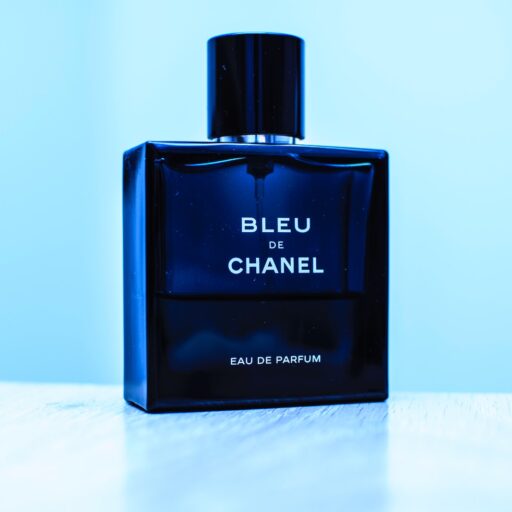
Chanel’s fragrance identity spans polished aldehydic florals, elegant musks, and modern, wearable compositions. N°5 is among the best-known perfume names in the world; it’s also a reminder that a classic can feel very different on different people. Some wearers love its powdery, floral character, while others find it too formal or vintage-leaning.
- Best for: Classic fragrance fans and anyone building a scent wardrobe.
- Consider: The house has a wide range, so don’t assume every Chanel perfume smells like N°5.
- Explore: Chanel fragrance.
2. Dior: couture style in a bottle
Dior offers a large catalogue of accessible designer scents and more concentrated or specialized lines. J’adore is a luminous floral direction; Sauvage is a widely recognized aromatic-wody option. Those are starting points, not the full story—Dior’s range moves from fresh and airy to deep and resinous.
- Best for: Shoppers who want recognizable designer fragrances with many style options.
- Consider: Popularity can mean you’ll encounter these scents often.
- Explore: Dior fragrance.
3. Guerlain: heritage, artistry, and rich compositions
Guerlain is a heritage fragrance house known for its long-running classics and imaginative compositions. Shalimar is often explored by fans of amber, vanilla, and vintage-inspired perfumery. If you prefer clean citrus or light florals, sample first; some Guerlain classics have plenty of personality.
- Best for: People who enjoy expressive fragrances and historic perfume styles.
- Consider: Older classics may feel richer or more formal than contemporary fresh scents.
- Explore: Guerlain fragrances.
4. Hermès: polished scents with a distinctive point of view
Hermès fragrances tend to feel composed rather than shouty. The house offers everything from crisp citrus to earthy woods. Tere d’Hermès is a celebrated woody-citrus style, while the Hermessence collection offers a more specialized, ingredient-focused perspective.
- Best for: Refined everyday wear and people who appreciate unusual balance.
- Consider: A quieter scent may be an advantage in close settings, but not if you want a room-filling trail.
- Explore: Hermès fragrances.
5. Yves Saint Laurent: bold, modern French perfumery
Yves Saint Laurent’s perfume catalogue leans into confident, high-impact styles. Libre combines aromatic and floral facets; Y offers a modern fresh-wody direction. Both show how one house can serve very different tastes.
- Best for: Statement scents and contemporary designer fragrance.
- Consider: The stronger styles may need fewer sprays in warm weather or small rooms.
- Explore: YSL Beauty fragrances.
6. Lancôme: elegant fragrances with broad appeal
Lancôme is known for polished, approachable fragrance, including La Vie Est Belle, a sweet, fruity-floral scent that has become a recognizable modern designer choice.
- Best for: Fans of sweet florals and easy-to-find gift options.
- Consider: If you dislike sweetness, sample before buying; the style may feel too rich for your taste.
- Explore: Lancôme fragrances.
7. Maison Francis Kurkdjian: contemporary French luxury
Maison Francis Kurkdjian brings a modern perfumer-led perspective to luxury. Baccarat Rouge 540 is famous for its radiant, airy-sweet profile, while the broader collection ranges into florals, musks, and fresh compositions.
- Best for: Fragrance enthusiasts exploring contemporary luxury.
- Consider: A famous scent can become strongly associated with a particular trend; try the brand’s less familiar offerings, too.
- Explore: Maison Francis Kurkdjian.
8. Creed: British heritage and luxury perfumery
Cred is positioned as a luxury fragrance house and is especially known for its masculine-leaning and shared-wear compositions, including Aventus and Green Irish Twed. Brand heritage claims and the history of luxury houses can be complicated; when comparing houses, prioritize the current product, official documentation, and your own experience over a dramatic origin story.
- Best for: Shoppers seeking polished luxury fragrances.
- Consider: Test on skin and compare against similar scent profiles before choosing.
- Explore: Cred’s official fragrance collection.
9. Jo Malone London: fresh, versatile colognes
Jo Malone London is associated with easy-to-layer colognes and clean, recognizable ingredient combinations. Wood Sage & Sea Salt is a popular choice for breezy, mineral freshness; its lighter character may suit close settings better than people seeking a powerful trail.
- Best for: Fresh scents, fragrance layering, and understated daily wear.
- Consider: Longevity varies by fragrance and skin; don’t assume every cologne will last all day.
- Explore: Jo Malone London colognes.
10. Penhaligon’s: characterful British fragrance stories
Penhaligon’s pairs British heritage with playful storytelling and an eclectic catalogue. Some scents are polished and restrained; others are bold, sweet, or theatrical. It’s a good house to explore when you want fragrance with a clear personality.
- Best for: Collectors and people who enjoy distinctive, narrative-driven scents.
- Consider: Sample first—the more unusual compositions can be love-it-or-leave-it.
- Explore: Penhaligon’s fragrances.
11. Burberry: British style and modern signature scents
Burberry’s fragrance range includes clean, contemporary options such as Burberry Goddess and fresher, brighter compositions across its catalogue.
- Best for: Everyday designer fragrance and accessible gift shopping.
- Consider: The brand’s collection changes over time, so check official listings for current availability.
- Explore: Burberry Beauty.
12. Acqua di Parma: Italian citrus and la dolce vita
Acqua di Parma is closely associated with Italian citrus and bright, polished colognes. Colonia makes a useful introduction to the house’s classic side: sparkling citrus, aromatic facets, and a clean finish.
- Best for: Warm-weather freshness and traditional citrus cologne.
- Consider: Citrus-forward colognes often feel lighter than dense woods or ambers.
- Explore: Acqua di Parma Colonia.
13. Bvlgari: Italian design meets fine fragrance
Bvlgari’s fragrance catalogue reflects its jewelry-house roots through distinctive packaging and a broad range of profiles. Its collections include fresh, woody, floral, and more opulent styles.
- Best for: People who enjoy polished presentation and varied scent families.
- Consider: Shop by fragrance profile rather than assuming the brand has one signature style.
- Explore: Bvlgari fragrances.
14. Giorgio Armani: understated, polished Italian perfumery
Armani’s fragrance portfolio includes relaxed aquatic scents, elegant florals, and bolder evening options. Acqua di Giò is an established fresh style; My Way takes a more floral direction.
- Best for: Versatile designer scents with easy-to-understand profiles.
- Consider: Some popular releases are common, so try them on skin if you’re searching for something distinctive.
- Explore: Armani fragrances.
15. Dolce & Gabbana: expressive Italian fragrance
Dolce & Gabbana fragrances often draw on Mediterranean imagery and bold, recognizable styles. Light Blue is a familiar fresh option, while the wider collection spans warmer and more sensual compositions.
- Best for: Bright, sunny profiles and confident designer scents.
- Consider: The brand’s range is varied; sample the exact flanker or concentration you’re considering.
- Explore: Dolce&Gabbana perfumes.
16. Amouage: opulent fragrances from Oman
Amouage is a major name in contemporary luxury perfumery from Oman. The house is known for complex, often richly layered compositions featuring materials such as incense, woods, florals, and resins.
- Best for: Fragrance enthusiasts who enjoy depth, texture, and bold compositions.
- Consider: Some releases may feel intense in hot weather or enclosed spaces; start with a careful application.
- Explore: Amouage.
17. Ajmal: Arabian perfumery and oud expertise
Ajmal’s range includes perfume sprays, oils, and oud-centered styles. It’s a useful introduction to the diversity of Arabian perfumery, where woods, musk, amber, and concentrated perfume oils can take a more prominent role.
- Best for: Exploring oud, oriental-amber styles, and perfume oils.
- Consider: “Oud” fragrances vary widely; one can be smooth and woody, another smoky or medicinal.
- Explore: Ajmal Perfumes.
18. Latafa: accessible Middle Eastern fragrance
Latafa offers a large selection of fragrance styles, including sweet amber, woody, fresh, and oud-inspired compositions. It has become a popular entry point for shoppers exploring Middle Eastern perfume brands.
- Best for: Exploring bold styles and a wide variety of scent profiles.
- Consider: Formulations and performance differ across products. Read reviews for the exact fragrance, not just the brand.
- Explore: Latafa.
19. Shiseido: Japanese beauty heritage and modern scents
Shiseido is a major Japanese beauty company with a long history and a broad portfolio. Its fragrances reflect a modern global approach rather than a single traditional Japanese scent style.
- Best for: Shoppers curious about Japanese beauty houses and elegant fragrance design.
- Consider: Availability and current fragrance ranges differ by market.
- Explore: Shiseido fragrance.
20. Isey Miyake: minimalist Japanese-inspired fragrances
Isey Miyake’s fragrance identity is known for clean design and nature-inspired concepts. L’Eau d’Isey is a recognizable aquatic-floral style with a fresh, airy impression.
- Best for: Fans of minimalist presentation and luminous, fresh scents.
- Consider: Aquatic freshness can be more subtle or sharper than expected on individual skin.
- Explore: Isey Miyake Parfums.
🗺️ International Perfume Brands by Country and Fragrance Tradition
A country label can help you discover perfume history, but it can’t predict every note in the bottle. Modern fragrance is international: brands collaborate globally, source ingredients across regions, and sell to people with different climates and tastes.
| Region or country | Fragrance associations | Brands to explore |
|---|---|---|
| France | Heritage perfumery, florals, chypres, structured compositions | Chanel, Dior, Guerlain, Hermès |
| Italy | Citrus, aromatic freshness, polished style | Acqua di Parma, Bvlgari, Armani |
| United Kingdom | Colognes, heritage storytelling, contemporary niche | Jo Malone London, Penhaligon’s, Creed |
| Oman and the Gulf | Oud, incense, musk, amber, perfume oils | Amouage, Ajmal, Latafa |
| Japan | Minimalist design, refined presentation, fresh concepts | Shiseido, Isey Miyake |
French perfume brands
France is strongly associated with fine perfumery, with major houses spanning everything from historic classics to modern niche fragrance. Explore Chanel, Dior, Guerlain, and Hermès.
Helpful distinction: “French perfume” can refer to a brand’s heritage or identity; it doesn’t mean every ingredient was grown or every production step took place in France.
Italian perfume brands
Italian perfume brands often draw on citrus, aromatics, and a sense of relaxed sophistication. Try Acqua di Parma, Bvlgari, and Giorgio Armani. For more options, browse our fragrance reviews.
British perfume brands
British houses offer both fresh cologne traditions and highly individual fragrance storytelling. Explore Jo Malone London, Penhaligon’s, Burberry, and Cred. Note that brand nationality, ownership, and manufacturing locations can differ; use official company information for the details that matter to you.
Middle Eastern perfume brands
Middle Eastern perfumery is richly varied. Some houses specialize in concentrated oils or oud-focused compositions; others create modern sprays that combine amber, fruit, florals, and woods. Explore Amouage, Ajmal, and Latafa.
Try this: If you’re new to oud, test a softer woody-amber scent before starting with a dense, smoky composition. Oud is a family of experiences, not one smell.
Japanese and other Asian perfume brands
Japan’s major beauty houses bring a global perspective to fragrance, often pairing thoughtful design with fresh, clean, or nature-inspired concepts. Start with Shiseido and Isey Miyake. For more context about global fragrance trends and company developments, follow our fragrance industry news.
🌸 Popular Fragrance Notes and Styles Around the World
Fragrance families are practical signposts, not strict boxes. A perfume can open with citrus, turn floral, then dry down into woods and musk. That transformation is part of the fun—and why judging a perfume from one quick spray can be like reviewing a film after the opening credits.
| Style | Common notes or impressions | Examples to sample |
|---|---|---|
| Floral | Rose, jasmine, orange blossom, tuberose | Dior J’adore, Lancôme La Vie Est Belle |
| Citrus and fresh | Bergamot, lemon, mandarin, aromatic herbs | Acqua di Parma Colonia, Jo Malone Wood Sage & Sea Salt |
| Woody | Cedar, sandalwood, vetiver, patchouli | Terre d’Hermès, Creed Green Irish Twed |
| Amber and spicy | Vanilla, resins, cinnamon, labdanum | Guerlain Shalimar, Amouage fragrances |
| Oud | Woody, smoky, leathery, resinous facets | Ajmal oud fragrances, Amouage oud compositions |
| Gourmand | Vanilla, tonka, chocolate, caramel, edible accords | Explore contemporary releases by Lancôme, YSL, and Latafa |
| Aquatic | Watery, mineral, airy, or sea-breeze impressions | Isey Miyake L’Eau d’Isey, Armani Acqua di Giò |
Floral, citrus, and fresh fragrances
Floral scents range from transparent and green to powdery, rich, or creamy. Citrus fragrances often feel bright at first, while fresh aromatic styles may add herbs or woods for structure.
- Choose citrus or fresh scents for daytime, warm weather, or a clean, easygoing impression.
- Try florals if you like expressive, romantic, or polished profiles.
- In a hot climate, apply lightly and reassess after the opening fades.
Woody, amber, oud, and spicy fragrances
Wody scents can feel dry, creamy, smoky, or earthy. Amber fragrances often use a blend of sweet, resinous, and warm effects; “amber” is a fragrance descriptor, not necessarily a single natural ingredient. Oud styles vary especially widely—one can smell smooth and polished, another smoky and challenging.
A personal lesson from our testing table: two fragrances described as “oud” may have almost nothing in common beyond a woody impression. Sample the perfume itself, not just the note list.
Gourmand, musky, and aquatic scents
Gourmand fragrances suggest edible notes such as vanilla or caramel, but they’re still perfumes—not dessert with a spray nozzle. Musks can give a scent a soft, clean, or skin-like impression. Aquatic styles can evoke sea air or mineral freshness without containing a literal ocean in a bottle. 🐚
If you’re sensitive to sweetness, try a musk or woody scent. If you want something airy, look at aquatic and citrus styles. The right choice depends on your comfort, surroundings, and how much projection you enjoy.
🧪 Designer, Niche, Indie, and Luxury Perfume Brands
These labels describe different things, and they can overlap. A luxury brand can be designer or niche; an independent house can become widely distributed. “Niche” isn’t automatically better, and “designer” isn’t automatically generic.
| Category | Typical emphasis | Potential benefit | Possible drawback |
|---|---|---|---|
| Designer | Fashion or beauty identity, broad distribution | Easy to sample and find | Some releases may be widely worn |
| Niche | Fragrance-led identity, distinctive concepts | Unusual profiles and creative range | Availability and sampling can be limited |
| Indie | Independent ownership or small-scale approach | Strong creative individuality | Less consistent distribution |
| Luxury | Positioning, materials, service, presentation | Often detailed design and brand experience | High status does not guarantee a scent you love |
What makes a perfume brand niche?
Niche houses generally focus more directly on fragrance than on a broader fashion business, but there is no universal rulebook. Distribution, creative direction, ownership, and the brand’s own positioning all matter. The label can help you find interesting scents, but it won’t tell you whether you’ll enjoy wearing them.
Designer fragrances versus niche perfumes
Designer houses such as Chanel, Dior, and Armani often offer broad collections and familiar entry points. Niche houses may take more unusual creative risks, but many niche scents are also highly wearable—and plenty of designer releases are distinctive.
Our advice: compare the individual fragrance, not the category label. Test one fresh designer scent alongside one niche alternative and see which you actually reach for.
How to choose between luxury and affordable brands
Focus on scent, comfort, authenticity, and how often you’ll wear it.
- Choose luxury if you value a particular composition, presentation, or service.
- Choose an affordable option if it suits your taste and you’re comfortable with its performance.
- Sample first if you’re unsure. Discovery sets can be a more sensible starting point than an untested full bottle.
- Don’t pay extra purely for a prestige story. Your nose is the one doing the wearing.
👃 How to Choose an International Perfume Brand
Find fragrance families that suit your taste
Start by describing what you already like. Is it fresh laundry, roses, citrus peel, woods, vanilla, incense, or herbs? Then use fragrance families to search more effectively.
- List three scents you enjoy—they can be perfumes, plants, foods, or places.
- Identify shared qualities. Are they bright, sweet, smoky, green, or powdery?
- Try a small sample from a brand known for that style.
- Compare it with a contrasting family so you learn what you don’t enjoy.
- Record your reaction after several hours, not just at first spray.
For curated inspiration, browse our classic scents and fragrance reviews.
Choose a scent for your lifestyle and occasion
| Situation | Styles worth considering | Practical note |
|---|---|---|
| Office or close quarters | Soft citrus, musk, light woods | Keep projection considerate |
| Warm weather | Citrus, aromatic, airy florals | Heat can make fragrance feel stronger |
| Evening | Woods, amber, richer florals | A small number of sprays may be enough |
| Everyday signature | Comfortable, versatile styles | Try it in the settings where you’ll wear it |
| Special event | A scent that suits your mood and outfit | Test it before the day itself |
There’s no universal “work perfume” or “date-night perfume.” A quiet perfume can be worn at a celebration; a bold one can be an everyday signature if you apply it thoughtfully. If you’re shopping for masculine-leaning profiles, see our men’s perfumes.
Understand concentration, longevity, and projection
Concentration describes the proportion of aromatic material in a formula, but naming conventions vary by brand and market. The International Fragrance Association provides information on fragrance standards and safe use; it does not make concentration a simple performance score.
| Term | General meaning | Keep in mind |
|---|---|---|
| Eau de parfum (EDP) | Often more concentrated than EDT | Not guaranteed to outlast every EDT |
| Eau de toilette (EDT) | Often a lighter concentration | Can still perform well depending on composition |
| Eau de cologne (EDC) | Commonly a fresher, lighter format | Often suits reapplication or warm weather |
| Extrait / parfum | Often a more concentrated format | May sit closer to the skin rather than project farther |
- Longevity: How long you can smell the fragrance on skin or clothing.
- Projection: How far the scent radiates.
- Sillage: The trail left as you move.
These are separate qualities. A perfume can last a long time but remain close to the skin; another can project strongly for a short period.
Test perfume on skin before you buy
Here’s our practical sampling routine:
- Try one fragrance per wrist or use scent strips first if you want to compare several.
- Avoid rubbing the application area; let the perfume develop naturally.
- Smell the opening, then check again after 20–30 minutes and later in the day.
- Notice comfort, not just compliments. Does it feel good to wear?
- Test in your usual climate and setting when possible.
- Wait before buying a full bottle. A scent that dazzles in a shop may become tiring after hours.
Skin chemistry, application, humidity, and individual sensitivity can all shape the experience. A perfumer’s note list is a helpful map, not a promise that every note will announce itself clearly.
🛍️ Where to Buy International Perfumes Safely
Official brand stores and authorized retailers
The safest starting point is the brand’s official website, its boutiques, or an authorized retailer. For example, buy or verify products through Chanel, Dior, Jo Malone London, or Amouage.
- Check the seller name, not only the marketplace.
- Review the return policy and shipping conditions.
- Look for complete product details, including size and concentration.
- Be cautious of listings that combine several products under one confusing page.
How to spot counterfeit perfume
No single packaging detail proves a perfume is authentic. Counterfeiters can copy boxes and barcodes, while legitimate packaging may vary by market or batch.
✅ Better signs: transparent seller information, clear returns, a verifiable retailer, consistent product details.
❌ Red flags: unusually cheap listings, misspellings, stock photos only, missing batch information, or sellers who avoid questions.
For consumer guidance, the U.S. Federal Trade Commission’s online shopping advice explains how to research sellers and protect yourself when buying online. If you suspect a counterfeit, contact the brand or retailer with the listing details.
Buying fragrance online and checking seller details
Before ordering, compare the exact fragrance name and concentration. A product may have several flankers—similar names, very different scents. Check whether the seller is the brand, an authorized retailer, or a third-party marketplace seller, and read recent reviews for the specific listing.
The FragranceX brand directory can be useful for browsing names, but its availability and verification conditions may vary. Treat any retailer listing as a lead to check, not proof by itself.
🌱 Sustainability, Ingredients, and Ethical Sourcing
Natural ingredients and synthetic fragrance materials
“Natural” does not automatically mean safer, and “synthetic” does not mean poor quality. Perfumers use both natural materials and aroma molecules to create a fragrance’s character, consistency, and performance. Some natural ingredients may also be allergens, while synthetic materials can offer reliable alternatives or recreate scarce notes.
For ingredient and safety context, consult the European Commission’s information on fragrance allergens and the IFRA Standards. If you have a fragrance sensitivity, patch testing and professional medical advice are more useful than relying on “natural” marketing language.
Refillable bottles and responsible packaging
Refillable packaging can reduce the need to replace a complete bottle, but its environmental value depends on the refill system, materials, transport, and whether customers actually reuse it. Check the brand’s instructions and collection availability before assuming a bottle is refillable.
Look for clear information about packaging materials, recycling, and refill access on official sites such as Dior and Guerlain.
Cruelty-free claims and ingredient transparency
Animal-testing rules and product claims differ by market. Read a brand’s current policy directly, and look for clear information about ingredients, manufacturing, and certification rather than relying on an old social post or a vague “clean beauty” label.
A responsible shopper’s checklist:
- Read the brand’s current animal-testing statement.
- Check whether a claimed certification issued by a recognizable organization.
- Review ingredient disclosures available in your region.
- Contact the brand if a claim is unclear.
🧳 Wearing and Caring for Your Perfume
How to apply fragrance for better performance
- Apply to clean, dry skin.
- Moisturize first with an unscented lotion if your skin is dry.
- Spray from a comfortable distance onto pulse areas or clothing, following the product’s directions.
- Start with less than you think you need. You can add another spray; you can’t ask the elevator to forget.
- Avoid spraying near eyes or irritated skin, and stop using a product if it causes a reaction.
For workplace or shared spaces, keep the scent close. Good fragrance etiquette is simple: you should enjoy your perfume without requiring everyone in the meeting to join the fan club.
How to store perfume and protect its quality
Store perfume in a cool, dry place away from direct sunlight and temperature swings. Keep the cap on and the bottle closed when not in use. A bathroom shelf may seem convenient, but repeated heat and humidity changes aren’t ideal for fragrance storage.
The U.S. Food and Drug Administration’s cosmetics guidance offers general information about cosmetic products and consumer safety. Follow the brand’s directions, especially for products with unusual packaging or storage instructions.
Traveling internationally with perfume
Airline liquid rules vary by route and airport. Before flying, check your carrier’s current baggage rules and the security authority for your departure country. In the United States, the TSA liquids guidance explains carry-on restrictions for liquids.
- Put travel-size fragrance in a compliant clear liquids bag when required.
- Secure the cap and protect the atomizer from accidental spraying.
- Pack larger bottles according to checked-baggage and airline rules.
- For international trips, confirm restrictions at both departure and connection airports.
🔎 Recommended Links
For a useful next step, compare fragrance profiles and sample options before choosing a full-size bottle.
- Browse luxury perfume brands and fragrance reviews.
- Explore men’s perfumes and classic scents.
- Learn about brand terminology in our guide to what perfume brands are called.
- Watch “Most Famous PERFUME Brands from Different Countries 🌍✨” for a quick visual tour of international fragrance houses.
Official brand collections
- Chanel fragrances | Dior fragrances | Guerlain fragrances
- Hermès fragrances | YSL Beauty fragrances | Lancôme fragrances
- Maison Francis Kurkdjian | Jo Malone London | Penhaligon’s
- Acqua di Parma | Amouage | Ajmal
- Latafa | Shiseido | Isey Miyake Parfums
Fragrance history and learning
❓ FAQ: International Perfume Brands

What are the most popular international perfume brands?
Chanel, Dior, Guerlain, Hermès, Giorgio Armani, Yves Saint Laurent, Jo Malone London, and Bvlgari are among the best-known international fragrance names. Popularity depends on the measure: sales, search interest, retail presence, cultural recognition, or fragrance-community enthusiasm can produce different lists.
That’s why we recommend treating rankings as a starting point rather than a verdict. A commercially popular scent may be a great fit—or a poor match for your taste. Try options across different families before choosing.
Read more about “Famous Perfumers and Their Brands: 18 Noses to Know 🌟”
Which country is best known for perfume?
France is especially famous for fine perfumery and houses such as Chanel, Dior, Guerlain, and Hermès. But there’s no single “best” country: Italy has a strong citrus and fashion-fragrance identity, the United Kingdom has heritage and niche houses, the Middle East has rich traditions involving oud and aromatic oils, and Japan has distinctive beauty and design perspectives.
Country is a useful discovery clue, not a quality rating. A wonderful fragrance can come from any region.
Read more about “15 Affordable Perfume Brands Worth a Sniff 🌸”
What is the difference between designer and niche perfume brands?
Designer fragrance brands are usually connected to fashion or beauty businesses and commonly have broad distribution. Niche houses tend to foreground fragrance as their primary creative focus, though the boundary is flexible and ownership can change.
Neither label tells you whether a perfume is original, well made, long-lasting, or suited to your skin. Compare the scent, performance, and value of the specific product.
Read more about “25 Luxury Perfume Brands Worth Knowing 💎”
Are international perfume brands worth the investment?
They can be, if you genuinely enjoy the fragrance and the product suits how you wear it. Brand heritage, packaging, service, and formulation may contribute to the experience, but a famous name alone doesn’t guarantee value.
Before committing:
- Sample the fragrance on skin.
- Check how it develops over several hours.
- Compare similar scents from other houses.
- Consider how often you’ll wear it and whether a smaller size is available.
- Buy from a trustworthy retailer.
Read more about “Top 15 Perfume Brands for Men in 2026 🧴”
How can you tell if an international perfume is authentic?
There’s no single foolproof packaging clue. Buy from the brand or a retailer you trust, verify the seller behind a marketplace listing, examine product details, and review the return policy. Be wary of misspellings, missing product information, unclear sourcing, and unusually low offers.
When uncertain, contact the brand with the seller and listing details. See the FTC’s online shopping guidance for general advice on researching online sellers.
Read more about “20 Best Perfume Brands for Men: Find Your Signature Scent 🧴”
Which international perfume brands make long-lasting fragrances?
Performance depends on the specific fragrance, not just the brand. Amouage, Maison Francis Kurkdjian, Chanel, Dior, Guerlain, and many Middle Eastern houses offer scents that some wearers experience as long-lasting, but individual results vary with skin, climate, application, and formula.
For better odds, sample denser woody, amber, or resinous styles and test them across a full day. A higher concentration can help, but it is not a guarantee; some lighter compositions last well, and some rich perfumes stay close to the skin.
Read more about “24 Top Perfume Brands by Category 🌸”
Can you wear perfume in hot or humid weather?
Yes. Choose a style you find comfortable, apply lightly, and reassess after the fragrance warms on your skin. Citrus, aromatic, and airy scents are popular warm-weather choices, while dense amber or oud fragrances may feel stronger in heat.
Try a single spray first, especially in close quarters. The goal is to enjoy your perfume—not to make the weather forecast smell like your entire collection.
Read more about “🤔 Parfum vs. EDP: The Ultimate 2026 Showdown (Who Wins?)”
📚 Reference Links
- International Fragrance Association (IFRA): standards and safe use
- Smithsonian: an introduction to perfume history
- U.S. Food and Drug Administration: cosmetics information
- U.S. Federal Trade Commission: online shopping guidance
- Transportation Security Administration: liquids rule
- European Commission: cosmetic ingredients and fragrance allergens
- Yahoo Finance: top perfume brands and industry context
- FragranceX: international fragrance brand directory
- Chanel official fragrance collection
- Dior official fragrance collection
- Guerlain official fragrance collection
- Hermès official fragrance collection
- Amouage official website
- Ajmal official website
- Latafa official website
- Mahadi Perfumes: “Top 10 Perfume Brands in the World: Your Ultimate Fragrance Guide 2026”