Support our educational content for free when you purchase through links on our site. Learn more
18 Perfume Brand Reviews: Which Houses Are Worth It? 🌸

The best perfume brand is the one whose fragrances suit your nose, skin, and routine—not necessarily the most famous or expensive one. These perfume brand reviews compare 18 well-known designer, niche, heritage, and celebrity houses, so you can find promising scents without treating a star rating as a guarantee.
We’ve learned the hard way that a gorgeous opening can be a brief flirtation: a perfume may start with sparkling citrus, then turn warm, powdery, or sweeter than expected. That’s why we recommend testing on skin and checking how the scent develops before buying a full bottle.
You’ll find brand strengths and drawbacks, popular scent styles, practical sampling advice, and tips for judging longevity, sillage, value, and online reviews. We’ll also look beyond prestige: sometimes the house with the biggest name isn’t the one that earns a place on your shelf.
Key Takeaways
- Sample the specific perfume, not just the brand. Even a respected house can make scents you won’t enjoy.
- Look for detailed reviews. Scent descriptions and wear conditions are more helpful than star ratings alone.
- Compare performance carefully. Longevity, projection, and sillage describe different things, and results vary by wearer and setting.
- Consider more than luxury labels. Designer, niche, heritage, and celebrity fragrances can all be worth exploring.
- Buy from reputable sellers and check product details, seller information, and return policies before ordering.
- Try a discovery set or travel spray when you’re unsure. Your nose deserves a test drive before committing to a bottle.
Explore the featured perfume brands: Chanel | Dior | Guerlain | Jo Malone London | Le Labo | Maison Margiela Replica
Table of Contents
- ⚡️ Quick Tips and Facts: How to Read Perfume Brand Reviews
- 🌿 Perfume Brand History: From Classic Houses to Modern Niche Labels
- 🔎 How We Evaluate Perfume Brands
- Scent quality, performance, and originality
- Value, availability, and customer service
- How to interpret ratings and online reviews
- 🏆 Best Perfume Brands: In-Depth Reviews
- 1. Chanel: Timeless designer fragrances
- 2. Dior: Polished scents for every occasion
- 3. Guerlain: Heritage, craftsmanship, and rich compositions
- 4. Hermès: Refined perfumes with an artistic edge
- 5. Yves Saint Laurent: Bold, modern designer perfumes
- 6. Tom Ford: Statement-making luxury fragrances
- 7. Jo Malone London: Layerable colognes and understated scents
- 8. Maison Francis Kurkdjian: Contemporary niche perfumery
- 9. Le Labo: Distinctive scents and a cult following
- 10. Byredo: Minimalist design and expressive fragrances
- 11. Diptyque: Fragrance with a creative, Parisian spirit
- 12. Creed: Traditional luxury and recognizable signatures
- 13. Acqua di Parma: Italian citrus and classic style
- 14. Lancôme: Crowd-pleasing designer fragrances
- 15. Ariana Grande: Playful celebrity perfumes
- 16. Kayali: Sweet, bold, and easy-to-layer scents
- 17. Maison Margiela Replica: Memory-inspired fragrances
- 18. Clean Reserve: Fresh scents and lighter fragrance styles
- ✨ Designer, Niche, Celebrity, and Affordable Perfume Brands Compared
- Designer perfume brands vs. niche fragrance houses
- Celebrity fragrances vs. luxury perfumes
- Natural, vegan, and cruelty-free perfume brands
- Affordable perfume brands worth sampling
- 🛍️ Perfume Bestsellers and Signature Scents by Brand
- How to choose a bestseller that suits you
- Popular fragrance families and scent profiles
- 🧭 Find the Right Perfume Brand for Your Taste
- Best brands for floral, fresh, woody, and gourmand scents
- Perfume brands for work, evenings, and everyday wear
- Fragrance recommendations by season and occasion
- How to choose a perfume by budget and concentration
- 🧪 How to Test Perfume Before You Buy
- Sampling on skin versus testing on paper
- Understanding top, heart, and base notes
- Choosing sample sets, discovery kits, and travel sprays
- 💨 Longevity, Sillage, and Fragrance Performance
- What affects how long perfume lasts
- How to make your fragrance last longer
- Why the same perfume smells different on different people
- ✅ Buying Perfume Online: Authenticity, Returns, and Storage
- How to spot counterfeit perfume
- Where to buy authentic fragrances
- How to store perfume and protect its scent
- 📌 Quick Tips and Facts for Smarter Perfume Shopping
- Conclusion
- Recommended Links
- FAQ
- Which perfume brand is best overall?
- Are niche perfume brands better than designer brands?
- How can I tell whether a perfume brand is reputable?
- What perfume brands last the longest?
- Are expensive perfumes worth the money?
- How do I choose a perfume brand as a gift?
- Reference Links
⚡️ Quick Tips and Facts: How to Read Perfume Brand Reviews
Perfume brand reviews are most useful when they help you answer three questions: Does the scent suit your taste? Does it perform well on your skin? And is the overall experience worth recommending?
If you’re sorting out the terminology first, see our guide to what perfume brands are called. Then use these quick checks before trusting a star rating:
- Look beyond the score. A 4.8-star fragrance can still be too sweet, too strong, or too fleeting for your preferences. Read comments that describe the scent and wear conditions.
- Separate brand reputation from a specific perfume. A house may make both enduring classics and releases that don’t land for every nose. Browse more fragrance reviews.
- Check who reviewed it, where they tested it, and when. Skin, climate, application, and changes in formulation can all affect impressions.
- Sample before committing. Test on skin and give the fragrance time to develop; the first few minutes aren’t the whole story.
- Treat longevity claims as personal observations, not guarantees. A scent that lasts all day one person may soften quickly on another.
| Review detail | What it tells you | What it doesn’t tell you |
|---|---|---|
| Star rating | Overall satisfaction among reviewers | Whether you’ll like the scent |
| Notes list | The materials or accords the brand highlights | Exactly how the finished perfume will smell |
| Longevity report | One wearer’s experience in particular conditions | A guaranteed number of hours |
| “Compliment getter” claim | The wearer received positive reactions | That everyone nearby will agree |
| Brand reputation | A house’s history, style, or consistency | That every release is equally good |
Our perfumers’ rule of thumb: trust detailed, specific reviews more than dramatic ones. “Soft citrus over clean woods, comfortable at work, faded after lunch on my skin” is more useful than “best perfume ever.” And one intriguing question should stay open for now: can a less-hyped brand really outshine a famous luxury house? We’ll put that idea to the test below.
🌿 Perfume Brand History: From Classic Houses to Modern Niche Labels

Perfume brands aren’t all built the same way. Some grew out of fashion houses, some out of heritage perfumery, and others made their names through a distinct artistic point of view. The label tells you something about a fragrance’s context, but it doesn’t decide whether you’ll love wearing it.
From heritage perfumers to designer fragrances
Historic houses such as Guerlain and Chanel built identities around signature styles and enduring creations. Fashion brands including Dior and Yves Saint Laurent brought their wider design worlds into fragrance, giving shoppers a recognizable house aesthetic.
Later, niche brands such as Le Labo and Byredo attracted customers looking for distinctive compositions, focused collections, or a more personal-feling brand experience. The dividing lines aren’t absolute: large companies can produce daring scents, while niche houses can make widely loved crowd-pleasers.
What “designer,” “niche,” and “indie” mean
| Label | Common meaning | What to expect | A useful caution |
|---|---|---|---|
| Designer | A fragrance from a fashion or beauty house | Broad distribution and recognizable brand identity | Popularity doesn’t mean every scent is a safe blind buy |
| Niche | A brand primarily associated with perfumery | A focused fragrance portfolio and distinctive concepts | “Niche” doesn’t automatically mean more original or better |
| Indie | A smaller, independent or founder-led fragrance company | A personal vision and sometimes smaller releases | Availability and production can be less consistent |
| Celebrity | A fragrance associated with a public figure | Often an accessible, clearly themed scent | The celebrity’s name alone says little about quality |
When a house markets a perfume as “niche,” treat that as a category description, not a quality certificate. The best approach is still to smell it, read thoughtful reviews, and decide whether the fragrance works for you.
🔎 How We Evaluate Perfume Brands
At Perfume Brands™, we evaluate a perfume house by looking at the fragrances people can actually wear, not just the campaign, bottle, or famous name. We consider a range of perspectives: the first impression, the hours that follow, practical use, brand transparency, and the experience of different kinds of fragrance fans.
| Evaluation area | Questions we ask |
|---|---|
| Scent quality | Does the fragrance feel balanced, distinctive, and enjoyable over time? |
| Performance | How do reviewers describe longevity and projection, and in what conditions? |
| Range | Does the brand offer different scent families, concentrations, or styles? |
| Value | Does the overall quality and experience feel appropriate to the brand’s positioning? |
| Wearability | Is there a scent for everyday use, special occasions, or particular preferences? |
| Brand experience | Are product information, sampling, and customer support reasonably clear? |
We don’t treat one person’s wear test as universal. A perfume review is an informed opinion, not a lab result: even a skilled perfumer can describe a fragrance, but only you can decide how it wears on your skin and fits your life.
Scent quality, performance, and originality
A perfume can beautiful and still not be your perfume. We look for a clear scent identity, a satisfying transition from opening to drydown, and a composition that feels intentional rather than simply loud.
Performance needs its own careful reading. Longevity describes how long a scent remains detectable; projection describes how far it radiates; sillage is the trail it leaves as you move. They’re related, but they aren’t interchangeable. Fragrance concentration can influence strength and wear, but concentration alone doesn’t guarantee a longer-lasting perfume.
Value, availability, and customer service
Value is more than a comparison between a bottle and a bank balance. It can include:
- How much you enjoy wearing the fragrance
- Whether there are discovery sets or smaller formats
- How easy it is to find an authorized retailer
- Whether the brand provides useful product details
- How the scent fits into your actual routine
We also consider access. A wonderful perfume that is difficult to sample may be a riskier purchase than a similarly appealing one with a clear discovery option.
How to interpret ratings and online reviews
Online review pages can offer useful signals, but check what the rating represents. Is it for one perfume or an entire collection? How many reviews are included? Are they verified purchases? Are reviewers describing fragrance itself, delivery, packaging, or all three?
For example, The Perfume Brand’s review page reports 100,000+ happy customers and an overall 4.6/5 based on 9,500+ reviews. That is a sizable positive customer-reported score, but the page summary doesn’t provide individual perfume names or product-specific ratings. So it can inform your view of the retailer’s overall customer sentiment, but it can’t tell you which specific fragrance to buy. That distinction matters.
🏆 Best Perfume Brands: In-Depth Reviews
These reviews are a practical starting point, not a beauty pageant with a single winner. We compare brand character, likely appeal, and possible drawbacks. For additional picks and scent-by-scent impressions, explore Perfume Brands™ fragrance reviews.
1. Chanel: Timeless designer fragrances
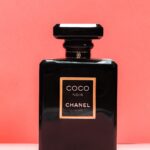
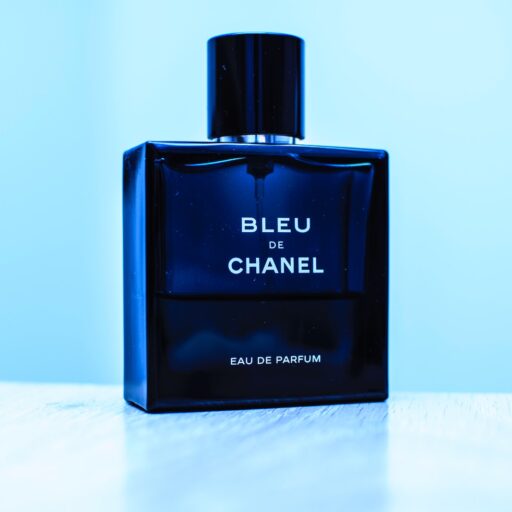
Chanel is a benchmark designer house, known for elegant compositions and iconic releases such as N°5 and CO MADEMOISELE. Its portfolio ranges from polished florals to fresh, modern styles, so you don’t have to be a vintage-perfume enthusiast to find something wearable.
- Why it stands out: Strong identity, recognizable classics, and a broad assortment.
- Potential drawback: Its most famous perfumes are so recognizable that they may not feel personal or unusual.
- Best for: Shoppers who want a refined designer fragrance or a classic gift.
2. Dior: Polished scents for every occasion
Dior spans bold, high-impact releases and more understated everyday options. J’adore, Miss Dior, and Sauvage illustrate how broad the house’s audience is. Its breadth is an advantage, but it also means the brand name alone can’t predict whether a particular scent suits you.
- Why it stands out: A wide range of styles and a strong presence in both women’s and men’s perfumes.
- Potential drawback: Popularity can make some releases feel familiar rather than surprising.
- Best for: People who want polished, widely available fragrances with multiple styles to sample.
3. Guerlain: Heritage, craftsmanship, and rich compositions
Guerlain is a heritage house with a deep fragrance portfolio, from accessible favorites to more complex compositions. It’s a strong choice for shoppers curious about classic perfumery, rich florals, and distinctive house signatures.
- Why it stands out: Long-standing perfume expertise and a varied collection.
- Potential drawback: Some compositions can feel weighty or traditional if you prefer very light, crisp scents.
- Best for: Fragrance fans ready to explore beyond the most familiar designer styles.
4. Hermès: Refined perfumes with an artistic edge
Hermès often appeals to people who like clarity, restraint, and a sense of place in fragrance. Its collection includes fresh citrus, woods, and more expressive compositions. The house’s elegant presentation is part of the appeal, but don’t assume elegance automatically means quiet: some scents make a distinct impression.
- Why it stands out: A carefully curated feel and an artistic approach to scent.
- Potential drawback: The brand’s style can be too subtle or too unusual for shoppers seeking a sweet, instantly familiar perfume.
- Best for: Those who appreciate nuanced, polished fragrances.
5. Yves Saint Laurent: Bold, modern designer perfumes
Yves Saint Laurent Beauty brings a more confident, contemporary style to many of its fragrances. Its portfolio includes fruity florals, warm evening scents, and popular options for men.
- Why it stands out: Modern, expressive scents with strong retail availability.
- Potential drawback: Some releases lean sweet or powerful, which may be less comfortable in close quarters.
- Best for: People who want an energetic scent with a noticeable personality.
6. Tom Ford: Statement-making luxury fragrances
Tom Ford is best approached by scent profile rather than label. The brand offers memorable choices across woods, spices, florals, and richer, evening-leaning styles. A dramatic fragrance can be captivating in the right setting and overwhelming in the wrong one.
- Why it stands out: Strong olfactory identities and an expansive luxury collection.
- Potential drawback: Some profiles are assertive, so sampling is especially worthwhile.
- Best for: People looking for a distinctive scent with presence.
7. Jo Malone London: Layerable colognes and understated scents
Jo Malone London is known for fresh, easy-to-understand fragrance profiles and a prominent layering culture. Citrus, herbs, florals, and woods feature across the collection. If you like to change your scent with the day, its approachable style may be a plus.
- Why it stands out: Clear scent concepts and easy layering.
- Potential drawback: Some wearers find lighter colognes less tenacious than richer perfumes.
- Best for: People who prefer a fresh, understated fragrance and enjoy combining scents.
8. Maison Francis Kurkdjian: Contemporary niche perfumery
Maison Francis Kurkdjian combines a contemporary aesthetic with a wide-ranging portfolio. Baccarat Rouge 540 became a cultural talking point, but the house offers much more than one recognizable scent.
- Why it stands out: A mix of modern signature scents and varied compositions.
- Potential drawback: High visibility around a few releases may leave some shoppers thinking the entire house smells similar; it doesn’t.
- Best for: Fragrance fans who want to explore a contemporary luxury house beyond its most talked-about perfume.
9. Le Labo: Distinctive scents and a cult following
Le Labo built its identity around a hands-on, urban aesthetic and a collection of memorable fragrances. Santal 33 is widely recognized, while the brand’s range includes other woods, florals, and fresh scents.
- Why it stands out: A clear brand world and a number of distinctive fragrance profiles.
- Potential drawback: A best-known scent may be too familiar if you’re seeking something nobody else wears.
- Best for: People drawn to modern, characterful fragrances and a pared-back presentation.
10. Byredo: Minimalist design and expressive fragrances
Byredo pairs minimalist visual design with imaginative fragrance concepts. Its portfolio includes clean, atmospheric, floral, and warm profiles, making it a useful house to sample if you enjoy a contemporary, artful approach.
- Why it stands out: A strong aesthetic identity and varied scent concepts.
- Potential drawback: The minimalist presentation can seem more compelling than the fragrance itself if you buy without testing.
- Best for: People who like modern composition and distinctive storytelling.
11. Diptyque: Fragrance with a creative, Parisian spirit
Diptyque grew from an artistic, boutique sensibility and offers both personal fragrance and home scent. Its perfumes range from fresh and green to woody and more expressive.
- Why it stands out: A creative house identity and strong variety.
- Potential drawback: Some scents are more contemplative than conventionally crowd-pleasing.
- Best for: People who enjoy atmospheric fragrances and an artistic brand experience.
12. Creed: Traditional luxury and recognizable signatures
Cred is a luxury fragrance house with a history and brand story that attract devoted customers. The most helpful way to judge the range is to sample individual fragrances rather than rely on heritage claims alone.
- Why it stands out: A recognizable luxury position and a portfolio of signature scents.
- Potential drawback: Prestige does not guarantee that every composition will justify its reputation for you.
- Best for: Shoppers looking for a luxury fragrance and willing to test before choosing.
13. Acqua di Parma: Italian citrus and classic style
Acqua di Parma is a natural stop for shoppers who love citrus, crisp freshness, and polished Mediterranean character. Its classic Colonia family is a good starting point for understanding the brand’s style.
- Why it stands out: Bright, refined freshness and a clear heritage identity.
- Potential drawback: Citrus-forward styles may not satisfy those seeking dense sweetness or strong, lingering warmth.
- Best for: People who want an elegant daytime scent with a fresh profile.
14. Lancôme: Crowd-pleasing designer fragrances
Lancôme offers a broad designer portfolio, including popular fruity florals and classic feminine fragrances. It’s a practical house to consider for gift shopping because its range includes approachable, well-known styles.
- Why it stands out: Familiar fragrance profiles and broad availability.
- Potential drawback: Some bestsellers may feel too sweet or mainstream for those who want a more unusual scent.
- Best for: Fans of polished florals, fruit, and easy-to-recognize designer scents.
15. Ariana Grande: Playful celebrity perfumes
Ariana Grande fragrances offer playful, accessible options with a clear pop-culture identity. They’re a reminder that a perfume’s value doesn’t have to depend on luxury-house prestige; the scent itself is what matters.
- Why it stands out: Fun concepts and a friendly entry point into fragrance.
- Potential drawback: The youthful, sweet direction may not suit everyone.
- Best for: People who enjoy gourmand or sweet scents and want a lighthearted brand.
16. Kayali: Sweet, bold, and easy-to-layer scents
KAYALI puts layering at the center of its fragrance identity. The collection covers sweet, fruity, floral, and woody styles, with options designed to work alone or together.
- Why it stands out: A broad, playful palette and a layering-first approach.
- Potential drawback: Layering can be fun, but combining two unfamiliar perfumes may create a scent that’s busier than expected.
- Best for: People who enjoy experimenting and building a personal fragrance combination.
17. Maison Margiela Replica: Memory-inspired fragrances
Maison Margiela Replica presents fragrances around places and memories, from clean linens to atmospheric settings. This storytelling makes the collection particularly easy to browse, but the name of a scent can shape expectations before you’ve smelled it.
- Why it stands out: Clear concepts that help shoppers imagine a scent’s mood.
- Potential drawback: The story is a creative prompt, not a promise that the perfume will smell exactly like the memory described.
- Best for: People who enjoy evocative, concept-driven fragrances.
18. Clean Reserve: Fresh scents and lighter fragrance styles
Clean Reserve focuses on approachable fragrances with a clean, modern presentation. It’s a useful house to explore if you prefer airy, fresh, or softly musky scents.
- Why it stands out: Easy-to-wear profiles and a clear modern identity.
- Potential drawback: “Clean” is often a style or brand descriptor, not a guarantee of a particular regulatory or ingredient standard. Check the product information and your own sensitivities.
- Best for: People who like fresh, subtle fragrances and straightforward scent profiles.
✨ Designer, Niche, Celebrity, and Affordable Perfume Brands Compared
Designer perfume brands vs. niche fragrance houses
| Consideration | Designer brands | Niche fragrance houses |
|---|---|---|
| Typical identity | Connected to fashion or beauty brands | Fragrance is often the central focus |
| Style range | Frequently broad and easy to browse | Can be more focused or unconventional |
| Availability | Often widely stocked | May be more limited, depending on the house |
| Best reason to choose | A familiar name and accessible sampling | A distinctive composition or focused brand character |
| Don’t assume | Every release smells alike | Every release is artistic or unusual |
These are broad patterns, not hard rules. Plenty of designer brands make daring scents, and plenty of niche houses create easygoing perfumes. Explore more niche perfumes alongside luxury brands to compare styles without treating either label as a verdict.
Celebrity fragrances vs. luxury perfumes
A celebrity fragrance can be playful, well-made, and enjoyable without claiming to be a couture masterpiece. A luxury perfume can be sophisticated and still fail to suit your taste. Judge the fragrance, not the résumé. Look at scent profile, wearability, packaging, and how much you genuinely enjoy it.
Natural, vegan, and cruelty-free perfume brands
“Natural,” “vegan,” and “cruelty-free” are different claims. A product can be vegan without being fully natural, and “natural” doesn’t automatically mean non-iritating. If these standards matter to you, check the brand’s specific definitions, ingredient disclosures, and relevant certification rather than relying on a front-label claim. The U.S. Food and Drug Administration’s cosmetics guidance is a reliable starting point for understanding how cosmetics are regulated in the United States.
The Good Trade’s natural perfume feature is another reference point for readers exploring natural fragrances. Recommendations and product formulas can change, so verify current product information with the brand before purchasing.
Affordable perfume brands worth sampling
A lower-profile brand can deliver plenty of scent pleasure without the spotlight. The first YouTube video embedded above, linked here as the featured video, recommends Elizabeth Arden, Lalique, Cacharel, Rochas, and Karl Lagerfeld as overlooked houses. It argues that a famous price tag isn’t a reliable measure of fragrance quality.
We agree with the core principle, with one caveat: the video’s claims about longevity, ingredients, and value are its presenter’s opinions, not universal performance data. Sample the specific perfume, not the headline.
| Brand | Suggested fragrance from the video | Why it may be worth sampling |
|---|---|---|
| Elizabeth Arden | Green Tea, White Tea, 5th Avenue | A broad range of fresh, soft, and classic profiles |
| Lalique | Amethyst, Le Parfum, Perles de Lalique | A varied portfolio, from fruity to spicy and warm |
| Cacharel | Noa, Anaïs Anaïs, Eden | Recognizable classics and contrasting scent styles |
| Rochas | Tocade, Femme Rochas, Byzance | Heritage fragrances with distinctive character |
| Karl Lagerfeld | Fleur de Pêcher, Fleur de Mûrier | A more approachable way to explore fruity-floral styles |
These houses challenge one of the loudest myths in fragrance: a costly bottle is not automatic proof of a better scent. The richer question is whether the composition delights you, how it wears, and whether you reach for it again.
🛍️ Perfume Bestsellers and Signature Scents by Brand
Bestsellers can be useful landmarks. They show what many shoppers are curious about, but they don’t prove a fragrance is the best match for you. A classic could smell beautiful on your friend and feel too powdery on your skin. Fragrance is personal; your nose gets the final vote.
How to choose a bestseller that suits you
- Identify the style first. Decide whether you want fresh, floral, woody, sweet, spicy, or something more unusual.
- Read fragrance notes as clues, not a recipe. Notes describe the intended scent impression; they don’t necessarily predict the exact smell.
- Find reviews that match your use. Look for reviewers who mention work, heat, close quarters, or evening wear if those details matter to you.
- Try a sample on skin. Wear it for several hours before making a judgment.
- Check the full product page. Confirm the concentration, size, and current product details on the brand’s official site or an authorized retailer.
A bestseller is a useful introduction, not a shortcut around testing.
Popular fragrance families and scent profiles
| Family | Common impression | What you might enjoy | Potential mismatch |
|---|---|---|---|
| Citrus | Bright, zesty, crisp | Freshness and warm-weather wear | May feel too fleeting or sharp to some |
| Floral | Petals, bouquets, or soft blossoms | Romantic or elegant scent profiles | Can lean powdery, sweet, or intense |
| Woody | Dry, warm, earthy, or smooth | A grounded, polished character | Some woods can feel heavy or smoky |
| Gourmand | Vanilla, sweet foods, and dessert-like accords | Cozy, sweet, comforting scents | Can become cloying in heat or close spaces |
| Green | Leaves, herbs, stems, and fresh growth | Crisp, natural-feling freshness | Some green scents feel bitter or sharp |
| Musk | Soft, clean, warm, or skin-like | Subtle, comfortable, close-wearing scents | Can be too faint or too abstract for some noses |
| Amber | Warm, resinous, sweet, or spicy | Depth and evening character | Can feel rich or dense in high temperatures |
The same note can behave differently within different compositions. Vanilla may be airy in one perfume and syrupy in another; rose can be fresh, soapy, dark, or powdery. Don’t rule out a whole scent family after one disappointing sniff.
🧭 Find the Right Perfume Brand for Your Taste
Your ideal brand depends on your preferences, routine, and comfort level with fragrance. A scent for a warm commute may not be the one you want for a cool evening out. And if you’re choosing a men’s perfume, remember that fragrance labels aren’t rules; wear what smells good to you.
Best brands for floral, fresh, woody, and gourmand scents
| If you’re drawn to… | Houses to explore | Sampling idea |
|---|---|---|
| Florals | Chanel, Dior, Lancôme, Diptyque | Compare a classic floral with a greener or more modern one |
| Fresh citrus | Hermès, Acqua di Parma, Jo Malone London | Wear the scent in warm weather and note how it develops |
| Woods | Le Labo, Tom Ford, Byredo | Try clean woods alongside darker, smokier profiles |
| Gourmand sweetness | Kayali, Ariana Grande, Maison Margiela Replica | Test on skin to see whether the sweetness stays comfortable |
| Soft musk | Clean Reserve, Elizabeth Arden, Chanel | Compare an airy skin scent with a more noticeable musky perfume |
| Green and aromatic | Guerlain, Hermès, Elizabeth Arden | Look for herbal, leafy, or tea-inspired compositions |
This is a sampling map, not a ranking. Each brand offers several styles, and a house’s most famous fragrance may not represent the scent family you’re after.
Perfume brands for work, evenings, and everyday wear
For work or shared spaces, many people prefer close-wearing or lighter applications. For evenings, you may want more depth or a more noticeable trail. Everyday wear is less rule-bound: comfort and personal enjoyment win.
A good practical test: apply your chosen fragrance at home, then check in after a few hours. Does it still feel pleasant to you? Is it prominent enough for your purpose without dominating the room? That small experiment is better than guessing from a bottle description.
Fragrance recommendations by season and occasion
| Setting | Profiles to consider | Why they may work |
|---|---|---|
| Warm weather | Citrus, green, light floral, aquatic | Often feels bright and comfortable in heat |
| Cooler weather | Woods, spices, amber, gourmand | Can feel cozy and expressive |
| Office or classroom | Soft musk, restrained citrus, subtle floral | Easier to keep considerate in close spaces |
| Celebrations | A fragrance you enjoy and recognize on yourself | Familiarity can make it feel more personal |
| Travel | A small spray or a scent you know well | Easy to carry and less risky than a blind buy |
These are practical suggestions, not seasonal laws. If you adore a warm vanilla in summer, wear it lightly. If fresh citrus is your winter comfort scent, there’s no perfume police at the door. 🚪
How to choose a perfume by budget and concentration
Start by choosing how you want to shop: full bottle, travel spray, or sample. A smaller format can be the smarter option if you’re exploring a new scent or tend to rotate between fragrances.
Concentration labels—such as eau de toilette and eau de parfum—describe the product’s format, but they don’t offer a universal performance guarantee. The fragrance formula matters too. Compare the specific product details, then judge it by wearing it.
🧪 How to Test Perfume Before You Buy
Testing takes a little patience. That’s good news: perfume is designed to unfold, not to pass a speed audition at the counter.
Sampling on skin versus testing on paper
Paper bloters help you compare several scents quickly without mixing them on your skin. Skin testing is essential when you want to know how a fragrance wears on you.
Follow this simple process:
- Begin on a clean bloter. Spray once and write down the brand and name.
- Smell after the opening settles. Give the first burst a moment to soften.
- Choose one or two scents for skin. Testing too many at once can blur your impressions.
- Apply to skin without rubbing. Let the scent dry naturally.
- Check in later. Notice how the fragrance changes and whether it remains comfortable.
- Record a few words. “Bright citrus, soft woods, pleasant but too faint for me” is enough.
If a perfume causes irritation, wash it off and discontinue use. The American Academy of Dermatology offers guidance on fragrance allergy and skin reactions.
Understanding top, heart, and base notes
Perfume descriptions commonly group notes into a fragrance’s early, central, and later impressions. The terminology helps you imagine how a scent may develop, but actual wear can be more blended and complex than a neat three-step diagram.
| Stage | When you may notice it | Common role |
|---|---|---|
| Top notes | First impression | Introduce the fragrance |
| Heart notes | After the opening eases | Establish the central character |
| Base notes | Later in wear | Add depth and a lingering impression |
Don’t buy a perfume solely because you love its top notes. The lasting character may be very different.
Choosing sample sets, discovery kits, and travel sprays
A sample set is useful when you’re comparing brands, discovering new scent families, or shopping for someone whose preferences you know only vaguely. A travel spray is better when you already like a fragrance and want a compact format.
Before ordering, check the set’s product list, sample size, and whether the fragrances are available as full products. Some discovery kits are brand-specific; others are built around a theme. The best set is the one that lets you test meaningful differences, not simply accumulate tiny vials like a very stylish dragon. 🐉
💨 Longevity, Sillage, and Fragrance Performance
People often use “strong” to mean several different things. A fragrance can last a long time close to the skin but project gently; another can fill a room early and then fade quickly. Review those performance terms separately.
| Term | Meaning | How to assess it |
|---|---|---|
| Longevity | How long a scent remains detectable | Check at intervals and distinguish skin from clothing |
| Projection | How far the scent radiates | Ask a trusted person or notice it without leaning close |
| Sillage | The trail a fragrance leaves in motion | Observe whether the scent lingers after you pass |
| Intensity | How noticeable it feels at a given moment | Compare your perception with considerate application |
What affects how long perfume lasts
Performance can vary with the fragrance composition, concentration, application, skin, climate, and your own ability to smell it over time. Some people also experience olfactory adaptation: you may stop noticing a scent even though others can still detect it.
That’s why claims like “lasts all day” need context. Ask: on whose skin, in what climate, with how many sprays, and how close to the wearer? A clear answer is more informative than a universal promise.
How to make your fragrance last longer
- Apply to clean, dry skin; moisturized skin may help reduce a dry feeling.
- Use the number of sprays that suits the setting. More is not always better.
- Avoid rubbing freshly applied fragrance, which can alter how the scent develops.
- Consider spraying clothing only when the fabric and care instructions allow it; some materials may stain.
- Store the bottle away from direct sunlight, heat, and humidity.
- Reapply only if needed, and be considerate in shared spaces.
Why the same perfume smells different on different people
Skin condition, environment, application amount, and individual perception can influence how a perfume is experienced. Your memories and scent preferences matter, too. One person may describe a perfume as creamy; another may detect sharp citrus first.
That difference isn’t a flaw in the review. It’s a reminder to use other people’s impressions as helpful context, not your verdict.
✅ Buying Perfume Online: Authenticity, Returns, and Storage
Online shopping makes it easy to compare brands, but fragrance has one particularly inconvenient feature: you can’t smell the page. Before buying, look for a clear product listing, retailer details, return information, and samples or discovery sets.
How to spot counterfeit perfume
No single visual detail proves a bottle is genuine or fake. Packaging can change, and counterfeit products may imitate official boxes. To reduce risk:
- Buy from the brand or an authorized retailer.
- Be cautious about listings with unclear seller information.
- Compare product names, photos, bottle details, and packaging with the official product page.
- Check the return policy and contact details.
- Be wary of claims that sound implausibly generous.
The U.S. Federal Trade Commission provides general guidance for safer online shopping. For suspected counterfeit goods, the U.S. Customs and Border Protection explains the risks of counterfeit products.
Where to buy authentic fragrances
Brand websites are the clearest place to check official product details. Established department stores and authorized beauty retailers can also be good options. Marketplaces may include reputable sellers, but verify who is selling the product, not only the platform name.
The Perfume Brand offers a scent-finder quiz and reports sitewide customer feedback on its reviews page. These details can help you understand the brand’s own shopping experience, though they don’t replace product-specific wear reviews.
👉 Shop perfume brands on: The Perfume Brand | Dior Official | Chanel Official | Sephora
How to store perfume and protect its scent
Heat, direct sunlight, and frequent changes in temperature can be unkind to perfume. Keep bottles in a cool, dry place, away from a sunny windowsill or steamy bathroom. Close the cap after use and avoid unnecessary transfers to other containers.
A fragrance’s appearance can change over time, but color alone doesn’t tell you whether it’s still pleasant to wear. Check its smell, packaging instructions, and the manufacturer’s guidance.
📌 Quick Tips and Facts for Smarter Perfume Shopping
- ✅ Test before you commit. Samples and discovery sets can prevent an expensive bottle from becoming shelf decor.
- ✅ Read reviews for detail, not drama. Scent descriptions and wear conditions are more useful than star ratings alone.
- ✅ Look at the specific perfume. A brand’s reputation can’t predict every release.
- ✅ Compare scent families. Notes and fragrance families help narrow the field, but your own skin test settles the debate.
- ✅ Keep expectations realistic. Longevity, projection, and sillage are related but different.
- ✅ 👉 Shop from reputable sellers. Verify the seller, product details, and return policy.
- ❌ Don’t assume expensive means better. Craft, branding, packaging, retail, and the scent itself are different parts of the experience.
- ❌ Don’t assume “natural” means irritation-free. If you have sensitivities, review product information and consult a qualified healthcare professional when needed.
- ❌ Don’t blind-buy because a perfume went viral. Popularity can help you discover a scent; it can’t tell you whether it belongs on your skin.
Final expert tip: keep a small scent notebook. Record the fragrance, application, weather, and your impression after a few hours. Before long, you’ll spot your own patterns—and that’s more useful than memorizing every perfume influencer’s favorite.