Support our educational content for free when you purchase through links on our site. Learn more
Building a Perfume Brand: 15 Insider Secrets to Scent Success (2026) 🌟

Building a perfume brand is about more than mixing pretty scents—it’s crafting an unforgettable experience that captivates hearts and noses alike. The secret? Combine a compelling story, expert fragrance knowledge, and savvy business moves from day one. Nail these, and you’ll transform your passion for perfume into a thriving brand.
Did you know the global fragrance market is projected to surpass $70 billion by 2027? That’s a sea of opportunity for those who understand how to stand out. Take the story of indie brand Le Labo, which started with just a handful of scents and now commands cult status worldwide—all by blending authenticity with innovation.
Ready to dive in? We’ll guide you through every step of building a perfume brand that not only smells amazing but also sells brilliantly.
Key Takeaways
- Start with a strong brand story that emotionally connects with your audience.
- Master fragrance fundamentals and collaborate with professional perfumers to create signature scents.
- Source high-quality, sustainable ingredients to build credibility and quality.
- Design packaging that reflects your brand personality and enhances customer experience.
- Navigate regulatory compliance early to avoid costly setbacks.
- Develop a strategic marketing plan leveraging social media, influencers, and storytelling.
- Choose distribution channels wisely—from direct-to-consumer to boutiques.
- Price your products strategically based on costs, market positioning, and customer expectations.
- Build lasting customer relationships through engagement and loyalty programs.
- Stay innovative and adaptable by embracing trends and technology like AI fragrance design.
Table of Contents
- ⚡️ Quick Tips and Facts for Building a Perfume Brand
- 🌿 The Aromatic Origins: A History of Perfume Branding
- 🎨 Crafting Your Brand Identity: Storytelling and Vision
- 🔬 Mastering Fragrance Fundamentals: Develop Your Perfume Expertise
- 🧪 Collaborate with Expert Perfumers: Turning Ideas into Scents
- 🌸 Sourcing the Finest Ingredients: Raw Materials and Sustainability
- 1. Designing Your Signature Scents: From Concept to Creation
- 2. Packaging That Pops: Eye-Catching Design and Brand Cohesion
- 3. Navigating Legal Waters: Regulatory Compliance and Safety Standards
- 4. Marketing Magic: Building Buzz and Brand Awareness
- 5. Distribution Dynamics: Setting Up Channels That Work
- 6. Logistics and Fulfillment: Delivering Delight Efficiently
- 7. Pricing Strategies: Positioning Your Perfume for Success
- 💬 Building Lasting Customer Connections: Loyalty and Engagement
- 🚀 Innovation in Scent: Staying Ahead in a Competitive Market
- 💰 Financial Savy: Managing Budgets and Scaling Smartly
- 🤝 Networking in the Fragrance Industry: Partnerships and Growth
- 🤖 AI Perfume Creator 2.0: Revolutionizing Fragrance Design
- ⚔️ Tom Ford vs. Kilian Paris: A Deep Dive into Luxury Perfume Branding
- 💡 Insider Tips: Avoiding Common Pitfalls in Perfume Brand Building
- 📈 Scaling Up: From Indie Brand to Global Presence
- 🎯 Target Market Mastery: Identifying and Captivating Your Audience
- 📝 Conclusion: Your Journey to a Scented Success Story
- 🔗 Recommended Links for Aspiring Perfume Entrepreneurs
- ❓ FAQ: Your Burning Questions About Building a Perfume Brand Answered
- 📚 Reference Links and Resources for Perfume Brand Builders
⚡️ Quick Tips and Facts for Building a Perfume Brand
Welcome to the fragrant frontier! Before you dive nose-first into the world of perfume branding, here are some quick tips and essential facts from our expert team at Perfume Brands™ to get you started on the right foot:
- Start with a story, not just a scent. Your brand’s narrative is the heartbeat that connects customers emotionally. Think beyond notes and bottles.
- Learn the language of fragrance. Understand top, middle, and base notes, fragrance families, and ingredient sourcing. This knowledge is your secret weapon.
- Collaborate with pros. Partnering with experienced perfumers and fragrance houses can elevate your creation from “nice” to “iconic.”
- Quality over quantity. Launch with a focused collection of 3–5 signature scents to test the market and build brand recognition.
- Packaging is your silent salesperson. It must reflect your brand identity and protect your precious perfume.
- Regulations matter. IFRA standards, FDA rules, and EU Cosmetics Regulation compliance are non-negotiable.
- Marketing is storytelling in motion. Use social media, influencer partnerships, and email campaigns to build anticipation and loyalty.
- Choose distribution channels wisely. Direct-to-consumer websites, boutiques, and online marketplaces each have pros and cons.
- Price strategically. Factor in costs, brand positioning, and competitor pricing to find your sweet spot.
- Customer loyalty is gold. Engage, listen, and reward your customers to turn them into brand ambassadors.
- Stay nimble and innovative. Trends shift, so keep evolving your scents, packaging, and marketing.
- Manage finances like a pro. Budget carefully, track expenses, and plan for growth.
- Network relentlessly. Industry events, associations, and mentors open doors you didn’t know existed.
Curious about how these pieces fit together? Keep reading—we’ll unpack each step with juicy details, insider anecdotes, and expert advice. Meanwhile, check out our related article on What are perfume brands called? to get a sense of the landscape.
🌿 The Aromatic Origins: A History of Perfume Branding

Perfume branding is an art steeped in centuries of tradition, innovation, and cultural shifts. Understanding this history helps you appreciate the alchemy of scent and identity that you’re about to join.
From Ancient Elixirs to Modern Icons
- Ancient roots: Perfumes date back to ancient Egypt, Mesopotamia, and the Indus Valley, where scents were used in rituals and status symbols.
- Renaissance and beyond: The rise of distillation techniques in the 16th century led to more refined fragrances, often associated with royalty and aristocracy.
- Industrial revolution: Mass production and advances in chemistry democratized perfume, making it accessible beyond the elite.
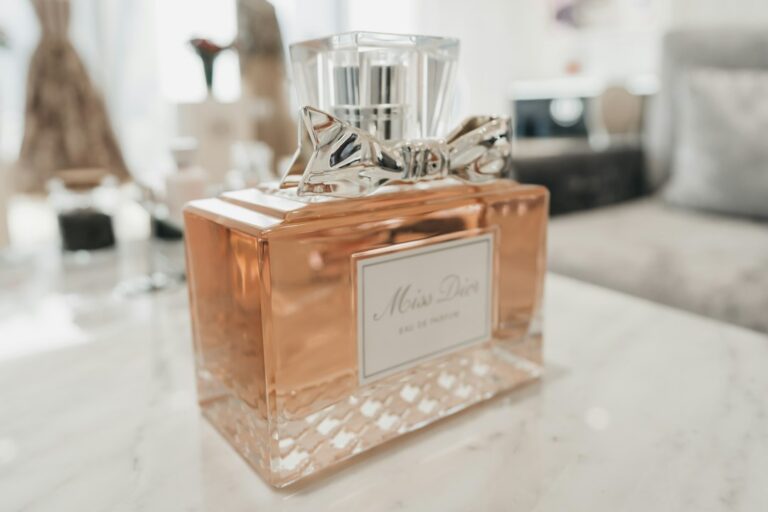
- 20th century branding boom: Iconic brands like Chanel No. 5 (launched 1921) and Dior’s Miss Dior (1947) pioneered the marriage of scent and storytelling, using packaging, celebrity endorsements, and advertising to create emotional connections.
- Niche and indie revolution: The late 20th and early 21st centuries saw a surge of niche brands like Byredo and Le Labo, focusing on artisanal quality and unique narratives.
Why History Matters for Your Brand
Knowing the evolution of perfume branding helps you position your brand with authenticity and innovation. Are you a heritage-inspired house, a modern minimalist, or a sustainable disruptor? Your brand’s roots will influence every decision from scent creation to marketing.
🎨 Crafting Your Brand Identity: Storytelling and Vision
Your perfume brand is more than just a bottle of fragrance—it’s a living story that invites customers to experience a world you create. Let’s break down how to craft a compelling brand identity.
Define Your “Why” and Brand Personality
- Why does your brand exist? What emotional or cultural gap does it fill? For example, Maison 21G builds fragrances tied to personal identity and emotional connection.
- Who is your audience? Create detailed buyer personas including demographics, values, and lifestyle.
- What’s your brand voice? Casual and playful? Luxurious and refined? Edgy and rebellious? Consistency is key.
- Value proposition: What makes your perfume brand unique? Is it sustainability, bespoke scents, or cutting-edge packaging?
Build Your Story Around Authenticity
People crave authenticity. Share your journey, inspirations, and challenges. Chris Collins, founder of the eponymous brand, emphasizes passion and honesty as the foundation of his marketing success.
“You have to be true to yourself. It needs to come from a very honest place.” — Chris Collins
Visual Identity: Logo, Colors, Typography
- Design a memorable logo that reflects your brand personality. Avoid clichés like generic perfume bottles.
- Choose a color palette that evokes the mood of your scents—earthy tones for natural, vibrant hues for youthful energy, or monochrome for elegance.
- Select typography that complements your logo and packaging style.
🔬 Mastering Fragrance Fundamentals: Develop Your Perfume Expertise
Before you create your signature scent, you need to speak the language of fragrance fluently.
Understand Fragrance Families and Notes
- Fragrance families: Floral, oriental, woody, fresh, gourmand, and more. Each family evokes different moods and appeals to different audiences.
- Notes explained:
- Top notes are the first impression—light, volatile scents like citrus or herbs.
- Middle (heart) notes form the core personality—floral, spicy, or fruity.
- Base notes provide depth and longevity—woods, musk, vanilla.
Learn About Ingredients and Their Properties
- Natural essential oils vs. synthetic aroma chemicals: pros, cons, and sustainability considerations.
- Fixatives and solvents: how they affect scent longevity and projection.
- Allergens and regulatory restrictions: critical for compliance and customer safety.
Resources to Deepen Your Knowledge
- Podcasts like How I Became a Perfumer and The Perfume Making Podcast.
- Online courses from institutions like the Grasse Institute of Perfumery.
- Tools like Scentalytics’ AI Perfume Creator for experimenting with note combinations.
🧪 Collaborate with Expert Perfumers: Turning Ideas into Scents
Even the most visionary founders need a skilled perfumer to translate their concept into a balanced, wearable fragrance.
Why Work with Professional Perfumers?
- Expertise in blending notes for harmony and longevity.
- Access to exclusive raw materials and industry insights.
- Technical knowledge of formulation, stability, and regulatory compliance.
How to Find the Right Partner
- Look for perfumers or fragrance houses aligned with your brand ethos.
- Consider boutique perfumers for bespoke, artisanal scents or larger houses like IFF or Givaudan for scalability.
- Ask for portfolios, samples, and references.
The Collaboration Process
- Initial consultations to define your vision and mood boards.
- Development of accords and trial formulations (expect multiple rounds).
- Stability and wear tests on different skin types.
- Finalizing the formula and securing intellectual property rights.
🌸 Sourcing the Finest Ingredients: Raw Materials and Sustainability
Your perfume’s soul depends on the quality of its ingredients. Here’s how to source wisely.
Types of Raw Materials
| Material Type | Description | Benefits | Drawbacks |
|---|---|---|---|
| Natural Essential Oils | Extracted from flowers, woods, spices | Authentic, complex aromas | Expensive, variable quality |
| Synthetic Aroma Chemicals | Lab-created molecules mimicking scents | Consistent, cost-effective | Perceived as less “natural” |
| Absolutes | Concentrated extracts from delicate flowers | Rich, intense fragrance | Often costly and allergenic |
| Fixatives | Ingredients that prolong scent longevity | Enhance wear time | Can be synthetic or natural |
Sustainability and Ethical Sourcing
- Seek suppliers with FSC-certified organic certifications.
- Prioritize cruelty-free and fair-trade ingredients.
- Consider the environmental impact of harvesting practices.
Reliable Suppliers to Explore
- Robertet and Symrise for natural and sustainable ingredients.
- IFF for haute couture synthetic blends.
- Local artisan producers for unique, small-batch oils.
1. Designing Your Signature Scents: From Concept to Creation
Launching with a focused collection of signature scents is a smart move. Here’s how to do it right.
Step 1: Research and Inspiration
- Analyze market trends and competitor offerings.
- Gather customer feedback on preferred scent profiles.
- Define your brand’s olfactive identity (e.g., fresh and youthful, dark and mysterious).
Step 2: Concept Development
- Create mood boards and scent stories.
- Choose fragrance families and key notes.
- Collaborate with your perfumer to draft initial accords.
Step 3: Testing and Refinement
- Conduct blind tests with diverse panels.
- Adjust formulations based on feedback for balance and appeal.
- Test longevity, sillage, and skin compatibility.
Step 4: Finalization and Production
- Lock in the formula with your perfumer.
- Prepare documentation for regulatory compliance.
- Plan batch sizes and production timelines.
2. Packaging That Pops: Eye-Catching Design and Brand Cohesion
Packaging is your brand’s first handshake with the customer—make it memorable.
Bottle Design: Form Meets Function
- Choose shapes that reflect your brand personality: minimalist, ornate, playful, or classic.
- Consider ergonomics and spray mechanism quality.
- Examples:
- Chanel No. 5’s iconic square bottle symbolizes timeless elegance.
- Moschino Toy Boy’s bear-shaped bottle adds whimsy and boldness.
Labeling and Typography
- Keep front labels simple and legible.
- Use back labels for ingredient lists and legal info.
- Match typography style to brand voice.
Box and Unboxing Experience
- Use sturdy, attractive materials that protect the bottle.
- Incorporate branded tissue paper, ribbons, or inserts for luxury feel.
- Sustainability tip: FSC-certified paper and recyclable inks.
3. Navigating Legal Waters: Regulatory Compliance and Safety Standards
No one wants a legal headache after launch. Here’s what you need to know.
Key Regulations to Follow
| Regulation | Region | Focus |
|---|---|---|
| IFRA Standards | Global | Safety guidelines for fragrance ingredients |
| FDA Cosmetics Regulation | USA | Ingredient safety, labeling, claims |
| EU Cosmetics Regulation | European Union | Safety, labeling, allergen disclosure |
| REACH Regulation | EU | Chemical safety and environmental impact |
Documentation and Testing
- Material Safety Data Sheets (MSDS) for ingredients.
- Certificates of Analysis (COA) for batch quality.
- Allergen declarations on labels.
- Stability and microbial testing.
Working with Compliance Experts
- Consider consultants or fragrance houses that offer regulatory support.
- Keep detailed records for audits and inspections.
4. Marketing Magic: Building Buzz and Brand Awareness
Marketing your perfume brand is about weaving your story into the hearts of your audience.
Pre-Launch Strategies
- Build anticipation with teaser campaigns on Instagram, TikTok, and Pinterest.
- Collaborate with influencers who align with your brand values.
- Collect email addresses for launch announcements and exclusive offers.
Content That Connects
- Share behind-the-scenes videos and stories.
- Educate your audience about fragrance notes and usage tips.
- Host virtual scent discovery sessions or giveaways.
Paid Advertising and PR
- Targeted social media ads focusing on demographics and interests.
- Press releases to beauty editors and bloggers.
- Sampling programs through subscription boxes or boutiques.
5. Distribution Dynamics: Setting Up Channels That Work
How you get your perfume into customers’ hands is just as important as the scent itself.
Direct-to-Consumer (DTC)
- Your own website offers control and higher margins.
- Use Shopify or WooCommerce for easy setup.
- Integrate customer reviews and loyalty programs.
Online Marketplaces
- Amazon and Etsy provide access to large audiences but with fees and competition.
- Ensure your brand story shines through your product listings.
Brick-and-Mortar Retail
- Boutiques and department stores offer prestige and tactile experiences.
- Prepare for wholesale pricing and minimum order quantities.
Pop-Ups and Events
- Great for brand exposure and direct customer feedback.
- Partner with fragrance fairs or lifestyle events.
6. Logistics and Fulfillment: Delivering Delight Efficiently
Behind the scenes, smooth logistics make or break customer satisfaction.
Inventory Management
- Use software like TradeGecko or ShipBob to track stock levels.
- Forecast demand carefully to avoid overstock or shortages.
Shipping and Packaging
- Choose reliable couriers with tracking options.
- Package securely to prevent damage and leakage.
- Consider eco-friendly packaging materials.
Customer Service
- Provide clear return and exchange policies.
- Respond promptly to inquiries and complaints.
- Use CRM tools to manage customer relationships.
7. Pricing Strategies: Positioning Your Perfume for Success
Pricing is both an art and a science—get it right to maximize profit and brand perception.
Factors to Consider
- Cost of goods sold (COGS): Ingredients, packaging, labor, overhead.
- Competitor pricing: Position relative to brands like Tom Ford or Kilian Paris.
- Target market: Luxury buyers expect premium pricing; mass market prefers affordability.
- Brand positioning: Align price with perceived value and exclusivity.
Pricing Models
| Model | Description | When to Use |
|---|---|---|
| Cost-Plus Pricing | Add markup to production costs | Simple, ensures profit margin |
| Value-Based Pricing | Price based on customer perceived value | Luxury and niche brands |
| Penetration Pricing | Lower price to enter market | New brands seeking market share |
| Premium Pricing | High price to signal exclusivity | Established luxury brands |
💬 Building Lasting Customer Connections: Loyalty and Engagement
Turning first-time buyers into lifelong fans is the secret sauce of brand longevity.
Strategies to Foster Loyalty
- Offer loyalty programs with points, discounts, or exclusive access.
- Personalize communication with birthday offers or scent recommendations.
- Encourage user-generated content and reviews.
Engage on Social Media
- Share authentic stories and behind-the-scenes content.
- Respond to comments and messages promptly.
- Host live Q&A sessions or scent workshops.
Collect and Act on Feedback
- Use surveys and reviews to improve products and services.
- Show customers their voices matter by implementing suggestions.
🚀 Innovation in Scent: Staying Ahead in a Competitive Market
The perfume world never stands still—neither should you.
Explore New Trends
- Clean and natural fragrances with transparency ingredients.
- Gender-neutral scents appealing to broader audiences.
- Limited editions and collaborations to create buzz.
Leverage Technology
- AI tools like Scentalytics’ AI Perfume Creator help design novel accords.
- Virtual reality scent experiences for immersive marketing.
Experiment with Packaging
- Refillable bottles to reduce waste.
- Smart packaging with QR codes linking to brand stories or playlists.
💰 Financial Savy: Managing Budgets and Scaling Smartly
Money matters! Here’s how to keep your perfume brand financially healthy.
Budget Planning
- Allocate funds for R&D, packaging, marketing, and operations.
- Set aside contingency for unexpected costs.
Funding Options
- Personal savings, loans, angel investors, or crowdfunding.
- Consider partnerships or grants for sustainable brands.
Cash Flow Management
- Monitor receivables and payables closely.
- Reinvest profits strategically to fuel growth.
🤝 Networking in the Fragrance Industry: Partnerships and Growth
Your network is your net worth in this industry.
Industry Events and Associations
- Attend trade shows like Esxence (Milan) or Pitti Fragranze (Florence).
- Join organizations like the Fragrance Foundation.
Building Relationships
- Connect with suppliers, retailers, and fellow brand owners.
- Seek mentors with fragrance industry experience.
Collaborations
- Partner with artists, designers, or influencers to expand reach.
- Limited edition co-creations can generate excitement.
🤖 AI Perfume Creator 2.0: Revolutionizing Fragrance Design
Technology is reshaping how perfumes are crafted.
What is AI Perfume Creator 2.0?
- An advanced tool that simulates note interactions and suggests novel accords.
- Helps founders experiment without costly raw material trials.
Benefits
- Speds up the creative process.
- Provides data-driven insights on scent harmony and market trends.
- Lowers initial R&D costs.
Limitations
- Cannot replace human artistry and intuition.
- Best used as a complementary tool alongside professional perfumers.
⚔️ Tom Ford vs. Kilian Paris: A Deep Dive into Luxury Perfume Branding
Two titans of luxury fragrance, but what sets them apart?
| Aspect | Tom Ford | Kilian Paris |
|---|---|---|
| Brand Personality | Bold, sensual, provocative | Elegant, poetic, mysterious |
| Signature Scents | Black Orchid, Tobacco Vanille | Love, Don’t Be Shy, Straight to Heaven |
| Packaging Style | Slek, black and gold, masculine | Ornate, vintage-inspired, feminine |
| Marketing Approach | Celebrity endorsements, high-profile ads | Storytelling, exclusivity, niche appeal |
| Distribution | Department stores, luxury retailers | Select boutiques, online flagship |
Lessons for Your Brand
- Tom Ford excels with bold branding and mass luxury appeal.
- Kilian Paris thrives on storytelling and exclusivity.
- Decide if you want to be a bold disruptor or an elegant niche player.
💡 Insider Tips: Avoiding Common Pitfalls in Perfume Brand Building
We’ve seen brands stumble—here’s how to avoid their mistakes.
- ❌ Skipping audience research leads to mismatched products.
- ❌ Overcomplicated packaging can alienate customers and inflate costs.
- ❌ Generic brand stories fail to create emotional connection.
- ❌ Ignoring regulatory compliance risks legal trouble.
- ❌ Underpricing can devalue your brand and hurt profitability.
📈 Scaling Up: From Indie Brand to Global Presence
Once your brand gains traction, how do you grow?
Expand Product Lines
- Introduce complementary products: body lotions, candles, travel sprays.
- Experiment with seasonal or limited-edition releases.
Broaden Distribution
- Enter new markets via international retailers or e-commerce platforms.
- Consider partnerships with luxury department stores.
Strengthen Brand Equity
- Invest in storytelling and customer experience.
- Maintain quality and consistency as you scale.
🎯 Target Market Mastery: Identifying and Captivating Your Audience
Knowing your customer inside out is your secret weapon.
Market Segmentation
- Demographics: age, gender, income, location.
- Psychographics: lifestyle, values, fragrance preferences.
Customer Research Methods
- Surveys, focus groups, social media listening.
- Analyze competitors’ customer base.
Tailoring Your Brand Message
- Speak your audience’s language.
- Highlight benefits that resonate (e.g., sustainability, luxury, uniqueness).
Don’t miss the insights from Chris Collins, founder of the fragrance brand Chris Collins, in our featured video. His journey underscores the importance of passion, mentorship, and authenticity in building a perfume brand. As he says, “Al-Haraka Baraka”—with movement comes blessings. This mantra reminds us that action, even small steps, fuels success in this competitive industry.
| Explore more about Men’s Perfumes | Discover Luxury Brands | Read Fragrance Reviews | Stay Updated with Fragrance Industry News | Dive into Niche Perfumes |
|---|