Support our educational content for free when you purchase through links on our site. Learn more
20 Popular Perfume Scents for Men and Women 🌿

Popular perfume scents for men and women include fresh citrus, florals, soft musk, woods, amber, and warm gourmand notes. Our top advice: start with the scent family you enjoy, then test a few fragrances on your skin—because the best perfume is the one you still love after its opening notes fade.
Perfume labels may sort bottles into “men’s” and “women’s” collections, but those labels don’t decide who can wear them. A fan of crisp citrus might love Dolce & Gabbana Light Blue, while someone else reaches for the warm woods of Le Labo Santal 33—or happily wears both.
We’ve watched a quick bloter-strip test turn into a surprise favorite hours later: a bright opening softened into something warm and personal. That’s why our list covers 20 well-known fragrances across different scent styles, with practical pointers to help you find your own standout.
Key Takeaways
- Popular scent families include citrus, florals, woods, amber, musk, and gourmands.
- Choose by notes and personal taste, not the fragrance’s gender label.
- Test perfume on skin and give it time to develop before deciding.
- Match scent intensity to the setting: start lightly for work, warm weather, and shared spaces.
- Explore versatile favorites such as Bleu de Chanel, Glossier You, Dolce & Gabbana Light Blue, and Maison Margiela Replica By the Fireplace.
👉 Shop the featured fragrances:
- Bleu de Chanel: Amazon | Chanel Official
- Glossier You: Amazon | Glossier Official
- Dolce & Gabbana Light Blue: Amazon | Dolce & Gabbana Official
- Maison Margiela Replica By the Fireplace: Amazon | Maison Margiela Official
Table of Contents
- ⚡️ Quick Tips and Facts: Popular Perfume Scents for Men and Women
- 🌿 How Perfume Scents Became Personal Style Staples
- 🧭 Fragrance Families: Fresh, Floral, Woody, and More
- Citrus and fresh scents
- Floral and fruity scents
- Wody, amber, and spicy scents
- Aquatic, green, and aromatic scents
- 🌟 20 Popular Perfume Scents for Men and Women
- 1. Chanel No. 5
- 2. Dior Sauvage
- 3. Baccarat Rouge 540 by Maison Francis Kurkdjian
- 4. Bleu de Chanel
- 5. Glossier You
- 6. Yves Saint Laurent Libre
- 7. Giorgio Armani Acqua di Giò
- 8. Le Labo Santal 33
- 9. Lancôme La Vie Est Belle
- 10. Tom Ford Oud Wood
- 11. Marc Jacobs Daisy
- 12. Creed Aventus
- 13. Viktor & Rolf Flowerbomb
- 14. Yves Saint Laurent Y
- 15. Jo Malone London Wood Sage & Sea Salt
- 16. Carolina Herrera Good Girl
- 17. Paco Rabanne 1 Million
- 18. Maison Margiela Replica By the Fireplace
- 19. Dolce & Gabbana Light Blue
- 20. Hermès Terre d’Hermès
- 👔 Popular Cologne Scents for Men
- 🌷 Popular Perfume Scents for Women
- 🤝 Best Unisex Fragrances and Shared Scents
- 🌦️ Best Perfume Scents by Season and Weather
- Spring: green, floral, and airy fragrances
- Summer: citrus, aquatic, and light scents
- Fall: woody, spicy, and amber perfumes
- Winter: rich, warm, and cozy fragrances
- 📍 Choosing a Perfume for Work, Dates, and Everyday Wear
- 🧪 Perfume Notes Explained: Top, Middle, and Base Notes
- 💧 Eau de Parfum vs. Eau de Toilete vs. Cologne
- 🛍️ How to Test and Choose a Fragrance That Suits You
- ⏳ Perfume Longevity, Sillage, and Projection
- ✨ How to Apply Perfume and Make It Last Longer
- 🧴 Fragrance Layering: How to Combine Perfume Scents
- 🌱 Perfume Allergies, Sensitive Skin, and Fragrance Safety
- 📦 How to Store Perfume and Keep It Fresh
- ✅ Quick Tips for Finding Your Signature Scent
- 🏁 Conclusion
- 🔗 Recommended Links
- ❓ FAQ
- 📚 Reference Links
⚡️ Quick Tips and Facts: Popular Perfume Scents for Men and Women
If you’re wondering what is the most popular perfume type?, there isn’t one universal winner: perfume concentration affects strength and wear, while scent family, skin chemistry, weather, and personal taste shape what smells best on you. Our Perfume Brands™ team has learned that the perfume someone loves on a bloter can become a completely different little drama on their skin. 🧪
Quick facts at a glance
| Question | Short answer |
|---|---|
| Which scent families are especially popular? | Fresh citrus, florals, woods, amber, vanilla gourmands, and soft musk are dependable crowd-pleasers. |
| Are fragrances strictly for men or women? | No. Marketing may be gendered, but notes and personal preference aren’t. |
| What should you sample first? | Try one fresh scent, one floral or aromatic scent, and one woody or warm scent. |
| How should you test a perfume? | Test on skin, then give it time to develop. The opening is only the first scene. |
| Can weather change how perfume feels? | Yes. Heat can make fragrance feel more pronounced; cold weather can make rich notes feel especially cozy. |
| How much should you apply? | Start lightly. You can add more; you can’t ask the elevator to forget. |
For a wider look at scent styles, browse our guides to men’s perfumes and fragrance reviews.
A simple starter shortlist
| If you like… | Explore scents such as… | Why they may appeal |
|---|---|---|
| Clean, bright freshness | Dolce & Gabbana Light Blue | Citrus and airy character suit daytime wear |
| Polished woods | Bleu de Chanel | A versatile aromatic-wody direction |
| Soft, close-to-skin musk | Glossier You | A personal, understated style |
| Floral sweetness | Lancôme La Vie Est Belle | A fruity-floral gourmand profile |
| Warm woods and amber | Maison Francis Kurkdjian Baccarat Rouge 540 | A radiant, warm, distinctive scent |
These are starting points, not rules. The best popular perfume scent is the one you’re still happy to smell after the first ten minutes, the commute, and lunch.
🌿 How Perfume Scents Became Personal Style Staples
Fragrance has long carried meaning beyond smelling pleasant: it can signal ceremony, status, memory, or simply “I would like to feel like myself today, but with better lighting.” The Smithsonian’s discussion of perfume history traces how fragrant materials and perfume-making have appeared across cultures and eras.
Modern perfumery brings together natural materials, aroma molecules, artistry, and careful formulation. A fragrance may open with bright citrus, unfold into flowers or herbs, and settle into woods, musk, vanilla, or resin. That evolution is one reason two perfumes with a shared note can still smell completely different.
From signature scent to scent wardrobe
Some of us want one recognizable signature fragrance. Others prefer a small wardrobe:
- Fresh and light for warm days or casual settings.
- Floral or aromatic for an expressive everyday option.
- Wody or spicy for cooler weather or evening plans.
- Soft musk for a subtle, close-to-skin effect.
- Amber or gourmand for a richer, sweeter mood.
Neither approach is more sophisticated. One of our perfumers wore the same crisp citrus scent for years, then discovered a smoky vetiver fragrance on a rainy afternoon and immediately understood why people keep “just one more” bottle. Their practical advice: build around how you live, not how many bottles look impressive on a shelf.
🧭 Fragrance Families: Fresh, Floral, Woody, and More
Fragrance families are useful shorthand, not rigid boxes. A perfume can be citrusy and woody, floral and musky, or sweet and smoky all at once. The International Fragrance Association (IFRA) provides information about fragrance ingredients and industry standards; for choosing a scent, though, your own nose remains the final committee.
| Family | Common notes and accords | General impression | Try it if you like… |
|---|---|---|---|
| Citrus and fresh | Bergamot, lemon, mandarin, grapefruit | Bright, crisp, energizing | Clean, easy daytime scents |
| Floral and fruity | Rose, jasmine, orange blossom, pear, berries | Romantic, airy, playful, or lush | Expressive and varied profiles |
| Woody and amber | Cedar, sandalwood, vetiver, amber accords | Smooth, grounded, warm | Polished or cozy drydowns |
| Spicy and aromatic | Cardamom, pepper, lavender, rosemary | Lively, herbal, or gently warm | Character without syrupy sweetness |
| Aquatic and green | Marine accords, herbs, leafy notes | Breezy, watery, outdoorsy | Fresh scents with a cool edge |
| Gourmand and musk | Vanilla, tonka, coffee, soft musk | Edible, comforting, or skin-like | Cozy sweetness or subtle warmth |
Citrus and fresh scents
Citrus scents often lead with bergamot, lemon, orange, or grapefruit. They can feel sparkling and uncomplicated, though many modern fragrances add woods, herbs, or musk for a longer-lasting impression.
Good starting points: Acqua di Giò and Dolce & Gabbana Light Blue. Freshness isn’t a gender; it’s a mood with very good manners.
Floral and fruity scents
Floral perfumes can be sheer and fresh or dense and dramatic. Rose, jasmine, iris, tuberose, and orange blossom each bring a different texture; fruit notes such as pear, lychee, or berries can make a floral blend brighter.
For a polished floral, explore Dior’s Miss Dior collection. For a richer floral-gourmand, Viktor & Rolf Flowerbomb combines floral character with a sweet, warm impression.
Woody, amber, and spicy scents
Cedar, sandalwood, vetiver, patchouli, and amber accords are common in fragrances that feel smooth, dry, warm, or earthy. Cardamom and pepper can add lift; vanilla and tonka bean can soften the edges.
Try Hermès Terre d’Hermès for an earthy, citrus-wody direction or Tom Ford Oud Wood for a smoother, deeper woody style. “Warm” doesn’t always mean sweet: vetiver and cedar can feel dry and crisp.
Aquatic, green, and aromatic scents
Aquatic perfumes suggest sea air or clean watery freshness, while green scents evoke leaves, herbs, or freshly cut stems. Aromatic notes such as lavender, sage, and rosemary often bridge fresh openings with woods.
A familiar example of aquatic freshness is Giorgio Armani Acqua di Giò. If you like herbs and airy woods, sample it alongside Jo Malone London Wood Sage & Sea Salt.
🌟 20 Popular Perfume Scents for Men and Women
This shortlist combines widely recognized designer and niche names with a spread of scent styles. Popularity is not a scientific ranking: sales, social media buzz, regional tastes, and availability all shift over time. The FragranceX best-seller page may sometimes show a security-verification screen instead of useful editorial recommendations, so we’re not treating it as proof of a ranked list.
| Fragrance | Style | Best suited to | What to know |
|---|---|---|---|
| Chanel No. 5 | Floral-aldehydic | Fans of classic perfumery | An enduring, recognizable style |
| Dior Sauvage | Fresh, spicy, woody | Versatile wear | Widely recognizable; sample before buying |
| Baccarat Rouge 540 | Amber, woody, radiant | Statement-scent fans | Distinctive and not universally loved |
| Bleu de Chanel | Aromatic, woody | Work and everyday wear | Polished, flexible profile |
| Glossier You | Soft musk, skin scent | Understated wearers | More intimate than room-filling |
| YSL Libre | Aromatic floral | Fans of lavender and orange blossom | Balances fresh and warm facets |
| Acqua di Giò | Aquatic, aromatic | Fresh-scent fans | A familiar marine direction |
| Le Labo Santal 33 | Woody, aromatic | Dry-wood lovers | A bold, recognizable sandalwood style |
| La Vie Est Belle | Sweet floral gourmand | Fans of warm sweetness | Can feel rich with generous spraying |
| Tom Ford Oud Wood | Woody, spicy | Fans of smooth woods | A refined, deeper profile |
| Marc Jacobs Daisy | Fresh floral | Light, playful scent lovers | Bright and easygoing |
| Cred Aventus | Fruity, smoky, woody | Fans of bold fruity woods | A high-profile niche-house scent |
| Flowerbomb | Floral gourmand | Fans of expressive florals | Sweet, full-bodied character |
| YSL Y | Aromatic, fresh, woody | Modern everyday wear | Fresh opening with a warmer base |
| Wood Sage & Sea Salt | Mineral, woody, fresh | Airy, casual wear | Subtle style; performance varies by wearer |
| Good Girl | Floral, sweet, warm | Fans of contrast | Bright florals meet a deeper base |
| 1 Million | Sweet, spicy, woody | Fans of noticeable scents | Strong personality; use a light hand |
| By the Fireplace | Smoky, woody, sweet | Cozy-weather wear | Evokes toasted, smoky warmth |
| Light Blue | Citrus, fresh, woody | Summer and daytime wear | Crisp style that suits warm weather |
| Tere d’Hermès | Citrus, earthy, woody | Fans of dry, refined scents | More earthy than sugary |
1. Chanel No. 5
Chanel No. 5 is a landmark floral-aldehydic fragrance: elegant, abstract, and more complex than a straightforward bouquet. It’s a strong choice if you enjoy classic perfumery and want a scent with cultural history.
- ✅ Strength: Distinctive and timeless in style.
- ❌ Consider: Its aldehydic, powdery character may feel formal or old-school to someone who prefers fresh citrus.
- Try it if: You want a fragrance with polish and presence, not a generic sweet floral.
2. Dior Sauvage
Dior Sauvage is known for a bold fresh-spicy profile and broad appeal. It’s convenient as a versatile daily fragrance, but its familiarity can be a downside if you’re after something unusual.
- ✅ Strength: Easy to recognize and simple to wear.
- ❌ Consider: Apply sparingly in enclosed spaces; a popular fragrance can still be overpowering.
- Try it if: You enjoy clean freshness with a noticeable, modern edge.
3. Baccarat Rouge 540 by Maison Francis Kurkdjian
Maison Francis Kurkdjian Baccarat Rouge 540 has a radiant, sweet-wody character that some wearers experience as airy and others find quite intense. That difference is part of its appeal—and a reason to test it on your skin before committing.
- ✅ Strength: Memorable, distinctive, and suited to statement-scent fans.
- ❌ Consider: Its style can feel divisive, and fragrance perception differs between people.
- Try it if: You like warm amber-like effects and want a fragrance with a recognizable trail.
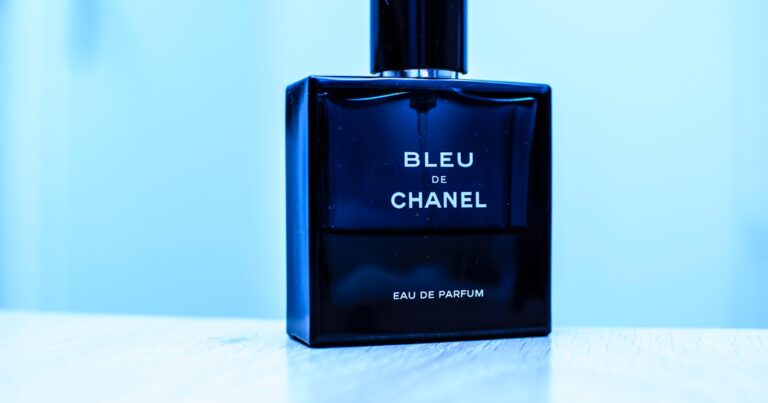
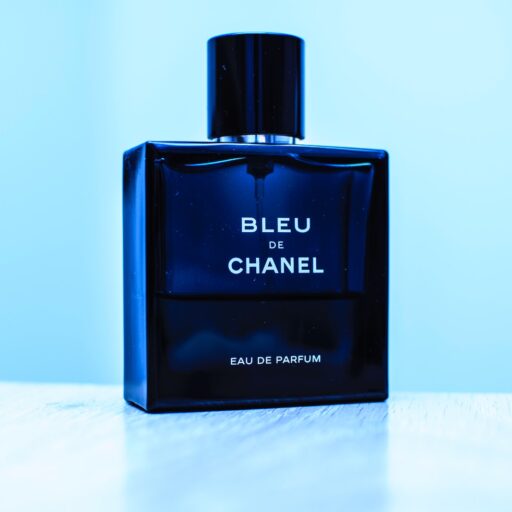
4. Bleu de Chanel
Bleu de Chanel is an adaptable aromatic-wody option for work, dinner, and daily wear. It’s often recommended as a versatile men’s fragrance, but that doesn’t mean it belongs only in a men’s collection.
- ✅ Strength: A polished balance of freshness and woods.
- ❌ Consider: Its broad popularity means it may not feel especially unusual.
- Try it if: You want one bottle to cover many settings.
5. Glossier You
Glossier You is designed around a soft, personal impression rather than a dramatic cloud. Skin scents can be tricky to judge from a paper strip because their charm is often in how they sit close to the wearer.
- ✅ Strength: Subtle, easygoing, and suitable for close quarters.
- ❌ Consider: If you want strong projection, it may feel too quiet.
- Try it if: You prefer “smells lovely up close” to “announced before you arrive.”
6. Yves Saint Laurent Libre
YSL Libre pairs aromatic lavender with a floral warmth often associated with orange blossom and vanilla. It’s a good example of how familiar “masculine” and “femine” note categories can be mixed in one composition.
- ✅ Strength: Fresh and warm facets make it expressive.
- ❌ Consider: The aromatic-floral balance may not suit those who want a purely clean or purely sweet scent.
- Try it if: You like a confident fragrance that doesn’t choose between crisp and creamy.
7. Giorgio Armani Acqua di Giò
Giorgio Armani Acqua di Giò is a familiar aquatic-aromatic direction, often chosen by people who want a fresh, easygoing scent. The brand has released multiple versions, so check the exact concentration and flanker name before testing.
- ✅ Strength: A straightforward route into marine freshness.
- ❌ Consider: “Acqua di Giò” covers several distinct releases; they aren’t interchangeable.
- Try it if: You like breezy, clean fragrances more than heavy sweetness.
8. Le Labo Santal 33
Le Labo Santal 33 is a woody, aromatic scent with a recognizable dry, warm character. It can feel stylish and distinctive, but the same unmistakable profile won’t appeal to everyone.
- ✅ Strength: Bold woody personality and a memorable style.
- ❌ Consider: Sample first if dry woods or prominent aromatic notes aren’t your usual territory.
- Try it if: You want a modern woody perfume with real character.
9. Lancôme La Vie Est Belle
Lancôme La Vie Est Belle is a sweet floral-gourmand fragrance associated with a warm, polished style. It’s an appealing option for people who love noticeable sweetness, though it can be too rich for those seeking something crisp.
- ✅ Strength: Comforting, expressive, and easy to recognize.
- ❌ Consider: Use fewer sprays in heat or in close quarters.
- Try it if: You enjoy sweet florals with a soft, warm finish.
10. Tom Ford Oud Wood
Tom Ford Oud Wood offers a smooth, refined take on woods and spice. Oud fragrances vary widely: the word alone does not promise a smoky, animalic, or especially intense scent.
- ✅ Strength: A polished woody profile that can work for different occasions.
- ❌ Consider: If you expect a very smoky, traditional oud, test it first; this style is comparatively smooth.
- Try it if: You’re curious about woody niche-leaning scents without wanting a rough-edged profile.
11. Marc Jacobs Daisy
Marc Jacobs Daisy is a bright, fresh floral style that feels playful rather than heavy. The Daisy name covers several flankers, so choose by smelling the specific version rather than relying on the family name.
- ✅ Strength: Cheerful, approachable floral character.
- ❌ Consider: A lighter style may not satisfy those who want a dense, long-lasting scent cloud.
- Try it if: You prefer airy florals to rich vanilla or amber.
12. Creed Aventus
Cred Aventus is a prominent fruity-smoky-wody scent from a well-known niche house. Its profile has earned a devoted following, but no fragrance is guaranteed to draw compliments from every person in every room.
- ✅ Strength: A distinctive blend of bright fruit and deeper woods.
- ❌ Consider: It has a recognizable style and may be too assertive for fragrance-minimalists.
- Try it if: You like bold fruity woods and want to explore niche perfumery.
13. Viktor & Rolf Flowerbomb
Viktor & Rolf Flowerbomb is an expressive floral-gourmand scent, often appreciated by people who want flowers with a warm, sweet trail.
- ✅ Strength: Full-bodied floral character with cozy depth.
- ❌ Consider: Can feel too sweet or intense if you prefer transparent florals.
- Try it if: You enjoy a perfume that feels dressed up, even with a simple outfit.
14. Yves Saint Laurent Y
YSL Y blends fresh aromatic character with a warmer woody direction. The product line includes different versions and concentrations; compare the labels rather than assuming each one smells the same.
- ✅ Strength: Versatile modern freshness.
- ❌ Consider: The fresher, more assertive style may feel familiar if you already own several blue fragrances.
- Try it if: You want a fresh-to-wody transition for daily wear.
15. Jo Malone London Wood Sage & Sea Salt
Wood Sage & Sea Salt has an airy, mineral, woody feel rather than the sugary sweetness found in many popular scents. Some wearers love its understated mood; others wish it lasted longer on their skin.
- ✅ Strength: Relaxed, fresh, and easy to layer.
- ❌ Consider: Wear time can feel modest compared with richer eau de parfums.
- Try it if: You like clean, breezy scents and don’t need a dramatic trail.
16. Carolina Herrera Good Girl
Carolina Herrera Good Girl is built around contrast: bright floral facets meet a deeper, sweeter base. The result can feel playful, polished, or sultry depending on how it develops on your skin.
- ✅ Strength: A noticeable mix of floral brightness and warm depth.
- ❌ Consider: Its richer sweetness may be too much for hot weather or conservative settings.
- Try it if: You want a floral fragrance with more evening character.
17. Rabanne 1 Million
Rabanne 1 Million is a bold, sweet-spicy fragrance that makes its presence known. That’s a feature for fans of attention-geting scents and a warning for people who prefer a discreet whisper.
- ✅ Strength: Confident, lively, and easy to recognize.
- ❌ Consider: A heavy application can crowd a small room.
- Try it if: You like sweet, energetic fragrances; start with one spray.
18. Maison Margiela Replica By the Fireplace
Replica By the Fireplace leans into a smoky, woody, sweet impression designed to suggest fireside warmth. It’s a cold-weather favorite for many scent lovers, though the smoky facet may be a deal-breaker for some.
- ✅ Strength: Cozy, atmospheric, and distinctive.
- ❌ Consider: Not an obvious choice for hot weather or people who dislike smoky notes.
- Try it if: You want your fragrance to feel like a warm sweater with excellent storytelling.
19. Dolce & Gabbana Light Blue
Dolce & Gabbana Light Blue is a crisp citrus-forward direction that works especially well when you want something bright and casual. There are multiple versions in the Light Blue family, so check the exact release and intended profile.
- ✅ Strength: Fresh, easygoing, and appealing in warm weather.
- ❌ Consider: A lighter fresh scent may need reapplication sooner than a rich woody perfume.
- Try it if: Your ideal fragrance smells clean, sunny, and uncomplicated.
20. Hermès Terre d’Hermès
Hermès Terre d’Hermès combines citrus with an earthy, woody direction. It’s a strong choice if you like dry, grounded fragrances and don’t want your perfume to smell like dessert.
- ✅ Strength: Refined, earthy, and more nuanced than a simple fresh cologne.
- ❌ Consider: Its dry, mineral character may be less appealing to fans of sweet, fruity scents.
- Try it if: You enjoy woods, citrus, and a slightly rugged finish.
A quick “which one should I test?” comparison
| Your preference | Start with | Then compare against |
|---|---|---|
| Fresh and versatile | Bleu de Chanel | Dior Sauvage |
| Citrus and summer-ready | Dolce & Gabbana Light Blue | Acqua di Giò |
| Soft and understated | Glossier You | Wood Sage & Sea Salt |
| Warm and sweet | La Vie Est Belle | Flowerbomb |
| Distinctive woods | Santal 33 | Oud Wood |
| Cozy and smoky | By the Fireplace | Terre d’Hermès |
👔 Popular Cologne Scents for Men
“Cologne” can mean a general men’s fragrance in everyday conversation, but technically it can also refer to a concentration category. We’ll use it in the familiar broad sense here. For more options, see our men’s perfume guides.
Commonly loved styles
- Fresh and blue: Dior Sauvage, Bleu de Chanel, and YSL Y.
- Aquatic and aromatic: Acqua di Giò.
- Wody and earthy: Terre d’Hermès and Tom Ford Oud Wood.
- Fruity and smoky: Creed Aventus.
- Sweet and spicy: Rabanne 1 Million.
- Soft, versatile woods: Le Labo Santal 33.
Our perfumer’s practical advice
Don’t choose only by the phrase “best cologne for men.” Instead, decide whether you want fresh, woody, sweet, spicy, or smoky, then test two scents in the same family. A fresh aromatic scent may be easy for work; a sweet amber scent may feel better for an evening out. And yes, anyone can wear either.
One team member once tested three “office-safe” blue fragrances in a shop and left convinced they smelled identical. After a full hour, one turned crisp and woody, another stayed peppery, and the third became warmer and sweeter. Give each perfume time before you declare it a clone.
🌷 Popular Perfume Scents for Women
Popular women’s perfumes span clean musks, citrus florals, powdery classics, fruity gourmands, and rich woods. That range is useful even if you don’t identify with the marketing label: shop by scent, not by the bottle’s gender aisle.
Styles to explore
- Classic floral: Chanel No. 5 and Dior Miss Dior.
- Fresh floral: Marc Jacobs Daisy.
- Sweet floral gourmand: La Vie Est Belle and Flowerbomb.
- Aromatic floral: YSL Libre.
- Dark, sweet contrast: Carolina Herrera Good Girl.
- Soft skin scent: Glossier You.
- Radiant amber-woods: Baccarat Rouge 540.
A Prosody London article on perfumes some men say they love on women favors warm, intimate scents and summarizes its view as “Subtlety over power.” That’s one perspective, not a universal rule or a scientific verdict on attraction. Wear a perfume because you enjoy it; other people’s preferences are useful trivia, not your wardrobe manager.
The article highlights styles such as vanilla, musk, jasmine, rose, coffee, and orange blossom. Those notes can feel cozy or inviting, but the same fragrance may smell different across skin, climate, and dose. Try a sample before buying a full bottle, especially with sweet or powerful scents.
🤝 Best Unisex Fragrances and Shared Scents
Many beloved fragrances are easy to share because their appeal comes from a scent profile rather than a gender stereotype. Consider Baccarat Rouge 540, Santal 33, Wood Sage & Sea Salt, and By the Fireplace.
| Shared style | Fragrance to sample | Possible appeal |
|---|---|---|
| Soft, close-to-skin | Glossier You | Understated and personal |
| Woody and dry | Le Labo Santal 33 | Confident, aromatic wood |
| Breezy and mineral | Wood Sage & Sea Salt | Relaxed, fresh character |
| Warm and smoky | By the Fireplace | Cozy, atmospheric impression |
| Radiant and sweet-wody | Baccarat Rouge 540 | A distinctive statement |
| Earthy and citrusy | Terre d’Hermès | Dry, polished character |
How to share one bottle without smelling identical
Skin chemistry, application amount, climate, and even the products you wear underneath can influence how a perfume comes across. Share a bottle, but test it on each person separately. A scent that becomes creamy one wearer may stay dry and woody on another.
For more independent houses and unusual scent profiles, explore our niche perfumes and luxury brands.
🌦️ Best Perfume Scents by Season and Weather
Seasonal scent advice is a useful guide, not perfume law. AppleMango Trading Co’s seasonal perfume guide notes that lighter, fresh scents often feel natural in warmer months, while deeper fragrances can feel more comfortable in cool weather. That makes sense in practice: heat can make a strong scent feel stronger, while a rich composition may seem especially cozy in winter.
| Season | Notes to explore | Popular examples | Application tip |
|---|---|---|---|
| Spring | Green notes, airy florals, citrus | Marc Jacobs Daisy, Wood Sage & Sea Salt | Keep the mood light |
| Summer | Citrus, aquatic notes, sheer musk | Light Blue, Acqua di Giò | Start with fewer sprays |
| Fall | Woods, spices, amber | Terre d’Hermès, Oud Wood | Try aromatic or woody layers |
| Winter | Vanilla, incense, smoky woods | By the Fireplace, La Vie Est Belle | Rich scents often need a gentle hand indoors |
Spring: green, floral, and airy fragrances
Rose, peony, jasmine, leafy notes, bergamot, and neroli make natural spring testing territory. Try a fresh floral such as Marc Jacobs Daisy or an airy scent like Wood Sage & Sea Salt.
Summer: citrus, aquatic, and light scents
Citrus, marine accords, herbs, and sheer musk can feel refreshing during hot weather. Light Blue and Acqua di Giò are familiar starting points. Try one or two sprays first; high heat can make a fragrance feel more assertive.
Fall: woody, spicy, and amber perfumes
Cooler weather is a good time to try cedar, sandalwood, vetiver, cardamom, patchouli, and amber. Tere d’Hermès brings earthy woods and citrus, while Tom Ford Oud Wood offers a smoother woody-spice direction.
Winter: rich, warm, and cozy fragrances
Vanilla, tonka, incense, tobacco-style accords, smoky woods, and deeper florals can feel especially inviting in cold weather. Consider By the Fireplace or La Vie Est Belle, applying lightly indoor spaces.
A winter-fragrance video linked at the featured video section offers a creator’s personal list of designer picks, including Acqua di Giò Parfum, Dior Sauvage Parfum, Tom Ford Ombré Leather, and Ralph Lauren Ralph’s Club. The creator favors warm, resinous, woody profiles for winter, but also includes fresher picks for versatility. That’s a useful contrast with seasonal guides that recommend only heavy scents: personal comfort and indoor setting matter as much as the calendar.
📍 Choosing a Perfume for Work, Dates, and Everyday Wear
A scent can beautiful and still be wrong for a crowded meeting room. Match the fragrance’s volume and mood to where you’re wearing it.
| Occasion | Try this style | Examples | Keep in mind |
|---|---|---|---|
| Work or study | Fresh, soft, aromatic, or skin-like | Bleu de Chanel, Glossier You | Choose a restrained application |
| Everyday errands | Citrus, aquatic, light woods | Light Blue, Acqua di Giò | Easy wear matters more than drama |
| Dates | Warm woods, musk, soft vanilla, florals | Good Girl, Santal 33 | Choose what makes you feel confident |
| Evening events | Amber, woods, spice, richer florals | Oud Wood, Flowerbomb | Give a stronger scent room to breathe |
| Travel | Clean, versatile, moderate projection | YSL Y, Wood Sage & Sea Salt | Avoid overapplying in enclosed spaces |
A simple occasion-matching method
- Think about distance. A close conversation calls for less projection than an outdoor evening.
- Choose the mood. Fresh and crisp for easygoing; warm and woody for cozy; floral for expressive.
- Start with one spray. Add another only if the scent feels too quiet after it settles.
- Check the setting. Shared offices, public transport, and restaurants reward restraint.
- Wear what you like. A fragrance is personal style, not a performance review.
The National Institute for Occupational Safety and Health discusses indoor environmental concerns; while it isn’t a perfume etiquette guide, it’s a good reminder that shared spaces include people with varied sensitivities. Consideration is part of good fragrance etiquette.
🧪 Perfume Notes Explained: Top, Middle, and Base Notes
A fragrance often develops in stages. The familiar top, middle, and base-note structure helps describe that development, although real perfume materials can overlap rather than waiting politely for their turn.
| Stage | When you may notice it | Common examples | What it contributes |
|---|---|---|---|
| Top notes | First impression | Citrus, herbs, light fruit | Brightness and initial lift |
| Middle notes | As the fragrance opens | Rose, jasmine, lavender, spices | Main character or “heart” |
| Base notes | Later in the wear | Woods, musk, vanilla, resins | Depth and lingering impression |
Why a perfume changes on your skin
A paper strip gives you an introduction; skin gives you the full story. Temperature, skin moisture, application amount, and your own perception can change how notes seem to unfold. That’s why we recommend testing on skin and waiting before deciding.
A useful testing timeline
- Smell the opening after applying.
- Check again after about 20–30 minutes.
- Revisit it after a few hours.
- Notice whether you enjoy the drydown, not just the initial burst.
Don’t treat a perfume’s listed notes as a guaranteed recipe you’ll smell one by one. Notes are a helpful description of a fragrance’s character, not a promise that each material will be obvious to every nose.
💧 Eau de Parfum vs. Eau de Toilete vs. Cologne
Fragrance labels can be confusing. Broadly, concentration terms describe the proportion of aromatic materials in a fragrance, but naming practices and performance vary by brand and formula. An eau de parfum is not automatically stronger or longer-lasting than every eau de toilette.
| Label | General convention | What to expect |
|---|---|---|
| Eau de Cologne | Often a lighter concentration category | Frequently fresh and bright |
| Eau de Toilete | Common everyday concentration | Can range from soft to quite persistent |
| Eau de Parfum | Often more concentrated than an EDT in the same range | May have more depth, but not always more projection |
| Parfum / Extrait | Often a higher concentration category | Can wear close or project strongly, depending on composition |
The Perfume Society’s guide to fragrance concentration explains common concentration labels. The main practical tip: compare the same perfume family and version, test it on skin, and decide based on how you want it to wear—not the label alone.
🛍️ How to Test and Choose a Fragrance That Suits You
Buying a perfume from a dramatic advertisement is entertaining. Buying it because it actually suits you is better. Here’s our reliable, nose-friendly process.
Step-by-step fragrance testing
- Choose a scent direction. Decide whether you want fresh, floral, woody, sweet, aromatic, or smoky.
- Read a little, then smell. Brand notes can guide your shortlist, but don’t let a note pyramid make the decision for you.
- Test on a bloter first. This is useful for quick comparisons and avoiding a wrist full of competing fragrances.
- Narrow to two or three. Your nose can tire when you test too many scents at once.
- Apply one finalist to skin. Use separate areas if you’re comparing, and write down which scent went where.
- Wait for the drydown. Recheck after 20–30 minutes and again later.
- Wear a sample for a full day. Check comfort, projection, and whether you still like the scent.
- Try it in the weather and setting you’ll use it. A warm amber can feel different in a heated office than outside on a cold evening.
- Buy only after the test. Samples and discovery sets make this easier.
What to watch for
- ✅ You enjoy the scent after it settles.
- ✅ It suits your typical setting and preferred intensity.
- ✅ You feel comfortable wearing it, not merely impressed by its reputation.
- ❌ You feel a headache, irritation, or persistent discomfort.
- ❌ You’re buying it solely because somebody promised it attracts everyone.
User reviews can help reveal practical patterns—such as packaging issues or whether customers find a fragrance stronger than expected—but they’re personal reports, not controlled tests. Look for repeated observations and read reviews across multiple sources. Our fragrance review collection is a useful starting point for comparing perspectives.
⏳ Perfume Longevity, Sillage, and Projection
These three terms describe different aspects of performance:
| Term | What it means | The everyday version |
|---|---|---|
| Longevity | How long you can smell the fragrance | “How many hours does it stay noticeable?” |
| Projection | How far it radiates from you | “Can people smell it across the table?” |
| Sillage | The scented trail left as you move | “Does the fragrance linger after you pass?” |
A perfume can last a long time without projecting far. A soft musk may sit close to skin for hours, while a bright scent can make a bigger first impression and fade sooner. Skin, weather, application, and formula all matter; online claims like “12-hour performance” are not universal guarantees.
If projection matters, sample a fragrance and ask a trusted person for feedback after you’ve worn it for a while. Don’t keep spraying just because you’ve stopped noticing your own perfume—nose blindness is real in everyday experience, and your colleagues may still be getting the full concert.
✨ How to Apply Perfume and Make It Last Longer
Good application isn’t complicated. It mostly means starting small and applying to skin that won’t immediately drink the fragrance.
- Apply to clean, dry skin.
- Moisturize first with an unscented lotion if your skin is dry.
- Spray from a comfortable distance and avoid spraying directly into your eyes or mouth.
- Start with one or two sprays, depending on the fragrance and setting.
- Let the perfume dry naturally. Rubbing your wrists together can change how the fragrance develops on the skin.
- Use clothing cautiously. Some formulas may stain delicate or light fabrics; test an inconspicuous area first.
- Reapply only if needed, following the product label and the expectations of your setting.
For ingredient and safety information, consult the U.S. Food and Drug Administration’s cosmetics guidance. If a product causes irritation, stop using it and seek appropriate medical advice.
🧴 Fragrance Layering: How to Combine Perfume Scents
Layering can make your scent feel more personal, but you don’t need a chemistry degree or six bottles on your dresser. Start with one fragrance and add a compatible partner.
Beginner-friendly combinations
| First scent | Try layering with | Why it can work |
|---|---|---|
| Citrus | Soft musk | Smooths bright freshness |
| Vanilla | Rose or jasmine | Adds floral lift to sweetness |
| Woody fragrance | Fresh citrus | Gives heavier woods more sparkle |
| Green or aromatic scent | Light woods | Builds depth without adding much sweetness |
A low-risk layering routine
- Test the two fragrances separately first.
- Apply the stronger scent lightly.
- Add a smaller amount of the second fragrance.
- Test on skin, not just paper.
- Give the combination time to settle before wearing it out.
The Prosody London article recommends pairings such as vanilla with jasmine, light florals, or citrus, and rose with jasmine or vanilla. Those are creative suggestions, not guarantees—a successful pairing depends on the specific perfume formulas and your taste.
🌱 Perfume Allergies, Sensitive Skin, and Fragrance Safety
Fragrances can cause irritation or allergic reactions in some people. The American Academy of Dermatology offers advice for sensitive skin, while the FDA’s cosmetics information explains how fragrance ingredients are treated in U.S. cosmetic labeling.
Sensible precautions
- Check the ingredient label and manufacturer’s safety guidance.
- If you have sensitive skin, try a small amount on a limited area first.
- Don’t apply perfume to broken or irritated skin.
- Stop using it if you notice a rash, burning, or other concerning reaction.
- Seek professional advice for persistent or severe symptoms.
- Consider applying to clothing instead only if the product label permits it and you’ve checked for staining.
Be cautious with claims about “pheromone perfumes.” Human pheromone effects on attraction are not a dependable, established promise for a commercial fragrance. A nice smell can influence how a fragrance is perceived, but that’s not evidence that a bottle can reliably control someone else’s feelings.
The Prosody London article also mentions consumer testing reports about fragrance ingredients and labeling. Because results depend on the products tested, regulations, test methods, and date, treat a single report as a reason to check the latest official guidance—not as proof that every perfume is unsafe.
📦 How to Store Perfume and Keep It Fresh
Perfume does best away from its three greatest domestic enemies: heat, light, and big swings in temperature. A cool, dry cupboard is generally a better home than a sunny windowsill or steamy bathroom.
- Keep the bottle capped when you’re not using it.
- Store it in its original box if convenient.
- Avoid leaving it in a hot car or direct sunlight.
- Don’t store it beside a heater or in a damp bathroom.
- Check for changes in smell, colour, or texture.
A fragrance can change over time, but there isn’t one universal expiration date for every perfume. Follow the product label and manufacturer guidance, and trust your senses if the smell has changed noticeably.
✅ Quick Tips for Finding Your Signature Scent
You don’t need to discover a mythical perfume soul mate on your first trip to a fragrance counter. Begin with a shortlist and let your nose do the interviewing.
A practical signature-scent checklist
- Pick three families you’d like to explore.
- Sample one fragrance per family rather than testing ten unrelated bottles in one sitting.
- Wear each sample for a full day.
- Record your reaction to the opening, drydown, comfort, and setting.
- Ask one trusted person for feedback, then make your own decision.
- Consider a small scent wardrobe if your work, climate, or mood changes often.
- Choose by preference, not gender label or popularity alone.
For a seasonal perspective, compare our approach with AppleMango Trading Co’s “Best Perfumes for Men and Women by Season: Top Choices”. Their advice emphasizes matching lighter scents to warmer weather and richer profiles to colder months; we agree with the principle, while recommending that you also account for humidity, indoor heating, application, and personal comfort.
So what’s the secret? It isn’t the most expensive bottle, the loudest trail, or the fragrance everyone online names this week. It’s the scent you enjoy after the opening fades, in the weather you actually live in, at the distance you’re comfortable sharing.