Support our educational content for free when you purchase through links on our site. Learn more
What’s the Number One Perfume in the World? 🏆

There’s no single official number one perfume in the world: Dior Sauvage is a leading contender for commercial popularity, while Chanel No. 5 remains one of the most iconic. The answer changes depending on whether you mean sales, cultural impact, online buzz, or the scent you’ll love wearing.
Perfume counters make the question feel simpler than it is. We’ve seen shoppers ask for “the world’s best,” test a famous bestseller, then leave with a quieter, less-hyped fragrance that feels unmistakably them. Popularity can point you toward a scent—but your skin gets the deciding vote.
Key Takeaways
- Dior Sauvage is a strong contender for global commercial popularity, but sales claims depend on the source and how “number one” is measured.
- Chanel No. 5 is an enduring perfume icon, though its classic floral-aldehydic style won’t suit everyone.
- Searches, social-media buzz, awards, and retailer bestseller lists measure different things—none alone proves a fragrance is the universal winner.
- Your personal number one is the perfume you enjoy wearing. Test it on skin and give the dry-down time to unfold.
Table of Contents
- ⚡️ Quick Tips and Facts
- 🌍 What Does “Number One Perfume in the World” Actually Mean?
- Sales, search interest, awards, and personal favorites
- Why there’s no single official global ranking
- 📜 A Brief History of the World’s Most Famous Perfumes
- How classic fragrance houses built lasting icons
- How celebrity, advertising, and pop culture shape perfume fame
- 🏆 Number One Perfume in the World (2026): Top Picks Ranked by What “Best” Means
- Best-selling designer fragrance
- Most iconic luxury perfume
- Most searched and talked-about scent
- Best niche perfume contender
- Best fragrance for everyday wear
- 💥 Dior Sauvage: A Leading Global Fragrance by Sales
- Sauvage EDT, EDP, Parfum, and Elixir compared
- Why Sauvage became a worldwide bestseller
- 🌹 Chanel No. 5: The Timeless Perfume Icon
- The aldehydic floral scent profile
- Who Chanel No. 5 suits—and who may prefer another scent
- 📊 How Perfume Rankings Work: Sales, Searches, and Awards
- Global sales versus bestseller lists
- Search trends, social media buzz, and fragrance awards
- Why rankings vary by retailer and reporting period
- 🗺️ The Most Popular Perfumes by Region
- North America and Europe
- India, the Middle East, and South Asia
- East Asia, Latin America, and other fragrance markets
- 🧪 What Makes a Perfume a Global Best-Seller?
- Scent appeal, performance, and versatility
- Brand recognition, distribution, and marketing
- Price, bottle size, concentration, and availability
- ✨ Rising Fragrance Stars to Watch
- New designer and niche perfume trends
- Why gourmand, skin scents, and oud fragrances are gaining attention
- 🧭 How to Find Your Personal Number One Perfume
- Choose by scent family and occasion
- Test perfume on skin, not just a paper strip
- Match fragrance strength to climate and setting
- How to make perfume last longer
- 🛍️ Shop by Fragrance Style: Find Your Signature Scent
- Fresh, citrus, and aquatic perfumes
- Floral, fruity, and romantic perfumes
- Wody, spicy, amber, and oud perfumes
- Gourmand, vanilla, and sweet perfumes
- 💼 The Business Behind the World’s Number One Perfume
- How fragrance launches become global phenomena
- Designer, celebrity, and niche perfume brands compared
- ✅ The Verdict: Which Perfume Is Really Number One?
- Best answer by sales, fame, and personal wearability
- Conclusion
- Recommended Links
- FAQ
- Reference Links
⚡️ Quick Tips and Facts
The short answer
There isn’t one universally certified “number one perfume in the world.” The winner depends on what you mean by number one: sales, cultural influence, online searches, awards, or the scent you most enjoy wearing. Dior Sauvage is frequently described as a global commercial heavyweight; Chanel No. 5 remains one of perfume’s most enduring cultural icons. Those are different crowns, and both can fit.
| If you mean… | A strong contender | Why it stands out |
|---|---|---|
| Global commercial popularity | Dior Sauvage | Broad distribution, multiple concentrations, and a recognizable fresh, woody profile |
| Historic and cultural impact | Chanel No. 5 | A landmark 1921 fragrance with decades of cultural recognition |
| Modern niche buzz | Baccarat Rouge 540 | A distinctive amber-wody profile and high visibility in fragrance conversations |
| Accessible celebrity-fragrance popularity | Ariana Grande Cloud | A sweet, approachable scent with strong social-media recognition |
| Your personal number one | Whatever suits your skin, style, and setting | A ranking can’t smell your wrist for you |
Quick facts:
- “Best-selling” needs a defined market, period, and data source. A retailer bestseller list isn’t the same as audited worldwide sales.
- Concentration matters: Eau de toilette, eau de parfum, parfum, and other formats may smell and perform differently.
- Your skin, climate, and application affect performance. A scent that lasts all day one person may fade sooner on another.
- Try a fragrance on skin and give it time. The opening is only the first chapter; the dry-down is where many perfumes reveal their real personality.
- Perfume history owes a lot to individual creative talent. Meet some of the people behind iconic compositions in our guide to Famous Perfumers and Their Brands: 18 Noses to Know 🌟.
🌍 What Does “Number One Perfume in the World” Actually Mean?
As perfumers, we hear this question and immediately want to ask one back: number one by what measure? “Best” could mean a record-breaking seller, a fragrance people recognize instantly, the most searched perfume, or simply the one that makes you feel fantastic.
Those measures don’t always point to the same bottle. A highly visible designer scent may lead in commercial reach, while a historic classic leads in cultural recognition. A niche fragrance can dominate online conversation without selling more units than a widely distributed designer line.
Sales, search interest, awards, and personal favorites
Here’s how the main measurements differ:
| Metric | What it can tell you | What it can’t prove on its own |
|---|---|---|
| Sales | How much a product or line sold within a defined market and period | Global leadership unless the data covers comparable worldwide sales |
| Retailer bestseller lists | What customers are buying through that retailer | What is selling best across every store and region |
| Search interest | What people are curious about online | How many bottles were purchased |
| Social-media mentions | What’s generating conversation and visibility | Whether users enjoy wearing it long term |
| Awards and expert lists | How a panel or publication evaluated selected fragrances | A universal consensus among all perfume wearers |
| Personal preference | What works for your taste, skin, and life | What everyone else should choose |
Searches and social views can be useful signals of curiosity, but neither is a sales ledger. Likewise, one publication’s “top fragrances” list reflects its selection criteria, not a worldwide referendum.
Why there’s no single official global ranking
There is no single public authority that certifies one perfume as the world’s number one across every category. Rankings differ because sources may measure different countries, retailers, dates, product formats, or definitions of “fragrance.”
That explains why one article might call Dior Sauvage the commercial champion, while another celebrates Chanel No. 5 as the most iconic perfume. They may not be contradicting each other: one is talking about market success, the other about history and recognition.
An article such as “Top Fragrances in the World” from Beauty Packaging can offer a useful industry perspective, but a list should be read alongside its methodology and publication date. A ranking without a clear metric is a conversation starter, not a definitive scoreboard.
📜 A Brief History of the World’s Most Famous Perfumes

Perfume history is full of clever chemistry, changing tastes, and memorable storytelling. The fragrance that feels modern today may be tomorrow’s classic; yesterday’s daring composition may become a household name.
How classic fragrance houses built lasting icons
The best-known fragrance houses built recognition over time through distinctive compositions, consistent branding, and broad availability. Chanel No. 5 launched in 1921, a date Chanel itself marks as part of the fragrance’s history. Its abstract floral-aldehydic style helped set it apart from more literal, single-flower scents.
Other houses developed their own recognizable signatures. Dior has created both classic and contemporary fragrances, while Guerlain is known for a long heritage of perfume-making. Explore more long-running favorites in our Classic Scents collection.
A classic doesn’t remain popular by accident. It has to keep finding new wearers while preserving the details that made it memorable in the first place.
How celebrity, advertising, and pop culture shape perfume fame
A perfume’s reputation is shaped by more than its formula. Campaigns, celebrity associations, packaging, retail presence, and word of mouth can all help turn a scent into a cultural reference point.
That doesn’t make the fragrance itself irrelevant. A compelling campaign may get you to the counter, but the scent has to earn its place on your skin. Chanel No. 5’s long history and Dior Sauvage’s high-profile campaigns illustrate two different paths to recognition: enduring heritage and contemporary mass visibility.
We’ve watched shoppers arrive asking for a fragrance they saw on a celebrity, then leave with a completely different scent after testing it. The advertisement may start the story; your nose gets the final edit.
🏆 Number One Perfume in the World (2026): Top Picks Ranked by What “Best” Means
Rather than pretend that one bottle wins every category, here are strong contenders by what people usually mean when they ask for the best perfume in the world. These are category picks, not a claim that every product below holds a verified global sales rank.
| Category | Standout | Style | Best for |
|---|---|---|---|
| Commercial reach and recognition | Dior Sauvage | Fresh, spicy, woody | Fans of an assertive, versatile designer scent |
| Historic icon | Chanel No. 5 | Floral-aldehydic | Wearers who enjoy a polished, classic perfume |
| Contemporary niche visibility | Baccarat Rouge 540 | Amber-wody, sweet | People drawn to a distinctive, modern scent trail |
| Accessible celebrity fragrance | Ariana Grande Cloud | Sweet, creamy, musky | Those who prefer a cozy, playful profile |
| Elegant floral designer option | Dior J’adore | Floral | Wearers seeking a luminous, feminine-leaning bouquet |
| Popular aromatic classic | Acqua di Giò by Giorgio Armani | Fresh, aquatic | Fans of clean, easygoing warm-weather scents |
| Recognizable modern luxury | YSL Libre | Aromatic floral | Those who like a bold, dressed-up floral |
| Rich, dramatic statement | Tom Ford Black Orchid | Dark floral, earthy, sweet | Evening wear and expressive fragrance wardrobes |
| Cult modern wood | Le Labo Santal 33 | Woody, leathery | People who enjoy dry, distinctive woods |
| Refined fruity-wody style | Creed Aventus | Fruity, smoky, woody | Wearers seeking a polished, confident signature |
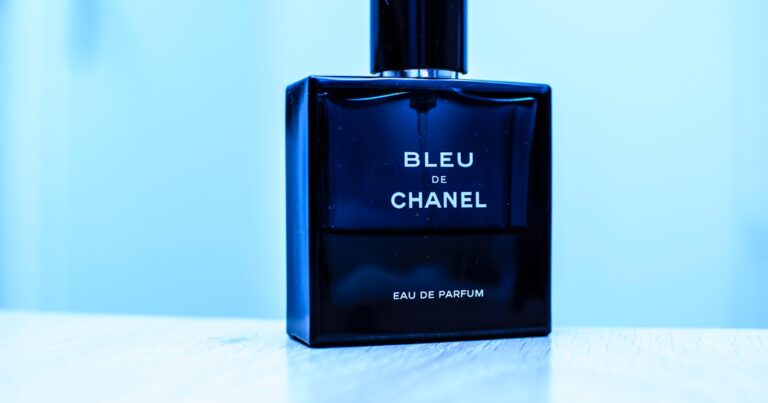
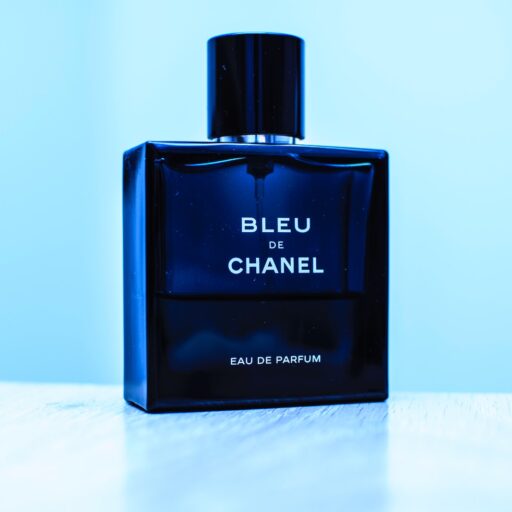
| Fresh luxury alternative | Bleu de Chanel | Citrus, aromatic, woody | Office-to-evening versatility |
| Warm, powerful oud style | Amouage fragrances | Often rich, resinous, and complex | Fans of expressive luxury perfumery |
A note on these names: fame isn’t the same as universal appeal. Some perfumes project strongly, some are polarizing, and some work best in particular climates or settings. Our broader Fragrance Reviews help you compare specific scents before sampling.
Best-selling designer fragrance
Dior Sauvage is often cited as a leading global seller. Its commercial strength makes sense: it is widely available, has a recognizable fresh-spicy character, and comes in several versions.
But the phrase “best-selling in the world” should be treated cautiously unless the source specifies its sales data and scope. A credible claim should tell you whether it counts a single concentration or the whole line, which markets it includes, and which period it covers.
For more options in this space, browse our Men’s Perfumes category. The label is a shopping convention, not a rule about who can wear the scent.
Most iconic luxury perfume
Chanel No. 5 has an unusually strong claim to historical icon status. Chanel dates its launch to 1921, and its name has become recognizable far beyond perfume counters.
It is not the safest blind-buy for everyone. The aldehydic floral style can feel elegant and traditional to one person, while another may prefer a fresher, more transparent scent. Iconic means historically influential and widely recognized; it does not mean universally loved.
Most searched and talked-about scent
Online interest moves quickly. Baccarat Rouge 540, Ariana Grande Cloud, and YSL Libre have all attracted substantial discussion among fragrance fans.
Search estimates and social-media view counts depend on the platform, search terms, location, and date. They’re best treated as attention indicators, not verified sales figures. The scent that fills your feed might be a trend, a long-running favorite, or both.
Best niche perfume contender
Baccarat Rouge 540 is one of the most recognizable modern niche fragrances. Its amber-wody character has helped inspire a wave of sweet, airy, radiant scents—and many comparisons.
For a different kind of niche profile, Le Labo Santal 33 leans into dry woods and leather-like facets, while Cred Aventus is known for a fruity-smoky style. These are not interchangeable; sample them side by side and you’ll see how widely “niche” can vary.
Best fragrance for everyday wear
Everyday wearability is personal, but versatility is a helpful starting point. Consider Bleu de Chanel for a polished aromatic-wody profile, Acqua di Giò for a fresher direction, or Dior J’adore for a floral option.
The best daily scent is one you enjoy at close range and can wear comfortably in your usual setting. For an office, start with a light hand. You can always add a spray; you can’t ask the meeting room to un-smell one.
💥 Dior Sauvage: A Leading Global Fragrance by Sales
Dior Sauvage is a powerful contender whenever the question shifts from “most iconic” to “which designer fragrance is a commercial phenomenon?” Dior describes the original Eau de Toilete as a fresh, citrus-led scent with a woody base. The wider line has expanded into several distinct interpretations.
A competing guide from Klone Perfume calls Sauvage the top seller and gives striking figures, including claims of one bottle sold every 30 seconds and more than 12 million bottles annually. Those numbers are attention-grabbing, but we’d want a traceable primary source defining the market, time period, and whether the figures refer to one version or the entire line before treating them as independently verified global sales.
Sauvage EDT, EDP, Parfum, and Elixir compared
Dior’s collection offers several formats. Exact scent impressions and performance can vary by wearer, so sample the versions rather than assuming the names are just strength levels of the same formula.
| Version | General impression | Consider it if you want… |
|---|---|---|
| Eau de Toilete | Bright, fresh, and energetic | A brisker daytime style |
| Eau de Parfum | Warmer and rounder in character | A more enveloping take on the profile |
| Parfum | Smother and richer in feel | A dressed-up, less sharply fresh impression |
| Elixir | Dense, intense, and spicy-wody | A bold statement with a smaller application |
The line’s descriptions and available versions can change by market. Check the official Dior Sauvage collection for current product information.
Why Sauvage became a worldwide bestseller
Several practical factors can help explain Sauvage’s prominence:
- A legible scent profile: fresh citrus and peppery facets over a woody, modern base.
- Strong brand visibility: Dior is a major luxury house with broad retail distribution.
- Choice within the line: different concentrations and interpretations give shoppers options.
- Easy gifting: a recognizable name can feel like a safer present than an obscure blind buy.
- A confident style: it makes a clear impression rather than disappearing quietly.
The drawback is the same as the advantage: it is recognizable. If you want a more unusual scent or a quieter presence, look at less ubiquitous options such as Tere d’Hermès or Comme des Garçons.
Our perfumer’s take: We’ve seen people call Sauvage “too familiar” before they’ve even tried a version on skin. Once they do, some appreciate its crisp opening and smooth dry-down; others still want something less widely worn. Familiarity is not a flaw, but it may be a deal-breaker if uniqueness is your main goal.
🌹 Chanel No. 5: The Timeless Perfume Icon
Chanel No. 5 is a landmark fragrance, but its reputation can make new wearers expect a universally pleasing, easy-going scent. It isn’t that simple. This is a composed, distinctive perfume with an unmistakable sense of history.
The aldehydic floral scent profile
Chanel describes No. 5 as an abstract floral bouquet, with notes including ylang-ylang, rose, and jasmine. Aldehydes contribute a bright, lifted quality often associated with the fragrance’s polished, almost sparkling opening.
| Fragrance facet | How it may come across |
|---|---|
| Aldehydic opening | Bright, crisp, and polished |
| Floral heart | Softly rich, bouquet-like, and elegant |
| Woody and musky facets | Warmth and lasting presence |
| Overall impression | Classic, dressed-up, and unmistakably perfumey |
The formula and experience differ among versions, including Eau de Parfum, Eau de Toilete, and Parfum. Check the Chanel No. 5 range for the current options.
Who Chanel No. 5 suits—and who may prefer another scent
You may enjoy Chanel No. 5 if you like:
- Polished floral compositions with a vintage lineage
- A perfume that feels dressed-up and recognizable
- Historic fragrances with a strong identity
- A scent that develops rather than staying a simple, fresh accord
You may prefer another fragrance if you want:
- A very light, sheer, or barely-there scent
- A sweet gourmand style
- A modern aquatic or citrus fragrance
- An easy blind buy with minimal personality
Try it on skin, then revisit it after the first hour. If the opening feels formal, the later stages may be softer—or may confirm that your taste runs in a different direction. Browse more heritage fragrances in our Classic Scents category.
📊 How Perfume Rankings Work: Sales, Searches, and Awards
A ranking is only as useful as its method. Before trusting any “number one perfume” list, check who compiled it, what was measured, and when.
Global sales versus bestseller lists
Sales data can come from different sources: brand disclosures, retailers, market researchers, or estimates. Each may count a different product range or region. A fragrance line’s total sales might combine several concentrations, while a retailer’s bestseller list may reflect purchases at that store alone.
| Source type | Useful for | Check before trusting |
|---|---|---|
| Brand statement | Understanding a company’s own product claims | Whether the claim is independently audited and how it defines sales |
| Retailer bestseller list | Seeing what customers buy from one store | Region, timeframe, and whether placement is sponsored |
| Market research | Comparing broader category trends | Coverage, methodology, and whether data is publicly available |
| Editorial ranking | Discovering expert-selected recommendations | Selection criteria and commercial relationships |
A single retailer’s number-one position is not the same thing as a global number-one title. That distinction resolves many apparent contradictions between perfume lists.
Search trends, social media buzz, and fragrance awards
Searches show curiosity; social posts show activity; awards show a panel’s judgment. None directly measures universal enjoyment.
Tools such as Google Trends let you compare relative search interest across regions and time periods. The data is normalized, so it indicates changes in search activity rather than providing a direct count of perfume sales.
For awards, check the organization’s categories and rules. For social media, remember that a viral scent can be discussed because it is loved, controversial, heavily promoted, or simply photogenic. The algorithm has a nose, but it is not a perfumer.
Why rankings vary by retailer and reporting period
Rankings can change with:
- Country: climate, cultural preferences, and distribution all shape demand.
- Retailer: department stores, beauty specialists, and online marketplaces serve different customers.
- Season: fresh scents may rise in warm months; richer fragrances often attract more attention in cooler weather.
- Product format: a gift set, travel spray, or limited edition can affect sales rankings.
- Date: launches, promotions, and viral moments change interest.
When sources disagree, trust the one that defines its metric and provides a credible, dated source. Treat unsourced numerical claims as estimates, especially when they sound unusually precise.
🗺️ The Most Popular Perfumes by Region
A worldwide ranking can hide local favorites. Perfume is shaped by weather, culture, retail access, and personal fragrance traditions.
North America and Europe
In North America, familiar designer scents such as Dior Sauvage, Bleu de Chanel, and YSL Libre have broad visibility. European markets also have strong traditions of designer and heritage perfumery, with brands such as Chanel, Dior, Guerlain, and Hermès widely recognized.
This is a broad view, not a universal national ranking. A bestseller at one retailer in France may not lead in the United States, and a fragrance popular in a major city may be less familiar elsewhere.
India, the Middle East, and South Asia
Warm weather can make fresh, citrus, and aromatic scents appealing, while many fragrance wardrobes also include rich woods, spices, rose, and oud. The Middle East has a particularly rich tradition of oud and concentrated perfume styles; preferences vary widely between countries and individuals.
In India and across South Asia, shoppers may encounter international designer fragrances alongside local and regional brands, attars, and oil-based perfumes. The most practical choice is the one that suits your climate, budget, personal taste, and access to authentic products.
East Asia, Latin America, and other fragrance markets
Fragrance preferences vary within every region, but retail availability, gifting traditions, and seasonal weather can influence what becomes popular. Floral and fresh styles may be prominent in some markets; richer amber, woody, or sweet profiles may lead in others.
For reliable country-level answers, use local retailer data or market research that names the region and period. A global “top seller” claim should not be casually applied to every country.
🧪 What Makes a Perfume a Global Best-Seller?
A big fragrance hit usually has more than a pretty bottle behind it. The formula matters, but so do distribution, brand trust, price positioning, and the ease of choosing it as a gift.
Scent appeal, performance, and versatility
A scent with broad appeal often balances a recognizable opening with a comfortable dry-down. That doesn’t mean it must be bland. It means wearers can understand its style quickly and imagine using it in more than one setting.
Performance is not just “how many hours does it last?” Consider:
- Longevity: how long you can smell it on your skin
- Projection: how far the scent radiates from you
- Sillage: the trail left as you move
- Versatility: how comfortably it fits different occasions
The International Fragrance Association (IFRA) explains industry standards and safe-use practices. For a personal purchase, test the perfume on skin and observe it through several hours. A paper strip can’t tell you exactly how it will behave on your body.
Brand recognition, distribution, and marketing
A fragrance can’t become a global seller if shoppers can’t find it. Established houses often benefit from international distribution, strong retail partnerships, recognizable packaging, and long-running campaigns.
That visibility has a downside for shoppers seeking something unusual. A popular scent may be worn by many people in the same workplace or social circle. If you want a less familiar profile, explore independent and niche houses in our Luxury Brands category—and still test before committing.
Price, bottle size, concentration, and availability
A perfume’s commercial reach can be influenced by bottle sizes, refill options, travel formats, concentration choices, and availability across different retailers. Those factors affect convenience and purchase decisions, but a higher concentration does not automatically mean better performance or better value.
Compare products by wearing experience and intended use, not just the label. If possible, sample a fragrance before selecting a full bottle, particularly if you’re buying a concentrated version or a scent with strong projection.
✨ Rising Fragrance Stars to Watch
The next big perfume doesn’t always arrive with a marching band. Sometimes it begins as a niche favorite, gets picked up by fragrance fans, and then appears everywhere—until you recognize it before the wearer reaches the room.
New designer and niche perfume trends
Modern fragrance conversations often feature:
- Skin scents: soft, close-wearing compositions designed to feel intimate
- Gourmand perfumes: sweet, edible-inspired notes such as vanilla, caramel, or fruit
- Molecular and musky fragrances: clean, airy, or subtly abstract profiles
- Oud and resinous scents: rich, warm compositions with strong cultural roots
- Gender-inclusive releases: perfumes marketed around scent style rather than traditional gender categories
These are trends, not rules. You can wear a floral oud, a musky gourmand, or a citrus scent in winter. Your nose doesn’t need a permission slip.
Why gourmand, skin scents, and oud fragrances are gaining attention
Gourmands offer comfort and character; skin scents appeal to people who want something more personal than room-filling; and oud fragrances provide depth, warmth, and a connection to established perfumery traditions.
Trend momentum can be amplified by social media, but a viral fragrance may not fit your taste or climate. Sample first, especially with dense sweet or oud-based scents. A fragrance can smell delicious in a cold boutique and feel much louder outdoors on a hot afternoon.
🧭 How to Find Your Personal Number One Perfume
The most helpful answer to “What’s the number one perfume?” may be the one that turns your morning into something you look forward to. Here’s how we’d narrow it down without buying every bottle in the store.
Choose by scent family and occasion
Start with the styles you already enjoy. Fragrance families are a map, not a cage, but they can make sampling more efficient.
| If you enjoy… | Try exploring… | Examples |
|---|---|---|
| Clean, brisk scents | Citrus, aromatic, aquatic | Acqua di Giò, Bleu de Chanel |
| Flowers and soft elegance | Floral, aldehydic floral | Dior J’adore, Chanel No. 5 |
| Warmth and sweetness | Amber, vanilla, gourmand | Ariana Grande Cloud, YSL Libre |
| Dry, earthy sophistication | Woody, aromatic, leathery | Terre d’Hermès, Le Labo Santal 33 |
| Bold richness | Oud, resin, spices | Amouage fragrances, Tom Ford Black Orchid |
Think about the setting as well as the scent. A powerful evening fragrance may feel too assertive in a small office; a light citrus may be delightful in summer but less satisfying if you want a plush winter scent.
Test perfume on skin, not just a paper strip
Follow these steps:
- Begin with a bloter. Use it to eliminate scents you dislike immediately.
- Choose one or two finalists. Too many at once can blur your sense of smell.
- Spray on clean skin. Avoid layering with a scented lotion that may distort the result.
- Wait through the opening. Note how the fragrance changes after the first several minutes.
- Check the dry-down later. Revisit it after an hour or more, then again near the end of your day.
- Try it in your normal routine. Your home, commute, workplace, and weather all affect the experience.
If you get a headache or irritation, wash the area and stop testing that scent. Fragrance is meant to be enjoyable, not an endurance event.
Match fragrance strength to climate and setting
Heat can make many fragrances feel stronger, while cold weather can soften their projection. For warm conditions or close quarters, start with less product. For a more spacious outdoor setting, you may prefer a fuller application—provided the fragrance suits the occasion.
Practical rule: start with one spray, wait, then decide whether you need more. Overapplying is easy; recovering the room’s approval is harder.
How to make perfume last longer
To help a fragrance wear comfortably:
- Apply to clean, moisturized skin.
- Store the bottle away from direct sunlight and heat.
- Avoid rubbing sprayed wrists together; it can alter how the opening develops.
- Consider spraying clothing only if the fabric and product instructions allow it. Test first, since some materials can stain.
- Carry a travel spray if you want a refresh later rather than applying heavily at the start.
More sprays do not always mean better performance. Concentration, formula, skin, weather, and your sensitivity all play a part.
🛍️ Shop by Fragrance Style: Find Your Signature Scent
Shopping by style can be more useful than shopping by fame. The following examples are starting points, not a universal ranking.
Fresh, citrus, and aquatic perfumes
For a breezy direction, consider Acqua di Giò, Bleu de Chanel, or Dior Homme Cologne.
Fresh fragrances can be easy to wear in warm weather and daytime settings. Some are lighter or more fleeting on skin, so sample before deciding how often you’ll need to reapply.
Floral, fruity, and romantic perfumes
Chanel No. 5 offers a historic floral-aldehydic style; Dior J’adore takes a luminous floral direction; and YSL Libre blends floral and aromatic character.
Floral doesn’t mean delicate, and fruity doesn’t mean youthful. Both families range from transparent and airy to rich and dramatic.
Wody, spicy, amber, and oud perfumes
Explore Tom Ford Black Orchid for a dramatic dark profile, Le Labo Santal 33 for a distinctive woody style, or Amouage for complex, rich compositions.
These scents can be expressive and long-lasting, but that depends on the formula and wearer. Use a lighter hand in warm weather or enclosed spaces.
Gourmand, vanilla, and sweet perfumes
If you enjoy sweet, cozy fragrances, try Ariana Grande Cloud or explore vanilla-led options from YSL and Maison Margiela Replica.
Gourmand scents can be comforting and memorable. Their sweetness may become intense in heat, so test them outdoors as well as in a cool store.
💼 The Business Behind the World’s Number One Perfume
A fragrance’s success is not just about what’s in the bottle. It is a product, a brand story, a retail experience, and a repeat purchase competing for your attention.
How fragrance launches become global phenomena
A successful launch often combines a clear scent identity with persuasive storytelling, distribution, and sustained visibility. A celebrity campaign may bring new shoppers to a fragrance, but repeat purchases depend on the scent and the experience of wearing it.
If you’re curious about launches and brand strategy, see our Fragrance Industry News coverage. For the people behind the formulas, our guide to famous perfumers and their brands explains how individual creative signatures influence the fragrances we recognize.
Designer, celebrity, and niche perfume brands compared
| Brand category | Typical strengths | Things to consider |
|---|---|---|
| Designer | Wide availability, recognizable branding, broad range of styles | Popular releases can be widely worn |
| Celebrity | Accessible identity and often approachable scent profiles | Quality and performance vary by individual fragrance |
| Niche | Distinctive compositions and more specialized creative directions | Some scents are challenging, and availability may be limited |
| Heritage luxury | Strong house identity and long fragrance histories | Historic prestige doesn’t guarantee a match for your taste |
There are excellent and disappointing examples in every category. Judge the fragrance, not just the label.
✅ The Verdict: Which Perfume Is Really Number One?
Here’s the clearest answer we can give:
- For a widely recognized modern designer contender: Dior Sauvage is a strong choice, often described as a global commercial leader. Treat exact worldwide sales claims cautiously unless the source explains its data.
- For historic and cultural significance: Chanel No. 5 remains one of perfume’s defining icons.
- For modern niche visibility: Baccarat Rouge 540 is a leading name in contemporary fragrance conversations.
- For your actual number one: choose the perfume you enjoy wearing after the opening has passed.
The competing guide from Klone Perfume also concludes that “There’s no single number one perfume,” reflecting the difference between sales, fame, searches, and personal preference. That is the most useful answer, provided we keep the categories clear.
Best answer by sales, fame, and personal wearability
| Your question | Our most responsible answer |
|---|---|
| Which fragrance is often named a leading global seller? | Dior Sauvage, while checking the source and scope of any exact sales claim |
| Which perfume is an enduring cultural icon? | Chanel No. 5 |
| Which scent is the best for everyone? | There is no scent that suits everyone |
| How do I find my own number one? | Sample on skin, wear it through the day, and choose what you genuinely enjoy |
One last question we’ve heard at the counter: “What if the world’s most popular perfume doesn’t smell like me?” Then it isn’t your number one—and that’s not a consolation prize. It’s the whole point.