Support our educational content for free when you purchase through links on our site. Learn more
🔎 Fragrance Company Directory: 25 Names to Know

A fragrance company directory is most useful when it separates perfume brands from fragrance houses, manufacturers, ingredient suppliers, and distributors. Use the companies below to start your search, then verify each partner’s services on its official website—because the name on a perfume bottle doesn’t always tell you who created or made it.
We’ve seen this distinction trip up even well-prepared founders: someone finds a fragrance house expecting a finished, boxed perfume, only to discover it supplies the scent concentrate. That’s not a bad lead; it’s just a different link in the supply chain.
Key Takeaways
- Know which company you need: A perfume brand, fragrance house, ingredient supplier, contract manufacturer, and distributor do different jobs.
- Treat directories as starting points, not endorsements. Confirm services, production locations, and current company details directly.
- Compare more than names: Check product fit, market coverage, documentation, manufacturing scope, and formula ownership.
- Ask who handles each step—from scent creation and testing to filling and packaging—before choosing a business partner.
- Use reliable sources: Verify safety and regulatory information with IFRA, the U.S. FDA, or the European Commission, as relevant.
Table of Contents
- ⚡️ Quick Tips and Facts
- 🌸 What Is a Fragrance Company Directory?
- 🕰️ How the Perfume Industry and Its Directories Evolved
- 🗂️ Types of Fragrance Companies You’ll Find
- Perfume and fragrance brands
- Fragrance houses and manufacturers
- Contract, private-label, and OEM producers
- Ingredient suppliers and aroma-chemical companies
- Packaging, distribution, and retail partners
- 🏭 25 Fragrance Companies and Industry Leaders to Know
- Global fragrance houses
- Independent perfume brands and niche houses
- Beauty groups, manufacturers, and suppliers
- 🌍 Fragrance Companies by Region
- Europe and the historic perfume centers
- North America
- Asia-Pacific
- Middle East and emerging fragrance markets
- 🔎 How to Search a Perfume Brand and Manufacturer Directory
- Find companies by product, ingredient, or service
- Search by country, region, and market
- Identify wholesale, private-label, and sourcing partners
- 🧪 Fragrance Supply Chain: From Ingredients to Finished Perfume
- ✅ How to Evaluate and Verify a Fragrance Company
- Check company credentials and manufacturing capabilities
- Review safety, sustainability, and regulatory practices
- Questions to ask before contacting a supplier
- 📋 Fragrance Company Comparison Checklist
- 💼 Using a Fragrance Directory to Find Business Partners
- For perfume founders and indie brands
- For retailers, buyers, and distributors
- For job seekers and industry researchers
- ⚠️ Common Fragrance Directory Mistakes to Avoid
- ✨ Build Your Own Fragrance Industry Contact List
- 🔗 Recommended Links for Perfume Brands and Suppliers
- ❓ FAQ
- 📚 Reference Links
- 🎯 Conclusion
⚡️ Quick Tips and Facts
A fragrance company directory is more useful when it distinguishes perfume brands from the companies that create, manufacture, supply, distribute, or sell fragrance. A beautiful bottle and a perfumer’s name tell you only part of the story. For a quick guide to naming conventions, see what perfume brands are called.
| Quick fact | What it means for your search |
|---|---|
| A brand and a fragrance house aren’t necessarily the same company. | A fashion label may own the fragrance brand while a specialist fragrance house develops its scent. |
| “Manufacturer” can refer to different parts of the supply chain. | Check whether a company makes fragrance concentrate, finished perfume, packaging, or several of these. |
| B2B directories and consumer brand lists serve different purposes. | A supplier directory helps with sourcing; a brand directory helps with discovery and shopping. |
| Company ownership changes. | Confirm current ownership with official company pages or filings before using it for research. |
| Supplier listings aren’t endorsements. | Verify facilities, certifications, capabilities, and terms directly with each company. |
Our perfumers’ first-pass checklist: identify what you need, search by region and service, verify the company on its own website, then ask who actually develops and manufactures the product. That last question can change everything.
🌸 What Is a Fragrance Company Directory?
A fragrance company directory is a searchable collection of organizations connected to perfume and fragrance, usually with company names, locations, services, product categories, or contact details. Some directories focus on consumer-facing perfume brands; others list B2B suppliers, such as fragrance houses, ingredient makers, manufacturers, and packaging firms.
The term can therefore mean several things:
| Directory type | Typically lists | Best for |
|---|---|---|
| Perfume brand directory | Designer, niche, luxury, and independent labels | Discovering brands and comparing scent styles |
| Fragrance-house directory | Companies that create fragrance compositions for brands | Finding a scent-development partner |
| Manufacturer directory | Contract fillers, private-label producers, and finished-product factories | Developing or producing a perfume line |
| Ingredient directory | Natural extracts, aroma chemicals, and related materials | Sourcing materials or researching the supply chain |
| Industry directory | Companies, distributors, service providers, and trade resources | Market research and business networking |
For shoppers, a directory can help map labels across luxury brands, niche perfumes, and men’s perfumes. For founders, the useful question is less “Who makes my favorite perfume?” and more “Which partner can do the work my product actually needs?”
What a directory can—and can’t—tell you
A listing may identify a company as a manufacturer, but it doesn’t automatically confirm that it makes finished alcohol-based perfume, offers small production runs, or owns a particular factory. Treat the directory as a starting point, not a quality certificate. Verify details with the company and check relevant regulatory guidance, including the International Fragrance Association (IFRA) Standards.
🕰️ How the Perfume Industry and Its Directories Evolved
Perfume has long relied on specialized skills: sourcing fragrant materials, composing formulas, producing concentrates, and turning them into finished goods. Modern directories reflect that complexity. A single scent may involve a brand owner, a perfumer or fragrance house, ingredient suppliers, a cosmetics manufacturer, a packaging supplier, and distributors.
The industry’s structure also shifts over time. A video overview of fragrance conglomerates notes that brands may change ownership and that large groups can either manufacture in-house or employ third parties. That’s a useful reminder, but ownership, licensing, and production are separate questions: a company may own a label without making every product itself. Treat any specific ownership or revenue figures in a video as time-sensitive, and confirm them through current corporate reporting and official brand pages.
For reliable context, compare directory profiles with company information from groups such as L’Oréal, LVMH, Puig, Coty, and The Estée Lauder Companies. Ownership can change; the bottle seldom announces the whole corporate family tree.
🗂️ Types of Fragrance Companies You’ll Find
Perfume and fragrance brands
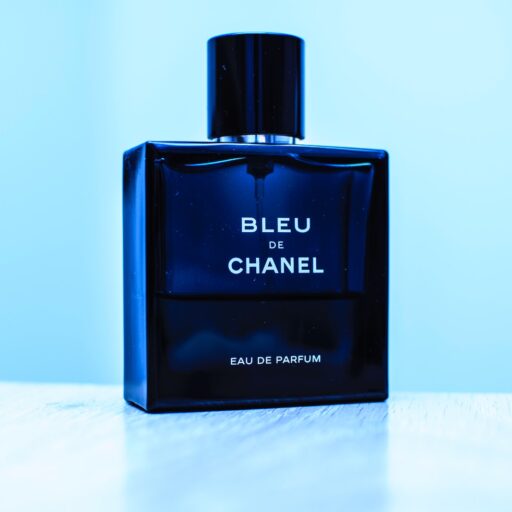
A perfume brand is the name consumers see on a fragrance: for example, Chanel, Guerlain, Le Labo, or Diptyque. Some brands are fashion houses, some grew from perfumery, and others are independent or niche labels.
A brand may create its own concepts and work with external perfumers or fragrance houses. Its directory profile tells you who owns or sells the fragrance, not necessarily who compounded or filled it.
Fragrance houses and manufacturers
A fragrance house develops compositions for fine fragrance and other products, including personal care, home fragrance, and household goods. Large international groups include Givaudan, dsm-firmenich, International Flavors & Fragrances (IFF), and Symrise.
“Manufacturer” needs a little detective work. One company may formulate a fragrance concentrate; another may blend, fill, and package the finished perfume. Ask which steps are performed on-site and which are outsourced.
Contract, private-label, and OEM producers
These companies help brands make products, often to a client’s specifications. Depending on the partner, services may include formulation, stability work, sourcing, filling, labeling, and packaging. Private label usually means products made for sale under the client’s brand; OEM commonly refers to manufacturing according to a client’s specifications, though terminology varies by supplier and market.
Before shortlisting a partner, confirm:
- Minimum order requirements and whether pilot batches are available
- Whether the supplier handles formula development or only production
- Product testing, documentation, and regulatory support
- Formula ownership, exclusivity, confidentiality, and change-control terms
- Which regions the supplier can serve
Ingredient suppliers and aroma-chemical companies
Ingredient suppliers provide natural materials such as essential oils and extracts, as well as aroma chemicals and other formulation materials. A supplier directory can help locate companies, but it won’t replace technical documents, safety data, traceability checks, or a conversation with the supplier’s technical team.
For safety practices and ingredient-use guidance, review IFRA’s Standards Library and the European Commission’s cosmetics legislation. Requirements vary by product and market; don’t assume that a listing tagged “fragrance ingredients” means every material is suitable for every use.
Packaging, distribution, and retail partners
Perfume packaging suppliers make or source bottles, pumps, caps, cartons, and decoration. Distributors and retailers connect finished products with stores and customers. A directory that includes these businesses is valuable when you’re building a complete supply chain, but make sure you’re comparing like with like: a bottle manufacturer is not a perfume manufacturer, even if both appear under the same industry category.
🏭 25 Fragrance Companies and Industry Leaders to Know
The companies below illustrate the range of businesses that appear in fragrance directories. This is a representative starting list, not a ranking or endorsement. Confirm current services, locations, ownership, and product capabilities with each company.
Global fragrance houses
| Company | What it’s known for | Official information |
|---|---|---|
| Givaudan | Fragrance and beauty ingredients and creations | Fragrance & Beauty |
| dsm-firmenich | Perfumery, beauty, and fragrance ingredients | Perfumery & Beauty |
| IFF | Fragrances and sensory solutions across consumer categories | IFF |
| Symrise | Scent-care and fragrance solutions | Scent & Care |
| Mane | Fragrance and flavor creation | Mane |
| Robertet | Natural ingredients, fragrance, and flavor expertise | Robertet |
| Takasago | Fragrance, flavor, and aroma ingredients | Takasago |
| Bell Flavors & Fragrances | Fragrance and flavor development | Bell |
| CPL Aromas | Independent fragrance house | CPL Aromas |
| Eurofragance | Fragrance creation and development | Eurofragance |
| Fragrance Resources | Fragrance development and creation | Fragrance Resources |
| Frey + Lau | Essential oils, fragrance compounds, and related products | Frey + Lau |
Independent perfume brands and niche houses
These are consumer-facing brands, not necessarily suppliers available for contract manufacturing.
| Brand | Helpful starting point |
|---|---|
| Chanel | Official fragrance collection |
| Guerlain | Official fragrance collection |
| Diptyque | Official fragrance collection |
| Le Labo | Official fragrance collection |
| Byredo | Official website |
| Penhaligon’s | Official website |
| Jo Malone London | Official fragrance collection |
| Creed | Official website |
| Maison Francis Kurkdjian | Official website |
| Frédéric Malle | Official website |
Explore more editorial coverage in our niche perfume and fragrance review sections.
Beauty groups, manufacturers, and suppliers
| Company | Directory relevance | Official information |
|---|---|---|
| L’Oréal Groupe | Beauty group with fragrance brands and business operations | L’Oréal |
| LVMH | Luxury group with perfume and cosmetics houses | Perfumes & Cosmetics houses |
| Puig | Beauty and fashion group with fragrance brands | Puig brands |
| Coty | Beauty company with fragrance brands and licensing activity | Coty brands |
| The Estée Lauder Companies | Beauty group with fragrance labels | Our brands |
| Shiseido | Beauty company and brand owner | Shiseido brands |
| Farotti Essenze | Fragrance and aroma producer listed industry directories | Farotti Essenze |
| CheMondis | B2B chemicals marketplace, not a perfume brand | CheMondis |
| Cosmetics Business | Beauty-industry news and business resources | Cosmetics Business |
| Cosmetics Europe | European cosmetics industry association | Cosmetics Europe |
A third-party directory such as chemeurope’s fragrance company listings can surface manufacturers and service providers, but categories may be broad. For example, a company listed under “fragrances” may also work in chemicals, packaging, or other sectors. Read the profile and follow through to the company’s own site.
🌍 Fragrance Companies by Region
Location matters for shipping, lead times, regulations, language, and access to manufacturing. It doesn’t tell you whether a company is the right partner, but it helps narrow the search.
Europe and the historic perfume centers
France, Germany, Italy, Spain, Switzerland, and the United Kingdom all have fragrance businesses, from large international houses to specialist manufacturers and independent brands. In France, Grasse is closely associated with perfume history and raw materials; the Musée International de la Parfumerie provides background on the region’s perfumery heritage.
Trade directories can reveal companies beyond famous consumer brands. The chemeurope fragrance listings include profiles for organizations such as Bell Flavors & Fragrances, Farotti Essenze, Frey + Lau, and IFF-related entities. Listings are useful for discovery, but verify current addresses and services on official company sites.
North America
North America includes global fragrance businesses, consumer brands, ingredient suppliers, contract manufacturers, and regional distributors. When reviewing a U.S. supplier, ask whether it can support your intended product category and sales markets, and check the relevant U.S. FDA cosmetics guidance.
A directory location alone won’t reveal whether a supplier manufactures domestically or uses third-party facilities. Ask for the actual manufacturing location and the scope of its quality and compliance documentation.
Asia-Pacific
Asia-Pacific covers a wide range of perfume markets, manufacturing bases, and consumer preferences. Search by country and service rather than assuming one regional profile applies everywhere. For products sold across borders, confirm ingredient documentation, labeling requirements, and the supplier’s export experience.
Global companies such as Takasago operate internationally, while local businesses may offer closer market knowledge and regional sourcing. Compare both types: scale is useful, but a local specialist may be more responsive to a focused brief.
Middle East and emerging fragrance markets
The Middle East is an important region for fragrance brands, retailers, distributors, and product styles that may emphasize woods, resins, spices, and concentrated formats. These are broad market associations, not rules for every consumer or company. Search by specific country, product type, and channel, then verify distribution rights and regulatory support directly.
For broader industry context and timely updates, explore fragrance industry news.
🔎 How to Search a Perfume Brand and Manufacturer Directory
A good directory search starts with a clear brief. “I need a perfume company” is as specific as “I need a vehicle.” Are you looking for a brand to buy, a fragrance house to develop a formula, or a factory to fill bottles?
Find companies by product, ingredient, or service
Use precise terms, then check the company’s own description.
- Fine fragrance: perfume and cologne for personal use
- Fragrance house: composition development and fragrance creation
- Fragrance compound or concentrate: a formulated scent ingredient for further production
- Private-label perfume: finished goods sold under a client’s brand
- Contract filling: filling and packaging an existing formula
- Aroma chemicals or essential oils: raw materials formulation
- Home fragrance: candles, diffusers, room sprays, and related products
Don’t assume “fragrance manufacturer” covers all these services. Search each term separately and confirm which steps are available.
Search by country, region, and market
Filter by geography to compare shipping, communication, and regulatory considerations. Then ask:
- Where is the company registered?
- Where are the products actually developed and manufactured?
- Does it export to your intended market?
- Can it provide documentation appropriate to that market?
For consumer research, geographic filters can help you find local perfume houses or retailers. For sourcing, the actual production site matters more than the corporate headquarters.
Identify wholesale, private-label, and sourcing partners
When the goal is commercial, search for terms such as contract manufacturing, OEM, private label, bulk fragrance, and wholesale distribution. Contact the company with a concise brief covering product format, target market, launch scale, packaging needs, and desired timeline.
A directory might show a supplier’s category and location; your first email should establish whether the supplier accepts projects like yours. If it only sells fragrance concentrate, that may be a perfect fit—or a very expensive dead end if you need a finished, boxed product.
🧪 Fragrance Supply Chain: From Ingredients to Finished Perfume
Here’s a simplified view of the path from idea to perfume bottle:
| Stage | Typical partner | What happens |
|---|---|---|
| Concept and brief | Brand owner, creative team, or perfumer | Defines scent direction, audience, format, and constraints |
| Ingredient sourcing | Ingredient suppliers | Supplies natural materials, aroma chemicals, and supporting ingredients |
| Composition development | Perfumer or fragrance house | Creates and refines the fragrance concentrate |
| Product formulation | Brand laboratory or cosmetics manufacturer | Combines the fragrance with a suitable product base |
| Testing and documentation | Brand, manufacturer, or laboratory | Evaluates product performance and prepares relevant records |
| Filling and packaging | Contract manufacturer and packaging supplier | Fills, seals, labels, and packs the product |
| Distribution and retail | Distributor, retailer, or direct-to-consumer brand | Gets the finished product to customers |
The steps can overlap. A large supplier may handle fragrance creation and related technical services, while another partner may provide only the concentrate. Likewise, a brand may control creative direction but outsource production.
Ask who owns the formula and who is responsible for compliance. These details should be clear in writing, not left to the fragrance equivalent of “we’ll figure it out after the launch.”
For cosmetics-market requirements, consult the relevant regulator: the U.S. FDA cosmetics resources and the European Commission cosmetics legislation. Requirements differ by region and product type.
✅ How to Evaluate and Verify a Fragrance Company
A polished directory profile is not enough. Our perfumers recommend checking fit, capabilities, documentation, communication, and commercial terms before you request samples or commit to production.
Check company credentials and manufacturing capabilities
Verify the company’s identity and the work it performs. Look for:
- A current official website and business contact details
- Clear descriptions of services and product categories
- Realistic manufacturing capabilities, including product formats
- Information about development, sampling, and production sites
- Evidence of experience in your target market
- References or relevant case studies where available
Ask whether the company manufactures in-house or uses third parties. Both models can work. The important thing is knowing who is responsible for quality, timelines, and changes.
Review safety, sustainability, and regulatory practices
Request the documentation relevant to your project and market. Depending on the product and jurisdiction, this may include ingredient information, safety documentation, testing records, and labeling support. Check guidance from IFRA, the U.S. FDA, or the European Commission, as applicable.
Be specific about sustainability claims. “Natural,” “clean,” and “sustainable” can mean different things in marketing, sourcing, and regulation. Ask what is measured, what is documented, and which parts of the supply chain the claim covers.
Questions to ask before contacting a supplier
- Which stages do you handle? Fragrance creation, product formulation, filling, packaging, or all of them?
- Where will development and production take place?
- What product formats and markets do you support?
- What information do you need to prepare a proposal or sample?
- Who owns the formula and associated intellectual property?
- What testing and compliance support is included?
- How are revisions, delays, and ingredient changes handled?
- Can you share relevant references or examples of similar work?
The right partner should answer clearly—even when the answer is “that service isn’t part of our scope.” Clarity is a feature.
📋 Fragrance Company Comparison Checklist
Use this checklist to compare companies consistently. A simple spreadsheet beats relying on a handful of browser tabs and a memory powered by coffee.
| Evaluation point | Questions to record |
|---|---|
| Company role | Brand, fragrance house, ingredient supplier, manufacturer, distributor, or retailer? |
| Services | Which development and production stages are included? |
| Location | Headquarters, development site, and manufacturing site? |
| Product fit | Fine fragrance, body care, home scent, or another category? |
| Market support | Which countries or regions does the company serve? |
| Documentation | What technical and compliance materials are available? |
| Production model | In-house, outsourced, or a combination? |
| Communication | Are answers clear, specific, and timely? |
| Intellectual property | Who owns the formula, and are exclusivity terms available? |
| Verification | Does the company information match its official website and records? |
Compare evidence, not adjectives. “Premium quality” is a claim; manufacturing details, documentation, and a clear process are more useful signals.
💼 Using a Fragrance Directory to Find Business Partners
For perfume founders and indie brands
Start with a one-page brief:
- Product type and intended market
- Scent direction and references
- Preferred format and packaging needs
- Expected project scale
- Required development, testing, and manufacturing services
- Target launch window
Then contact a focused shortlist rather than sending the same vague email to every supplier in the directory. A specialist fragrance house may help shape the scent, while a contract manufacturer may handle filling and packaging. Some companies do both; many don’t.
For inspiration and consumer-facing brand context, browse our niche perfume and luxury fragrance coverage.
For retailers, buyers, and distributors
Use the directory to find brands and authorized business contacts, then verify:
- Whether the company sells wholesale or through distributors
- Which territories are available
- Product assortment and documentation
- Retail, sampling, and merchandising support
- Whether a brand or distributor is authorized for your market
For a shopper-facing perspective on scent performance and product choice, see our fragrance reviews.
For job seekers and industry researchers
Directories can help identify fragrance houses, consumer brands, suppliers, and professional organizations. Follow company career pages and official business profiles for current openings and organizational updates. For research, distinguish primary sources—company filings, official websites, and regulator guidance—from third-party directory descriptions.
The Cosmetics Business directory sits within a beauty-industry publication that covers topics across the sector, including ingredients, packaging, regulation, retail, and marketing. It is useful as an industry resource, but the directory page itself may not provide a comprehensive, searchable list of fragrance manufacturers.
⚠️ Common Fragrance Directory Mistakes to Avoid
- Treating every listing as a recommendation. Inclusion proves only that a profile exists, not that the company is suitable.
- Confusing a brand with its manufacturer. Ownership, creative direction, formulation, and filling may involve different organizations.
- Assuming a company does every production step. Confirm exactly what “manufacturing” means in that listing.
- Relying on stale ownership details. Brand portfolios change; verify current information with official sources.
- Comparing unlike suppliers. A raw-material seller and a finished-product factory solve different problems.
- Trusting broad category tags too literally. Some directories use overlapping chemical, packaging, or fragrance categories.
- Skipping regulatory checks. Requirements depend on where and how the product will be sold.
- Using unverified contact details. Confirm the supplier’s identity and official domain before sharing sensitive business information.
✨ Build Your Own Fragrance Industry Contact List
Turn directory browsing into a useful research system:
- Define the purpose. Shopping research, market mapping, recruiting, or supplier sourcing?
- Choose categories. Brands, fragrance houses, manufacturers, ingredients, packaging, or distribution.
- Set geography and market filters. Record both company headquarters and production locations.
- Capture the evidence. Save official pages, directory listings, services, and verification dates.
- Separate confirmed facts from leads. Label unverified claims so they don’t quietly become “facts” later.
- Contact a shortlist. Ask consistent questions so responses are comparable.
- Recheck time-sensitive details. Ownership, facilities, certifications, and services can change.
A practical spreadsheet might include company name, role, region, services, official website, directory source, contact date, verification status, and follow-up notes. That little “verified on” column is unglamorous—and often the most valuable one.
🔗 Recommended Links for Perfume Brands and Suppliers
Use these resources to move from discovery to verification:
- Givaudan Fragrance & Beauty — fragrance-house capabilities
- dsm-firmenich Perfumery & Beauty — perfumery and ingredient information
- IFF — fragrance and sensory business overview
- Symrise Scent & Care — scent-care services and business information
- Robertet — ingredients and fragrance expertise
- IFRA Standards Library — fragrance-use standards and guidance
- U.S. FDA cosmetics resources — U.S. cosmetics information
- European Commission cosmetics legislation — EU regulatory framework
- chemeurope fragrance company listings — third-party B2B discovery
- Cosmetics Business fragrance directory — beauty-industry publication and directory resource
- Perfume Brands™ fragrance industry news — industry coverage and updates
❓ FAQ

Where can I find a directory of fragrance companies and perfume brands?
Start with the type of information you need. For consumer brands, explore official brand collections and editorial directories. For B2B companies, use industry listings such as chemeurope’s fragrance listings and then verify each profile on the company’s official website.
The Cosmetics Business fragrance directory is part of a publication covering beauty-industry topics, but its directory page may not itself supply a comprehensive list of companies. In either case, treat third-party listings as discovery tools, not final verification.
What should a useful directory listing include?
Look for the company’s role, location, services, product categories, and official contact details. If you’re sourcing a supplier, also confirm the actual production site and whether the company offers the exact service you need.
Read more about “What Are Perfume Brands Called? 75 Names to Know 🧴”
Which fragrance companies specialize in niche and luxury perfumes?
Consumer-facing examples include Le Labo, Diptyque, Byredo, Penhaligon’s, and Maison Francis Kurkdjian. These are perfume brands, not automatically contract manufacturers.
For a broader view of luxury portfolios and ownership, consult official group pages such as LVMH’s perfumes and cosmetics houses and Puig’s brand portfolio. Brand ownership can change, so check current corporate sources rather than relying on an old directory entry.
Read more about “24 Top Perfume Brands by Category 🌸”
How can I compare perfume brands by fragrance type and price?
Compare brands by scent family, concentration, product format, availability, and performance, then check current retail listings for prices. Useful scent-family terms include floral, woody, citrus, amber, aromatic, and gourmand. Concentration labels can help describe a product, but they don’t guarantee that one fragrance will last longer than another; formula, materials, skin, and conditions all play a role.
Our fragrance reviews and men’s perfume coverage can help with consumer comparisons. For objective shopping, compare the same bottle size and retailer type, and distinguish a brand’s official suggested retail price from third-party listings.
Read more about “15 Emerging Perfume Brands to Know in 2026 ✨”
Which fragrance companies offer private-label perfume manufacturing?
Some contract manufacturers and specialist suppliers offer private-label or OEM services, but capabilities vary. Large fragrance houses such as Givaudan, IFF, and Symrise are primarily known for fragrance and sensory solutions; do not assume that a fragrance house will fill and package your finished product.
Ask prospective suppliers whether they provide formula development, finished-product manufacturing, filling, packaging, documentation, and support for your target market. Confirm minimum requirements and formula ownership directly—the directory profile usually won’t settle those questions.
How do I verify a fragrance company’s claims?
Cross-check its directory listing against its official website, current business details, and relevant regulator or industry resources. Ask for documentation that matches your product and target market, and get the supplier’s responsibilities in writing.
For safety and market guidance, consult IFRA, the U.S. FDA, or the European Commission, as applicable. A certificate or marketing claim should be checked for scope and relevance rather than accepted at face value.
Are fragrance houses the same as perfume brands?
No. A perfume brand markets a fragrance to consumers; a fragrance house creates fragrance compositions and may supply them to brands and manufacturers. A brand can work with an external perfumer or fragrance house while retaining control of its product concept and marketing.
The exact arrangement differs by company and project. Ask who created the composition, who owns it, and who manufactures the finished product if those details matter to your research.
Read more about “81 New Perfumes to Know in 2026 🌸”
📚 Reference Links
- Givaudan — Fragrance & Beauty
- dsm-firmenich — Perfumery & Beauty
- International Flavors & Fragrances
- Symrise — Scent & Care
- Mane
- Robertet
- Takasago
- Bell Flavors & Fragrances
- CPL Aromas
- Eurofragance
- Frey + Lau
- Farotti Essenze
- IFRA Standards Library
- U.S. FDA — Cosmetics
- European Commission — Cosmetics legislation
- chemeurope — Fragrance company listings
- Cosmetics Business — Fragrance directory
- Parfums Worldwide — Global Perfume Industry Directory