Support our educational content for free when you purchase through links on our site. Learn more
🌟 15 Niche Perfume Brands Rising to Fame (2026)

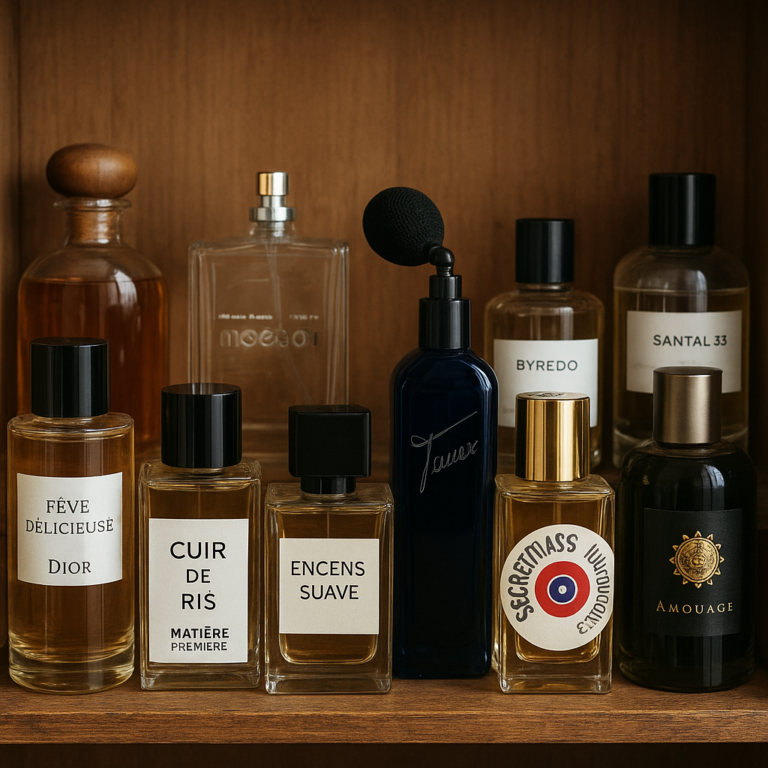
Remember the first time you walked into a department store and realized you smelled exactly like the person standing next to you? That “scent clone” phenomenon is exactly why the world is flocking to niche perfumery. But here is the twist: the “hidden gem” era is ending. Brands that were once whispered about in Parisian backstrets are now the most talked-about names on TikTok, with Baccarat Rouge 540 and Santal 31 becoming modern cultural icons. In this deep dive, we aren’t just listing names; we are uncovering the 15 niche perfume brands that have successfully crossed over from obscurity to global fame, analyzing why they work, which ones are overhyped, and how to spot the next big thing before it hits the mall. From the minimalist cool of Sweden to the opulent resin scents of Oman, get ready to discover the scents that are redefining luxury in 2026.
Key Takeaways
- The “Crossover” Effect: The most successful niche brands today are those that balance artistic integrity with mass appeal, creating scents that are unique yet wearable.
- Quality Over Hype: While fame brings accessibility, true niche excellence lies in rare ingredients and uncompromised formulations that outperform standard designer fragrances.
- Sample Before You Splurge: Never buy a full bottle of a trending niche scent without testing it first; your skin chemistry can completely alter the drydown.
- Top Rising Stars: Our curated list features 15 brands ranging from established giants like Byredo and Le Labo to avant-garde powerhouses like Zologist and Tiziana Terenzi.
Ready to find your new signature scent?
- 👉 Shop Trending Niche Brands: Byredo | Le Labo | Maison Francis Kurkdjian | Xerjoff
- Explore Avant-Garde Scents: Nasomatto | Frederic Malle | Kilian | Amouage
Table of Contents
- ⚡️ Quick Tips and Facts
- 🕰️ From Obscurity to Olfactory Fame: The History of Niche Perfumery
- 🔍 Defining the Shift: What Makes a Niche Brand Suddenly Famous?
- 🏆 The Rising Stars: 15 Niche Perfume Brands Taking Over the World
- 1. Byredo: The Minimalist Disruptor
- 2. Le Labo: The Alchemist’s Lab Experience
- 3. Diptyque: Parisian Artistry Reimagined
- 4. Maison Francis Kurkdjian: The New French Luxury Standard
- 5. Xerjoff: Italian Opulence and Sillage Kings
- 6. Nasomatto: The Provocateur of Scent
- 7. Frederic Malle: Publishing Perfume Like Books
- 8. Kilian: Luxury in a Bottle (and a Kiss)
- 9. Parfums de Marly: Equestrian Elegance for the Modern Era
- 10. Aesop: The Scent of Intellectual Cool
- 1. Escentric Molecules: The Science of Uniqueness
- 12. Tiziana Terenzi: Cosmic Fragrances from the Stars
- 13. Initio Parfums Privés: The Dark Side of Seduction
- 14. Zologist Perfumes: Animalic Artistry
- 15. Amouage: The Royal Omani Masterpiece
- 🧪 The Secret Sauce: Ingredients and Notes Driving Niche Popularity
- 🛍️ Where to Buy: Navigating Niche Perfume Retailers and Boutiques
- 💸 Niche vs. Designer: Is the Price Tag Worth the Hype?
- 👃 How to Test and Layer Niche Fragrances Like a Pro
- 🚫 Common Mistakes to Avoid When Entering the Niche World
- 🔮 Future Trends: What’s Next for the Niche Scent Industry?
- 📝 Conclusion
- 🔗 Recommended Links
- ❓ FAQ: Your Burning Questions About Niche Perfumes Answered
- 📚 Reference Links
⚡️ Quick Tips and Facts
Before we dive into the olfactory rabbit hole, let’s get the basics straight. If you’re new to the world of niche perfumery, you might be wondering why a bottle of scent costs as much as a nice dinner for two. Here is the tea, served fresh from our lab at Perfume Brands™:
- Niche ≠ Always Better: Just because a brand is “niche” doesn’t mean it’s automatically superior to a designer fragrance. It means the brand focuses solely on fragrance, often using higher-quality raw materials, but the scent profile is a gamble.
- The “Sillage” Factor: Niche perfumes often have massive sillage (the scent trail you leave behind). You don’t just smell good; people in the next room know you’re there.
- Batch Variations: Unlike designer scents which are chemically identical every time, niche perfumes can vary slightly between batches due to the use of natural ingredients. This is a feature, not a bug!
- The “Crossover” Phenomenon: Many brands that started as niche (like Byredo or Le Labo) are now so famous they are found in department stores. We call this the “Niche-ification of the Mainstream.”
- Sampling is Non-Negotiable: Never buy a full bottle of a niche fragrance without trying a sample first. Your skin chemistry is unique, and what smells like “expensive leather” one person might smell like “wet dog” on another.
Did you know? The term “niche” in perfumery originally referred to brands that were only available in a single boutique or a very limited number of locations. Today, it’s more of a marketing term for “independent” or “artistic” fragrance houses. For a deeper dive into the giants of the industry, check out our guide on What are 5 famous perfume brands?.
🕰️ From Obscurity to Olfactory Fame: The History of Niche Perfumery

To understand why brands like Xerjoff or Maison Francis Kurkdjian are suddenly everywhere, we have to look back at the “Dark Ages” of perfume.
For decades, the fragrance world was a duopoly: Designer Brands (think Chanel, Dior, YSL) and Mass Market (think Britney Spears, Davidoff). Designer houses treated perfume as a marketing tool to sell handbags. The scents were often safe, mass-appealing, and formulated to smell good on a test strip, not necessarily on your skin.
Then, in the 190s and early 20s, a rebellion brewed. A group of “perfume noses” (the perfumers) and entrepreneurs got tired of the corporate interference. They wanted to create art, not just a product.
- The Birth of the Modern Niche: Brands like Serge Lutens (founded in 192) and Frederic Malle (founded in 20) changed the game. Malle, in particular, revolutionized the industry by giving perfumers the title of “Author” and letting them use as much raw material as they wanted, without marketing restrictions.
- The Rise of the “Private Blend”: By the 2010s, the definition blurred. Designer houses launched their own “private blend” lines (like Tom Ford Private Blend or Dior Privée) to capture the niche market. This created a confusing landscape where the line between “niche” and “designer” became a gray area.
Perfumer’s Insight: “We often joke that ‘niche’ used to mean ‘hard to find.’ Now, if you can’t find Le Labo Santal 3 in a mall, you’re probably in the wrong mall. But the spirit of niche remains: it’s about the story, the ingredients, and the risk.”
🔍 Defining the Shift: What Makes a Niche Brand Suddenly Famous?
So, how does a tiny, obscure brand explode onto the scene? It’s rarely just about the smell. It’s a perfect storm of social media, exclusivity, and narrative.
The “Instagram Effect”
In the age of TikTok and Instagram, the visual aesthetic of the bottle is just as important as the juice inside. Brands like Byredo and Kilian mastered the art of the “unboxing experience.” The minimalist bottles, the heavy caps, the gold lettering—it’s content gold.
The “Scarcity” Trap
Humans love what they can’t have. Brands like Nasomatto or Tiziana Terenzi often release limited batches or “city exclusives” (a strategy popularized by Le Labo). When a scent is hard to get, the hype grows.
The “Olfactory Revolution”
Finally, the scents themselves had to change. We moved away from the safe “clean laundry” scents of the 20s to bold, polarizing notes:
- Animalics: Castoreum, civet, and musk.
- Gourmands: Not just vanilla, but burnt sugar, leather, and even “sweaty” notes.
- Nature-Realism: Scents that smell like a forest floor, a petri dish, or a storm.
Question: If a brand becomes too famous, does it lose its “niche” soul? We’ll explore this paradox later when we discuss the commercialization of the indie scene.
🏆 The Rising Stars: 15 Niche Perfume Brands Taking Over the World
We’ve curated a list of 15 brands that have transitioned from “insider secret” to “global phenomenon.” These aren’t just famous; they are influencing the entire industry.
Note: While we love them all, remember that “famous” doesn’t always mean “for you.” Always sample first!
1. Byredo: The Minimalist Disruptor
Origin: Sweden
Vibe: Cool, understated, Scandinavian chic.
Byredo is the poster child for the modern niche boom. Founded by Ben Gorham, a former basketball player turned perfumer, the brand focuses on memories and emotions rather than traditional note pyramids.
| Feature | Rating (1-10) | Notes |
|---|---|---|
| Design Aesthetic | 10 | Minimalist, clean, highly Instagramable. |
| Scent Complexity | 7 | Often simple, linear, but incredibly well-blended. |
| Longevity | 6 | Can be fleeting; often requires re-application. |
| Uniqueness | 8 | Distinctive, but becoming very common. |
| Value for Money | 6 | High price point for the concentration. |
Why it’s famous: Scents like Bal d’Afrique and Gypsy Water are universally likable. They bridge the gap between designer and niche perfectly. However, critics argue they release too many scents too quickly, diluting the brand’s magic.
👉 Shop Byredo on: Amazon | Official Website
2. Le Labo: The Alchemist’s Lab Experience
Origin: USA (New York)
Vibe: Industrial, hipster, artisanal.
Le Labo changed the game with its made-to-order concept. You walk into a store, they mix the scent in front of you, and label it with your name and the date. It’s theater.
Top Picks:
- Santal 3: The scent that defined a generation (and a city). Smells like leather, cardamom, and pickles (yes, pickles!).
- Rose 31: A spicy, cumin-heavy rose that isn’t your grandma’s rose.
- Patchouli 24: A smoky, wody masterpiece for the edgy soul.
Perfumer’s Take: “Le Labo’s ‘hipsters’ aesthetic is a double-edged sword. It creates a cult following, but the ‘on-site blending’ is often a marketing gimmick for the bigger stores. The scent is real, but the ritual is sometimes performative.”
👉 Shop Le Labo on: Amazon | Official Website
3. Diptyque: Parisian Artistry Reimagined
Origin: France
Vibe: Bohemian, artistic, classic.
Started as a fabric shop in Paris, Diptyque is now a fragrance powerhouse. They are famous for their candles, but their perfumes are equally stunning.
Top Picks:
- Philosykos: The gold standard for fig scents. Green, milky, and wody.
- Tam Dao: A creamy, sandalwood-heavy scent that feels like a warm hug.
- L’Ombre dans L’Eau: A green, blackcurrant leaf scent that smells like a rainy garden.
Why it’s famous: They mastered the art of olfactory storytelling. Their scents are evocative and transport you to a specific place or memory.
👉 Shop Diptyque on: Amazon | Official Website
4. Maison Francis Kurkdjian: The New French Luxury Standard
Origin: France
Vibe: Elegant, sophisticated, high-fashion.
Francis Kurkdjian, one of the most celebrated perfumers in the world, founded this house after leaving his role at Dior. The brand focuses on luxury and wearability.
Top Picks:
- Baccarat Rouge 540: The scent of the 2020s. Sweet, saffron, amber, and incredibly long-lasting.
- Aqua Universalis: A fresh, clean scent that smells like expensive laundry.
- Grand Soir: A warm, vanilla-benzoin amber that is pure comfort.
Fact: Baccarat Rouge 540 is so popular that it has countless “dupes,” yet the original remains unmatched in its complexity and projection.
👉 Shop MFK on: Amazon | Official Website
5. Xerjoff: Italian Opulence and Sillage Kings
Origin: Italy
Vibe: Extravagant, luxurious, powerful.
If you want to be noticed, Xerjoff is your brand. They use rare ingredients and bottle them in crystal decanters that look like jewelry.
Top Picks:
- Naxos: Honey, tobacco, and lavender. A sweet, masculine masterpiece.
- Erba Pura: A burst of Italian citrus and berries.
- Shangri La: A creamy, wody, and slightly animalic scent.
Why it’s famous: They don’t hold back. The sillage is massive, and the bottles are conversation starters.
👉 Shop Xerjoff on: Amazon | Official Website
6. Nasomatto: The Provocateur of Scent
Origin: Italy
Vibe: Dark, mysterious, avant-garde.
Created by Alessandro Gualtieri, Nasomatto is for those who want to smell dangerous. The names are cryptic, and the scents are intense.
Top Picks:
- Black Afgano: A cult classic. Smoky, resinous, and dark.
- Pardon: A sweet, boozy, tobacco scent.
- Blind Love: A floral, powdery, and slightly weird scent.
Perfumer’s Warning: “Nasomatto scents are concentrated. A single spray is often enough. Do not overspray, or you will choke the room.”
👉 Shop Nasomatto on: Amazon | Official Website
7. Frederic Malle: Publishing Perfume Like Books
Origin: France
Vibe: Intellectual, raw, unfiltered.
Frederic Malle treats perfumers like authors. He gives them total creative freedom. The result is a collection of uncompromised scents.
Top Picks:
- Carnal Flower: The most realistic tuberose ever created. Green, creamy, and intoxicating.
- En Passant: A delicate lilac scent that smells like a spring walk.
- Musc Ravageur: A spicy, vanilla, musk scent that is pure seduction.
Why it’s famous: The 10ml travel sprays make this high-end brand accessible to beginners.
👉 Shop Frederic Malle on: Amazon | Official Website
8. Kilian: Luxury in a Bottle (and a Kiss)
Origin: France
Vibe: Seductive, dark, glamorous.
Kilian Henessy (from the cognac family) created a line of scents that feel like liquid luxury. The packaging is heavy, the scents are bold.
Top Picks:
- Good Girl Gone Bad: A floral, boozy, and addictive scent.
- Angels’ Share: Tastes like cognac and cinnamon.
- Love, Don’t Be Shy: A marshmallow, orange blossom, and rose scent.
👉 Shop Kilian on: Amazon | Official Website
9. Parfums de Marly: Equestrian Elegance for the Modern Era
Origin: France
Vibe: Royal, classic, masculine-leaning.
Inspired by the horses of King Louis XV, this brand focuses on classic French perfumery with a modern twist.
Top Picks:
- Layton: A spicy, vanilla, apple scent that is a modern classic.
- Delina: A rhubarb, lyche, and rose scent for women.
- Pegasus: Almond, vanilla, and sandalwood.
Why it’s famous: They bridge the gap between niche quality and designer wearability.
👉 Shop Parfums de Marly on: Amazon | Official Website
10. Aesop: The Scent of Intellectual Cool
Origin: Australia
Vibe: Botanical, earthy, minimalist.
Known for skincare, Aesop’s fragrances are an extension of their philosophy. They are understated, natural, and perfect for the “quiet luxury” crowd.
Top Picks:
- Istros: A green, herbal, and wody scent.
- Hwyl: A smoky, cedar, and incense scent.
- Tacit: A citrusy, herbal, and refreshing scent.
👉 Shop Aesop on: Amazon | Official Website
1. Escentric Molecules: The Science of Uniqueness
Origin: UK
Vibe: Scientific, minimalist, mysterious.
Created by Geza Schön, this brand focuses on single molecules. The most famous is Molecule 01, which is just Iso E Super.
Why it’s famous: It smells different on everyone. Some smell nothing, others smell a wody, ambery cloud. It’s the ultimate “skin scent.”
👉 Shop Escentric Molecules on: Amazon | Official Website
12. Tiziana Terenzi: Cosmic Fragrances from the Stars
Origin: Italy
Vibe: Extravagant, celestial, complex.
The Terenzi brothers create scents inspired by constellations and mythology. The bottles are works of art, and the scents are intense.
Top Picks:
- Kirke: A sweet, tropical, and floral scent.
- Castoreum: A dark, animalic, and leathery scent.
- Lyra: A fresh, citrusy, and aquatic scent.
👉 Shop Tiziana Terenzi on: Amazon | Official Website
13. Initio Parfums Privés: The Dark Side of Seduction
Origin: France
Vibe: Mysterious, powerful, hypnotic.
Initio focuses on psychoactive scents. They use ingredients like ambroxan and oud to create scents that are almost addictive.
Top Picks:
- Oud for Greatness: A saffron, oud, and lavender scent.
- Side Effect: A tobacco, vanilla, and rum scent.
- Atomic Rose: A spicy, rose, and saffron scent.
👉 Shop Initio on: Amazon | Official Website
14. Zologist Perfumes: Animalic Artistry
Origin: USA
Vibe: Raw, natural, extreme.
Zologist is for the adventurous. They use tinctures and natural materials to create scents that smell like the wild.
Top Picks:
- Civet: A true civet scent.
- Castoreum: A beaver musk scent.
- Hyena: A dirty, animalic scent.
Perfumer’s Note: “Zologist is not for the faint of heart. These scents are raw and unfiltered. They are for those who want to smell like the wild, not a department store.”
👉 Shop Zologist on: Official Website
15. Amouage: The Royal Omani Masterpiece
Origin: Oman
Vibe: Royal, opulent, exotic.
Founded by the Sultan of Oman, Amouage uses the richest ingredients from the Middle East. Their scents are heavy, complex, and long-lasting.
Top Picks:
- Interlude Man: A blue, oregano, and amber scent.
- Jubilation XXV: A honey, blackberry, and olibanum scent.
- Reflection Man: A clean, floral, and wody scent.
👉 Shop Amouage on: Amazon | Official Website
🧪 The Secret Sauce: Ingredients and Notes Driving Niche Popularity
What separates a $50 designer perfume from a $30 niche masterpiece? It’s often the raw materials.
Natural vs. Synthetic: The Great Debate
- Naturals: Sourced from plants, flowers, and animals. They are complex, variable, and expensive. Think real rose absolute or natural sandalwood.
- Synthetics: Lab-created molecules. They are consistent, stable, and can create scents that don’t exist in nature (like “ozone” or “metal”).
Why Niche Wins: Niche brands often use a higher percentage of naturals or high-quality synthetics that mimic naturals perfectly. This creates a depth and richness that mass-market scents lack.
The “Notes” That Are Trending
- Oud: Once reserved for the Middle East, now a global phenomenon.
- Tobacco: From sweet to smoky, it’s everywhere.
- Leather: From clean to dirty, it adds edge.
- Gourmands: Food-like scents that are sweet but not cloying.
Did you know? Some niche brands, like Phronema Perfumes, use homemade tinctures of ingredients like fir and frankincense, creating scents that are almost like ointments. This level of detail is rare in the mainstream.
🛍️ Where to Buy: Navigating Niche Perfume Retailers and Boutiques
Buying niche perfume can be tricky. You don’t want to buy a fake or a diluted version. Here is our guide to finding the real deal.
Online Retailers
- Amazon: Great for popular brands like Byredo and Le Labo, but be wary of third-party sellers. Always check the seller’s rating.
- FragranceX / FragranceNet: Reliable discounters for many niche brands.
- Luckyscent: A curated online boutique with a huge selection of hard-to-find niche scents.
- Sephora / Nordstrom: Now carry many “crossover” niche brands like Byredo, Le Labo, and Maison Francis Kurkdjian.
Physical Boutiques
- Department Stores: Look for dedicated niche counters.
- Specialty Boutiques: Many cities have independent perfume shops that carry a curated selection.
- Brand Flagships: If you’re in a major city, visit the brand’s own store for the full experience.
Pro Tip: Always ask for a sample or a decant before buying a full bottle. Many online retailers offer sample sets.
💸 Niche vs. Designer: Is the Price Tag Worth the Hype?
This is the million-dollar question. Is it worth spending $30 on a bottle of Xerjoff when you can get a $10 Dior?
The Case for Niche
- Quality: Higher concentration of oils, better ingredients.
- Uniqueness: Less likely to smell like everyone else.
- Story: A deeper connection to the brand’s philosophy.
The Case for Designer
- Consistency: You know exactly what you’re getting.
- Accessibility: Easy to find and test.
- Price: More affordable for everyday wear.
The Verdict: It depends on what you value. If you want a signature scent that is unique and long-lasting, niche is worth it. If you want a safe, everyday scent, designer is fine.
Perfumer’s Insight: “I’ve smelled $50 designer scents that outperform $40 niche scents. It’s not about the price; it’s about the artistry and the match with your skin.”
👃 How to Test and Layer Niche Fragrances Like a Pro
Testing a niche fragrance is an art form. You can’t just spray and go.
Step-by-Step Guide
- Start Clean: Test on clean, unscented skin.
- The Wrist Test: Spray on your wrist, but don’t rub it. Rubing crushes the molecules.
- The Wait: Wait at least 30 minutes for the drydown. The top notes evaporate quickly; the heart and base notes are the real story.
- The Layering: Try layering with unscented moisturizer or a complementary scent.
Common Layering Combinations
- Citrus + Woody: Fresh top notes with a warm base.
- Floral + Gourmand: Sweet florals with vanilla or caramel.
- Spicy + Leather: A bold, masculine combination.
Warning: Don’t over-layer. Niche scents are potent. Start with one spray of each.
🚫 Common Mistakes to Avoid When Entering the Niche World
Even the experts make mistakes. Here are the pitfalls to avoid.
- Buying Blind: Never buy a full bottle without testing.
- Overspraying: Niche scents are concentrated. One or two sprays are enough.
- Ignoring the Drydown: Don’t judge a scent by the first 5 minutes.
- Chasing Hype: Just because a scent is famous doesn’t mean it’s for you.
- Storing Improperly: Keep your perfumes away from light and heat.
Did you know? Some niche scents, like Phronema’s Desert Water, can stain your skin and clothes due to the high concentration of resins. Always test on a white cloth first!
🔮 Future Trends: What’s Next for the Niche Scent Industry?
The world of niche perfume is evolving. Here is what we see on the horizon.
The Rise of “Micro-Niche”
Brands like Jouissance Parfums and Pearfat Parfum are creating scents that are so specific they are almost personal. Think “smells like a specific summer in Michigan” or “smells like a dusty library.”
Sustainability and Ethics
Consumers are demanding sustainable and ethical ingredients. Brands are moving away from animal-derived ingredients and towards vegan and eco-friendly alternatives.
The “Genderless” Movement
More brands are dropping gender labels, focusing on scent profiles rather than “for him” or “for her.”
The “Digital” Scent
With the rise of the metaverse, some brands are experimenting with digital scents that can be experienced through VR headsets.
Final Thought: The future of niche perfume is personalization. As technology advances, we may see scents tailored to our DNA or mood.
Stay tuned for our conclusion, where we will wrap up our journey through the world of niche perfumery and give you our final recommendations!
📝 Conclusion

We’ve journeyed from the quiet corners of Parisian boutiques to the smoky, resinous depths of Omani deserts, exploring the explosive rise of niche perfume brands. But did we answer the burning question: Is the hype justified?
The Verdict: Absolutely, but with a caveat. The “fame” of brands like Byredo, Le Labo, and Maison Francis Kurkdjian is well-deserved because they successfully bridged the gap between artistic integrity and wearability. They proved that you don’t have to smell like a chemistry experiment to be unique. However, the true magic of the niche world lies in the emerging indie houses like Jouissance Parfums, Zologist, and Phronema, which are pushing boundaries with raw, unfiltered, and sometimes polarizing scents that mass-market brands would never dare touch.
Positives of the Niche Boom:
- ✅ Unmatched Creativity: Perfumers have the freedom to experiment with rare ingredients and unconventional accords.
- ✅ Quality Ingredients: Higher concentrations of natural extracts and high-grade synthetics ensure better longevity and sillage.
- ✅ Personal Expression: These scents allow you to curate a signature that truly reflects your personality, not a marketing demographic.
Negatives to Consider:
- ❌ The “Crossover” Dilution: As brands like Le Labo become ubiquitous, the feeling of exclusivity fades.
- ❌ Price vs. Performance: Not every expensive bottle performs better than a $50 designer scent. Blind buying is a financial risk.
- ❌ Polarizing Profiles: What smells like “art” to one person might smell like “burnt rubber” to another.
Our Confident Recommendation:
If you are new to the world of niche perfumery, start with the “Crossover” Kings. Grab a sample of Byredo’s Bal d’Afrique or Maison Francis Kurkdjian’s Baccarat Rouge 540. They are the safest entry points that still offer a step up from designer fragrances. Once you’ve found your nose, dive deeper. Explore the animalic depths of Nasomatto, the botanical cool of Aesop, or the raw tinctures of Zologist.
Remember, the best perfume is the one that makes you feel confident, not the one that smells the most expensive. The journey from obscurity to fame is ongoing, and the most exciting scents are often the ones you haven’t smelled yet. Keep exploring, keep sampling, and never stop sniffing!
🔗 Recommended Links
Ready to build your collection? Here are our top picks for where to shop, along with some reading material to deepen your olfactory knowledge.
🛒 Shop the Rising Stars
- Byredo: Search on Amazon | Official Website
- Le Labo: Search on Amazon | Official Website
- Maison Francis Kurkdjian: Search on Amazon | Official Website
- Xerjoff: Search on Amazon | Official Website
- Frederic Malle: Search on Amazon | Official Website
- Nasomatto: Search on Amazon | Official Website
- Kilian: Search on Amazon | Official Website
- Amouage: Search on Amazon | Official Website
- Tiziana Terenzi: Search on Amazon | Official Website
- Initio Parfums Privés: Search on Amazon | Official Website
- Zologist Perfumes: Official Website (Samples and full bottles available directly)
📚 Essential Reading for Perfume Lovers
- Perfumes: The Guide by Luca Turin and Tania Sanchez – The definitive, witty, and sometimes controversial guide to the world of scent.
- Find on Amazon
- The Secret of Scent: Adventures in Perfume and the Science of Smell by Luca Turin – A deep dive into the science and history of fragrance.
- Find on Amazon
- Scent and Subversion: A Guide to the World of Niche Perfumery by Chandler Burr – An exploration of the art and business of niche perfumery.
- Find on Amazon
❓ FAQ: Your Burning Questions About Niche Perfumes Answered

Which niche perfume brands are trending in 2024?
The landscape of 2024 is defined by a shift towards hyper-specificity and raw naturals. While established giants like Byredo and Le Labo remain staples, the real buzz is around brands that offer conceptual depth and unrefined ingredients.
- Jouissance Parfums is trending for its unabashedly powdery and sweaty scents like Les Cahiers Secrets, challenging the “clean girl” aesthetic.
- Pearfat Parfum is gaining traction for its nostalgic, idiosyncratic scents like Up North, which capture specific memories rather than generic “summer” vibes.
- Hiram Green continues to lead the natural perfumery movement with scents like Philtre, focusing on rare notes like carnation.
- Clue Perfumery is rising for making experimental scents approachable and fun, often inspired by pop culture and film.
Read more about “22 Long-Lasting Perfumes for Women That Last All Day (2026) ✨”
What are the best up-and-coming indie fragrance houses?
If you are looking for the next big thing before it hits the mainstream, keep an eye on these indie darlings:
- Phronema Perfumes: Known for austere, resin-heavy scents like Desert Water that use homemade tinctures and draw from philosophy and faith.
- Marissa Zappas: Creating “shockingly subtle” scents inspired by horror films, such as Carnival of Souls.
- Chris Rusak: Focusing on rustic, alien interpretations of classic genres like Foin Coupé (freshly mown hay) with scents like Caji.
- Adi Ale Van: Producing “dirty and pastoral” fragrances with heavy doses of frankincense and mushroom tinctures.
- Maksim Perfume: Blending animalic oud with green and camphoric notes for a truly unique experience.
Read more about “What Are Perfume Brands Called? 120+ Names & Secrets (2026) 🧪”
Why are luxury niche perfumes becoming more popular?
The surge in popularity isn’t just about status; it’s about authenticity and storytelling.
- Rejection of Mass-Market Sameness: Consumers are tired of smelling like everyone else. Designer scents often rely on the same “clean musk” or “sweet vanilla” formulas. Niche offers diversity.
- The “Experience” Economy: Buying a niche perfume is often an event. The packaging, the brand story, and the unboxing ritual provide value beyond the liquid itself.
- Ingredient Transparency: Modern consumers are more educated. They want to know what they are wearing. Niche brands are more likely to disclose high-quality natural ingredients or unique synthetic accords.
- Social Media Influence: Platforms like TikTok have democratized fragrance discovery. “Niche fragrance girl culture” has made it cool to discuss notes like civet, castoreum, and ozone.
Read more about “🇺🇸 What is America’s #1 Fragrance? (2026)”
Where can I buy emerging niche perfume brands online?
Finding the newest indie houses can be a treasure hunt. Here are the best places to look:
- Brand Official Websites: The most reliable source for the latest releases and exclusive samples. Brands like Zologist and Phronema often sell directly to consumers.
- Curated Online Boutiques:
Luckyscent: A premier destination for hard-to-find niche and indie scents.
Twisted Lily: Known for carrying a wide range of avant-garde and indie brands.
Microbrand Perfumes: Specializes in smaller, independent houses. - Decant Services: Sites like Surrender to Chance or MicroPerfumes allow you to buy small samples of expensive or rare scents without committing to a full bottle.
- Marketplaces: While Amazon is great for established niche brands, be cautious with emerging indie houses as they may not have official listings there yet. Always verify the seller.
How do I know if a niche perfume is worth the investment?
Before splurging, follow the “Sample First” rule. Order a 2ml or 5ml decant. Wear it for a full day to experience the drydown. Ask yourself: Does it evolve? Does it make me feel something? If the answer is yes, then the investment is likely worth it. Remember, a $30 bottle that sits on your shelf is a waste; a $10 bottle you wear every day is a bargain.
Read more about “25 Highly Rated Niche Perfume Brands You Must Try in 2026 ✨”
📚 Reference Links
To ensure the accuracy of our insights and provide you with further reading, we have compiled a list of reputable sources and brand pages.
- Haloscope: The Best (and Worst) Perfumes of 2024, Reviewed – A comprehensive look at the year’s top niche releases and market trends.
- Read the full review here
- Life in a Cold Climate: 7 Niche Perfume Houses for Beginners – A beginner-friendly guide to accessible niche brands.
- Read the guide here
- 50 ml: Italian Niche Perfume Brands – An overview of the rising Italian perfumery scene.
- Explore Italian brands here
- Byredo: Official Brand Site
- Le Labo: Official Brand Site
- Maison Francis Kurkdjian: Official Brand Site
- Xerjoff: Official Brand Site
- Frederic Malle: Official Brand Site
- Nasomatto: Official Brand Site
- Kilian: Official Brand Site
- Amouage: Official Brand Site
- Tiziana Terenzi: Official Brand Site
- Initio Parfums Privés: Official Brand Site
- Zologist Perfumes: Official Brand Site
- Perfume Brands™ Guides:
- Perfume Guides
- Men’s Perfumes
- Luxury Brands
- Fragrance Reviews
- Fragrance Industry News