Support our educational content for free when you purchase through links on our site. Learn more
🌟 How Famous Perfume Brands Market Their Products (2026)


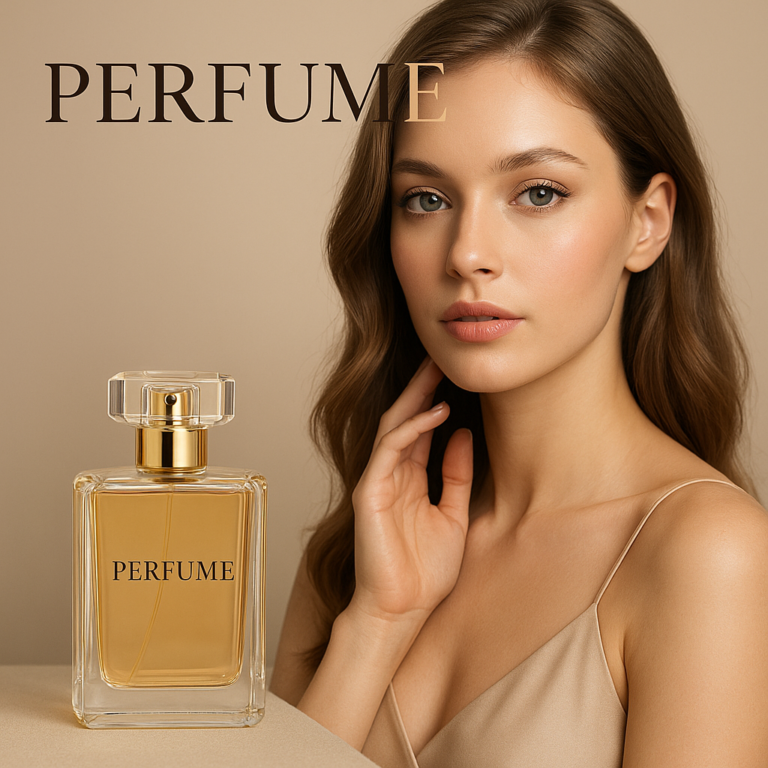
Ever wonder how a bottle of liquid you can’t smell on a screen becomes a billion-dollar obsession? It’s not magic; it’s masterful psychology. From the tragic romance of Fat Electrician to the golden-hour glamour of Chanel, the world’s top fragrance houses don’t just sell scents—they sell memories, identities, and dreams. In this deep dive, we peel back the layers of the perfume industry’s most elusive marketing trick: making you feel a scent before you ever uncork the bottle. We’ll reveal the secret algorithms behind viral TikTok trends, the neuroscience of the “Proust Effect,” and why your favorite niche brand is actually selling you a story, not just a spray.
Key Takeaways
- Storytelling is the ultimate currency: Brands succeed by crafting emotional narratives that bypass logic and trigger the limbic system, turning a simple scent into a personal memory.
- Digital dominance relies on sensory translation: Since you can’t smell online, marketers use visual metaphors, influencer trust, and immersive unboxing experiences to bridge the gap between screen and nose.
- Exclusivity and heritage drive luxury: High-end houses leverage scarcity, historical legacy, and celebrity endorsements to justify premium pricing and build cult followings.
- Data meets creativity: Modern campaigns blend algorithmic targeting with authentic human connection, ensuring the right story reaches the right dreamer at the perfect moment.
Table of Contents
-
📱 Digital Dominance: Mastering Social Media and Influencer Partnerships
-
🎬 Storytelling Through Visuals: The Art of the Perfume Commercial
-
🌟 Celebrity Endorsements: The Power of the Face Behind the Bottle
-
🎁 Experiential Marketing: Pop-Ups, Events, and Immersive Retail
-
🔍 Decoding the Luxury Strategy: Heritage, Exclusivity, and Scarcity
-
📊 Data-Driven Decisions: Analytics in Modern Perfume Advertising
-
🌍 Global Campaigns vs. Localized Strategies in Perfume Marketing
⚡️ Quick Tips and Facts
Before we dive into the deep end of the marketing pool, let’s get the basics straight. If you think selling a scent you can’t smell is impossible, think again. The perfume industry is a multi-billion dollar juggernaut, and it runs on psychology, not just chemistry.
Here is the lowdown on how the giants do it:
- The “Limbic Leap”: Scents bypass the logical brain and hit the limbic system (the emotional center) instantly. Brands know this and market feelings, not just “floral” or “wody” notes.
- Story is King: A bottle of Chanel No. 5 isn’t just aldehydes and jasmine; it’s the story of a woman who walked out of a ballroom in 1921 and never looked back.
- The “Unsmellable” Paradox: How do you sell a smell on a screen? You sell the lifestyle that comes with it. You sell the idea of the person who wears it.
- Scarcity Works: Limited edition drops create FOMO (Fear Of Missing Out) faster than a flash sale on sneakers.
- Influencers are the New Nose: While we have “noses” (perfumers) creating the scents, influencers are the ones selling the dream to the masses.
Did you know? The first YouTube video about perfume manufacturing often highlights the sheer scale of production. For instance, Rasi Perfumes, a giant in the GCC region, started with just four employees in 1979. Today, their Dubai factory holds 178,0 kgs of perfume oil—enough to bottle 8.5 million fragrances! They use pure vodka alcohol for blending, a detail that screams quality to the discerning buyer. As their founder famously said, “You come in as an employee, but you leave as an owner.” This legacy of quality is a massive part of their marketing narrative. Watch the Rasi factory tour here.
If you’re wondering how these massive brands compare to the niche players, check out our guide on What are 5 famous perfume brands? to see the spectrum from heritage houses to indie darlings.
📜 The Evolution of Fragrance Marketing: From Print to Pixel
The journey from a handwritten note in a 19th-century apothecary to a TikTok trend is a wild ride. We’ve seen it all, and frankly, the shift has been as dramatic as swapping a horse-drawn carriage for a Tesla.
The Golden Age of Print and Print Ads
In the early 20th century, marketing was about elegance and aspiration. Brands like Chanel and Dior didn’t just sell perfume; they sold the “New Woman.”
- Visuals: Black and white photography, Art Deco fonts, and models looking unattainably chic.
- Copy: Poetic, mysterious, and often vague. “The scent of a woman” was a slogan that sold millions because it let you fill in the blanks.
- The Strategy: Place the product in high-end magazines like Vogue or Harper’s Bazaar where the audience already believed in luxury.
The Television Revolution
When TV hit, perfume marketing got a soundtrack. The 1980s and 90s were the era of the blockbuster commercial.
- The Supermodel Era: Think Cindy Crawford for M·A·C or Kate Moss for Calvin Klein. The face was the product.
- Narrative Arcs: Comercials became mini-movies. Jean Paul Gaultier’s Classique ads featured a corseted woman dancing, selling a fantasy of liberation and sex appeal.
- Sensory Limitation: Even on TV, you couldn’t smell it. So, brands relied on visual cues (sparkling water, bloming flowers) and sound (soft jazz, heartbeats) to trigger the imagination.
The Digital Disruption
Enter the internet, and the game changed forever. Suddenly, you didn’t need a department store counter to buy a scent.
- The Rise of Niche: The internet allowed small brands like Le Labo or Byredo to bypass traditional gatekeepers and speak directly to consumers who craved uniqueness.
- User-Generated Content: Reviews on forums like Basenotes or Fragrantica became more trusted than glossy ads.
- Social Media: Instagram and TikTok turned perfume into a visual and auditory experience. The “scent of the day” (SOTD) trend is a direct result of this shift.
Fun Fact: The shift to digital wasn’t just about sales; it was about community. Brands like DS and Durga built their entire marketing strategy around translating ideas from painting and music into scent, creating a cult following that felt like an exclusive club.
🧠 The Psychology of Scent: How Brands Engineer Desire
Why do we buy a $20 bottle of liquid just because a pretty girl in a video smells good? It’s not magic; it’s neuroscience.
The Limbic System Connection
As we mentioned, scent is the only sense that bypasses the thalamus (the brain’s relay station) and goes straight to the limbic system. This is the seat of emotion and memory.
- The Proust Effect: A specific scent can instantly transport you back to your grandmother’s kitchen or a first date. Brands exploit this by pairing scents with nostalgic narratives.
- Emotional Anchoring: If a brand consistently pairs a scent with images of “fredom” (like Acqua di Gio), your brain anchors that feeling to the smell.
The Power of Storytelling
You can’t describe a smell perfectly with words, so brands describe the story of the smell.
-
Case Study: Fat Electrician by Etat Libre d’Orange.
The Hook: The description reads like a tragic novel: “Youth for women-of-a-certain-age… a Fat Electrician in New Jersey, his talent depleted in his sexual decline.”
The Result: People bought it not because they knew what it smelled like, but because the story intrigued them. It was a conversation starter.
The Lesson: Narrative drives sales when sensory input is missing. -
Case Study: Chai Musk by Bombay Perfumery.
The Hook: Based on the founder’s memory of sipping masala chai at a Mumbai street stall.
The Result: It became a bestseller because it tapped into a cultural memory shared by millions.
The Lesson: Relatability is a powerful sales tool.
Quote to Remember: “Scents are directly linked to nostalgia and if there is anything that can smoothly transport you to memories, places and people of the past, it has to be something that enhances the five senses.” — Astha Suri, Founder of Naso Profumi.
The “Anti-Perfume” Strategy
Some brands market themselves by rejecting traditional perfume tropes.
- Naso Profumi: They use “juxtaposing ingredients” to create scents that feel familiar yet strange. Their marketing focuses on “self-enhancement and chill,” creating a vibe before the customer even smells the product.
- Why it works: It appeals to the modern consumer who wants to stand out, not blend in.
📱 Digital Dominance: Mastering Social Media and Influencer Partnerships
If you aren’t on TikTok, do you even exist? For perfume brands, the answer is a resounding no. The digital landscape is where the modern fragrance war is fought.
The Influencer Ecosystem
Gone are the days of relying solely on celebrity faces. Now, it’s about micro-influencers and niche experts.
- The “Scentfluencer”: These are people who review fragrances, do blind tests, and create “mood boards” for scents.
- Trust Factor: A review from a trusted influencer like Julia from Scent Split or Nik from The Scentualist often carries more weight than a Super Bowl ad.
- Unboxing Culture: The ritual of unboxing a perfume—seeing the box, the bottle, the tissue paper—is a huge part of the marketing. Brands design packaging specifically to be Instagramable.
Platform-Specific Strategies
- Instagram: The visual playground. Brands use high-quality photography, carousel posts of notes, and Rels showing the “vibe” of the scent.
Example: Byredo uses minimalist, artistic imagery that matches their clean, modern scents. - TikTok: The trend factory. Short, snappy videos, “scent dupe” challenges, and “blind buy” guides.
Example: The #PerfumeTok hashtag has billions of views, driving sales for both luxury and indie brands. - YouTube: The deep dive. Long-form reviews, collection tours, and “scent of the day” vlogs.
Example: Channels like Parfumo or Fragrantica provide detailed breakdowns that help consumers make informed decisions.
The “Scent Dupe” Phenomenon
One of the biggest marketing trends is the rise of affordable alternatives (dupes).
- The Strategy: Brands like Zara or Armaf market their scents as “inspired by” famous designer fragrances.
- The Controversy: While some see it as theft, others see it as democratizing luxury.
- The Result: It forces high-end brands to justify their price points with better storytelling and exclusivity.
Pro Tip: When looking for a dupe, always check the longevity and sillage (scent trail) in reviews. A dupe might smell similar at first, but fade in an hour. Check out our Fragrance Reviews for honest takes on the best dupes.
🎬 Storytelling Through Visuals: The Art of the Perfume Commercial
You can’t smell a TV ad, so how do they make you want to buy? Visual metaphors and emotional resonance.
The Language of Imagery
- Nature: Flowers, rain, oceans. Used to suggest freshness, purity, or natural ingredients.
Example: Dior J’adore often features golden fields and bloming flowers, suggesting a “golden” luxury. - Urban/Modern: Cityscapes, neon lights, sleek architecture. Used for edgy, modern scents.
Example: Yves Saint Laurent Libre uses bold, confident imagery to match its strong, floral-oriental scent. - Intimacy: Close-ups of skin, whispers, soft lighting. Used to suggest sensuality and romance.
Example: Tom Ford ads often feature intimate, mody scenes that hint at a secret affair.
The Role of Music
Music is the soul of the perfume commercial.
- Tempo: Fast-paced music for energetic, youthful scents. Slow, melodic music for sophisticated, mature scents.
- Lyrics: Sometimes the lyrics tell the story of the scent.
- Sound Design: The sound of a splash, a rustle, or a heartbeat can trigger sensory memories.
Cross-Disciplinary Inspiration
Brands like DS and Durga take this a step further by creating playlists and photo series for each fragrance.
- The Concept: “This scent is inspired by a painting from the 1920s.”
- The Execution: They create a visual and auditory experience that complements the scent, making the consumer feel like they are stepping into a different world.
Quote: “I like to translate an idea from one discipline to the next. I could make a scent from a painting, and a dish inspired by a photograph.” — David Moltz, Co-founder of DS and Durga.
👃 Bridging the Digital Gap: How to Market Scent Online
This is the million-dollar question (or rather, the billion-dollar question): How do you sell a smell through a screen?
The “Scent of the Screen” Problem
You can’t transmit olfactory data over the internet. So, brands have to get creative.
1. Descriptive Copywriting
It’s not enough to say “floral.” You need to say:
- “A burst of bergamot that tastes like a summer morning in Provence.”
- “A smoky oud that reminds you of a campfire in the desert.”
- The Goal: Create a sensory narrative that the brain can simulate.
2. Visual and Auditory Cues
- Color: Blue for fresh, red for passionate, black for mysterious.
- Texture: Smooth glass for luxury, rough wood for earthy.
- Sound: The sound of rain for a fresh scent, crackling fire for a warm one.
3. Sampling Strategies
Since you can’t smell online, brands rely on samples and discovery sets.
- Discovery Sets: Small vials of multiple scents for a low price.
- Free Samples: Included with online orders to encourage repeat purchases.
- The “Try Before You Buy” Model: Some brands offer a “pay for the sample, get the credit back” policy.
4. Virtual Reality (VR) and Augmented Reality (AR)
- AR Filters: Try on a “scent” by seeing how it looks on your skin in a virtual mirror.
- VR Experiences: Step into a virtual garden or a Parisian street to “experience” the scent’s inspiration.
The Future: Imagine a future where you can order a “scent sample” that is a digital file you can “smell” through a haptic device. Until then, we rely on our imagination and the power of storytelling.
🌟 Celebrity Endorsements: The Power of the Face Behind the Bottle
Why does Rihanna selling Fenty perfume make us want to buy it? Because we trust her taste. We want to be her.
The Celebrity Effect
- Aspiration: Celebrities represent the ideal self. Wearing their scent is a way to channel that energy.
- Trust: If a celebrity you admire loves a scent, you assume it must be good.
- Reach: Celebrities have massive followings, giving brands instant access to millions of potential customers.
Types of Endorsements
- The Face: The celebrity is the star of the ad. (e.g., Jennifer Lopez for Glow).
- The Creator: The celebrity is involved in the creation of the scent. (e.g., Kylie Jenner for Kylie Cosmetics).
- The Ambassador: The celebrity represents the brand’s values. (e.g., Margot Robbie for Chanel).
The Risks
- Scandals: If the celebrity gets into trouble, the brand suffers.
- Overexposure: If a celebrity endorses too many products, their endorsement loses value.
- Authenticity: If the celebrity doesn’t seem to actually use the product, consumers can tell.
Did you know? Rasi Perfumes emphasizes its family legacy and ethical values in its marketing, which resonates deeply with consumers who value authenticity over celebrity flash. Their commitment to quality and community is a key part of their brand story.
🎁 Experiential Marketing: Pop-Ups, Events, and Immersive Retail
In a world of online shopping, physical experiences are more valuable than ever. Brands are creating “scent temples” where you can immerse yourself in the brand’s world.
Pop-Up Shops
- The Concept: Temporary stores that create a buzz and a sense of urgency.
- The Experience: Interactive installations, scent stations, and exclusive merchandise.
- The Goal: Create memorable moments that people will share on social media.
Immersive Events
- Scent Walks: Guided tours where you smell different scents in different locations.
- Workshops: Learn how to make your own perfume.
- Dinner Parties: Multi-sensory dining experiences where each course is paired with a specific scent.
The “Scent Temple”
- The Concept: A permanent store that is designed to be a sensory journey.
- The Experience: Dim lighting, music, and carefully curated scent stations.
- The Goal: Make the customer feel like they are in a different world.
Example: Le Labo is famous for its “scent lab” concept, where perfumers mix your bottle right in front of you. This creates a personal connection and a sense of exclusivity.
🔍 Decoding the Luxury Strategy: Heritage, Exclusivity, and Scarcity
Luxury perfume marketing is a different beast. It’s not about volume; it’s about value.
Heritage and History
- The Story: “Founded in 1854,” “Created for the Queen,” “The scent of the French Riviera.”
- The Goal: Establish credibility and timelessness.
- The Execution: Use vintage imagery, historical anecdotes, and references to the brand’s past.
Exclusivity and Scarcity
- Limited Editions: Release a scent for a short time to create FOMO.
- High Price Points: A high price signals quality and exclusivity.
- Selective Distribution: Only sell in high-end department stores or the brand’s own boutiques.
The “Anti-Marketing” Strategy
- The Concept: Don’t advertise too much. Let the product speak for itself.
- The Execution: Minimalist packaging, no celebrity endorsements, word-of-mouth only.
- The Goal: Create a sense of mystery and intrigue.
Quote: “Our scents are constructed with very specific objects, plants and places in mind so as to whisk one away to a certain situation.” — David Moltz, Co-founder of DS and Durga.
📊 Data-Driven Decisions: Analytics in Modern Perfume Advertising
Gone are the days of guessing what works. Modern perfume marketing is data-driven.
Key Metrics
- Conversion Rate: How many people who see the ad actually buy?
- Customer Lifetime Value (CLV): How much does a customer spend over time?
- Social Engagement: Likes, shares, comments, and mentions.
- Scent Preferences: Which notes are trending? Which scents are getting the best reviews?
Personalization
- Targeted Ads: Show ads based on browsing history, location, and past purchases.
- Email Marketing: Send personalized recommendations based on past behavior.
- Dynamic Content: Change the ad creative based on the user’s preferences.
A/B Testing
- The Concept: Test two versions of an ad to see which performs better.
- The Variables: Headlines, images, calls to action, and even scent descriptions.
- The Goal: Optimize for maximum ROI.
Pro Tip: Use tools like Google Analytics and social media insights to track your performance. Don’t just guess; measure and adjust.
🤝 The Role of PR and Media Relations in Fragrance Launches
Public Relations (PR) is the silent engine behind many successful perfume launches.
The Press Release
- The Goal: Announce the new scent to the media.
- The Content: The story behind the scent, the notes, the inspiration, and the brand’s vision.
- The Distribution: Send to beauty editors, bloggers, and influencers.
Media Kits
- The Content: High-quality images, press releases, and sample bottles.
- The Goal: Make it easy for journalists to write about the brand.
- The Execution: Create a compelling narrative that editors want to share.
Influencer Gifting
- The Strategy: Send free samples to influencers in exchange for reviews.
- The Goal: Generate organic buzz and social proof.
- The Execution: Choose influencers who align with the brand’s values and audience.
Did you know? A well-timed PR campaign can generate millions of dollars in earned media (free coverage) for a new launch.
🌍 Global Campaigns vs. Localized Strategies in Perfume Marketing
A scent that works in Paris might not work in Tokyo. Brands must balance global consistency with local relevance.
Global Campaigns
- The Goal: Build a unified brand image worldwide.
- The Execution: Use the same visuals, slogans, and celebrities across all markets.
- The Risk: Might miss local cultural nuances.
Localized Strategies
- The Goal: Adapt the message to fit local tastes and cultures.
- The Execution: Change the scent notes, the packaging, or the marketing message for specific regions.
- The Benefit: Increases relevance and resonance.
Cultural Sensitivity
- The Importance: Avoid cultural appropriation or offensive imagery.
- The Execution: Work with local experts to ensure the campaign is respectful and authentic.
Example: Chanel adapts its marketing for the Middle East, emphasizing oud and amber notes, which are more popular in that region.
💡 Quick Tips and Facts
Let’s recap the most important takeaways from our deep dive:
- Storytelling is King: If you can’t sell the smell, sell the story.
- Emotion is the Driver: Connect scents to memories and feelings.
- Digital is Essential: Master social media, influencers, and e-commerce.
- Experience Matters: Create immersive and memorable physical experiences.
- Data is Power: Use analytics to optimize your campaigns.
- Authenticity Wins: Consumers can smell fake from a mile away. Be real.
Final Thought: The future of perfume marketing is hybrid. It’s a blend of digital innovation and human connection. The brands that master this balance will be the ones that thrive.
📚 Recommended Links
- Perfume Guides – Your ultimate resource for navigating the world of fragrance.
- Men’s Perfumes – Discover the best scents for the modern gentleman.
- Luxury Brands – Explore the world of high-end fragrance houses.
- Fragrance Reviews – Honest reviews from our team of experts.
- Fragrance Industry News – Stay up to date with the latest trends and launches.
❓ FAQ

Q: How do perfume brands market scents that you can’t smell online?
A: They use storytelling, visual metaphors, and descriptive copywriting to create a sensory experience in the consumer’s mind. They also rely heavily on sampling and discovery sets.
Q: What is the most effective marketing strategy for a new perfume brand?
A: A combination of influencer marketing, social media engagement, and experiential events. Building a strong brand story is also crucial.
Q: Why do some perfume brands use celebrity endorsements?
A: Celebrities provide aspiration, trust, and reach. They help brands connect with a wider audience and build brand equity.
Q: How important is packaging in perfume marketing?
A: Extremely. Packaging is the first physical touchpoint for the customer. It must be visually appealing, tactile, and Instagramable.
Q: What is the role of data in perfume marketing?
A: Data helps brands understand their audience, optimize campaigns, and personalize experiences. It’s essential for measuring success and driving growth.
📖 Reference Links
- The Established: How Your Favourite Perfume Brands Use Storytelling to Sell Scents Online
- Alpha Aromatics: Challenges in Perfume Formulation
- AmericasMart: Exhibitor Directory
- Rasi Perfumes: Official Website
- DS and Durga: Official Website
- Bombay Perfumery: Official Website
- Etat Libre d’Orange: Official Website
- Naso Profumi: Official Website
- Chanel: Official Website
- Dior: Official Website
- Yves Saint Laurent: Official Website
- Tom Ford: Official Website
- Le Labo: Official Website
- Byredo: Official Website
- Fragrantica: Community Reviews
- Basenotes: Community Reviews
- Scent Split: Dupe Reviews
- The Scentualist: YouTube Channel
- Parfumo: Community Reviews
Conclusion

We’ve traveled from the ink-stained pages of 19th-century print ads to the algorithmic chaos of TikTok, uncovering the secret sauce behind the world’s most beloved fragrances. So, how do famous perfume brands market their products when the one sense that matters most—smell—is missing from the screen?
The answer lies in human connection. Whether it’s the tragic romance of Fat Electrician, the nostalgic warmth of Chai Musk, or the golden-hour glamour of J’adore, successful brands don’t just sell a scent; they sell a memory, a fantasy, and a version of yourself that you aspire to be. They bridge the digital gap by engaging your imagination through visual storytelling, influencer trust, and immersive experiences.
The Verdict: What Should You Trust?
If you are a consumer looking to navigate this ocean of marketing:
- Trust the Story, Verify the Scent: A compelling narrative is a great hook, but always seek out samples or discovery sets before committing to a full bottle. The story might transport you, but the scent must stay with you.
- Look Beyond the Celebrity: While a famous face grabs attention, the notes and the brand heritage define the longevity of the fragrance.
- Embrace the Niche: Don’t be afraid to explore smaller houses like DS and Durga or Naso Profumi. Their marketing often feels more authentic because it’s driven by passion rather than just a quarterly sales target.
If you are a brand owner or marketer:
- Authenticity is Non-Negotiable: In an age of AI-generated content and generic ads, real stories and human voices are your most valuable assets.
- Omnichannel is Key: Your digital presence must be seamless, but your physical experiences (pop-ups, in-store events) must be memorable.
- Data + Creativity: Use analytics to refine your targeting, but never let the data kill the magic of the story.
The future of perfume marketing isn’t about making you smell the bottle through your phone; it’s about making you feel the scent so deeply that you can’t wait to experience it in real life.
Recommended Links
Ready to explore the scents we discussed or dive deeper into the art of perfumery? Here are our top picks for where to shop and what to read.
Shop the Brands & Scents Mentioned
- Chanel No. 5: Shop on Amazon | Chanel Official
- Dior J’adore: Shop on Amazon | Dior Official
- Yves Saint Laurent Libre: Shop on Amazon | YSL Official
- Tom Ford Oud Wood: Shop on Amazon | Tom Ford Official
- Le Labo Santal 3: Shop on Amazon | Le Labo Official
- Byredo Blanche: Shop on Amazon | Byredo Official
- DS and Durga Debaser: Shop on Amazon | DS and Durga Official
- Etat Libre d’Orange Fat Electrician: Shop on Amazon | Etat Libre d’Orange Official
- Bombay Perfumery Chai Musk: Shop on Amazon | Bombay Perfumery Official
- Naso Profumi: Shop on Amazon | Naso Profumi Official
Essential Reading for Perfume Enthusiasts
- Perfumes: The Guide by Luca Turin and Tania Sanchez – The definitive guide to fragrance, blending science with wit. Find on Amazon
- The Secret of Scent: Adventures in Perfume from the Stone Age to the Present by Luca Turin – A deep dive into the history and science of smell. Find on Amazon
- Scent and Subversion: A Guide to the World of Perfume by Chandler Burr – An exploration of the art and business of fragrance. Find on Amazon
FAQ

What marketing strategies do luxury perfume brands use to attract customers?
Heritage and Exclusivity as Core Pillars
Luxury brands like Chanel, Hermès, and Dior rely heavily on their heritage. They market the history of the house, the legacy of the founder, and the timelessness of the scent. This creates a sense of permanence in a fast-paced world.
- Scarcity: They often release limited editions or maintain high price points to signal exclusivity.
- Visual Aesthetics: The packaging is treated as a piece of art, designed to be displayed and admired.
- Celebrity Ambassadors: They select faces that embody the brand’s values (e.g., Margot Robbie for Chanel) to reinforce the aspirational lifestyle.
How do niche perfume brands differentiate themselves from major fashion houses?
The Power of Authenticity and Niche Storytelling
While fashion houses often cater to the mass market with safe, universally appealing scents, niche brands like Le Labo, Byredo, and DS and Durga differentiate themselves through:
- Unique Olfactory Profiles: They aren’t afraid to use challenging or unconventional notes (e.g., Fat Electrician or Santal 3).
- Transparent Sourcing: They often highlight the origin of their ingredients and the craftsmanship involved.
- Direct-to-Consumer (DTC) Models: Many niche brands bypass traditional department stores, selling directly to consumers to maintain control over the brand narrative and customer experience.
- Community Building: They foster tight-knit communities of enthusiasts who value individuality over trends.
What role does influencer marketing play in the success of new perfume launches?
The New Gatekeepers of Scent
In the digital age, influencers have replaced traditional beauty editors as the primary gatekeepers of fragrance trends.
- Trust and Relatability: Micro-influencers often have higher engagement rates and are seen as more authentic than celebrities. Their reviews feel like advice from a friend.
- Visual and Sensory Translation: Influencers excel at describing scents through visual metaphors and personal anecdotes, helping followers “imagine” the smell.
- Viral Trends: Platforms like TikTok have created viral trends (e.g., #PerfumeTok) that can launch a niche brand to global fame overnight.
- Sampling and Unboxing: The “unboxing” experience is a key part of the influencer content, driving desire through visual and tactile engagement.
How do perfume brands leverage storytelling in their advertising campaigns?
From Notes to Narratives
Storytelling is the bridge between the olfactory and the emotional.
- Evoking Memories: Brands craft narratives that trigger nostalgia or specific memories (e.g., a summer in Provence, a rainy night in New York).
- Character Development: Many ads feature a protagonist with a clear personality, allowing the consumer to identify with them.
- Cross-Disciplinary Inspiration: Brands like DS and Durga use art, music, and literature as inspiration, creating a multi-sensory experience that goes beyond the scent itself.
- The “Anti-Perfume” Narrative: Some brands tell stories of rebellion or non-conformity, appealing to consumers who want to stand out.
Reference Links
- The Established: How Your Favourite Perfume Brands Use Storytelling to Sell Scents Online
- Alpha Aromatics: Challenges in Perfume Formulation
- AmericasMart: Exhibitor Directory – AmericasMart Atlanta
- Rasi Perfumes: Official Website
- DS and Durga: Official Website
- Bombay Perfumery: Official Website
- Etat Libre d’Orange: Official Website
- Naso Profumi: Official Website
- Chanel: Official Website
- Dior: Official Website
- Yves Saint Laurent: Official Website
- Tom Ford: Official Website
- Le Labo: Official Website
- Byredo: Official Website
- Fragrantica: Community Reviews
- Basenotes: Community Reviews
- Scent Split: Dupe Reviews
- The Scentualist: YouTube Channel
- Parfumo: Community Reviews