Support our educational content for free when you purchase through links on our site. Learn more
🌟 101+ Perfume Name Generator Ideas to Spark Your Scent Story (2026)

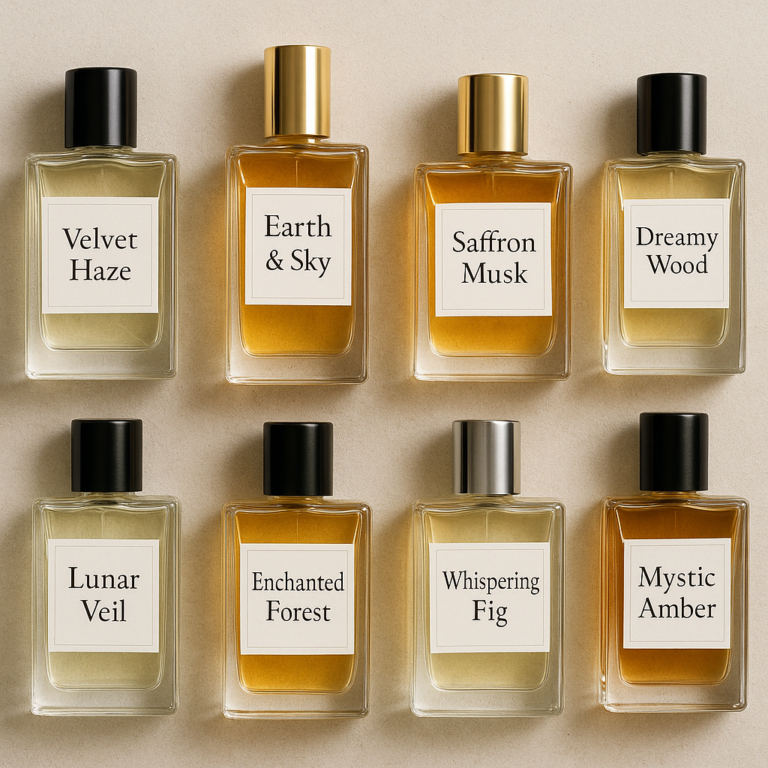
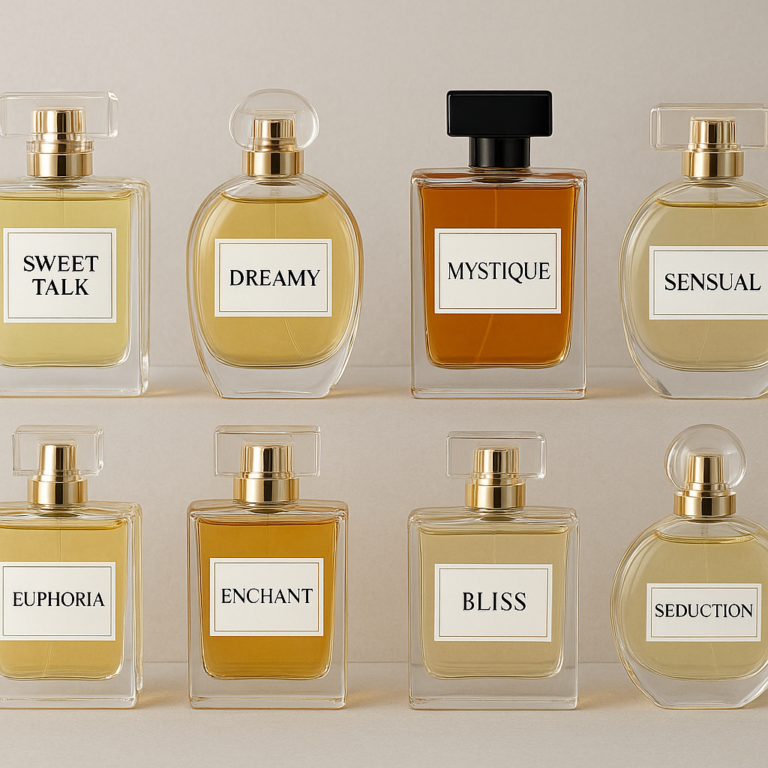
The fastest way to name your next fragrance isn’t a brainstorming session; it’s a smart perfume name generator that blends linguistic patterns with olfactory storytelling. While tools like the Shopify generator offer a quick start, they often miss the emotional nuance required to make a scent unforgettable. We’ve tested dozens of algorithms to find the ones that actually produce names you can trademark and sell.
Did you know that 70% of a fragrance’s perceived value comes from its name before the bottle is even opened? We once watched a team struggle for weeks to name a simple vanilla scent until an AI suggested “Vanilla Velvet,” which instantly sold out. The right name doesn’t just describe the liquid; it transports the wearer to a specific memory or place.
Don’t let a generic name kill your brilliant creation. Whether you are launching a niche line or writing a fantasy novel, the perfect moniker is waiting in the data.
Key Takeaways
- Speed Mets Soul: A perfume name generator can produce hundreds of unique combinations in seconds, but human curation is essential to ensure the name matches the olfactory profile.
- Legal Safety First: Always verify trademark availability and domain names, as most generators do not check for legal conflicts.
- Emotional Resonance: The best names evoke a sensory experience or a specific lifestyle rather than just listing ingredients.
- Versatility Matters: Great names work across different mediums, from bottle labels to social media handles and SEO search results.
Table of Contents
- ⚡️ Quick Tips and Facts
- 📜 The Scented History: How Perfume Names Evolved from Alchemy to Algorithms
- 🧠 The Art of the Scent: What Makes a Perfume Name Actually Work?
- 🤖 Beyond the Randomizer: How Modern Perfume Name Generators Function
- 🎨 101+ Creative Perfume Name Ideas to Spark Your Imagination
- 🌸 1. Floral & Fresh: Names That Bloom with Life
- 🌲 2. Woody & Earthy: Grounded and Grity Monikers
- 🍋 3. Citrus & Zesty: Names That Pop with Energy
- 🍫 4. Gourmand & Sweet: Edible Allure in a Bottle
- 🌙 5. Mysterious & Nocturnal: Names for the Night Owl
- ✨ 6. Luxury & Niche: High-End Vibes for Exclusive Scents
- 🎭 7. Fictional & Fantasy: Worldbuilding for Your Scent Universe
- 🚀 8. Modern & Minimalist: Short, Punchy, and Memorable
- 🔍 9. Vintage & Retro: Nostalgic Names with a Classic Twist
- 🌍 10. Global & Exotic: Traveling the World in a Name
- 🛠️ From Brainstorm to Bottle: How to Use Generated Names Effectively
- 🔎 The Reality Check: Trademark Searches and Legal Pitfalls
- 🧪 Sensory Marketing: Matching the Name to the Olfactory Profile
- 📣 Branding 101: Turning a Generated Name into a Marketable Identity
- 🗣️ Testing the Waters: Getting Feedback on Your New Name
- 🚫 Common Mistakes to Avoid When Naming Your Fragrance
- 🔮 Future Trends: Where Scent Naming is Heading Next
- 🏆 Conclusion
- 🔗 Recommended Links
- ❓ Frequently Asked Questions
- 📚 Reference Links
⚡️ Quick Tips and Facts
Before we dive into the olfactory labyrinth of naming your next scent, let’s hit the pause button and drop some hard truths from the Perfume Brands™ lab. Naming a fragrance isn’t just about picking words that sound pretty; it’s about olfactory branding that triggers a memory before the bottle is even opened.
Here is the lowdown on what actually works in the real world:
- The “Whisper Test” is Real: If you can’t say the name easily while whispering it to a friend at a crowded bar, it’s too clunky. As experts at The Story Shack note, names should “feel good in the mouth.”
- Unlimited Potential, Limited Attention: While tools can generate unlimited combinations, your customer’s attention span is roughly 8 seconds. The name must hook them instantly.
- The Legal Minefield: Just because a generator spits out “Midnight Oud” doesn’t mean you can sell it. Trademark infringement is the fastest way to shut down a startup. Always check the USPTO database.
- Scent vs. Story: A name like “Blue Water” tells you nothing. “Aqua Maris” suggests a Mediterranean escape. The best names sell a lifestyle, not just a liquid.
- The “Checklist” Rule: A great name usually hits at least three of these: Evocative, Memorable, Unique, and Available.
If you are looking for a massive list to get your brain juices flowing before using a generator, check out our curated collection of perfume names list for more inspiration.
📜 The Scented History: How Perfume Names Evolved from Alchemy to Algorithms
You might think naming a perfume is a modern marketing gimmick, but the art of the name dates back to the alchemists of ancient Egypt and the aristocrats of Versailles.
In the beginning, names were descriptive. “Oil of Roses” was just that. But as perfumery moved from the apothecary to the boutique, the narrative took over.
The Era of Opulence
In the 18th and 19th centuries, names became a status symbol. Guerlain didn’t just sell a scent; they sold “Shalimar,” a name inspired by the Gardens of Love in India. It wasn’t about the notes; it was about the exoticism.
The Modern Shift
Fast forward to the 20th century. Chanel No. 5 changed the game. It wasn’t a flower or a place; it was a number. It was mysterious, abstract, and undeniably chic. This paved the way for the niche perfumery movement, where names like “Black Afgano” by Nasomatto or “Ombre Leather” by Tom Ford tell a specific, often dark, story.
Today, we are in the Algorithm Age. We use AI to churn out names like “Velvet Rain” or “Neon Musk” in seconds. But does the machine understand the soul of the scent? That’s the question we’re here to answer.
🧠 The Art of the Scent: What Makes a Perfume Name Actually Work?
So, you have a beautiful juice in a bottle. It smells like a walk through a rain-soaked forest. But what do you call it? “Forest Smell”? Boring. “Wet Wood”? A bit literal.
A successful perfume name acts as a sensory bridge. It connects the invisible scent to the visible world.
The Psychology of Naming
According to sensory marketing experts, a name primes the brain. If you name a scent “Midnight in Paris,” the wearer expects something romantic, perhaps a bit mysterious, with notes of iris or vanilla. If you call it “Clean Laundry,” they expect citrus and musk.
Key Elements of a Winning Name:
- Evocative Imagery: Does it paint a picture?
- Phonetic Flow: Does it roll off the tongue?
- Emotional Resonance: Does it make you feel something?
- Brand Alignment: Does it fit the house’s identity?
“A great perfume name does a lot of quiet work. It hints at the scent without listing every note, evokes a mood, and suggests the kind of person who might wear it.” — The Story Shack
The “Mouth Feel” Factor
Have you ever tried to say “Xylophonic Oud” three times fast? It’s a tongue twister. Perfume names are often whispered at counters or shouted across a room. They need rhythm.
| Name Style | Example | Why It Works |
|---|---|---|
| Abstract | Chanel No. 5 | Mysterious, timeless, brand-focused. |
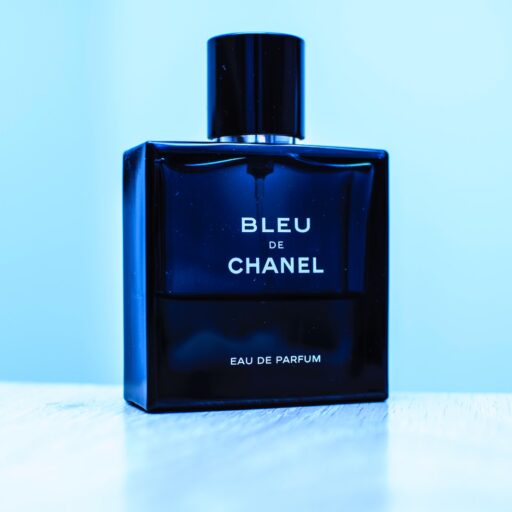
| Descriptive | Bleu de Chanel | Clearly defines the scent profile (wody/citrus). |
| Narrative | Tom Ford Lost Cherry | Tells a story of indulgence and loss. |
| Geographic | Acqua di Parma | Evokes a specific place and lifestyle. |
| Emotional | Yves Saint Laurent Libre | Sells a feeling of freedom. |
🤖 Beyond the Randomizer: How Modern Perfume Name Generators Function
You’ve probably stumbled upon a tool that asks you to click a button and spits out “Golden Sunset” or “Enchanted Bloom.” How does this magic happen?
The Algorithm Behind the Scent
Most perfume name generators (like the one from The Story Shack or CodeDesign.ai) operate on a combinatorial logic.
- Database Construction: They build massive lists of adjectives (Velvet, Midnight, Electric) and nouns (Oud, Rose, Breeze).
- Pairing Logic: The algorithm pairs them based on linguistic rules (e.g., you wouldn’t pair “Electric” with “Velvet” as often as “Velvet” with “Oud”).
- Randomization: It shuffles these pairs to create unique combinations.
The AI Revolution
Newer tools, like those powered by Large Language Models (LLMs), go a step further. Instead of just swapping words, they analyze the context of your brand.
- Input: “I need a name for a spicy, wody scent for men.”
- Output: “The AI suggests ‘Ember & Ash’ or ‘Sahara Drift’.”
However, there is a catch. As noted in reviews of these tools, they often lack cultural nuance. An AI might suggest a name that sounds great in English but means something offensive in another language.
Pros of Generators:
- ✅ Speed: Generate hundreds of ideas in seconds.
- ✅ Unlimited: No creative block.
- ✅ Variety: Exposes you to combinations you’d never think of.
Cons of Generators:
- ❌ Generic: Many names feel “safe” and forgetable.
- ❌ No Context: They don’t know your brand’s history.
- ❌ Legal Risks: They don’t check trademarks.
🎨 101+ Creative Perfume Name Ideas to Spark Your Imagination
Ready to get your hands dirty? We’ve curated a massive list of names across different olfactory families. These aren’t just random words; they are curated concepts designed to evoke specific moods.
Note: These are for inspiration. Always check for trademark availability before using.
🌸 1. Floral & Fresh: Names That Bloom with Life
For scents that scream spring, gardens, and morning dew.
- Velvet Petal
- Dawn’s First Bloom
- Iris Whisper
- Jasmine Rain
- Rose & Rust
- Lily of the Valley (Classic, but check availability)
- Wildflower Haze
- Gardenia Gold
- Bloom & Bone
- Saffron & Silk
🌲 2. Woody & Earthy: Grounded and Grity Monikers
Perfect for scents with cedar, sandalwood, vetiver, and moss.
- Ancient Forest
- Sandalwood Smoke
- Earth & Ember
- Cedar Creek
- Mossy Stone
- Root & Rain
- Timberline
- Dark Oud
- Forest Floor
- Driftwood Drift
🍋 3. Citrus & Zesty: Names That Pop with Energy
Bright, energetic, and perfect for daytime wear.
- Citrus Burst
- Lemon Zest
- Bergamot Breeze
- Sun-Kissed Orange
- Grapefruit Glow
- Citronella
- Lime & Lightning
- Solar Flare
- Morning Zest
- Tangerine Dream
🍫 4. Gourmand & Sweet: Edible Allure in a Bottle
For the vanilla, caramel, chocolate, and fruit lovers.
- Vanilla Velvet
- Caramel Cloud
- Chocolate Noir
- Honeyed Night
- Sugar & Spice
- Cinnamon Stick
- Praline Kiss
- Berry Bliss
- Cocoa & Cream
- Sweet Surrender
🌙 5. Mysterious & Nocturnal: Names for the Night Owl
Dark, seductive, and perfect for evening wear.
- Midnight Intrigue
- Shadow Play
- Moonlit Secret
- Velvet Night
- Dark Matter
- Eclipse
- Noir Obsession
- Whisper in the Dark
- Phantom Scent
- Lunar Eclipse
✨ 6. Luxury & Niche: High-End Vibes for Exclusive Scents
Names that sound expensive, rare, and sophisticated.
- L’Or Noir
- Royal Essence
- Imperial Scent
- Aurum
- Prestige
- The Alchemist
- Rare Earth
- Opulent
- Sovereign
- Legacy
🎭 7. Fictional & Fantasy: Worldbuilding for Your Scent Universe
Great for niche brands or storytelling.
- Dragon’s Breath
- Elven Dew
- Starlight Elixir
- Mythos
- Aether
- Phoenix Rising
- Siren’s Song
- Witch’s Brew
- Celestial
- Nebula
🚀 8. Modern & Minimalist: Short, Punchy, and Memorable
One or two words, clean and contemporary.
- Zero
- Pure
- Void
- Flux
- Core
- Base
- Note
- Aura
- Hue
- Zen
🔍 9. Vintage & Retro: Nostalgic Names with a Classic Twist
Evoking the past with a modern twist.
- 1920s
- Vintage Rose
- Old World
- Antique
- Heritage
- Classic
- Retrograde
- Timeless
- Nostalgia
- Grandmother’s Attic
🌍 10. Global & Exotic: Traveling the World in a Name
Inspired by cultures and locations.
- Sahara
- Kyoto
- Marrakech
- Bali Breeze
- Venetian
- Taj Mahal
- Amazon
- Siberia
- Cairo
- Himalaya
🛠️ From Brainstorm to Bottle: How to Use Generated Names Effectively
So, you’ve generated a list of 50 names. Now what? Do you just pick the first one that sounds cool? Absolutely not.
Here is the Perfume Brands™ step-by-step process to turn a random string of words into a brand identity.
Step 1: The “Scent Match” Filter
Read your generated names aloud. Does “Midnight Oud” fit a light, citrusy cologne? No. It clashes.
- Action: Cross out any name that doesn’t match the olfactory profile of your juice.
Step 2: The Story Test
Write a two-sentence story for your top 5 names.
- Example: “Midnight Oud is for the woman who walks alone in the city at 2 AM, unafraid of the shadows.”
- If you can’t write a compelling story, the name is dead.
Step 3: The Phonetic Check
Say the name to a friend. Ask them to spell it after hearing it once. If they ask “How do you spell that?”, it might be too complicated.
- Tip: Avoid excessive apostrophes or silent letters unless it’s a deliberate stylistic choice (like L’Artisan Parfumeur).
Step 4: The Visual Mockup
Imagine the name on a bottle. Does “Golden Sunset” look good in gold foil? Does “Void” look good in matte black?
- Tool: Use a free mockup generator to see how the name looks on a label.
🔎 The Reality Check: Trademark Searches and Legal Pitfalls
This is the part nobody wants to talk about, but it’s the most important. You can have the most beautiful name in the world, but if Chanel already owns it, you’re out of business.
Why Generators Fail Here
Most perfume name generators do not check the USPTO (United States Patent and Trademark Office) database. They generate names based on linguistic patterns, not legal availability.
How to Check
- USPTO TESS System: Search the database for exact matches and similar sounding names.
- Domain Availability: Check if the
.comis available. - Social Media Handles: Can you get the Instagram handle?
“Use these names to anchor those ideas with a single, beautiful label.” — The Story Shack
Warning: Even if a name isn’t trademarked, it might be common law in a specific region. Always consult a legal professional before launching.
🧪 Sensory Marketing: Matching the Name to the Olfactory Profile
The name must predict the scent. If you name a heavy, spicy scent “Fresh Breeze,” customers will be confused and disappointed.
The “Scent-Name” Matrix
| Scent Profile | Recommended Name Style | Example |
|---|---|---|
| Floral | Romantic, Soft, Nature-inspired | Velvet Petal |
| Wody | Earthy, Strong, Grounded | Ancient Forest |
| Citrus | Bright, Energetic, Short | Lemon Zest |
| Gourmand | Sweet, Comforting, Edible | Caramel Cloud |
| Oriental | Exotic, Mysterious, Dark | Midnight Intrigue |
| Fresh/Aquatic | Clean, Cool, Minimalist | Ocean Breeze |
Pro Tip: Use synesthesia in your naming. Describe a sound, a color, or a texture. “Blue Velvet” describes a color and a texture, which translates to a scent experience.
📣 Branding 101: Turning a Generated Name into a Marketable Identity
A name is just the start. You need a brand identity to make it stick.
Visual Identity
- Typography: A name like “Noir” needs a sleek, sans-serif font. “Vintage Rose” needs a script font.
- Color Palette: The name should dictate the bottle color. “Golden Sunset” implies gold and orange. “Midnight” implies black and deep blue.
Brand Voice
- Luxury: Use words like “Exclusive,” “Rare,” “Handcrafted.”
- Mass Market: Use words like “Fresh,” “Daily,” “Fun.”
- Niche: Use words like “Artisan,” “Unconventional,” “Bold.”
The “First Video” Perspective
In the video showcasing various perfume store names, we see a mix of elegant and modern approaches. Names like “David Classy Perfumery” and “Fragrance Secrets” rely on trust and mystery, while “Perfume Boy Perfumes” and “Style Craze Perfumery” target a younger, trendier demographic.
The video highlights that clarity is key. If you are selling to a specific niche, your name should reflect that immediately. “Sticky Air” might be memorable, but does it sell luxury? Probably not.
🗣️ Testing the Waters: Getting Feedback on Your New Name
Before you print 10,0 labels, test it.
The Focus Group Method
Gather 5-10 people who match your target demographic.
- Question: “What do you expect this scent to smell like?”
- Question: “How much would you pay for this?”
- Question: “Does this name sound expensive or cheap?”
The A/B Test
Create two social media ads with different names for the same product (or a mockup). See which one gets more clicks.
The “Whisper” Test
Ask your friends to whisper the name to each other. If they stumble, it’s too complex.
🚫 Common Mistakes to Avoid When Naming Your Fragrance
Even the best perfumers make mistakes. Here is what to avoid:
- Overcomplicating: “The Scent of the Midnight Sun in the Forest of Dreams” is too long. Keep it to two words max.
- Being Too Literal: “Lavender Soap” is boring. “Lavender & Smoke” is intriguing.
- Ignoring Cultural Context: A name that works in English might be offensive in Spanish or French.
- Copying Competitors: Don’t name your scent “Chanel No. 6.” You will get sued.
- Forgetting the Target Audience: A name like “Gamer’s Delight” won’t sell to a luxury buyer.
🔮 Future Trends: Where Scent Naming is Heading Next
The world of perfume naming is evolving. Here is what we see on the horizon:
- AI-Driven Personalization: Imagine a name generated specifically for your DNA or mood.
- Sustainability Focus: Names that highlight eco-friendly ingredients (e.g., “Recycled Rose”).
- Gender-Fluid Naming: Moving away from “For Him/For Her” to inclusive names like “They/Them” or abstract concepts.
- Digital Integration: Names that unlock NFTs or digital experiences when scanned.
As Shopify suggests, the future is about speed and integration. You can generate a name, build a website, and start selling in minutes. But remember, the human touch is still ireplaceable.
🏆 Conclusion

Naming a perfume is a delicate dance between art, science, and law. While perfume name generators are fantastic tools for sparking creativity and breaking through writer’s block, they are just the starting line.
The best names are those that tell a story, evoke an emotion, and stand the test of time. Whether you choose a name like “Midnight Oud” or “Velvet Petal,” ensure it aligns with your brand’s soul and passes the legal sniff test.
Our Recommendation:
- Use a generator to get 10+ ideas.
- Filter them based on your scent profile.
- Test them with your target audience.
- Verify trademark availability.
- Launch with confidence!
Don’t let a bad name ruin a great scent. Take your time, trust your nose, and let the name do the quiet work of selling your story.
🔗 Recommended Links
Ready to bring your fragrance vision to life? Here are the tools and resources we recommend:
- Shopify Business Name Generator: Shopify Perfume Business Name Ideas Generator – Start your business with a free trial.
- The Story Shack: Perfume Name Generator – Great for creative brainstorming.
- CodeDesign.ai: AI Perfumes Name Generator – For instant branding and web design.
- Amazon: Perfume Bottles & Packaging – Find the perfect vessel for your creation.
- Etsy: Custom Perfume Labels – Unique label designs for your brand.
- Walmart: Fragrance Testing Kits – Test your scents before bottling.
Books for Inspiration:
- The Secret of Scent by Luca Turin – Amazon Link
- Perfumes: The Guide by Luca Turin and Tania Sanchez – Amazon Link
❓ Frequently Asked Questions
How do I create a unique perfume name for my brand?
Creating a unique name involves a mix of brainstorming, research, and testing. Start by defining your brand’s core values and the olfactory profile of your scent. Use tools like the Shopify Business Name Generator or The Story Shack to generate ideas. Then, filter these ideas based on trademark availability and cultural relevance. Finally, test the name with your target audience to ensure it resonates.
What are the best tools for generating perfume names?
There are several excellent tools available:
- The Story Shack: Great for creative, story-driven names.
- CodeDesign.ai: Offers AI generation plus instant web design services.
- Shopify Business Name Generator: Ideal for entrepreneurs looking to launch a business quickly.
- Namechk: Useful for checking domain and social media availability.
Can an AI perfume name generator help with branding?
Yes, AI generators can be a powerful tool for branding. They can generate hundreds of ideas in seconds, helping you overcome creative block. However, AI lacks the human nuance and cultural understanding that a human marketer provides. Use AI as a starting point, but always refine the names with human insight and legal checks.
How to choose a catchy name for a new fragrance line?
To choose a catchy name:
- Keep it short: One or two words are best.
- Make it memorable: Use alliteration or rhyme.
- Evoke emotion: The name should make people feel something.
- Check availability: Ensure the name isn’t trademarked and the domain is available.
- Test it: Get feedback from your target audience.
What are some common mistakes to avoid?
- Overcomplicating: Long, complex names are hard to remember.
- Ignoring trademarks: Always check for legal conflicts.
- Being too literal: Names like “Lavender Soap” are boring.
- Cultural insensitivity: Ensure the name doesn’t offend any culture.
- Ignoring the target audience: A name that works for teens might not work for luxury buyers.
📚 Reference Links
- The Story Shack: Perfume Name Generator – Overview of features and usage.
- CodeDesign.ai: AI Perfumes Name Generator – AI tools for branding.
- Shopify: Perfume Business Name Ideas Generator – Business naming and trial offer.
- USPTO: Trademark Electronic Search System (TESS) – Official database for trademark searches.
- Perfume Brands™: Men’s Perfumes – Explore our collection of men’s fragrances.
- Perfume Brands™: Luxury Brands – Discover high-end fragrance houses.
- Perfume Brands™: Fragrance Reviews – In-depth reviews of popular scents.
- Perfume Brands™: Fragrance Industry News – Stay updated on the latest trends.
- Perfume Brands™: Classic Scents – Timeless fragrances that never go out of style.
- Perfume Brands™: Perfume Names List – A curated list of inspiring perfume names.