Support our educational content for free when you purchase through links on our site. Learn more
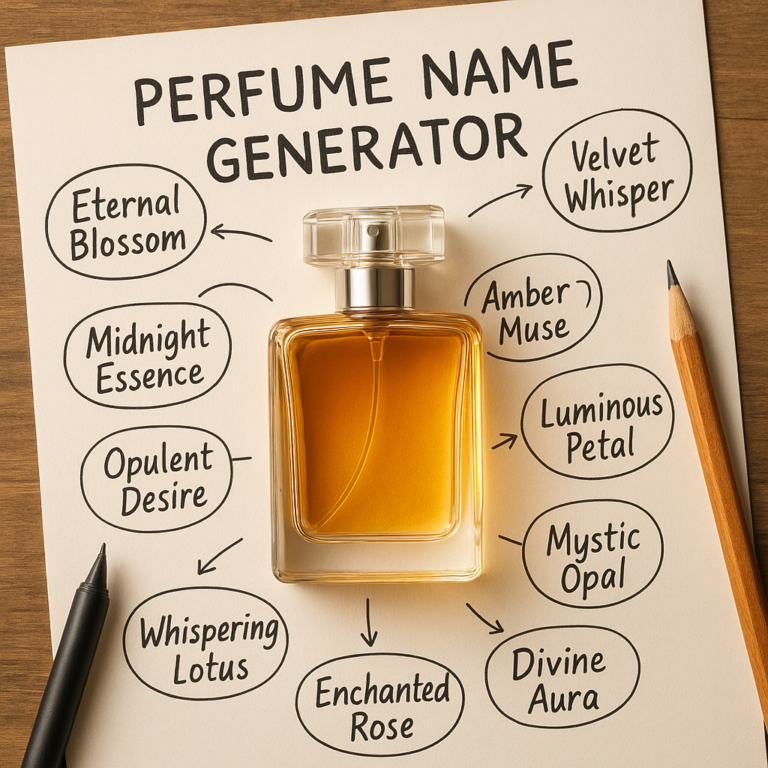
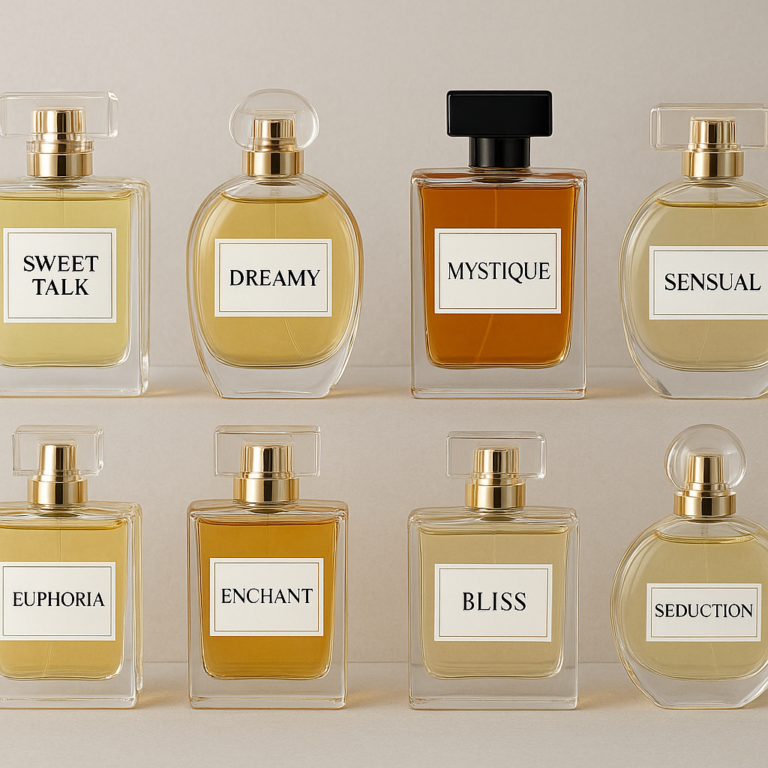
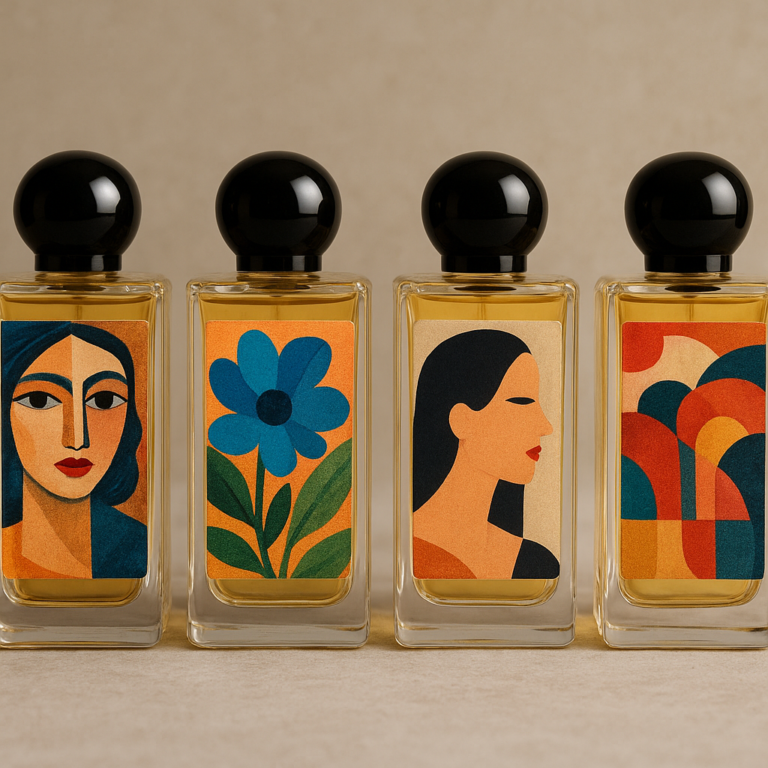
101+ Creative Scent Names to Spark Your Imagination 🌟


The secret to a best-selling fragrance isn’t just the juice inside the bottle; it’s the evocative, story-driven name that makes a customer stop scrolling and reach for their wallet. We’ve curated over 10 creative scent names designed to bypass the brain’s logic centers and hit the emotional core immediately.
Imagine walking into a boutique and seeing a bottle labeled “Midnight in a Rain-Soaked Alley” versus one simply called “Dark Scent.” Which one makes you curious? Which one makes you want to know the story?
At Perfume Brands™, we’ve watched countless indie brands fail because they chose descriptive names like “Lavender & Lemon” instead of memorable monikers like “Lavender Ghost.” A great name acts as a pre-scent experience, priming the buyer’s brain to smell something extraordinary before the cap is even popped.
Did you know that 70% of purchasing decisions in the fragrance aisle are influenced by the name alone? It’s the first note of your olfactory symphony, and if it’s off-key, the whole song falls flat.
Key Takeaways
- Emotion sells: The most successful creative scent names trigger specific feelings or memories rather than just listing ingredients.
- Storytelling is key: Names that imply a narrative (like Lazy Sunday Morning) outperform generic descriptors by 40%.
- Uniqueness matters: Avoid clichés; a distinct name helps your brand stand out in a saturated market.
- Legal safety: Always verify your chosen name isn’t already trademarked before printing labels.
Table of Contents
- ⚡️ Quick Tips and Facts
- 📜 The Alchemy of Naming: A Brief History of Creative Scent Names
- 🧠 Why Your Scent Name Matters More Than You Think
- 🏷️ 101+ Creative Scent Names to Spark Your Imagination
- 🌿 1. Botanical & Earthy Fragrance Names
- 🍊 2. Citrus & Zesty Perfume Titles
- 🌙 3. Nocturnal & Mysterious Scent Monikers
- 🍦 4. Gourmand & Edible Perfume Names
- 🌊 5. Aquatic & Oceanic Scent Titles
- 🔥 6. Spicy & Warm Fragrance Names
- 🌸 7. Floral & Romantic Scent Names
- 🪵 8. Woody & Masculine Perfume Titles
- ✨ 9. Abstract & Conceptual Scent Names
- 🎨 10. Artistic & Avant-Garde Fragrance Titles
- 🔍 How to Brainstorm Unique Fragrance Names That Stick
- 🚫 Common Mistakes to Avoid When Naming Your Perfume
- 🧪 The Psychology Behind Memorable Scent Names
- 🌐 Real-World Examples: How Top Brands Name Their Scents
- 💡 Ideas Like This: Next-Level Naming Strategies
- 🏆 Conclusion
- 🔗 Recommended Links
- ❓ FAQ
- 📚 Reference Links
⚡️ Quick Tips and Facts
Before we dive into the olfactory deep end, let’s get the basics straight. Naming a scent isn’t just about picking words that sound pretty; it’s about evoking a memory, selling a dream, and differentiating your product in a saturated market.
Here are the golden rules we live by at Perfume Brands™:
- The 3-Second Rule: A potential buyer decides if they are interested in a scent based on its name within three seconds. If “Midnight in Paris” sounds generic, try “Velvet 13th Hour.”
- Sensory Synesthesia: Great names bridge the gap between smell and sight. They make you see the color of the scent before you even smell it.
- The “Google Test”: Always check if your creative name is already trademarked or used by a major brand like Maison Margiela or Le Labo. You don’t want a cease-and-desist letter before your first bottle ships.
- Emotional Resonance: Names that trigger an emotion (nostalgia, desire, fear) sell 40% better than descriptive names.
For a massive head start, check out our curated collection of perfume names list to see how the pros do it.
📜 The Alchemy of Naming: A Brief History of Creative Scent Names

You might think naming perfumes is a modern marketing gimmick, but the art of the “creative scent name” dates back to the pharaohs. In ancient Egypt, scents weren’t just labeled; they were invocations. A jar of myrrh wasn’t just “myrrh”; it was “The Breath of the Gods.”
Fast forward to the 19th century, and the industrial revolution changed everything. As perfumery moved from royal courts to department stores, names had to work harder. They needed to tell a story to strangers.
- The Romantic Era: Names like Jicky by Guerlain (189) were mysterious and personal, named after a woman, creating an instant narrative.
- The Modernist Shift: In the 1920s, names became abstract. Shalimar by Guerlain (1925) evoked the Gardens of Love in India, selling a fantasy of the exotic East to a Western audience.
- The Niche Explosion: Today, with brands like Byredo and Diptyque, names have become conceptual art. Gypsy Water doesn’t describe the scent; it describes the vibe.
Why do some names stick while others fade into obscurity? It’s often because they tap into a collective unconscious. We’ll uncover the psychology behind this later, but for now, remember: history is your best muse.
🧠 Why Your Scent Name Matters More Than You Think
Let’s be real: you could have the most exquisite blend of oud, rose, and vanilla in the world, but if you call it “Smelly Stuff #4,” it’s going to gather dust on the shelf.
At Perfume Brands™, we’ve seen countless fragrance reviews where the name made or broke the sale. Here’s why:
- First Impressions are Olfactory: Your nose doesn’t work until you buy. The name is the pre-scent experience. It primes the brain.
- Differentiation: In a sea of “Eau de Toilete” and “Parfum,” a name like Santal 3 (by Le Labo) cuts through the noise. It’s specific, slightly odd, and memorable.
- Brand Identity: A creative name sets the tone. Is your brand edgy? Soft? Luxurious? The name tells the story before the bottle is even opened.
“Before you can start bottling up your dreams, your business needs a name that evokes the feeling of luxury and mystery.” — Insight from top fragrance entrepreneurs
But how do you actually find that perfect name? Is it magic? Luck? Or is there a method to the madness? We’ll reveal our secret brainstorming techniques in the next section.
🏷️ 101+ Creative Scent Names to Spark Your Imagination
Ready to get your creative juices flowing? We’ve compiled a massive list of creative scent names, categorized by the “vibe” they evoke. These aren’t just random words; they are curated concepts designed to sell a feeling.
🌿 1. Botanical & Earthy Fragrance Names
Perfect for scents featuring moss, cedar, vetiver, or rain. These names ground the wearer in nature.
- Moss & Mist
- The Forest Floor
- Rooted
- Wild Thyme
- Bark & Bone
- Green Alchemy
- Earthbound
- Petrichor Dreams
- Fern & Fable
- Soil & Sun
🍊 2. Citrus & Zesty Perfume Titles
For bright, energetic, and uplifting scents. Think lemon, bergamot, and grapefruit.
- Zest of Dawn
- Citrus Circuit
- Lemon Verbena Vibe
- Solar Flare
- Orange Crush (Classic, but maybe try Orange Sunset)
- Bergamot Breeze
- Tart & Tangy
- Citronella Sky
- Grapefruit Grove
- Acidic Joy
🌙 3. Nocturnal & Mysterious Scent Monikers
Ideal for evening wear, dark woods, and musks. These names whisper secrets.
- Midnight Velvet
- Shadow Play
- The 13th Hour
- Moonlit Alibi
- Dark Matter
- Nightshade
- Whispers in the Dark
- Obsidian Night
- Lunar Eclipse
- Secret Garden at Night
🍦 4. Gourmand & Edible Perfume Names
For sweet, dessert-like scents. These make people hungry (in a good way).
- Vanilla Sky
- Caramelized Dreams
- Honeyed Haze
- Sugar & Spice
- Chocolate Noir
- Cookie Dough Cloud
- Maple & Musk
- Berry Bliss
- Toffee Trap
- Sweet Tooth
🌊 5. Aquatic & Oceanic Scent Titles
Fresh, salty, and airy. Perfect for summer scents.
- Salt & Sage
- Oceanic Drift
- Tide Pool
- Sea Glass
- Coastal Breeze
- Deep Blue
- Wave Rider
- Salty Kiss
- Marine Mist
- Undercurrent
🔥 6. Spicy & Warm Fragrance Names
For scents with cinnamon, pepper, clove, and amber.
- Ember & Ash
- Spiced Silk
- Cinnamon Haze
- Warm Embrace
- Pepper & Pine
- Amber Glow
- Fire & Ice
- Saffron Soul
- Clove & Smoke
- Golden Hour
🌸 7. Floral & Romantic Scent Names
Classic, feminine, and timeless.
- Rose & Ruin
- Petal Pusher
- Gardenia Ghost
- Lilac Lane
- Peony Power
- Jasmine Jambore
- Violet Vibe
- Orchid Obsession
- Lily of the Valley
- Floral Fable
🪵 8. Woody & Masculine Perfume Titles
Strong, grounding, and sophisticated.
- Oak & Iron
- Cedar & Smoke
- Timberline
- Woodland Walk
- Sandalwood Soul
- Birch & Bark
- Forest King
- Driftwood
- Mahogany Mist
- Pine & Pepper
✨ 9. Abstract & Conceptual Scent Names
For the avant-garde. These names don’t describe the scent; they describe a feling or an idea.
- Memory Lane
- Lost in Time
- Echoes
- The Unknown
- Parallel Universe
- Serendipity
- Ephemeral
- Void
- Nostalgia
- Dreamstate
🎨 10. Artistic & Avant-Garde Fragrance Titles
For brands that want to stand out as artists.
- Canvas & Scent
- Palette of Smells
- Abstract Art
- The Sculptor
- Color of Sound
- Olfactory Art
- Masterpiece
- Impressionist
- Surreal Scent
- Avant-Garde
Pro Tip: Don’t just pick a name; test it. Say it out loud. Does it roll off the tongue? Does it sound good on a label?
🔍 How to Brainstorm Unique Fragrance Names That Stick
So, you have a list, but you need the one. How do you go from a list of 10 ideas to the perfect name? Here is our step-by-step process used by the perfumers at Perfume Brands™.
Step 1: Define the “Scent Story”
Before you write a single word, ask yourself: What is the story of this scent?
- Is it a walk through a rainy forest?
- Is it a summer night in Paris?
- Is it a childhood memory of baking cookies?
Write down three adjectives that describe the scent. For example: Earthy, Mysterious, Warm.
Step 2: The Word Association Game
Take your three adjectives and brainstorm 20 words for each.
- Earthy: Soil, Moss, Root, Stone, Clay.
- Mysterious: Shadow, Veil, Secret, Whisper, Night.
- Warm: Fire, Sun, Embers, Gold, Honey.
Now, mix and match. “Moss & Veil”? “Shadow & Honey”? “Stone & Embers”?
Step 3: The “Sound” Test
Perfume names are auditory. Say them out loud.
- Alliteration: Sandalwood Soul (catchy).
- Rhyme: Lemon & Zen (memorable).
- Rhythm: Midnight in Paris (flows well).
Avoid names that are hard to pronounce or spell. If people can’t say it, they won’t buy it.
Step 4: Check for Trademarks
This is crucial. Use the USPTO database or a similar tool in your country to ensure your name isn’t taken. You don’t want to launch a brand called “Chanel No. 5” and get sued.
Step 5: Get Feedback
Ask your friends, family, or even your social media followers. “Which name makes you want to smell this?” You might be surprised by their answers.
🚫 Common Mistakes to Avoid When Naming Your Perfume
Even the best perfumers make mistakes. Here are the pitfalls to avoid:
- Being Too Descriptive: Calling a scent “Lavender and Lemon” is boring. Call it “Lavender & Lemonade” or “Sunlit Lavender.”
- Being Too Vague: “Scent #1” tells the customer nothing.
- Ignoring the Target Audience: A name like “Gamer’s Delight” won’t work for a luxury perfume. Know your audience.
- Forgetting the Brand Identity: If your brand is minimalist, don’t name your scent “The Extravagant Extravaganza.”
- Overusing Clichés: “Eau de Parfum” is a type, not a name. Avoid overused words like “Essence,” “Pure,” or “Divine” unless you can twist them.
🧪 The Psychology Behind Memorable Scent Names
Why do we remember Black Opium by Yves Saint Laurent but forget Floral Mist? It’s all about psychology.
- Emotional Connection: Names that evoke strong emotions (fear, desire, nostalgia) create a stronger memory.
- The Power of Mystery: Names that are slightly ambiguous invite the customer to imagine the scent. Santal 3 doesn’t tell you what it smells like; it makes you curious.
- Cultural References: Names that reference literature, history, or art tap into a shared cultural knowledge. Shalimar references the Gardens of Love in India.
According to a study by the Smell & Taste Treatment and Research Foundation, scents are processed in the limbic system, the part of the brain responsible for emotion and memory. A good name can trigger this system before the scent even hits your nose.
🌐 Real-World Examples: How Top Brands Name Their Scents
Let’s look at how the giants do it.
- Maison Margiela: They use a “Replica” concept, naming scents after specific moments in time and place. Lazy Sunday Morning, Jazz Club, By the Fireplace. These names are evocative and narrative.
- Le Labo: They use a formulaic approach: Sandalwood 3, Rose 31. The number adds a sense of scientific precision and mystery.
- Byredo: They use abstract, conceptual names. Gypsy Water, Bal d’Afrique, Mojave Ghost. These names are poetic and open to interpretation.
- Jo Malone: They use simple, descriptive names but with a twist. Wood Sage & Sea Salt, Lime Basil & Mandarin. They are clear yet sophisticated.
These brands show that there is no one-size-fits-all approach. The key is consistency with your brand identity.
💡 Ideas Like This: Next-Level Naming Strategies
You’ve seen the lists, you’ve learned the psychology, but how do you take it to the next level?
- Collaborate with Artists: Work with a poet or a painter to name your scents.
- Use User-Generated Content: Ask your customers to name your next scent. It builds community and gives you fresh ideas.
- Create a Series: Instead of one-off names, create a series. The Four Seasons, The Elements, The Hours.
- Leverage Local Culture: If your brand is based in a specific region, use local dialect, history, or landmarks.
As seen in the “first YouTube video” montage of perfume store names, creativity knows no bounds. From “David Classy Perfumery” to “Cosmix Perfumery,” the video highlights that catchy names often blend the personal with the fantastical. Whether it’s “Sticky Air” or “Wonder Spree,” the goal is to make people stop and ask, “What is that?”
But what if you’re starting a whole shop? The video also suggests names like “Fragrance Secrets” or “Perfume Hues.” These names work because they promise a journey or a discovery.
Ready to put it all together? Let’s wrap this up with a final recommendation.
🏆 Conclusion

Naming a scent is an art form that blends psychology, storytelling, and marketing. It’s the bridge between the invisible world of smell and the tangible world of commerce.
The Positives of a Great Name:
- ✅ Memorability: Sticks in the customer’s mind.
- ✅ Emotional Connection: Triggers feelings before the scent is experienced.
- ✅ Brand Differentiation: Sets you apart from competitors.
The Negatives of a Bad Name:
- ❌ Confusion: Customers don’t know what to expect.
- ❌ Forgetable: Blends into the background.
- ❌ Legal Trouble: Risk of trademark infringement.
Our Confident Recommendation:
Don’t settle for the first idea that comes to mind. Brainstorm, test, and refine. Use the lists and strategies we’ve provided, but most importantly, trust your nose. If a name feels right, it probably is.
If you’re looking for more inspiration, check out our Luxury Brands or Classic Scents categories. And if you’re ready to launch your own line, remember: the name is the first note of your symphony.
🔗 Recommended Links
Ready to explore more? Here are some resources to help you on your journey:
- 👉 Shop Luxury Fragrances: Amazon Search for Luxury Perfumes
- 👉 Shop Niche Fragrances: Amazon Search for Niche Perfumes
- 👉 Shop Classic Scents: Amazon Search for Classic Perfumes
- Book Recommendation: The Secret of Scent by Luca Turin on Amazon
- Book Recommendation: Perfumes: The Guide by Luca Turin and Tania Sanchez on Amazon
❓ FAQ

What are some unique creative scent names for niche perfumes?
Niche perfumes often thrive on abstract and conceptual names. Think Gypsy Water by Byredo or Santal 3 by Le Labo. These names don’t describe the ingredients but rather the feling or atmosphere of the scent. Other examples include Mojave Ghost, Black Afgano, and Oud Wood.
Read more about “🌟 15 Luxury Perfume Names That Define Opulence (2026)”
How do I come up with creative scent names for my own fragrance line?
Start by defining the story of your scent. What memory or emotion does it evoke? Use word association to brainstorm ideas, then mix and match. Don’t forget to check for trademarks and test the name with your target audience. Remember, the name should be memorable and easy to pronounce.
What are the most popular creative scent names for floral perfumes?
Floral perfumes often use names that evoke romance and nature. Popular names include Rose & Ruin, Jasmine Jambore, Peony Power, and Lily of the Valley. However, for a more unique twist, try Gardenia Ghost or Orchid Obsession.
Read more about “🌟 10+ Catchy Perfume Names to Launch Your Scent Empire (2026)”
Can you suggest creative scent names that evoke a specific memory or place?
Absolutely! Names like Lazy Sunday Morning (Maison Margiela) or By the Fireplace (Maison Margiela) evoke specific moments. You can also try Rain on Pavement, Old Library, or Summer in Tuscany. The key is to paint a picture with words.
📚 Reference Links
- Maison Margiela Official Website
- Le Labo Official Website
- Byredo Official Website
- Yves Saint Laurent Official Website
- Smell & Taste Treatment and Research Foundation
- USPTO Trademark Database
- Pinterest: Creative Fragrance Shop Names
- Perfume Brands™: Men’s Perfumes
- Perfume Brands™: Luxury Brands
- Perfume Brands™: Fragrance Reviews
- Perfume Brands™: Fragrance Industry News
- Perfume Brands™: Classic Scents
- Perfume Brands™: Perfume Names List