Support our educational content for free when you purchase through links on our site. Learn more
🏆 Perfume Brand Rankings: 30 Houses Worth Knowing

Our perfume brand rankings put Chanel at No. 1 for its blend of heritage, creative identity, and breadth—but your best perfume brand is the one whose fragrances you actually love wearing. We ranked 30 houses, from Guerlain and Dior to Le Labo, Zara, and Sol de Janeiro, so you can find a starting point for your taste, budget, and scent style.
A ranking is a shortlist, not a nose transplant. We’ve watched fragrance fans fall for a celebrated niche scent, then discover their real favorite is a bright, easygoing cologne from a designer house. The trick is knowing what each brand does well—and sampling on skin before committing to a bottle.
Key Takeaways
- Chanel, Dior, Guerlain, and Hermès lead our overall rankings for their distinctive identities, strong catalogs, and lasting influence.
- Niche doesn’t automatically mean better. Houses such as Le Labo, Diptyque, and Amouage offer memorable styles, but may be more unconventional or less versatile.
- Choose by scent and setting, not label alone. Fresh citrus, soft musk, rich amber, and bold oud suit different tastes and occasions.
- Test before buying. Wear a sample on skin and give it time to develop; longevity and projection vary by fragrance and wearer.
- Use rankings as a guide, not a rule. Sales, popularity, reviews, and fragrance quality measure different things.
Table of Contents
- ⚡️ Quick Tips and Facts
- 🧴 Perfume Brand Rankings at a Glance
- 📜 How Perfume Houses Earned Their Reputation
- 🔍 How We Ranked the Best Perfume Brands
- Fragrance quality, creativity, and performance
- Value, availability, and range of styles
- What consumer reviews can—and can’t—tell you
- 🏆 The 30 Best Perfume Brands, Ranked
- 1. Chanel
- 2. Dior
- 3. Guerlain
- 4. Hermès
- 5. Maison Francis Kurkdjian
- 6. Tom Ford
- 7. Le Labo
- 8. Creed
- 9. Yves Saint Laurent
- 10. Jo Malone London
- 11. Diptyque
- 12. Byredo
- 13. Frederic Malle
- 14. Amouage
- 15. Serge Lutens
- 16. Maison Margiela Replica
- 17. Acqua di Parma
- 18. Kilian Paris
- 19. Parfums de Marly
- 20. Louis Vuitton
- 21. Prada
- 22. Gucci
- 23. Viktor&Rolf
- 24. Mugler
- 25. Lancôme
- 26. Burberry
- 27. Carolina Herrera
- 28. Ariana Grande
- 29. Zara
- 30. Sol de Janeiro
- ✨ Best Perfume Brands by Category
- Best luxury perfume brands
- Best niche and independent fragrance houses
- Best affordable perfume brands
- Best designer fragrances for everyday wear
- Best long-lasting perfume brands
- Best perfume brands for men, women, and unisex wear
- 🌿 Designer vs. Niche Perfume Brands
- 💸 What Makes a Perfume Brand Worth the Price?
- 🧭 How to Choose a Perfume Brand That Suits You
- Match fragrance families to your taste
- Choose by occasion, season, and setting
- Test perfume on skin before buying
- 🕰️ Fragrance Longevity, Projection, and Sillage Explained
- 🛍️ Where to Buy Perfume and How to Avoid Counterfeits
- ✅ Quick Tips for Shopping Smarter
- 🏁 Conclusion
- 🔗 Recommended Links
- ❓ FAQ
- What is the number-one perfume brand?
- Which perfume brands are considered the most luxurious?
- Are niche perfume brands better than designer brands?
- Which perfume brands make long-lasting fragrances?
- What are the best affordable perfume brands?
- How often should I replace a bottle of perfume?
- 📚 Reference Links
⚡️ Quick Tips and Facts
A perfume-brand ranking is a starting point, not a verdict on what you should wear. A beloved house can make a fragrance you adore and another that smells like someone else’s laundry drawer.
As perfumers at Perfume Brands™, we judge a fragrance house by more than its most famous bottle. We consider creative identity, quality and balance, consistency, wearability, performance, range, and value—then leave room for personal taste. For a quick primer on the language used for fragrance houses, see What are perfume brands called?.
| Quick fact | What it means when you’re shopping |
|---|---|
| There is no single universal ranking | Rankings may measure sales, brand awareness, expert opinion, consumer reviews, or fragrance quality. Those are different scorecards. |
| A famous house isn’t automatically your best match | Chanel and Dior offer broad catalogs; a smaller niche house may suit you better if you want a more unusual scent profile. |
| Concentration is a clue, not a guarantee | Eau de parfum may feel richer or last longer than eau de toilette, but the formula, notes, skin, and application all matter. |
| Test on skin, not just paper | A bloter is useful for comparing first impressions. Skin reveals how a fragrance develops on you. |
| Sample before buying a full bottle | Your nose deserves a trial run before your wallet commits. |
| Reviews are personal evidence, not laboratory results | A wearer’s climate, skin, application, and scent preferences can change their experience dramatically. |
Quick recommendations by shopper
- Want a timeless designer starting point? Try Chanel, Dior, or Hermès.
- Prefer expressive niche perfumery? Explore Le Labo, Diptyque, or Amouage.
- Looking for accessible, easy-to-wear scents? Browse Jo Malone London, Zara, or Sol de Janeiro.
- Shopping for men’s fragrance? Our men’s perfumes guide covers more than the old “blue bottle equals masculine” rule. Fragrance has never read the label.
🧴 Perfume Brand Rankings at a Glance
Our list ranks fragrance houses as a whole, not every perfume they have ever made. A brand may be a brilliant creative force while still releasing a scent that doesn’t work for your taste. It happens. Even perfumers have bottles they politely move to the other side of the shelf. 🙃
| Rank | Perfume brand | Best known for | A good place to start |
|---|---|---|---|
| 1 | Chanel | Polished, influential classics and modern releases | Chanel N°5 or Bleu de Chanel |
| 2 | Dior | Broad appeal, strong design identity, and a deep catalog | Sauvage or Miss Dior |
| 3 | Guerlain | Heritage, craft, and richly layered compositions | Shalimar or Aqua Allegoria |
| 4 | Hermès | Refined, distinctive compositions and elegant restraint | Terre d’Hermès or Un Jardin sur le Nil |
| 5 | Maison Francis Kurkdjian | Contemporary luxury and recognizable modern signatures | Baccarat Rouge 540 |
| 6 | Tom Ford | High-impact compositions and evening-ready profiles | Oud Wood or Black Orchid |
| 7 | Le Labo | Urban niche perfumery and signature-note focus | Santal 33 or Another 13 |
| 8 | Cred | Heritage storytelling and polished masculine classics | Aventus |
| 9 | Yves Saint Laurent | Bold, fashionable scents across several styles | Libre or Y |
| 10 | Jo Malone London | Fresh colognes and straightforward layering | Wood Sage & Sea Salt |
| 11 | Diptyque | Artful, often nature-inspired scents | Philosykos or Do Son |
| 12 | Byredo | Contemporary minimalism and distinctive concepts | Gypsy Water or Bal d’Afrique |
| 13 | Editions de Parfums Frédéric Malle | Perfumer-led creations and bold ideas | Portrait of a Lady |
| 14 | Amouage | Opulent, complex, statement-making perfumery | Guidance or Interlude |
| 15 | Serge Lutens | Dramatic, often unconventional compositions | Ambre Sultan |
| 16 | Maison Margiela Replica | Scents built around places and memories | By the Fireplace or Lazy Sunday Morning |
| 17 | Acqua di Parma | Italian citrus and easygoing elegance | Colonia |
| 18 | Kilian Paris | Polished gourmand and evening fragrance styles | Angels’ Share |
| 19 | Parfums de Marly | Rich, modern scents with prominent signatures | Delina or Layton |
| 20 | Louis Vuitton | Travel-inspired luxury fragrance collections | Imagination |
| 21 | Prada | Clean lines, polished compositions, and modern twists | Prada Paradoxe or Luna Rossa |
| 22 | Gucci | Fashion-led variety, from floral to daring | Gucci Bloom |
| 23 | Viktor&Rolf | Big, recognizable statements | Flowerbomb or Spicebomb |
| 24 | Mugler | Distinctive, high-impact signatures | Alien or Angel |
| 25 | Lancôme | Accessible luxury and crowd-pleasing classics | La Vie Est Belle |
| 26 | Burberry | Familiar, versatile designer scents | Burberry Goddess |
| 27 | Carolina Herrera | Playful design and recognizable modern hits | Good Girl |
| 28 | Ariana Grande | Celebrity fragrances with approachable sweet profiles | Cloud |
| 29 | Zara | Broad, trend-aware fragrance selection | Choose by sampling in store |
| 30 | Sol de Janeiro | Fragrance mists and sunlit gourmand styles | Brazilian Crush Cheirosa 62 |
Why these places? The top of our list favors houses with a strong creative identity and a substantial record of memorable fragrances. Lower placement does not mean “bad perfume.” It usually means the house’s range, craft, distinctiveness, or consistency gives us less reason to rank it above the others.
For other editor perspectives, browse our fragrance reviews and luxury brands.
📜 How Perfume Houses Earned Their Reputation
The phrase perfume brand can describe several kinds of business: a heritage fragrance house, a fashion label with a perfume license, a niche perfumery, a celebrity line, or a beauty brand whose scents grew into a major part of its identity. They compete for the same place on your dresser, but they don’t all make fragrances in the same way.
Fragrance also sits inside a much wider beauty industry. A market overview from Statista tracks the global fragrance market, while corporate reports from parent groups such as LVMH show how fragrance fits into a broader portfolio of fashion, beauty, and luxury goods. Corporate sales are not the same as perfume quality: a company’s revenue may include skincare, cosmetics, fashion, and other businesses.
From heritage houses to niche perfumers
| Brand type | Common strengths | Potential trade-off | Examples |
|---|---|---|---|
| Heritage perfume house | Long-established signatures, broad catalogs, and recognizable classics | Some offerings may feel familiar or conservative | Guerlain, Chanel |
| Designer fashion brand | High visibility, polished packaging, and wide distribution | The fragrance may be developed within a licensed or group structure | Dior, Gucci, Burberry |
| Niche fragrance house | Strong point of view and more unusual scent profiles | A distinctive style may be less versatile or approachable | Le Labo, Diptyque, Amouage |
| Perfumer-led label | Focus on the perfumer’s authorship and creative brief | Bold ideas may divide opinion | Frédéric Malle |
| Celebrity or personality brand | Recognizable identity and approachable entry points | Quality and style can vary across releases | Ariana Grande |
| Body-care-led fragrance brand | Easy layering, mists, and scent that extends into body products | Mists may be lighter or less persistent than concentrated perfume | Sol de Janeiro |
“Niche” and “designer” can be useful shopping shorthand, but they are not quality grades. A niche perfume can be simple; a designer perfume can be daring. The nose, not the category label, gets the final vote.
🔍 How We Ranked the Best Perfume Brands
We treat a brand ranking as a comparative editorial judgment, not an official global chart or an objective scientific score. We look across a house’s body of work and ask: does it have a clear identity, does that identity lead to compelling scents, and can different kinds of fragrance lovers find something worth sampling?
We also separate two questions that are often mistakenly bundled together:
- How popular is the brand? That may be measured through sales, retailer presence, searches, or awareness.
- How good is the perfume? That depends on composition, execution, performance, personal taste, and context.
A sales-based list can tell you which companies are commercially powerful. It cannot tell you which scent will make you happiest on a Tuesday morning.
Fragrance quality, creativity, and performance
Our fragrance-house assessment weighs these qualities:
| Criterion | What we look for | Why you might care |
|---|---|---|
| Creative identity | A recognizable approach without repeating one formula endlessly | Helps you predict whether a brand’s style suits your taste |
| Composition and balance | Notes work together, develop smoothly, and feel intentional | A fragrance should smell like a composition, not a shopping list |
| Distinctiveness | A scent has a memorable point of view | Useful if you want a signature scent or something less familiar |
| Performance | Wear time, projection, and how the fragrance changes on skin | Especially relevant if you want all-day wear or a subtle office scent |
| Range and consistency | Strong options across styles, with reasonable quality across releases | A deep catalog gives more kinds of shoppers a chance to find a match |
| Value and access | Sampling, availability, and how well the experience supports the product | A wonderful perfume is harder to recommend if you can’t test it or find it |
These criteria don’t produce a universal “best perfume.” A soft musk can beautifully executed and still disappoint someone who wants a smoky oud. The International Fragrance Association (IFRA) provides information about fragrance standards and ingredient use; our ranking, by contrast, is an editorial assessment of brand character and consumer usefulness.
Value, availability, and range of styles
A perfume house earns extra consideration when you can explore its style without immediately committing to a full bottle. Samples, discovery sets, travel sprays, and accessible retailers can make the first test much easier.
We also consider range. Chanel, Dior, and Guerlain have long catalogs spanning different scent families, while a more focused house may specialize in a narrower mood. Neither approach is inherently superior. A focused collection can feel coherent; a broad collection gives you more doors to open.
For fragrance-industry context, see our fragrance industry news and niche perfumes coverage.
What consumer reviews can—and can’t—tell you
Consumer reviews are invaluable for spotting patterns: a perfume may be unusually sweet, controversial, short-lived on many wearers, or frequently praised for its dry-down. But an individual review is not a controlled comparison.
A PureWow review ranking 25 Phlur fragrances, for example, organizes scents around popularity, approachability, strength, and versatility rather than numerical ratings. Its reviewer places fragrances such as Heavy Cream, Vanilla Skin, and Missing Person among the standout picks, while also describing how the rest of the collection differs. That’s useful guidance, but it answers “which Phlur scents did this reviewer prefer?” rather than “which perfume brand is objectively best?”
The first video’s ranking takes yet another angle: it sorts 78 Sephora fragrance brands into nine colorful tiers, from “Smash” to “Die in a Fire.” Its top tier praises Chanel, World of Chris Collins, and Nest New York, while the creator’s sharpest criticism targets specific scents and brand impressions. That kind of ranking can be entertaining and reveal strong personal reactions, but it is one creator’s taste—not a representative consumer survey or a professional safety assessment. You can see the perspective in the video’s featured-video section.
The useful part is the pattern, not the roast. When several reviewers independently describe a scent as sweet, sharp, powdery, or intimate, that can help you decide what to sample. When one reviewer dislikes an entire house, keep their taste profile in mind.
🏆 The 30 Best Perfume Brands, Ranked
Here’s our ranked selection, with the strengths, drawbacks, and best entry points for each house. Your top pick may land at number 18 instead of number 1. That’s not a flaw in your nose. It means your nose has opinions.
1. Chanel
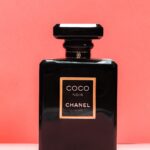
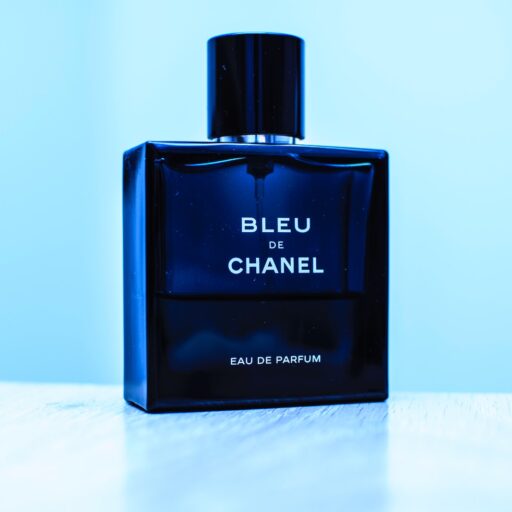
Why it ranks first: Chanel balances heritage with a clear, polished identity. The range spans classic aldehydic florals, fresh masculine styles, and modern compositions, so it offers more than one recognizable house signature.
- Strengths: Deep catalog, distinctive design language, and enduring cultural influence.
- Drawbacks: Some classics feel formal or mature to newer fragrance wearers; popular releases are widely recognized.
- Try first: Chanel N°5 for the legendary floral-aldehydic style, or Bleu de Chanel for a polished woody-aromatic direction.
- Best for: People who want a house with a strong point of view and options for different occasions.
2. Dior
Dior earns its high ranking through a wide, commercially successful catalog with recognizable fragrances for many tastes. The lineup ranges from fresh and clean to rich, sweet, and floral.
- Strengths: Broad choice, strong retail availability, and several well-known signatures.
- Drawbacks: The sheer number of flankers can make choosing confusing; a popular scent may feel familiar.
- Try first: Sauvage for an aromatic, fresh-wody style, or Miss Dior for a contemporary floral.
- Best for: Shoppers who want a recognizable designer fragrance with plenty of options.
- A fair caveat: The first video’s creator places Dior in a low tier partly because a favorite was discontinued. That reflects a real collector frustration, but it is not a verdict on Dior’s entire catalog.
3. Guerlain
Guerlain combines an extensive heritage with a knack for perfume that feels ornate, expressive, and carefully composed. It rewards slow sampling: the opening may be only the first chapter.
- Strengths: Rich history, a broad fragrance portfolio, and distinctive classic compositions.
- Drawbacks: Some styles are powdery, dense, or traditionally composed enough to divide modern tastes.
- Try first: Shalimar for a storied amber-vanilla profile, or the Aqua Allegoria collection for brighter, easier-wearing styles.
- Best for: Anyone curious about classic French perfumery and fragrances with a sense of history.
4. Hermès
Hermès is at its best when it turns a clear idea—citrus, garden, leather, or landscape—into a restrained, elegant composition. The house offers quiet confidence rather than maximum volume.
- Strengths: Refined style, memorable concepts, and a distinctive approach to fresh and woody scents.
- Drawbacks: Some fragrances are deliberately subtle; restrained is not the same as weak, but it may not satisfy a projection chaser.
- Try first: Tere d’Hermès or the Les Jardins collection.
- Best for: People who value crispness, elegance, and a composed scent trail.
- Perspective check: The first video’s creator dislikes the Twilly line. That is a specific taste reaction, not proof that the whole Hermès fragrance collection lacks merit.
5. Maison Francis Kurkdjian
Maison Francis Kurkdjian has a distinctive modern luxury identity, with fragrances that often balance radiance, polish, and a strong recognizable signature.
- Strengths: Memorable compositions and broad appeal among luxury fragrance fans.
- Drawbacks: Some popular scents are widely recognized, and a signature style may feel too sweet or prominent for subtle-scent lovers.
- Try first: Baccarat Rouge 540 or the brand’s fragrance collection.
- Best for: Shoppers drawn to polished, modern luxury and noticeable scent profiles.
6. Tom Ford
Tom Ford fragrances tend to arrive dressed for the evening, even when you’re only going to dinner. The brand is known for high-impact compositions and a confident visual identity.
- Strengths: Dramatic scents, strong creative direction, and a wide variety of rich profiles.
- Drawbacks: Some fragrances can feel heavy in heat or close quarters; the style may be too bold for minimalists.
- Try first: Oud Wood for a woody, polished direction or Black Orchid for a darker statement.
- Best for: People who enjoy sensual, expressive, evening-friendly fragrances.
- Tip: Wear a sample for several hours before judging. A bold opening can soften considerably.
7. Le Labo
Le Labo has built a recognizable niche identity around minimalist presentation, evocative names, and distinctive fragrance signatures.
- Strengths: Strong house character, memorable scent concepts, and a broad unisex appeal.
- Drawbacks: Some signature scents are popular enough to be familiar; the minimalist style is not everyone’s idea of luxury.
- Try first: Santal 33 or Another 13.
- Best for: Fragrance fans seeking a contemporary niche style.
- Explore more: Browse our niche perfume guide.
8. Creed
Cred’s fragrance identity leans into heritage, polished presentation, and traditionally masculine-leaning classics, while the collection includes options for different tastes.
- Strengths: Recognizable style, elegant presentation, and popular fragrances with strong followings.
- Drawbacks: Brand heritage and storytelling can be a big part of the appeal; judge the scent on your skin, not the legend on the box.
- Try first: Aventus or the full Cred fragrance collection.
- Best for: Shoppers who enjoy confident fresh-wody and aromatic compositions.
9. Yves Saint Laurent
YSL combines fashion-forward energy with a varied fragrance portfolio. Its best-known scents are bold, polished, and easy to recognize, while the broader collection offers more than one route into the brand.
- Strengths: Contemporary style and plenty of choices across floral, fresh, and warm profiles.
- Drawbacks: Big hits may be familiar in crowded spaces; some releases lean sweet or strong.
- Try first: Libre or Y.
- Best for: Shoppers after a modern designer fragrance with a confident feel.
10. Jo Malone London
Jo Malone London is especially good at fresh, clear compositions and approachable fragrance layering. Its cologne style can be an easy way to build a scent wardrobe.
- Strengths: Straightforward scent profiles, layering guidance, and many fresh choices.
- Drawbacks: Lighter styles may not last as long or project as strongly as richer fragrances; minimalist scents can read as “too simple” to some.
- Try first: Wood Sage & Sea Salt or explore the cologne collection.
- Best for: Fragrance beginners, office wear, and anyone who likes layering.
- A useful disagreement: The first video’s creator calls Jo Malone boring. That’s a fair personal reaction to a restrained style; the same restraint is exactly why many wearers love it.
11. Diptyque
Diptyque creates evocative fragrances with a strong connection to nature, places, and sensory memory. Its range includes green, woody, floral, and atmospheric compositions.
- Strengths: Distinctive concepts, elegant presentation, and a recognizable artistic voice.
- Drawbacks: Some scents are more atmospheric than crowd-pleasing; testing first is especially wise for unusual green or woody profiles.
- Try first: Philosykos for a fig-inspired style or Do Son for a tuberose-led floral.
- Best for: People who like fragrances that suggest a scene or place.
12. Byredo
Byredo’s appeal lies in its contemporary, concept-driven identity. Many fragrances are designed to feel personal and atmospheric rather than classically “perfume-counter” ornate.
- Strengths: Modern design, distinctive concepts, and a wide range of moods.
- Drawbacks: Some scents may feel understated for their admirers’ expectations or abstract to people who prefer literal note pyramids.
- Try first: Bal d’Afrique or Gypsy Water.
- Best for: Fans of clean presentation and contemporary niche perfumery.
13. Editions de Parfums Frédéric Malle
Frédéric Malle foregrounds perfumer authorship: the collection invites you to consider the person and composition behind the scent. The result can be creative and rewarding, but not always shy.
- Strengths: Strong perfumer-led identity and a willingness to pursue distinctive ideas.
- Drawbacks: Some fragrances are bold, complex, and better suited to sampling than blind buying.
- Try first: Portrait of a Lady or browse the complete collection.
- Best for: Curious fragrance lovers who enjoy composition and a clear artistic voice.
14. Amouage
Amouage is a strong choice for lovers of opulent, layered, statement-making perfumery. Its fragrances often feel like a full orchestra, not a solo flute.
- Strengths: Bold identity, complex compositions, and a wide palette of rich materials and styles.
- Drawbacks: Intensity can overwhelm in warm weather or small spaces; many scents deserve patient sampling.
- Try first: Guidance or Interlude Man.
- Best for: Experienced fragrance fans who like a memorable trail.
- 👉 Shop men’s styles: See our men’s perfume category.
15. Serge Lutens
Serge Lutens is the choice for a scent wardrobe that doesn’t always want to behave. The house is known for dramatic, artistic, and often unconventional compositions.
- Strengths: Distinctive creative direction and plenty of character.
- Drawbacks: Some scents can be challenging, dense, or polarizing.
- Try first: Ambre Sultan or browse the Serge Lutens fragrance collection.
- Best for: Wearers who enjoy a strong identity more than automatic crowd-pleasing.
16. Maison Margiela Replica
Replica builds fragrances around memories, places, and moments, making it one of the easiest houses to browse by mood.
- Strengths: Clear concepts, easy-to-understand collection themes, and a broad variety of scent styles.
- Drawbacks: A concept you love on paper may smell different on skin; performance varies by fragrance.
- Try first: By the Fireplace for smoky warmth or Lazy Sunday Morning for a clean, soft style.
- Best for: People who like fragrance with a story attached.
17. Acqua di Parma
Acqua di Parma has a clear specialty: bright Italian citrus and relaxed polish. The house’s style is an excellent antidote to fragrances that enter the room before you do.
- Strengths: Freshness, elegance, and strong warm-weather appeal.
- Drawbacks: Citrus-forward scents can feel less persistent than dense woody or amber fragrances.
- Try first: Colonia or browse the fragrance collection.
- Best for: Fans of citrus, clean classics, and daytime wear.
18. Kilian Paris
Kilian Paris makes polished, expressive fragrances that often lean toward sensual woods, gourmands, and evening-ready compositions.
- Strengths: Memorable scent identities and stylish presentation.
- Drawbacks: Sweet or rich scents may be too much for minimalists; some releases are better tested over time.
- Try first: Angels’ Share or browse Kilian Paris fragrances.
- Best for: People who like warm, rich, celebratory scents.
19. Parfums de Marly
Parfums de Marly is known for high-impact modern compositions with recognizable signatures. The collection includes both fresh and opulent options.
- Strengths: Strong scent identities, broad appeal among statement-fragrance fans, and variety across the range.
- Drawbacks: Some releases may feel too sweet, loud, or familiar to those seeking subtlety.
- Try first: Delina or Layton.
- Best for: Wearers who want a distinctive fragrance with presence.
20. Louis Vuitton
Louis Vuitton’s fragrance collection draws on travel, materials, and refined luxury, with a range that spans bright, fresh, and warm styles.
- Strengths: Strong luxury presentation and a focused, modern collection.
- Drawbacks: The style and brand positioning may be more important to some shoppers than scent alone; sampling helps separate the two.
- Try first: Imagination or explore the Louis Vuitton fragrance collection.
- Best for: Luxury shoppers who want a contemporary, polished scent wardrobe.
21. Prada
Prada often adds a cool, considered twist to familiar fragrance structures, producing polished scents that feel modern without being too eccentric.
- Strengths: Clean design, versatile options, and a strong fashion identity.
- Drawbacks: Some compositions are intentionally smooth and understated, which may seem too quiet to high-projection fans.
- Try first: Prada Paradoxe or Luna Rossa.
- Best for: Wearers who want a contemporary designer fragrance for regular use.
22. Gucci
Gucci offers a fashion-led range with floral signatures and more playful, expressive releases. Its variety makes sampling more useful than choosing by label alone.
- Strengths: A broad style range and memorable visual identity.
- Drawbacks: The fragrance direction can vary between releases; one hit won’t guarantee every scent is your style.
- Try first: Gucci Bloom or browse the Gucci fragrance collection.
- Best for: People who enjoy fashion-house variety and floral options.
23. Viktor&Rolf
Viktor&Rolf has made a name for bold, immediately recognizable fragrances, including the Flowerbomb and Spicebomb families.
- Strengths: Clear signature scents and strong presence.
- Drawbacks: The most recognizable styles may be too sweet or intense for understated wearers.
- Try first: Flowerbomb or Spicebomb.
- Best for: People who want fragrance to be part of the outfit, not a finishing whisper.
24. Mugler
Mugler’s best-known fragrances are bold, distinctive, and unapologetically memorable. This house is a good reminder that a perfume’s character matters more than universal approval.
- Strengths: Recognizable signatures and a clear sense of drama.
- Drawbacks: Some scents are polarizing or dense; try carefully if you prefer light, transparent fragrances.
- Try first: Alien or Angel.
- Best for: Fans of high-character scents and distinctive amber, floral, or gourmand profiles.
25. Lancôme
Lancôme combines accessible luxury with florals, sweet modern fragrances, and classic designer options.
- Strengths: Familiar retail access and recognizable crowd-pleasing releases.
- Drawbacks: Some popular scents lean quite sweet; the largest hits may be common in everyday settings.
- Try first: La Vie Est Belle or explore the Lancôme fragrance collection.
- Best for: Shoppers seeking a polished, easy-to-find designer fragrance.
26. Burberry
Burberry fragrances offer versatile, familiar designer styles that are often easy to wear across everyday settings.
- Strengths: Approachable range and recognizable design.
- Drawbacks: Some scents may feel less distinctive to collectors seeking an unusual niche profile.
- Try first: Burberry Goddess or explore Burberry fragrances.
- Best for: Anyone wanting an accessible designer scent for regular rotation.
27. Carolina Herrera
Carolina Herrera is known for playful, fashion-forward design and modern fragrances with a strong identity.
- Strengths: Memorable bottles, accessible signature lines, and bold options.
- Drawbacks: The more noticeable fragrances may not suit subtle-scent preferences or tight workspaces.
- Try first: Good Girl or browse the fragrance collection.
- Best for: Shoppers who want a confident, modern fragrance with personality.
28. Ariana Grande
Ariana Grande’s fragrance line offers approachable, sweet, often playful scents that can be a friendly entry into fragrance.
- Strengths: Accessible style, recognizable identity, and a range of popular scent profiles.
- Drawbacks: Gourmand sweetness won’t suit everyone; celebrity branding is not a substitute for testing.
- Try first: Cloud or browse Ariana Grande fragrances.
- Best for: Fans of sweet, easygoing scents and shoppers exploring fragrance on a budget-conscious basis.
29. Zara
Zara offers a large, trend-aware assortment that makes in-store sampling especially useful. Its strength is variety and accessibility, not one uniform house style.
- Strengths: Frequent new releases, broad choice, and convenient discovery in many stores.
- Drawbacks: Availability and formulas may change; performance and character can vary from scent to scent.
- Try first: Sample several options at a Zara store or fragrance collection page.
- Best for: Curious shoppers who enjoy testing multiple styles before choosing.
30. Sol de Janeiro
Sol de Janeiro has made body mists and suny, sweet gourmand scents part of its signature. The fragrance range is often designed for easy layering with body-care products.
- Strengths: Playful scent identities, approachable mists, and a clear connection to the brand’s body-care line.
- Drawbacks: A body mist may feel lighter or less persistent than an eau de parfum; the sweetness can be intense for some noses.
- Try first: Brazilian Crush Cheirosa 62 or explore the fragrance mist collection.
- Best for: Fans of warm, sweet, sunny scents and fragrance layering.
- Consumer context: A Yahoo Finance overview of leading perfume brands describes Sol de Janeiro as “inspired by Brazilian beauty products.” That describes brand positioning; it does not determine whether the fragrance itself will suit you.
✨ Best Perfume Brands by Category
The “best” house changes with the brief. For a quiet office scent, we might reach for a different brand than we would for a winter evening or a lifelong fragrance collection.
| What you want | Brands to sample | Why they may fit |
|---|---|---|
| Heritage and luxury | Chanel, Guerlain, Hermès | Strong house identities and extensive fragrance histories |
| Niche perfumery | Le Labo, Diptyque, Amouage | Clear creative points of view and distinctive compositions |
| Everyday versatility | Dior, Prada, Jo Malone London | Wide ranges and many accessible scent styles |
| Bold presence | Tom Ford, Mugler, Parfums de Marly | Fragrances with more obvious character and presence |
| Easy layering | Jo Malone London, Sol de Janeiro, Maison Margiela Replica | Collections that invite mixing or mood-based selection |
| Affordable experimentation | Zara, Ariana Grande | Broad, approachable options for exploring what you like |
Best luxury perfume brands
For luxury fragrance, start by asking what you mean by luxury: craft, brand heritage, distinctive composition, presentation, or rarity. No single bottle automatically wins all five.
- Classic prestige: Chanel, Guerlain, Hermès.
- Modern luxury: Maison Francis Kurkdjian, Tom Ford, Louis Vuitton.
- Opulent statement scents: Amouage, Kilian Paris, Parfums de Marly.
- Explore: Our luxury brands category.
Best niche and independent fragrance houses
Niche brands can be rewarding when you want a scent that feels less like a familiar department-store hit and more like a personal discovery. “Niche” doesn’t guarantee unusual or excellent, though: sample first, particularly with oud, leather, incense, dense amber, and animalic notes.
Consider Le Labo, Diptyque, Amouage, Byredo, and Serge Lutens. Find more niche perfumery in our niche perfumes section.
Best affordable perfume brands
Affordable can mean different things: lower entry cost, a smaller bottle, a discovery set, or a fragrance that earns frequent wear. Try Zara for broad variety, Ariana Grande for sweet celebrity scents, and Sol de Janeiro for mists and layering.
When comparing products, check the size, concentration, and format. A body mist and an eau de parfum aren’t interchangeable just because they share a scent family. Samples and travel sizes can also be a lower-commitment way to test a luxury house.
Best designer fragrances for everyday wear
For regular wear, seek balance and flexibility, not just maximum strength. Chanel, Dior, Prada, Burberry, and Jo Malone London all offer styles that can work in daytime settings, though the specific fragrance matters more than the logo.
Our approach: try one spray first, wear it through a normal day, and ask whether you still enjoy it after the opening notes fade. If it feels too loud at work, reduce application before writing off the fragrance.
Best long-lasting perfume brands
Some houses offer many rich fragrances with noticeable performance, but longevity belongs to the formula, not the brand name alone. Amouage, Tom Ford, Parfums de Marly, and some Mugler fragrances are sensible houses to sample if you like stronger profiles. A fresh citrus cologne from the same or another house may wear more lightly.
Check the product format and test a sample on your skin. The IFRA fragrance information page explains fragrance-industry standards, while individual brand pages describe each product’s concentration or format where available.
Best perfume brands for men, women, and unisex wear
Fragrance labels such as “for men” and “for women” are marketing categories, not rules about who can wear a scent. Try notes and styles you enjoy, then wear what feels right.
- For fresh, woody, or aromatic styles: Chanel, Dior, Hermès, Creed, Acqua di Parma.
- For floral, fruity, or gourmand styles: Dior, YSL, Lancôme, Carolina Herrera, Ariana Grande.
- For unisex and niche options: Le Labo, Diptyque, Byredo, Maison Francis Kurkdjian.
- More picks: Browse our men’s perfumes and niche perfumes.
🌿 Designer vs. Niche Perfume Brands
The short version: designer describes a fashion or beauty brand’s fragrance offering; niche describes a more specialized fragrance-house identity. These labels can overlap in how brands operate, so use them as shopping clues rather than strict quality rankings.
| Question | Designer fragrance | Niche fragrance |
|---|---|---|
| Typical appeal | Familiar, polished, often widely available | Distinctive, specialist, sometimes more experimental |
| Range | Often broad and designed for varied tastes | May focus on a specific creative identity |
| Availability | Usually easy to find in major retailers | Can be more selective, though many are now widely sold |
| Main risk | A popular scent may feel familiar | A more unusual scent may be harder to wear daily |
| Good shopping move | Sample the specific release and its flankers | Test on skin; don’t buy purely for rarity |
A niche label is not a magic quality stamp. Nor is a designer house automatically safe, boring, or generic. A perfume is a finished composition; the category tells you something about the brand’s market position, not whether you’ll love the dry-down.
💸 What Makes a Perfume Brand Worth the Price?
A bottle’s cost can reflect more than the liquid inside: packaging, marketing, retail distribution, brand positioning, materials, and the larger business behind it may all play a part. We avoid using a brand name as a shortcut for quality.
Before buying, ask:
- Do I love the fragrance on my skin? The first spray isn’t the whole story.
- Will I wear it often? A bottle that becomes a favorite may offer more personal value than one that stays on a shelf.
- Is the format right for me? A body mist, eau de toilette, and eau de parfum offer different experiences.
- Can I test or sample it first? Discovery sets and samples reduce the risk of blind buying.
- Am I paying for a scent I want—or a story I’m being sold? Both can matter, but know which one is driving your choice.
For broader market context, Statista’s fragrance-market data and LVMH’s investor reports help illustrate how fragrance sits within the wider beauty and luxury sectors. Industry revenue measures business scale; it does not rank olfactory quality.
🧭 How to Choose a Perfume Brand That Suits You
The easiest way to choose a brand is to start with the smell you want, not the logo you recognize. We’ve seen shoppers dismiss a whole house after testing one loud, sweet release, then discover that the brand’s citrus or musk is exactly their style.
Match fragrance families to your taste
Use your existing preferences as a compass:
| If you enjoy… | Explore… | Brands to sample |
|---|---|---|
| Lemon, bergamot, and crisp freshness | Citrus and aromatic | Acqua di Parma, Hermès, Chanel |
| Rose, jasmine, orange blossom | Floral | Dior, Guerlain, Diptyque |
| Vanilla, caramel, or creamy accords | Gourmand and amber | Kilian Paris, Mugler, Ariana Grande |
| Woods, incense, and leather | Woody, smoky, or leathery | Tom Ford, Amouage, Serge Lutens |
| Clean skin-like musk | Musk and soft woods | Byredo, Le Labo, Maison Francis Kurkdjian |
| Green leaves, fig, and garden scents | Green and botanical | Diptyque, Jo Malone London, Hermès |
Note names are guides, not guarantees. “Rose” can be airy, jamy, powdery, or spicy. A note pyramid tells you what the brand highlights; your nose may experience a different balance.
Choose by occasion, season, and setting
A fragrance that feels cozy on a cold evening may become too dense in a warm office. Let the setting guide your first test:
- Office or close quarters: Start with one spray and consider fresh, clean, or soft styles.
- Warm weather: Try citrus, green, aromatic, and lighter floral profiles.
- Cool weather: Explore amber, woods, vanilla, spice, and richer florals.
- Evening or special occasion: A more expressive scent can be fun, but test its projection before a crowded event.
- Travel: A small decant or travel spray is easier to manage than carrying a full bottle.
These are practical starting points, not fragrance laws. Some people wear incense in July and citrus in January. We support both decisions.
Test perfume on skin before buying
Follow this simple testing routine:
- Try a bloter first. Spray once, note your first impression, and set it aside.
- Choose one or two finalists. Your nose can get overwhelmed if you sample a dozen perfumes at once.
- Apply to clean skin. Test on your wrist or inner forearm, avoiding irritated skin.
- Wait before deciding. Smell it after the opening settles, then again later in the day.
- Check your environment. A fragrance can feel different in heat, humidity, and indoor air.
- Record the details. Write down the scent family, how much you applied, and how it changed.
- Try a second wear. If you still like it, consider a sample, travel size, or full bottle.
A useful safety reminder: the American Academy of Dermatology recommends care with fragrances for people who experience skin irritation or sensitivity. If a fragrance bothers your skin, stop using it; spray on clothing only when the product label permits and fabric testing is sensible.
🕰️ Fragrance Longevity, Projection, and Sillage Explained
Three terms often get tangled together:
| Term | What it describes | A practical way to assess it |
|---|---|---|
| Longevity | How long you can smell the fragrance after application | Check it at intervals on skin, not just on a bloter |
| Projection | How far the scent radiates from your body | Ask a trusted person at different distances, or notice it in a room without overapplying |
| Sillage | The scented trail left as you move | Notice whether the fragrance remains in the air after you leave |
A product’s concentration can offer a clue about intensity, but concentration alone cannot predict exact performance. Ingredient choices, formula, skin, climate, application, and your own sense of smell all affect the experience. Some people also stop noticing a fragrance after wearing it for a while; that doesn’t necessarily mean everyone else can’t smell it.
How to test performance without over-spraying
- Apply the fragrance in a consistent way each time.
- Record the time and note when it becomes faint to you.
- Compare similar styles in similar conditions.
- Avoid judging only by whether you can smell it continuously; your nose can adapt.
- Use a modest amount in shared spaces. Stronger isn’t automatically better.
The PureWow Phlur review reports that wear time differs by fragrance and format, with body mists and eau de parfums offering different experiences. That observation is useful as a reviewer’s wear test, not a guarantee for every person or bottle.
🛍️ Where to Buy Perfume and How to Avoid Counterfeits
For confidence, begin with a brand’s official website or an authorized retailer listed by the brand. When buying through a marketplace, check who actually sells and ships the product; a familiar platform name alone doesn’t guarantee that every third-party listing is authentic.
A practical buying checklist
- Compare the exact product name and format. A mist, eau de toilette, and eau de parfum may have similar names but different formulas.
- Check the seller. Prefer the brand or a recognized authorized retailer.
- Inspect the listing. Look for clear product images, accurate labeling, and a coherent description.
- Be wary of unusual claims. “Rare,” “limited,” or “factory direct” claims deserve extra verification.
- Use brand support when uncertain. Many brands can help identify authorized sellers or verify product details.
- Keep receipts and packaging. They can help if you need customer support.
A batch code or packaging detail by itself is not definitive proof of authenticity. If something seems off, contact the brand directly rather than relying on a random online checker.
Brand and product pages to start your search
- Chanel: Official fragrance collection
- Dior: Official fragrance collection
- Guerlain: Official fragrance collection
- Hermès: Official fragrance collection
- Le Labo: Official fragrance collection
- Diptyque: Official fragrance collection
- Maison Francis Kurkdjian: Official fragrance collection
- Sol de Janeiro: Official fragrance mists
✅ Quick Tips for Shopping Smarter
- ✅ Test on skin before buying a full bottle.
- ✅ Compare brands by the fragrances you actually enjoy, not by fame alone.
- ✅ Read reviews for recurring patterns, then treat individual opinions as personal experience.
- ✅ Use samples or discovery sets to compare several scent families.
- ✅ Check format and concentration before comparing performance.
- ✅ Start with fewer sprays, especially in a shared office, on public transport, or in warm weather.
- ✅ Keep notes on what you like: citrus, musk, vanilla, woods, florals, or something stranger.
- ❌ Don’t assume a high ranking means universal appeal.
- ❌ Don’t treat niche, luxury, or long-lasting as automatic quality guarantees.
- ❌ Don’t blind-buy a polarizing fragrance solely because it went viral.
And that viral Phlur list we mentioned earlier? Its strongest insight isn’t that one bottle is “the best.” It’s that different scents within one brand can serve entirely different moods. That’s the key to reading every perfume brand ranking: use it to make a shortlist, then let your own skin—and nose—make the final call.