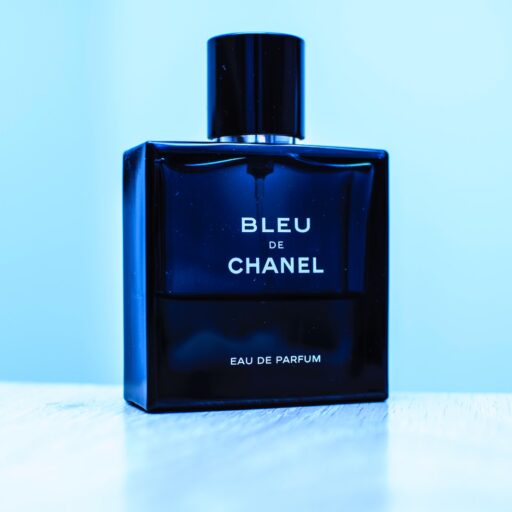
Support our educational content for free when you purchase through links on our site. Learn more
🤔 What Is Perfume Called in Products? (2026 Guide)


Ever grabbed a bottle of “unscented” lotion only to be hit with a wave of floral perfume? Or stared at a laundry detergent label wondering why the word “Perfume” is nowhere to be found? You aren’t alone. At Perfume Brands™, we’ve decoded thousands of ingredient lists, and the answer to “What is the name for perfume in products?” is often a clever marketing disguise. While luxury skin scents proudly wear the title Parfum or Eau de Toilete, the scent in your dishwasher pods, room sprays, and body washes is almost universally hidden under the catch-all term “Fragrance.”
But why the secrecy? Is it a conspiracy, or just chemistry? In this deep dive, we’ll peel back the label to reveal the etymological history, the regulatory loopholes that allow “Fragrance” to hide dozens of chemicals, and the critical difference between “Unscented” and “Fragrance-Free” that could save your sensitive skin. We’ll also uncover the secret behind those addictive hotel scents you can’t stop smelling on your sheets—hint: it involves micro-encapsulation and a specific blend of base notes you can actually buy today.
Key Takeaways
- The Universal Term: In most consumer products, perfume is legally and technically labeled as “Fragrance” or “Parfum,” not “Perfume.”
- The “Unscented” Trap: Products labeled “Unscented” often contain masking fragrances; true scent-free items must be labeled “Fragrance-Free.”
- Concentration Matters: The longevity of a scent depends on its base notes and concentration, whether it’s a luxury perfume or a household cleaner.
- Allergen Awareness: The term “Fragrance” can hide up to 3,0+ different chemical compounds, making it crucial for allergy sufferers to read beyond the main label.
Ready to bring the luxury of a 5-star hotel scent into your home?
👉 Shop Marriott Fragrance Collection: Candles, Diffusers, & Perfume
Table of Contents
- ⚡️ Quick Tips and Facts
- 📜 The Etymological Odyssey: Unveiling the True Name for Perfume in Products
- 🧪 Decoding the Label: Fragrance, Parfume, Eau de Toilete, and Beyond
- 🌿 From Ancient Rituals to Modern Skincare: A History of Scented Products
- 🧴 Beyond the Bottle: What Is Perfume Called in Household Cleaners and Laundry?
- 🧬 The Science of Scent: Understanding Top, Heart, and Base Notes in Product Formulations
- 🚫 The “Fragrance-Free” vs. “Unscented” Trap: Navigating Marketing Myths
- 🛍️ How to Identify High-Quality Scented Products: A Buyer’s Checklist
- 🌍 Global Nomenclature: What Do Other Languages Call Perfume in Products?
- 🔍 The Allergen Alert: Understanding Synthetic vs. Natural Aromatics
- 💡 Quick Tips and Facts
- 🏆 Conclusion
- 🔗 Recommended Links
- ❓ FAQ
- 📚 Reference Links
Before we dive into the deep end of the olfactory ocean, let’s get the bigest secrets out of the bottle right now. You might be staring at a label wondering, “Is this perfume? Is this cologne? Or is it just… scent?” Here is the cheat sheet from our lab at Perfume Brands™:
- The Universal Term: In the vast majority of consumer products (from laundry detergent to lotion), the technical term for perfume is “Fragrance” or “Parfum”.
- The “Unscented” Trap: Just because a bottle says “Unscented” doesn’t mean it’s free of smell! It often contains masking agents to neutralize the chemical odor of the base ingredients. If you want zero scent, look for “Fragrance-Free”.
- Concentration Matters: “Perfume” (or Parfum) usually contains 20-30% aromatic oils, while “Eau de Toilete” (EDT) is a lighter 5-15%. In household products, the concentration is often lower but designed for longevity on fabrics.
- The Allergen Alert: Under EU and US regulations, specific allergens (like limonene or linalool) must be listed if they exceed a certain threshold, even if the product just says “Fragrance.”
Did you know? The word “Perfume” comes from the Latin per fum, meaning “through smoke.” Ancient priests burned incense to carry prayers to the gods. Today, we just want our laundry to smell like a summer meadow! 🌸
For a deeper dive into how the giants of the industry play the naming game, check out our exclusive breakdown: 🌟 How Famous Perfume Brands Market Their Products (2026).
Have you ever walked down the aisle of a supermarket, grabbed a bottle of fabric softener, and squinted at the back label? You see a list of ingredients that looks like a chemistry exam, and right in the middle, there it is: “Fragrance.” Or maybe “Parfum.”
Is it a trick? A secret code?
No, it’s just the industry standard.
When you ask, “What is the name for perfume in products?” the answer is rarely “Perfume” in the way we think of a $10 bottle of Chanel No. 5. In the world of mass-market goods—shampos, candles, cleaners, and lotions—the term “Fragrance” is the lingua franca.
Why “Fragrance” and not “Perfume”?
It comes down to regulation and perception.
- Legal Lopholes: In many jurisdictions, “Fragrance” is a catch-all term that allows manufacturers to keep their specific scent formulas proprietary. If they listed “Rose Oil, Bergamot, and Musk,” competitors could copy the recipe instantly. By listing “Fragrance,” they protect their intelectual property.
- Consumer Psychology: “Perfume” implies a luxury, skin-aplied product. “Fragrance” sounds more versatile, suitable for your home, your car, or your laundry. It broadens the market appeal.
Pro Tip from the Lab: If you are sensitive to scents, don’t be fooled by the word “Natural.” A product can be 10% natural and still contain “Fragrance” made from essential oils that trigger allergies. Always check the full ingredient list!
For more on the science behind these labels, explore our Perfume Guides.
Let’s get nerdy for a second. 🧪 The terminology changes depending on where you are applying the scent and how much oil is in the mix. Here is the breakdown of the hierarchy you’ll see on labels:
| Term | Typical Oil Concentration | Longevity | Common Product Types |
|---|---|---|---|
| Parfum / Perfume | 20% – 30% | 8+ Hours | Luxury skin perfumes, high-end body oils |
| Eau de Parfum (EDP) | 15% – 20% | 5-8 Hours | Daily wear perfumes, body mists |
| Eau de Toilete (EDT) | 5% – 15% | 3-5 Hours | Colognes, light body sprays, deodorants |
| Eau de Cologne (EDC) | 2% – 4% | 2 Hours | Refreshing splashes, aftershaves |
| Fragrance / Parfum (Generic) | Variable (often <1%) | Varies | Laundry detergent, candles, room sprays |
The “Parfum” vs. “Fragrance” Distinction
You might notice some products use the French word “Parfum” while others use “Fragrance.”
- Parfum: Often used to denote a higher quality or a more concentrated scent, even in non-skin products. It’s a nod to the French heritage of perfumery.
- Fragrance: The standard English term used in the US and UK for general scented products.
Real-World Example:
Take the Mariott Bonvoy home collection. When they sell a candle, they call it a “Signature Scent” or “Fragrance.” When they sell a body lotion, they might list “Parfum” in the ingredients. It’s the same scent profile, just marketed differently based on the vessel!
Wait, isn’t “Cologne” just for men?
Absolutely not! That’s a myth. “Cologne” (Eau de Cologne) refers to a specific concentration (low oil, high alcohol/water), not a gender. However, in the US, marketing has conditioned us to think “Cologne = Men” and “Perfume = Women.” In Europe, “Cologne” is a unisex term for a light, fresh scent.
To understand why we call it “Fragrance” today, we have to travel back in time. 🕰️
The Smoke and the Temple
The word “Perfume” literally means “through smoke.” In ancient Egypt, Mesopotamia, and Rome, scents were burned as offerings to the gods. The smoke carried the aroma upward. These weren’t “products” you bought at a store; they were ritualistic tools.
The Birth of the “Product”
Fast forward to the Renaissance. The first “perfume” as a liquid product was created in Hungary (the famous Hungary Water). It was an alcohol-based infusion of herbs, used by royalty.
But here is where the story gets interesting for your laundry detergent:
- 19th Century: The invention of synthetic aromatics (like coumarin and vanillin) allowed scents to be mass-produced.
- 20th Century: As chemistry advanced, companies realized they could add these synthetic scents to soap, shampoo, and eventually, laundry detergent.
- The Naming Shift: As these scents moved from the “boudoir” to the “bathroom” and “kitchen,” the term “Fragrance” became the industry standard to differentiate them from the high-end “Perfumes” worn on the skin.
Fun Fact: The first synthetic vanilla scent was created in 1874. Before that, vanilla was incredibly rare and expensive! Now, it’s in your vanilla-scented body wash. 🍦
For a look at how modern brands leverage this history, read our Fragrance Industry News.
This is where the confusion usually sets in. You buy a bottle of Dove Body Wash, and the label says “Fragrance.” You buy a bottle of Tide Pods, and the label says “Fragrance.”
So, what is it?
In household and personal care products, “Fragrance” is a complex mixture of:
- Solvents: Usually alcohol or water to carry the scent.
- Fixatives: Chemicals that make the scent last longer on the fabric or skin.
- Aromatic Compounds: Both natural (essential oils) and synthetic (lab-created molecules).
The “Laundry Scent” Phenomenon
Have you ever wondered why your laundry smells so strong? It’s because laundry detergents use micro-encapsulation technology. The scent is trapped in tiny capsules that burst when you rub the fabric (like when you sit down or hug someone).
Common Names in Household Products:
- Fragrance: The most common term.
- Scent: Often used in marketing (e.g., “Fresh Scent”).
- Aroma: Sometimes used in eco-friendly or “natural” brands.
- Parfum: Used in higher-end home care lines (like The Laundress or Malin+Goetz).
⚠️ Warning: If you have asthma or chemical sensitivities, “Fragrance” in cleaning products can be a major trigger. The concentration in a room spray is much higher than in a skin lotion because it’s meant to fill a space, not just sit on your wrist!
You might think a bottle of Febreze or a Yankee Candle is just one smell. But just like a fine perfume, these products are engineered with notes.
The Olfactory Pyramid
- Top Notes: The first thing you smell. These are light, volatile molecules (like citrus or mint). They evaporate quickly.
In Products: Used in sprays and mists to give an immediate “fresh” hit. - Heart (Middle) Notes: The core of the scent. These emerge after the top notes fade (like floral or spice).
In Products: This is the “character” of your laundry detergent or shampoo. - Base Notes: The heavy, long-lasting molecules (like musk, vanilla, or wood).
In Products: These are crucial for longevity. They are what make your sheets smell good for days after washing.
Why does this matter?
If a product only has top notes, it will smell amazing for 10 minutes and then vanish. If it has a strong base, it lingers.
Perfumer’s Insight: We often see cheap products that smell “chemical” because they lack a proper base note structure. They rely on a single, overpowering synthetic molecule (like a cheap vanilla) rather than a balanced pyramid.
This is the section where we save you from buying the wrong product! 🛑
The Difference is Critical
- Fragrance-Free: The product contains no added scent. It may still smell like the raw ingredients (e.g., aloe vera or coconut oil), but no perfume was added.
- Unscented: The product has fragrance added, but it is formulated with “masking agents” to neutralize the smell. The result is a product that smells “neutral” but still contains potential allergens.
Real-World Scenario:
You have sensitive skin. You buy a bottle of CeraVe labeled “Unscented.” You break out in a rash. Why? Because “Unscented” often contains masking fragrances! You should have looked for “Fragrance-Free.”
| Feature | Fragrance-Free | Unscented |
|---|---|---|
| Added Scent | None | Yes (masked) |
| Allergen Risk | Low | Moderate/High |
| Smell | Smells like ingredients | Smells “neutral” or “clean” |
| Best For | Sensitive skin, allergies | General use, masking chemical odors |
Did you catch that? “Unscented” is a marketing trick! Always read the fine print.
Not all “Fragrances” are created equal. How do you spot a gem from a dud? Here is our Perfume Brands™ checklist:
- Check the Brand Reputation: Do they list specific ingredients? Brands like Jo Malone or Diptyque often list “Parfum” but also provide transparency about their sourcing.
- Look for “Natural” vs. “Synthetic”: Neither is inherently better. Natural essential oils can be allergens; synthetic molecules can be safer and more stable. The key is balance.
- Read Reviews: Look for comments on longevity. Does the scent fade in an hour? Or does it last all day?
- Smell Test: If possible, smell the product on a strip, not just the bottle. The alcohol in the bottle can distort the scent.
Top Brands Known for Quality Scents in Non-Perfume Products:
- Malin+Goetz: Known for simple, high-quality “Fragrance” in their body washes.
- Aesop: Uses complex botanical blends in their home and body products.
- The Laundress: Famous for their sophisticated laundry scents (though check for allergens if sensitive).
Curiosity Check: Have you ever wondered why some hotel scents (like the Mariott signature scent) stick in your memory for years? It’s because they use a specific ratio of base notes designed to linger on fabrics and upholstery. We’ll reveal the secret later!
Scent is universal, but the words are not! If you travel, you might see different terms on the label.
- France: Parfum (Perfume), Eau de Toilete.
- Italy: Profumo (Perfume), Acqua di Colonia.
- Spain: Perfume, Agua de Colonia.
- Germany: Parfüm, Duft (Scent/Fragrance).
- Japan: Kō (Incense/Scent), Perfume (often used as is).
Why does this matter?
If you are importing products or traveling, knowing that “Düft” in Germany or “Parfum” in France refers to the same thing helps you avoid confusion.
Fun Fact: In Japan, the concept of Kō (incense) is deeply tied to meditation and ritual, whereas in the West, “Perfume” is often tied to seduction or fashion. This cultural difference influences how scents are named and marketed!
Let’s talk about the elephant in the room: Allergies.
The “Fragrance” Lophole
In the US, the FDA allows “Fragrance” to be listed as a single ingredient, even if it contains dozens of chemicals. In the EU, 26 specific allergens must be listed if they exceed a certain concentration.
Common Allergens in “Fragrance”:
- Limonene (Citrus)
- Linalool (Floral)
- Citral (Lemon)
- Eugenol (Clove)
- Iso E Super (Wody/Musky)
Synthetic vs. Natural:
- Natural: Can cause allergies just as easily as synthetics. (e.g., Oakmoss is a natural allergen).
- Synthetic: Often created to be hypoallergenic, but can still trigger reactions in sensitive individuals.
Expert Advice: If you have a reaction to a product, don’t assume it’s “natural” ingredients. It could be a synthetic fixative. Patch test everything!
For more on ingredients, check out our Fragrance Reviews.
Let’s circle back to the beginning with a final burst of wisdom:
- Fragrance = Perfume: In products, these are often the same thing, just different names for marketing.
- Unscented ≠ Fragrance-Free: Always check the label!
- Longevity: Base notes make scents last.
- Allergens: “Fragrance” can hide 10+ ingredients.
- Global Terms: Parfum, Profumo, Düft—they all mean the same thing.
Still wondering about that specific “Hotel Scent” you can’t get out of your head? Keep reading, because we are about to reveal the secret behind the Mariott fragrance collection and how you can bring it home!
So, what is the name for perfume in products? The answer is simple yet layered: It is “Fragrance” or “Parfum.”
We started this journey wondering if there was a secret code, and while there isn’t a magical word, there is a science behind the naming. From the ancient smoke of Egyptian temples to the micro-encapsulated scents in your laundry detergent, the term “Fragrance” has evolved to protect formulas, broaden markets, and navigate regulations.
Key Takeaways:
- Terminology: “Fragrance” is the industry standard for non-skin products.
- Safety: “Unscented” does not mean allergen-free.
- Quality: Look for transparency ingredients and reputable brands.
- Longevity: Base notes are the secret to lasting scent.
Our Recommendation:
If you are looking for high-quality scented products that don’t compromise on safety or elegance, we highly recommend exploring the Mariott Bonvoy Fragrance Collection. These products bring the luxury of hotel scents into your home, offering a sophisticated “Fragrance” profile that is both long-lasting and carefully curated.
Final Thought: The next time you spray a room freshener or wash your sheets, remember: you aren’t just cleaning; you are engaging with centuries of olfactory art. And now, you know exactly what to look for on the label!
Ready to transform your space with the perfect scent? Here are our top picks for high-quality fragrances in home and body products:
- Mariott Bonvoy Fragrance Collection: Experience the signature scents of luxury hotels.
👉 Shop Marriott Fragrance Collection: Shop Marriott Fragrance Collection | Candles, Diffusers, Perfume … - Luxury Home Scents:
Diptyque: Search Diptyque Candles on Amazon | Diptyque Official Website
Jo Malone: Search Jo Malone Home Scents on Amazon | Jo Malone Official Website - Sensitive Skin Friendly:
CeraVe: Search CeraVe Fragrance-Free on Amazon | CeraVe Official Website
Aesop: Search Aesop Body Care on Amazon | Aesop Official Website
Books for Further Reading:
- Perfumes: The A-Z Guide by Luca Turin and Tania Sanchez – Find on Amazon
- The Secret of Scent by Luca Turin – Find on Amazon
How do I choose the right perfume brand that suits my taste and preferences?
Choosing the right brand depends on your scent family preference (floral, wody, citrus, etc.). Start by sampling decants or travel sizes. If you love fresh scents, look for brands like Acqua di Parma. If you prefer deep, musky scents, Tom Ford or Le Labo might be your match. Always test on your skin, as body chemistry alters the scent!
What are the different types of perfume ingredients used in fragrances?
Ingredients fall into two main categories: Natural (essential oils, absolutes, resins) and Synthetic (lab-created molecules like Iso E Super or Calone). Natural ingredients provide complexity and depth, while synthetics offer stability, consistency, and scents that don’t exist in nature (like “ocean” or “rain”).
How do perfume concentrations affect the scent of a fragrance?
Concentration determines longevity and sillage (the trail of scent).
- Parfum (20-30%): Longest lasting, subtle sillage.
- Eau de Parfum (15-20%): Balanced longevity and projection.
- Eau de Toilete (5-15%): Lighter, fades faster, great for daily wear.
- Eau de Cologne (2-4%): Very light, refreshing, short-lived.
What is the most popular fragrance family in perfumes?
Floral is historically the most popular family, followed closely by Wody and Fresh/Citrus. However, trends shift; in recent years, Gourmand (sweet, edible scents like vanilla and caramel) has seen a massive surge in popularity.
How do you tell if there is fragrance in a product?
Look for the words “Fragrance,” “Parfum,” “Aroma,” or “Scent” in the ingredient list. If the product is labeled “Unscented,” it may still contain masking fragrances. For true fragrance-free, look for that specific claim and check for the absence of the words above.
What are the other names for fragrance ingredients?
Common synonyms include Parfum, Aroma, Scent, Essential Oil Blend, Perfume, and Fragrance Oil. In some cases, specific allergens like Limonene or Linalool are listed individually if they exceed regulatory thresholds.
What is the name of perfume in cosmetics?
In cosmetics, it is almost always listed as “Fragrance” or “Parfum.” Unlike standalone perfumes, cosmetics often use lower concentrations to avoid skin irritation, but the terminology remains the same.
What is the technical term for perfume in product labeling?
The technical term is “Fragrance” (in English-speaking markets) or “Parfum” (in French-influenced markets and EU regulations). This term is a legal catch-all for the proprietary scent mixture.
How do I identify the fragrance concentration in a perfume product?
The concentration is usually indicated on the bottle or box:
- Parfum / Extrait de Parfum: Highest concentration.
- Eau de Parfum (EDP): Medium-high.
- Eau de Toilete (EDT): Medium.
- Eau de Cologne (EDC): Low.
- Body Mist / Splash: Very low.
What are the different names for perfume types like eau de toilette?
- Eau de Toilete (EDT): Light, fresh, often citrusy.
- Eau de Parfum (EDP): Richer, longer-lasting.
- Parfum: The most concentrated form.
- Cologne: Often used interchangeably with EDT, but historically a specific low-concentration formula.
- Splash: Very low concentration, often alcohol-based.
Why do some products list fragrance as parfum instead of perfume?
“Parfum” is the French word for perfume. It is often used to evoke a sense of luxury, heritage, and quality. In the EU, “Parfum” is the mandatory term for listing the ingredient, while “Fragrance” is the common English term. Using “Parfum” on a label can signal a higher-end product to consumers.
- Mariott Bonvoy Boutiques: Shop Marriott Fragrance Collection | Candles, Diffusers, Perfume …
- FDA Cosmetic Labeling Guide: U.S. Food and Drug Administration – Cosmetic Labeling
- International Fragrance Association (IFRA): IFRA Standards and Safety
- European Commission – Cosmetic Regulations: EU Cosmetic Products Regulation
- Perfume Brands™ – How Famous Perfume Brands Market Their Products: Read Article
- Perfume Brands™ – Fragrance Reviews: Browse Reviews
- Perfume Brands™ – Luxury Brands: Explore Luxury Brands