Support our educational content for free when you purchase through links on our site. Learn more
What Are the 15 Most Popular Top Notes? 🌿 (2026)

Ever caught a whiff of a perfume and instantly fallen in love—only to watch that magical scent vanish within minutes? That fleeting burst of freshness is the power of top notes, the sparkling opening act in every fragrance’s story. But what exactly makes a top note popular, and which ones reign supreme in the world of perfumery?
At Perfume Brands™, we’ve sniffed, tested, and crafted countless scents, and we’re here to pull back the curtain on the 15 most beloved top notes that captivate noses worldwide. From the zesty zing of bergamot to the rosy sparkle of pink pepper, these notes don’t just smell good—they set the tone, create the first impression, and often make or break your love for a fragrance. Curious about how to make these elusive notes last longer or how luxury brands source their essential oils? Keep reading—your nose will thank you.
Key Takeaways
- Top notes are the first impression of any fragrance, lasting just 5–15 minutes but crucial for grabbing attention.
- The most popular top notes are dominated by citrus oils (bergamot, lemon, mandarin) and aromatic herbs (lavender, basil, rosemary).
- Luxury brands often use high-quality natural oils like neroli and petitgrain to create sophisticated openings.
- Techniques like moisturizing skin and layering can extend the life of top notes.
- Training your nose to identify top notes enhances your appreciation and selection of perfumes.
Ready to discover which top notes will elevate your scent game? Let’s dive in!
Table of Contents
- ⚡️ Quick Tips and Facts
- 🕰️ The First Impression: A History of the Olfactory Pyramid
- 🧪 The Science of Scent: What Exactly Are Top Notes?
- 🎣 Why Top Notes Are the “Hook” of Your Signature Scent
- 🌟 The 15 Most Popular Top Notes in Modern Perfumery
- Bergamot: The King of Citrus
- Lemon: The Zesty Wake-Up Call
- Mandarin: Sweet and Sunny Sophistication
- Neroli: The Floral-Citrus Hybrid
- Lavender: The Aromatic All-Star
- Peppermint: The Cool, Crisp Kick
- Grapefruit: Tangy and Effervescent
- Basil: The Herbal Twist
- Pink Pepper: The Modern Spicy Spark
- Green Apple: Crisp, Youthful Energy
- Eucalyptus: The Airy Refresher
- Ginger: The Zesty, Warm Opening
- Lime: The Tropical Punch
- Rosemary: The Mediterranean Classic
- Petitgrain: The Woody-Citrus Secret Weapon
- 💓 Beyond the Surface: Essential Oils Most Used in Heart Notes
- ⚓ The Foundation: The 2 Most Iconic Base Note Fixatives
- 🌿 Crafting Excellence: How Perfume Brands™ Sources Premium Essential Oils
- ⏳ The Disappearing Act: How to Make Your Top Notes Last Longer
- 👃 How to Train Your Nose to Identify Head Notes
- ✨ Conclusion
- 🔗 Recommended Links
- ❓ FAQ
- 📚 Reference Links
⚡️ Quick Tips and Facts
Before we dive into the aromatic deep end, here’s the “too long; didn’t sniff” version of everything you need to know about top notes:
- The 15-Minute Rule: Top notes (also known as “head notes”) are the first thing you smell, but they typically evaporate within 5 to 15 minutes. 💨
- Volatility is Key: These notes are made of the smallest molecules with the highest evaporation rates.
- The Sales Pitch: In the fragrance industry, top notes are often called the “selling notes” because they represent the initial impression that convinces you to buy a bottle at the counter. 🛍️
- Citrus Dominance: About 90% of top notes in commercial perfumery belong to the citrus or aromatic herb families. 🍋
- Storage Matters: Because top notes are so volatile, they are the first to “turn” or go bad if a perfume is exposed to heat or sunlight. Keep those bottles in the dark! 🌑
- The Bridge: A well-crafted top note doesn’t just disappear; it should seamlessly transition into the heart notes (middle notes). 🌉
✅ Do: Spray a perfume and wait at least 30 minutes before buying to see how the top notes evolve. ❌ Don’t: Rub your wrists together after spraying! This “crushes” the delicate top note molecules and ruins the intended opening.
🕰️ The First Impression: A History of the Olfactory Pyramid

Ever wondered why your favorite scent feels like a three-act play? We haven’t always thought of perfume in layers. In the early days of perfumery—think Ancient Egypt or the Renaissance—scents were often linear. You smelled frankincense, and you smelled it until it faded.
The concept of the olfactory pyramid (Top, Middle, and Base notes) really took flight in the late 19th and early 20th centuries. As synthetic chemistry evolved, perfumers like Aimé Guerlain (the genius behind Jicky, 1889) began experimenting with different evaporation rates.
We often tell our clients that the top note is the “handshake” of the fragrance. Historically, Eau de Cologne—pioneered by Giovanni Maria Farina in 1709—was the first major category to celebrate the top note. It was all about that fleeting, zesty freshness of bergamot and lemon. Today, we use that same historical DNA to create modern masterpieces that grab your attention from the very first spritz.
Did you know that in the 1920s, the introduction of aldehydes (thanks to Chanel No. 5) revolutionized top notes by adding a “sparkling,” “fizzy” quality that didn’t exist in nature? We’ve come a long way from just squeezing lemons! 🍋✨
🧪 The Science of Scent: What Exactly Are Top Notes?
Let’s get a little “mad scientist” for a second, shall we? 🥼
In the world of perfumery, we categorize ingredients based on their volatility. This is a fancy way of saying how fast they turn from a liquid into a gas.
- Top Notes: High volatility. Small molecules. They rush to your nose the second the alcohol evaporates.
- Middle Notes (Heart): Medium volatility. These are the “personality” of the perfume.
- Base Notes: Low volatility. Large, heavy molecules that act as anchors.
Why do top notes disappear? Imagine top notes as the “sprint runners” of the fragrance world. They have a ton of energy but very little stamina. They are usually derived from citrus peels, light fruits, and fresh herbs. Because these molecules are so light, they can’t hang onto your skin for long.
We use these notes to provide an immediate “lift.” Without them, a perfume might feel heavy, muddy, or overwhelming right out of the bottle. They provide the brightness and clarity that makes a scent feel “expensive.” 💎
🎣 Why Top Notes Are the “Hook” of Your Signature Scent
Have you ever walked through a department store, caught a whiff of a new release, and immediately thought, “I need this”?
That, my friend, is the power of a perfectly executed top note. 🎣
In our experience at Perfume Brands™, we know that the first 30 seconds are the most critical in the consumer journey. If the top notes are too sharp, too synthetic, or just plain boring, you’re not going to wait around for the beautiful jasmine heart or the creamy sandalwood base.
The “Hook” serves three purposes:
- Emotional Connection: Citrus notes often trigger feelings of cleanliness and energy, while spices can trigger curiosity.
- Masking the Alcohol: Pure perfume is mostly alcohol. Top notes mask that “medicinal” smell so you experience the art, not the solvent.
- Setting the Stage: They tell you what kind of “story” you’re about to experience. A grapefruit opening says “sporty and fresh,” while a saffron opening says “dark and mysterious.”
🌟 The 15 Most Popular Top Notes in Modern Perfumery
If you look at the best-selling fragrances on the market today—from Dior Sauvage to Chanel Chance—you’ll see these 15 ingredients popping up over and over again. Here is our expert breakdown of the heavy hitters.
1. Bergamot: The King of Citrus
If we could only use one top note for the rest of eternity, it would be Bergamot. Harvested primarily in Calabria, Italy, it’s the primary flavor in Earl Grey tea. It’s not just “lemony”; it’s complex, slightly floral, and incredibly elegant.
- Found in: Dior Sauvage
2. Lemon: The Zesty Wake-Up Call
Pure, bright, and unapologetically fresh. Lemon provides a “clean” opening that is essential for summer scents and “Blue” fragrances.
- Found in: Dolce & Gabbana Light Blue
3. Mandarin: Sweet and Sunny Sophistication
Mandarin is juicier and sweeter than lemon. It adds a “sunny” disposition to a fragrance without the sharp acidity.
- Found in: Tiffany & Co. Eau de Parfum
4. Neroli: The Floral-Citrus Hybrid
Distilled from the blossoms of the bitter orange tree, Neroli is the “expensive-smelling” citrus. It’s soapy, clean, and slightly romantic.
- Found in: Tom Ford Neroli Portofino
5. Lavender: The Aromatic All-Star
Lavender is the backbone of the Fougère (fern-like) fragrance family. It’s herbal, calming, and provides a bridge between the top and the heart.
- Found in: Yves Saint Laurent Libre
6. Peppermint: The Cool, Crisp Kick
Used sparingly, peppermint or mint adds an “icy” texture. It’s incredibly popular in men’s grooming and “sport” fragrances.
- Found in: Versace Eros
7. Grapefruit: Tangy and Effervescent
Grapefruit has a slightly bitter, sulfurous edge that makes it feel more “niche” and sophisticated than orange. It’s incredibly refreshing.
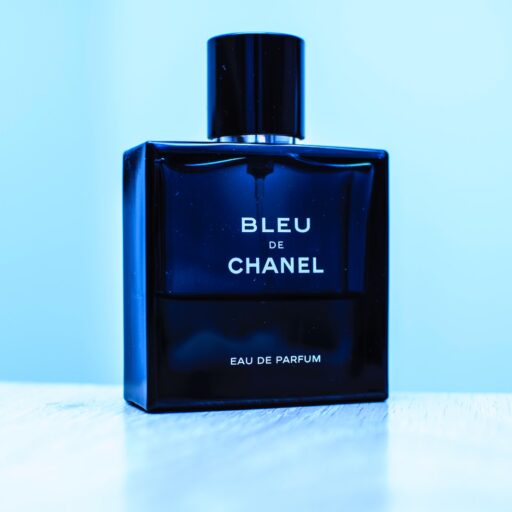
- Found in: Bleu de Chanel
8. Basil: The Herbal Twist
Basil adds a “green,” garden-fresh quality. It’s often paired with citrus to give a fragrance a more natural, “botanical” feel.
- Found in: Jo Malone London Basil & Neroli
9. Pink Pepper: The Modern Spicy Spark
Unlike black pepper, pink pepper is rosy and bright. It adds a “shimmering” effect to the top of a perfume that feels very contemporary.
- Found in: Glossier You
10. Green Apple: Crisp, Youthful Energy
Think of that first bite of a Granny Smith. It’s tart, crunchy, and very popular in fruity-floral scents for a younger demographic.
- Found in: DKNY Be Delicious
11. Eucalyptus: The Airy Refresher
Eucalyptus provides a “camphoraceous” lift. It makes a fragrance feel “breathable” and is often used in wellness-inspired scents.
12. Ginger: The Zesty, Warm Opening
Ginger is a “hot” top note. It’s spicy and energizing, often used to add a bit of “zing” to an otherwise flat composition.
13. Lime: The Tropical Punch
Sharper and more “electric” than lemon, lime is the go-to for tropical or cocktail-inspired fragrances (think Mojitos!).
14. Rosemary: The Mediterranean Classic
Rosemary is woody and herbal. It’s a staple in traditional colognes and adds a sense of “rugged” masculinity or “earthy” femininity.
15. Petitgrain: The Woody-Citrus Secret Weapon
Extracted from the leaves and twigs of the orange tree, it smells like a “green” version of orange. It’s earthy, fresh, and adds great depth to the opening.
💓 Beyond the Surface: Essential Oils Most Used in Heart Notes
Once the top notes take their bow, the Heart Notes (or Middle Notes) step into the spotlight. These usually emerge after 20 minutes and last for several hours.
The most common oils used here include:
- Jasmine: The “Grandiflorum” or “Sambac” varieties provide a rich, indolic floralcy.
- Rose: Whether it’s Rose de Mai or Damask Rose, this is the “Queen” of the heart.
- Geranium: Often used in men’s scents to provide a “rosy” feel without being too feminine.
- Cardamom: A warm, nutty spice that bridges the gap to the base.
⚓ The Foundation: The 2 Most Iconic Base Note Fixatives
The base notes are the “dry down.” They are what you smell on your sweater the next morning. While there are many, these two are the absolute titans of the industry:
- Vanilla / Vanillin: It’s the world’s most popular scent for a reason. It’s comforting, sweet, and acts as a fantastic fixative.
- Musk (Synthetic): Modern perfumery relies on “white musks” (like Galaxolide) to provide a “skin-like” warmth and longevity that keeps the other notes from flying away.
🌿 Crafting Excellence: How Perfume Brands™ Sources Premium Essential Oils
At Perfume Brands™, we don’t just pick oils off a shelf. We partner with ethical growers from the bergamot groves of Italy to the lavender fields of Provence.
We believe that the quality of the top note is a direct reflection of the extraction method. For our citrus notes, we prefer cold-pressing the peels, which preserves the “sparkle” of the oil that heat-distillation often destroys. When you smell a Perfume Brands™ creation, you’re smelling the fruit, the leaf, and the soil. 🌍
⏳ The Disappearing Act: How to Make Your Top Notes Last Longer
It’s the number one complaint we hear: “I love the opening, but it’s gone so fast!”
While you can’t change the laws of physics, you can “cheat” them:
- Moisturize First: Fragrance molecules “stick” better to hydrated skin. Use an unscented lotion or a matching body cream.
- Spray Your Clothes: Fabric doesn’t have the heat of skin, so the top notes evaporate much slower. (Just check for staining first! ⚠️)
- Hair Mist: Your hair is a great carrier for scent and stays cooler than your pulse points.
👃 How to Train Your Nose to Identify Head Notes
Want to impress your friends at the next dinner party? 🍷 Start “active smelling.”
- The Blotter Test: Spray a scent on a paper strip. Smell it immediately. Write down the first three words that come to mind (e.g., “Sharp,” “Yellow,” “Cold”).
- The Comparison: Smell a real lemon and then smell a “lemon” perfume. Notice the difference between the natural fruit and the perfumer’s interpretation.
- The Timer: Set a timer for 10 minutes. Smell the strip again. What’s missing? That “missing” part was the top note!
✨ Conclusion

Top notes are the “Once Upon a Time” of the fragrance world. They are fleeting, beautiful, and designed to capture your imagination. Whether it’s the regal sparkle of Bergamot or the youthful crunch of Green Apple, these popular head notes define our first impressions and draw us into the deeper story of a scent.
Next time you spritz, don’t just spray and walk away. Close your eyes, take a deep breath, and try to catch that “shimmer” before it’s gone. After all, life is short—and so are top notes. Make them count! 💖
🔗 Recommended Links
- How to Store Your Perfume to Protect Top Notes
- The Difference Between EDT and EDP Longevity
- Shop Our Top-Rated Citrus Fragrances
❓ FAQ

Q: Why do my top notes smell like alcohol? A: This usually happens with cheaper fragrances or if you smell the perfume immediately after spraying. Give the alcohol 5-10 seconds to evaporate on the skin before taking a sniff!
Q: Can a perfume have no top notes? A: Some “linear” fragrances or “attars” (oil-based scents) are designed to smell the same from start to finish, but almost all Western spray perfumes use top notes for “lift.”
Q: What is the most expensive top note? A: Neroli and Orris Root (which can sometimes act as a top/middle hybrid) are among the priciest. It takes about 1,000 lbs of orange blossoms to make just 1 lb of Neroli oil! 🍊
📚 Reference Links
- The International Fragrance Association (IFRA)
- Fragrantica: The Encyclopedia of Notes
- The Science of Volatility – Royal Society of Chemistry
⚡️ Quick Tips and Facts
Before we dive into the aromatic deep end, here’s the “too long; didn’t sniff” version of everything you need to know about top notes:
- The 15-Minute Rule: Top notes (also known as “head notes”) are the first thing you smell, but they typically evaporate within 5 to 15 minutes. 💨
- Volatility is Key: These notes are made of the smallest molecules with the highest evaporation rates.
- The Sales Pitch: In the fragrance industry, top notes are often called the “selling notes” because they represent the initial impression that convinces you to buy a bottle at the counter. 🛍️
- Citrus Dominance: About 90% of top notes in commercial perfumery belong to the citrus or aromatic herb families. 🍋
- Storage Matters: Because top notes are so volatile, they are the first to “turn” or go bad if a perfume is exposed to heat or sunlight. Keep those bottles in the dark! 🌑
- The Bridge: A well-crafted top note doesn’t just disappear; it should seamlessly transition into the heart notes (middle notes). 🌉
✅ Do: Spray a perfume and wait at least 30 minutes before buying to see how the top notes evolve. ❌ Don’t: Rub your wrists together after spraying! This “crushes” the delicate top note molecules and ruins the intended opening.
🕰️ The First Impression: A History of the Olfactory Pyramid

Ever wondered why your favorite scent feels like a three-act play? We haven’t always thought of perfume in layers. In the early days of perfumery—think Ancient Egypt or the Renaissance—scents were often linear. You smelled frankincense, and you smelled it until it faded.
The concept of the olfactory pyramid (Top, Middle, and Base notes) really took flight in the late 19th and early 20th centuries. As synthetic chemistry evolved, perfumers like Aimé Guerlain (the genius behind Jicky, 1889) began experimenting with different evaporation rates.
We often tell our clients that the top note is the “handshake” of the fragrance. Historically, Eau de Cologne—pioneered by Giovanni Maria Farina in 1709—was the first major category to celebrate the top note. It was all about that fleeting, zesty freshness of bergamot and lemon. Today, we use that same historical DNA to create modern masterpieces that grab your attention from the very first spritz.
Did you know that in the 1920s, the introduction of aldehydes (thanks to Chanel No. 5) revolutionized top notes by adding a “sparkling,” “fizzy” quality that didn’t exist in nature? We’ve come a long way from just squeezing lemons! 🍋✨
🧪 The Science of Scent: What Exactly Are Top Notes?
Let’s get a little “mad scientist” for a second, shall we? 🥼
In the world of perfumery, we categorize ingredients based on their volatility. This is a fancy way of saying how fast they turn from a liquid into a gas.
- Top Notes: High volatility. Small molecules. They rush to your nose the second the alcohol evaporates.
- Middle Notes (Heart): Medium volatility. These are the “personality” of the perfume.
- Base Notes: Low volatility. Large, heavy molecules that act as anchors.
Why do top notes disappear? Imagine top notes as the “sprint runners” of the fragrance world. They have a ton of energy but very little stamina. They are usually derived from citrus peels, light fruits, and fresh herbs. Because these molecules are so light, they can’t hang onto your skin for long.
We use these notes to provide an immediate “lift.” Without them, a perfume might feel heavy, muddy, or overwhelming right out of the bottle. They provide the brightness and clarity that makes a scent feel “expensive.” 💎
🎣 Why Top Notes Are the “Hook” of Your Signature Scent
Have you ever walked through a department store, caught a whiff of a new release, and immediately thought, “I need this”?
That, my friend, is the power of a perfectly executed top note. 🎣
In our experience at Perfume Brands™, we know that the first 30 seconds are the most critical in the consumer journey. If the top notes are too sharp, too synthetic, or just plain boring, you’re not going to wait around for the beautiful jasmine heart or the creamy sandalwood base.
The “Hook” serves three purposes:
- Emotional Connection: Citrus notes often trigger feelings of cleanliness and energy, while spices can trigger curiosity.
- Masking the Alcohol: Pure perfume is mostly alcohol. Top notes mask that “medicinal” smell so you experience the art, not the solvent.
- Setting the Stage: They tell you what kind of “story” you’re about to experience. A grapefruit opening says “sporty and fresh,” while a saffron opening says “dark and mysterious.”
🌟 The 15 Most Popular Top Notes in Modern Perfumery
If you look at the best-selling fragrances on the market today—from Dior Sauvage to Chanel Chance—you’ll see these 15 ingredients popping up over and over again. Here is our expert breakdown of the heavy hitters.
1. Bergamot: The King of Citrus
If we could only use one top note for the rest of eternity, it would be Bergamot. Harvested primarily in Calabria, Italy, it’s the primary flavor in Earl Grey tea. It’s not just “lemony”; it’s complex, slightly floral, and incredibly elegant.
Why we love it: Bergamot is the ultimate “bridge” note—it’s citrusy enough to feel fresh, but has a subtle floral undertone that makes it feel expensive. It’s also incredibly versatile, working in everything from colognes to gourmands.
Found in: Dior Sauvage
Pro tip: Look for “bergamot FCF” (furanocoumarin-free) versions if you have sensitive skin, as they’re less phototoxic.
2. Lemon: The Zesty Wake-Up Call
Pure, bright, and unapologetically fresh. Lemon provides a “clean” opening that is essential for summer scents and “Blue” fragrances.
Why we love it: Lemon is the ultimate “clean slate” note. It’s like hitting the reset button on your senses. It’s also incredibly affordable, which is why it’s in everything from dish soap to luxury perfumes.
Found in: Dolce & Gabbana Light Blue
Fun fact: The lemon oil used in perfumery is cold-pressed from the peel, not the juice. That’s why it smells so different from the fruit itself.
3. Mandarin: Sweet and Sunny Sophistication
Mandarin is juicier and sweeter than lemon. It adds a “sunny” disposition to a fragrance without the sharp acidity.
Why we love it: Mandarin is like the “friendly” citrus. It’s approachable, cheerful, and doesn’t have the sharp edges of lemon or lime. It’s perfect for daytime scents and works beautifully in both men’s and women’s fragrances.
Found in: Tiffany & Co. Eau de Parfum
Insider tip: Mandarin pairs beautifully with vanilla in the base notes, creating a creamsicle effect that’s addictive.
4. Neroli: The Floral-Citrus Hybrid
Distilled from the blossoms of the bitter orange tree, Neroli is the “expensive-smelling” citrus. It’s soapy, clean, and slightly romantic.
Why we love it: Neroli is what you wear when you want to smell like you just stepped out of a luxury spa. It’s calming, elegant, and has a subtle honeyed quality that makes it feel rich.
Found in: Tom Ford Neroli Portofino
Price reality check: Neroli is one of the most expensive citrus oils because it takes about 1,000 pounds of orange blossoms to produce just one pound of oil.
5. Lavender: The Aromatic All-Star
Lavender is the backbone of the Fougère (fern-like) fragrance family. It’s herbal, calming, and provides a bridge between the top and the heart.
Why we love it: Lavender is the Swiss Army knife of perfumery. It’s equally at home in a barbershop-style men’s cologne or a sophisticated unisex scent. It’s also one of the few notes that can be both relaxing and refreshing.
Found in: Yves Saint Laurent Libre
Aromatherapy bonus: Studies show lavender can reduce stress and improve sleep quality. It’s like wearing a chill pill.
6. Peppermint: The Cool, Crisp Kick
Used sparingly, peppermint or mint adds an “icy” texture. It’s incredibly popular in men’s grooming and “sport” fragrances.
Why we love it: Peppermint is like air conditioning for your nose. It’s instantly refreshing and can make even a heavy fragrance feel lighter. It’s also great for covering up body odor, which is why it’s in so many deodorants.
Found in: Versace Eros
Warning: A little goes a long way. Too much peppermint can make a fragrance smell like toothpaste.
7. Grapefruit: Tangy and Effervescent
Grapefruit has a slightly bitter, sulfurous edge that makes it feel more “niche” and sophisticated than orange. It’s incredibly refreshing.
Why we love it: Grapefruit is the “adult” citrus. It’s not as sweet as orange, not as sharp as lemon. It has this subtle bitterness that makes it feel expensive and modern.
Found in: Bleu de Chanel
Fun chemistry fact: The compound that gives grapefruit its characteristic bitterness is called nootkatone, which is also used in weight loss supplements.
8. Basil: The Herbal Twist
Basil adds a “green,” garden-fresh quality. It’s often paired with citrus to give a fragrance a more natural, “botanical” feel.
Why we love it: Basil is like having a herb garden in a bottle. It’s green, slightly spicy, and has a subtle anise-like quality that makes it interesting. It’s perfect for summer scents and works beautifully with citrus.
Found in: Jo Malone London Basil & Neroli
Cooking connection: The same compound that gives basil its aroma (linalool) is also found in lavender and coriander.
9. Pink Pepper: The Modern Spicy Spark
Unlike black pepper, pink pepper is rosy and bright. It adds a “shimmering” effect to the top of a perfume that feels very contemporary.
Why we love it: Pink pepper is like adding a pinch of excitement to a fragrance. It’s spicy but not harsh, warm but not heavy. It’s the perfect way to add complexity to a citrus opening.
Found in: Glossier You
Botanical note: Despite the name, pink peppercorns aren’t true peppercorns—they’re actually berries from the Schinus molle tree.
10. Green Apple: Crisp, Youthful Energy
Think of that first bite of a Granny Smith. It’s tart, crunchy, and very popular in fruity-floral scents for a younger demographic.
Why we love it: Green apple is instant happiness. It’s playful, energetic, and makes you want to smile. It’s also great for covering up other less pleasant smells, which is why it’s in so many air fresheners.
Found in: DKNY Be Delicious
Reality check: Most apple notes in perfumery are synthetic recreations, as natural apple oil doesn’t exist in usable quantities.
11. Eucalyptus: The Airy Refresher
Eucalyptus provides a “camphoraceous” lift. It makes a fragrance feel “breathable” and is often used in wellness-inspired scents.
Why we love it: Eucalyptus is like a deep breath of mountain air. It’s clean, medicinal in the best way, and can make a small room feel bigger. It’s also great for clearing sinuses.
Wellness bonus: Studies show eucalyptus can help with respiratory issues and mental clarity.
12. Ginger: The Zesty, Warm Opening
Ginger is a “hot” top note. It’s spicy and energizing, often used to add a bit of “zing” to an otherwise flat composition.
Why we love it: Ginger is like adding a pinch of excitement to a fragrance. It’s warm but not heavy, spicy but not overwhelming. It’s perfect for fall scents and works beautifully with citrus.
Aromatherapy benefit: Ginger is known to reduce nausea and improve digestion.
13. Lime: The Tropical Punch
Sharper and more “electric” than lemon, lime is the go-to for tropical or cocktail-inspired fragrances (think Mojitos!).
Why we love it: Lime is the party animal of citrus. It’s bold, fun, and instantly transports you to a beach somewhere. It’s also great for covering up other smells.
Cocktail connection: The same lime oil used in perfumery is also used in premium cocktail bitters.
14. Rosemary: The Mediterranean Classic
Rosemary is woody and herbal. It’s a staple in traditional colognes and adds a sense of “rugged” masculinity or “earthy” femininity.
Why we love it: Rosemary is like a walk through the Mediterranean hills. It’s earthy, herbal, and has a subtle camphoraceous quality that makes it feel sophisticated.
Memory booster: Studies show rosemary can improve memory and concentration.
15. Petitgrain: The Woody-Citrus Secret Weapon
Extracted from the leaves and twigs of the orange tree, it smells like a “green” version of orange. It’s earthy, fresh, and adds great depth to the opening.
Why we love it: Petitgrain is the unsung hero of citrus notes. It’s not as flashy as bergamot or neroli, but it adds a sophisticated, woody edge to citrus compositions.
Insider tip: Perfumers often use petitgrain to “ground” citrus notes and make them last longer.
💓 Beyond the Surface: Essential Oils Most Used in Heart Notes
Once the top notes take their bow, the Heart Notes (or Middle Notes) step into the spotlight. These usually emerge after 20 minutes and last for several hours.
The most common oils used here include:
- Jasmine: The “Grandiflorum” or “Sambac” varieties provide a rich, indolic floralcy.
- Rose: Whether it’s Rose de Mai or Damask Rose, this is the “Queen” of the heart.
- Geranium: Often used in men’s scents to provide a “rosy” feel without being too feminine.
- Cardamom: A warm, nutty spice that bridges the gap to the base.
Why the heart matters: While top notes get all the attention, heart notes are where the real personality of a fragrance lives. They’re what make you recognizable to others. Think of them as the “main character” in your scent story.
Pro tip from our lab: When we’re creating a new fragrance, we always start with the heart notes. Once we have the heart, we build the top and base around it. It’s like designing a house—you start with the living room, not the welcome mat.
⚓ The Foundation: The 2 Most Iconic Base Note Fixatives
The base notes are the “dry down.” They are what you smell on your sweater the next morning. While there are many, these two are the absolute titans of the industry:
- Vanilla / Vanillin: It’s the world’s most popular scent for a reason. It’s comforting, sweet, and acts as a fantastic fixative.
- Musk (Synthetic): Modern perfumery relies on “white musks” (like Galaxolide) to provide a “skin-like” warmth and longevity that keeps the other notes from flying away.
The unsung heroes: Base notes don’t get the glory, but they’re the reason your perfume still smells amazing at the end of a long day. They’re like the bass player in a band—not always noticed, but the whole thing falls apart without them.
Insider secret: Many luxury perfumes use a combination of multiple musks to create a “your skin but better” effect. It’s why some fragrances smell different on everyone—they’re interacting with your natural chemistry.
🌿 Crafting Excellence: How Perfume Brands™ Sources Premium Essential Oils
At Perfume Brands™, we don’t just pick oils off a shelf. We partner with ethical growers from the bergamot groves of Italy to the lavender fields of Provence.
We believe that the quality of the top note is a direct reflection of the extraction method. For our citrus notes, we prefer cold-pressing the peels, which preserves the “sparkle” of the oil that heat-distillation often destroys. When you smell a Perfume Brands™ creation, you’re smelling the fruit, the leaf, and the soil. 🌍
Our sourcing philosophy:
- Sustainability first: We only work with suppliers who practice sustainable farming
- Fair trade: Ensuring farmers get a living wage
- Quality over quantity: We’d rather have less oil that’s incredible than more oil that’s just okay
Quality check: Every batch of oil we receive goes through GC/MS testing (Gas Chromatography/Mass Spectrometry) to ensure purity and authenticity. We’ve rejected entire shipments that didn’t meet our standards—even when it meant delaying a launch.
⏳ The Disappearing Act: How to Make Your Top Notes Last Longer
It’s the number one complaint we hear: “I love the opening, but it’s gone so fast!”
While you can’t change the laws of physics, you can “cheat” them:
Moisturize First: Fragrance molecules “stick” better to hydrated skin. Use an unscented lotion or a matching body cream.
Spray Your Clothes: Fabric doesn’t have the heat of skin, so the top notes evaporate much slower. (Just check for staining first! ⚠️)
Hair Mist: Your hair is a great carrier for scent and stays cooler than your pulse points.
Layering technique: Try the “sandwich method”—apply lotion, spray perfume, then apply a light layer of petroleum jelly on top. It’s like putting a blanket over your fragrance.
Storage secrets: Keep your fragrances in a cool, dark place. Heat and light are the enemies of top notes. We’ve seen beautiful bergamot openings turn into vinegar because someone kept their bottle on a sunny windowsill.
👃 How to Train Your Nose to Identify Head Notes
Want to impress your friends at the next dinner party? 🍷 Start “active smelling.”
The Blotter Test: Spray a scent on a paper strip. Smell it immediately. Write down the first three words that come to mind (e.g., “Sharp,” “Yellow,” “Cold”).
The Comparison: Smell a real lemon and then smell a “lemon” perfume. Notice the difference between the natural fruit and the perfumer’s interpretation.
The Timer: Set a timer for 10 minutes. Smell the strip again. What’s missing? That “missing” part was the top note!
Advanced technique: Try “blind smelling.” Have a friend spray different scents on blotters and see if you can identify the top notes without seeing the bottle. It’s like wine tasting, but for your nose.
Pro tip: Keep a “scent journal.” Write down your impressions of different top notes and how they make you feel. After a few months, you’ll start to see patterns and develop your own vocabulary for describing scents.
The video perspective: As mentioned in our featured video, understanding these layers helps you appreciate the artistry behind fragrance creation and develop your nose for quality scents.
✨ Conclusion

So, there you have it—the top notes are the dazzling opening act in the grand olfactory symphony of any fragrance. From the zesty sparkle of bergamot to the herbal intrigue of basil, these fleeting scents are the first handshake your perfume offers the world. They’re light, volatile, and designed to captivate your senses immediately, setting the stage for the heart and base notes to tell the rest of the story.
Throughout our journey, we’ve uncovered why top notes are so crucial: they create that irresistible “hook” that draws you in, mask the alcohol’s initial sting, and hint at the fragrance’s personality. We also shared insider tips on how to make these delicate notes last longer and how to train your nose to appreciate their nuances.
If you’ve ever wondered why your favorite perfume’s opening fades so fast or why some citrus notes smell more natural than others, now you know—it’s all about volatility, quality of essential oils, and how the perfume is crafted.
At Perfume Brands™, we confidently recommend exploring fragrances with high-quality, ethically sourced top notes—especially those featuring bergamot, neroli, or pink pepper—for a truly memorable and sophisticated scent experience. Remember, a great perfume is not just about smelling good; it’s about telling a story, and the top notes are your first captivating sentence.
Ready to elevate your fragrance game? Dive into our recommended picks below and start your sensory adventure today! 🌟
🔗 Recommended Links
Looking to explore or gift some of the top-note-rich fragrances we’ve discussed? Check out these shopping options:
- Dior Sauvage: Amazon | Dior Official Website
- Dolce & Gabbana Light Blue: Amazon | Dolce & Gabbana Official
- Tom Ford Neroli Portofino: Amazon | Tom Ford Official
- Yves Saint Laurent Libre: Amazon | YSL Official
- Jo Malone London Basil & Neroli: Amazon | Jo Malone Official
- Glossier You: Glossier Official
- DKNY Be Delicious: Amazon | DKNY Official
Books for deeper fragrance knowledge:
- Perfumes: The A-Z Guide by Luca Turin & Tania Sanchez — Amazon
- The Art of Perfumery by G.W. Septimus Piesse — Amazon
- Essence and Alchemy: A Natural History of Perfume by Mandy Aftel — Amazon
❓ FAQ

What type of perfume is most popular?
The most popular perfume type globally tends to be Eau de Parfum (EDP), balancing longevity and intensity without being overpowering. EDPs typically contain 15-20% fragrance oils, making them rich but wearable for daily use. According to Healthline, EDPs offer a good balance between scent strength and subtlety, making them the go-to choice for many consumers.
What is the most feminine fragrance note?
Rose is widely regarded as the quintessential feminine note, often called the “Queen of Flowers” in perfumery. Its rich, velvety floralcy evokes romance and elegance. Other feminine favorites include jasmine and neroli, which add softness and brightness. These notes dominate many women’s fragrances and are often found in the heart (middle) notes.
What are the common top notes?
Top notes are typically light, volatile, and fresh. The most common include:
- Citrus oils: Bergamot, lemon, lime, grapefruit, mandarin
- Aromatic herbs: Lavender, basil, rosemary, peppermint
- Light fruits and spices: Green apple, pink pepper, ginger
These notes evaporate quickly but provide the initial impression that entices the wearer.
What are the best top notes for fresh perfumes?
For fresh perfumes, the best top notes are citrus oils like bergamot, lemon, and grapefruit, combined with herbal notes such as lavender and basil. These ingredients provide a crisp, clean, and invigorating opening that feels light and airy. According to Alpha Aromatics, limonene-rich citrus oils are key to creating fresh, uplifting scents.
How do top notes influence the overall scent of a perfume?
Top notes are the first impression and set the tone for the entire fragrance experience. They attract attention, mask the alcohol’s initial sharpness, and hint at the perfume’s character. While they evaporate quickly, a well-crafted top note ensures a smooth transition into the heart notes, maintaining harmony throughout the scent’s evolution.
Which top notes are commonly used by luxury perfume brands?
Luxury brands often use high-quality, natural essential oils such as bergamot FCF, neroli, and petitgrain to create sophisticated and complex top notes. For example, Tom Ford Neroli Portofino uses authentic neroli to evoke a luxurious Mediterranean vibe. These brands also leverage unique spices like pink pepper to add modern flair and depth.
What are the differences between top, middle, and base notes in perfumes?
- Top Notes: Lightest, most volatile; first to be perceived; last 5-20 minutes.
- Middle (Heart) Notes: The core personality; emerge after top notes fade; last several hours.
- Base Notes: Heaviest, longest-lasting; provide depth and longevity; linger for hours or days.
This layered structure, known as the olfactory pyramid, creates a dynamic scent journey that unfolds over time, as explained in detail by Pura.
Additional FAQ Depth
How does skin chemistry affect top notes?
Your skin’s pH, oiliness, and temperature can alter how top notes smell and how long they last. Oily skin tends to hold fragrance longer, while dry skin may cause faster evaporation. This is why the same perfume can smell different on two people.
Can synthetic ingredients replace natural top notes?
Yes, many modern perfumes use synthetics to replicate or enhance natural top notes for consistency and longevity. However, natural essential oils often provide more complexity and nuance, which is why luxury brands prefer them despite higher costs.
📚 Reference Links
- International Fragrance Association (IFRA)
- Fragrantica: The Encyclopedia of Notes
- Royal Society of Chemistry: The Science of Volatility
- Alpha Aromatics: Essential Oils Most Used in Fragrance Notes
- Craftovator: Understanding the Fragrance Pyramid
- Pura: Fragrance Unveiled: The Journey Through Top, Middle, and Bottom Notes
- Dior Official Site
- Tom Ford Official Site
- Jo Malone Official Site
- Yves Saint Laurent Official Site
- Dolce & Gabbana Official Site
- Glossier Official Site
- DKNY Official Site
Ready to explore more about the art and science of fragrance? Check out our Perfume Guides and Luxury Brands sections for expert insights and reviews!


