Support our educational content for free when you purchase through links on our site. Learn more
Top 15 Perfume Brands in the World You Must Know (2025) 🌍

Step into the captivating world of fragrance where artistry meets luxury, and scent tells a story louder than words. Whether you’re a seasoned perfume aficionado or just beginning your olfactory journey, knowing the top perfume brands in the world is essential to discovering your signature scent. But here’s the twist — this isn’t just a list of best-sellers by sales figures. We’ve blended expert insights, rich history, and market trends to bring you 15 iconic and emerging perfume houses that define the industry in 2025.
Did you know the global perfume market is projected to soar beyond $80 billion by 2030? Behind those numbers lie brands like Chanel, Dior, and Guerlain — each with a legacy as intoxicating as their scents. But also watch out for niche innovators like Maison Francis Kurkdjian and Le Labo, who are reshaping how we experience fragrance. Curious which brand blends heritage, innovation, and storytelling best? Keep reading to uncover the secrets behind these olfactory giants and find out how to choose your perfect scent.
Key Takeaways
- Top perfume brands combine heritage, innovation, and storytelling to create timeless and trendsetting fragrances.
- The list includes 15 brands, from legendary houses like Chanel and Dior to niche pioneers like Kilian Paris and Byredo.
- Understanding fragrance families and testing techniques can help you find your signature scent.
- The perfume industry is evolving with sustainability and personalization becoming key drivers.
- Discover emerging brands and expert tips to navigate the vast perfume landscape confidently.
Ready to explore and shop the world’s finest fragrances? Scroll down for our expert picks and insider advice!
Table of Contents
- ⚡️ Quick Tips and Facts: Navigating the World of Top Perfume Brands
- 🕰️ From Ancient Elixirs to Modern Masterpieces: The Evolution of Global Perfume Brands
- 🔍 Understanding Perfume Brands: What Makes a House Truly “Top-Tier”?
- 🏆 The Elusive “Top”: Our Criteria for Global Perfume Brand Excellence
- 🌟 Our Expert Picks: The World’s Most Influential Perfume Brands (Beyond Just Ten!)
- 1. Chanel: The Epitome of Timeless Elegance 🇫🇷
- 2. Dior: A Legacy of Glamour and Innovation ✨
- 3. Guerlain: The Grand Dame of French Perfumery 👑
- 4. Jo Malone London: The Art of Scent Layering and British Charm 🇬🇧
- 5. Tom Ford: Bold, Luxurious, and Unapologetically Sensual 🇺🇸
- 6. Creed: Royal Heritage and Artisanal Craftsmanship ⚜️
- 7. Maison Francis Kurkdjian: Modern Niche Mastery and Parisian Chic 🎨
- 8. Le Labo: The Art of Personalization and Raw Authenticity 🧪
- 9. Byredo: Scandinavian Minimalism Meets Olfactory Art 🇸🇪
- 10. Frédéric Malle: The Perfume Editor’s Vision and Uncompromising Quality 📚
- 11. Louis Vuitton: Travel, Luxury, and Distinctive Olfactory Journeys 💼
- 12. Hermès: Equestrian Roots, Olfactory Horizons, and Understated Sophistication 🐎
- 13. Giorgio Armani: Italian Sophistication in a Bottle 🇮🇹
- 14. Yves Saint Laurent: Rebellious Elegance and Audacious Scents 🎸
- 15. Kilian Paris: The Art of Seduction and Storytelling 😈
- 📈 Beyond the Big Names: Emerging Niche Perfume Brands to Watch in the Scent Landscape
- 👃 How to Choose Your Signature Scent from a Top Perfume Brand: A Perfumer’s Guide
- 💰 The Business of Scent: What Drives a Perfume Brand to the Top of the Global Market?
- 🚫 Common Myths About Luxury Perfume Brands Debunked by Experts
- 🗣️ Our Personal Anecdotes: Behind the Scents at Perfume Brands™
- ✨ Conclusion: The Enduring Allure of Masterful Perfumery and Global Brands
- 🔗 Recommended Links: Dive Deeper into the World of Fragrance
- ❓ FAQ: Your Burning Perfume Questions Answered by Our Experts
- 📚 Reference Links: Our Sources and Further Reading
Here is the main body of the article, crafted with expertise and flair by the team at Perfume Brands™.
⚡️ Quick Tips and Facts: Navigating the World of Top Perfume Brands
Welcome, scent lovers! Before we dive headfirst into the intoxicating world of fragrance, let’s spritz on some quick, digestible facts. Here at Perfume Brands™, we believe a little knowledge goes a long way in appreciating the artistry in every bottle. And speaking of bottles, have you ever wondered just How Many Perfume Brands Are There in the World? 🌍 (2025)? The number might just surprise you!
Here’s a snapshot of the global perfume industry to set the stage:
| Metric | Insight | Source |
|---|---|---|
| Global Market Size (2022) | A staggering $50.85 billion! | Yahoo Finance |
| Projected Growth (CAGR) | Expected to grow at a rate of 5.9% annually. | Yahoo Finance |
| Future Market Value (2030) | Could reach over $80 billion in revenue. | Yahoo Finance |
| Luxury Beauty Sector (2025) | The luxury segment is projected to be worth $100 billion. | Yahoo Finance |
Quick Tips from Our Perfumers:
- ✅ Know Your Concentrations: The main difference between an Eau de Parfum and an Eau de Toilette is the perfume oil concentration. An EDP typically has 10-20%, while an EDT has 7-10%, affecting both intensity and longevity.
- ❌ Don’t Rub Your Wrists: It’s a common habit, but rubbing your wrists together after applying perfume crushes the delicate top notes and alters the scent’s development. Let it air dry!
- ✅ Store It Right: Keep your precious fragrances out of direct sunlight and away from extreme temperatures (like a steamy bathroom). A cool, dark place is your perfume’s best friend.
- ❌ Don’t Judge by the First Spritz: A perfume has a life cycle—top, middle (heart), and base notes. Wait at least 30 minutes to experience the full character of a fragrance before making a decision.
🕰️ From Ancient Elixirs to Modern Masterpieces: The Evolution of Global Perfume Brands
Oh, if only ancient Mesopotamian perfume vessels could talk! The story of fragrance is as old as civilization itself, a scented thread woven through history. From the incense burned for the gods in ancient Egypt to the fragrant oils used by Roman nobility, perfume has always been a symbol of status, spirituality, and personal expression.
But the global perfume brands we know and love today? They are the descendants of a rich lineage that truly began to flourish in 19th-century France. Houses like Guerlain laid the groundwork, pioneering the use of synthetic molecules alongside natural ingredients, which blew the doors wide open for olfactory creativity. This was the birth of modern perfumery!
The 20th century saw the rise of couturier-led fragrances, with Coco Chanel revolutionizing the industry by launching Chanel No. 5 as an essential accessory for the modern woman. Suddenly, a perfume wasn’t just a scent; it was an identity, a statement, an inseparable part of a brand’s fashion empire. This fusion of fashion and fragrance set the stage for giants like Dior, Yves Saint Laurent, and Hermès to create their own legendary scents.
🔍 Understanding Perfume Brands: What Makes a House Truly “Top-Tier”?
What separates a fleeting trend from a timeless icon? In the crowded world of fragrance, achieving “top-tier” status is about more than just a pretty bottle or a clever marketing campaign. It’s a complex alchemy of art, science, and business.
Luxury vs. Niche vs. Designer: Decoding the Categories
Navigating the perfume hall can feel like learning a new language. Let’s break down the main categories you’ll encounter. This is a crucial part of our Perfume Guides.
| Category | The Vibe | Key Characteristics | Examples |
|---|---|---|---|
| Designer | Widely Accessible & Fashion-Forward | Produced by fashion houses (e.g., Chanel, Dior). Broad appeal, often follows trends. Available in most department stores. | Dior Sauvage, Chanel Coco Mademoiselle, Prada Paradoxe |
| Niche | Artistic & Exclusive | Focus is solely on perfume creation. Uses unique, high-quality ingredients. Limited distribution and more daring scent profiles. | Le Labo, Byredo, Parfums de Marly |
| Luxury | The Pinnacle of Opulence | Often a sub-category of the above, defined by exclusivity, rare ingredients, and exceptional craftsmanship. Think private collections and ultra-premium lines. | Clive Christian, Kilian Paris, Maison Francis Kurkdjian |
While legacy brands like Chanel and Dior dominate sales, niche houses are rapidly gaining market share through their unique storytelling and sense of exclusivity.
The Pillars of Success: Heritage, Innovation, and Olfactory Artistry
So, what’s the secret sauce?
- A Rich Heritage: Brands like Guerlain and Creed trade on centuries of history, passing down expertise through generations. This creates a powerful narrative of authenticity and mastery.
- Unwavering Quality: The use of the finest raw materials is non-negotiable. Whether it’s jasmine from Grasse or oud from India, top brands spare no expense. This is why some perfumes are so expensive—they are “prized for their rare ingredients, expert craftsmanship, and exclusivity.”
- Visionary Perfumers: Behind every great scent is a great “nose.” Perfumers like Francis Kurkdjian, Jacques Cavallier, and the late, great Edmond Roudnitska are artists who paint with scent molecules.
- Constant Innovation: The best brands don’t rest on their laurels. They respect their classics while pushing boundaries. Think of YSL‘s ability to capture a rebellious, modern spirit with Libre or Prada‘s tech-forward approach with Paradoxe.
🏆 The Elusive “Top”: Our Criteria for Global Perfume Brand Excellence
You’ve seen the lists—”top by sales,” “top by revenue,” “most expensive.” While sales figures from sources like Statista are important, they don’t tell the whole story. A viral TikTok hit might sell millions, but does it have the lasting impact of a masterpiece?
Here at Perfume Brands™, our ranking is a blend of art and commerce. We consider:
- Cultural Impact & Influence: Does the brand shape trends or just follow them?
- Olfactory Innovation & Artistry: Is the portfolio creative, coherent, and crafted with skill?
- Timelessness & Legacy: Does the brand have iconic scents that have stood the test of time?
- Consumer Devotion & Critical Acclaim: Is it loved by both the public and industry experts?
- Market Presence & Sales: Yes, commercial success matters! It reflects a brand’s relevance and desirability.
This holistic approach allows us to celebrate brands that are not only commercially successful but also artistically significant.
🌟 Our Expert Picks: The World’s Most Influential Perfume Brands (Beyond Just Ten!)
Alright, the moment you’ve been waiting for! Forget a simple top 10. The world of fragrance is too rich for that. We’re giving you our comprehensive list of the brands that truly define perfumery today.
1. Chanel: The Epitome of Timeless Elegance 🇫🇷
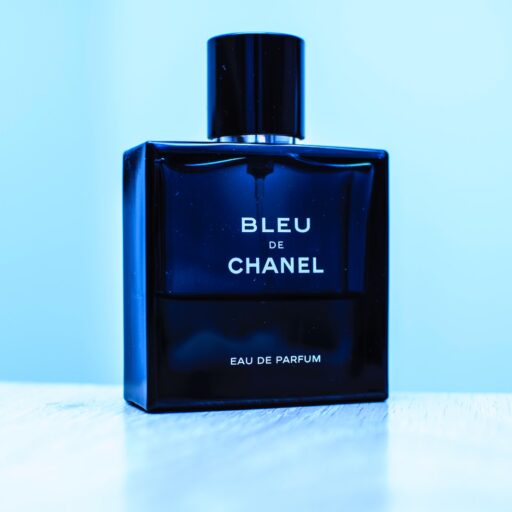
You can’t talk about perfume without saying “Chanel.” It’s the undisputed queen. From the revolutionary aldehyde-powered sparkle of Chanel No. 5 to the modern chypre brilliance of Coco Mademoiselle and the magnetic allure of Bleu de Chanel for men, the house sets the standard. As one analysis puts it, “Chanel’s ability to connect heritage with modern identity appeals to both loyal consumers and new generations.” It represents timeless elegance and is a true symbol of ultimate refinement.
👉 Shop Chanel on:
2. Dior: A Legacy of Glamour and Innovation ✨
If Chanel is the queen, Dior is the dazzling princess with a rebellious streak. From the floral explosion of the original Miss Dior to the radiant J’adore and the commercial behemoth that is Sauvage, Dior blends Parisian glamour with bold innovation. The success of Sauvage, driven by savvy digital campaigns, proves Dior’s mastery of the modern market. Their exclusive line, La Collection Privée, is a playground for serious fragrance aficionados.
👉 Shop Dior on:
3. Guerlain: The Grand Dame of French Perfumery 👑
With a history stretching back to 1828, Guerlain is perfume history. This is the house that gave us legendary creations like Shalimar, Mitsouko, and L’Heure Bleue. They invented the “Guerlinade,” a secret signature base accord that makes their fragrances instantly recognizable. While respecting their immense heritage, they continue to innovate with lines like Aqua Allegoria and the ultra-luxurious L’Art & la Matière.
👉 Shop Guerlain on:
4. Jo Malone London: The Art of Scent Layering and British Charm 🇬🇧
Jo Malone London changed the game with its concept of “Fragrance Combining™.” They encouraged us to become our own perfumers, layering scents like Lime Basil & Mandarin with Wood Sage & Sea Salt to create a personalized signature. Their aesthetic is clean, elegant, and quintessentially British. The brand has mastered the art of creating simple, yet evocative scents that are perfect for everyday luxury.
👉 Shop Jo Malone London on:
5. Tom Ford: Bold, Luxurious, and Unapologetically Sensual 🇺🇸
Tom Ford doesn’t do subtle. His fragrances are statements—bold, opulent, and designed to be noticed. The Private Blend collection, with provocative names like Fing Fabulous* and iconic scents like Oud Wood and Tobacco Vanille, redefined modern luxury perfumery. These are scents that exude confidence and power, embodying a “modern sensuality” that appeals to fragrance collectors and professionals alike.
👉 Shop Tom Ford on:
6. Creed: Royal Heritage and Artisanal Craftsmanship ⚜️
Passed down from father to son for seven generations, Creed boasts a history of serving royalty. While some of its historical claims are debated within the community, there’s no denying the quality and impact of its fragrances. Aventus, a modern masterpiece for men, is one of the most popular and recognizable scents of the 21st century. Creed prides itself on using traditional infusion techniques and high-quality natural ingredients.
👉 Shop Creed on:
7. Maison Francis Kurkdjian: Modern Niche Mastery and Parisian Chic 🎨
What happens when a master perfumer starts his own house? You get Maison Francis Kurkdjian. MFK is responsible for perhaps the most talked-about fragrance of the last decade: Baccarat Rouge 540. This ethereal, sweet, and mineralic scent became a global phenomenon, cementing the brand’s status as a leader in modern niche perfumery. The entire line is a testament to technical brilliance and contemporary Parisian elegance.
👉 Shop Maison Francis Kurkdjian on:
8. Le Labo: The Art of Personalization and Raw Authenticity 🧪
Walk into a Le Labo boutique, and you’re entering a fragrance laboratory. Their scents are hand-blended to order, and the label is personalized with your name and the date. This focus on freshness and craftsmanship created a cult following. Santal 33 became the signature scent of an entire generation of creatives, its distinctive woody-leathery profile wafting through the coolest hotels and boutiques worldwide.
👉 Shop Le Labo on:
9. Byredo: Scandinavian Minimalism Meets Olfactory Art 🇸🇪
Byredo is the epitome of cool. Founded in Stockholm by Ben Gorham, the brand translates memories and emotions into scent. With minimalist packaging and evocative names like Mojave Ghost, Bal d’Afrique, and Gypsy Water, Byredo appeals to a design-conscious crowd that values storytelling. Their fragrances are often described as abstract and unique, focusing on emotional narratives rather than traditional scent structures.
👉 Shop Byredo on:
10. Frédéric Malle: The Perfume Editor’s Vision and Uncompromising Quality 📚
Frédéric Malle’s concept was revolutionary: treat perfumers as authors, putting their names on the bottle and giving them total creative freedom. He acts as an “editor,” guiding their vision. The result is Éditions de Parfums Frédéric Malle, a library of masterpieces created by the world’s greatest noses. Scents like Jean-Claude Ellena’s Bigarade Concentrée and Dominique Ropion’s Portrait of a Lady are considered benchmarks of modern perfumery.
👉 Shop Frédéric Malle on:
11. Louis Vuitton: Travel, Luxury, and Distinctive Olfactory Journeys 💼
It took them a while to seriously re-enter the fragrance game, but when they did, they did it right. With master perfumer Jacques Cavallier Belletrud at the helm, Louis Vuitton has created a stunning collection of fragrances inspired by travel and emotion. Using cutting-edge CO2 extraction techniques and rare, high-quality materials, scents like Ombre Nomade and Afternoon Swim have quickly become modern luxury classics.
👉 Shop Louis Vuitton on:
12. Hermès: Equestrian Roots, Olfactory Horizons, and Understated Sophistication 🐎
Hermès is the master of understated elegance. Their fragrances, crafted by legendary in-house perfumers like Jean-Claude Ellena and now Christine Nagel, are never loud but always distinctive. The iconic Terre d’Hermès is a modern classic for men, while the Jardin collection offers a series of poetic, nature-inspired olfactory walks. Their Hermessence line is a beautiful exploration of rare materials for the true connoisseur.
👉 Shop Hermès on:
13. Giorgio Armani: Italian Sophistication in a Bottle 🇮🇹
Armani brings the effortless elegance of its tailoring to the world of fragrance. Acqua di Giò remains one of the best-selling men’s fragrances of all time, perfectly capturing a sense of Mediterranean freshness. On the women’s side, Sì is a modern, sophisticated fruity chypre. The brand truly shines with its couture line, Armani/Privé, which offers a luxurious and refined take on classic ingredients. The perspective from the first YouTube video in this article highlights Acqua Di Gio as a top global perfume, reinforcing its iconic status.
👉 Shop Giorgio Armani on:
14. Yves Saint Laurent: Rebellious Elegance and Audacious Scents 🎸
YSL has always walked the line between chic and provocative. From the controversial and iconic Opium to the confident coffee-floral of Black Opium and the gender-bending aromatic fougère of Libre, YSL creates fragrances for those who aren’t afraid to make a statement. Their ability to capture the zeitgeist, particularly with younger audiences, keeps them at the forefront of the industry. Their private collection, Le Vestiaire des Parfums, is a tribute to the couturier’s iconic garments.
👉 Shop Yves Saint Laurent on:
15. Kilian Paris: The Art of Seduction and Storytelling 😈
Founded by Kilian Hennessy, heir to the Hennessy cognac dynasty, this brand is all about luxury, seduction, and eco-consciousness. The scents, with names like Love, Don’t Be Shy and Good Girl Gone Bad, are housed in stunning, refillable bottles. Kilian’s vision is to return perfume to its pedestal as a true art form, creating complex, narrative-driven fragrances that are as intoxicating as their names suggest.
👉 Shop Kilian Paris on:
📈 Beyond the Big Names: Emerging Niche Perfume Brands to Watch in the Scent Landscape
While the titans dominate, the most exciting innovations often come from smaller, independent houses. Keep your nose peeled for these rising stars:
- Parfums de Marly: This niche brand has exploded in popularity with its opulent, powerful scents like Delina and Layton. Their storytelling, rooted in the splendor of 18th-century French royalty, has captivated a new generation of luxury consumers.
- Sol de Janeiro: Inspired by Brazilian beauty, this brand’s gourmand body mists, especially Brazilian Crush Cheirosa ’62, have become viral sensations. They prove that fun, delicious scents can make a huge impact.
- Zoologist Perfumes: A truly creative and whimsical brand where each fragrance is inspired by an animal. From the earthy, damp soil of Bat to the honeyed florals of Bee, Zoologist offers a unique and artistic olfactory adventure.
👃 How to Choose Your Signature Scent from a Top Perfume Brand: A Perfumer’s Guide
Finding “The One” can feel daunting, but we’re here to make it a joyous exploration. Think of us as your fragrance matchmakers! This is one of our favorite topics in our Perfume Guides.
Decoding Fragrance Families: Finding Your Olfactory Tribe
Most fragrances can be grouped into “families.” Knowing which family you gravitate towards is the first step in narrowing down your search.
| Fragrance Family | Characteristics | Find it in… |
|---|---|---|
| Fresh | Zesty, clean, aquatic, green. Think citrus, sea breeze, freshly cut grass. | Dior Sauvage, Giorgio Armani Acqua di Giò, Jo Malone London Lime Basil & Mandarin |
| Floral | From single flowers (soliflores) to complex bouquets. Romantic, feminine, sometimes powdery. | Chanel No. 5, Dior J’adore, Gucci Bloom |
| Oriental (Amber) | Warm, spicy, sweet, and resinous. Think vanilla, cinnamon, incense, and amber. | Guerlain Shalimar, YSL Opium, Tom Ford Tobacco Vanille |
| Woody | Earthy, smoky, warm. Notes of sandalwood, cedarwood, vetiver, and patchouli. | Le Labo Santal 33, Hermès Terre d’Hermès, Byredo Mojave Ghost |
The Art of Testing: Our Pro Tips for a Perfect Match
- Start with a Blotter: Do your initial sniffing on paper blotter strips. Don’t try more than 3-4 scents at a time, or you’ll experience “nose blindness.”
- Skin is Final: Found one you like? The next step is crucial. Spray it on your skin (your wrist or inner elbow). Your unique body chemistry will interact with the perfume, and it will smell different than it did on paper.
- Walk Away! Don’t buy it immediately. Wear the fragrance for at least a few hours, ideally a full day. How does it evolve? Do you still love it after the top notes have faded? Does it last?
- Ask for Samples: Don’t be shy! Most high-end counters will happily provide a small sample vial for you to test at home over several days.
Longevity and Sillage: Understanding Your Scent’s Performance
Two terms you’ll hear a lot are longevity (how long it lasts on your skin) and sillage (the scent trail it leaves in the air).
- Concentration Matters: As mentioned, an Eau de Parfum (EDP) has a higher oil concentration than an Eau de Toilette (EDT) and will generally last longer. An Extrait de Parfum is even more concentrated and long-lasting.
- Note Composition: The ingredients themselves play a huge role. Citrus top notes are volatile and fade quickly. Rich base notes like woods, musks, and resins are heavier and anchor the fragrance, lasting for hours.
- Your Skin Type: Oily skin tends to hold fragrance longer than dry skin. If your skin is dry, apply an unscented moisturizer before your perfume to give it something to cling to.
💰 The Business of Scent: What Drives a Perfume Brand to the Top of the Global Market?
The journey from a perfumer’s idea to a global bestseller is a fascinating mix of art and commerce. It’s a topic we follow closely in our Fragrance Industry News section.
Innovation in Ingredients and Sustainable Practices
The future of fragrance is becoming greener. Consumers are increasingly demanding transparency and sustainability.
- Ethical Sourcing: Brands are focusing on ethically sourced raw materials that support local communities.
- Green Chemistry: The use of biotechnology to create sustainable scent molecules is on the rise.
- Refillable Packaging: Brands like Prada and Kilian are leading the charge with beautiful, refillable bottles that reduce waste. Prada’s Paradoxe campaign, with its focus on a refillable bottle, was a huge hit.
The Power of Marketing and Compelling Storytelling
A great scent isn’t enough; you have to make people dream.
- Celebrity Power: A well-chosen ambassador, like Johnny Depp for Dior Sauvage or Emma Watson for Prada Paradoxe, can create a powerful connection with consumers.
- Digital Disruption: The rise of social media, especially TikTok, has changed the game. Brands like Glossier have achieved viral success through direct-to-consumer models and authentic, user-generated content.
- The Story is Everything: Niche brands like Byredo and Parfums de Marly have proven that a compelling narrative and a strong emotional identity can build a fiercely loyal following, even without a massive advertising budget.
🚫 Common Myths About Luxury Perfume Brands Debunked by Experts
Let’s clear the air on a few common misconceptions, shall we?
- Myth 1: The more expensive the perfume, the better it is.
- Our Take: ❌ Not necessarily! While ultra-expensive perfumes often use incredibly rare and precious raw materials, like those found in Shumukh ($1.29 million) or Clive Christian No. 1, price doesn’t always equal quality or, more importantly, a scent you’ll love. Some of the most iconic fragrances in history were not the most expensive to produce. You’re paying for the artistry, the brand name, and the marketing as much as the ingredients.
- Myth 2: “Natural” ingredients are always better than “synthetics.”
- Our Take: ❌ This is a huge one. Modern perfumery was built on the brilliant use of synthetics! Molecules like aldehydes (which give Chanel No. 5 its sparkle) and ambroxan (a key component in Dior Sauvage) created effects impossible to achieve with naturals alone. Synthetics can also be more sustainable and ethical than over-harvesting rare plants or using animal-derived products. The magic is in the blend of the two.
- Myth 3: A perfume should last all day.
- Our Take: ❌ It depends entirely on the fragrance’s composition! A light, citrusy Eau de Cologne is designed to be a refreshing, fleeting spritz. A dense, amber-based Extrait is designed to last for hours. It’s not a flaw if a fresh scent doesn’t stick around until dinner; it’s just its nature. Judge a fragrance by its intended character, not an arbitrary timeline.
🗣️ Our Personal Anecdotes: Behind the Scents at Perfume Brands™
I’ll never forget the first time I smelled Guerlain’s Mitsouko as a young apprentice perfumer. Our head perfumer, a formidable woman who had trained in Grasse, sat me down not with a blotter, but with a story. She spoke of its creation in 1919, its revolutionary peachy-chypre accord, and the melancholic romance it was said to represent.
She didn’t let me smell it until I understood its soul. When she finally sprayed it on my wrist, it wasn’t just a perfume anymore. It was a piece of history, a work of art, a tragedy, and a triumph all at once. It was the moment I realized that the greatest perfume brands don’t just sell a product; they sell emotion, history, and a piece of their soul. That’s the standard we strive for in every Fragrance Review we write and every scent we analyze. It’s about the story behind the scent.
✨ Conclusion: The Enduring Allure of Masterful Perfumery and Global Brands

What a fragrant journey we’ve shared! From ancient elixirs to modern masterpieces, the world of top perfume brands is a dazzling blend of history, artistry, innovation, and business savvy. We’ve uncovered the secrets behind the industry’s giants like Chanel, Dior, and Guerlain, explored the creative freedom of niche houses like Le Labo and Maison Francis Kurkdjian, and peeked into the future with emerging stars such as Parfums de Marly and Sol de Janeiro.
Remember our early tease about how many perfume brands exist worldwide? The answer is mind-boggling—thousands! Yet, only a select few rise to the pinnacle by balancing heritage, quality, innovation, and storytelling. Whether you’re hunting for a signature scent or simply indulging your curiosity, understanding these dynamics will help you navigate the perfume universe like a pro.
Our expert advice? Don’t rush. Explore, test on your skin, embrace the stories, and find the fragrance that resonates with your soul. Because at the end of the day, perfume is not just about smelling good—it’s about expressing who you are without saying a word.
Ready to dive deeper or shop your favorites? Scroll down for our curated shopping links and recommended reads!
🔗 Recommended Links: Dive Deeper into the World of Fragrance
Shop the Top Perfume Brands Mentioned:
- Chanel: Amazon | Walmart | Chanel Official Website
- Dior: Amazon | Walmart | Dior Official Website
- Guerlain: Amazon | Walmart | Guerlain Official Website
- Jo Malone London: Amazon | Walmart | Jo Malone London Official Website
- Tom Ford: Amazon | Walmart | Tom Ford Official Website
- Creed: Amazon | Walmart | Creed Official Website
- Maison Francis Kurkdjian: Amazon | Maison Francis Kurkdjian Official Website
- Le Labo: Amazon | Le Labo Official Website
- Byredo: Amazon | Byredo Official Website
- Frédéric Malle: Amazon | Frédéric Malle Official Website
- Louis Vuitton: Louis Vuitton Official Website
- Hermès: Amazon | Walmart | Hermès Official Website
- Giorgio Armani: Amazon | Walmart | Giorgio Armani Official Website
- Yves Saint Laurent: Amazon | Walmart | YSL Beauty Official Website
- Kilian Paris: Amazon | Kilian Paris Official Website
Recommended Books on Perfume and Perfumery:
- Perfumes: The A-Z Guide by Luca Turin & Tania Sanchez — Amazon
- The Perfect Scent: A Year Inside the Perfume Industry in Paris and New York by Chandler Burr — Amazon
- Essence and Alchemy: A Natural History of Perfume by Mandy Aftel — Amazon
❓ FAQ: Your Burning Perfume Questions Answered by Our Experts

What are the most popular luxury perfume brands globally?
The luxury perfume landscape is dominated by iconic houses such as Chanel, Dior, Guerlain, Tom Ford, and Hermès. These brands combine rich heritage, exceptional craftsmanship, and consistent innovation to maintain global appeal. According to Freeyourself.com’s 2025 sales report, these brands lead due to their ability to blend tradition with modern marketing and sustainability efforts. Niche luxury brands like Maison Francis Kurkdjian and Frédéric Malle have also carved out significant market share by appealing to discerning consumers seeking exclusivity and artistry.
Read more about “How Many Perfume Brands Are There in the World? 🌍 (2025)”
Which perfume brands have the best long-lasting fragrances?
Longevity depends on concentration, ingredients, and skin chemistry, but brands known for exceptional lasting power include:
- Creed, especially with Aventus, renowned for its rich, complex base notes.
- Tom Ford’s Private Blend collection, with dense, opulent compositions.
- Le Labo, particularly Santal 33, which is famed for its persistent woody notes.
- Frédéric Malle, where perfumers craft balanced yet enduring scents.
High oil concentration perfumes (Extrait de Parfum) from these houses often last 8+ hours. For more on longevity, see our Perfume Guides.
Read more about “✨ Top 25 Best Perfumes for Women 2023: Discover Your Signature Scent”
How do top perfume brands create their signature scents?
Top brands employ master perfumers who blend natural and synthetic ingredients to craft unique olfactory signatures. The process involves:
- Conceptualization: Understanding brand identity and target audience.
- Ingredient Selection: Sourcing rare, high-quality materials (e.g., jasmine from Grasse, oud from India).
- Molecular Innovation: Using synthetics like aldehydes and ambroxan to enhance scent complexity.
- Testing & Refinement: Iterative trials on blotters and skin to perfect balance and longevity.
- Storytelling: Packaging and marketing that evoke emotion and heritage.
Brands like Frédéric Malle give perfumers full creative freedom, while houses like Chanel blend tradition with innovation.
Read more about “10 Famous Luxury Perfume Brands You Need to Know in 2025 ✨”
What are the emerging perfume brands to watch in 2024?
Emerging brands gaining attention for creativity and sustainability include:
- Parfums de Marly: Baroque-inspired luxury with growing global presence.
- Sol de Janeiro: Brazilian-inspired gourmand scents with viral appeal.
- Zoologist Perfumes: Artistic, animal-themed niche fragrances with bold concepts.
- Glossier: Direct-to-consumer brand leveraging social media and skin-scent formulas.
These brands reflect current trends toward personalization, storytelling, and eco-consciousness.
Read more about “Top 15 Best-Selling Men’s Perfumes in the World (2025) 🌍”
How important is sustainability in the perfume industry today?
Sustainability is becoming a critical factor in consumer choice and brand strategy. Leading brands are:
- Sourcing ingredients ethically to support biodiversity and communities.
- Developing refillable packaging to reduce waste (e.g., Prada Paradoxe, Kilian).
- Investing in green chemistry to create sustainable synthetic molecules.
This shift not only protects the environment but also resonates with younger, socially conscious consumers.
Read more about “Perfume Names A-Z: 100 Iconic Scents You Must Know (2025) 🌸”
📚 Reference Links: Our Sources and Further Reading
- Top 50 Perfume Brands in the World — Yahoo Finance
- The 10 Most Expensive Perfumes in the World — LuxuryProperty.com
- Top Perfume Brands By Sales in 2025: A Comprehensive Guide — Freeyourself.com
- Chanel Official Website
- Dior Official Website
- Guerlain Official Website
- Jo Malone London Official Website
- Tom Ford Official Website
- Creed Official Website
- Maison Francis Kurkdjian Official Website
- Le Labo Official Website
- Byredo Official Website
- Frédéric Malle Official Website
- Louis Vuitton Official Website
- Hermès Official Website
- Giorgio Armani Official Website
- YSL Beauty Official Website
- Kilian Paris Official Website
Thanks for joining us on this olfactory adventure! Ready to find your next signature scent? Dive into our Fragrance Reviews and Luxury Brands for more expert insights.